Burgundy: Where Terroir Is Everything
An in-depth exploration of Burgundy's unique terroir-driven philosophy, covering the classification hierarchy from Grand Cru to Bourgogne, the role of Pinot Noir and Chardonnay, and how to navigate this complex yet rewarding region.
The Burgundy Paradox
Burgundy is simultaneously the easiest and the most difficult wine region to understand. Easy because the grape equation is astonishingly simple: red Burgundy is Pinot Noir, white Burgundy is Chardonnay. There are no blends to decode, no permitted secondary varieties muddying the picture. Difficult because Burgundy's quality and character depend entirely on Terroir — and Burgundy has mapped its terroir with a precision that borders on obsessive.
A vineyard on one side of a narrow lane can produce Grand Cru wine worth $500 a bottle, while the parcel directly across the road yields a village-level wine at $40. Same grape, same winemaker, same vintage. The difference is the soil, the slope, the exposure, the drainage — the terroir. Nowhere else in the wine world is the connection between place and taste drawn so sharply.
Geography and Climate
Burgundy stretches roughly 150 kilometers north to south through eastern France, from Chablis in the north to the Maconnais in the south. The region sits at a climatic knife-edge for Pinot Noir: warm enough to ripen this notoriously difficult grape, cool enough to preserve the Acidity and delicacy that define great Burgundy.
The vineyards occupy a narrow band of east- and southeast-facing slopes — the Cote d'Or (literally "Golden Slope") — where limestone bedrock creates the alkaline, well-drained soils that Pinot Noir and Chardonnay prefer. The specific mix of limestone, marl, and clay varies plot by plot, and these variations are reflected directly in the wine.
The Sub-Regions
- Chablis — The northernmost outpost, separated from the rest of Burgundy by 100 kilometers. Chardonnay grown on Kimmeridgian limestone produces steely, mineral whites with razor-sharp acidity. Oak is used sparingly or not at all.
- Cote de Nuits — The northern half of the Cote d'Or, running from Marsannay to Nuits-Saint-Georges. This is Pinot Noir's homeland. Nearly all of Burgundy's red Grand Crus are here: Chambertin, Musigny, Romanee-Conti, Clos de Vougeot, Richebourg.
- Cote de Beaune — The southern half of the Cote d'Or. Produces superb reds (Pommard, Volnay) but is most celebrated for white Grand Crus: Montrachet, Corton-Charlemagne, Batard-Montrachet.
- Cote Chalonnaise — South of the Cote d'Or. Offers excellent value in appellations like Mercurey, Givry, and Rully.
- Maconnais — The southernmost zone. Warmer and flatter, producing approachable Chardonnay. Pouilly-Fuisse is the standout appellation.
The Classification Hierarchy
Burgundy's Appellation system is vineyard-centric, not estate-centric. Quality is determined by where the grapes grow, not who made the wine. The hierarchy has four levels:
1. Grand Cru (top ~1.5% of production)
The 33 Grand Cru vineyards represent Burgundy's absolute pinnacle. Each Grand Cru carries its own AOC — the label says "Chambertin" or "Montrachet," not "Gevrey-Chambertin Grand Cru." These wines combine concentration, complexity, and the ability to age for decades.
2. Premier Cru (~10% of production)
Over 600 individual vineyard sites classified as Premier Cru (1er Cru). The label names both the village and the vineyard: "Volnay 1er Cru Les Caillerets." Quality ranges widely — some Premier Crus rival Grand Crus, while others are significantly less distinguished.
3. Village (~35% of production)
Wines carrying a village name (Gevrey-Chambertin, Meursault, Puligny-Montrachet) without a specific vineyard designation. These can be blended from multiple plots within the village. Quality varies enormously by producer.
4. Regional (~50% of production)
The broadest category: Bourgogne Rouge, Bourgogne Blanc, Bourgogne Aligote. Grapes can come from anywhere in Burgundy. These are the entry point — often simple but sometimes surprisingly good from top producers.
Pinot Noir in Burgundy
Pinot Noir is one of the most temperamental grapes in existence. Thin-skinned, prone to disease, early-ripening, and brutally transparent about where it is grown — Pinot Noir conceals nothing. A mediocre vineyard or a clumsy winemaker has nowhere to hide.
In great Burgundy, Pinot Noir produces Elegant Red wines of extraordinary perfume and nuance. Young wines offer red cherry, raspberry, and floral notes on the Nose. With age, the wine develops truffle, mushroom, damp earth, and game — what Burgundy enthusiasts call "sous-bois" (forest floor). On the Palate, the texture is silky rather than tannic, with a persistent, haunting Finish.
The best examples age for 20 to 50 years, developing complexity that few other wines can match. But Burgundy Pinot Noir is not about power or extraction — it is about transparency and finesse.
Chardonnay in Burgundy
If Pinot Noir reveals terroir through perfume and texture, Chardonnay reveals it through structure and mineral character. Burgundy Chardonnay spans a remarkable range:
- Chablis — Lean, flinty, citrus-driven. Unoaked or lightly oaked. The limestone soil imparts a distinctive mineral finish.
- Meursault — Rich White wines with hazelnut, butter, and stone fruit. Generous Body with underlying acidity.
- Puligny-Montrachet — More restrained than Meursault, with precision and length. Citrus blossom, almond, and chalk.
- Chassagne-Montrachet — A balance between the two, often with more earthy character.
The Grand Cru Montrachet — straddling Puligny and Chassagne — is widely considered the greatest dry white wine vineyard on Earth. A bottle from a top producer can cost $500 to $1,500 and age for 30 years or more.
The Domaine System
Unlike Bordeaux, where large estates control entire vineyards, Burgundy's vineyards are fragmented among many small growers. The famous Clos de Vougeot Grand Cru (50 hectares) is divided among roughly 80 different owners. This fragmentation means the producer's name matters as much as the vineyard name.
Key producer types:
- Domaine — Grows its own grapes and makes wine on-site. Generally the most respected category.
- Negociant — Buys grapes or wine from growers and bottles under its own label. Quality ranges from bulk production to excellent (Maison Louis Jadot, Joseph Drouhin).
- Negociant-eleveur — Buys wine after fermentation and ages/blends it. Increasingly blurred lines with domaines.
Navigating Burgundy: Practical Advice
Start with Village Wines
Grand Cru Burgundy is extraordinary but expensive and often requires years of patience. Village-level wines from good producers offer the purest introduction to each commune's character at accessible prices. A village Gevrey-Chambertin or Meursault from a careful domaine will teach you more about Burgundy than a mediocre Grand Cru.
Learn Producers, Not Just Vineyards
In Burgundy, a $30 village wine from a great domaine will almost always outperform a $100 Premier Cru from a careless one. Build a mental list of reliable producers and follow them across appellations.
Serving and Aging
Red Burgundy should be served at 15-17 C — cooler than most people expect. Young Burgundy can be tight and unforthcoming; let it open in the glass for 30-60 minutes rather than aggressively decanting. White Burgundy is best at 10-13 C.
Village reds generally drink well from 5 to 15 years after vintage. Premier Cru needs 8-20 years. Grand Cru can reward 15-50 years of patience, though finding properly stored bottles at that age is its own challenge.
Burgundy and Food
Burgundy's food pairings are deeply rooted in its own culinary tradition — this is, after all, a region famous for coq au vin, boeuf bourguignon, and escargots in garlic butter.
Red Burgundy (Pinot Noir) is one of the most food-versatile red wines. Its moderate Body, silky tannins, and bright acidity pair with:
- Roasted chicken (the classic — a village Gevrey-Chambertin with rotisserie bird is one of wine's simplest pleasures)
- Duck breast, quail, and other game birds
- Mushroom dishes of all kinds — the wine's earthy character mirrors the ingredient
- Grilled salmon or tuna (one of the few reds that works with fatty fish)
- Soft, washed-rind cheeses: Epoisses (from Burgundy), Langres, Pont-l'Eveque
White Burgundy (Chardonnay) matches with:
- Lobster, crab, and scallops (the richness of Meursault or Puligny meets shellfish perfectly)
- Roasted white fish with butter sauce
- Cream-based pasta dishes
- Comté cheese (a Jura neighbor, but a natural partner)
- Crisp White Chablis with raw oysters — the mineral-on-mineral pairing is electric
The principle in Burgundy pairing is weight matching. Light village reds with light dishes, Premier Cru whites with richer preparations. The wine's acidity acts as a palate cleanser between bites, refreshing the mouth and making the next forkful taste as good as the first.
The Prices: Why So Expensive?
Burgundy's prices — particularly for Grand Cru and sought-after Premier Cru — have risen dramatically over the past two decades. Several factors drive this:
- Tiny production: Domaine de la Romanee-Conti's La Tache vineyard produces roughly 1,500 cases per year. Global demand for 1,500 cases from collectors in the US, UK, Japan, and China pushes prices to stratospheric levels.
- Fragmentation: Many growers own only a few rows of vines in each vineyard, producing perhaps 2-5 barrels of wine. Small supply and high demand create auction dynamics.
- Quality improvement: The overall standard of Burgundy winemaking has risen enormously since the 1990s. Better wines justify higher prices.
- Frost and hail risk: Burgundy's marginal climate means that frost (2016, 2021) and hail can destroy a significant portion of the crop, tightening supply further.
The good news: Burgundy's regional (Bourgogne) and Cote Chalonnaise wines remain accessible. A well-chosen Bourgogne Rouge from a top domaine costs $20-30 and delivers genuine Burgundy character. The Maconnais offers outstanding Chardonnay under $20. The expensive stuff gets the headlines, but the affordable stuff is where most people should start — and many happily stay.
Burgundy demands more of the drinker than almost any other region. It asks you to pay attention, to taste carefully, to notice small differences. In return, it offers wines of a subtlety and emotional resonance that no other region consistently achieves.
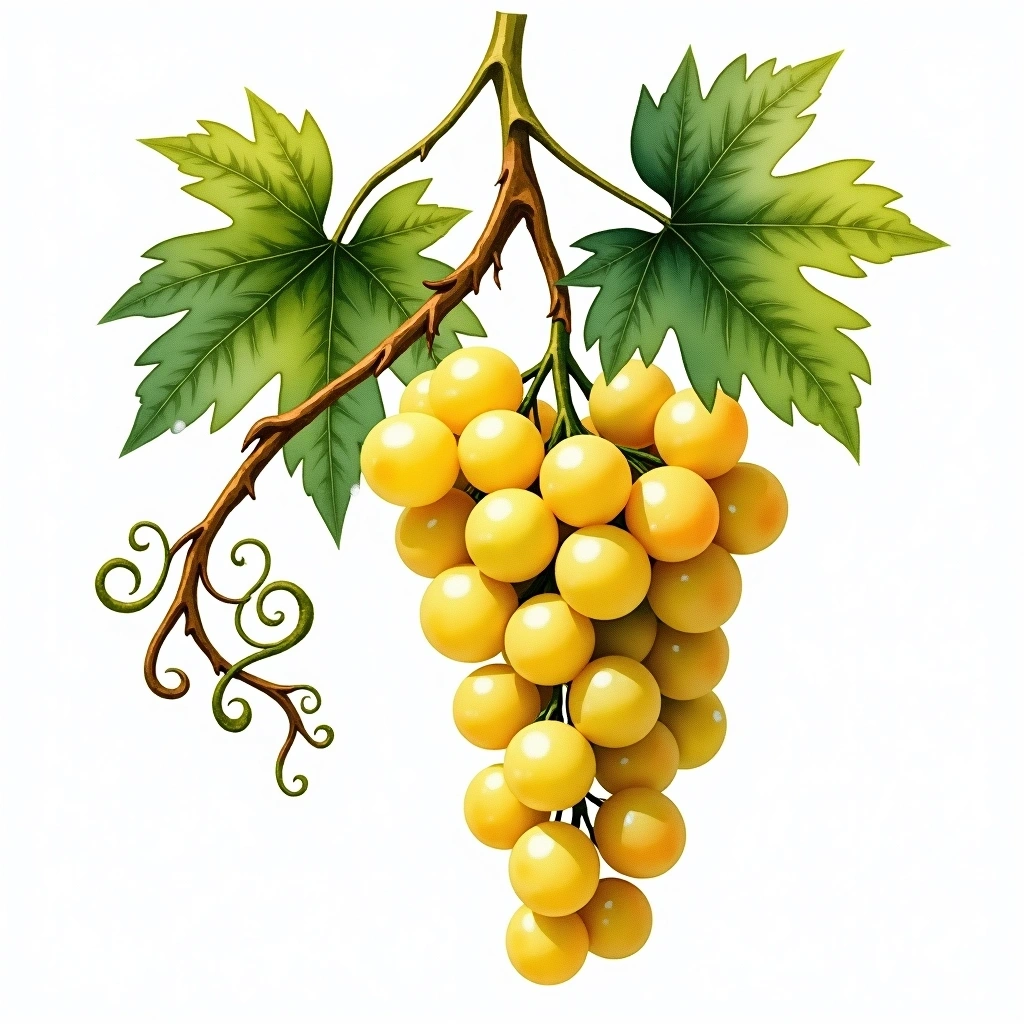 Chardonnay
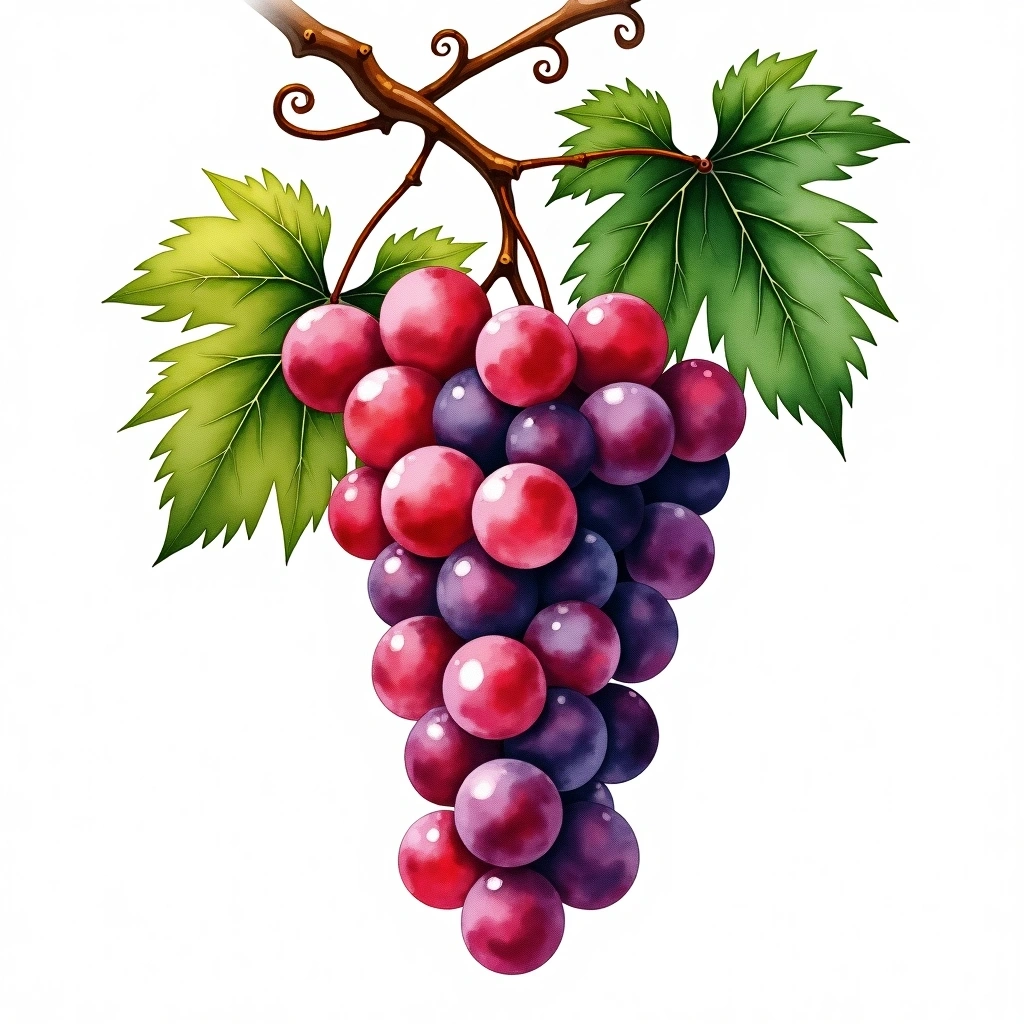 Pinot Noir
 Crisp White
 Elegant Red
 Light Red
 Rich White