Genetic Diversity in Wine Grapes
Thousands of grape varieties and countless clones represent millennia of human selection and natural mutation — a genetic treasury that underpins the extraordinary diversity of the world's wines.
Genetic Diversity in Wine Grapes
The grapevine is among the most genetically diverse of all cultivated plants. The species Vitis vinifera ssp. sativa — the domesticated form of the wild Eurasian grape — encompasses thousands of named varieties and countless unnamed ones, representing perhaps the richest reservoir of cultivated plant genetic diversity on Earth. Understanding this diversity, its origins, and its practical implications is one of the most active areas of modern viticulture research.
The Origins of Domestication
Genetic evidence now broadly supports the hypothesis that V. vinifera was domesticated from its wild progenitor (V. vinifera ssp. sylvestris) in the South Caucasus region — roughly encompassing modern Georgia, Armenia, and eastern Turkey — beginning approximately 8,000 to 11,000 years ago. Archaeological evidence, including grape seeds, grape processing equipment, and organic wine residues in pottery, corroborates a Near Eastern or Caucasian origin for winemaking culture.
From this initial domestication center, cultivated grapevines spread westward across the ancient Mediterranean world with Phoenician, Greek, Etruscan, and Roman civilizations. As vines moved into new regions, they encountered different climates, soils, and farming practices, and were subject to both intentional human selection (farmers saving cuttings from the most productive or best-tasting vines) and natural processes (mutation, chance crosses, and differential survival).
A landmark 2019 study analyzing the genomes of thousands of cultivated and wild grape accessions from across Eurasia confirmed the single primary domestication event hypothesis and traced migration routes with remarkable precision, showing how distinct genetic clusters correspond to regional grape traditions in the western Mediterranean, the Balkans, the Caucasus, and Central Asia.
Variety vs. Clone: Two Levels of Diversity
When discussing genetic diversity in wine grapes, it is essential to distinguish between diversity at the variety level and diversity within a single variety.
Varieties (also called cultivars) are genetically distinct types of V. vinifera that breed true to a recognizable set of characteristics: berry size, color, ripening time, aroma compounds, and wine style. Globally, an estimated 5,000 to 10,000 varieties exist, though only a few hundred are of commercial significance. DNA-based variety identification has been transformative: it revealed, for example, that Cabernet Sauvignon is a natural cross of Cabernet Franc and Sauvignon Blanc (identified in 1997), and that Riesling's parentage includes Gouais blanc, an ancient variety also involved in the ancestry of many Burgundian and Alsatian grapes.
Clones are genetically distinct individuals within a single variety — mutations of a single mother plant that have been propagated vegetatively and selected for desirable characteristics. Because grapevines are typically propagated by cuttings rather than by seed, all the Pinot Noir vines in the world are theoretically descended from a small number of original plants. However, over centuries and thousands of vegetative generations, spontaneous mutations have accumulated in individual vines, creating a spectrum of clonal variation within the variety.
Clone selection is one of the most important decisions a viticulturist makes when planting a new vineyard. Different Pinot Noir clones — Dijon clones, Pommard, Wädenswil, Calera, etc. — differ in bunch weight, berry size, color intensity, aromatic profile, ripening date, and disease resistance. A winemaker in Burgundy planting a new block may plant several clones deliberately (a practice called "clonal selection massal" or "complantation") to increase within-vineyard diversity and hedge against the risk that any single clone may perform poorly in a given vintage.
Ancient Varieties and Rediscoveries
DNA analysis has enabled a wave of botanical detective work, identifying ancient varieties preserved in old vineyards, monastery gardens, and obscure regional appellations, and connecting them to historical documents and modern synonyms.
Nebbiolo, the basis of Barolo and Barbaresco in Piedmont, was long thought to be an ancient local variety. DNA studies have confirmed its northern Italian origin but have also revealed that it is related to a number of other Piedmontese grapes through complex historical crossing patterns. Sangiovese, the backbone of Chianti Classico and Brunello di Montalcino in Tuscany, has been shown to have at least two distinct genetic origins — suggesting that what we call "Sangiovese" may actually be a cluster of related but genetically distinct clonal lineages rather than a single coherent variety.
The grape formerly known as Primitivo in Italy and Zinfandel in California was identified through DNA fingerprinting in the 1990s and early 2000s as the Croatian variety Crljenak Kaštelanski (also known as Tribidrag), providing one of the first molecular solutions to a long-standing mystery in ampelography (the study of grapevine identification). Similarly, Grenache was shown to be identical to Spain's Garnacha tinta and to have a Spanish origin, despite its long association with southern France's Rhone Valley.
Chenin Blanc, a versatile variety producing wines ranging from bone-dry to Botrytized sweet in the Loire Valley, is now understood to be an ancient variety with origins in the Loire and complex relationships with other French varieties. DNA studies have revealed that it is a parent of Sauvignon Blanc — making it a genetic grandparent of Cabernet Sauvignon through Sauvignon's cross with Cabernet Franc.
Conservation: The Importance of Genetic Resources
The concentration of global wine production around a small number of commercially dominant varieties — Cabernet Sauvignon, Chardonnay, Merlot, and a handful of others account for a disproportionate share of world plantings — represents a form of genetic erosion. The thousands of minor regional varieties, once grown in village vineyards across Europe and the Mediterranean, are at risk of disappearing as older growers retire and economics favor planting internationally recognized grape names.
Research programs at institutions including the INRAE in France, the University of Milan, UC Davis, and the Foundation for Plant Science Research in Portugal are systematically collecting, genotyping, and cryopreserving material from rare and historic varieties. Germplasm collections — living vine repositories that maintain thousands of accessions — serve as genetic libraries for future breeding programs and as safeguards against the loss of irreplaceable diversity.
Some of this diversity is now being called back into commercial wine production. Growers in Tuscany have revived varieties like Pugnitello and Canaiolo Nero as co-fermentation partners for Sangiovese, adding complexity to traditional blends. In France, pre-phylloxera varieties preserved at INRAE's Vassal collection are being evaluated for disease resistance and climate adaptation, with some being proposed for official registration as AOC varieties — a decades-long regulatory process.
Climate Adaptation and Genetic Potential
The climate adaptation challenge facing viticulture in the 21st century makes genetic diversity not just an academic interest but a pressing practical priority.
As temperatures rise in established wine regions, growers face a difficult choice: plant varieties better suited to warmer conditions, or attempt to maintain current varieties through site selection, canopy management, and other mitigation strategies. The pool of available varieties for each approach is constrained by both genetics and regulation — most EU appellations legally mandate the use of specific varieties, limiting the ability to switch even when climatic logic suggests it.
Breeding programs represent a longer-term solution. Classical grape breeding crosses existing varieties to combine desirable traits — disease resistance from one parent with aromatic quality from another. The German "PIWI" (Pilzwiderstandsfähige — fungus-resistant) varieties, including Solaris, Cabernet Blanc, and Aromera, have been bred for resistance to downy and powdery mildew, dramatically reducing the need for fungicide applications. These varieties are beginning to gain commercial acceptance in Germany, Switzerland, and increasingly across northern Europe.
More recently, marker-assisted selection and genomic selection techniques — which use knowledge of the genome to predict breeding outcomes — are accelerating the development of new varieties. Researchers have identified QTLs (quantitative trait loci) associated with disease resistance, berry aromatic composition, drought tolerance, and many other commercially valuable traits. By selecting breeding individuals that carry favorable alleles at these loci, breeders can dramatically accelerate the development of new varieties suited to future conditions.
The genetic diversity of wine grapes, accumulated over millennia of human cultivation and natural evolution, is ultimately humanity's most valuable asset in the face of climate change. Each variety in a germplasm collection, each ancient vine in a forgotten vineyard, each obscure clone preserved in an old grower's field selection, represents a thread in an evolutionary tapestry that may yet prove essential to the future of wine.
 Cabernet Sauvignon
 Chenin Blanc
 Grenache
 Nebbiolo
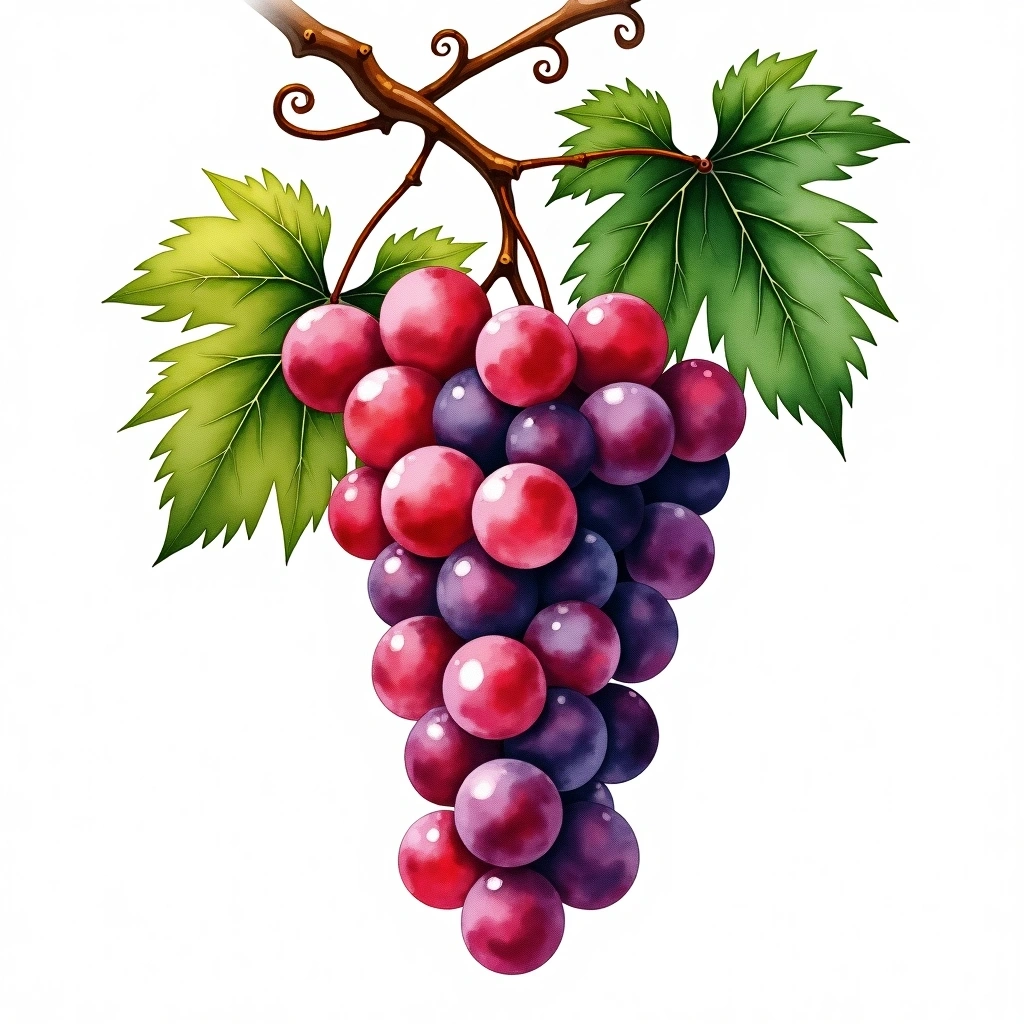 Pinot Noir
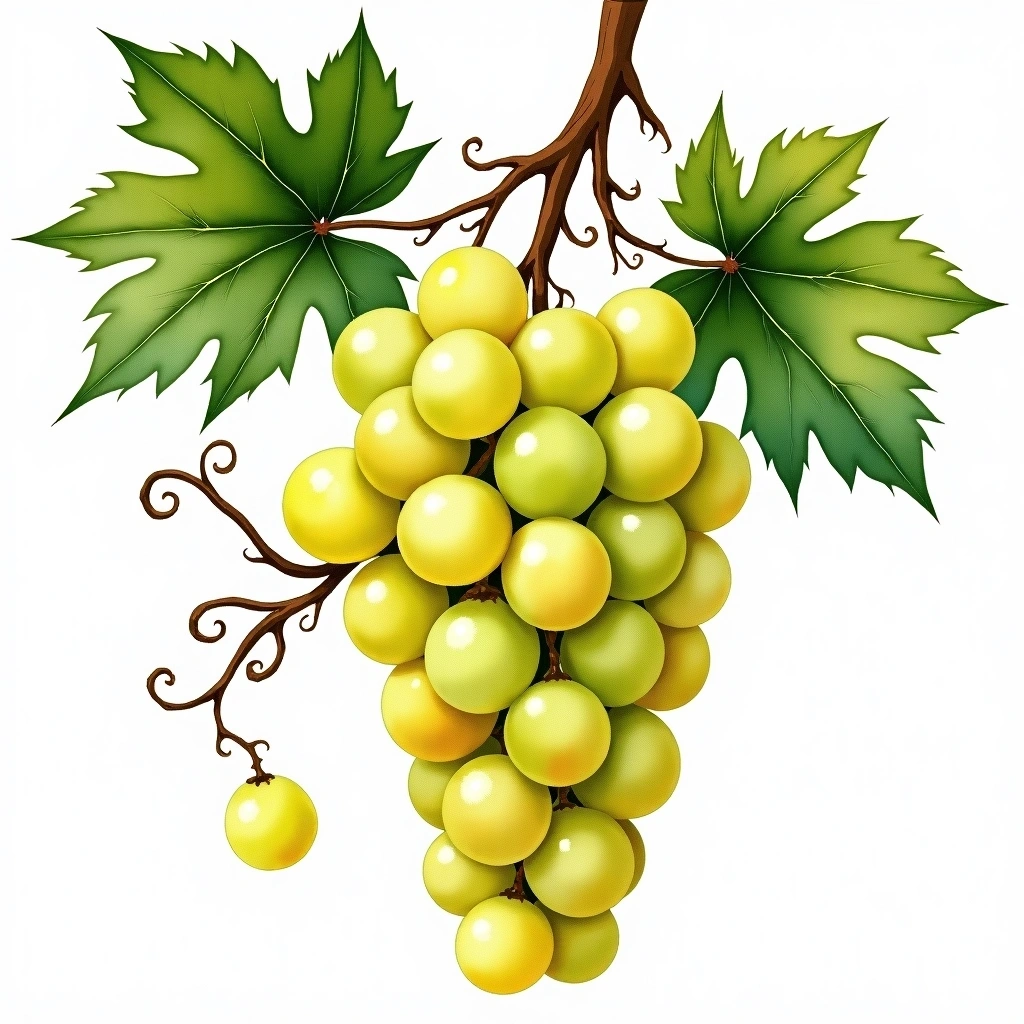 Riesling
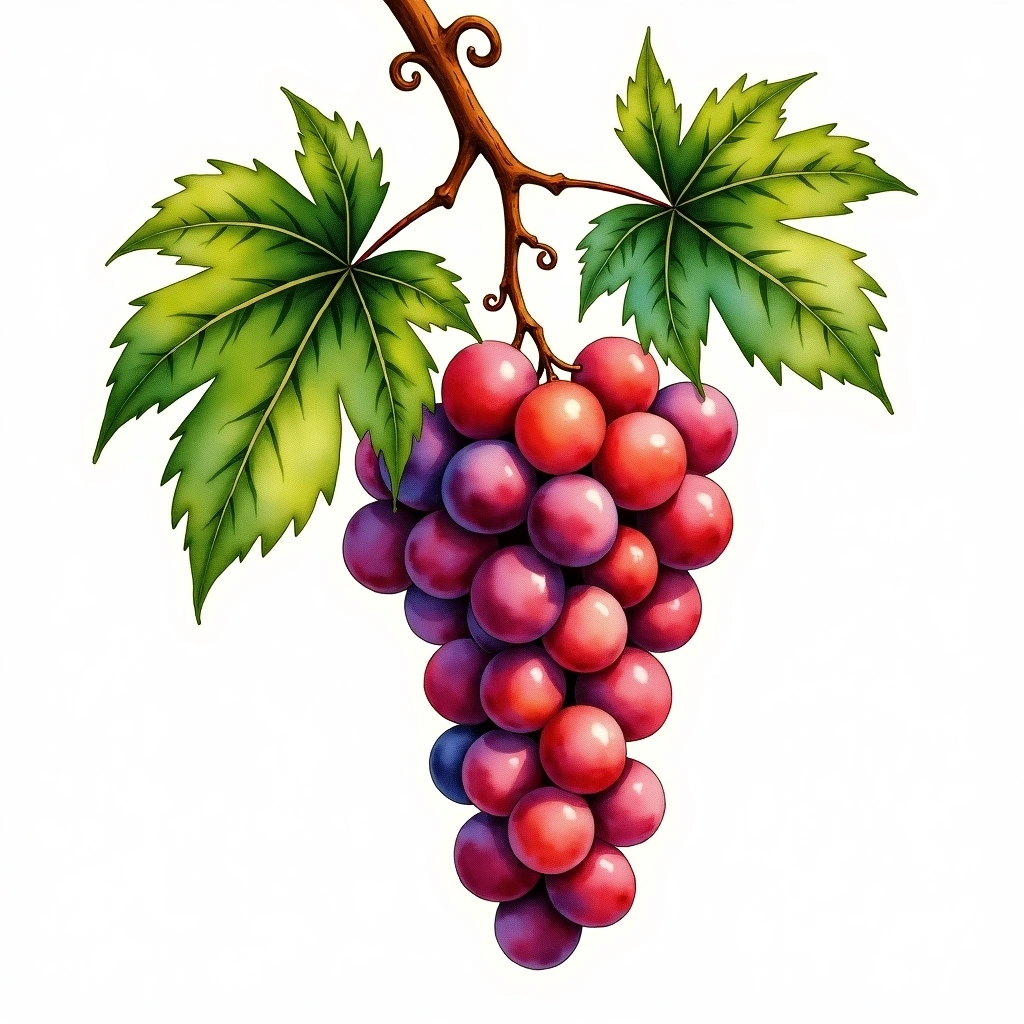 Sangiovese
 Aromatic White
 Bold Red
 Elegant Red
 Light Red
 Rich White