Napa Valley: California's Crown Jewel
A comprehensive look at Napa Valley covering its meteoric rise, AVA sub-regions, the dominance of Cabernet Sauvignon, winemaking styles, and what distinguishes Napa from its European counterparts.
From Farmland to Fine Wine
A century ago, Napa Valley was best known for cattle ranches and walnut orchards. Today it is arguably the most famous wine region in the Western Hemisphere and one of the most expensive pieces of agricultural land on Earth. Vineyard acreage that sold for a few hundred dollars per acre in the 1960s now commands $300,000 to $500,000 per acre in prime sub-appellations.
Napa's transformation from agricultural backwater to world-class wine region happened with remarkable speed. The modern era dates to the 1960s and 1970s, when pioneers like Robert Mondavi, Warren Winiarski, and Mike Grgich began producing wines that could compete with — and occasionally surpass — the best of Bordeaux. The 1976 Judgment of Paris, when Napa wines beat top French wines in a blind tasting, was the catalyst that put California on the global wine map permanently.
Today, Napa produces only about 4% of California's wine by volume but accounts for roughly 30% of its value — a ratio that underscores the region's focus on premium production.
Geography and Climate
Napa Valley is a narrow trough roughly 50 kilometers long and 5 kilometers wide at its broadest point, running northwest from the San Pablo Bay toward Mount Saint Helena. The Mayacamas Mountains form the western boundary (separating Napa from Sonoma), while the Vaca Range flanks the east.
This geography creates enormous climatic diversity in a small area. The southern end near the Bay is Region I on the Winkler scale (cool, comparable to Burgundy), while the northern reaches around Calistoga are Region III (warm, comparable to the southern Rhone). Morning fog rolls in from the Bay and burns off by midday, giving vines cool mornings and warm afternoons — ideal for slow, even ripening.
Key AVAs
Napa contains 16 nested AVAs (American Viticultural Areas), each with distinct characteristics:
Valley Floor: - Oakville — Deep, well-drained alluvial soils. Home to some of Napa's most famous Cabernets, including Opus One and Robert Mondavi's To Kalon vineyard. Wines combine power with remarkable polish. - Rutherford — Adjacent to Oakville but slightly warmer. Known for the "Rutherford dust" — a distinctive mineral and cocoa character that marks its best Cabernets. - Stags Leap District — On the eastern side, sheltered by rock bluffs. Produces Cabernets with velvet texture and elegance rather than brute force. Stag's Leap Wine Cellars won the 1976 Judgment of Paris with its 1973 Cabernet from this district. - Yountville — Cooler, fog-influenced. Elegant Cabernets and increasingly good Merlot.
Mountain AVAs: - Howell Mountain — Eastern mountains. Volcanic soils above the fog line. Powerful, tannic Cabernets that demand patience. - Spring Mountain — Western slopes of the Mayacamas. Complex, mineral-driven wines with firm structure. - Mount Veeder — Southern Mayacamas. Wild, rugged terrain producing concentrated wines with notable Tannin and acidity. - Diamond Mountain — Volcanic soils producing aromatic, well-structured reds.
Cabernet Sauvignon: Napa's Signature
Cabernet Sauvignon is to Napa what Pinot Noir is to Burgundy — the defining grape variety, responsible for the region's reputation and its highest-priced wines. Napa Cabernet accounts for approximately 55% of the valley's planted acreage and the overwhelming majority of its most expensive bottles.
Napa Cabernet differs from Bordeaux Cabernet in fundamental ways. The warmer, more reliable climate produces riper fruit with higher alcohol (14-15% is common, versus 13-13.5% in Bordeaux), richer Body, and more generous tannins. Where Bordeaux Cabernet often shows lead-pencil austerity in youth, Napa Cabernet tends toward blackcurrant, dark cherry, and baking spice from day one.
The style spectrum is wide:
- Valley-floor Cabernets (Oakville, Rutherford) offer classic Napa richness: dark fruit, vanilla from new oak, polished tannins, and a long, warm Finish.
- Mountain Cabernets (Howell Mountain, Spring Mountain) are more structured and angular, with mineral notes, firmer tannins, and deeper color from smaller berries grown on stressed vines.
- Cult Cabernets (Screaming Eagle, Harlan Estate, Scarecrow) are produced in tiny quantities, score consistently above 95 points, and sell for $500 to $5,000 per bottle. They represent the extreme end of Napa's quality — and price — ambitions.
Beyond Cabernet
While Cabernet dominates, Napa produces compelling wines from other varieties:
- Merlot — Suffered a reputation hit after the film Sideways (2004) but is making a quiet comeback. Duckhorn's Three Palms Vineyard Merlot is a consistent reminder of what the grape achieves here.
- Chardonnay — Especially good in the cooler southern end (Carneros). Rich White styles with tropical fruit, vanilla, and creamy texture dominate.
- Sauvignon Blanc — Fumé Blanc, as Robert Mondavi rebranded it, is a Napa specialty. Barrel-fermented styles with melon and fig distinguish it from the grassier Loire or Marlborough expressions.
- Bordeaux Blends — Many top producers make proprietary blends (Opus One, Insignia, Dominus) in the Bordeaux mold, combining Cabernet with Merlot, Cabernet Franc, and Petit Verdot.
Winemaking Philosophy
Napa's winemaking ethos leans interventionist compared to the European tradition. Extended maceration, new French oak (often 80-100% for top wines), micro-oxygenation, and meticulous sorting are standard practice at premium estates. The goal is a wine that is impressive from the start — accessible in youth yet capable of aging.
Critics argue this produces a house style that overrides Terroir. Supporters counter that Napa's terroir is precisely about generosity and ripeness, and the winemaking simply amplifies what the land provides. Both sides have a point.
A counter-movement toward restraint has gained momentum since the mid-2010s. Producers like Matthiasson, Corison, and Mayacamas (a historic winery revitalized in 2013) champion lower-alcohol, less-oaky wines that prioritize balance over power. This "new classicism" is gradually expanding Napa's stylistic range.
Buying and Enjoying Napa Wine
Price Reality
Napa is expensive. Average bottle prices are the highest of any major wine region. Entry-level Napa Varietal wines start around $25-35, mid-tier bottles run $50-100, and classified-tier wines reach $150-500. Cult wines inhabit a different universe entirely.
For value, look to less-celebrated AVAs (Calistoga, Pope Valley) or producers working slightly outside the prestige hierarchy. Napa also produces excellent second labels — wines made from younger vines or declassified lots by top estates at more approachable prices.
Aging Potential
Top Napa Cabernets age beautifully for 15-30 years, developing leather, tobacco, dried herb, and cedar complexity while retaining their fruit core. Mountain wines generally age longer than valley-floor wines. Most Napa Chardonnay and Sauvignon Blanc are best within five to eight years.
Food Pairing
Bold Red Napa Cabernet is a natural partner for grilled red meats, aged cheddar, and hearty stews. The wine's ripe tannins and generous fruit can overpower delicate dishes, so match it with food of equal intensity.
Climate Change and Wildfire
Napa faces two existential challenges that will shape its future.
Rising temperatures are pushing harvest dates earlier — by roughly two weeks over the past 30 years. Warmer conditions favor riper fruit, higher alcohol, and earlier maturation, which can lead to wines that taste homogeneous. Some producers are responding by planting at higher elevations, experimenting with heat-tolerant varieties, or adjusting canopy management to shade fruit.
Wildfires have become a recurring threat. The 2017 Atlas Peak fire, the 2020 Glass Fire, and the broader Northern California fire seasons have caused direct vineyard damage and, more insidiously, smoke taint — a penetrating fault that makes wine taste of ash and burnt rubber. Smoke taint cannot be reliably removed, and affected grapes are often abandoned entirely. The 2020 vintage was particularly devastating: many premium producers declined to make wine at all rather than release tainted bottles.
The wine industry's response has included improved smoke-taint testing, vineyard insurance programs, and fire-resistant landscaping. But the underlying reality is that Napa's dry summers and warm autumns create fire conditions that will likely intensify. How the region adapts will determine its trajectory for the next half-century.
Visiting Napa
Napa receives roughly 3.5 million visitors per year, making it one of the most popular wine tourism destinations in the world. A few practical notes:
- Tasting fees range from $40-100 per person at established wineries. Budget accordingly.
- Reservations are required at most estates since 2020. Walk-in tasting is largely a thing of the past.
- Highway 29 is Napa's main artery and traffic can be severe on weekends. The parallel Silverado Trail on the eastern side is usually faster.
- Off-season (November through March) offers smaller crowds, lower prices, and the chance to meet winemakers who are too busy during harvest to chat.
For the best tasting experience, limit yourself to three or four wineries per day, bring a designated driver or hire a car service, and eat lunch — Napa's restaurant scene is world-class and a tasting on an empty stomach serves no one well.
Napa vs. Sonoma: The Friendly Rivalry
Napa's western neighbor, Sonoma, offers a useful contrast. Where Napa is focused and prestige-driven, Sonoma is sprawling and diverse, producing everything from Pinot Noir and Chardonnay in the cool Russian River Valley to Zinfandel in Dry Creek Valley to Cabernet in Alexander Valley. Sonoma has more planted acreage than Napa, lower land costs, less tourist congestion, and a more relaxed culture.
Many Napa winemakers quietly source fruit from Sonoma for their secondary labels. The quality gap between the two counties has narrowed considerably, and in some categories — coastal Pinot Noir, old-vine Zinfandel, cool-climate Chardonnay — Sonoma arguably surpasses Napa. For the value-conscious drinker, Sonoma delivers comparable quality at significantly lower prices.
Napa Valley remains a region in motion — maturing past its early exuberance, grappling with climate change, and finding a more nuanced identity. Its best wines have never been better. Whether that justifies the prices is a conversation every wine drinker eventually has with their wallet.
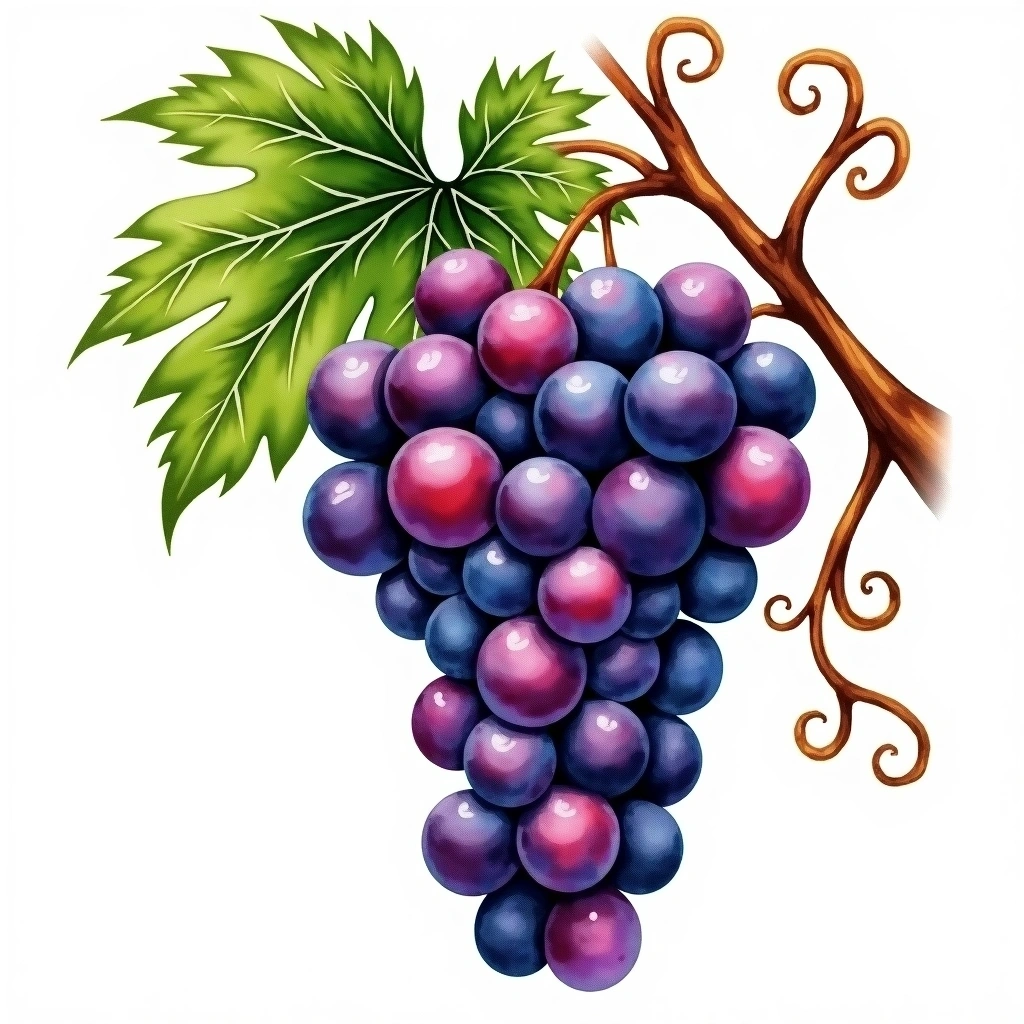 Cabernet Sauvignon
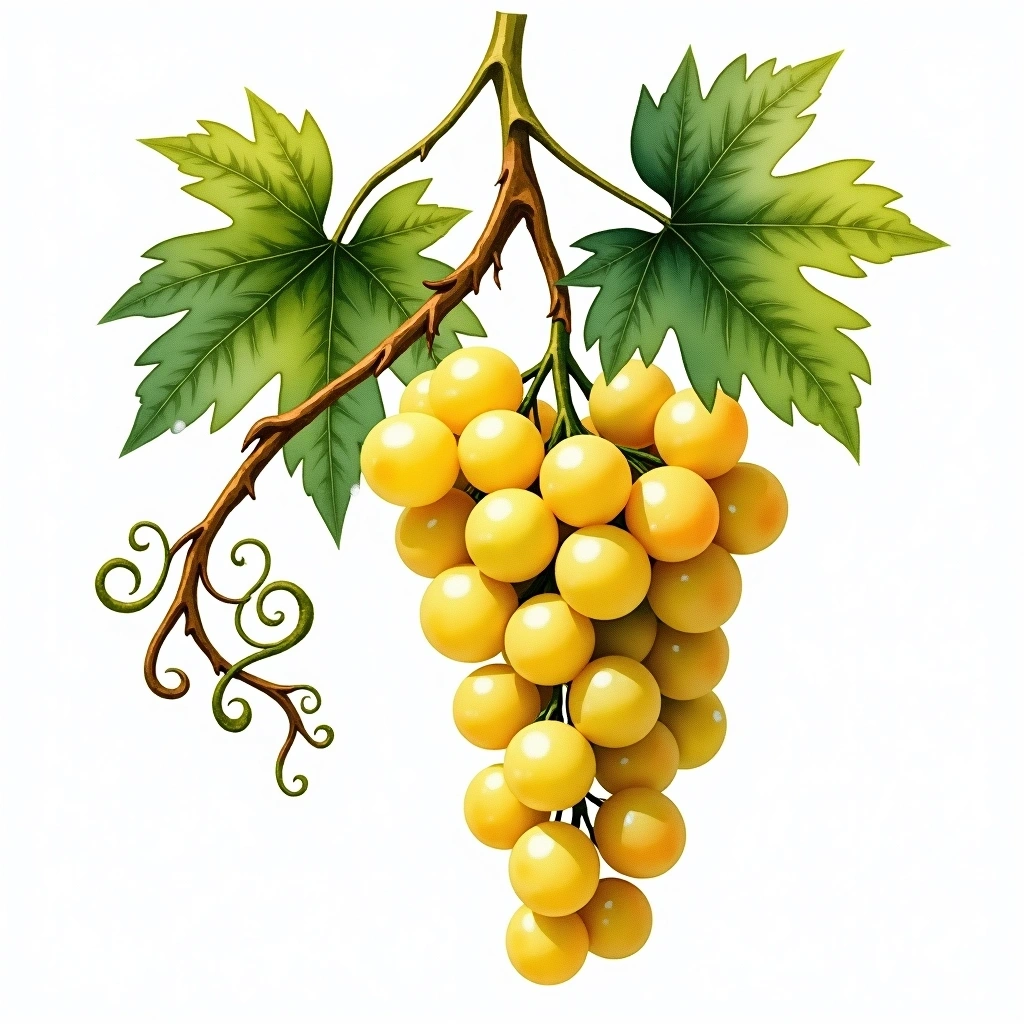 Chardonnay
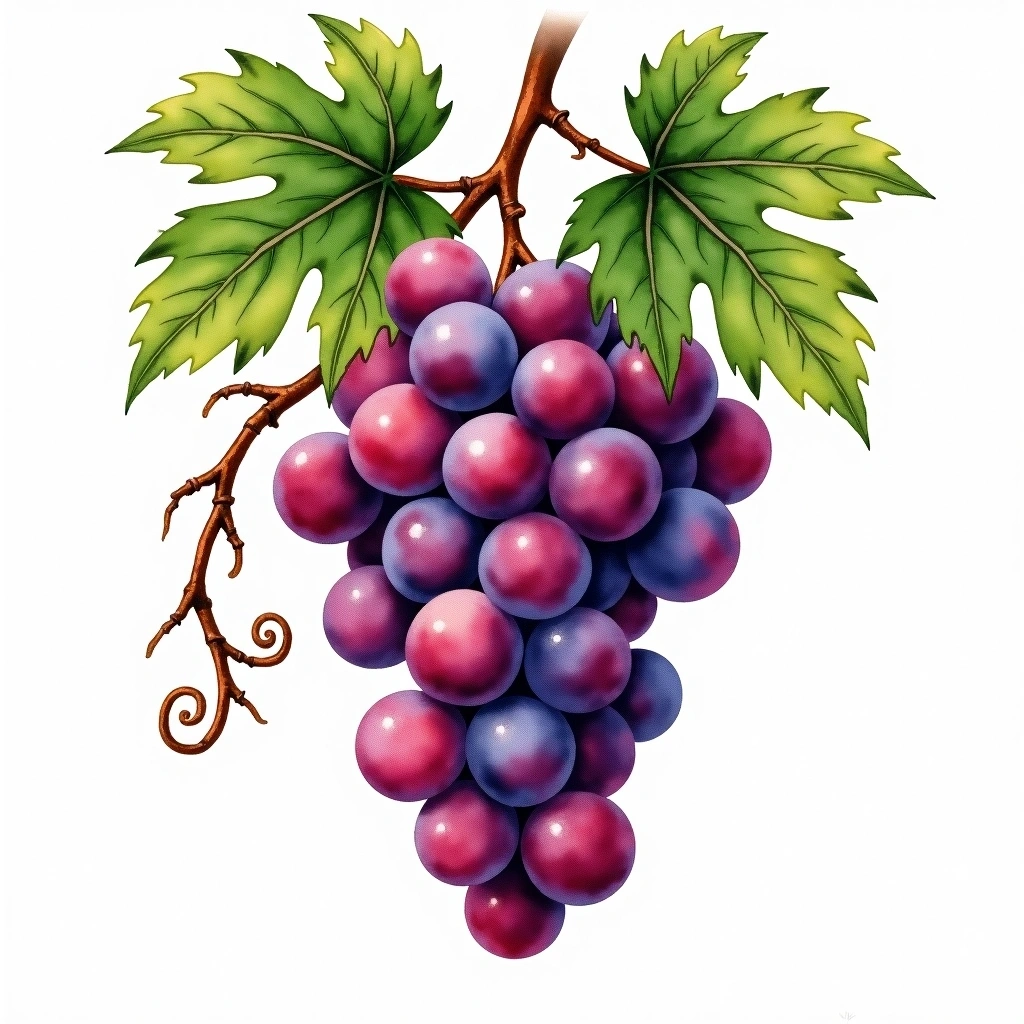 Merlot
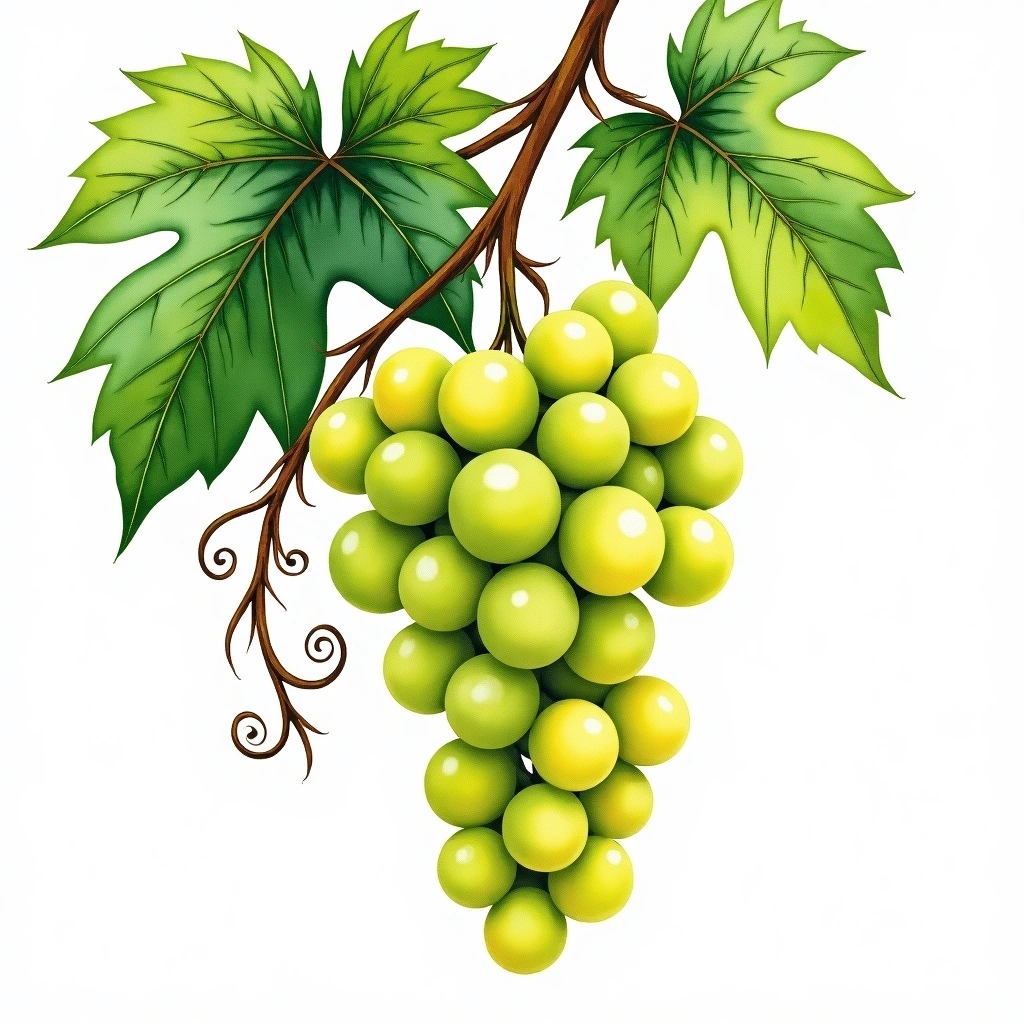 Sauvignon Blanc
 Bold Red
 Rich White