Palate Calibration: Finding Your Tasting Baseline
Discover how individual variation, cultural background, and personal preference shape wine perception — and learn calibration techniques to distinguish objective wine assessment from subjective personal taste.
The Myth of the Universal Palate
Wine critics write as if their assessments are objective facts. "This wine is not balanced." "The finish is short." "The tannins are harsh." But these statements describe sensory experiences — and sensory experiences vary between individuals in ways that are real, measurable, and well-documented.
Understanding your own palate — its particular sensitivities, biases, and gaps — is one of the most intellectually honest things you can do as a wine taster. It does not undermine your assessments; it makes them more useful, both to yourself and to others.
Genetic and Physiological Variation
Supertasters, Tasters, and Non-Tasters
Research by Linda Bartoshuk at Yale in the 1990s demonstrated that humans fall into three groups based on taste receptor density on the tongue, measured by fungiform papillae count:
Non-tasters (approximately 25% of the population): Fewer fungiform papillae, reduced sensitivity to bitter compounds, lower overall intensity of taste perception. Often prefer more intense flavors because subtlety is harder to detect. High-alcohol, opulent wines may appeal more naturally to this group.
Medium tasters (approximately 50%): Average papillae density, calibrated intensity perception. The largest group, and the group that most wine criticism implicitly addresses.
Supertasters (approximately 25%): High papillae density, significantly elevated sensitivity to bitter compounds (particularly PROP, propylthiouracil). Supertasters often find high-Tannin wines overwhelmingly astringent, perceive sweetness more intensely, and may be put off by very oaky or heavily alcoholic wines. The sensation of Acidity may also be more pronounced.
You can roughly identify your group: if strong coffee tastes almost unbearably bitter, if red wine Tannin frequently feels harsh or drying, and if sweetness seems more intense than others report — you may be a supertaster. If strong flavors rarely bother you and you consistently enjoy wines others find too tannic or acidic, you may be a non-taster.
Neither group makes a better wine critic — they make different assessments. What matters is self-awareness about where your perception falls.
Olfactory Variation
Several studies have demonstrated that individuals have notably different olfactory receptor gene expression, meaning some people literally cannot smell compounds that others find obvious. The "bell pepper" aroma in cool-climate Sauvignon Blanc (caused by a compound called 2-isobutyl-3-methoxypyrazine) is vivid to most tasters but nearly imperceptible to a significant minority. The petrol/kerosene note in aged Riesling (TDN, trimethyl-dihydronaphthalene) is a wine writer's standard descriptor but genuinely not detectable by some tasters regardless of training.
This means that some aromas you read about may remain elusive despite your best efforts — not because your palate is untrained, but because your genetics have wired your olfactory system differently. Conversely, you may reliably detect compounds that others struggle with, giving you a particular sensitivity that should be noted and communicated.
Gender Differences
On average across population studies, women tend to have higher olfactory sensitivity than men, likely related to hormonal influences on olfactory receptor expression. During certain phases of the menstrual cycle, olfactory sensitivity increases measurably. These are averages across populations, not rules about individuals.
Cultural and Experiential Calibration
The Reference Library Effect
What you can identify in a wine depends heavily on what you have experienced before. A taster who grew up eating fresh raspberries in season will instantly recognize Fruity raspberry notes; a taster who has never eaten a fresh raspberry may smell the same compound but struggle to name it. Similarly, a taster who grew up in Japan and has extensive experience with umami-rich foods may be more sensitive to savory, mushroom-like characters in aged wines.
This means that "objective" wine assessment is always filtered through a personal reference library that varies by culture, geography, and experience. A wine that smells of "tomato leaf" to a gardener smells of "green herbs" to someone who has never grown tomatoes. The underlying sensory perception may be identical; the verbal label is shaped by experience.
The Price Effect
Research, including the famous Plassmann et al. (2008) study published in PNAS, has demonstrated that knowing a wine is expensive increases perceived pleasantness — not just psychologically, but through measurable changes in the brain's pleasure centers. When subjects were told a $90 wine was $10 and the $10 wine was $90, they consistently rated the "expensive" wine higher, even when it was actually the cheaper bottle.
This "price placebo" effect operates even in trained tasters, though its magnitude decreases with experience. Awareness of this bias is the first defense against it.
The Order Effect
The sequence in which you taste wines systematically biases your assessment of each. A wine tasted after a poor wine appears better than it would in isolation; a wine tasted after a great wine appears worse. This "contrast effect" is why professional competitions use carefully designed randomized tasting orders and why comparative notes need context to be fully meaningful.
Hunger and Fatigue
Hunger increases sensitivity to sweetness (a survival adaptation ensuring you pursue energy when depleted) and decreases sensitivity to bitterness. Tasting on an empty stomach makes sweet-fruited wines taste more rewarding and bitter, tannic wines more challenging. Tasting after a large meal has roughly the opposite effect, plus the added dimension of flavor saturation.
Physical and cognitive fatigue reduces sensory acuity consistently. Professional competitions are scheduled in the morning, not after dinner, for this reason.
Calibration Exercises
The Reference Wine Exercise
Establish a small set of wines you know extremely well — wines you have tasted at least five times and whose character you could describe confidently. Use these "anchor" wines to calibrate your perception when assessing new examples.
For example: if your anchor for "high-Acidity white wine" is Riesling from Mosel, you can meaningfully say "this Chablis has slightly less acidity than my Mosel benchmark." Without the anchor, "high acidity" is a floating descriptor with no reference point.
Building your anchor library: Choose one anchor per major wine style — one Bold Red, one Elegant Red, one Rich White, one Crisp White, one Aromatic White. Taste each anchor at least once a month to keep the memory fresh.
The Preference vs. Quality Exercise
Taste a flight of wines and record two separate assessments for each:
- Preference: Simply, do you enjoy this wine? Does it give you pleasure right now? Score 1–10.
- Quality: Setting aside personal preference, how well made is this wine? Does it show Balance, Complexity, and Finish appropriate to its style and price? Score 1–10.
These scores will sometimes agree and sometimes diverge — and the divergence is the most instructive part. A wine you find very enjoyable may score lower on objective quality (perhaps it is heavily fruity and sweet in a way you happen to like but that experts would consider simplistic). A wine you find difficult may score higher on quality (perhaps it is very Structured and Dry, with austere Tannin that you personally find less appealing than soft, Round reds, but that clearly has the architecture for long aging).
Learning to hold both assessments simultaneously — "I can see this is very well made, even though it is not to my taste right now" — is the hallmark of a calibrated taster.
The Comparative Grading Exercise
Taste three wines in a category and rank them 1–3. Then taste four more wines in the same category and insert the original three into the new lineup — re-ranking all seven. Notice how context shifts your assessment. Wines that seemed outstanding in the first flight of three may seem merely good in the expanded context of seven. This exercise reveals how relative and context-dependent quality assessment is.
Building Your Personal Tasting Profile
After several months of deliberate calibration exercises, you will have a clearer picture of your palate's particular characteristics:
- Structural sensitivity: Are you more sensitive to Acidity than average, or less? Does Tannin affect you more strongly or less strongly than most tasters report?
- Aromatic strengths: Which aroma categories do you detect easily? Which remain elusive?
- Preference patterns: Do you consistently favor Round, Warm, fruit-forward wines? Or Structured, Dry, Austere styles?
- Contextual biases: How strongly are you affected by price information? By label design? By what others say before you taste?
This profile is not a limitation — it is a map. It tells you where to focus your training, how to contextualize your assessments for others ("I tend toward lower Acidity preferences, so my acid assessments may skew higher than average"), and how to interpret published critics whose palate profile you can infer from their rating patterns.
Wine communication becomes dramatically more useful when tasters know themselves well enough to translate their individual perceptions into something broadly useful — and know the limits of that translation.
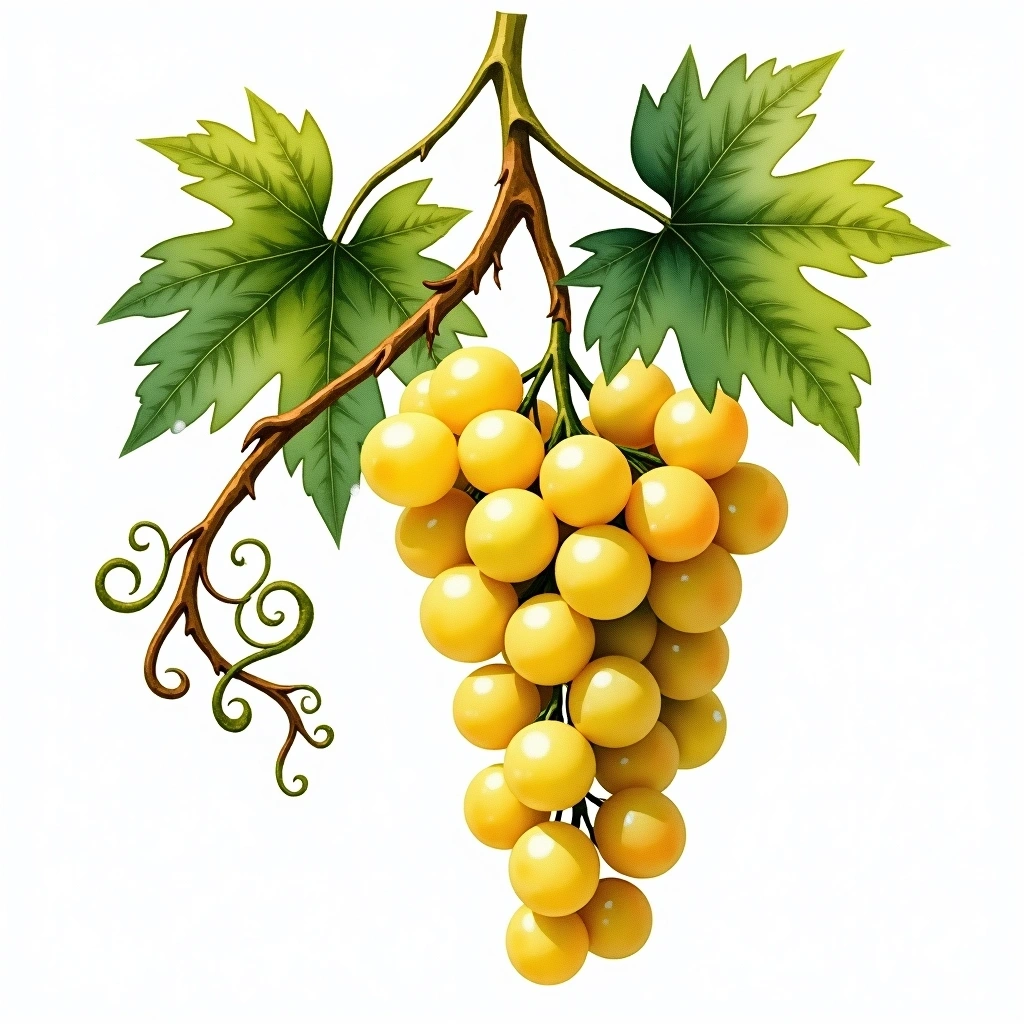 Chardonnay
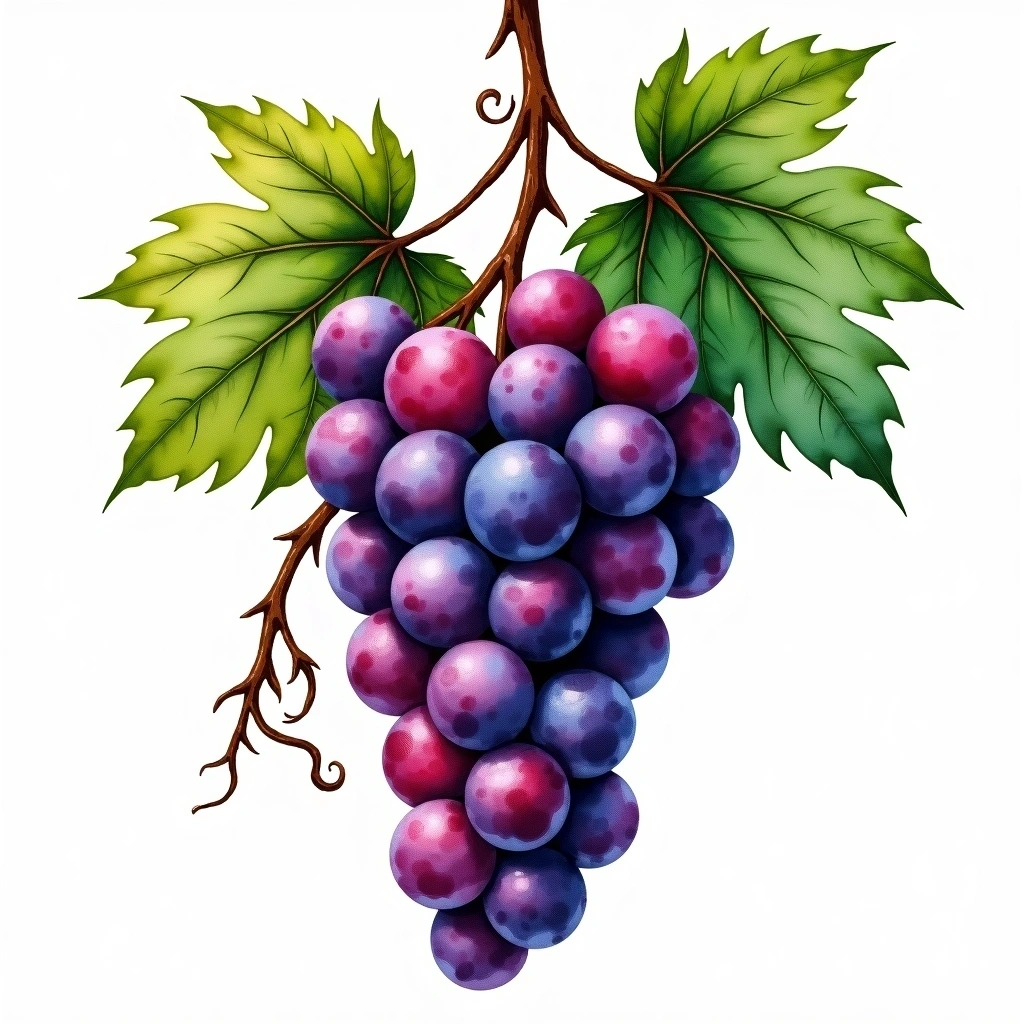 Malbec
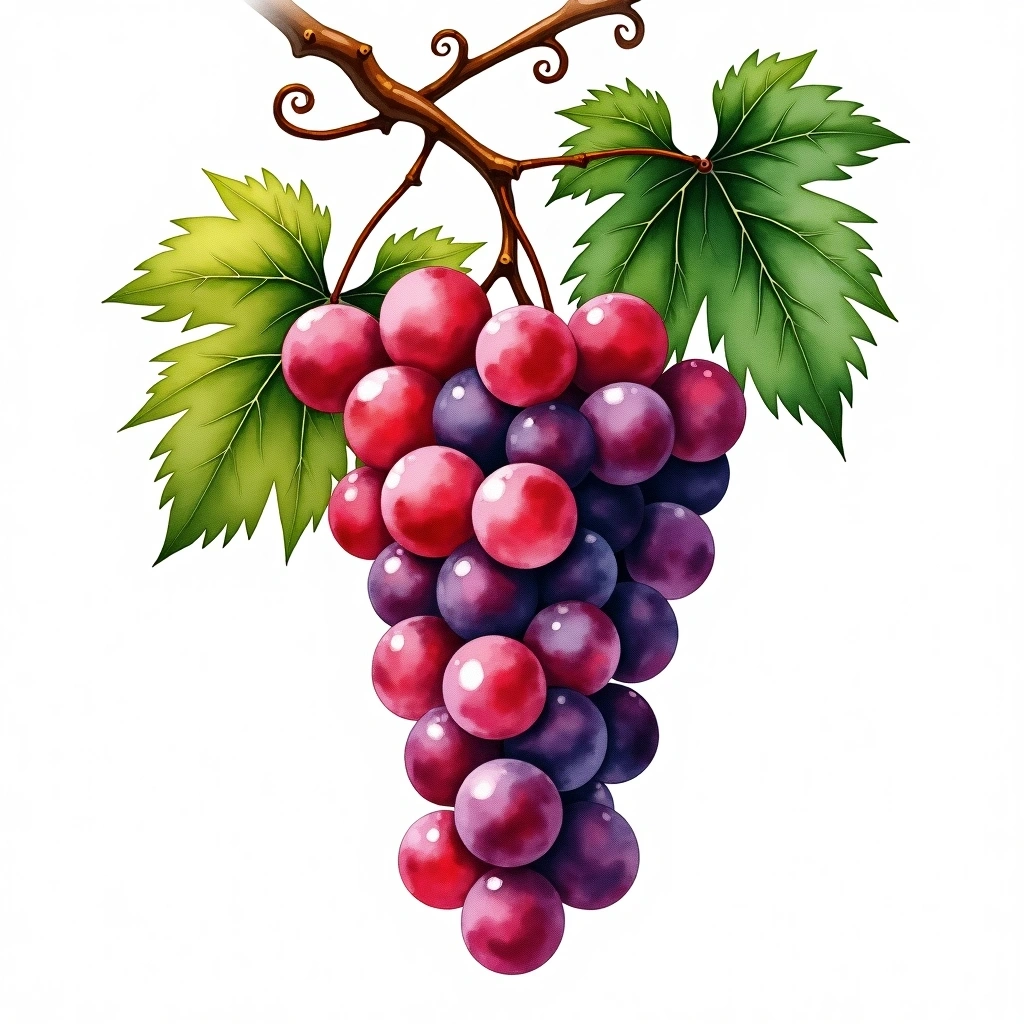 Pinot Noir
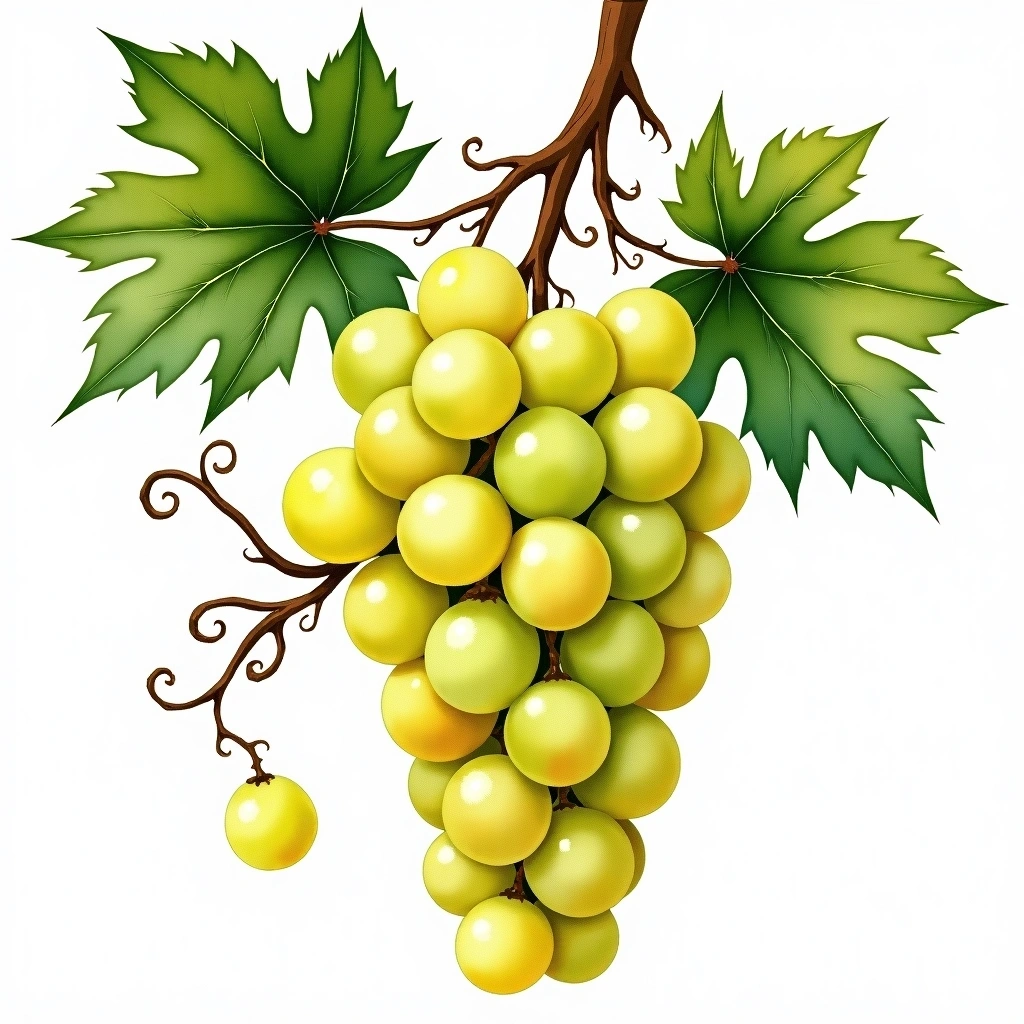 Riesling
 Tempranillo
 Bold Red
 Crisp White
 Elegant Red
 Light Red
 Rich White