Red vs White Wine: Understanding the Difference
A clear explanation of how red and white wines differ in production, flavor, structure, and food pairing — plus where rosé fits in.
The Core Difference: Skin Contact
The single biggest factor separating red wine from white wine is skin contact during Fermentation. Both red and white wines start as grape juice, which is nearly colorless even in dark-skinned grapes — the color lives in the skins. What happens next defines the wine.
Red Wine Production
Dark-skinned grapes (Cabernet Sauvignon, Merlot, Pinot Noir, Syrah) are crushed and the juice ferments together with the skins, seeds, and sometimes stems. This process is called Maceration, and it extracts three things from the skins:
- Color — Pigments called anthocyanins dissolve into the juice, turning it red, purple, or garnet.
- Tannin — Phenolic compounds that create a drying, gripping sensation on your gums and tongue. Tannin gives red wine its structure and aging potential.
- Flavor compounds — Skin contact adds depth and complexity beyond what the juice alone provides.
Maceration typically lasts from a few days (for lighter reds) to several weeks (for big, structured reds). After fermentation, the wine is pressed off the skins and moved to barrels or tanks for aging.
White Wine Production
Light-skinned grapes (Chardonnay, Sauvignon Blanc, Riesling, Pinot Grigio) are pressed immediately or shortly after crushing. The juice is separated from the skins before fermentation begins, which is why white wines have little to no Tannin and stay pale in color.
Without tannin as a structural backbone, white wines rely on Acidity for their structure. This is why crisp, high-acid whites feel lively and refreshing, while low-acid whites can taste flat.
Where Does Rosé Fit In?
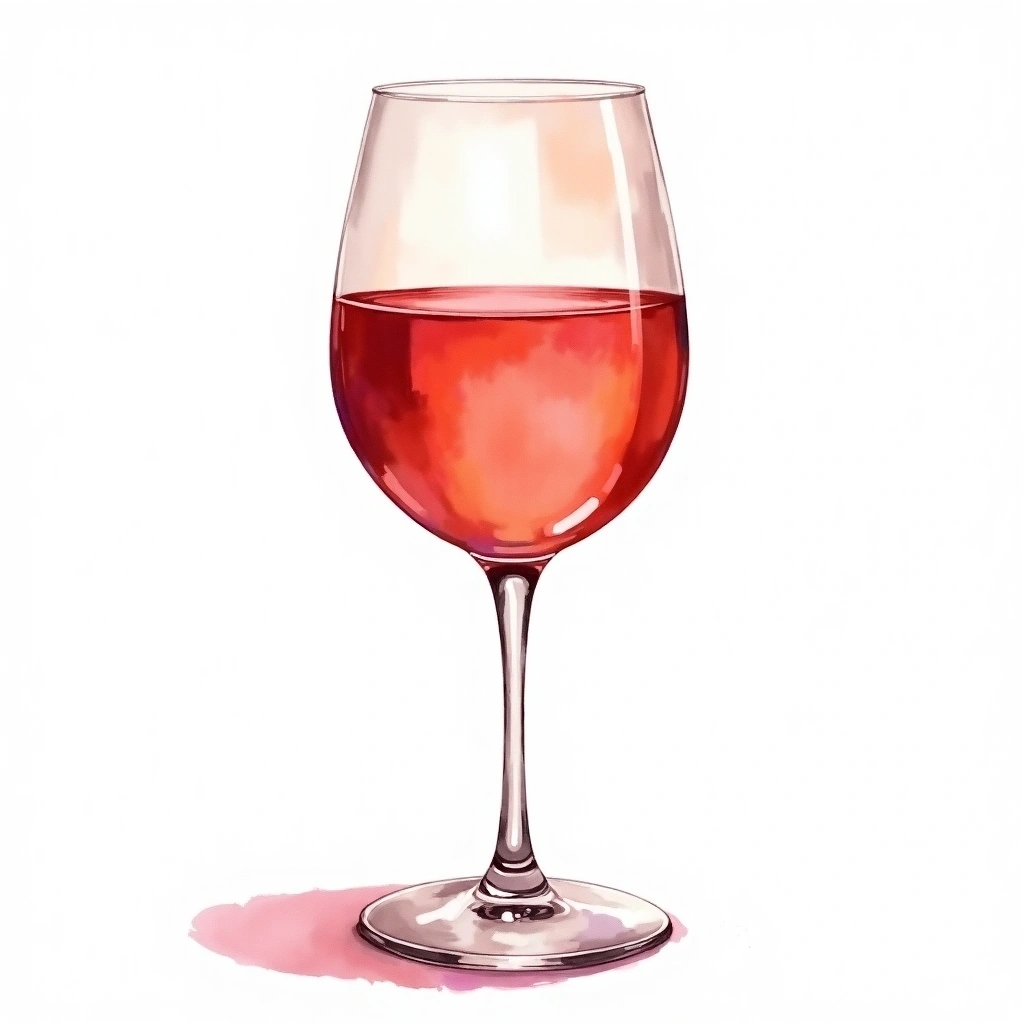
Rosé is made from dark-skinned grapes, but with much shorter skin contact than red wine — usually just a few hours to two days. This brief maceration extracts a blush of color and a small amount of tannin, placing rosé squarely between red and white in terms of weight and structure.
Structural Differences at a Glance
Understanding the structural building blocks of wine helps explain why reds and whites taste and feel so different.
Tannin
- Red wines: Moderate to high Tannin. This is the drying, slightly bitter sensation you feel on your gums after a sip of young Cabernet Sauvignon or Nebbiolo. Tannins soften as wine ages, which is one reason age-worthy reds improve over time.
- White wines: Little to no tannin. Some whites aged in oak pick up trace tannins from the wood, but these are subtle compared to even a light red wine.
Acidity
- White wines: Acidity is the dominant structural element. Cool-climate whites like Riesling from the Mosel or Sauvignon Blanc from Marlborough can have bracing, mouth-watering acidity.
- Red wines: Acidity is present but typically less prominent because tannin shares the structural role. Warmer-climate reds tend to have lower acidity.
Body
Body refers to the weight and texture of wine on your palate — think of it as the difference between skim milk and whole cream.
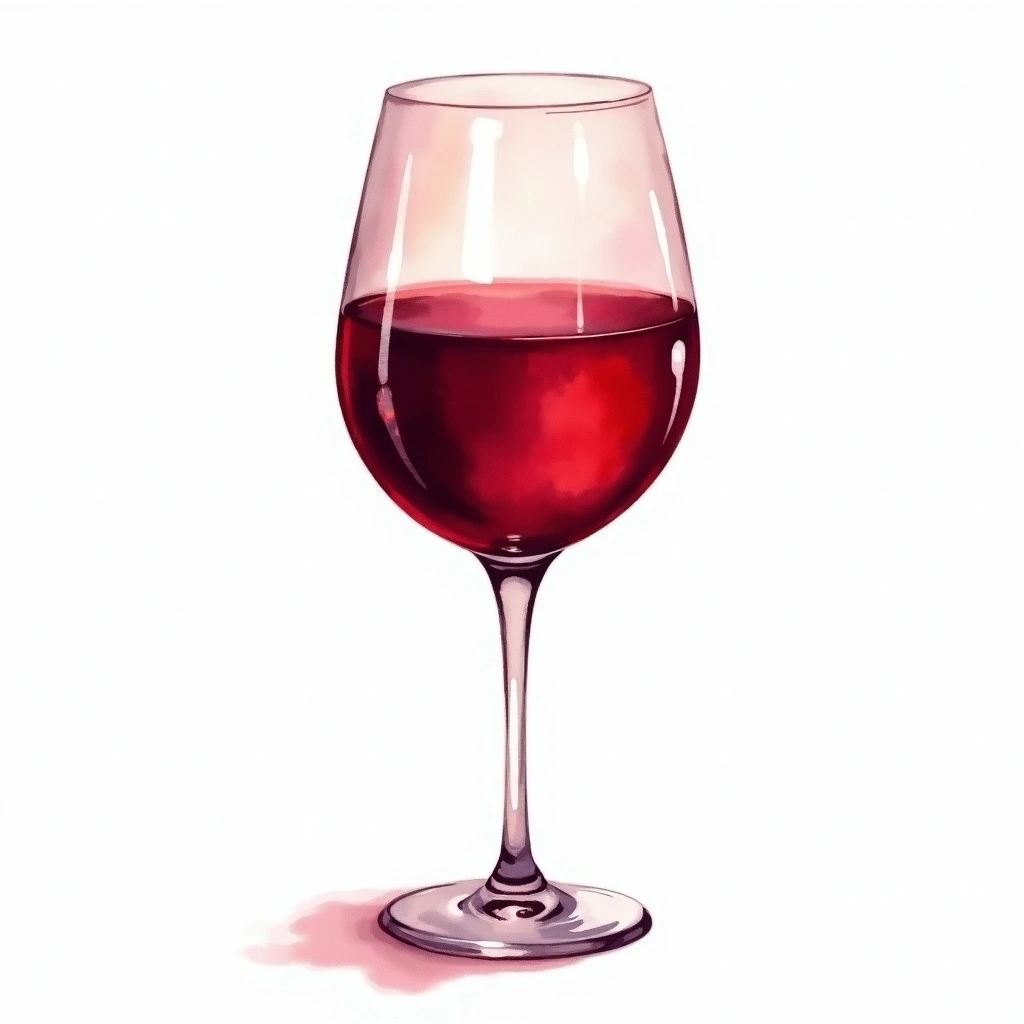
- Full-bodied reds (Bold Red): Cabernet Sauvignon, Syrah, Malbec. Alcohol is often 13.5–15%, contributing to the sensation of weight.
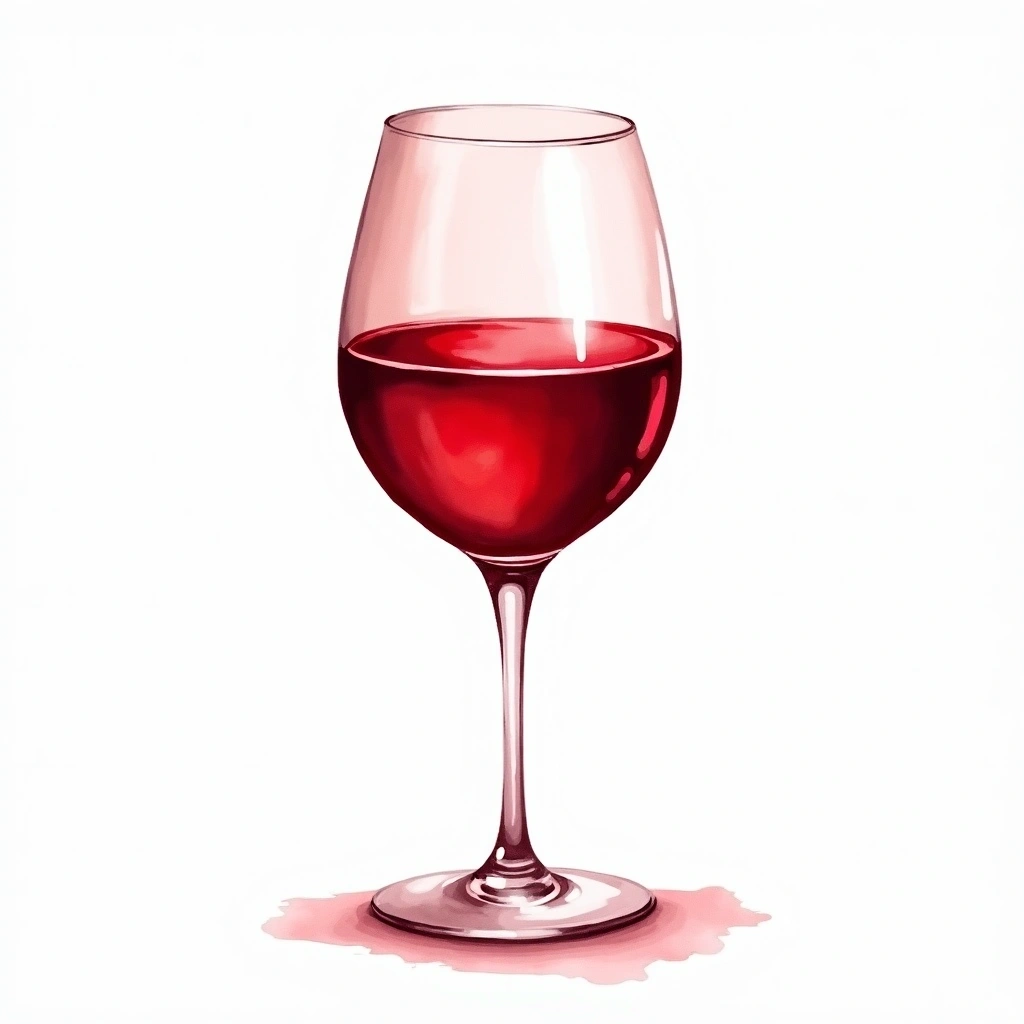
- Light-bodied reds (Light Red): Beaujolais (Gamay), lighter Pinot Noir. Lower alcohol, less tannin, higher acidity.
- Full-bodied whites (Rich White): Oaked Chardonnay, Viognier. Richer texture, sometimes buttery or creamy.
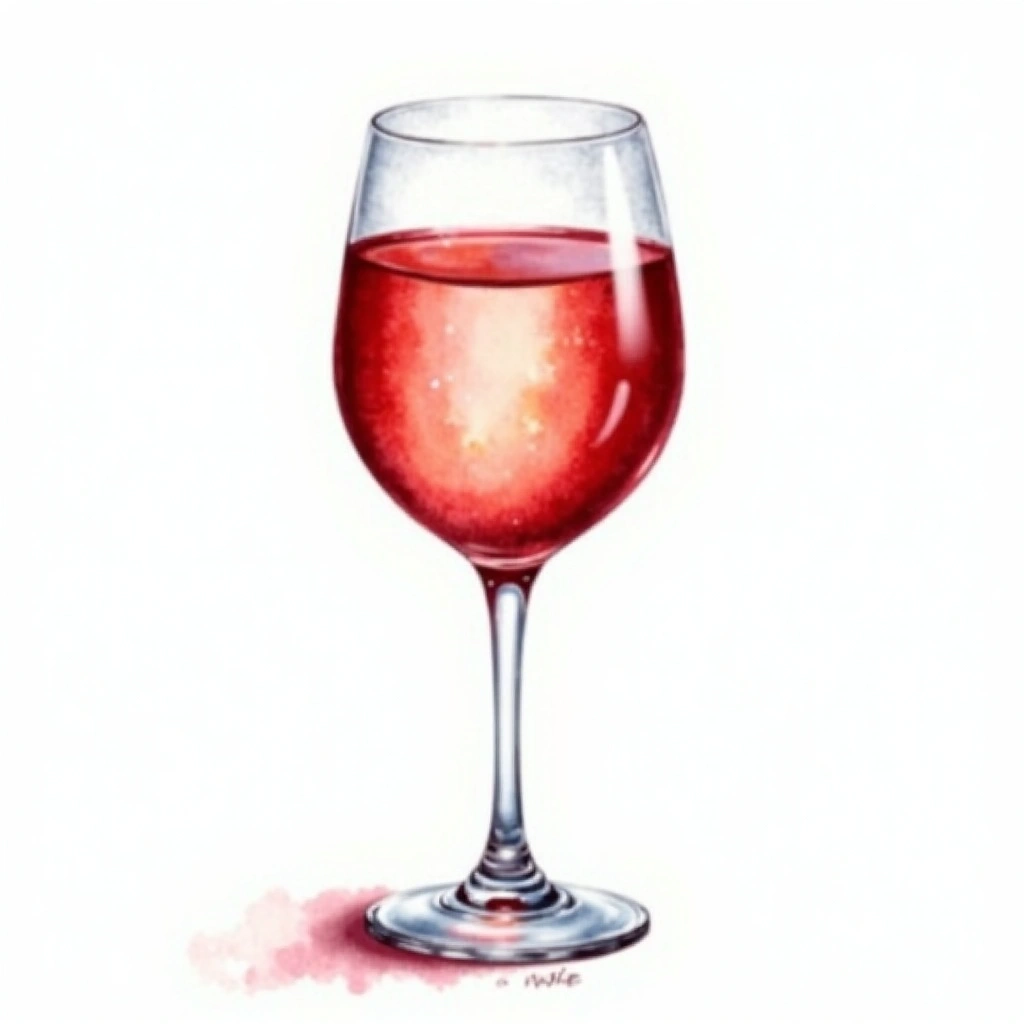
- Light-bodied whites (Light White): Pinot Grigio, Muscadet, Vinho Verde. Lean, refreshing, low alcohol.
Alcohol
Red wines generally have slightly higher alcohol than whites because dark-skinned grapes tend to accumulate more sugar in warmer growing conditions, and sugar converts to alcohol during fermentation. Typical ranges:
- Red: 12.5–15.5%
- White: 10–14%
- Rosé: 11–13.5%
These are rough averages — there are plenty of exceptions in both directions.
Flavor Profiles
Typical Red Wine Flavors
- Fruit: Black cherry, plum, blackberry, raspberry, strawberry, dried fig
- Savory: Black pepper, tobacco, leather, earth, mushroom
- From oak aging: Vanilla, cedar, clove, smoke, chocolate
The specific flavors depend heavily on the grape. Pinot Noir tends toward red fruit (cherry, raspberry) and earthy notes. Cabernet Sauvignon and Syrah lean toward darker fruit and more intense spice.
Typical White Wine Flavors
- Fruit: Green apple, lemon, lime, peach, pear, apricot, tropical fruit (pineapple, mango)
- Floral/herbal: Honeysuckle, elderflower, fresh-cut grass, herbs
- From oak aging: Butter, toasted almond, vanilla, brioche
Unoaked Sauvignon Blanc shows citrus and herbaceous character, while barrel-fermented Chardonnay can offer rich notes of butter and toast. Riesling is known for its aromatic intensity — lime, petrol, and honey.
Serving Red and White Wine
Temperature
Temperature dramatically affects how wine tastes. Serving a red too warm exaggerates alcohol; serving a white too cold masks its aromas.
| Wine Type | Ideal Temperature |
|---|---|
| Full-bodied reds | 16–18 C (61–64 F) |
| Medium-bodied reds | 14–16 C (57–61 F) |
| Light-bodied reds | 12–14 C (54–57 F) |
| Full-bodied whites | 10–13 C (50–55 F) |
| Light-bodied whites | 7–10 C (45–50 F) |
| Sparkling wines | 6–8 C (43–46 F) |
A common mistake is serving reds at "room temperature," a guideline that originated in European stone castles, not modern heated homes. Most reds benefit from 15–20 minutes in the refrigerator before serving.
Glassware
Red wines are typically served in glasses with a wider bowl, which allows more oxygen contact and releases aromatic compounds. White wine glasses have narrower bowls to concentrate aromas and maintain cooler temperatures.
Decanting
Many full-bodied reds benefit from Decanting — pouring the wine into a wide-bottomed vessel to expose it to air. This process, called Aeration, softens tannins and opens up aromas. Most white wines do not need decanting, though aged or full-bodied whites can sometimes benefit from a brief pour into a decanter.
Food Pairing Principles
The classic pairing guideline — red wine with red meat, white wine with fish and poultry — is an oversimplification, but it has a kernel of truth.
Why Reds Work with Rich Food
The Tannin in red wine binds to proteins and fats, which is why a tannic Cabernet Sauvignon pairs beautifully with a grilled ribeye steak. The fat in the meat softens the tannins, and the tannins cut through the richness. This synergy is why Bordeaux reds and lamb have been paired for centuries.
Why Whites Work with Lighter Food
High-Acidity white wines provide a palate-cleansing effect that complements lighter proteins and preparations. Sauvignon Blanc with goat cheese, Chardonnay with lobster, Riesling with spicy Thai food — these pairings work because acidity refreshes the palate between bites.
Beyond the Rules
Modern pairing philosophy focuses on matching weight and intensity rather than strictly following the red-with-meat rule. A Light Red like chilled Beaujolais pairs wonderfully with grilled salmon. A Rich White Burgundy can stand up to roast chicken or even pork.
A Word on Orange Wine
You may encounter a fourth color category: orange wine (also called amber wine or skin-contact white). Orange wine is made from white grapes using the red wine method — the juice ferments in contact with the skins for days, weeks, or even months. The result is a white wine with an amber or orange hue, more tannin than a typical white, and unusual flavors: dried apricot, honey, nuts, and tea.
Orange wine has ancient roots in the Republic of Georgia, where wines have been fermented in clay vessels (qvevri) for millennia. It has experienced a modern revival among natural wine producers in Italy (Friuli), Slovenia, and beyond. Orange wines are polarizing — some people find them fascinating, others find them strange. They are worth trying at least once.
Quick Reference: Red vs White
| Attribute | Red Wine | White Wine |
|---|---|---|
| Skin contact | Extended (days to weeks) | None to minimal |
| Color source | Anthocyanins from skins | Grape juice (naturally pale) |
| Tannin | Moderate to high | Very low |
| Primary structure | Tannin + acidity | Acidity |
| Serving temp | 12-18 C | 7-13 C |
| Glass shape | Wider bowl | Narrower bowl |
| Typical ABV | 12.5-15.5% | 10-14% |
| Food affinity | Rich meats, aged cheese | Seafood, poultry, vegetables |
| Aging potential | Higher (tannic reds) | Lower (with exceptions) |
| Key grapes | Cabernet Sauvignon, Pinot Noir, Syrah, Merlot | Chardonnay, Sauvignon Blanc, Riesling, Pinot Grigio |
Which Should You Choose?
There is no wrong answer. If you enjoy reds, explore different grapes and regions. If you prefer whites, do the same. If you have always stuck to one side, try crossing over — a well-made Pinot Noir can convert many white-wine-only drinkers, and a quality Riesling has won over plenty of red-wine loyalists.
Season and setting also influence the choice. Heavy reds feel right on cold winter evenings with braised meats. Crisp whites and rosés are natural companions for warm-weather dining on a patio. There is no rule that says you cannot drink white wine in winter or red wine in summer — but wine enjoyment is partly about context, and matching the weight of your wine to the mood of the moment tends to work well.
The most important thing is to taste widely and without prejudice. Every grape variety and every region has something worth discovering.
 Cabernet Sauvignon
 Chardonnay
 Merlot
 Pinot Grigio
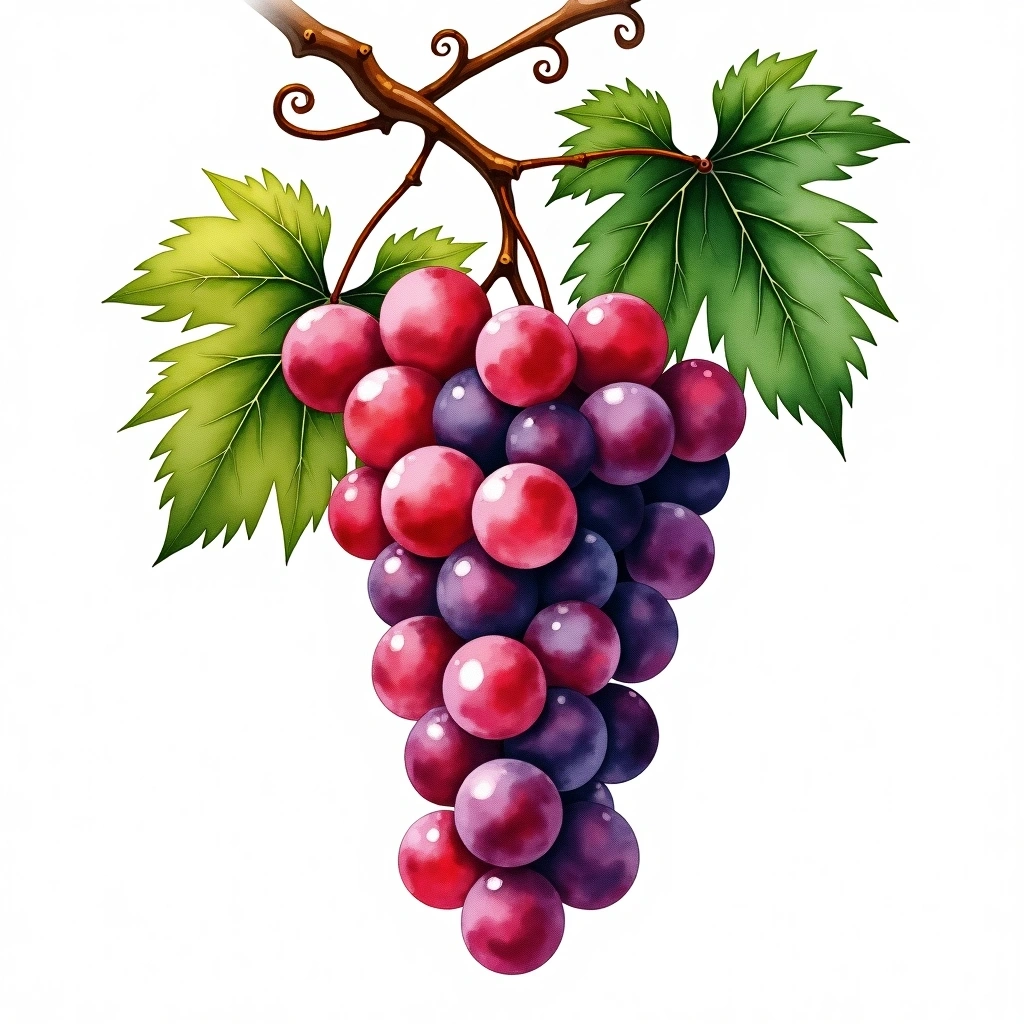 Pinot Noir
 Riesling
 Sauvignon Blanc
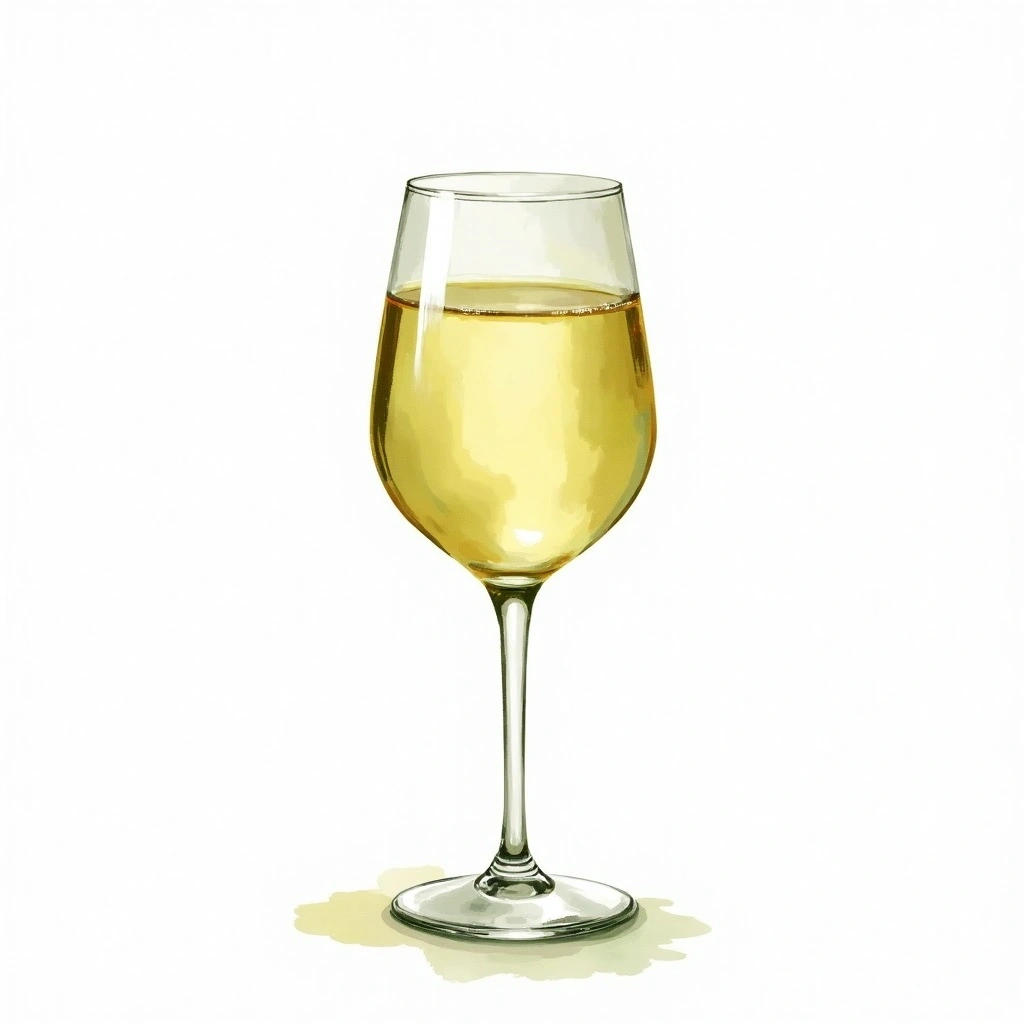 Aromatic White
 Bold Red
 Crisp White
 Dry Rosé
 Light Red
 Medium Red