Red Wine and Red Meat: A Classic Match
The science and tradition behind pairing red wine with red meat, covering specific cuts, cooking methods, sauces, and the best grape varieties from rare steak to slow-braised short ribs.
The Science Behind the Classic Pairing
The red wine and red meat combination is not simply tradition — it is chemistry. Red meat, particularly well-marbled cuts, contains proteins and saturated fats that interact directly with the Tannin and Phenolics in red wine. When you chew a piece of steak, salivary proteins begin breaking down the muscle fibers. When you follow that bite with a sip of tannic red wine, those same tannins bind to the remaining proteins in the meat, softening the perception of astringency in the wine and smoothing the texture of the fat. The result is a synergy that makes both elements taste better than they would alone.
Simultaneously, the Acidity in red wine cuts through the fat coating the palate, refreshing your taste buds for the next bite. A rich, well-marbled ribeye paired with a wine low in acidity tastes progressively heavier and more fatiguing as the meal progresses. Add a medium-acid red and the experience stays lively through the last forkful.
Matching the Cut to the Wine
Not all red meat is created equal. Lean cuts, fatty cuts, tough cuts, and tender cuts each present different pairing challenges.
Lean, Tender Cuts (Tenderloin, Filet Mignon)
Lean cuts have relatively little fat and connective tissue. They are tender but lower in beefy intensity. Because there is less fat to buffer tannins, very high-tannin wines can overwhelm a delicate filet. Better choices lean toward elegance over power.
- Pinot Noir from Bourgogne or California: its silky tannin suits lean, fine-grained meat.
- Elegant Red Sangiovese from Toscana: medium tannin with lively acidity.
- A lighter Merlot from Bordeaux: approachable and fruit-forward.
Well-Marbled Cuts (Ribeye, Porterhouse, T-Bone)
The classic steak for wine pairing. Heavy fat marbling buffers even the most forceful tannins, allowing you to deploy your most powerful bottles.
- Cabernet Sauvignon from Napa Valley: the quintessential match. Inky fruit, firm tannin, long Finish.
- Malbec from Mendoza: plush, velvety, with natural affinity for beef.
- Syrah/Shiraz from Barossa Valley: adds bacon-fat and black pepper notes that echo a well-seasoned crust.
- Tannat from Uruguay or France: perhaps the most tannic of all varieties, requiring precisely this level of fat to reveal its generosity.
Tough, Collagen-Rich Cuts (Short Ribs, Chuck, Brisket)
These cuts are typically slow-cooked — braised, smoked, or roasted low and slow — which breaks down collagen into gelatin, creating a rich, unctuous texture. The cooking also concentrates Umami compounds. This is where you want wines with some savory, earthy, or spice character.
- Zinfandel from Sonoma: its brambly fruit and spice align with smoky, caramelized results from a long braise.
- Mourvedre-based blends from southern France: meaty, earthy, built for long-cooked preparations.
- Nebbiolo from Piemonte: Barolo and Barbaresco have the tannin structure and earthy complexity for long-braised short ribs, especially once the wine has had a few years of age.
Lamb
Lamb deserves its own category. Its gamey, herbal character pairs brilliantly with wines that share those qualities.
- Cabernet Sauvignon and Cabernet Franc blends from Bordeaux: cedar and cassis echo the herbaceous quality of well-seasoned lamb.
- Tempranillo from Rioja: earthy, leathery, with just enough structure for roast leg of lamb.
- Syrah/Shiraz with herb-crusted lamb: the black pepper and violet notes in Syrah are a natural Bridge Ingredient to rosemary and thyme.
The Role of Cooking Method
Cooking method fundamentally changes the pairing equation.
Grilled and Charred
The char and smoke from a grill add bitterness and savory depth. This calls for wines with some savory, smoky, or spicy character — Syrah/Shiraz, Zinfandel, or oaked Malbec. Avoid wines with pronounced fruit sweetness that would clash with the bitter char.
Roasted
Roasting develops caramelized, sweet-savory crust notes (the Maillard reaction at work). A fruit-forward, medium-bodied red — Merlot, Grenache, or a Medium Red blend — pairs comfortably. The caramelization in the meat mirrors ripe fruit character in the wine.
Braised and Stewed
Long, slow, liquid cooking with aromatics produces deep, complex sauces. The wine should match that complexity. If you braised with red wine, serve the same wine or a complementary one at the table. A Bold Red with some bottle age and earthy secondary notes works especially well.
Tartare and Rare
Raw or nearly raw beef has a cool, metallic, iron-rich character. It pairs best with wines that have restrained fruit, subtle tannin, and firm acidity — a well-aged Nebbiolo, a structured Tempranillo, or even a wine you might not expect: cool-served Beaujolais (Gamay Noir) works surprisingly well because its low tannin lets the beef's delicate flavor come through.
The Sauce Changes Everything
Steak with butter is one pairing. Steak with a peppercorn cream sauce is another. Steak with chimichurri is a third.
- Peppercorn cream: Cream softens tannins, so you can reach for a more tannic wine than the cut alone would suggest. Syrah/Shiraz or a structured Cabernet Sauvignon.
- Chimichurri: The herb-forward, vinegary sauce demands high acidity. A bright Malbec or Argentine red keeps up with the herb and acid.
- Bordelaise (wine and bone marrow): A rich, unctuous reduction built from the same wine you are serving. Classic Bordeaux or a New World Cabernet blend.
- Teriyaki or hoisin: Sweet, umami-rich glazes call for fruit-forward, lower-tannin reds. Zinfandel or a ripe Grenache.
Serving and Temperature Tips
Red wines served too warm taste alcoholic and flat. The ideal serving range for most Bold Red reds is 16–18 °C — slightly below most dining room temperatures. Twenty minutes in the refrigerator before serving often improves the wine noticeably.
Highly tannic, age-worthy wines benefit from Decanting — pouring into a wide vessel to expose the wine to air. This process of Aeration softens tannins and opens aromatics. For young Napa Cabernet Sauvignon or Barolo, decant for at least 30–60 minutes before serving. For an older wine with sediment, decant carefully and slowly to leave the deposit in the bottle.
The steak itself should rest after cooking. A resting steak releases juices that would otherwise escape onto the cutting board; those juices carry flavor compounds that interact directly with the wine. Cut too soon and you lose both the best of the meat and the best of the pairing.
 Cabernet Sauvignon
 Malbec
 Merlot
 Mourvedre
 Nebbiolo
 Sangiovese
 Syrah/Shiraz
 Tannat
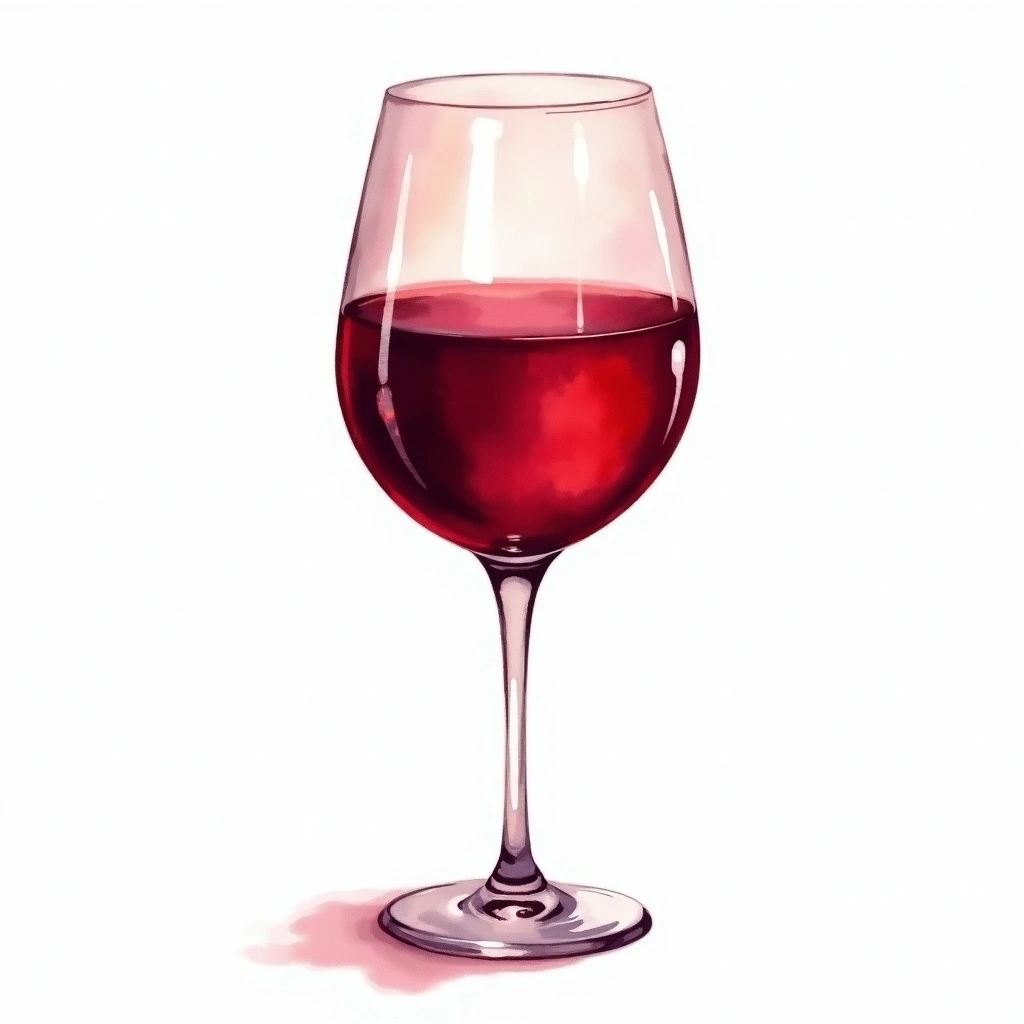 Bold Red
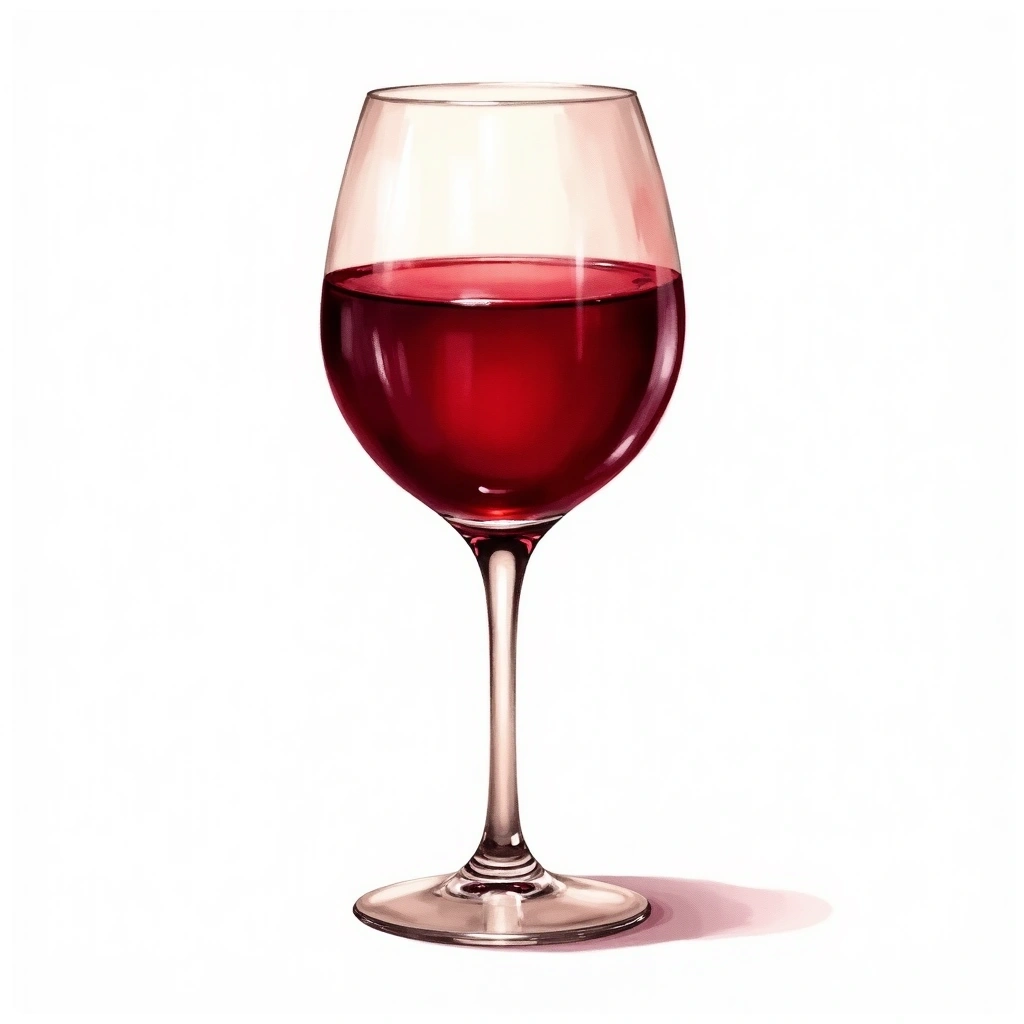 Elegant Red
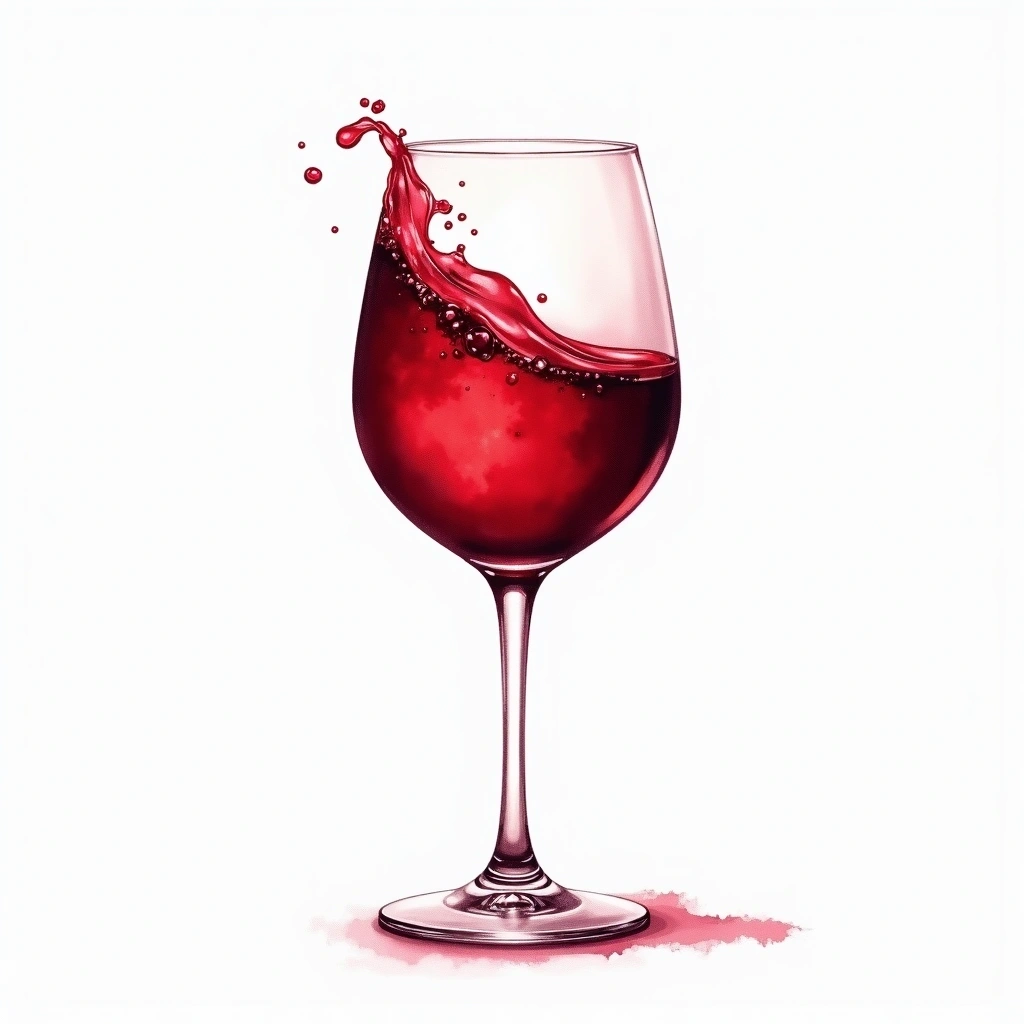 Medium Red