Viognier: The Golden, Perfumed White of Condrieu and the New World
Explore Viognier, the intoxicatingly aromatic white grape that was nearly extinct before its rescue in Condrieu, now producing opulent, perfumed wines in the Rhône, California, Australia, and beyond.
Viognier: The Golden, Perfumed White of Condrieu and the New World
The story of Viognier is one of wine's great rescue narratives. By the late 1960s, this ravishingly perfumed white grape was on the verge of extinction — barely 30 acres remained worldwide, nearly all in the tiny Rhone Valley appellation of Condrieu. Today, Viognier thrives across every major wine-producing country, its exotic, apricot-and-honeysuckle character winning enthusiasts from Sydney to San Francisco.
Yet Viognier remains a grape that demands respect. Difficult to grow, easy to overcrop, and treacherously simple to make badly, it rewards skill with wines of breathtaking beauty and punishes carelessness with overripe, flabby disappointment. The grape's global acreage has expanded from near-nothing to over 16,000 hectares, but the proportion of truly great Viognier remains stubbornly small — a testament to how demanding this grape is for both viticulturist and winemaker.
History and Origins
Viognier's origins are shrouded in legend. The most persistent story claims that the Roman emperor Probus brought the grape to the northern Rhône in the third century AD, having acquired it from Dalmatia (modern Croatia). While this tale is unverifiable, archaeological evidence confirms that viticulture in the northern Rhône dates to at least the Roman era.
What is certain is that Viognier was the exclusive grape of Condrieu and Château-Grillet — two minuscule appellations perched on steep granite terraces above the Rhône River south of Lyon. For centuries, these wines were produced in tiny quantities and consumed locally, their extraordinary aromatic character appreciated by a devoted few.
The twentieth century was catastrophic for Viognier. World wars, rural depopulation, and the economic unviability of farming steep, terraced vineyards caused a dramatic decline. By 1965, total plantings in Condrieu had shrunk to approximately 14 hectares. The grape seemed destined for museum-piece status.
The rescue came from multiple directions. Georges Vernay, the greatest Condrieu producer of his generation, maintained and expanded plantings through decades of economic hardship. In the 1980s, a growing international interest in Rhône varieties prompted new plantings in Languedoc, California, and Australia. By the twenty-first century, global Viognier acreage had exploded from a near-extinction baseline to over 16,000 hectares worldwide.
Key Growing Regions
Northern Rhône, France
Condrieu remains the qualitative reference point for Viognier. The appellation's steep, south-facing granite and mica schist slopes create a unique microclimate: warm enough to fully ripen this demanding grape, but cool enough to preserve aromatic freshness. Annual production is tiny — typically under 4,000 hectoliters — and demand consistently outstrips supply.
Adjacent to Condrieu, the single-vineyard appellation of Château-Grillet (less than 4 hectares) was historically Viognier's most celebrated site, though its quality has been inconsistent. The estate was acquired by François Pinault (of Château Latour fame) in 2011, and recent vintages have shown significant improvement, returning this legendary property to relevance.
A small percentage of Viognier is also permitted in the famous red wine of Côte-Rôtie, where it is co-fermented with Syrah to add perfume and stabilize color — one of wine's most intriguing stylistic traditions. This practice is permitted only on the Côte Blonde, the portion of the appellation with lighter, sandier soils that produce more perfumed, less tannic wines.
Southern France
The vast vineyards of Languedoc-Roussillon produce the majority of France's Viognier by volume. Warmer conditions yield rounder, more tropical expressions at accessible price points. The best examples, from sites in the Pays d'Oc and specific terroirs in Limoux and Minervois, offer impressive quality for the price.
California
California has embraced Viognier enthusiastically, with significant plantings in the Central Coast (Paso Robles, Santa Barbara), Napa Valley, and Sonoma. California Viognier tends toward riper, more opulent styles with higher alcohol, though a growing number of producers are pursuing restraint and minerality.
Australia
The Barossa Valley and Eden Valley produce some of the finest New World Viognier. Yalumba, Australia's oldest family winery, has been a Viognier champion since the 1980s, demonstrating that the grape can produce wines of remarkable complexity in warm climates when yields are controlled and winemaking is thoughtful.
Viticulture Characteristics
Viognier is one of the wine world's most challenging grapes to grow, and its difficulties begin in the vineyard long before harvest. The vine is inherently low-yielding, susceptible to powdery mildew and bunch rot, requires a long, warm growing season, and sets fruit inconsistently — coulure (poor fruit set) can drastically reduce yields in unfavorable springs. These viticultural challenges explain why Viognier was abandoned by all but the most dedicated growers during its decades of decline, and why its rescue required both passion and economic incentive.
The central viticultural dilemma is the narrow ripening window. Viognier's aromatic compounds develop late in the ripening cycle, requiring full physiological maturity to express its characteristic perfume. Harvest too early and the wine smells of nothing special — green, thin, and nondescript. Harvest too late and the aromatics are overwhelmed by high alcohol, low acidity, and a heavy, oily texture.
The ideal moment arrives when Phenolic maturity, sugar accumulation, and acidity are in precarious balance — a window that may last only a matter of days, sometimes even less in warm vintages. This precision requirement explains why so much commercially available Viognier disappoints: getting it right demands exceptional vineyard knowledge and a willingness to take risks.
Low yields are essential. Viognier that is overcropped produces dilute, characterless wine. The best Condrieu producers limit yields to 30-35 hectoliters per hectare, and some iconic vineyards produce even less.
Soil type influences Viognier's character significantly. The decomposed granite and mica schist of Condrieu's steep terraces produce the most mineral, complex expressions. Clay-rich soils tend to yield rounder, more opulent wines with less mineral definition. In warmer New World regions, lighter sandy and loamy soils help moderate the grape's tendency toward high alcohol by reducing vine vigor and naturally limiting yields. The best vineyard sites for Viognier share a common trait: excellent drainage combined with enough water-holding capacity to sustain the vine through the growing season without irrigation-induced vigor.
Winemaking Approaches
Viognier winemaking requires a deft touch to balance the grape's luxurious aromatics with structural freshness. The most common approach involves whole-cluster pressing, cool fermentation in stainless steel or neutral oak, and partial Malolactic Fermentation to soften acidity without eliminating it entirely.
Barrel fermentation in new or used French oak is common for premium Viognier, adding weight, complexity, and vanilla-spice notes. Extended Lees aging builds a creamy, almost waxy texture that is one of the grape's most appealing qualities. However, excessive oak can overwhelm Viognier's delicate perfume — a trap that many New World producers fell into during the early years of the Viognier boom.
The co-fermentation of Viognier with Syrah, practiced in Côte-Rôtie and increasingly adopted by New World producers, is one of wine's most fascinating techniques. A small amount of Viognier (typically 2-5%) is added to the Syrah fermentation, where the white grape's phenolic compounds interact with the red wine's anthocyanins, stabilizing color and adding an intoxicating floral perfume to the finished wine.
Some innovative producers are experimenting with skin-contact Viognier, creating amber-hued wines with enhanced texture and spice complexity. These remain niche but demonstrate the grape's adaptability.
Flavor Profile
At its best, Viognier produces one of the wine world's most seductive aromatic profiles. The signature notes are apricot, white peach, and honeysuckle, layered with orange blossom, jasmine, ginger, and a hint of musk. The Aroma is immediate, extravagant, and unmistakable — even among non-experts, Viognier is one of the easiest grapes to identify blind.
On the palate, Viognier is typically full-bodied with moderate acidity, a rich, oily texture, and a long, perfumed Finish. Alcohol levels are often generous — 13.5 to 14.5 percent is typical for quality examples — but the best wines carry this alcohol gracefully, integrated within the wine's aromatic intensity and textural weight. Well-made examples achieve a paradoxical combination of opulence and freshness that is the hallmark of great Viognier.
Oak-aged versions add vanilla, brioche, and almond complexity. Aged Condrieu (which few producers encourage, as most recommend drinking young) develops honeyed, spicy, almost exotic complexity, but such examples require impeccable winemaking and storage conditions. The debate over Viognier's aging potential is ongoing: traditionalists argue the wine is at its best within two to three years of Vintage, while a growing camp of producers and collectors has demonstrated that top Condrieu can develop magnificently over a decade, gaining honeyed depth and spicy complexity that young wines cannot achieve.
The difference between good Viognier and great Viognier often comes down to a single quality: freshness. Great Viognier manages to be simultaneously rich and refreshing, a tension that separates the sublime from the merely pleasant. When the balance tips too far toward richness — as it does in many overripe, over-oaked examples — the wine becomes heavy and cloying. When the balance is right, Viognier achieves a luminous quality that few other grapes can match.
Food Pairings
Viognier's aromatic intensity and textural weight make it an outstanding partner for richly flavored cuisine. Lobster in butter sauce, seared scallops, and crab cakes are classic seafood pairings. The wine's stone-fruit and floral notes complement dishes featuring apricot, peach, and ginger — glazed salmon with apricot chutney, for instance, is a memorable combination.
Asian cuisine is a natural partner: Thai and Vietnamese dishes with coconut, lemongrass, and ginger harmonize beautifully with Viognier's aromatic profile. Indian tandoori chicken and mild curries are also excellent.
Rich poultry dishes — roast chicken with herbs, duck breast with stone-fruit sauce, turkey with cranberry — provide the textural weight to match Viognier's Body. Mild, creamy cheeses like Brie, Brillat-Savarin, and triple-crème fromage are natural companions. Viognier also pairs surprisingly well with certain desserts — apricot tart, peach cobbler, and baked custards echo the wine's stone-fruit character, though the wine must be dry and sufficiently acidic to avoid a cloying combination. Avoid pairing Viognier with very acidic or very light dishes, which can make the wine seem heavy and out of balance.
Notable Producers and Bottles
In Condrieu, Georges Vernay's Coteau de Vernon remains the benchmark — a wine of extraordinary purity and mineral complexity. Guigal, particularly the single-vineyard La Doriane, produces rich, powerful Viognier of exceptional quality. Yves Cuilleron, François Villard, and Pierre Gaillard represent the modern vanguard.
In California, Alban Vineyards (pioneers of California Viognier), Tablas Creek, and Calera Wine Company produce outstanding examples. In the southern Rhône and Languedoc, Domaine de la Mordorée and Château de Beaucastel produce excellent varietal Viognier alongside their red wine programs. In Australia, Yalumba's Virgilius is a benchmark for Southern Hemisphere Viognier, while Clonakilla in Canberra produces a Shiraz-Viognier blend modeled on Côte-Rôtie that has achieved cult status.
The Côte-Rôtie Connection
Viognier's most intriguing role may be as a supporting player in the red wines of Côte-Rôtie, where up to 20% white grapes (almost always Viognier) may be co-fermented with Syrah. The science behind this practice is now well understood: Viognier's phenolic compounds form stable molecular complexes with Syrah's anthocyanins, creating a more vibrant, stable color than Syrah achieves alone. Simultaneously, the white grape contributes an intoxicating floral lift — the signature violet-and-apricot perfume of great Côte-Rôtie. This technique has been adopted by producers worldwide, from Australian Shiraz-Viognier blends to California and South African co-fermented reds. The results consistently demonstrate that a small percentage of Viognier can transform a red wine from merely excellent to genuinely transcendent.
Comparison with Similar Grapes
Chardonnay is Viognier's most frequent comparison. Both produce full-bodied, rich whites that respond well to oak aging. The distinction is aromatic: Chardonnay is more neutral, relying on terroir and winemaking for character, while Viognier's Bouquet is inherently extravagant and unmistakable.
Gewürztraminer shares Viognier's aromatic intensity but leans toward lychee and rose rather than apricot and honeysuckle, with lower acidity and a more obviously spicy character. Muscat is perhaps the most aromatically similar, sharing the floral-fruity exuberance, but Muscat tends toward lighter body and more grapey, less stone-fruit flavors.
Viognier occupies a unique niche: the most perfumed of the full-bodied whites, combining aromatic extravagance with textural richness in a way that no other grape quite replicates.
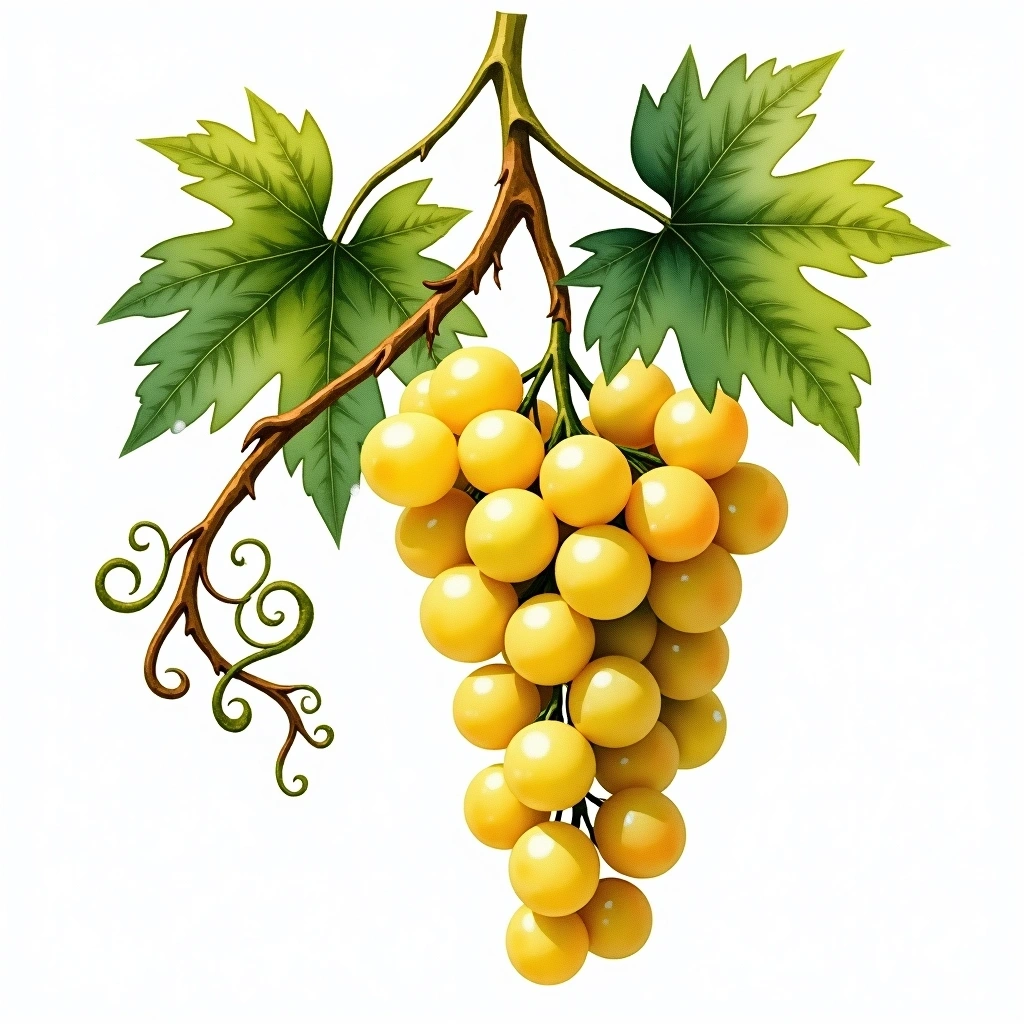 Chardonnay
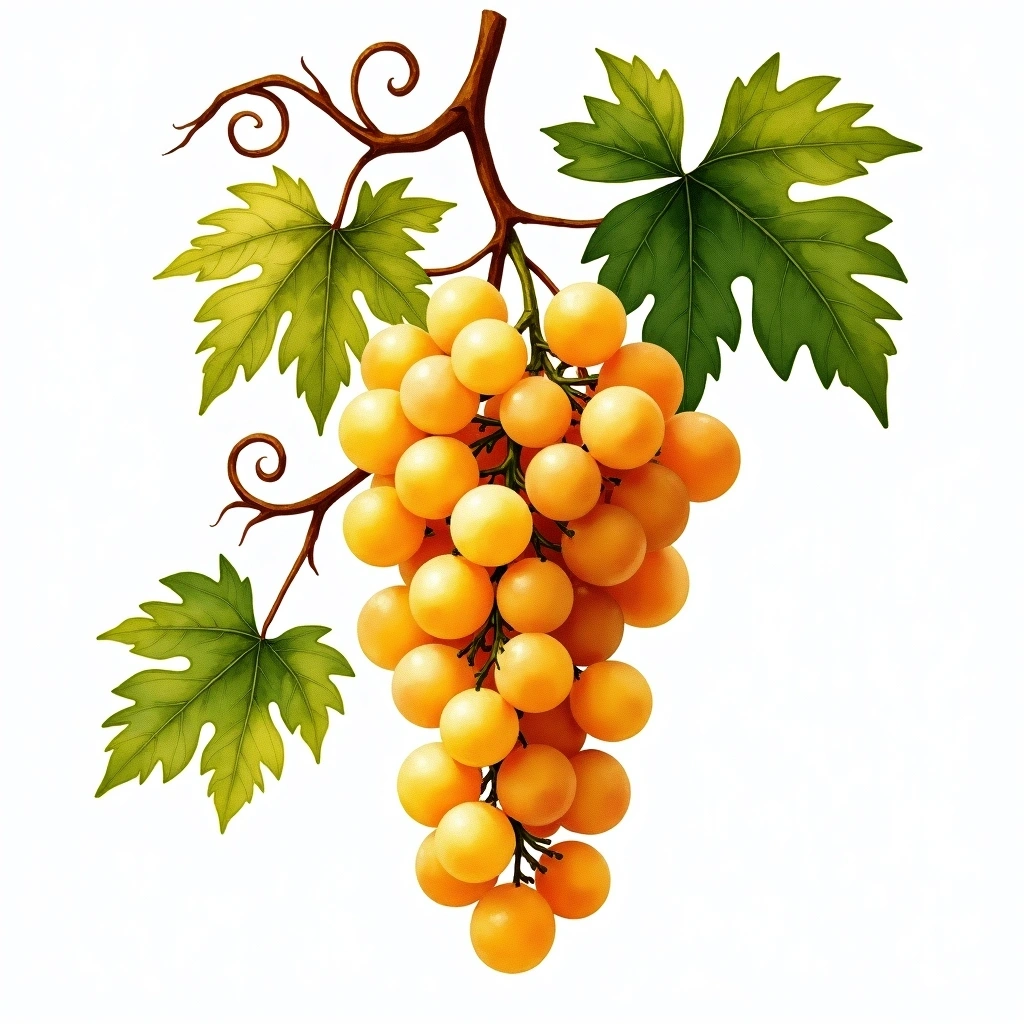 Chenin Blanc
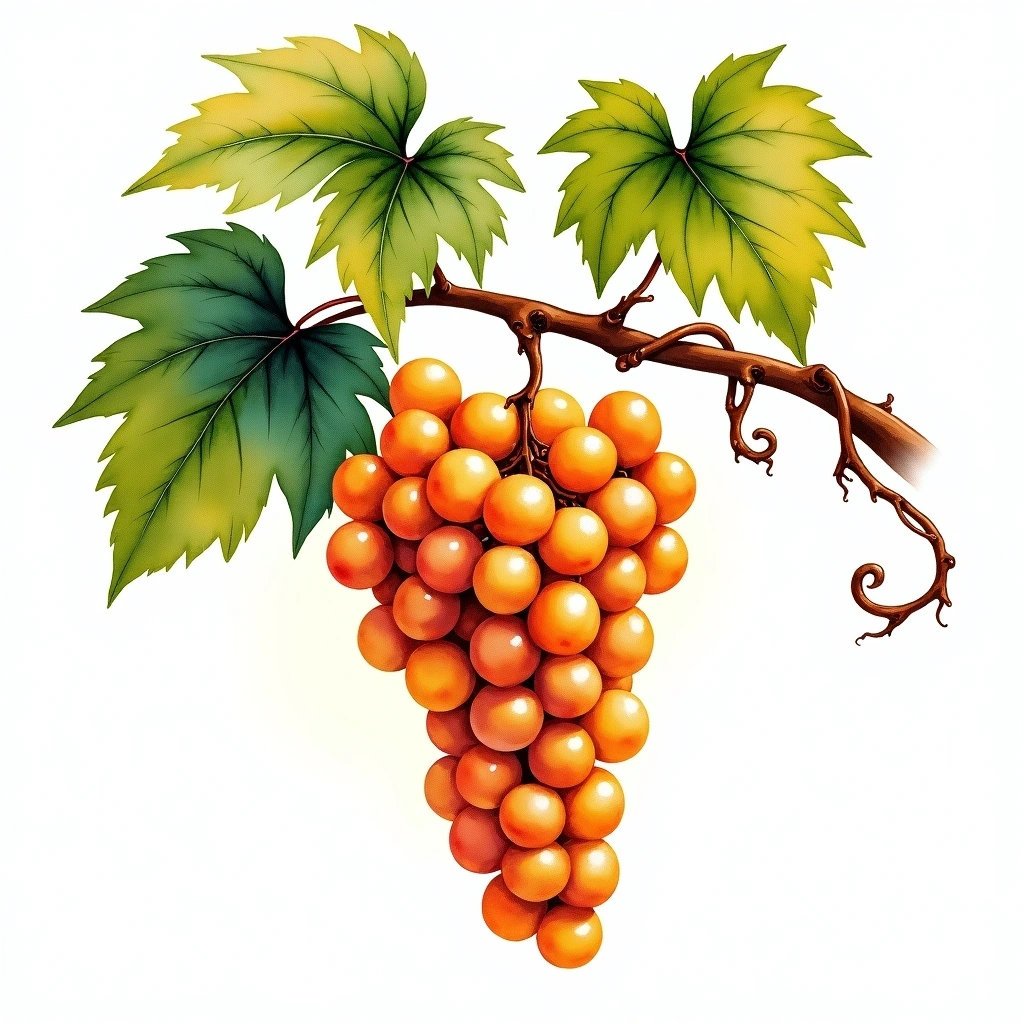 Gewürztraminer
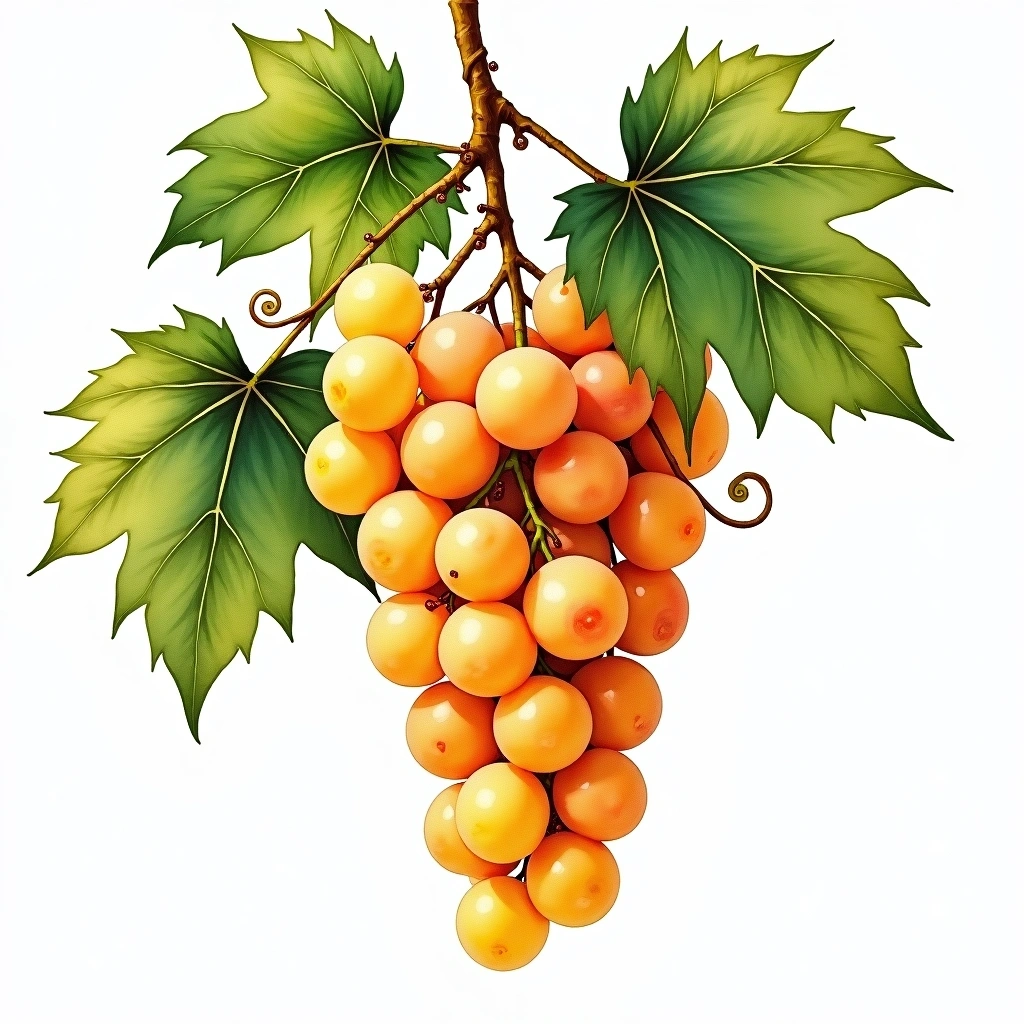 Viognier
 Aromatic White