Wine with Cheese: A Classic Guide
A detailed guide to pairing wine with cheese, covering fresh, soft-ripened, semi-hard, hard, blue, and washed-rind cheeses with their ideal wine partners.
The Myth of Red Wine and Cheese
Ask most people what wine goes with cheese, and they will answer "red" without hesitation. It is one of the most deeply held beliefs in casual wine culture, and it is mostly wrong.
The truth is that white wines, sparkling wines, and sweet wines pair with cheese far more reliably than red wines do. The reason comes down to Tannin. Most cheeses — especially soft, creamy varieties — interact poorly with the tannins in red wine. The fat in cheese coats your Palate, and the tannins in red wine can taste metallic and harsh against that backdrop. The combination often produces an unpleasant bitter Finish that does neither the wine nor the cheese any favors.
This does not mean red wine and cheese never work. Certain combinations are genuinely excellent. But understanding why so many cheese-and-red pairings fail will help you find the ones that succeed.
How Cheese Is Made (And Why It Matters for Pairing)
Cheese begins as milk — cow, goat, sheep, or buffalo — that is coagulated with rennet or acid, drained of whey, and aged to varying degrees. The type of milk, the aging process, and any surface treatments (washing, blooming with mold) determine the cheese's flavor, texture, and intensity.
From a pairing perspective, the key variables are:
- Fat content: Higher fat cheeses need wines with more Acidity to cut through the richness
- Age and intensity: Young, mild cheeses pair with lighter wines; aged, pungent cheeses need bigger wines
- Salt level: Salt softens tannin, which is why salty aged cheeses are the exception to the "no red wine" guideline
- Rind treatment: Washed-rind and blue cheeses have intense, funky flavors that demand specific wine styles
Pairing by Cheese Category
Fresh Cheeses
Examples: Mozzarella, burrata, ricotta, chèvre (fresh goat cheese), feta, cream cheese
Fresh cheeses are young, moist, and mild. They have high moisture content, gentle Acidity, and delicate flavors that are easily overwhelmed.
Best wine partners: - Crisp White wines with good acidity: Sauvignon Blanc from Marlborough or the Loire Valley, Albariño, Vermentino - Light, dry rosé - Sparkling wine — the bubbles and acidity are ideal for cutting through the creaminess of burrata and fresh mozzarella
Why it works: The wines' high Acidity mirrors the lactic tang in the cheese. Both wine and cheese are light, so neither overpowers the other.
Avoid: Heavily oaked whites or tannic reds. A big Cabernet Sauvignon with fresh mozzarella is a waste of both.
Soft-Ripened Cheeses
Examples: Brie, Camembert, Brillat-Savarin, Saint-André, Époisses (young)
These cheeses have a white, bloomy rind and a creamy, sometimes runny interior. As they ripen from the outside in, they develop earthy, mushroom-like flavors.
Best wine partners: - Chardonnay — particularly unoaked or lightly oaked styles that match the cheese's weight without adding tannin - Chenin Blanc from the Loire (Vouvray) — its gentle sweetness and bright acid are superb with Brie - Pinot Noir from Burgundy — one of the few red wines that genuinely works, thanks to low tannin and earthy flavors that echo the rind - Champagne or quality sparkling wine — perhaps the single best partner for Brie
Why it works: These wines share the cheese's moderate weight and earthy complexity without fighting the fat.
Semi-Hard Cheeses
Examples: Gruyère, Comté, Gouda (young to medium), Manchego, Emmental, Cheddar (medium), Havarti
This broad category spans a range of intensities. Young semi-hard cheeses are nutty and mild; older ones develop caramel, butterscotch, and crystalline crunch.
Best wine partners: - Young versions: Rich White wines like oaked Chardonnay, Viognier, or white Rhône blends - Aged versions: Medium-bodied reds like Medium Red Merlot, Tempranillo from Rioja, or Grenache-based blends - Comté specifically: Vin Jaune from the Jura is the legendary match — the wine's oxidative nutty character mirrors the cheese
Why it works: The cheeses have enough salt and protein to manage moderate tannins, and enough flavor intensity to stand up to richer wines.
Hard, Aged Cheeses
Examples: Parmigiano-Reggiano, Pecorino Romano, aged Gouda (18+ months), aged Cheddar, Grana Padano
These are the cheeses where red wine actually shines. Extended aging concentrates flavors, increases salt content, and creates a crystalline, granular texture. The high protein and salt content actively soften tannins.
Best wine partners: - Bold Red wines: Cabernet Sauvignon from Napa Valley or Bordeaux, Nebbiolo from Piedmont, Syrah from the Northern Rhône - Elegant Red: Aged Sangiovese (Chianti Classico Riserva, Brunello) with Parmigiano-Reggiano is one of the great Italian pairings - Aged Tempranillo: Reserva or Gran Reserva Rioja with aged Manchego
Why it works: The salt and concentrated protein in aged cheese neutralize tannin. The intense, savory flavors in the cheese match the weight and complexity of the wines.
Blue Cheeses
Examples: Roquefort, Stilton, Gorgonzola, Danish Blue, Fourme d'Ambert, Cabrales
Blue cheeses are pungent, salty, and intensely flavored. The blue-green veins are colonies of Penicillium mold that create sharp, spicy, sometimes metallic flavors.
Best wine partners: - Sweet wines: This is the classic pairing. Sauternes with Roquefort is legendary. Port from the Douro with Stilton is its English equivalent. Late-harvest Riesling or Tokaji with milder blues works beautifully - Gewürztraminer from Alsace — the wine's lychee sweetness and aromatic intensity stands up to pungent cheese - Sherry (Oloroso or Pedro Ximénez) — nutty, sweet, and powerful enough to match strong blues
Why it works: Sweetness counterbalances the salt and pungency of blue cheese. The high Acidity in these sweet wines prevents the pairing from becoming heavy.
Avoid: Dry red wines with blue cheese. The combination almost always produces a metallic, bitter clash.
Washed-Rind Cheeses
Examples: Époisses (aged), Taleggio, Langres, Pont-l'Évêque, Munster, Reblochon
These are the notorious "stinky cheeses." The rinds are washed in brine, beer, or spirits during aging, encouraging specific bacteria that create powerfully aromatic surfaces. The interiors are often surprisingly mild and creamy.
Best wine partners: - Gewürztraminer from Alsace — the regional pairing with Munster is canonical - Off-dry Riesling — aromatic intensity with enough sweetness to balance the funk - Burgundy Pinot Noir or Chardonnay — Époisses with a village-level Burgundy (red or white) is the classic Burgundian match - Belgian-style ales (outside the wine realm, but worth mentioning)
Why it works: Aromatic, slightly sweet wines match the cheese's intensity without clashing. The wines' fruit and acidity cut through the rich, creamy paste.
Building a Cheese Board for Wine
When assembling a cheese board that will accompany wine, variety in texture and intensity matters more than having many different types. A well-constructed board for four to six people might include:
- One fresh or soft cheese (burrata, fresh chèvre)
- One semi-hard cheese (Comté, young Gouda)
- One hard, aged cheese (Parmigiano-Reggiano, aged Cheddar)
- One blue or washed-rind cheese (Roquefort, Époisses)
This range ensures that at least one cheese on the board will pair well with whatever wine is being served.
Accompaniments that help pairings: - Honey — bridges the gap between wine and strong cheese by adding sweetness - Walnuts and almonds — their tannin and fat complement both wine and cheese - Dried fruit (apricots, figs) — add sweetness that helps with tannic reds - Membrillo (quince paste) — the classic partner for Manchego, and its sweetness helps with bold reds - Crusty bread or plain crackers — provide a neutral base that resets the palate
The Golden Rules
- When in doubt, pour white. White wines pair well with a wider range of cheeses than red wines.
- Sweet beats dry with strong cheese. The funkier or saltier the cheese, the more you benefit from residual sugar in the wine.
- Match intensity. Mild cheese with delicate wine, strong cheese with robust wine.
- Regional pairings exist for a reason. Époisses with Burgundy, Manchego with Rioja, Roquefort with Sauternes — these are not accidents.
- Sparkling wine is the universal cheese wine. Champagne and quality sparkling wines pair with virtually every cheese category thanks to their combination of bubbles, acidity, and moderate weight.
The cheese course is one of the great pleasures of dining, and matching it with the right wine transforms both. The next time someone insists on a big red with the cheese board, pour them a glass of Sauternes alongside. The look on their face when the Roquefort pairing clicks will be worth more than any argument.
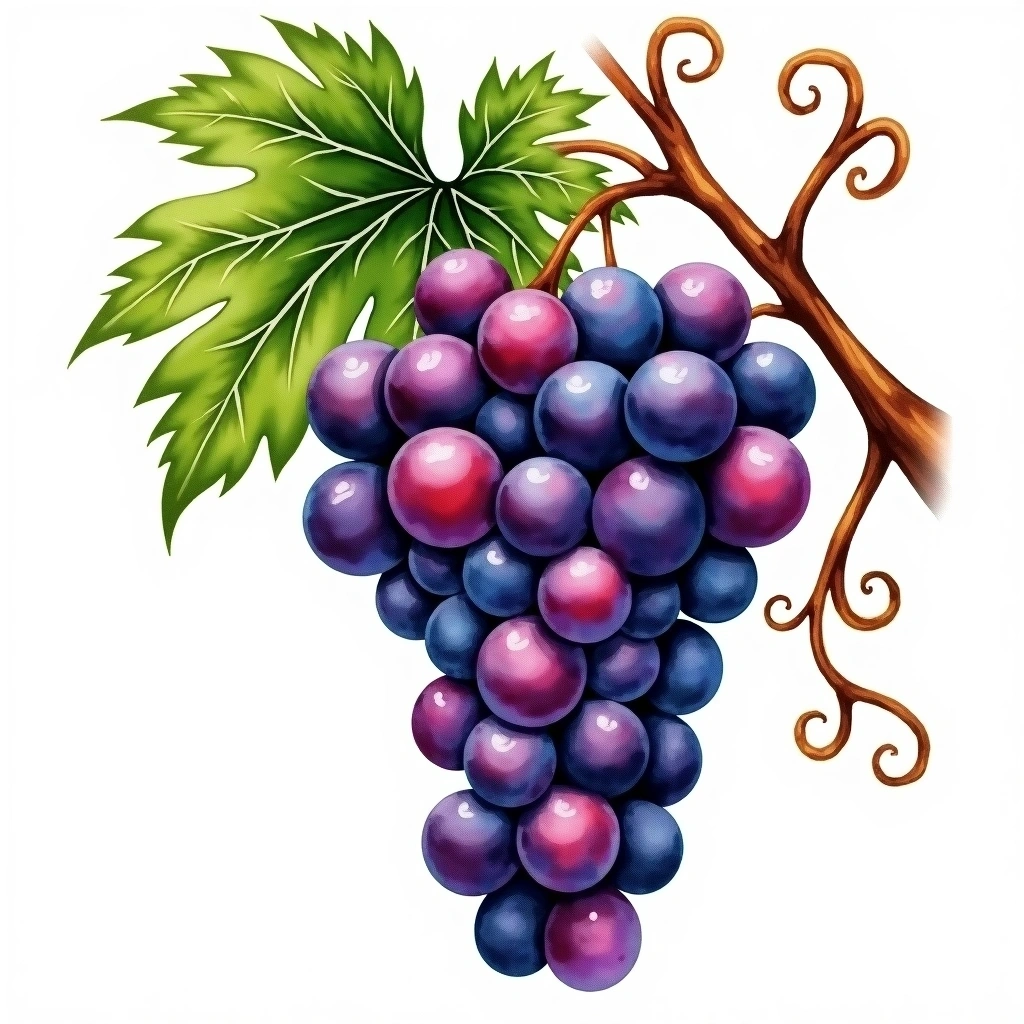 Cabernet Sauvignon
 Chardonnay
 Chenin Blanc
 Gewürztraminer
 Merlot
 Pinot Noir
 Riesling
 Sauvignon Blanc
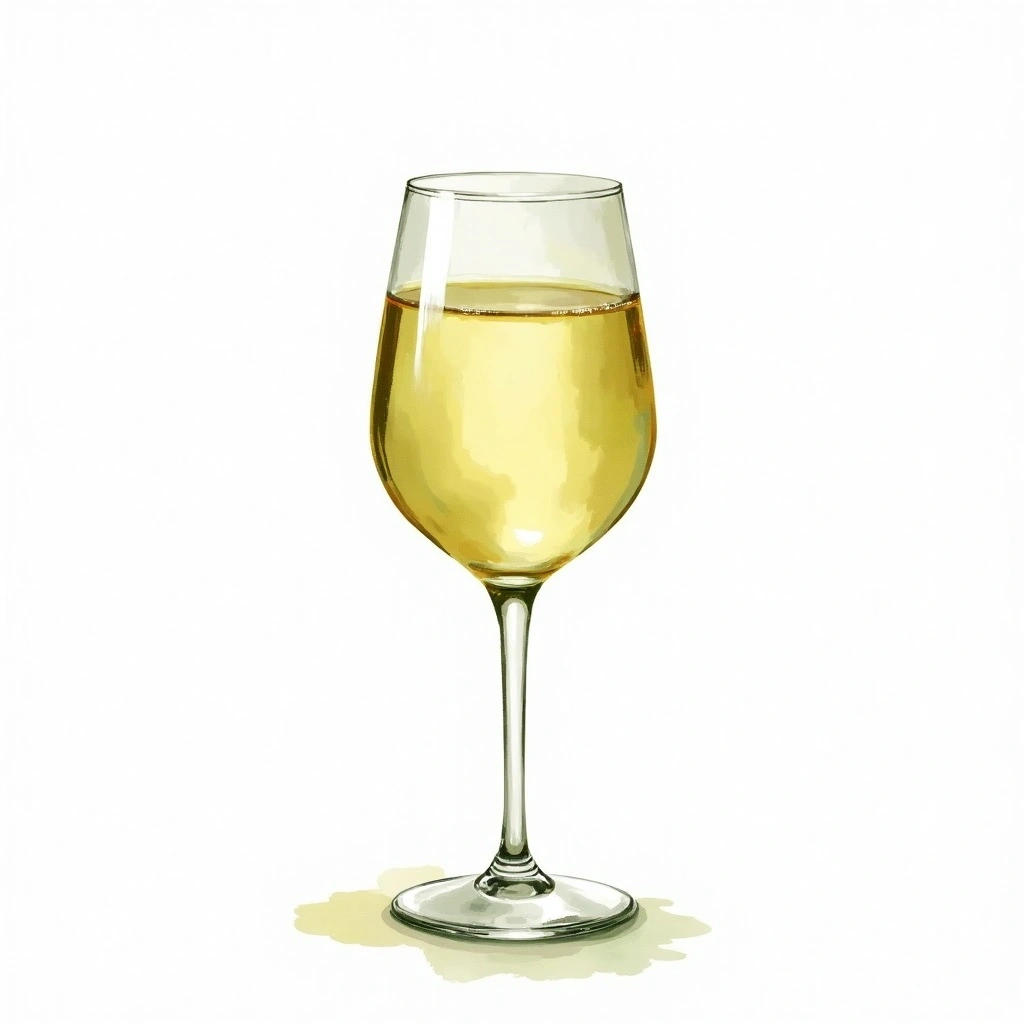 Aromatic White
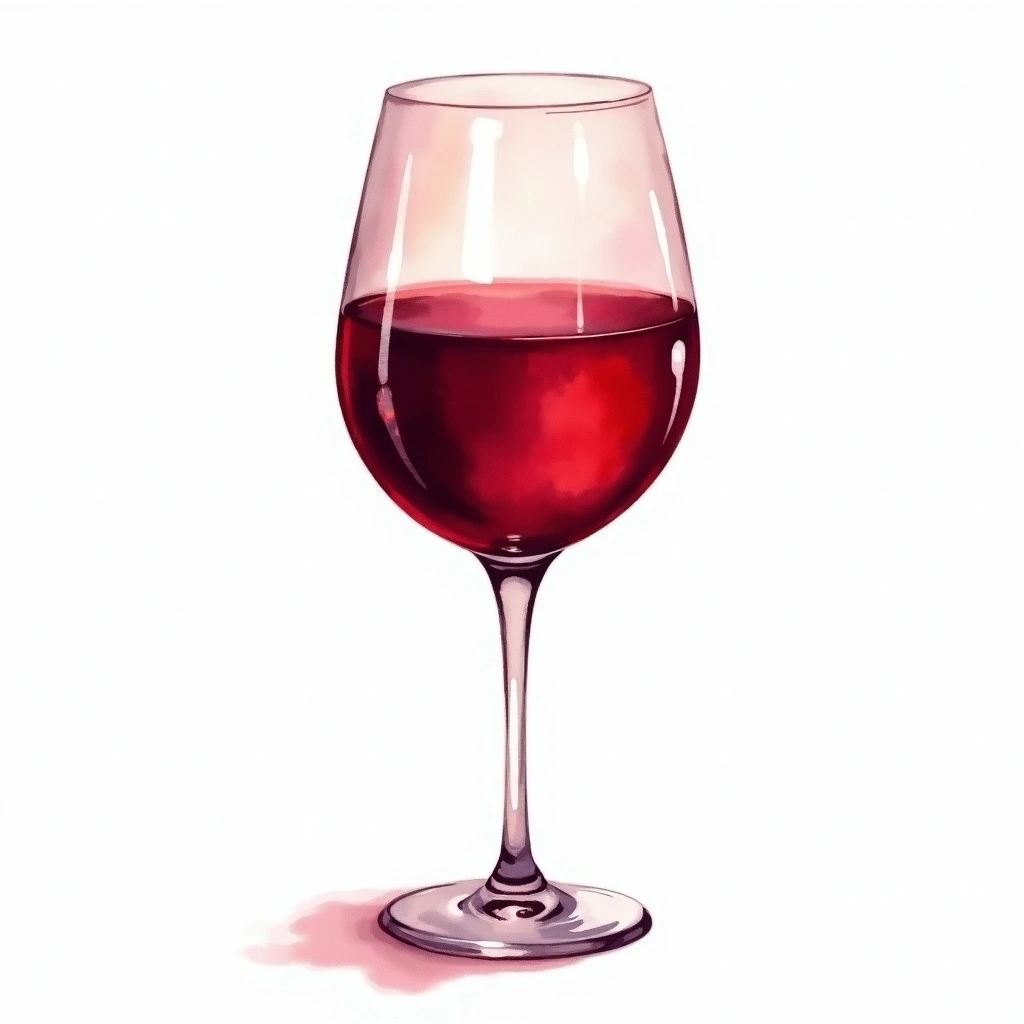 Bold Red
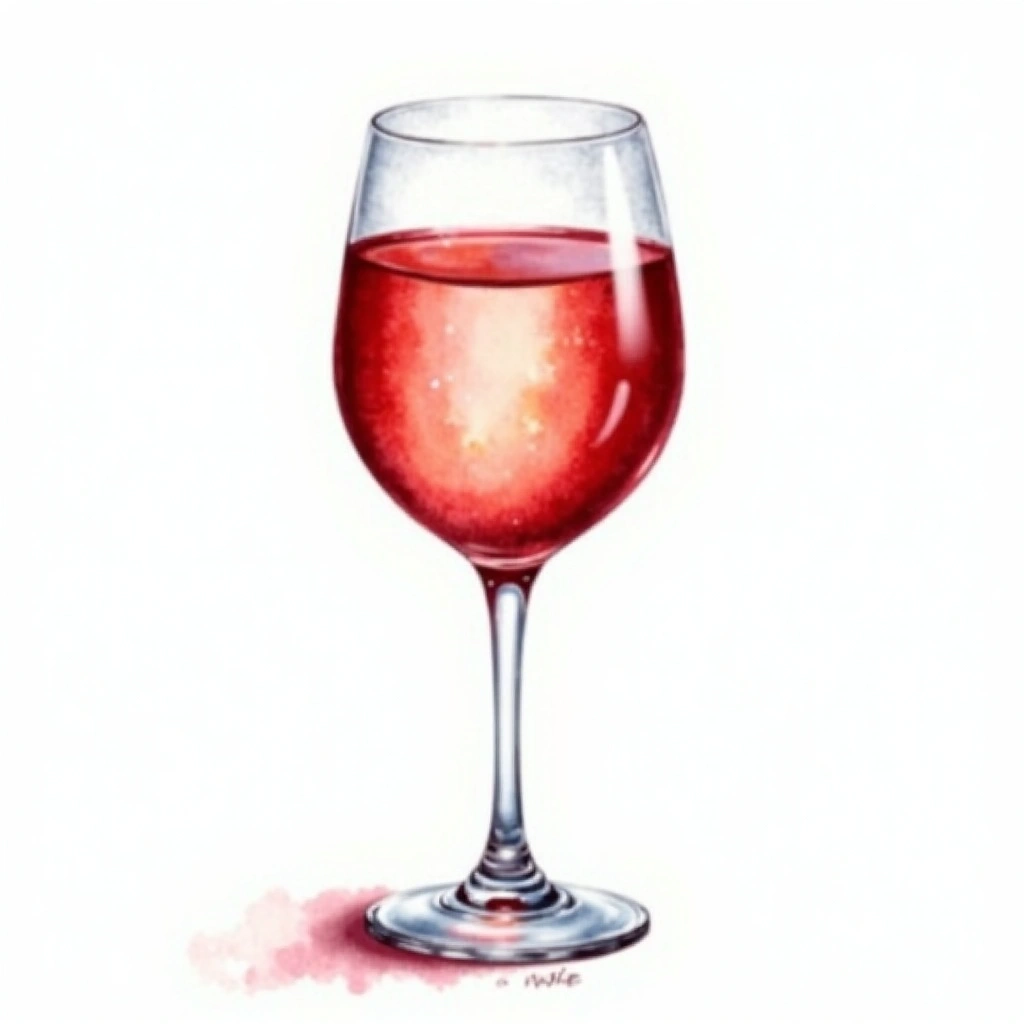 Crisp White
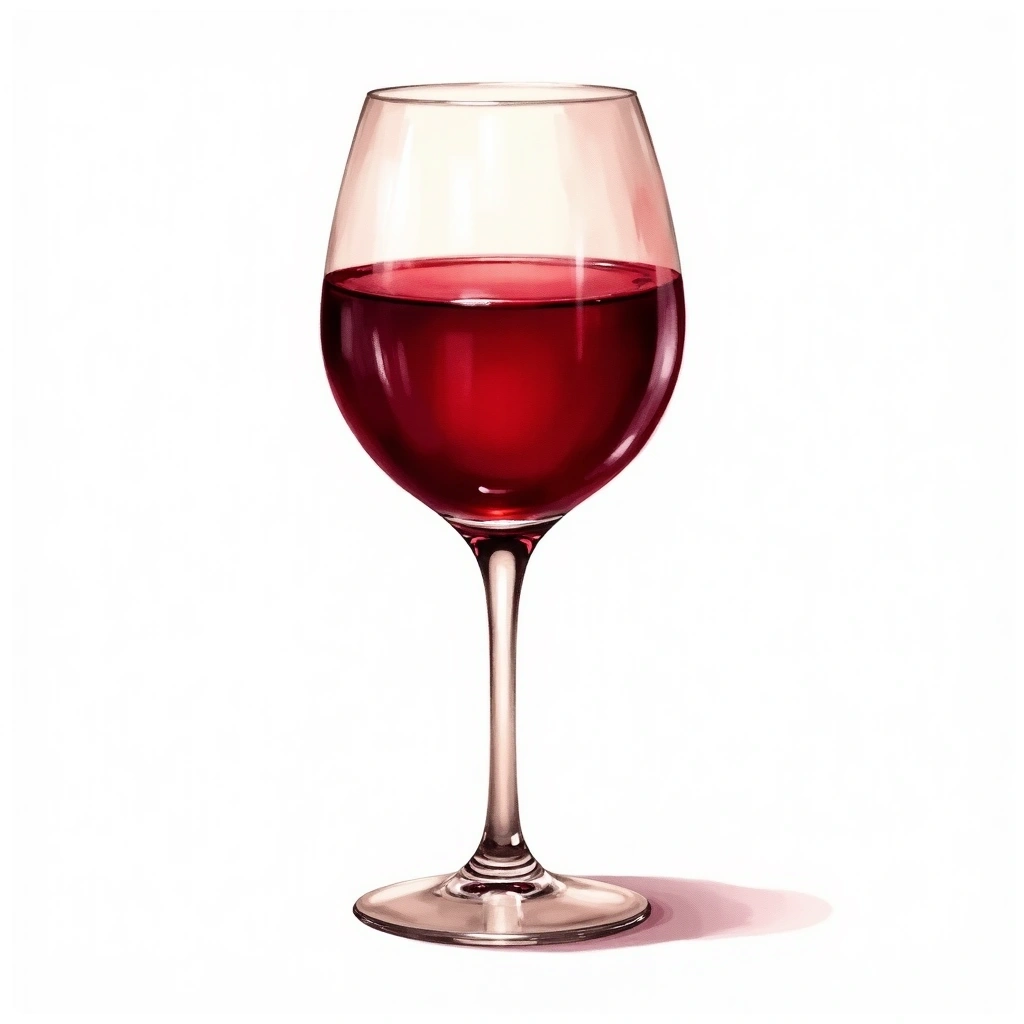 Elegant Red
 Light Red
 Rich White