Wine and Cheese: The Ultimate Pairing Guide
Everything you need to know about pairing wine with cheese — from fresh chevre to aged Comte, blue cheese to triple-cream brie — with regional traditions, practical tips, and what to avoid.
The Great Paradox of Wine and Cheese
Wine and cheese are culturally inseparable. Every wine shop sells cheese; every cheese counter recommends wine. Yet a quiet truth persists in professional circles: cheese is actually one of the more challenging food categories to pair well with wine. Fat, salt, protein, and pungent aromatics in cheese can flatten wine flavors, mask nuance, and make even excellent bottles taste ordinary.
The key is understanding which cheese characteristics align with which wine styles — and accepting that some beloved combinations (notably, big red wine with strong blue cheese) are more marketing mythology than genuine pleasure.
Fresh and Young Cheeses
Fresh cheeses — chevre, ricotta, fromage blanc, burrata, young mozzarella — have mild lactic acidity, high moisture, and clean dairy flavors. They are the most wine-friendly category.
Best Matches
- Sauvignon Blanc: The classic with fresh chevre. The wine's grassy, citrus, and nettle notes are a direct Bridge Ingredient to goat milk's distinctive tang. Loire Valley Sancerre or Pouilly-Fumé are the benchmarks.
- Crisp Crisp White wines generally: Vermentino, Picpoul, Muscadet, Grüner Veltliner — all work beautifully. The principle is matching the fresh acidity of the cheese with the fresh acidity of the wine.
- Traditional Method Sparkling Champagne: Bubbles and acidity complement fresh dairy. A Blanc de Blancs (100% Chardonnay) is particularly elegant with burrata or fromage frais.
Avoid
Heavy oak, high tannin, or very high alcohol overwhelm fresh cheese. A young fresh mozzarella is delicate; a 15% Napa Cabernet Sauvignon obliterates it.
Aged Hard Cheeses
Aged cheeses — Gruyère, Comté, aged Gouda, Manchego, Parmigiano-Reggiano — develop crystalline texture, deep caramel and nutty notes, and concentrated umami as moisture evaporates and proteins break down. They have far more flavor intensity than fresh cheeses.
Best Matches
- Aged Rich White Chardonnay: A premier cru Bourgogne with its toasted hazelnut and buttery complexity mirrors the nutty depth of aged Comté or Gruyère.
- Aged Chenin Blanc (Vouvray, Savennières): Its oxidative, honeyed complexity matches magnificently with an aged Gouda.
- Medium-bodied reds: Pinot Noir, Sangiovese, Tempranillo — their moderate tannin is buffered by the cheese's protein and fat. An aged Nebbiolo from Piemonte with a wedge of Parmigiano-Reggiano is a regional tradition for good reason.
- Dry or off-dry Riesling: The wine's cutting acidity and fruit mirrors the crystalline, slightly sweet finish of aged Gouda.
The Tannin Warning
Highly tannic young reds (young Cabernet Sauvignon, young Barolo) interact poorly even with aged cheese because the cheese's salt intensifies the perception of Tannin, amplifying astringency.
Soft-Ripened and Triple-Cream Cheeses
Brie, Camembert, Brillat-Savarin, and their kin have a bloomy white rind and extraordinarily rich, fatty paste. The fat content in triple-cream cheeses exceeds 75%.
Best Matches
- Champagne and sparkling wines: The most celebrated pairing in French gastronomy. The wine's high Acidity and effervescence cut through the extraordinary fat while the yeasty complexity complements the earthy rind. Blanc de Blancs Chardonnay-based Champagne is the classic choice.
- Light, fruity reds: Pinot Noir, Gamay Noir Beaujolais — served slightly chilled. Their low tannin avoids amplifying the salt in the rind, and their gentle fruit complements the mushroomy character.
- Aromatic whites: Gewürztraminer from Alsace, Pinot Gris — their body and spice hold up to the richness; lychee and rose notes in Gewurztraminer contrast beautifully against the earthiness of a ripe Camembert.
Washed-Rind Cheeses
Epoisses, Munster, Taleggio, and Limburger are among the most pungent of all cheeses. Washed repeatedly in brine, wine, or spirits during aging, they develop sticky orange rinds and assertive barnyard aromas.
Best Matches
This is where the Contrasting Pairing principle shines. Matching pungency with pungency produces chaos. Instead, contrast with something that has sweetness, body, or both to act as a foil.
- Gewürztraminer from Alsace: The most famous regional pairing in Alsace — Munster cheese with Gewurztraminer. The wine's lychee sweetness, rose-water aromatics, and full body soften the cheese's pungency beautifully.
- Off-dry Riesling: Residual sweetness provides relief from the intensity. The wine's fruit acts as a contrast to the savory, animal character.
- Vouvray demi-sec (Chenin Blanc): Off-dry, honeyed, complex — can match Epoisses with some grace.
Dry tannic reds are nearly always a mistake with washed-rind cheeses. The clash of pungent barnyard and grippy tannin is rarely pleasant.
Blue Cheeses
Roquefort, Stilton, Gorgonzola, and Maytag Blue are high in salt, pungent in flavor, and intensely savory. The classic pairing strategy is Contrasting Pairing: sweet wine offsetting salt and pungency.
Best Matches
- Port Style wine (Touriga Nacional, Douro): The benchmark. Port's ripe fruit, sweetness, and fortified richness contrast magnificently against Stilton's salty intensity. This is one of the genuinely great classic pairings.
- Sauternes (botrytized Sémillon/Sauvignon Blanc): A French answer to the same principle — the honeyed richness of botrytized wine against Roquefort's salt.
- Ice Wine or Late Harvest Riesling: Residual sweetness provides the contrast needed.
- Aged Sherry (Oloroso or Pedro Ximénez): The wine's caramel, walnut, and oxidative notes match the pungency while the fortification provides richness.
Dry tannic reds with blue cheese: rarely a success. The salt in the cheese amplifies tannin to the point of harshness, and the intense flavors drown the wine's nuance.
Building a Wine and Cheese Board
For a table board serving multiple guests, select three to five wines that span different styles, then build the cheese selection around them:
- Anchor with Champagne or a crisp white — covers fresh, young cheeses.
- Add an aromatic white — Gewürztraminer or Riesling — for washed-rind and softer blues.
- Include a medium-bodied red — Pinot Noir or Sangiovese — for aged hard cheeses.
- Finish with a dessert or fortified wine — Port, Sauternes — for strong blues and to close the tasting.
This structure ensures that every cheese on the board has a natural partner. Guests can explore on their own or follow the recommended matches.
The Regional Principle Revisited
When in doubt, regional tradition is the most reliable shortcut: Loire goat cheese with Loire Sauvignon Blanc; Alsatian Munster with Alsatian Gewurztraminer; Italian cheeses with Italian wines. These pairings evolved over centuries of the same communities farming grapes and dairy in the same landscapes. The Balance they achieve is not accidental.
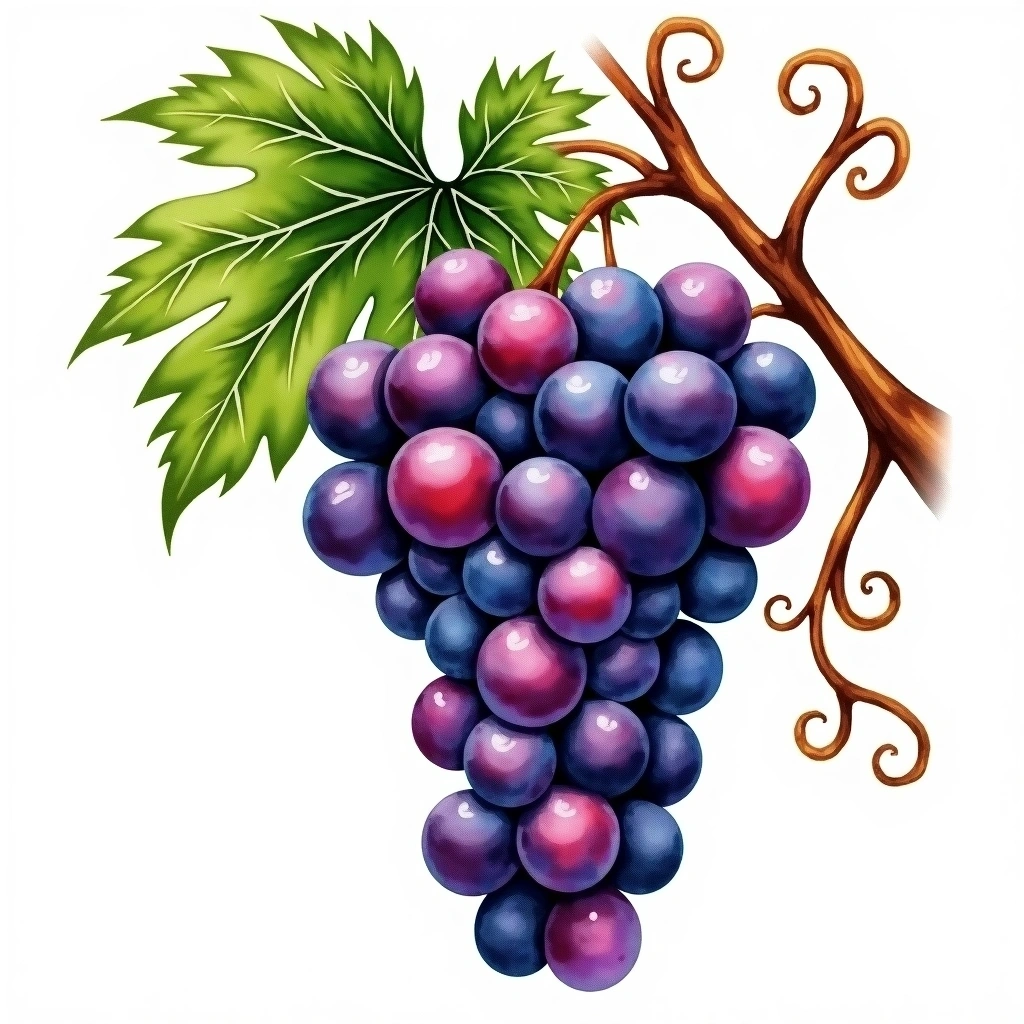 Cabernet Sauvignon
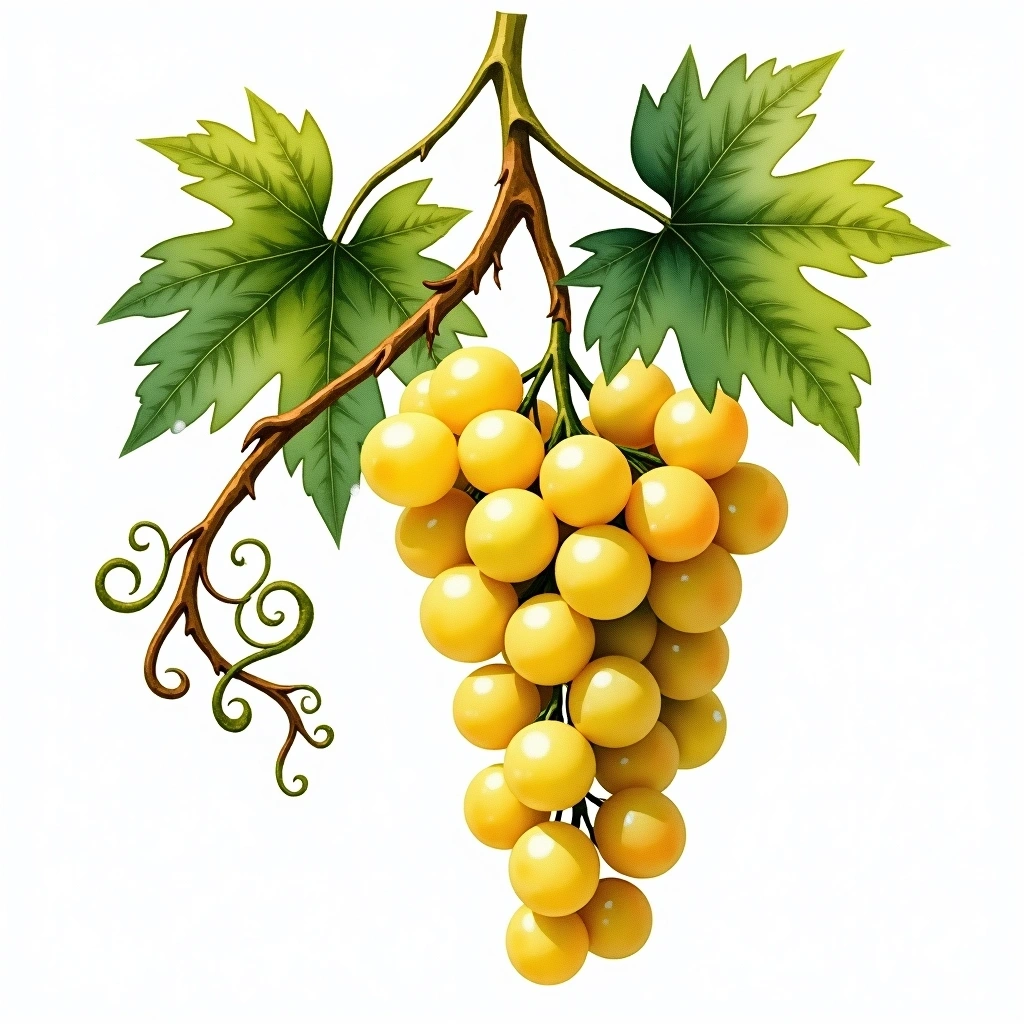 Chardonnay
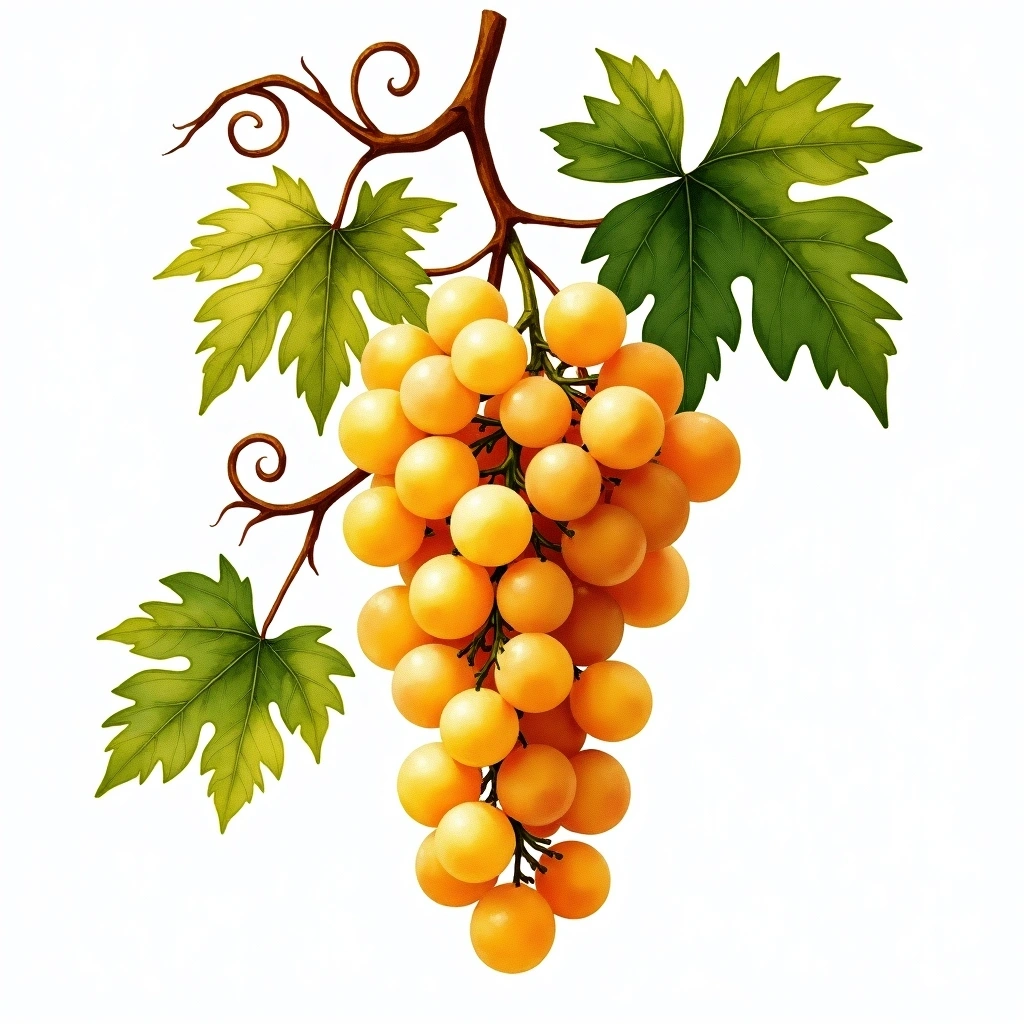 Chenin Blanc
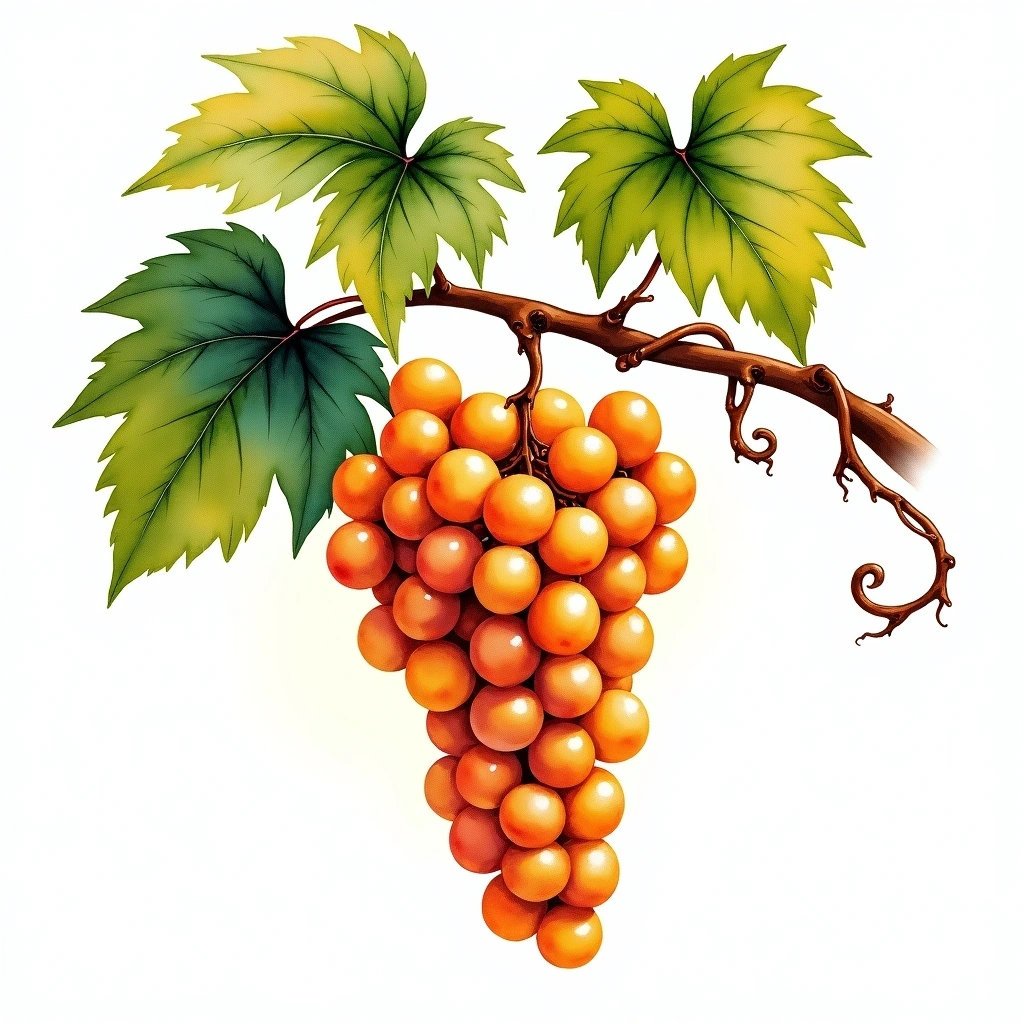 Gewürztraminer
 Nebbiolo
 Pinot Gris
 Pinot Noir
 Riesling
 Aromatic White
 Crisp White
 Light Red
 Port Style
 Rich White
 Traditional Method Sparkling