Holiday Dinners and Wine: A Seasonal Pairing Guide
Navigate the wine choices for Thanksgiving, Christmas, Easter, and other festive meals — from the aperitif to the final toast — with confidence and style.
Holiday Dinners and Wine: A Seasonal Pairing Guide
Holiday meals are among the most anticipated — and most stressful — dining occasions of the year. The pressure to choose wine for a table of family and friends, across dishes from roast turkey to candied sweet potatoes to chocolate Yule log, can feel overwhelming. But holidays are when thoughtful wine selection has the greatest impact. A well-chosen bottle elevates a meal from good to unforgettable, creates conversation, and becomes part of the memory.
Thanksgiving: America's Greatest Wine Challenge
Thanksgiving is the most challenging wine meal of the year. The table holds roast turkey (mild protein), gravy (umami-rich), cranberry sauce (tart and sweet), stuffing (herby and carb-heavy), sweet potatoes with marshmallow (aggressively sweet), green bean casserole (creamy and earthy), and pumpkin pie (spiced and sweet). No single wine matches everything, but several come close.
Pinot Noir is the consensus choice. A well-made Pinot from Burgundy, the Willamette Valley, or Sonoma Coast has Acidity for cranberry sauce, light Tannin for turkey, and earthy complexity for stuffing and gravy. Its red-fruit character — cherry, cranberry, raspberry — even mirrors the cranberry sauce. A village-level Burgundy or mid-range Willamette Valley Pinot Noir hits the sweet spot of quality and value for feeding a crowd.
For white wine, Chardonnay from Burgundy — Meursault, Puligny-Montrachet, or simpler Macon-Villages — provides buttery richness echoing roasted skin and butter in mashed potatoes. Choose one with enough Acidity to stay refreshing across the long meal.
Riesling Spatlese or Kabinett from Mosel is the dark horse. Off-dry sweetness tames sweet potatoes and cranberry sauce that confound dry wines, while searing acidity prevents sugar fatigue. If your table leans sweet, Riesling is salvation.
Gamay from Beaujolais — Fleurie or Julienas — deserves consideration. Exuberant fruit, low tannin, bright acidity: one of the most food-friendly reds. Beaujolais Nouveau, released the third Thursday of November, has festive quality fitting the holiday.
Strategy: One Pinot Noir and one off-dry Riesling. Between two contrasting styles, every dish finds a partner. One bottle per two to three guests.
Christmas and Winter Holidays
Roast beef (prime rib, tenderloin): Cabernet Sauvignon from Napa Valley with age offers cassis, cedar, velvety tannins. Nebbiolo from Piedmont — Barolo or Barbaresco — brings tar, roses, truffle complexity elevating prime rib. Decanting an hour before allows the Bouquet to develop.
Roast goose (German, Scandinavian): German Spatburgunder from Baden offers acidity for the fat. Red Burgundy — Volnay or Savigny-les-Beaune — is sublime with goose's richness.
Glazed ham: Riesling Spatlese, off-dry Chenin Blanc from Loire Valley (Vouvray demi-sec), or Grenache Rose. Ham's sweetness demands some sweetness in wine.
Italian La Vigilia (Feast of Seven Fishes): Sparkling wine — Franciacorta, Prosecco, Champagne — for lighter courses. Vermentino for heartier preparations.
Easter and Spring
Roast lamb — leg with garlic and rosemary, rack with herb crust, or braised shoulder. Bordeaux Left Bank Pauillac or Saint-Julien offers cassis and cedar complementing rosemary and garlic. Nebbiolo from Barbaresco provides rose-petal Aroma, cherry fruit, gentle earthiness. For lighter approach, Pinot Noir from Oregon or Burgundy (Chambolle-Musigny, Volnay) matches spring's spirit.
Spring vegetables — asparagus, artichokes — challenge wine. Asparagus makes reds metallic; Sauvignon Blanc from Sancerre harmonizes. Artichokes contain cynarin making wine taste sweeter; pair with crisp, high-acid whites.
New Year's Eve
Champagne's moment. Midnight: Brut non-vintage from Bollinger, Pol Roger, Billecart-Salmon. Dinner: Vintage Champagne — 2012 or 2008 — with toasty depth and pinpoint Acidity for oysters, lobster, or foie gras. Blanc de Blancs (Chardonnay) for seafood; Blanc de Noirs (Pinot Noir) for richer fare.
Practical Logistics
Quantity: One bottle per two adults. Opening: Champagne just before serving; tannic reds (Barolo, Napa Cab) Decanting 30-60 minutes; older wines pour immediately. Serving order: sparkling then white then red then sweet. Universal holiday wine: high-quality Pinot Noir navigates turkey, ham, lamb, and beef with equal grace. Dessert wines: late-harvest Riesling, Sauternes, or Moscato d'Asti turns dessert into a genuine course. Wine should be as sweet or sweeter than food.
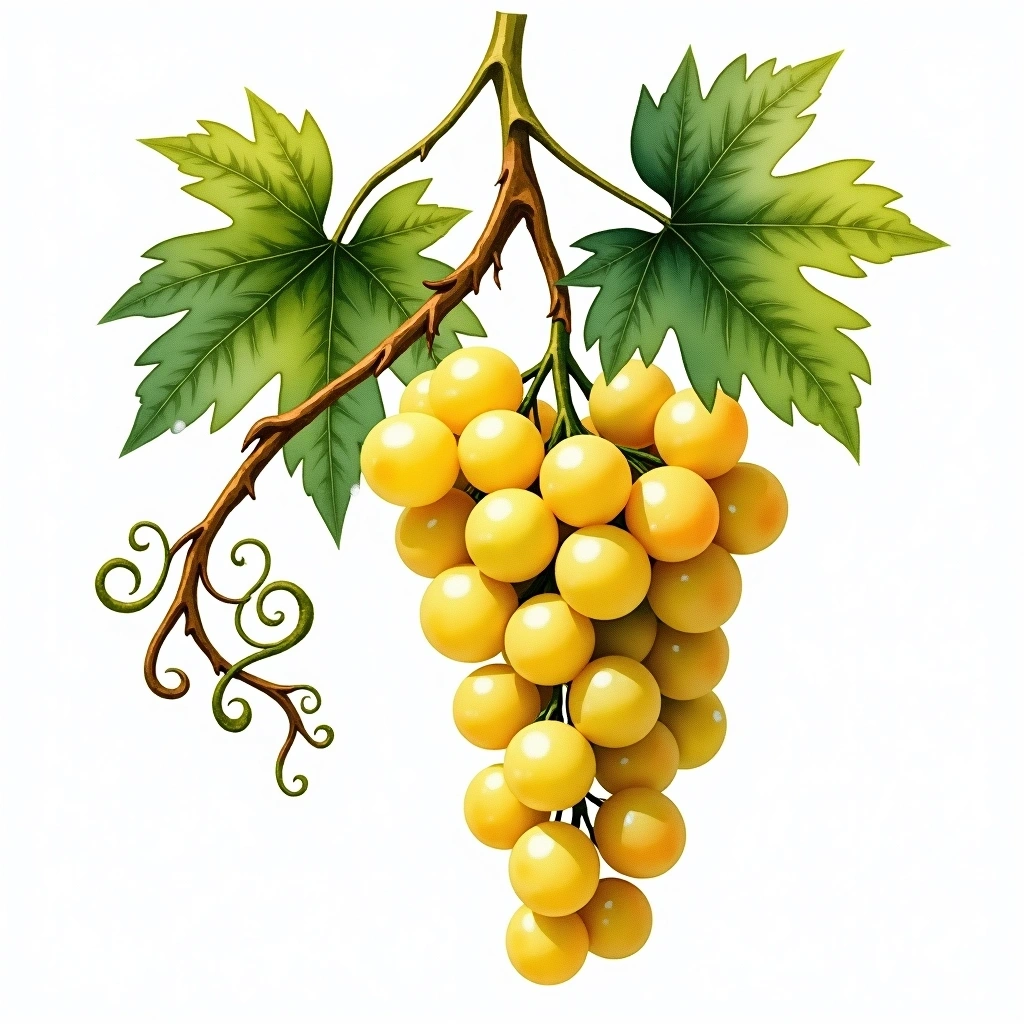 Chardonnay
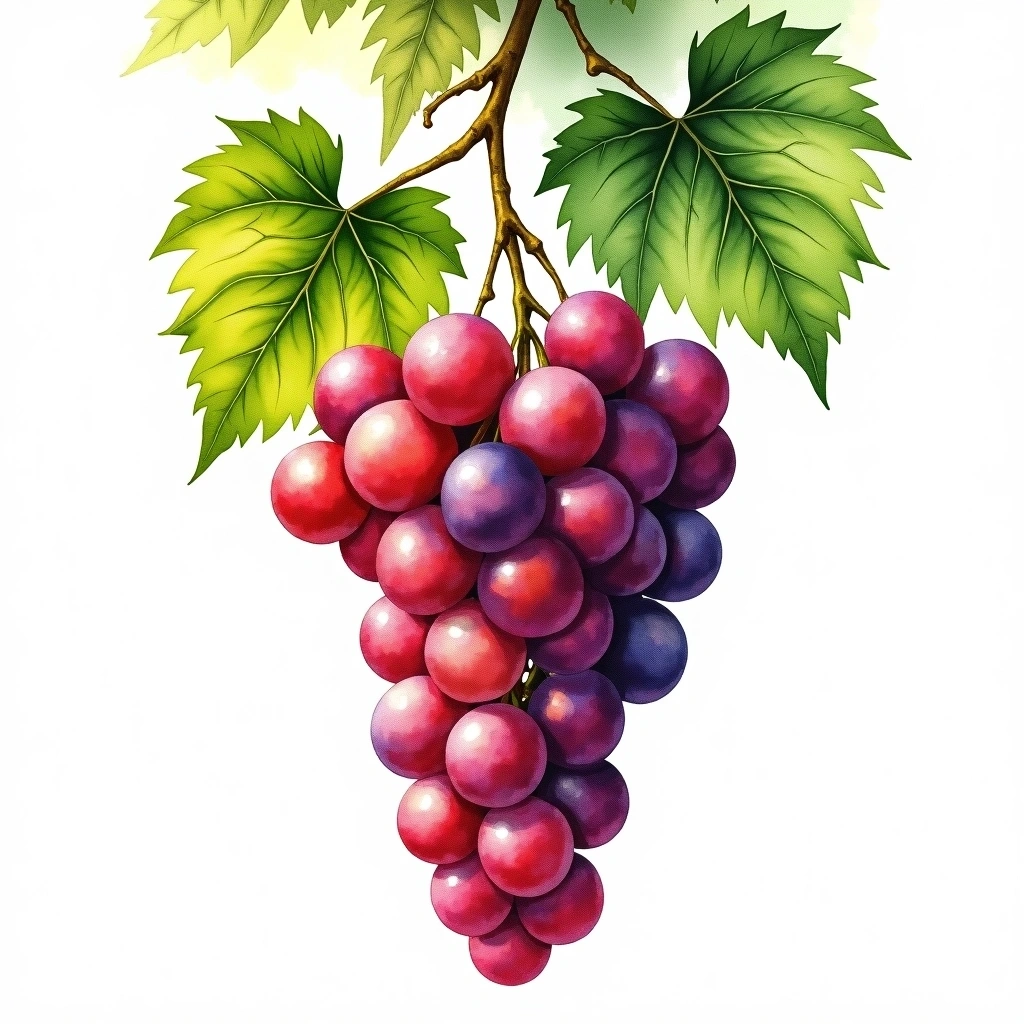 Nebbiolo
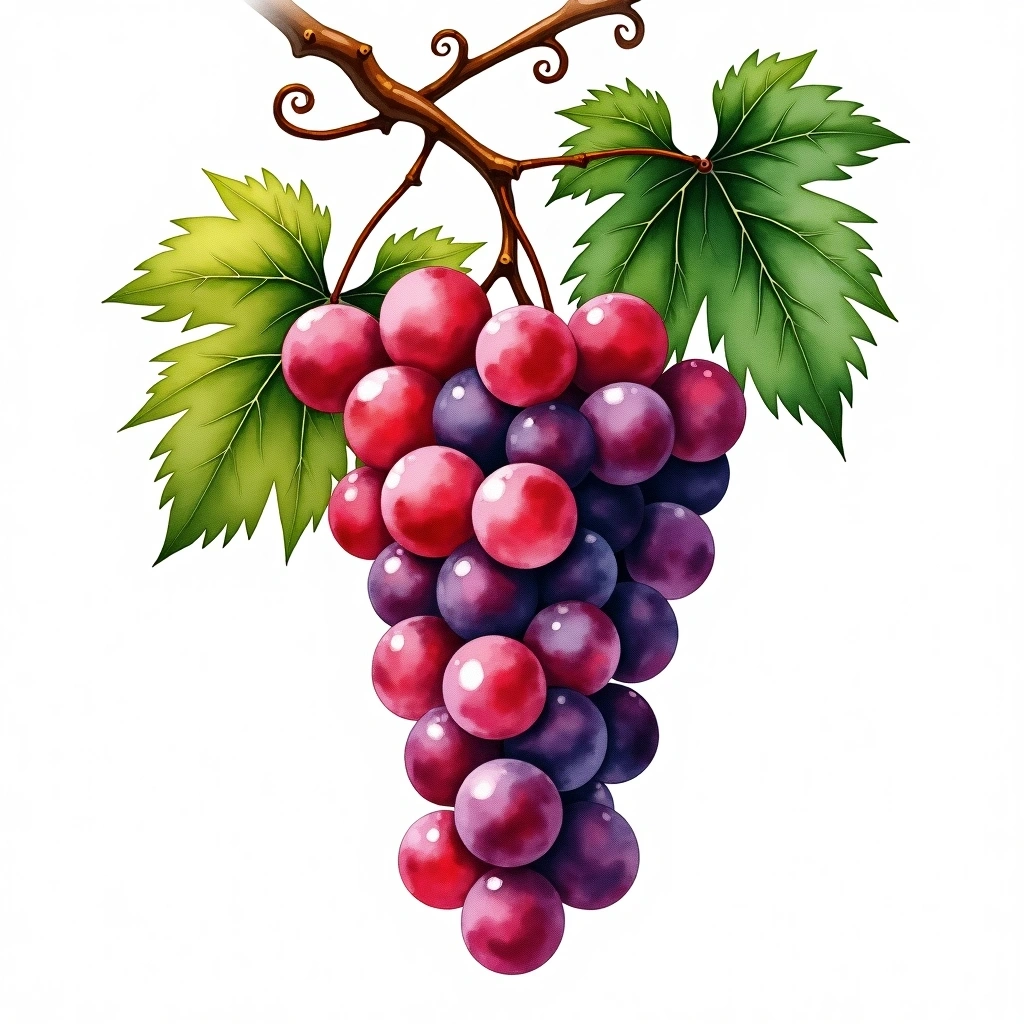 Pinot Noir
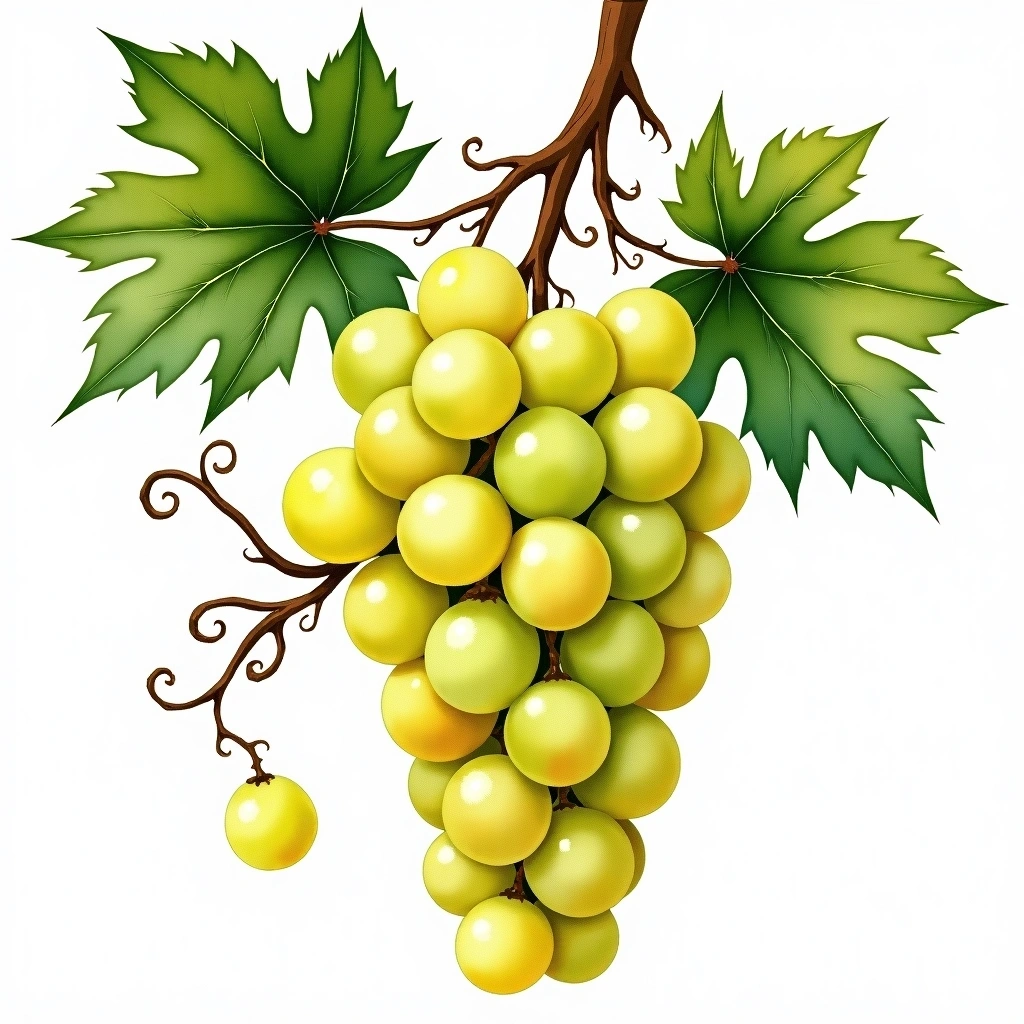 Riesling
 Aromatic White