Syrah/Shiraz: Two Names, One Great Grape
Called Syrah in France and Shiraz in Australia, this powerful grape produces wines ranging from peppery Rhône elegance to massive Barossa fruit bombs. Explore the full range of this great red variety.
One Grape, Two Personalities
The grape called Syrah in France and Shiraz in Australia is one of wine's most compelling characters. In the granite-terraced vineyards of the Northern Rhône, it produces austere, violet-scented, Old Vine wines of profound complexity. In the Barossa Valley, it produces massive, inky, chocolate-laden monsters of extraordinary concentration. Both are thrilling. Both are the same grape.
The name difference is largely a marketing and tradition artifact: French and European producers use Syrah; Australians adopted Shiraz when they first planted the variety, and the name stuck. Today, many New World producers use both names interchangeably, with "Syrah" often signaling a cooler-climate, more restrained style and "Shiraz" suggesting riper, more powerful expressions.
Origin and History
For decades, romantic myths surrounded the origins of Syrah/Shiraz. One story claimed it came from Shiraz in Persia (present-day Iran); another connected it to Syracuse in Sicily. DNA profiling settled the question in 1999: Syrah is a natural crossing of two obscure French varieties, Dureza and Mondeuse Blanche, both native to southeastern France. It is entirely French.
The grape has been cultivated in the Northern Rhône since at least Roman times. The Hermitage hill above Tain-l'Hermitage is one of Europe's most ancient wine-producing sites, and Hermitage wines have been recognized as among France's greatest since the seventeenth century. Northern Rhône Syrah was historically added to red Bordeaux to improve body and color — a practice called "Hermitage" that was legal for much of the eighteenth and nineteenth centuries.
Shiraz arrived in Australia in the 1830s, when cuttings from the Cape of Good Hope were planted in the Hunter Valley and Barossa Valley. For most of the twentieth century, Australian Shiraz was undervalued and blended into cheap fortified wine. The discovery in the 1980s that Barossa Valley's Old Vine Shiraz — some vines dating to the 1840s — produced extraordinary concentrated wine triggered a global reassessment.
Flavor Profile
Syrah/Shiraz's flavor signature depends heavily on climate, but certain characteristics are always present:
Cool Climate (Northern Rhône style): - Violet and black olive - Cracked black pepper (rotundone compound) - Blueberry and blackberry - Smoke and graphite - Bacon fat and cured meat - High Tannin, firm structure
Warm Climate (Barossa/Australian style): - Black plum and blackberry jam - Dark chocolate and mocha - Licorice and anise - Vanilla and coffee (oak) - Earthy, meaty, savory notes - Full Body, softer tannin
The cracked black pepper note — from a compound called rotundone — is particularly distinctive in cool-climate Syrah and is rarely found in other varieties at this intensity.
Growing Regions
Northern Rhône, France
The Northern Rhône is where Syrah/Shiraz achieves its most complex expression. The appellation hierarchy tells the story:
- Côte-Rôtie ("roasted slope") — the most elegant Northern Rhône expression, often co-fermented with a small percentage of Viognier, which adds floral lift and aromatic complexity
- Hermitage — the most powerful appellation; wines from the Hermitage hill can age for 30–50 years and develop extraordinary mineral complexity
- Crozes-Hermitage — the largest Northern Rhône appellation, surrounding Hermitage; more approachable and affordable, still serious
- Saint-Joseph and Cornas — increasingly important, Cornas particularly for wines of concentrated power
In the Southern Rhône, Syrah appears in blends (notably with Grenache and Mourvedre in Châteauneuf-du-Pape), but it is not the dominant variety there.
Barossa Valley, Australia
Barossa Valley in South Australia is Shiraz country at its most extreme. Ancient, ungrafted Old Vine Shiraz — some planted in the pre-phylloxera era — produces wines of almost unimaginable concentration. Producers like Penfolds (Grange), Torbreck, Chris Ringland, and Henschke (Hill of Grace) have created a cult of Old Vine Barossa Shiraz that attracts collectors worldwide.
Grange, Penfolds's flagship, is made from a blend of old-vine Barossa and McLaren Vale Shiraz and is considered Australia's greatest wine and one of the world's most collectible bottles.
Stellenbosch, South Africa
Stellenbosch and the Swartland appellation produce increasingly impressive Syrah that often bridges Northern Rhône and New World styles — using old-vine material in granitic soils that echo the Rhône's geological character.
California and Washington State, USA
California Syrah divides into two camps: Central Coast producers (Santa Barbara, Paso Robles) pursuing a more Rhône-influenced, peppery style; and warmer region producers creating rich, Barossa-adjacent wines. Washington State has rapidly developed as a quality Syrah region, particularly in the Walla Walla and Yakima valleys.
Other Important Regions
- Languedoc-Roussillon: Languedoc-Roussillon produces extensive Syrah, both as single-varietal and in blends with Grenache and Mourvedre (GSM blends)
- McLaren Vale, Australia: Rich, chocolatey Shiraz with sea-spray freshness from the ocean influence
- Chile: Maipo Valley and Elqui Valley produce cool-climate Syrah with genuine Northern Rhône character
Winemaking
Co-Fermentation with Viognier
A traditional Northern Rhône practice involves fermenting Syrah with a small percentage (typically 2–5%) of white Viognier. The Viognier adds floral aromatics, apricot notes, and helps set the color in the final wine through a chemical bonding process. It is one of wine's most distinctive — and seemingly counterintuitive — techniques.
Whole Berry and Maceration
Many top Northern Rhône producers use Whole Cluster or whole-berry fermentation and extended Maceration to build color stability and complex tannin structure. Australian producers typically destem completely and use roto-fermenters for efficient extraction of the massive concentration in Barossa fruit.
Oak Strategy
Northern Rhône Syrah traditionally ages in large old oak casks (foudres), which allow micro-oxygenation without imparting oak flavor. Australian Shiraz often sees more American oak Barrique, which adds vanilla and coconut notes — a stylistic signature of classic Barossa Shiraz.
Food Pairings
Bold Syrah/Shiraz demands bold food:
- Grilled lamb — The classic Rhône pairing; rosemary and garlic echo the wine's herbal character
- Beef brisket or short ribs — Slow-cooked, rich meats complement Australian Shiraz magnificently
- Game: venison, wild boar — The peppery, savory character of Syrah is a natural match for game
- Olive-based dishes — Black olive and tapenade echo Syrah's own olive notes
- Strong hard cheeses — Aged cheddar, Manchego, Pecorino
- Moroccan-spiced dishes — Cumin, coriander, and preserved lemon align with Syrah's spice character
Serving and Aging
Decanting benefits young, tannic Syrah enormously — allow 45–60 minutes in a decanter before serving. Temperature: 17–19°C (63–66°F). Avoid serving too warm, as Syrah's naturally high alcohol amplifies the sensation of heat.
Fine Northern Rhône Syrah (Hermitage, Côte-Rôtie) can age for 20–30 years. Barossa Old Vine Shiraz at the Grange level can evolve for 30–50 years. Most commercial Shiraz is best consumed within 5–10 years.
Two Names, One Ambition
Whether on a Northern Rhône hillside or an Australian valley floor, Syrah/Shiraz pursues the same ambition: to translate a specific place's Terroir into a wine of unmistakable character. In France, that character is mineral, refined, and haunting. In Australia, it is generous, bold, and unforgettable. Both are worth knowing intimately.
 Cabernet Sauvignon
 Grenache
 Malbec
 Mourvedre
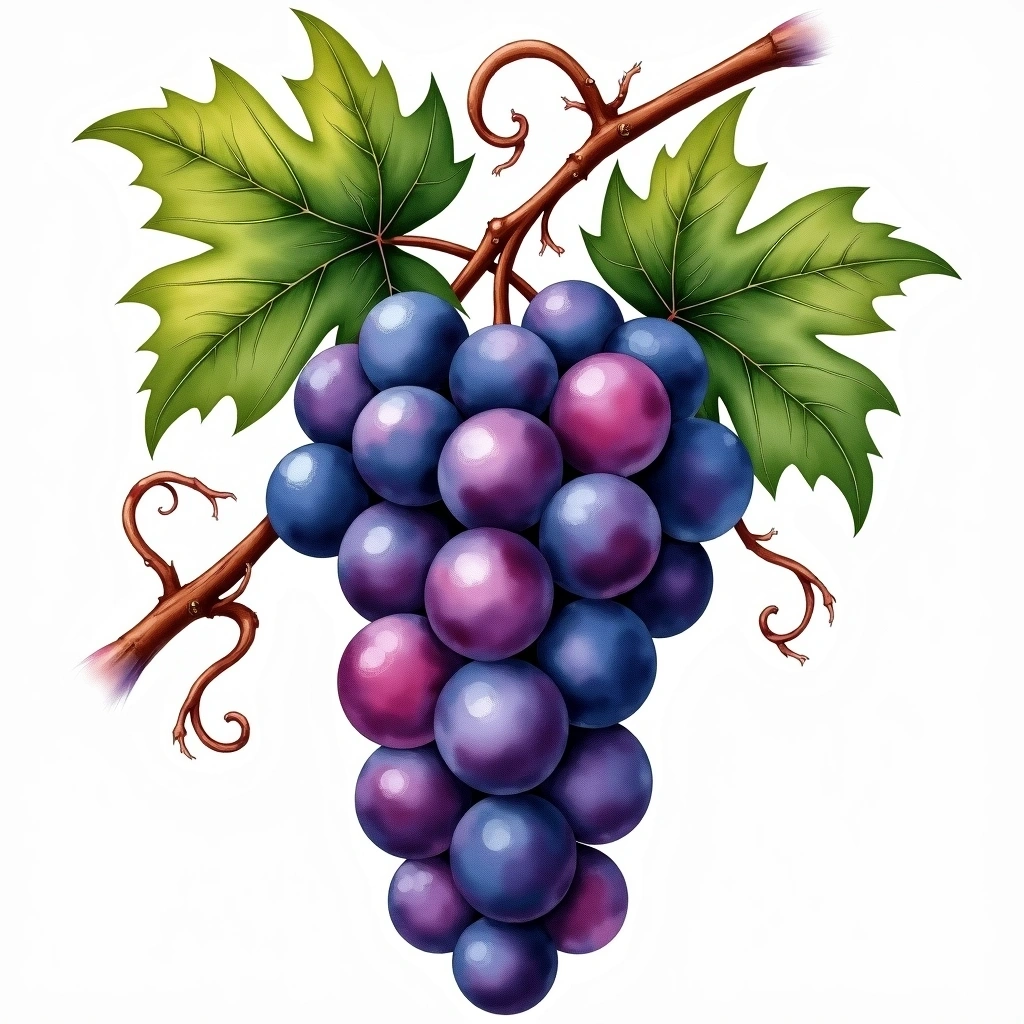 Syrah/Shiraz
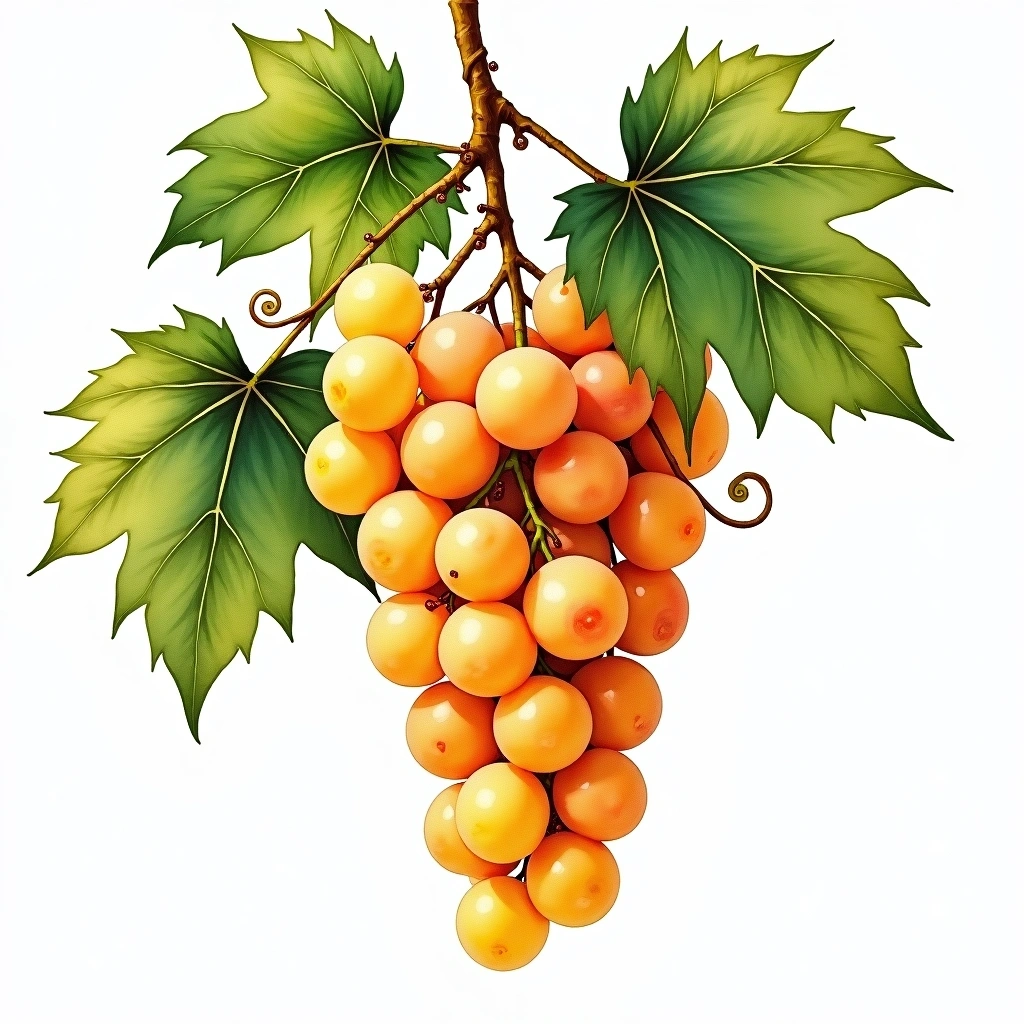 Viognier
 Bold Red
 Elegant Red
 Medium Red