Wine Pairing for Seafood and Fish
A comprehensive guide to pairing wine with fish and seafood, from delicate white fish to rich shellfish, oily fish, and sushi.
The Basics: Why White Wine Dominates Seafood
The traditional rule — white wine with fish — exists for a reason that goes beyond convention. Red wines contain Tannin, and tannins interact badly with the oils found in most fish and shellfish. The iodine and polyunsaturated fatty acids in seafood bind with tannin molecules and iron compounds in red wine, producing a distinctly metallic, fishy aftertaste that ruins both the food and the wine.
White wines, rosés, and sparkling wines do not have this problem. Their lack of tannin means they interact with seafood cleanly, and their typically higher Acidity provides the same palate-cleansing function as a squeeze of lemon — the universal seafood condiment.
That said, "white wine with fish" is an oversimplification. The world of seafood is enormous, spanning delicate raw oysters to rich lobster thermidor to charred octopus. Each preparation calls for a different wine approach.
White Fish: Delicate and Lean
Examples: Sole, Dover sole, halibut, cod, sea bass (branzino), snapper, haddock, turbot, flounder
White fish are the most delicate proteins in the kitchen. They have mild flavors, low fat content, and a tendency to be overwhelmed by anything heavy. The wine must be light enough to respect the fish's subtlety while providing enough character to be interesting on its own.
Simply Prepared (Poached, Steamed, Grilled with Lemon)
- Sauvignon Blanc from Marlborough or Sancerre — bright, citrusy, with herbal notes that complement lemon and herbs
- Pinot Grigio from Alto Adige — clean, mineral, barely-there weight
- Muscadet sur lie — the benchmark lean white for simply prepared fish. Its Terroir-driven salinity actually mirrors the ocean
- Crisp White Chablis (unoaked Chardonnay) — mineral, precise, and structured without any oak to interfere
With Butter or Cream Sauce
When butter, cream, or beurre blanc enters the picture, the dish's weight increases substantially. The wine needs to match that richness.
- Oaked Chardonnay from Burgundy (Meursault, Puligny-Montrachet) — the gold standard for fish in cream sauce
- Viognier from the Northern Rhône (Condrieu) — floral, stone-fruit richness with a silky texture
- Chenin Blanc from Vouvray (sec or demi-sec) — balances richness with refreshing acidity
Baked with Herbs and Vegetables
Mediterranean-style preparations with tomato, olive, and herbs call for wines with more personality.
- Vermentino from Sardinia or Corsica — herbal, slightly bitter, built for Mediterranean food
- Dry rosé from Provence — light, herbal, perfect for tomato-based preparations
- Sauvignon Blanc from the Loire — particularly effective with green herbs
Shellfish: Briny and Sweet
Examples: Oysters, clams, mussels, scallops, shrimp, prawns, crab, lobster
Shellfish covers an enormous range, from the austere minerality of a raw oyster to the rich sweetness of lobster. The common thread is brininess — the taste of the sea.
Raw Oysters
Raw oysters are the ultimate test of a wine's precision. They need a wine that is bracingly acidic, bone-dry, and mineral without any oakiness.
- Champagne (Brut or Extra Brut) — the single best pairing for raw oysters. The bubbles, acidity, and yeasty complexity are transcendent
- Muscadet sur lie — lean, saline, almost austere
- Sauvignon Blanc from Sancerre — flinty, mineral, precise
- Mignonette dressing or lemon on the oyster should not change the wine choice — all of these handle acidity beautifully
Steamed Mussels and Clams
- Dry white from the preparation's origin: Muscadet for moules marinières, Vermentino for Mediterranean preparations, Grüner Veltliner for Asian-spiced broths
- Light White wines with herbal character work consistently
Shrimp and Prawns
- Grilled or sautéed with garlic: Albariño, Verdicchio, or dry Riesling
- Shrimp cocktail: Sauvignon Blanc — the acidity matches the cocktail sauce
- Tempura: Sparkling wine or dry Riesling — the acidity and bubbles cut through the batter
Scallops
Scallops are sweet, rich, and buttery — especially when pan-seared. They need wines with body and texture.
- Oaked Chardonnay from Burgundy — the match for seared scallops with brown butter
- Viognier — its stone-fruit richness complements scallop sweetness
- Chenin Blanc (Savennières) — structured enough for scallop without overwhelming
Lobster and Crab
The richest shellfish need the richest white wines. Lobster tail with drawn butter is essentially asking for full-bodied white wine.
- Grand Cru Chardonnay from Burgundy — Corton-Charlemagne with lobster is a desert-island pairing
- Vintage Champagne — the weight, complexity, and bubbles handle lobster beautifully
- Viognier or white Rhône blends (Roussanne, Marsanne) for crab cakes
Oily Fish: Rich and Assertive
Examples: Salmon, tuna, mackerel, sardines, swordfish, bluefish, trout
Oily fish have higher fat content and more assertive flavors than white fish. They can handle more weight in a wine and, importantly, they are the one seafood category where certain red wines genuinely work.
Salmon
Salmon is the bridge between white wine territory and light red wine territory. Its rich, fatty flesh and distinctive flavor give you options.
- Dry rosé (Provence or Sonoma) — the most reliable all-around salmon wine
- Oregon or Burgundy Pinot Noir — the low tannin and bright fruit complement salmon without the metallic clash
- Oaked Chardonnay — particularly good with cedar-planked or roasted salmon
Tuna (Seared or Grilled)
Seared ahi tuna, served rare, has a meaty texture that leans toward red wine.
- Light Red Pinot Noir — the classic match
- Grenache rosé — substantial enough for tuna's meatiness
- Beaujolais (Gamay) — fruity, low tannin, slightly chilled
Mackerel and Sardines
These intensely flavored, oily fish need wines with strong acidity to cut through the richness.
- Vinho Verde — lean, slightly spritzy, perfect for grilled sardines
- Sauvignon Blanc — the acidity slices through the oil
- Albariño — its salinity complements ocean-flavored fish
Swordfish (Grilled)
Swordfish is meaty and firm — almost steak-like. It can handle wines that would overwhelm other fish.
- Rich White oaked Chardonnay
- Dry rosé from Bandol (Mourvedre-based)
- Light Pinot Noir or chilled Grenache
Sushi and Sashimi
Sushi presents unique pairing challenges. The rice is lightly sweetened with vinegar, the fish is raw, wasabi adds heat, soy sauce adds salt and umami, and pickled ginger is a palate cleanser. No single wine handles all of these elements perfectly, but several come close.
Best choices for mixed sushi: - Dry Riesling (Kabinett trocken from the Mosel) — the slight residual sugar handles wasabi heat, the acidity matches the vinegared rice - Champagne or sparkling wine — bubbles, acidity, and neutral flavor profile work with everything on the sushi bar - Sake (not wine, but the natural partner) — if staying in wine territory, choose wines with sake-like minerality and restraint
Avoid: Any red wine with raw fish sushi. Oaked whites are too heavy. Aromatic White wines like Gewürztraminer can clash with wasabi and soy sauce.
When Red Wine Actually Works with Seafood
The "no red wine with fish" guideline has legitimate exceptions:
- Grilled octopus: Its meaty texture and charred exterior pair well with Light Red wines — Greek Agiorgitiko, Grenache, or Nerello Mascalese from Etna
- Cioppino and bouillabaisse: Tomato-based fish stews can handle dry rosé or light Provençal reds
- Salmon with pinot noir: Well-documented, genuinely excellent
- Tuna steaks: Seared rare, essentially a light meat — Beaujolais, light Pinot, Barbera
- Miso-glazed fish: The umami and sweetness can work with off-dry reds or fruit-forward light reds
The key variable is always tannin. If the red wine has very low tannin and is served slightly chilled, the metallic interaction is minimized.
The Universal Seafood Wines
If you need a single wine for a seafood-heavy meal and do not know exactly what will be served, choose one of these:
- Champagne or quality sparkling wine — works with virtually everything
- Sauvignon Blanc from Sancerre or Marlborough — high acid, no oak, universally compatible
- Dry Riesling from Alsace or Mosel — handles spice, fat, acid, and sweetness
- Muscadet sur lie — the fisherman's wine, designed for this purpose
Seafood pairing is really about respecting the delicacy of most fish and shellfish. Start light, match acidity, avoid tannin, and you will rarely go wrong.
 Chardonnay
 Chenin Blanc
 Grenache
 Pinot Grigio
 Pinot Noir
 Riesling
 Sauvignon Blanc
 Viognier
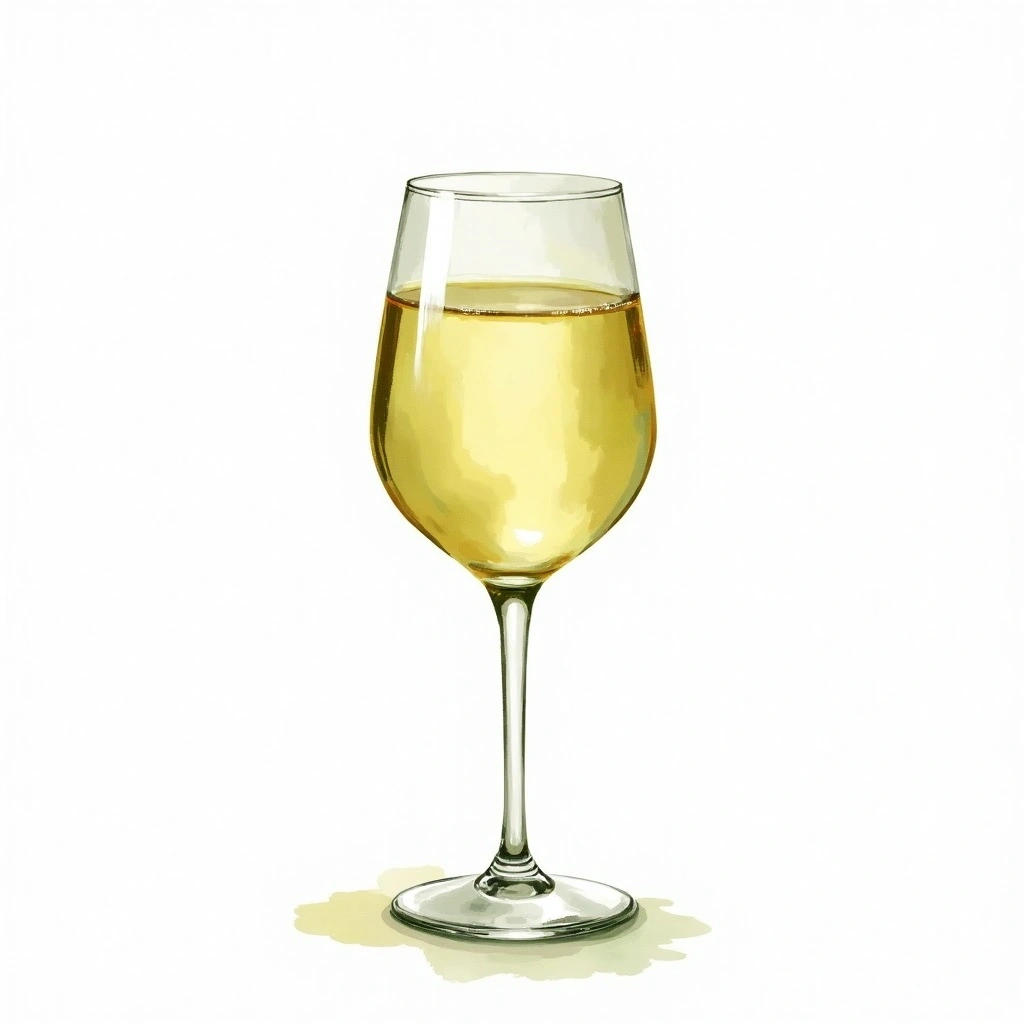 Aromatic White
 Crisp White
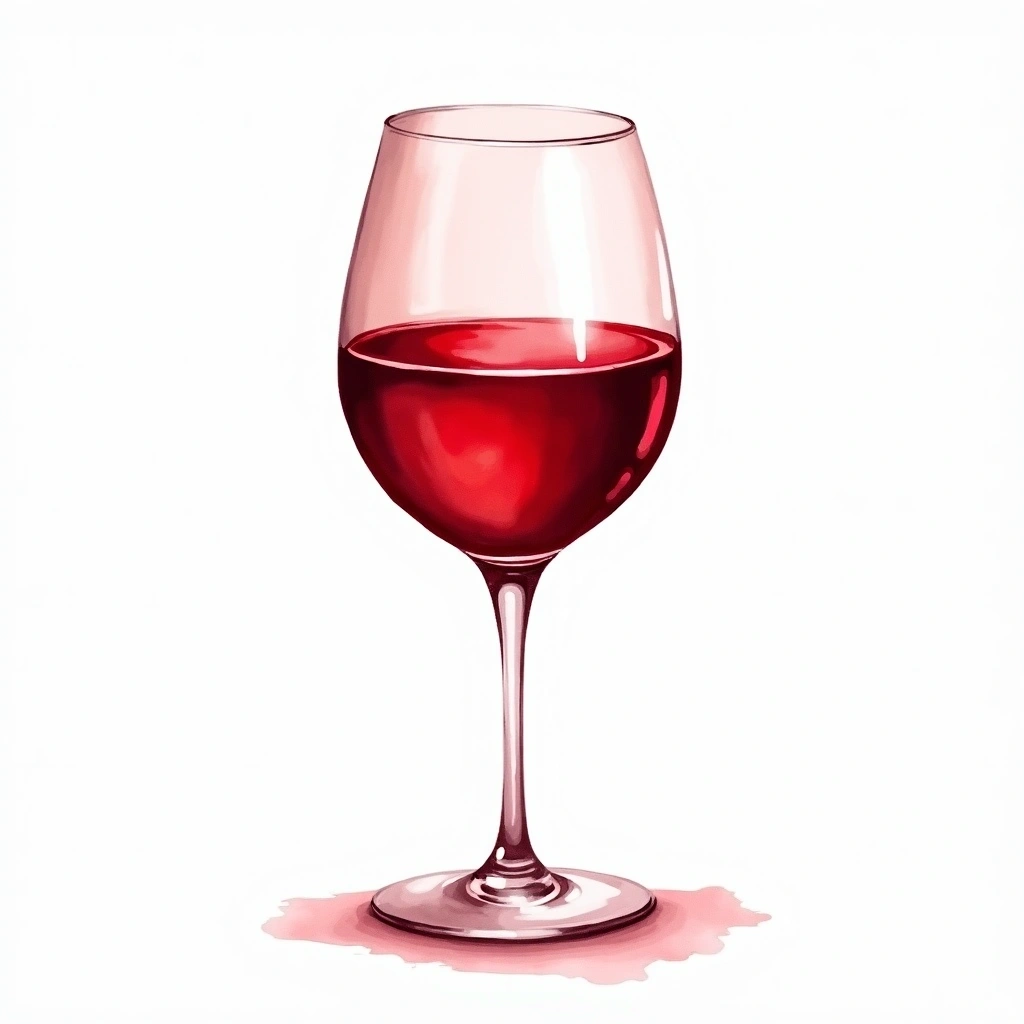 Light Red
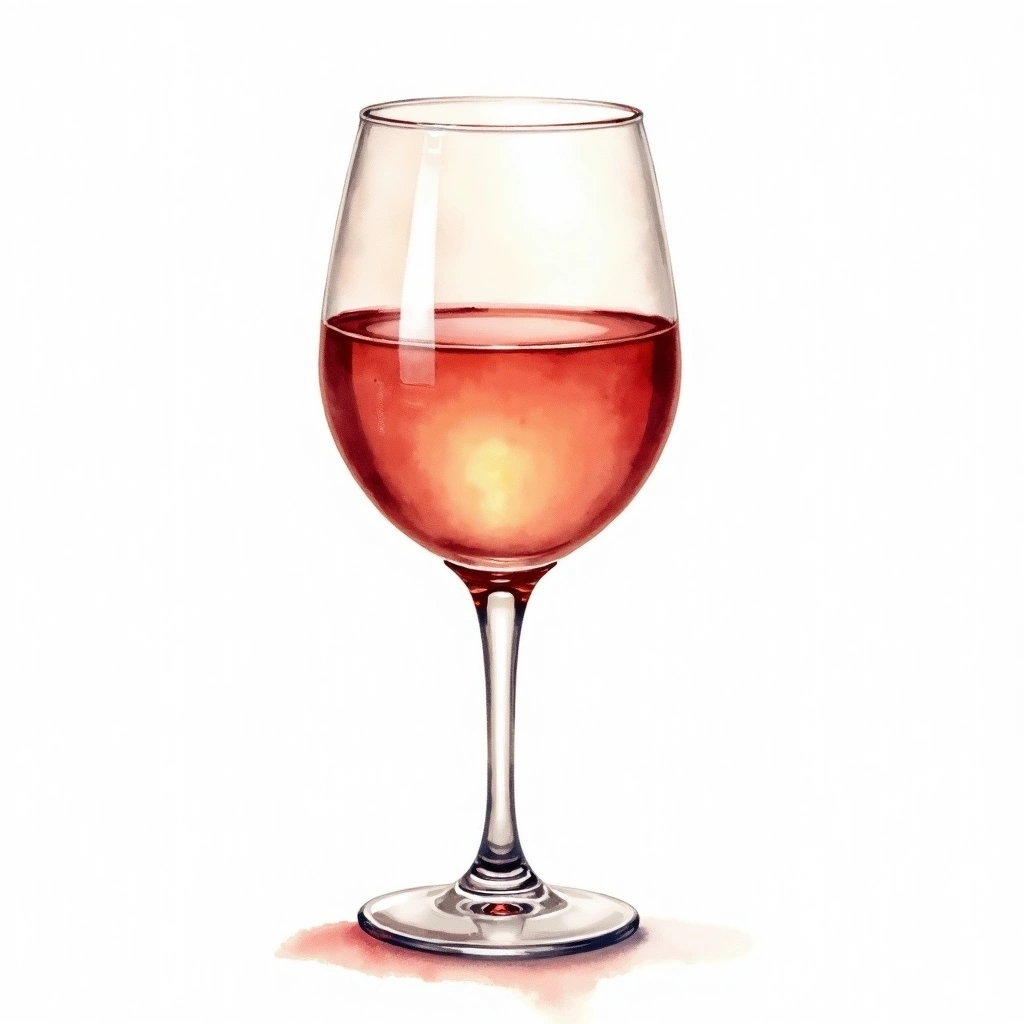 Light White
 Rich White