Alcohol-Free Wine: A Growing Category
A comprehensive guide to alcohol-free and dealcoholized wine — how it is made, how it compares to conventional wine, the best styles and producers, and who it is best suited for.
The Rise of Alcohol-Free Wine
A decade ago, "alcohol-free wine" conjured images of flat, insipid grape juice dressed up with unfortunate packaging. The category has been transformed. Premium dealcoholized wines now appear on fine restaurant wine lists, earn serious critical scores, and serve a genuinely diverse audience: pregnant drinkers, people in recovery, designated drivers, athletes in training, and anyone reducing their alcohol intake without giving up the social and sensory experience of wine.
The global market for no- and low-alcohol beverages has grown at double-digit annual rates since 2018 and shows no signs of slowing. Understanding what alcohol-free wine actually is — and how to find good versions — is increasingly useful knowledge for any wine enthusiast.
What Does "Alcohol-Free" Mean?
Labeling definitions vary by country, but three broad categories exist:
Alcohol-free (0.0% ABV): Contains no detectable alcohol. In practice, achieving exactly 0.0% is extremely difficult, and most products in this category contain trace amounts (often under 0.05% ABV).
Dealcoholized (typically labeled 0.5% or less): Wine that has been fully fermented and then had alcohol removed through a technical process. The EU defines this as a maximum of 0.5% ABV. US regulations similarly permit products up to 0.5% to be labeled as alcohol-free.
Low-alcohol (typically 0.5-5.5%): A separate category where alcohol content is reduced but not eliminated. We cover this in a separate guide in this series.
The key distinction is process: alcohol-free wine is made from real wine that has undergone Fermentation and then had its alcohol removed, rather than being grape juice that was never fermented.
How Alcohol Is Removed: The Technical Process
Producing alcohol-free wine that actually tastes like wine requires removing ethanol without stripping the volatile flavor and aroma compounds that make wine interesting. This is technically challenging — ethanol and many aromatic compounds have similar boiling points and interact with each other in the wine matrix.
Three main methods are used commercially.
Vacuum Distillation
By reducing atmospheric pressure, winemakers can lower the boiling point of alcohol to around 25-30°C (77-86°F), well below the temperatures that would damage delicate aromas. The wine is gently heated in a vacuum chamber; alcohol evaporates and is removed; the remaining liquid is cooled and may have water, aroma concentrates, or grape juice added back to restore body and character.
This method preserves aromatics better than atmospheric-pressure distillation and is used by many quality producers.
Spinning Cone Column (SCC)
A spinning cone column uses centrifugal force in combination with counter-flowing nitrogen gas to strip volatile compounds — first the aromas, then the alcohol — at very low temperatures. The aromas are collected separately; alcohol is removed from the remaining liquid; then the aromatic fraction is recombined with the dealcoholized base.
SCC is considered one of the most flavor-preserving dealcoholization methods and is used by premium producers worldwide, including several well-known Australian and California operations. It is expensive, which partly explains why high-quality alcohol-free wine commands a price premium.
Reverse Osmosis
Reverse osmosis passes wine through a semi-permeable membrane under pressure. Small molecules — water, alcohol, and some acids — pass through; larger flavor molecules are retained. The alcohol-containing permeate is then further processed to separate alcohol from water, and the water is returned to the wine.
This method works well for lower-alcohol adjustment (reducing a 14.5% wine to 12.5%, for example) and can produce good results for full dealcoholization when applied carefully.
The Flavor Challenge
Removing alcohol fundamentally changes wine. Ethanol is not just an intoxicant — it is a critical structural component of wine's sensory profile:
Body and Mouthfeel: Alcohol contributes viscosity and warmth. Without it, wines feel thin and watery. Producers often add grape juice concentrate, gums, or other texture agents to compensate.
Aroma carrier: Many aroma compounds are soluble in alcohol and are delivered to olfactory receptors more effectively in its presence. Alcohol-free wines often smell less expressive on the Nose — the volatilization of aromatics changes without ethanol.
Flavor integration: Alcohol softens Acidity and Tannin. Dealcoholized red wines can taste sharper and more astringent than their full-strength counterparts.
Preservation: Alcohol is a natural preservative. Alcohol-free wines are more microbiologically fragile and typically have shorter shelf lives once opened (drink within 1-2 days, refrigerated).
The best producers work hard to compensate for these challenges. The results have improved dramatically — some sparkling wine and rosé dealcoholizations are particularly successful, because acidity and bubbles carry the experience effectively without as much reliance on alcohol's structural role.
Which Styles Work Best?
Not all wine styles dealcoholize equally well.
Sparkling Wines
Arguably the most successful category. Bubbles compensate for alcohol's mouthfeel contribution, and brisk Acidity keeps the palate lively. Dealcoholized sparkling wines based on Chardonnay or Sauvignon Blanc can be genuinely delicious and food-friendly. Several dealcoholized Champagne-method sparklings have earned enthusiastic reviews from blind-tasting panels.
Rosé
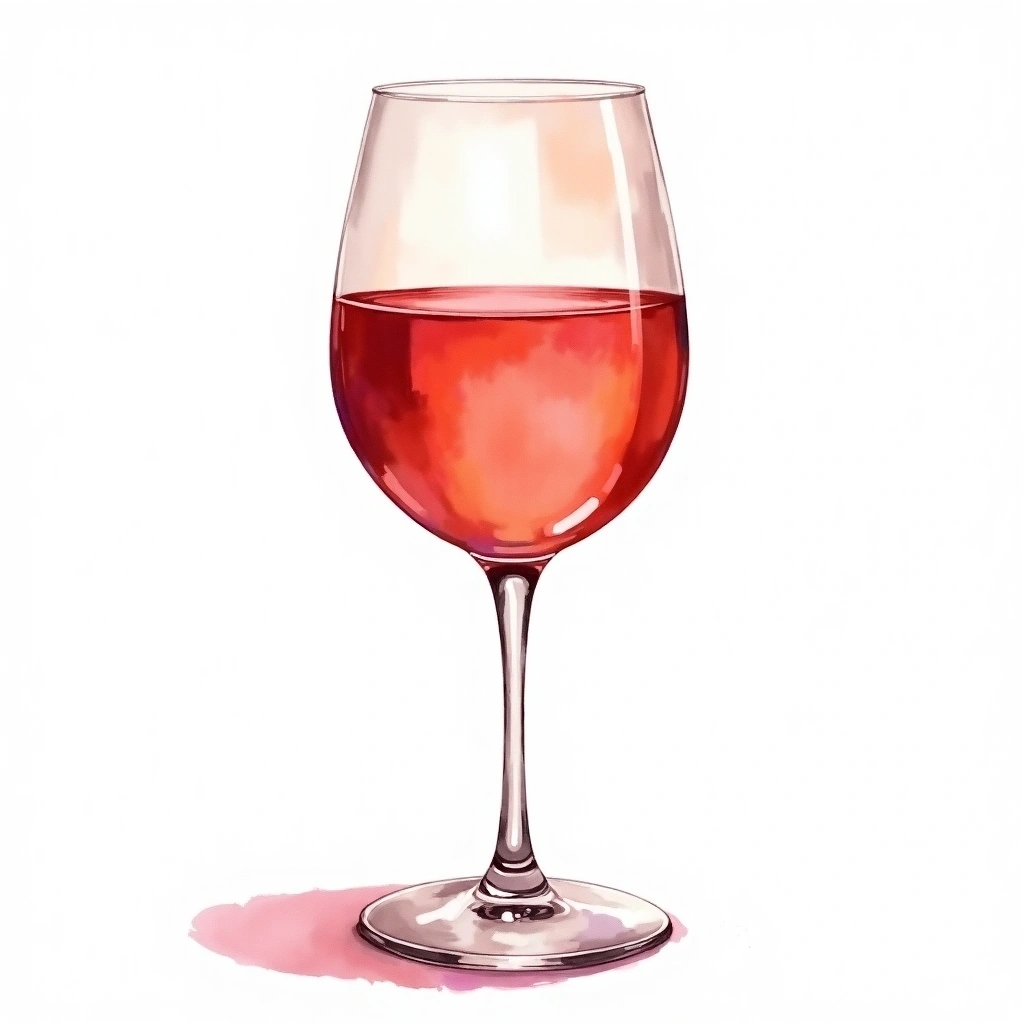
Rosé handles dealcoholization relatively well. The light body of the base wine means less structural disruption, and the fresh fruit flavors survive the process better than the complex, oxygen-exposed compounds in aged reds. Provence-style dry rosé is an excellent starting point for the category.
White Wines
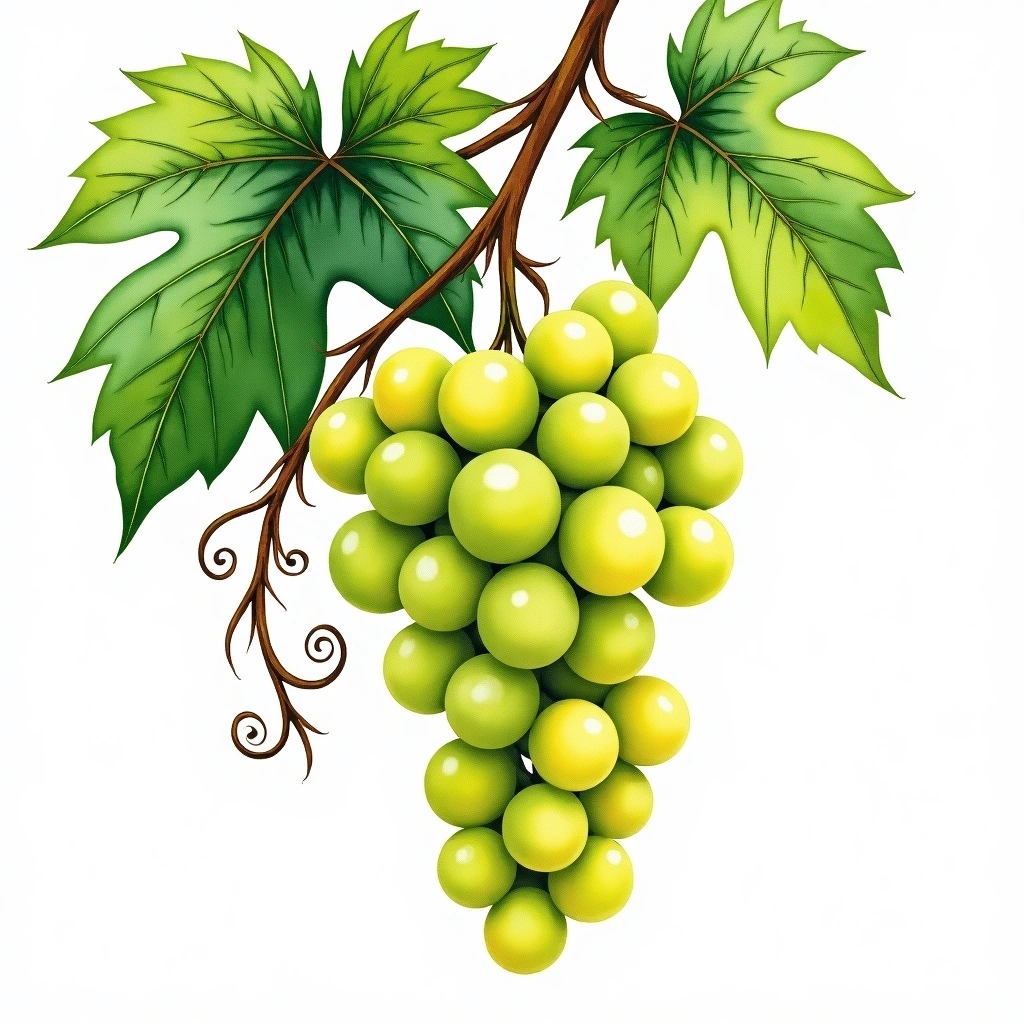
Aromatic whites — particularly those with naturally high Acidity and distinct varietal character — fare better than full-bodied styles. Riesling (including from Mosel), Sauvignon Blanc (from Marlborough), and Gruner Veltliner maintain more character post-dealcoholization than, say, a heavily oaked Chardonnay from California.
Red Wines
The most challenging category. Dealcoholized reds often lose the weight and integration that characterize their full-strength versions. Tannin can feel harder without alcohol's softening effect; Body can seem absent; the Palate can feel sharp. Some producers add grape juice concentrate or moderate residual sweetness to compensate, but this changes the character significantly.
Merlot and Pinot Noir-based dealcoholizations, which start with naturally lighter structures, tend to succeed better than bold Cabernet Sauvignon styles.
Who Should Consider Alcohol-Free Wine?
Alcohol-free wine is particularly appropriate for:
Pregnant individuals: Major health organizations including the WHO, CDC, and ACOG recommend that pregnant people avoid all alcohol. Quality dealcoholized wine provides a way to participate in wine culture without risk. Check labels carefully — even 0.5% ABV products may not be appropriate during pregnancy; consult your obstetrician.
People in recovery: For those in recovery from alcohol use disorder, dealcoholized wine can help navigate social situations. However, the decision to consume any alcohol-adjacent product is deeply personal and should involve consultation with a healthcare provider or addiction counselor.
Designated drivers: A practical choice for those who want to share in a wine experience without compromising driving safety.
Athletes and those managing weight: Lower calorie content (roughly 15-30 calories per glass vs. 110-150 for full-strength wine) suits those in training or managing calorie intake.
Health-conscious general consumers: The Sober Curious movement has driven a large segment of consumers who simply want to reduce alcohol intake without eliminating the ritual and enjoyment of wine.
Finding Quality Alcohol-Free Wines
The category has expanded rapidly. Some guidelines for finding good options:
Look for spinning cone or vacuum distillation: Producers who specify their dealcoholization method are usually more quality-focused than those who do not.
Focus on sparkling and rosé first: The best introductions to the category. If your first experience with a dealcoholized wine is a heavy red, you may be unfairly disappointed.
Check the residual sugar: Many alcohol-free wines add sugar for texture and palatability. If you prefer dry wine, read labels for RS content.
Try multiple producers: Quality varies enormously. Several winemaking regions — Australia, Germany, Spain, and South Africa — have invested significantly in alcohol-free production technology and have standout offerings.
Manage expectations: Alcohol-free wine is not the same as its full-strength counterpart. It is its own product category. Evaluated on its own terms — not as a deficient version of "real" wine — the best examples are genuinely enjoyable.
The growth of this category represents one of the most significant structural changes in the wine industry in a generation. Whether you are exploring it out of health consciousness, lifestyle choice, or simple curiosity, the options available today are incomparably better than they were even five years ago.
 Chardonnay
 Merlot
 Pinot Noir
 Riesling
 Sauvignon Blanc
 Crisp White
 Dry Rosé
 Light Red
 Traditional Method Sparkling