Champagne: The Art of Sparkling Wine
A comprehensive guide to Champagne, the world's most celebrated sparkling wine region, covering the methode traditionnelle, grape varieties, house styles, grower Champagne, and how to buy smart.
More Than Just Bubbles
Champagne is the most legally protected wine name in the world. Only sparkling wine produced within the strictly delimited Champagne region of northeastern France, using specific grape varieties and the methode traditionnelle (traditional method), may legally carry the name. Everything else — no matter how good, no matter how similar in method — is sparkling wine.
This legal monopoly is not arbitrary. Champagne's unique combination of marginal climate, chalky soil, and centuries-old winemaking technique produces a sparkling wine of a complexity and finesse that other regions can approach but rarely match. Understanding Champagne is understanding the pinnacle of sparkling wine production.
Geography and Climate
Champagne sits at roughly 49 degrees north latitude, near the northern limit for viticulture. The climate is cool, grey, and often harsh — average temperatures are just barely sufficient to ripen grapes. This marginality is Champagne's secret weapon: grapes retain extremely high Acidity, which is essential for sparkling wine's structure and longevity.
The soils are predominantly chalk (calcium carbonate), laid down when this region was an ancient seabed. Chalk performs two critical functions: it drains excess water while retaining enough moisture for vines during dry spells, and it reflects sunlight and retains heat, helping grapes ripen in a climate that would otherwise be too cold.
The Key Sub-Regions
- Montagne de Reims — South-facing slopes planted primarily to Pinot Noir. Produces wines with structure, power, and red-fruit depth. Home to Grand Cru villages like Ambonnay, Bouzy, and Verzenay.
- Vallee de la Marne — River-influenced vineyards with significant Pinot Meunier plantings. Meunier adds fruitiness, roundness, and early charm to blends. Ay, on the right bank, is a Pinot Noir Grand Cru of exceptional quality.
- Cote des Blancs — Pure chalk slopes dedicated to Chardonnay. This is where the most elegant, mineral, and age-worthy Champagnes originate. Grand Cru villages include Cramant, Avize, Le Mesnil-sur-Oger, and Oger.
- Cote des Bar (Aube) — The southernmost zone, 110 km from Reims, with Kimmeridgian clay (similar to Chablis). Primarily Pinot Noir, producing richer, more vinous wines. Long considered secondary, the Aube is now home to some of the most exciting grower Champagnes.
The Three Grapes
Champagne is built on three varieties:
- Pinot Noir (~38% of plantings) — Provides structure, body, and red-fruit complexity. The backbone of most blends.
- Pinot Meunier (~32% of plantings) — Often underrated. Contributes roundness, fruit-forward charm, and accessibility. Increasingly valued by growers as a variety of genuine character rather than a filler.
- Chardonnay (~30% of plantings) — Provides finesse, citrus notes, minerality, and aging potential. The sole grape in Blanc de Blancs Champagne.
The Methode Traditionnelle
The traditional method is what separates Champagne (and similar sparkling wines like Cava and Franciacorta) from carbonated wine. The process has not fundamentally changed since Dom Perignon's era.
1. Base Wine Production
Grapes are harvested, pressed, and fermented into still wine — the "base wine" or vin clair. This wine is typically high in acid and low in alcohol (about 11%).
2. Assemblage (Blending)
The chef de cave (cellar master) blends base wines from different vineyards, grape varieties, and reserve wines from prior years. Non-vintage (NV) Champagne — the backbone of every house's production — is a blend designed to taste consistent year after year. A single NV blend may incorporate 50-100 different base wines from 3-6 different vintages. This blending is the most critical and skilled step in Champagne production.
3. Second Fermentation (Prise de Mousse)
The blended wine is bottled with a small amount of sugar and yeast (liqueur de tirage). A second Fermentation occurs inside the sealed bottle, producing carbon dioxide that dissolves into the wine under pressure — creating the bubbles. This takes 6-8 weeks.
4. Aging on Lees
After the second fermentation, the dead yeast cells (lees) remain in the bottle. Over months and years, the lees undergo autolysis — a process that releases amino acids and compounds that give Champagne its characteristic brioche, biscuit, and toasted bread flavors. Minimum aging on lees is 15 months for non-vintage, 36 months for vintage. Many top houses age far longer.
5. Riddling and Disgorgement
The lees are gradually worked into the neck of the bottle through a process called riddling (remuage). The neck is then frozen, the temporary cap removed, and the plug of frozen lees shoots out under pressure (degorgement). The bottle is topped up with a mixture of wine and sugar (dosage) that determines the final sweetness level.
Dosage Levels
| Level | Sugar (g/L) | Character |
|---|---|---|
| Brut Nature / Zero | 0-3 | Bone-dry, uncompromising |
| Extra Brut | 0-6 | Very dry, austere |
| Brut | 0-12 | The standard. Dry with a hint of roundness |
| Extra Dry | 12-17 | Slightly sweet (confusingly named) |
| Sec | 17-32 | Noticeably sweet |
| Demi-Sec | 32-50 | Dessert Champagne |
House Style vs. Grower Champagne
The Grandes Maisons
The big Champagne houses (Moet & Chandon, Veuve Clicquot, Dom Perignon, Krug, Bollinger, Louis Roederer, Pol Roger, Taittinger) purchase grapes from hundreds of growers across the region. Their strength is consistency: the NV Brut tastes the same whether you buy it in Tokyo or New York, this year or last. Their prestige cuvees (Dom Perignon, Cristal, Grand Siecle) represent the finest wines the house can produce.
Grower Champagne (Recoltant-Manipulant)
Since the 1990s, a revolution has taken place in Champagne. Small growers who once sold their grapes to the big houses began making and bottling their own wine. These grower Champagnes (identified by "RM" on the label) are terroir-driven, site-specific, and often strikingly individual.
Key growers to know: Egly-Ouriet, Pierre Gimonnet, Jacques Selosse, Agrapart, Laherte Freres, Cedric Bouchard. These wines offer a different Champagne experience — more personality, more vintage variation, and often better value than comparable house Champagnes.
Buying and Serving
What the Label Tells You
- NV (Non-Vintage) — A multi-year blend. The house's signature wine.
- Vintage — Made from a single exceptional year. More complex and age-worthy.
- Blanc de Blancs — 100% Chardonnay. Elegant, citrusy, mineral.
- Blanc de Noirs — From Pinot Noir and/or Meunier only. Fuller, fruitier.
- Rose — Either blended (still red wine added) or saignee (brief skin contact). Red fruit, depth, and versatility.
Serving Temperature
Serve NV Champagne at 8-10 C. Vintage and prestige cuvees benefit from slightly warmer service (10-12 C), which allows complexity to emerge on the Nose and Palate.
Use a tulip-shaped glass rather than a coupe or narrow flute. The tulip preserves bubbles while allowing aromas to develop.
Aging
Non-vintage Champagne is ready at purchase but can improve for 3-5 years. Vintage Champagne ages superbly for 10-25 years, developing honey, hazelnut, and mushroom complexity while retaining its acidity. Prestige cuvees can evolve for 30 years or more.
Champagne and Food
The common reflex is to reserve Champagne for toasts and celebrations, drinking it on its own. That is a mistake. Champagne is one of the most food-versatile wines in existence, and the best Champagnes are wasted without food to match.
The combination of high Acidity, moderate alcohol, effervescence, and autolytic complexity gives Champagne a palate-cleansing power that few still wines can match. Specific pairings:
- Oysters — The canonical pairing. Brut Nature or Blanc de Blancs with raw oysters is a study in mineral-on-mineral harmony. The bubbles lift the brininess, the acidity cuts the richness, and both wine and shellfish taste better together than apart.
- Fried food — Counterintuitive but spectacular. Champagne's acidity and carbonation cut through oil and batter. Fried chicken with vintage Champagne is a pairing that has converted many skeptics.
- Sushi and sashimi — Blanc de Blancs with raw fish, especially tuna and salmon.
- Aged Parmesan — The umami richness of 24-month Parmigiano-Reggiano meets the toasty autolytic character of aged Champagne.
- Caviar — Brut Nature with caviar is one of luxury dining's most enduring combinations.
- Rose Champagne — More vinous and fuller-bodied, Rose pairs with duck, grilled lamb chops, berry desserts, and even mild curries.
As a general rule, the richer and more aged the Champagne, the richer the food it can handle. A young NV Brut suits aperitif service and light bites. A 10-year-old vintage Champagne can stand up to a full main course.
The Economics of Champagne
Champagne is expensive relative to other sparkling wines, and the reasons are structural:
- Land costs: Vineyard land in Champagne averages roughly 1.5 million euros per hectare — among the most expensive agricultural land in the world.
- Time: The minimum 15 months of lees aging (and often much more) ties up capital. A prestige cuvee aged 7-10 years on lees represents an enormous investment in patience.
- Labor: Hand-harvesting is mandatory. Riddling, while now largely mechanized, adds process cost.
- Marketing: The Champagne houses spend heavily on brand building and global distribution.
Is it worth it? For grower Champagne at $35-60, absolutely — these wines offer complexity and craftsmanship that rival still wines costing twice as much. For prestige cuvees at $150-300, the answer depends on your priorities. But even the skeptics must concede that nothing else quite tastes like Champagne from Champagne.
Champagne is the product of an extreme environment, an obsessive culture, and a winemaking process of remarkable ingenuity. When you hear the pop of a cork, you are opening a bottle shaped by all three.
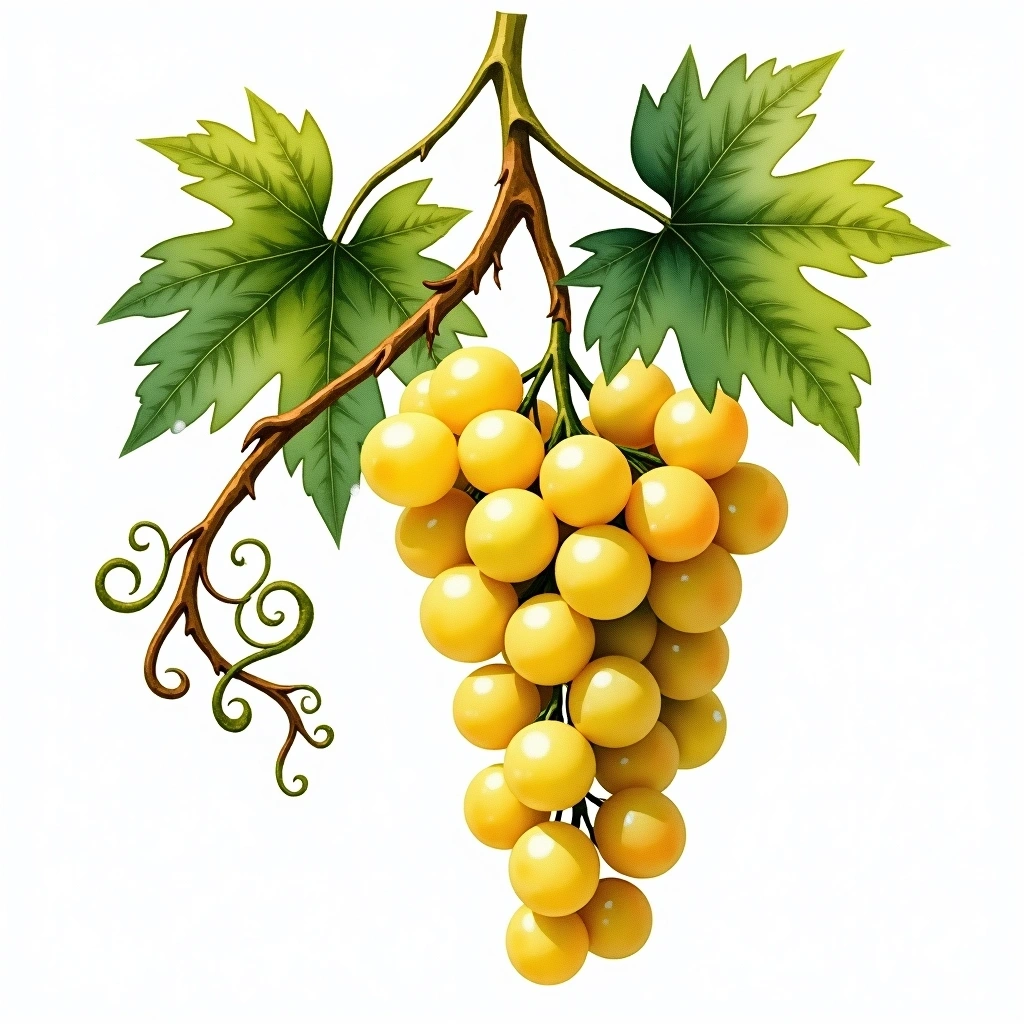 Chardonnay
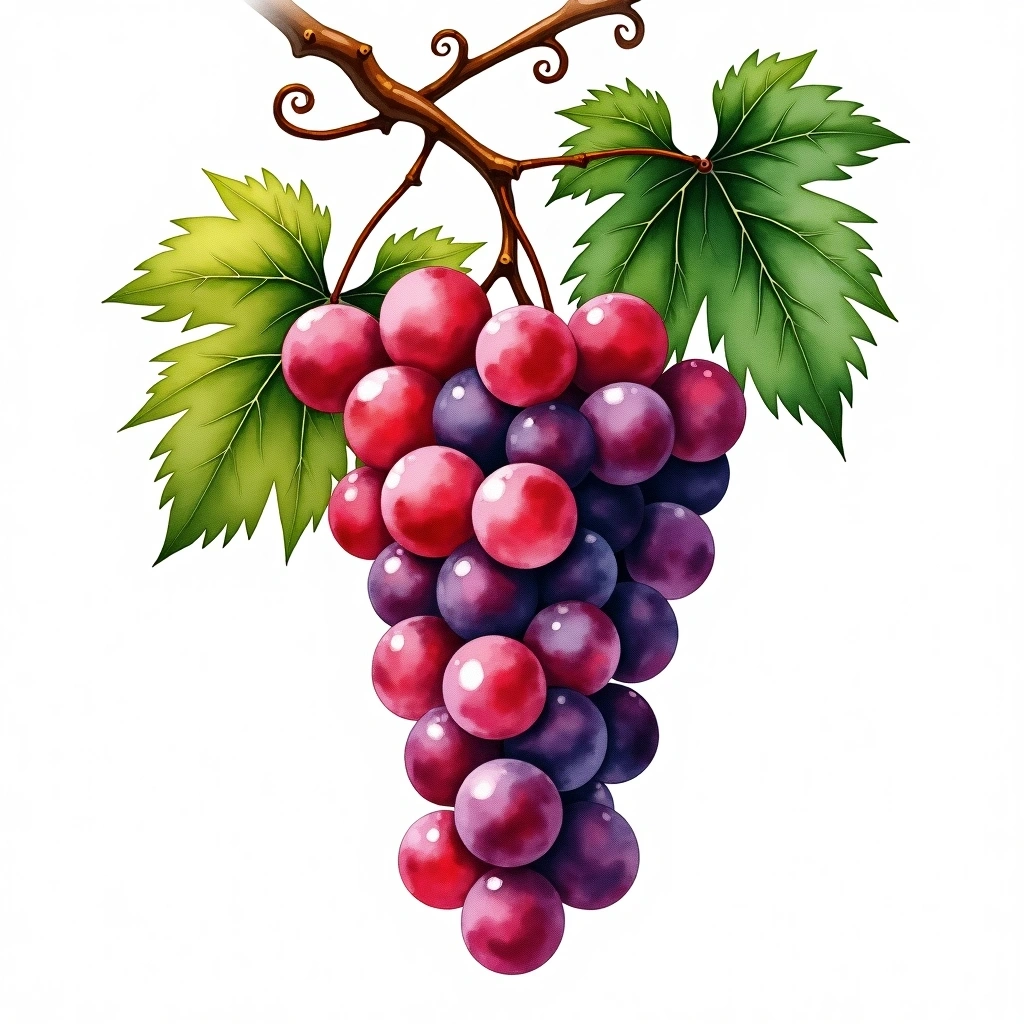 Pinot Noir
 Crisp White
 Rich White