The Natural Wine Movement: A Return to Roots
The natural wine movement challenges centuries of industrial winemaking convention, demanding minimal intervention, honest expression of place, and a return to the farming practices that defined wine before the chemical age.
What Is Natural Wine?
There is, at present, no legally binding definition of natural wine. Unlike Organic Wine or Biodynamic wine, which are certified by recognized third-party bodies against specific standards, "natural wine" is a movement, a philosophy, and a community rather than a legal category. Its practitioners broadly agree on certain principles — farming without synthetic chemicals, harvesting by hand, fermenting with wild yeasts, using minimal or no added sulphites (SO₂), and avoiding the long list of legal additives and technological interventions permitted in conventional winemaking. But within these broad principles, there is significant variation in practice and ongoing debate about where the boundaries lie.
What is unambiguous is that natural wine has become one of the most consequential developments in the wine world since the 1970s. It has transformed wine bar culture in London, Paris, New York, and Tokyo. It has inspired a generation of young winemakers to question received wisdom about how wine should be made. It has opened markets for previously obscure regions and varieties. And it has forced the established wine trade — critics, merchants, sommeliers, producers — to grapple seriously with questions about authenticity, intervention, and the meaning of Terroir that they might otherwise have been content to leave unexamined.
Origins: Beaujolais and Jules Chauvet
The intellectual origins of the natural wine movement are rooted in Beaujolais in the mid-twentieth century, and they are inseparable from the figure of Jules Chauvet — a négociant, winemaker, and self-taught scientist who spent decades studying the biochemistry of wine and Fermentation and drew conclusions that put him in direct opposition to the mainstream of French winemaking.
Chauvet, born in 1907 in the Beaujolais village of La Chapelle-de-Guinchay, became fascinated by the science of fermentation and spent years investigating the behavior of yeast populations in different viticultural and cellar conditions. His central conviction — arrived at through careful empirical observation — was that the complex flavors of great wine arose from the activity of indigenous wild yeasts working on healthy, chemically uncontaminated grapes. The use of cultivated commercial yeasts, the heavy application of sulphur in the vineyard and cellar, and the reliance on technological interventions that masked the character of the raw material were, in Chauvet's view, suppressing the expression of Terroir that distinguished truly great wine from merely competent wine.
Chauvet was not an ideologue or a marketer. He was a scientist, and his conclusions were based on taste — the conviction that wines made without intervention tasted better, truer, more alive than those that had been heavily managed. He made small quantities of wine without added sulphur and with wild yeasts, not as a statement but as an experiment, and shared the results with a circle of like-minded winemakers.
The Beaujolais Pioneers
Chauvet's ideas found their most receptive audience among a group of Beaujolais producers who were already disillusioned with the direction their region was taking. Beaujolais in the 1970s and 1980s was dominated by the Nouveau phenomenon — a marketing creation that positioned Beaujolais as a light, cheerful, early-release wine to be consumed within months of vintage. The focus on volume, rapid turnaround, and the application of macération carbonique to every style of Beaujolais was, in the view of a growing minority of producers, destroying the region's potential for serious wine.
Marcel Lapierre (of Morgon), Jean Foillard (of Morgon), Guy Breton (of Régnié), and Jean-Paul Thévenet (of Chénas) — a group that came to be known as the Gang of Four — studied with Chauvet in the 1980s and began applying his principles in their own cellars: no added yeasts, no enzymes, little or no added sulphur, and a focus on expressing the specific granite soils of their respective Beaujolais Cru appellations. The wines they produced were radically different from conventional Beaujolais: more complex, more age-worthy, more expressive of their individual sites, more alive in the glass.
These wines attracted attention from a small but influential group of wine professionals — particularly natural wine merchants and restaurant sommeliers in Paris and Lyon — who recognized their quality and began building a market for them. The Gang of Four became the founding generation of what would eventually be called the natural wine movement.
The Loire and Rhône: Expansion
Through the 1990s and 2000s, the natural wine movement spread beyond Beaujolais to encompass producers across France and beyond. The Loire Valley proved particularly fertile territory. Producers like Didier Dagueneau (Sauvignon Blanc from Pouilly-Fumé), Nicolas Joly (the great biodynamic pioneer of Coulée de Serrant, Chenin Blanc), and the Puzelat family (Cour-Cheverny) combined natural farming with serious ambitions for wine quality and became key figures in the emerging movement.
The Rhone Valley, particularly its southern appellations, contributed producers working with Grenache, Mourvedre, and Syrah/Shiraz in a natural vein. Alsace contributed winemakers working with aromatic varieties in an extended maceration style that produced wines of extraordinary texture and unconventional appearance. Italy contributed a growing number of practitioners working with indigenous varieties in styles that rejected the heavy oak treatment and International Varieties that had dominated Italian fine wine in the 1980s and early 1990s.
The Sulphite Debate
No aspect of natural wine practice is more contentious than the use of sulphites (SO₂). Sulphur has been used in winemaking since antiquity — it was familiar to Roman winemakers as a preservative agent, and its widespread use in modern winemaking as an antioxidant and antimicrobial is universal in conventional production. Most natural wine producers reduce sulphur levels dramatically compared to conventional wines; some use none at all.
The case for sulphur reduction or elimination rests on two arguments: aesthetic (sulphur, particularly in excess, can suppress aromas, give wine a synthetic edge, and interfere with the expression of terroir and fruit character) and ideological (sulphur is a synthetic additive, and its addition, even in small quantities, contradicts the minimal-intervention philosophy of natural wine). The counter-argument is practical: wines made without sulphur are less stable and more vulnerable to oxidation, refermentation, and microbial spoilage, particularly during transport and in less-than-ideal storage conditions.
The result is that a proportion of natural wines — particularly those made with very low or zero sulphur and transported long distances — arrive at their destination in compromised condition: oxidized, refermented, volatile, or "mousey" (afflicted by a bacterial fault that produces an unpleasant amino acid compound detectable after the wine warms in the mouth). Critics of natural wine, including some of the most respected wine writers in the world, argue that these faults are being celebrated as features rather than acknowledged as flaws.
The natural wine community's response is nuanced: the best natural wine producers make wines that are stable, expressive, and delicious even without sulphur addition, demonstrating that the technique is compatible with quality. The faulty wines that reach the market reflect not the failure of natural winemaking principles but the failure of specific practitioners to execute those principles with sufficient skill and care. The debate continues, but its intensity has somewhat moderated as the natural wine movement has matured and its best practitioners have demonstrated what the approach can achieve at its finest.
Amphora, Skin Contact, and Pet-Nat
The natural wine movement has also revived ancient winemaking techniques that conventional winemaking had largely abandoned. The use of Amphora — clay vessels of the kind used by the ancient Greeks and Romans — for both fermentation and aging has been revived by a growing number of producers in Italy, France, Spain, Georgia, and beyond. Amphora's advocates argue that its micro-oxygenation properties are superior to those of new oak barrels, producing wines of greater complexity without the overt wood character that critics of conventionally oaked wine find overwhelming.
Skin-contact white wines — white wines fermented on their grape skins, producing orange or amber-colored wines of unusual tannic structure — have become one of the movement's most visible signatures. While skin contact is genuinely ancient (the traditional qvevri wines of Amphora-based Georgian winemaking have used extended skin contact for millennia), its contemporary revival within the natural wine movement has made "orange wine" a sommelier shorthand for a particular style of adventurous, unconventional hospitality.
Pétillant naturel (pet-nat) — sparkling wine made by bottling partially fermented wine and allowing fermentation to complete in the bottle, producing a cloudy, gently fizzy wine that is the ancestor of modern Champagne — has become one of the natural wine movement's signature commercial successes. Its accessibility, modest alcohol, fruit-forward character, and relatively low production cost make it ideal for the by-the-glass, casual-occasion market that has driven the growth of natural wine in bars and restaurants globally.
Natural Wine and the Sommelier Revolution
The natural wine movement would have remained a French agricultural curiosity without the agency of a new generation of restaurant sommeliers who encountered these wines and decided to stake their professional credibility on them. In Paris, London, New York, Tokyo, and Copenhagen, young sommeliers began building wine lists centered on grower producers, indigenous varieties, and minimal-intervention wines in the mid-2000s. They built communities of like-minded professionals, organized tastings, made pilgrimages to the Loire and Beaujolais and the Jura, and created markets where none had previously existed.
The restaurant context was crucial. Natural wine sold in a restaurant setting — by a knowledgeable sommelier who could explain its origins, its philosophy, and its specific character — created an experience quite different from the confusion or disappointment that the same wine might provoke when encountered blind, without context, in a retail setting. The best natural wine sommeliers understood that their job was not just to pour wine but to tell stories about it: stories of farmers, landscapes, traditions, and a different way of thinking about the relationship between human beings and the land.
This narrative dimension of natural wine — the way it connects wine to broader cultural and ecological concerns about food systems, sustainability, and authenticity — has been central to its commercial success. For a generation of younger wine drinkers who are deeply attentive to the provenance and production ethics of the food and drink they consume, natural wine's values-alignment with Organic Wine farming, biodiversity, and artisanal production has been as important as its sensory qualities.
Natural Wine's Critics and the Quality Question
No account of natural wine would be complete without acknowledging the serious and legitimate criticisms that have been directed at the movement by some of the wine world's most respected authorities. Jancis Robinson, Robert Parker, and many other established critics have pointed to a pattern in which faults that would be inexcusable in conventional wine — volatile acidity, mousiness, refermentation in bottle, excessive reduction — are celebrated by natural wine advocates as expressions of authenticity rather than acknowledged as production failures.
The mouse-taste problem is particularly contentious. Mousiness — a fault caused by certain lactic acid bacteria that produce amino acid compounds detectable only after the wine warms in the mouth — is relatively uncommon in sulphited wines but appears more frequently in some no-sulphur natural wines. The experience is deeply unpleasant: a persistent aftertaste of popcorn or mouse cage that can linger for minutes. Some natural wine advocates have argued that mousiness is a matter of individual perception (not everyone can detect the specific compounds involved) or that it is transient in young wines. Critics respond that a wine that makes some people's palates unpleasant is simply a faulty wine.
The movement's response to these criticisms has matured over time. The best natural wine producers readily acknowledge that not all no-intervention wines are good wines; that Fermentation management, hygiene, and cellar practice matter even in a minimal-intervention approach; and that the absence of sulphur or added yeasts does not automatically produce quality. Quality within the natural wine paradigm requires as much skill and attention as quality within conventional winemaking — it is simply a different kind of skill, directed toward different outcomes.
The Global Impact
By the 2020s, the natural wine movement had transformed from a French niche into a global phenomenon. Natural wine bars, festivals, and fairs — RAW Wine, La Dive Bouteille, Vini di Vignaioli — attract thousands of producers and hundreds of thousands of visitors annually. The movement has been a significant vector for the discovery of wine regions and varieties that conventional wine culture had overlooked: Georgian qvevri wines, the old-vine Cinsault of South Africa, indigenous varieties of Sicily, the wild-vine wines of the Canary Islands.
It has also forced a conversation about Viticulture's relationship with the environment that has benefited the wine industry far beyond its natural wine adherents. The shift toward organic and Biodynamic farming practices, the reduction of chemical inputs in even conventional viticulture, the renewed attention to indigenous varieties and heritage vine stocks — all of these have been accelerated by the pressure the natural wine movement has brought to bear on conventional production.
Whatever one thinks of the movement's more extreme claims, its more problematic wines, or the occasional cult-of-personality quality of some of its stars, the natural wine movement has made the wine world a more interesting, more questioning, more ecologically conscious place. That is a legacy worth having.
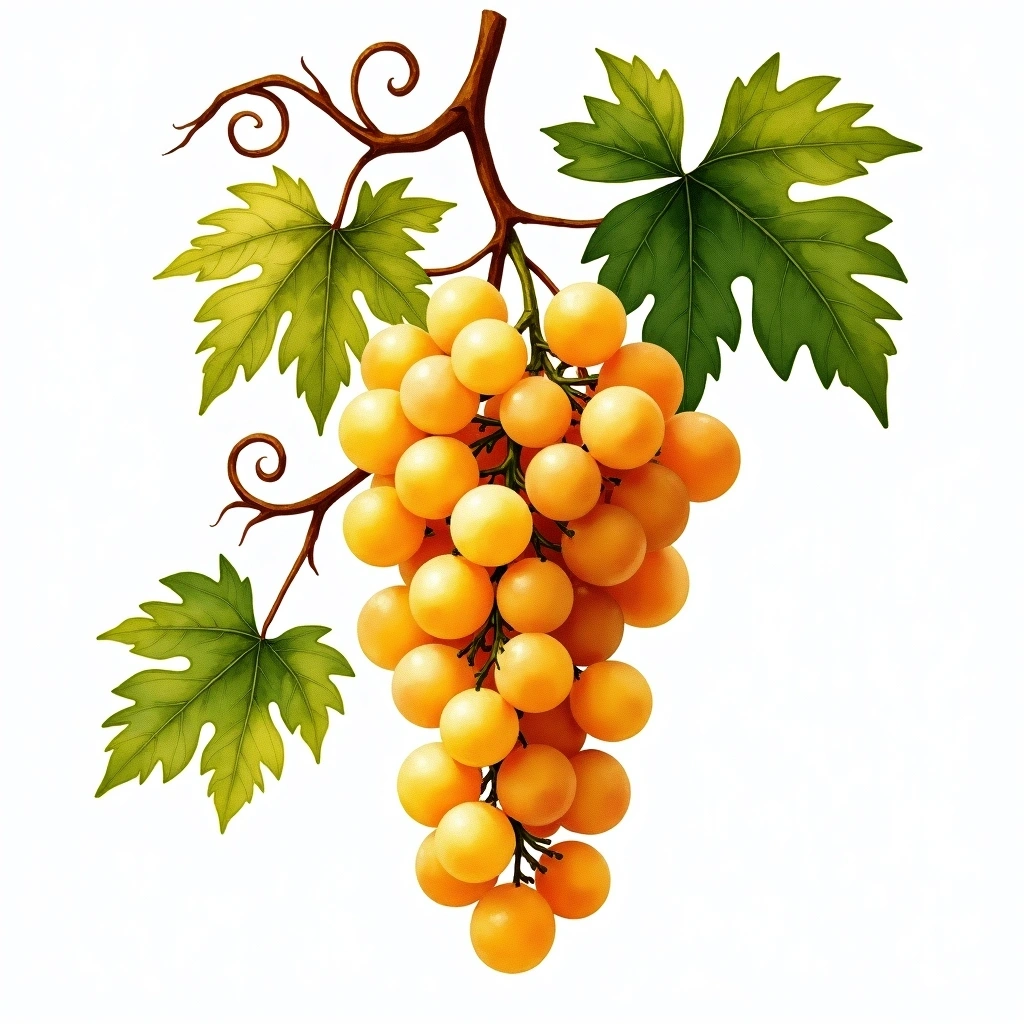 Chenin Blanc
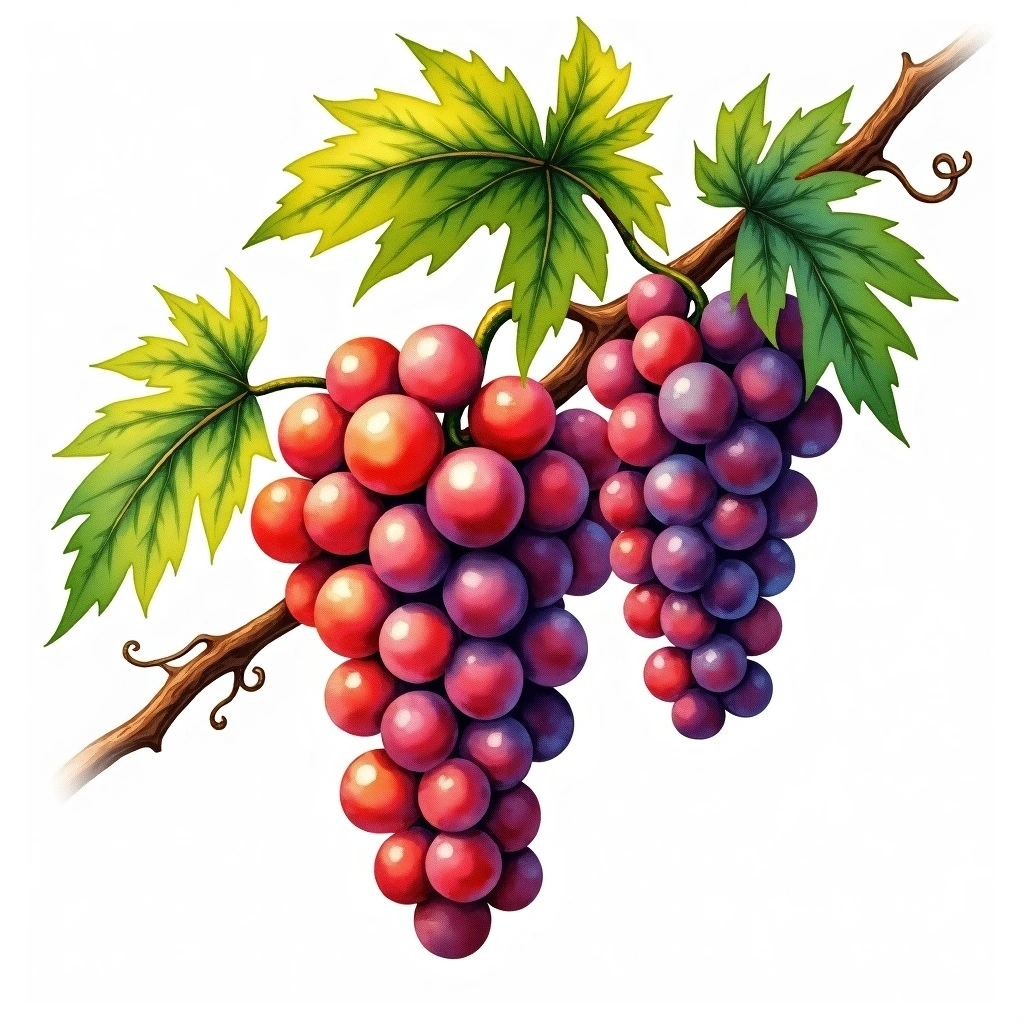 Grenache
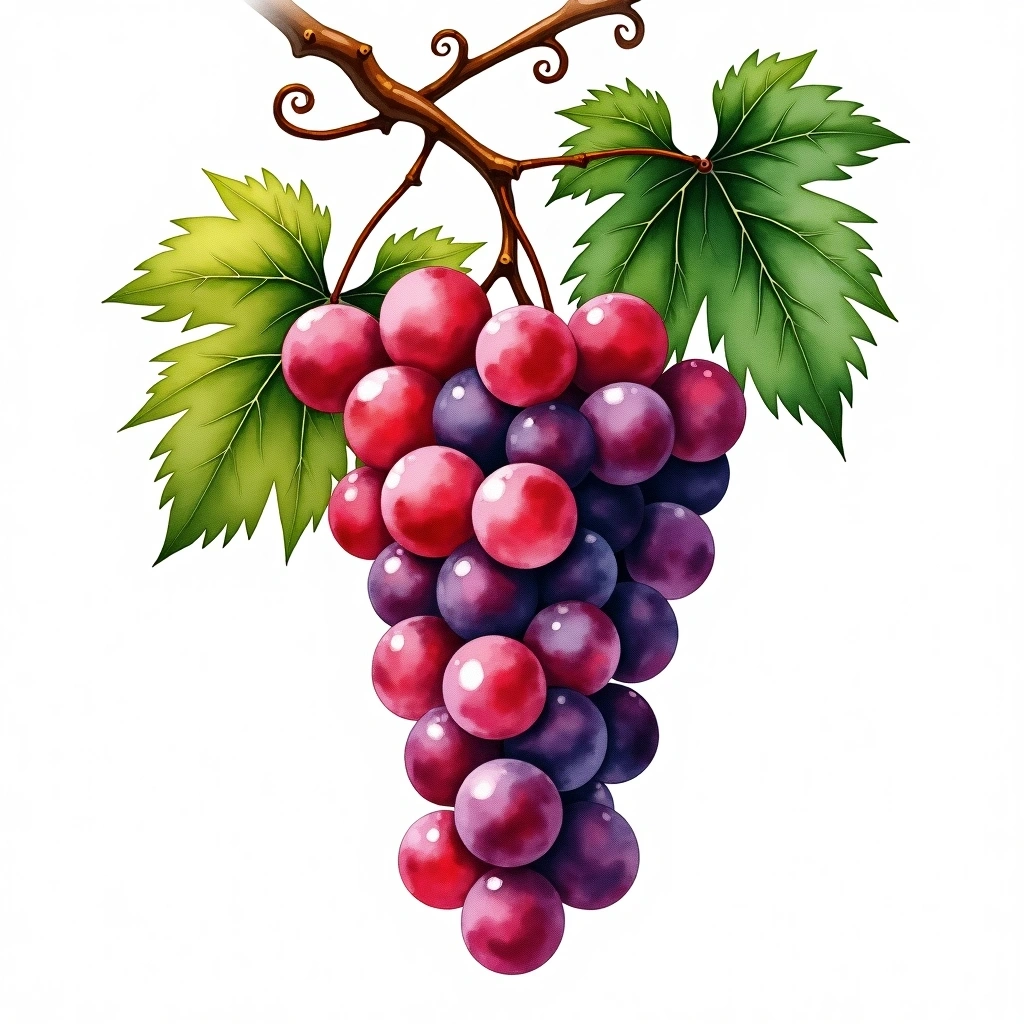 Pinot Noir
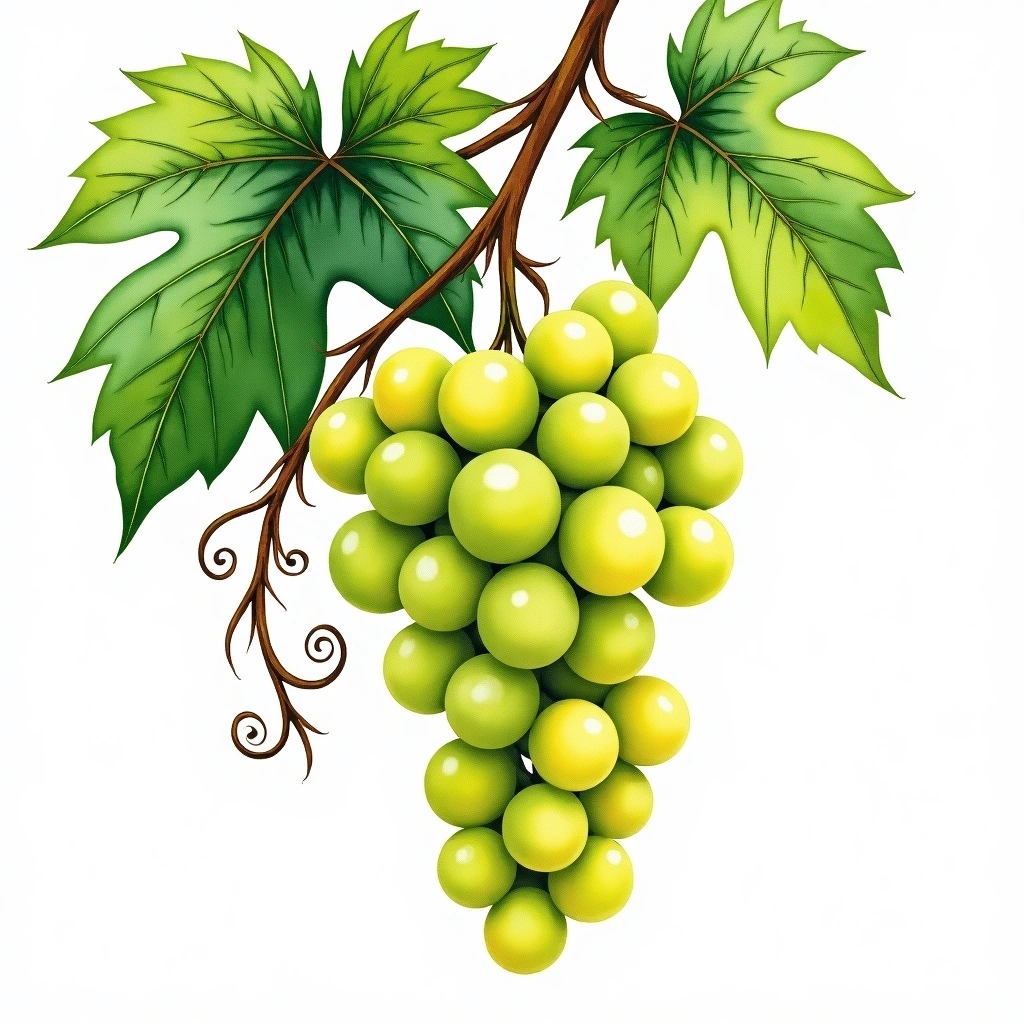 Sauvignon Blanc
 Aromatic White
 Crisp White
 Light Red
 Medium Red