Oregon Wine Country: Pinot Noir Paradise
Oregon's Willamette Valley has established itself as America's premier Pinot Noir region, producing wines of Burgundian elegance and increasingly site-specific character from a landscape of volcanic and sedimentary soils shaped by ancient catastrophic floods.
Oregon Wine Country: Pinot Noir Paradise
In 1961, a young David Lett planted Pinot Noir vines in the northern Willamette Valley and was told by California's established wine establishment that he was a fool. Pinot Noir required the Burgundian climate, they argued — Oregon was too wet, too cold, too marginal. A decade later, Lett's 1975 Eyrie Vineyards South Block Reserve placed second in a blind tasting against top Burgundy wines in Paris, and the argument was effectively settled.
Today Oregon produces some of the most exciting Pinot Noir on the planet, from a region whose commitment to quality over quantity, environmental stewardship, and transparency about winemaking is arguably unmatched in the United States. The state's wine culture is shaped not just by geography but by character: a pioneer spirit, a distrust of corporate homogenization, and a deep belief that the best wines express their specific place of origin.
The Willamette Valley: Heart of Oregon Wine
The Willamette Valley extends roughly 150 miles south from Portland to Eugene, flanked by the Coast Range to the west and the Cascades to the east. The valley's climate is marine-influenced but dramatically modified by the mountains: the Coast Range intercepts Pacific moisture, creating a wetter climate in the northern valley and a drier, warmer environment in the south. The Cascades block the cold continental air that periodically freezes vineyards further east. The result is a long, cool, damp growing season remarkably similar to Burgundy — arguably the closest climatic analog in the New World.
The Diurnal Range is exceptional throughout the Willamette Valley, with daytime temperatures regularly reaching 25-30°C while nights drop sharply. This temperature swings preserve the natural acidity in Pinot Noir that is the hallmark of the best Oregon examples and the key to their aging potential.
The soils of the Willamette Valley are its most distinctive feature and the subject of intense geological fascination. The valley floor is carpeted with Missoula flood sediments — material deposited by catastrophic glacial outburst floods that swept down from Montana at the end of the last Ice Age, some 12,000-18,000 years ago. These nutrient-rich silty soils tend to produce higher-yielding, less concentrated wines and are generally used for lower-tier production. The hillside sites that produce the finest wines sit above the flood line on three distinct parent materials:
Jory soils (volcanic basalt and tuff, predominantly in the Dundee Hills and Chehalem Mountains) are red, iron-rich, and exceptionally well-draining. The wines grown on Jory soils tend toward cherry and raspberry fruit, firm tannins, and excellent mineral backbone. These are often considered the archetypal Oregon Pinot Noir soils.
Willakenzie soils (marine sedimentary, predominantly in the Yamhill-Carlton district) are lighter, yellower, and more fertile than Jory. The wines they produce tend toward earthier, more savory profiles with softer tannins.
Laurelwood soils (windblown loess over basalt, concentrated in the Chehalem Mountains) are distinctive for their unusual combination of volcanic-influenced depth and lighter top layers.
Sub-AVAs: The Geography of Terroir
The Willamette Valley has been progressively subdivided into increasingly specific AVAs as producers have developed a more sophisticated understanding of the valley's Terroir variation.
Dundee Hills was the first Willamette sub-AVA to gain recognition (2005) and remains the most famous. The Jory-dominated red hills above the town of Dundee are home to Eyrie Vineyards (Oregon's founding estate), Domaine Drouhin Oregon (established by the Burgundy négociant house in 1987), and Adelsheim Vineyard. The wines from the Dundee Hills are typically structured, age-worthy, and marked by a distinctive minerality that producers attribute to the volcanic soil.
Chehalem Mountains encompasses a range of sites at elevations between 200 and 550 meters, with the highest Elevation sites producing the most restrained, elegant wines in the Willamette Valley.
Yamhill-Carlton occupies a rain shadow of the Coast Range that makes it one of the warmer, drier parts of the valley — better suited to ripening in cool vintages and at risk of dehydration in warm years. The Willakenzie soils produce wines of different character from the Jory-dominated hills.
Ribbon Ridge is a tiny sub-AVA (just 80 hectares of planted vines at its recognition) of exclusively marine sedimentary soils, responsible for wines of unusual depth and savory complexity.
Eola-Amity Hills is bisected by the Van Duzer Corridor, a gap in the Coast Range through which cool Pacific air pours in the afternoons. This afternoon wind dramatically moderates the otherwise warm southern Willamette climate and produces one of the valley's most distinctive terroirs — wines of uncommon freshness and delicacy for their ripeness level.
The Pioneers and Their Legacy
Oregon wine culture was shaped by a handful of pioneers who arrived in the late 1960s and early 1970s with an idealistic conviction that the Willamette Valley could produce great Pinot Noir. David Lett of Eyrie Vineyards provided the founding moment; Dick Erath, Dick Ponzi, and David Adelsheim established the institutional framework. These pioneers shared a distinctive philosophy: they were inspired by Burgundy rather than California, they were committed to Biodynamic and Organic Wine farming before it was fashionable, and they were unusually cooperative rather than competitive with each other.
This cooperative culture — expressed through the Oregon Wine Board, the International Pinot Noir Celebration held annually in McMinnville, and the Oregon Pinot Camp trade education program — remains central to the region's identity. Oregon's rules for Pinot Noir labeling are stricter than the federal minimums: wines labeled as a single variety must contain at least 90% of that variety (versus 75% federally), and wines labeled with an AVA must contain 100% fruit from that AVA.
The Second Generation and Natural Wine
The second and third generations of Oregon winemakers have moved in two directions simultaneously: toward greater site-specificity and toward greater naturalness in the cellar. The appetite for single-vineyard Pinot Noir — bottlings that express the specific geology and microclimate of a named site — has driven an explosion of cuvée proliferation at leading estates. Domaine Drouhin, Adelsheim, and Ken Wright all release multiple single-vineyard wines that together tell a story of Willamette terroir diversity.
The natural wine influence has been equally significant. Producers like Kelley Fox, Troon Vineyard, and Division Wine Company have embraced low-intervention winemaking — minimal sulfur, ambient-yeast fermentation, no fining or filtration — that connects Oregon to the natural wine movement flourishing in Loire Valley and elsewhere.
Beyond Pinot Noir
While Pinot Noir dominates Oregon's reputation, the state produces other wines of real quality. Chardonnay has grown dramatically in importance since the early 2000s, with producers applying the lessons learned from Pinot Noir (site selection, low yields, careful winemaking) to produce Chardonnay of Burgundian seriousness. Bergström, Adelsheim, and Soter are among the leaders. Pinot Grigio (labeled Pinot Gris in Oregon) achieves levels of richness and complexity in the Willamette Valley that put the thin, commercial Italian versions to shame. Riesling and Gewurztraminer also find expression in cooler sites. In southern Oregon's Applegate and Rogue valleys, the warmer, drier climate supports Syrah, Cabernet Sauvignon, and Tempranillo.
Visiting Oregon Wine Country
The drive south from Portland through the Dundee Hills offers spectacular autumn landscapes of red-leafed vines against green hills. The town of McMinnville — home to the International Pinot Noir Celebration every summer — has developed an excellent restaurant and accommodation scene centered on its historic downtown. Tasting rooms throughout the valley range from converted farmhouses to spectacular hillside structures with views across the valley floor.
The intimacy of the Oregon wine scene is one of its great charms: it is still normal for a visit to a leading estate to be conducted by the winemaker themselves, a level of access that would be unimaginable at equivalent estates in Burgundy or Napa Valley.
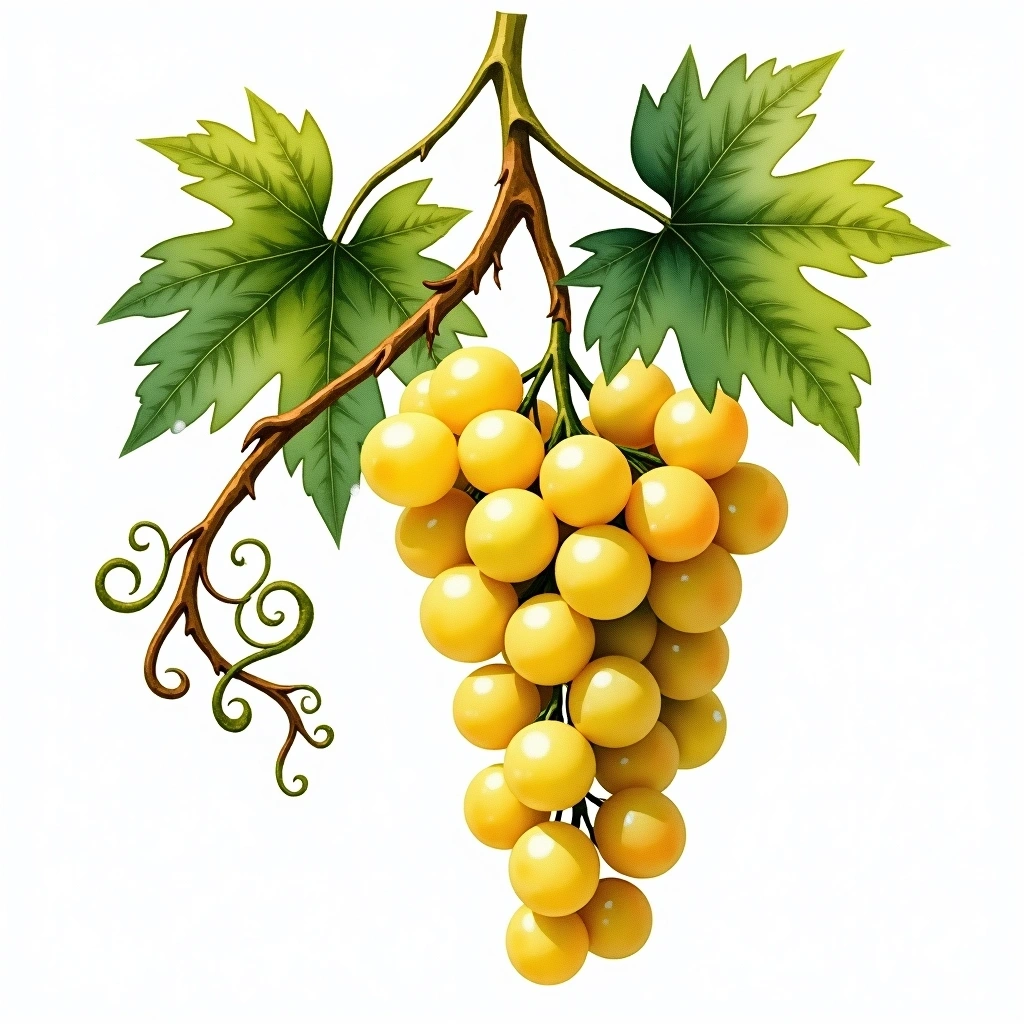 Chardonnay
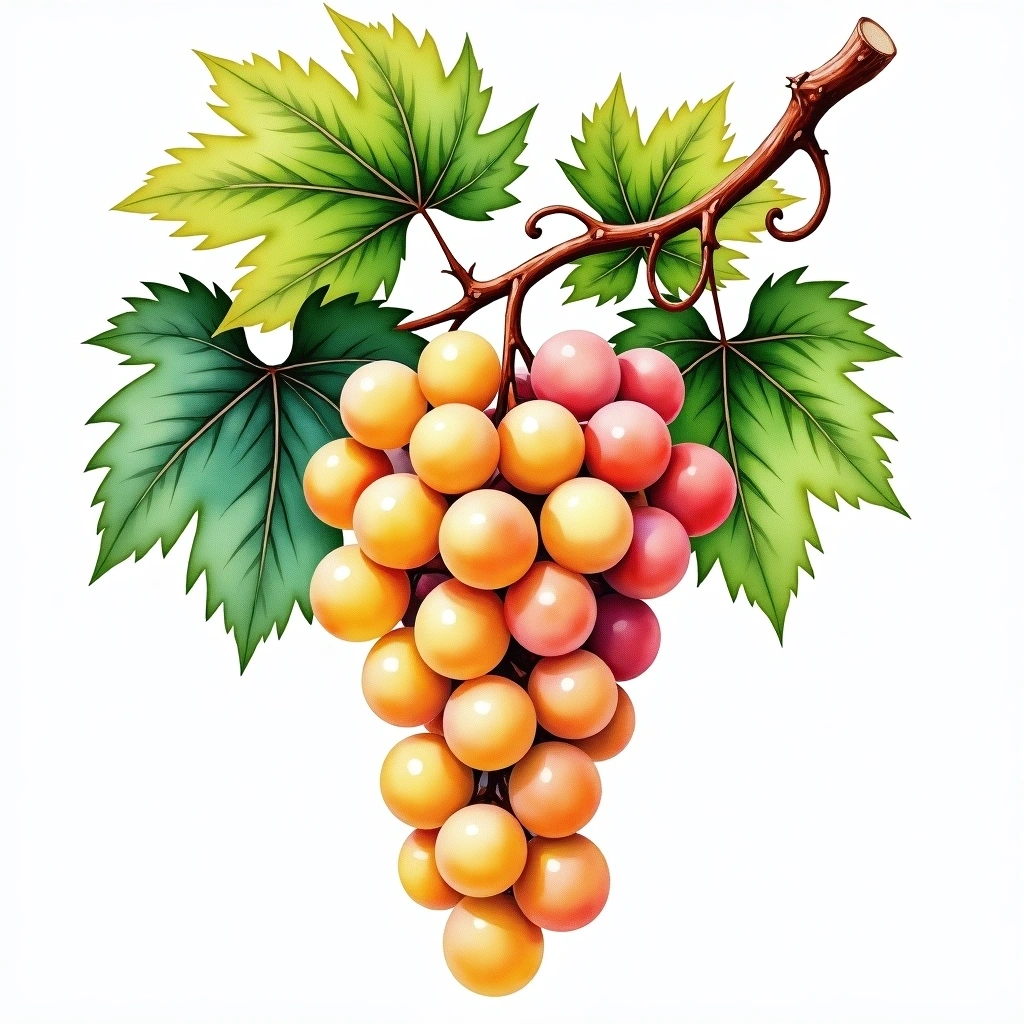 Pinot Grigio
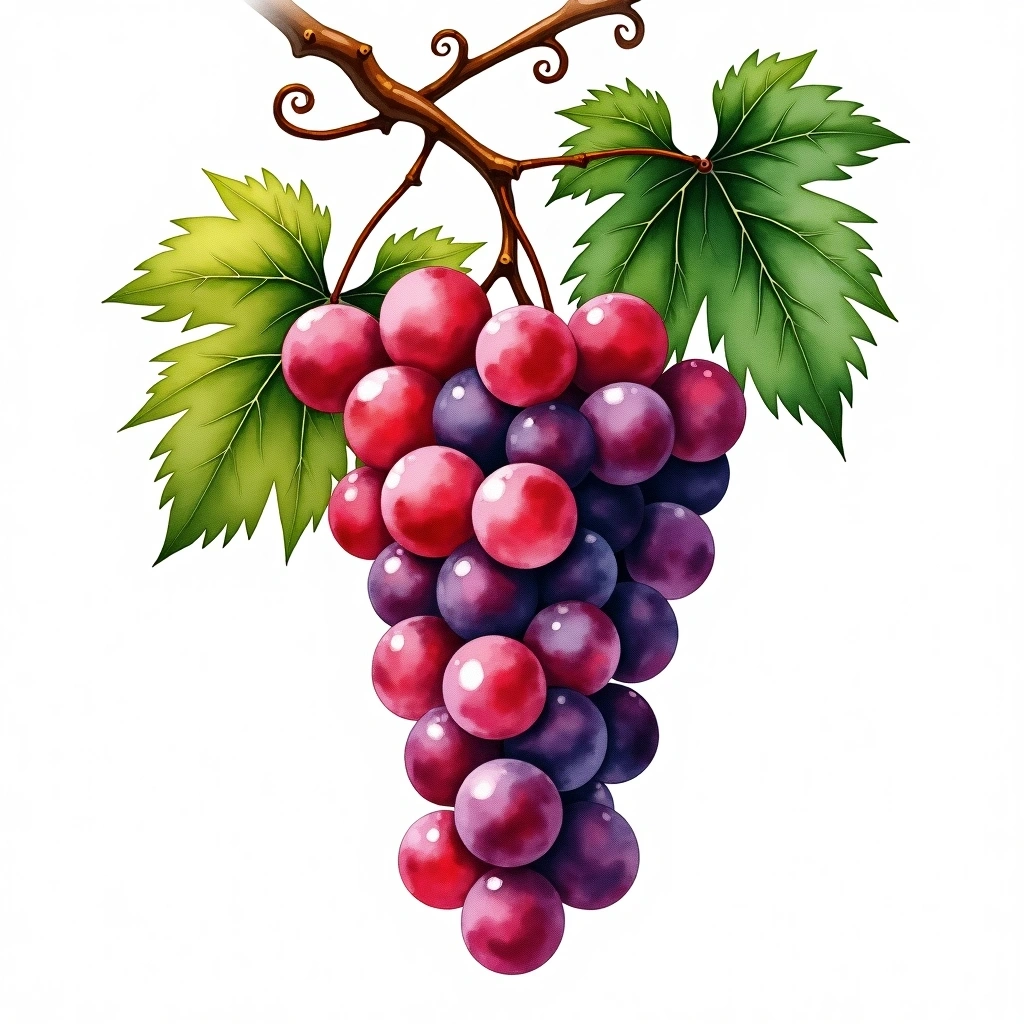 Pinot Noir
 Crisp White
 Elegant Red
 Light Red
 Rich White