Tuscany: Sangiovese and the Italian Soul
Tuscany's landscape of cypress trees and medieval hilltowns is inseparable from its wine. This guide covers Chianti Classico, Brunello di Montalcino, the Super Tuscans, and the Sangiovese grape that defines Italian red wine.
The Italian Wine Soul
If Bordeaux is the world's benchmark for structured red wine and Bourgogne for the expression of a single variety through terroir, Toscana is the region that made Italy's wine identity global. Tuscany sits at the crossroads of history, landscape, and gastronomy — and its wines are inseparable from all three. The rolling hills of the Chianti Classico zone, the medieval towers of Montalcino, the cypress-lined roads of Montepulciano: these are not just backdrops to the wine. They are part of the Terroir in the broadest sense.
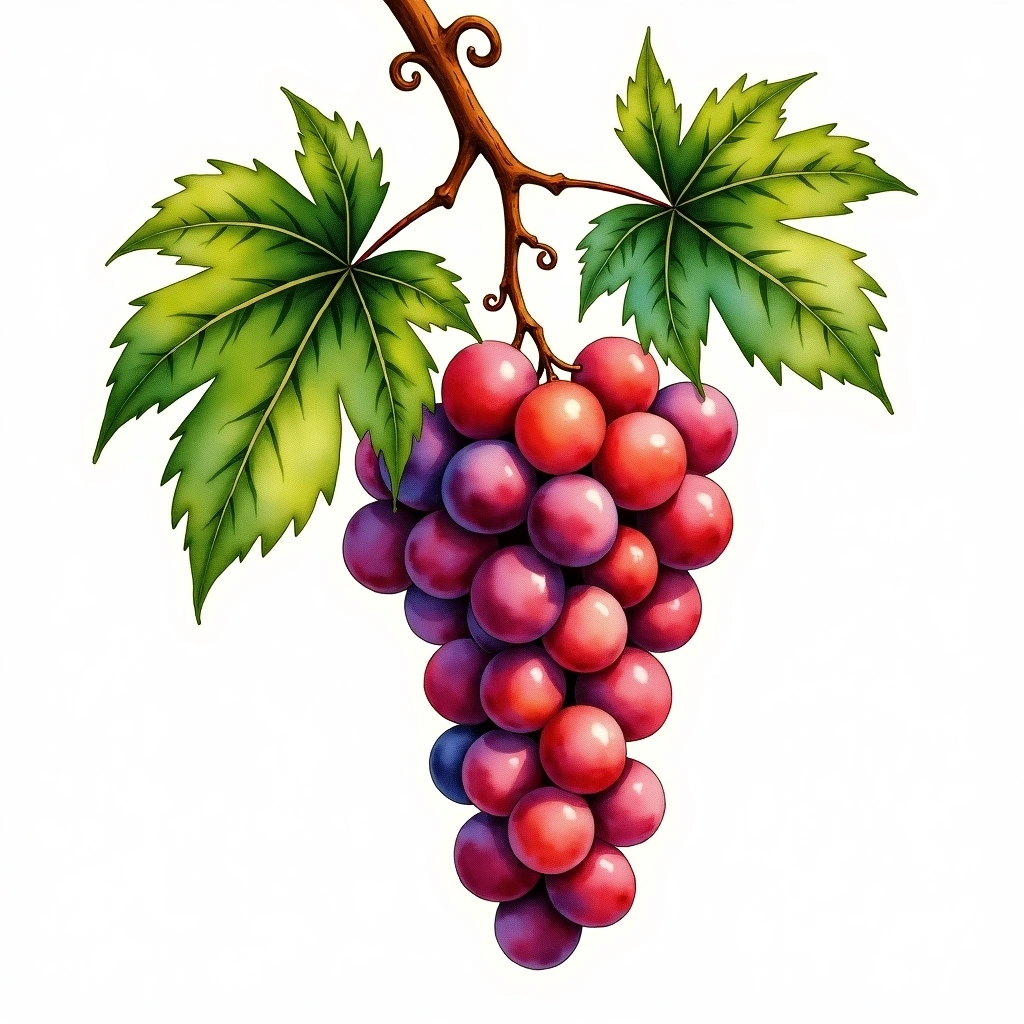
Tuscany's grape is Sangiovese. Nearly every great red wine from the region is made from it, whether as the sole variety (as in Brunello di Montalcino) or as the dominant component in a blend. Sangiovese is a distinctive grape: high in both Tannin and Acidity, it produces wines of considerable structure that demand either time in the cellar or the right food on the table. When it is grown on the right soils, at the right elevation, and not over-yielded, it achieves a quality of aromatic complexity and savory depth that few other grapes can match.
Geography: Hills, Altitude, and Sea Breezes
Tuscany occupies Italy's central-western coast, stretching from the Apennine Mountains to the Tyrrhenian Sea. The climate is Mediterranean — warm, dry summers; mild, wet winters — but altitude and proximity to the sea create significant variation across the region.
The most important subregions for red wine are:
Chianti Classico — The historic core of the Chianti zone, running between Florence and Siena. Elevations of 250-600 metres on mixed clay and limestone soils (galestro and alberese) make this ideal Sangiovese country. The Appellation was defined in 1716 by Cosimo III de' Medici, one of the world's first wine demarcations.
Brunello di Montalcino — South of Siena, the medieval hill town of Montalcino produces Italy's most age-worthy and expensive red wine. The Brunello clone of Sangiovese (Sangiovese Grosso) is grown at elevations of 150-600 metres on varied soils: the southern slopes are warmer and produce richer, more opulent wines; the northern and eastern slopes are cooler and produce more elegant, structured examples.
Vino Nobile di Montepulciano — Another hilltop appellation near Siena. Uses a variant of Sangiovese called Prugnolo Gentile.
Bolgheri — On the Tuscan coast southwest of Florence, this is the birthplace of the Super Tuscans (see below). Mediterranean-influenced climate, lower altitude, sandy and clay-rich soils. Home to Sassicaia, Ornellaia, and Masseto.
Maremma — The wilder, southern coastal zone; increasingly important for concentrated, value-driven Sangiovese and international variety wines.
Sangiovese: Italy's Pride
Sangiovese is Italy's most planted red grape and its most complex personality. It is a high-acid, high-tannin variety with a characteristic flavour profile of sour cherry, dried plum, leather, tobacco, iron, herbs, and dried tomato. In youth, it can be austere and angular; with proper aging, it develops extraordinary complexity and silky texture.
Sangiovese is notoriously site-sensitive. It ripens late and unevenly, so the vineyard must be well-positioned (south or southwest facing, well-drained, moderate elevation) to achieve consistent ripeness. It is also genetically diverse — there are hundreds of distinct Clones of Sangiovese, each with subtly different characteristics. The Brunello clone used in Montalcino, for example, has notably thicker skins (more pigment and tannin) than the Sangioveto used historically in Chianti.
Sangiovese in Chianti Classico
The Chianti Classico appellation requires at least 80% Sangiovese. The Gallo Nero (Black Rooster) consortium oversees quality and markets the appellation internationally. A tier called Chianti Classico Gran Selezione (introduced 2014) represents single-vineyard or top-selection wines aged at least 30 months — effectively a first-growth tier for the appellation.
Sangiovese in Brunello
Brunello di Montalcino is 100% Sangiovese — no blending permitted. The wine must age a minimum of five years before release (six for Riserva), including at least two years in oak and four months in bottle. The result is often the most structured and age-worthy expression of Sangiovese in the world. A Riserva from a great vintage may need 20-30 years to reach its peak.
The Super Tuscans
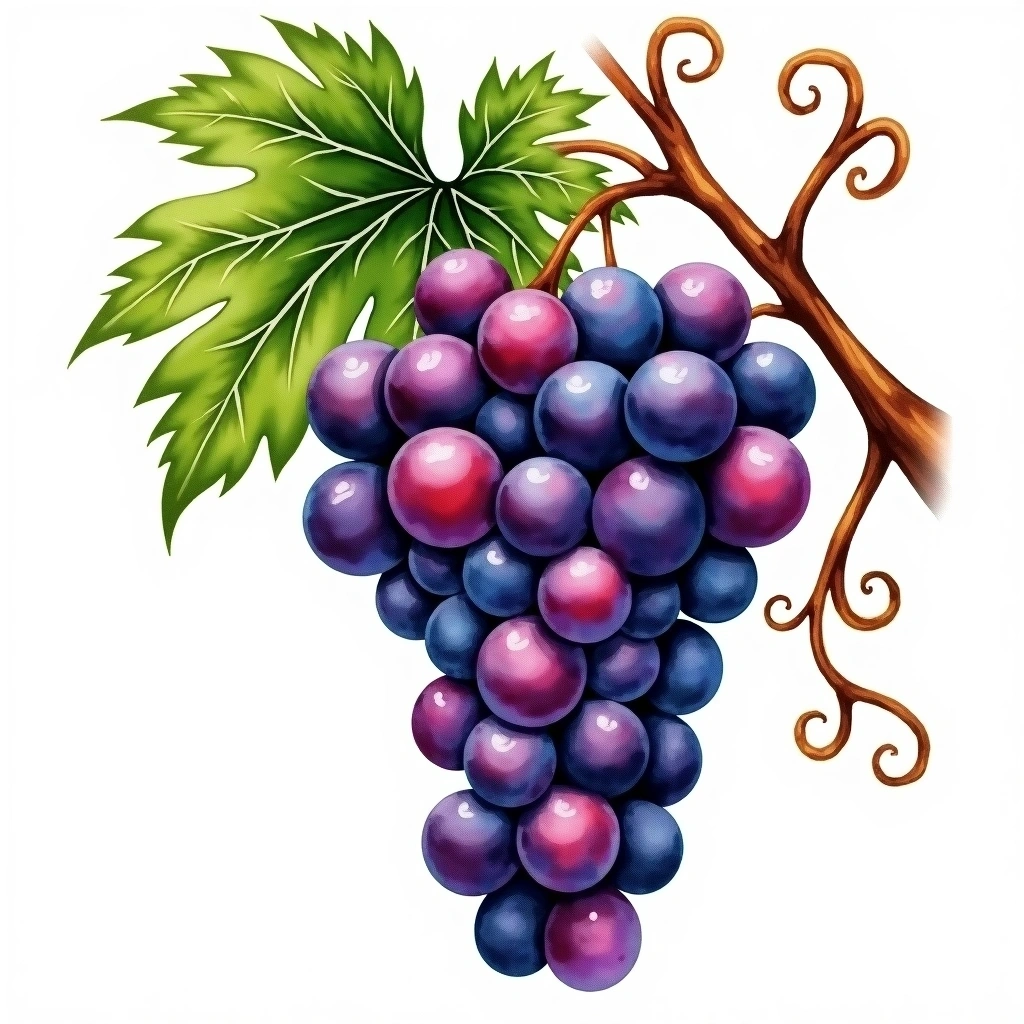
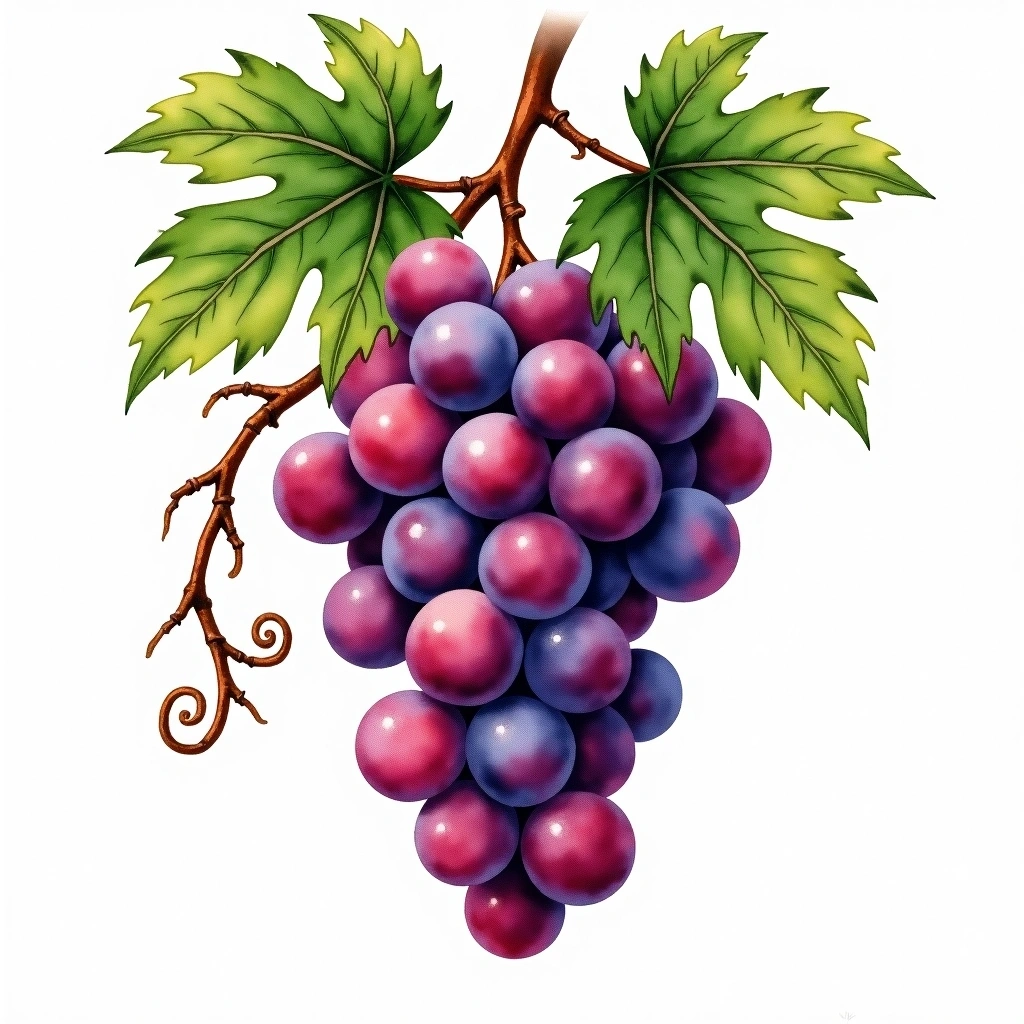
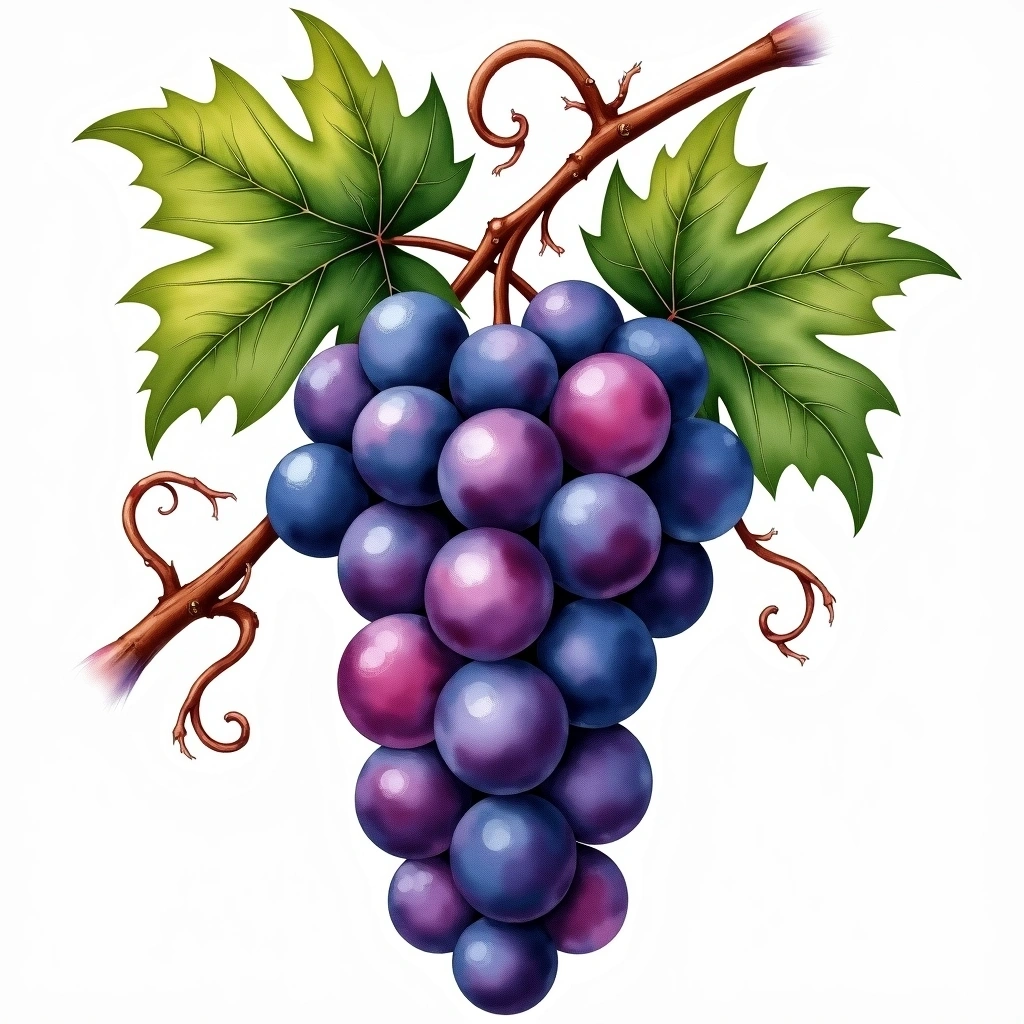
In the 1970s and 1980s, a group of rebellious Tuscan producers began making wines outside the official classification system, either by blending Sangiovese with French varieties (Cabernet Sauvignon, Merlot, Syrah/Shiraz) or by producing 100% French-variety wines on Tuscan soil.
Because these wines did not comply with DOC rules, they were classified as humble table wine — but they sold for prices far exceeding any Italian classified wine. The term "Super Tuscan" was coined by American wine writers to describe them.
The most celebrated Super Tuscans:
- Sassicaia (Tenuta San Guido) — Bolgheri; 100% Cabernet Sauvignon; the prototype Super Tuscan; now has its own DOC
- Ornellaia — Bolgheri; Cabernet Sauvignon-dominant Bordeaux blend; rivals Sassicaia in prestige
- Tignanello (Antinori) — Chianti Classico zone; Sangiovese + Cabernet; the wine that proved the concept for Italy
- Masseto (Frescobaldi) — Bolgheri; 100% Merlot; Italy's answer to Petrus; one of the world's most expensive wines
- Solaia (Antinori) — Cabernet-dominant blend from the Santa Cristina estate
Notable Producers
Tuscany's producer landscape is rich with both historic family estates and modern quality leaders:
- Antinori — The most influential family in Italian wine history; Tignanello, Solaia, and a vast portfolio across Tuscany
- Biondi-Santi — The founding family of Brunello; Il Greppo estate produced the first documented Brunello in 1888
- Sassicaia / Tenuta San Guido — The original Super Tuscan estate
- Ornellaia — Bolgheri; now owned by Frescobaldi; among Italy's most consistent premium estates
- Isole e Olena — Chianti Classico; outstanding pure Sangiovese from a perfectionist estate
- Montevertine — Radda in Chianti; produces Le Pergole Torte, one of the world's finest Sangioveses
- Ciacci Piccolomini d'Aragona — Brunello; extraordinary value across their range; biodynamic farming
Vintages
Tuscany's warm Mediterranean climate produces less vintage drama than northern Italian or French regions, but spring frost, summer drought, and harvest rain still create meaningful variation.
| Vintage | Character | Cellar Note |
|---|---|---|
| 2015 | Excellent; warm, concentrated Brunello | Drink 2023-2045 |
| 2016 | Outstanding; perhaps the finest of recent decades | Hold through 2050+ |
| 2017 | Good; drought-stressed, richer, lower acidity | Drink now-2030 |
| 2018 | Very Good; fresh and balanced | Drink 2024-2035 |
| 2019 | Excellent; classic structure | Drink 2025-2040 |
| 2021 | Very Good; elegant, drought-influenced | Drink 2024-2038 |
The 2016 vintage is already legendary in Montalcino — consistently described as the finest Brunello vintage since the great 2010 or perhaps in living memory.
Food Pairings
Tuscany's food and wine culture is one of the world's great harmonies. The region's cuisine is built around exactly the dishes that Sangiovese's high acidity and tannin are designed to cut through and complement.
- Chianti Classico: Bistecca alla Fiorentina (T-bone steak), wild boar ragù, pasta with meat sauce, hard Pecorino cheese
- Brunello: Roasted wild boar, lamb, aged Pecorino, porcini mushrooms, white truffles
- Vino Nobile: Game birds, pappardelle with hare ragù, Cinta Senese pork
- Super Tuscans (Cab/Merlot-based): Ribeye, aged Parmigiano-Reggiano, lamb chops, dark chocolate
The rule of thumb: the Tannin in Sangiovese-based wines is softened by the fat and protein in red meat, while the Acidity cuts through richness and makes you want another bite. Avoid delicate fish or light vegetables — the wine's structure will overwhelm them.
Beyond Red: Tuscany's Whites and Dessert Wines
Tuscany is primarily red wine country, but two other styles merit attention:
Vernaccia di San Gimignano — Italy's first DOC white wine; dry, crisp, and mineral from the medieval hill town; pairs beautifully with seafood and light pasta.
Vin Santo — Tuscany's amber dessert wine, made from dried Trebbiano and Malvasia grapes fermented slowly in small barrels (caratelli) for 3-6 years. The result is intensely sweet, nutty, and complex — traditionally served with hard almond biscotti (cantucci) for dipping.
Tuscany rewards exploration beyond its most famous appellations. The region's diversity — from the coast to the mountains, from ancient clones to international varieties — ensures there is always another discovery waiting.
 Cabernet Sauvignon
 Merlot
 Sangiovese
 Syrah/Shiraz
 Bold Red
 Elegant Red
 Medium Red