Wine for Barbecue and Grilled Food
A guide to pairing wine with barbecue and grilled dishes, covering smoked meats, grilled steaks, ribs, sausages, chicken, seafood, and classic BBQ sauces.
Why Wine and BBQ Are Natural Partners
Barbecue and grilling create some of the most wine-friendly flavors in cooking. The Maillard reaction — the browning that occurs when proteins and sugars are exposed to high heat — produces hundreds of aromatic compounds, many of which overlap with the flavor compounds created during oak barrel aging. When you taste "smoke," "char," "toast," and "caramel" in a wine, you are tasting the same chemistry that happens on a grill.
This means that bold, oak-aged red wines and grilled food share a chemical vocabulary. It is one of the reasons wine and barbecue is a more natural combination than many people realize.
The challenge is that barbecue is not one thing. It spans a vast range: low-and-slow Texas brisket, vinegar-mopped Carolina pulled pork, sweet Kansas City ribs, Argentinian asado, Korean bulgogi, and simple backyard burgers. Each style calls for different wines.
The Fundamentals: Smoke, Char, and Sauce
Three elements define most grilled and barbecued food, and each interacts with wine differently.
Smoke
Low-and-slow barbecue develops deep, penetrating smoke flavors that need wines with equivalent intensity. Subtle, delicate wines are lost.
Wine response: Choose wines aged in heavily toasted oak barrels. Syrah from Barossa Valley, Zinfandel from Sonoma, and Monastrell from Jumilla all carry smoky notes that harmonize with barbecue smoke.
Char
High-heat grilling creates a charred, slightly bitter exterior. This bitterness actually interacts well with Tannin — both are astringent compounds, and together they create a satisfying, balanced sensation rather than compounding bitterness.
Wine response: Tannic, structured wines like Cabernet Sauvignon and Syrah pair naturally with charred food.
BBQ Sauce
This is where things get complicated. Most BBQ sauces are sweet, and sweetness fundamentally changes the wine pairing.
- Sweet sauces (Kansas City style): Wines need ripe, fruit-forward character. Zinfandel — with its jammy, dark-fruited profile and often slight residual sugar — is the classic American BBQ wine
- Vinegar-based sauces (Carolina): High-acid sauces demand high-acid wines. Barbera, young Sangiovese, or Grenache rosé
- Mustard-based sauces: Riesling (off-dry) handles mustard's tang and heat
- Dry rubs (no sauce): The most wine-flexible option. Spice rubs match well with spice-driven wines like Syrah and Grenache
Pairing by Protein
Beef Brisket
The king of American barbecue. Low-and-slow smoked brisket develops a dark, peppery bark and a tender, fatty interior. It needs wines with serious weight and smokiness.
Best choices: - Zinfandel from Sonoma (Dry Creek Valley) — jammy, peppery, bold. The quintessential brisket wine - Syrah from Barossa Valley — massive, smoky, dark-fruited. Australian Shiraz was built for fire-cooked meat - Malbec from Mendoza — plush, smoky, dark. The Argentinian grill tradition runs on Malbec - Mourvedre from Bandol — leathery, wild, savory
Ribs (Pork or Beef)
Ribs are fattier than brisket and often sauced heavily. The combination of fat, sweet sauce, and smoke is intensely flavored.
- Zinfandel — its fruit-forward sweetness matches sweet BBQ sauces without being overwhelmed
- Grenache-based blends (Côtes du Rhône, Priorat) — warm, fruity, spice-driven
- Tempranillo from Rioja (Crianza or Reserva) — smoky oak character mirrors the grill
Pulled Pork
Pulled pork varies widely: vinegar-based Carolina style is lean and tangy; Kansas City style is rich and sweet. The wine should follow the sauce.
- Vinegar-based: Grenache rosé, Barbera, dry Lambrusco
- Sweet sauce: Zinfandel, Grenache, or off-dry Riesling
- No sauce / dry rub: Medium Red Tempranillo or Merlot
Sausages and Hot Dogs
Grilled sausages — bratwurst, Italian sausage, merguez, chorizo — have assertive, spiced flavors from the seasonings and a fatty, juicy texture.
- Bratwurst: Riesling from Alsace (the Alsatian sausage tradition), or Grüner Veltliner
- Italian sausage: Sangiovese (Chianti) — the Italian pairing holds
- Merguez (North African lamb sausage): Grenache or Syrah from the Southern Rhône
- Chorizo: Tempranillo from Rioja or Grenache from Garnacha-dominant Spanish wines
Chicken
Grilled chicken sits in the middle of the flavor spectrum. It can go white or red depending on preparation.
- Skin-on, charcoal-grilled: Dry rosé is the universal grilled chicken wine
- BBQ-sauced: Zinfandel or Grenache
- Lemon-herb: Sauvignon Blanc or Vermentino
- Jerk-spiced: Off-dry Riesling — the sweetness counters the Scotch bonnet heat
Grilled Seafood
Grilled shrimp, fish, and lobster develop smoky, charred flavors that push them toward wines with more body than raw or steamed preparations.
- Grilled shrimp: Dry rosé or Aromatic White Viognier
- Grilled salmon: Oregon Pinot Noir or oaked Chardonnay
- Grilled lobster tail: Vintage Champagne or rich white Burgundy
- Grilled octopus: Light Red — Grenache, Nerello Mascalese
Barbecue Traditions and Their Wines
American BBQ
| Style | Hallmark | Top Wine |
|---|---|---|
| Texas | Beef brisket, dry rub, post oak smoke | Zinfandel or Barossa Syrah |
| Kansas City | Sweet sauce, ribs | Zinfandel |
| Carolina (Eastern) | Whole hog, vinegar mop | Grenache rosé or Barbera |
| Carolina (Lexington) | Pork shoulder, vinegar-tomato | Young Sangiovese |
| Memphis | Dry-rubbed ribs | Syrah or Mourvedre |
Argentine Asado
Argentine barbecue is centered on beef, cooked over wood coals with minimal seasoning — salt and fire. The wines match the simplicity.
- Malbec from Mendoza — this is the asado wine. Smoky, plush, dark-fruited. The entire Argentine wine industry exists, in a sense, to pair with grilled beef
- Bonarda — a juicy, fruity Argentine red that is less tannic than Malbec
- Cabernet Sauvignon from Mendoza — more structured, for fattier cuts
South African Braai
A braai centers on boerewors (coiled sausage), lamb chops, and sosaties (skewered meat). South African wines are natural partners.
- Pinotage — smoky, robust, distinctly South African
- Shiraz from Stellenbosch — bold, ripe, with pepper and smoke
- Chenin Blanc (for the chicken and boerewors)
Korean BBQ
Korean barbecue is covered in the Asian pairing guide, but the highlights:
- Grenache or GSM blends with bulgogi
- Off-dry Riesling with spicy pork belly (samgyeopsal)
- Pinot Noir with thinly sliced beef
Practical Tips for Wine at a BBQ
Temperature
Summer grilling often means warm weather. Keep reds slightly cool (15-17 C) by storing them in a shaded cooler. Whites and rosés should be properly chilled (8-10 C). A warm red wine at a barbecue tastes alcoholic and soupy.
Avoid Overly Delicate Wines
Barbecue is not the occasion for aged Burgundy or Grand Cru Riesling. The smoke, char, and sauce will overwhelm delicate, nuanced wines. Save the fine wine for a quiet dinner and pour robust, fruit-forward bottles at the grill.
The Case for Rosé
Dry rosé may be the single most versatile BBQ wine. It handles chicken, sausages, grilled vegetables, and even ribs without conflicting with smoke or sauce. A magnum of Provence rosé on ice is a smart move for any mixed-grill gathering.
Serving Strategy for a Crowd
For a party, offer three bottles: one Bold Red for beef and ribs (Zinfandel or Malbec), one dry rosé for chicken and lighter items, and one chilled white for seafood and non-meat eaters (Riesling or Sauvignon Blanc). This covers virtually every grilled item.
The BBQ Quick Reference
| Grilled Item | Best Wine | Style |
|---|---|---|
| Beef brisket | Zinfandel / Syrah | Bold Red |
| Pork ribs (sweet sauce) | Zinfandel | Bold Red |
| Pulled pork (vinegar) | Rosé / Barbera | Light to medium |
| Grilled steak | Cabernet Sauvignon / Malbec | Bold Red |
| Sausages | Tempranillo / Grenache | Medium Red |
| Grilled chicken | Rosé | Light |
| Grilled seafood | Rosé / Chardonnay | White to rosé |
| Vegetables | Rosé / Sauvignon Blanc | Light |
Fire, smoke, and wine have been companions since humans first gathered around a hearth. Barbecue is simply the latest chapter in that relationship. Pour generously, grill confidently, and do not overthink it — the smoke does most of the work for you.
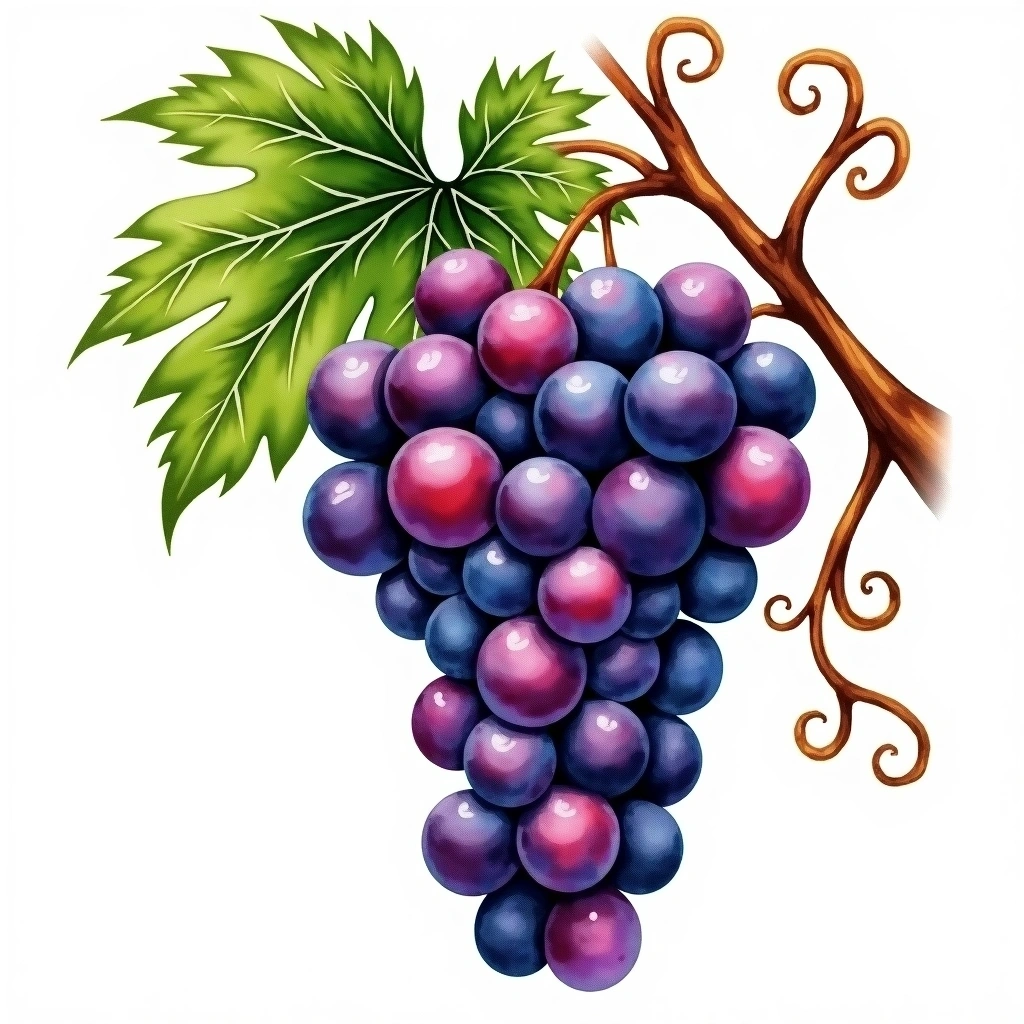 Cabernet Sauvignon
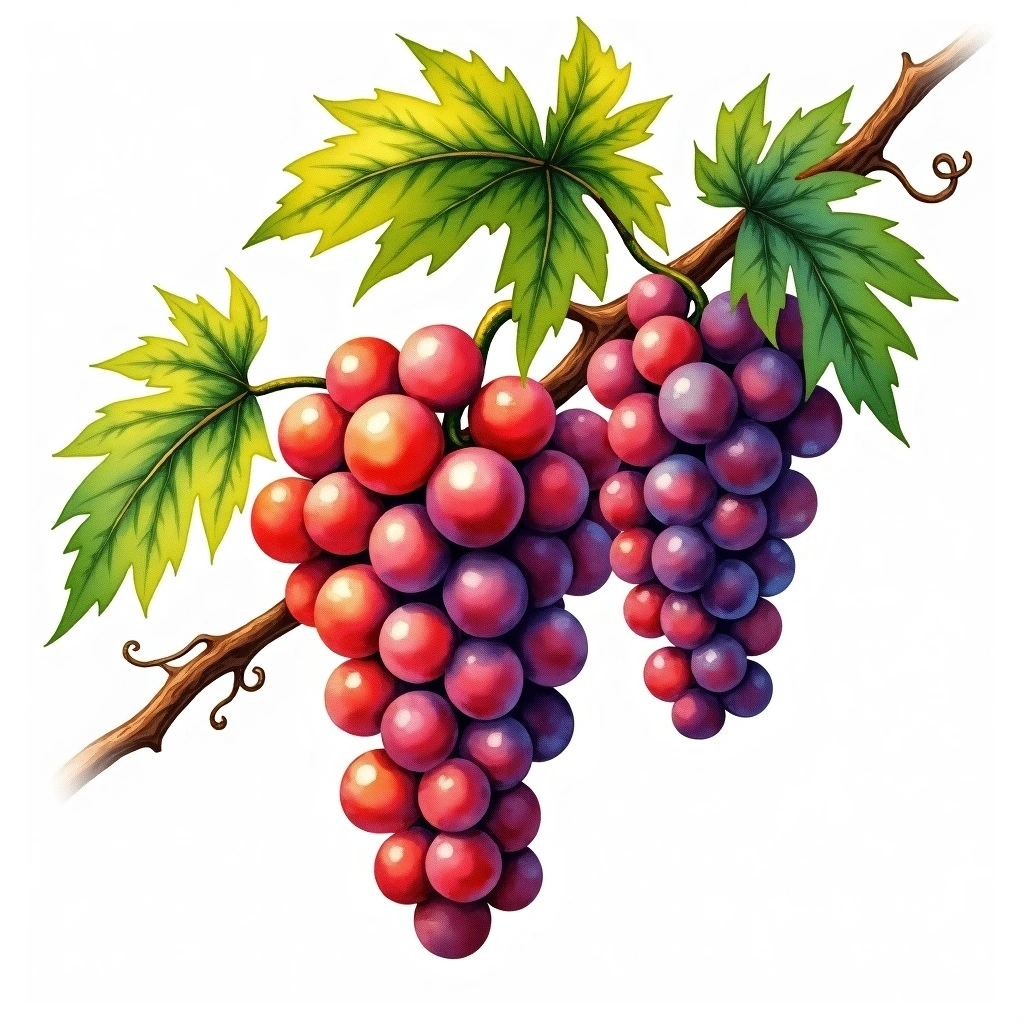 Grenache
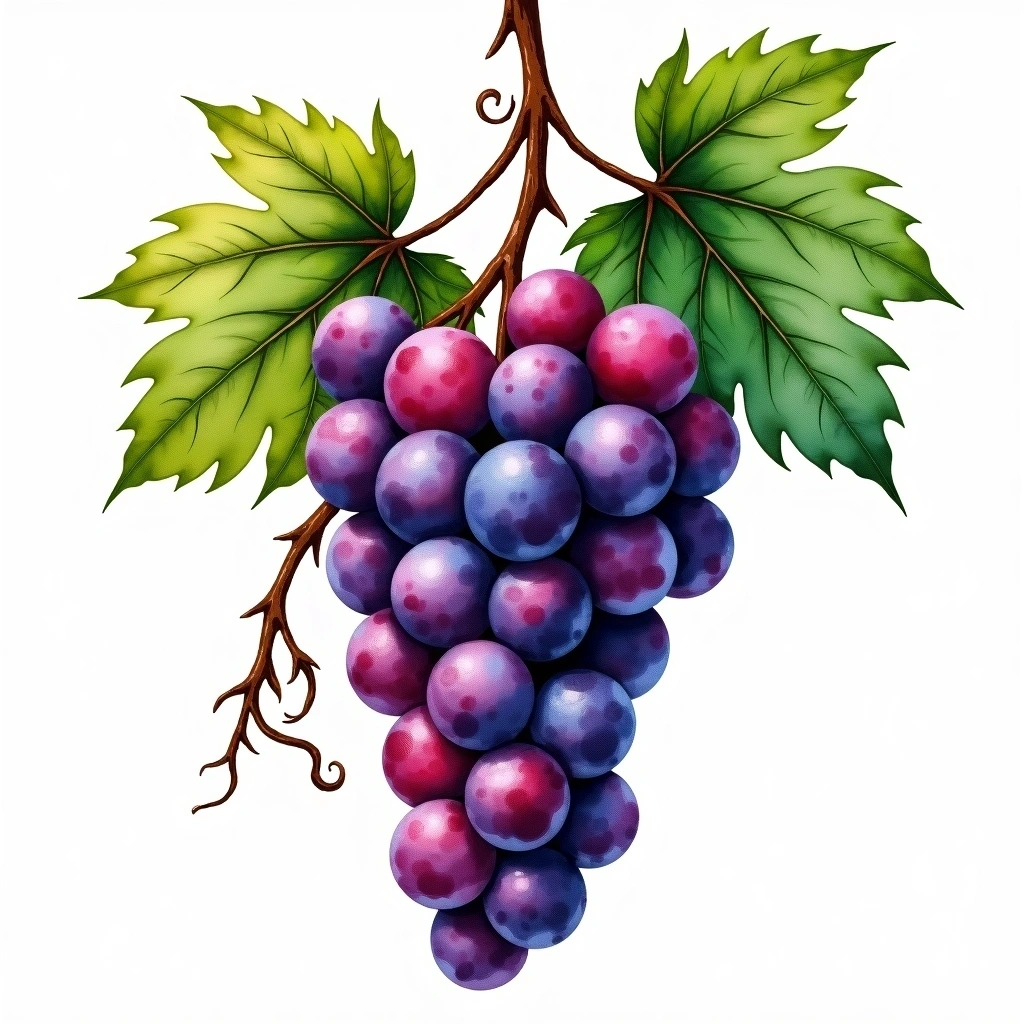 Malbec
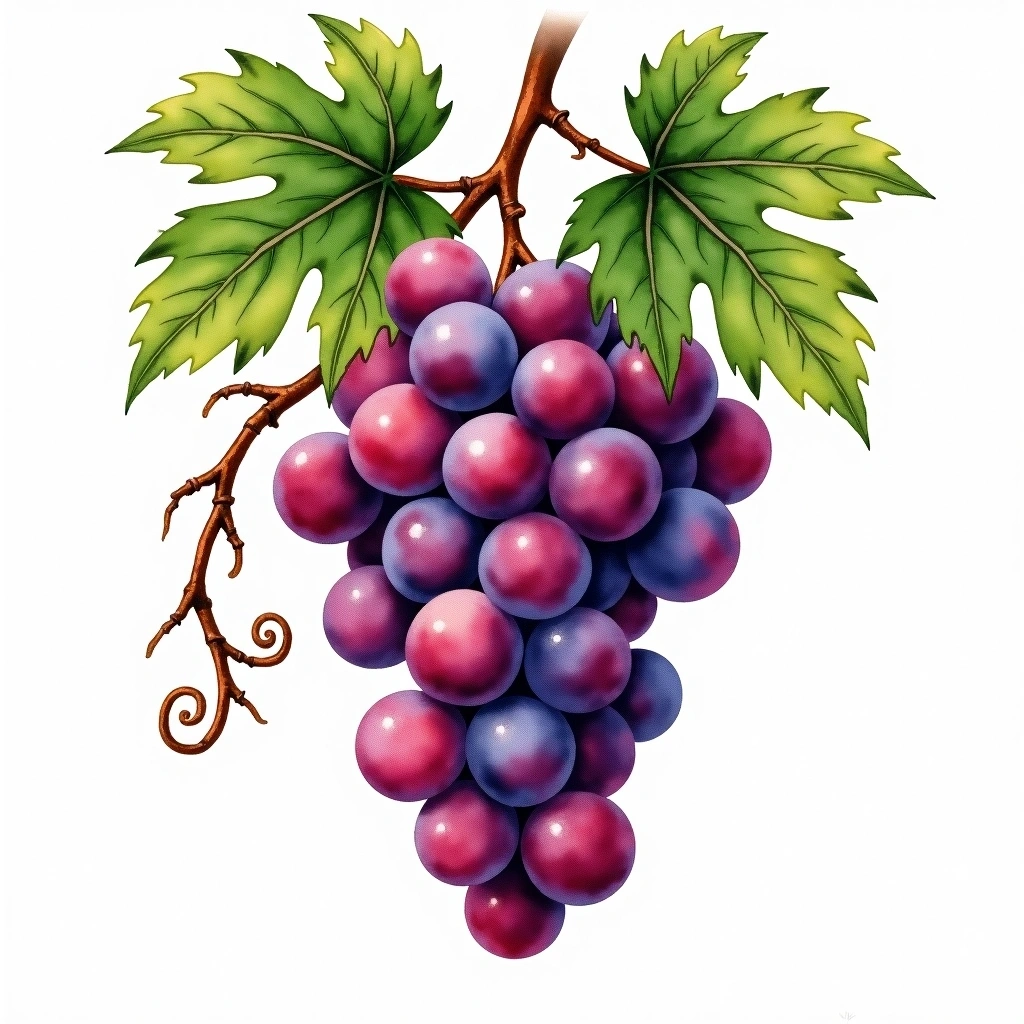 Merlot
 Mourvedre
 Riesling
 Tempranillo
 Zinfandel
 Aromatic White
 Bold Red
 Light Red
 Medium Red