Building Your First Wine Collection
A practical guide to starting a wine collection, covering how many bottles to buy, what to include, how to organize your cellar, and how to avoid common collector mistakes.
Why Collect Wine?
A wine "collection" sounds intimidating, but it does not have to be. At its most basic, collecting means having a selection of wines at home so you always have the right bottle for the occasion — a Tuesday night pasta dinner, an unexpected celebration, a weekend barbecue, or a special anniversary.
More advanced collectors buy wines to age, tracking how bottles evolve over years and decades. Some treat wine as an investment. But for most people, the goal is simpler: convenience, variety, and the pleasure of opening something good without a last-minute trip to the store.
How Many Bottles Do You Need?
There is no magic number, but here are practical starting points:
Starter Collection: 12-24 Bottles
Enough to cover two to four weeks of regular drinking and a few special occasions. This is the sweet spot for someone who drinks wine a few times a week and wants variety without overcommitting space or budget.
Working Collection: 48-72 Bottles
Enough for one to two months, plus a small selection aging for future enjoyment. A standard 48-bottle wine fridge handles this range. You can start experimenting with buying wines to hold for a year or two.
Serious Collection: 100+ Bottles
At this point, you are investing in proper storage (a dedicated wine fridge, cellar, or off-site facility) and likely buying some wines with the intention of aging them for 5-20 years. Inventory tracking becomes important.
What to Include: The Balanced Cellar
A well-rounded collection covers different occasions and moods. Here is a framework.
Everyday Wines (50-60% of Your Collection)
These are bottles in the $10-25 range that you open without hesitation on a weeknight. They do not need aging and should be rotated frequently — buy, drink, replace.
Suggested picks: - A reliable Cabernet Sauvignon or Merlot blend for red-wine nights - An everyday Sauvignon Blanc or Pinot Grigio for white - A Dry Rosé for warm-weather drinking - A versatile Medium Red like Tempranillo from Rioja (Crianza level) or Sangiovese from Tuscany (basic Chianti)
Step-Up Wines (25-30% of Your Collection)
$25-60 bottles that you open for weekend dinners, small gatherings, or when you want something more interesting than the everyday rotation. These wines show more complexity and can handle richer food.
Suggested picks: - Pinot Noir from Burgundy (village level) or Oregon - Oaked Chardonnay from a quality producer - Malbec from Mendoza (single-vineyard) - Nebbiolo from Langhe (a step below Barolo in price, not necessarily in quality) - Cru Beaujolais (Morgon, Moulin-a-Vent) — outstanding value - Riesling from Mosel or Alsace — the most versatile food wine
Special Occasion Wines (10-15% of Your Collection)
$60+ bottles reserved for milestones, celebrations, or that perfect pairing with a carefully prepared meal. These are often wines worth aging.
Suggested picks: - Classified Bordeaux (Cru Bourgeois to classified growths) - Napa Valley Cabernet Sauvignon from a respected producer - Premier or Grand Cru Burgundy - Barolo or Barbaresco from Piedmont - Vintage or prestige Champagne from Champagne - Barossa Valley old-vine Syrah
Sparkling and Fortified (5-10% of Your Collection)
Always have a bottle or two of sparkling wine cold and ready. Celebrations are unpredictable. Non-vintage Champagne, quality Cremant, or Cava are solid choices.
Fortified wines (Tawny Port, dry Sherry, Madeira) are underrated additions to any collection. They last weeks after opening and pair with everything from nuts to chocolate.
Budget Strategies
The Case Discount
Most wine shops offer 10-20% off when you buy a full case (12 bottles). This is one of the easiest ways to save money. Mix a case from different categories — four everyday bottles, four step-up bottles, and four to try something new.
Wine Clubs and Subscriptions
Curated wine clubs deliver bottles monthly or quarterly, often below retail price and with selections you would not discover on your own. They are a good way to explore unfamiliar regions and grapes.
Allocations and Mailing Lists
Sought-after wineries (especially in Napa Valley and Burgundy) sell directly to customers on their mailing lists. Getting on these lists can take time, but allocation wines are often priced below secondary market values. This matters most if you are collecting age-worthy wines.
Buy Futures (En Primeur)
In Bordeaux and some other regions, you can buy wine before it is bottled, locking in a price. This is primarily for serious collectors and requires trusting that the wine will be worth the wait.
Value Regions
Some regions consistently overdeliver relative to price: - Rioja — Reserva-quality wines at $15-25 - Portugal (Douro reds, Alentejo) — Complex reds at $10-20 - Southern France (Languedoc, Cotes du Rhone) — Grenache and Syrah blends at $10-18 - Chile — Cabernet Sauvignon at $8-15 - Sicily — Syrah and Nero d'Avola at $10-15
Organizing Your Collection
Once you have more than a couple dozen bottles, organization becomes important. You do not want to forget about a wine until it is past its prime.
Inventory Tracking
Options range from simple to sophisticated:
- Notebook or spreadsheet: Wine name, producer, Vintage, purchase date, purchase price, drink window. Low-tech but effective.
- Wine apps: CellarTracker (the most popular; extensive database and community reviews), Vivino (consumer ratings and label scanning), Delectable (photo-based tracking).
- Physical tags: Some collectors attach neck tags with purchase info and target drinking dates.
Physical Organization
Organize bottles by drinking timeline, not by region or grape:
- Drink now — Front and easy to reach. These are your everyday wines.
- Drink in 1-3 years — Middle section. Step-up wines that might benefit from short-term holding.
- Aging — Back or bottom. Special bottles that need 5+ years.
Within each section, separate reds from whites so you can manage temperatures if your storage allows dual zones.
Buying to Age: What to Know
Not every wine improves with age. In fact, the vast majority of wine produced worldwide peaks within one to three years of release. Wines that benefit from aging share specific characteristics:
- High Tannin (reds): Acts as a preservative and softens over time. Cabernet Sauvignon, Nebbiolo, and Syrah are classic agers.
- High Acidity: Preserves freshness. Riesling can age 20-40 years. Top Burgundy (both red and white) ages beautifully.
- Concentration: Dilute wines do not gain complexity with age — they simply fade.
- Proper storage: None of the above matters if the wine is stored at 25 C next to a radiator.
A useful rule of thumb: wines from producers or regions with a proven track record of aging (classified Bordeaux, Grand Cru Burgundy, Barolo, vintage Port) are safe bets. Experimenting with aging wines outside these categories is interesting but less predictable.
Common Collector Mistakes
1. Buying Too Much of One Thing
Diversity is more useful than depth when starting out. Twelve bottles of the same wine means twelve identical experiences. Twelve different bottles means twelve learning opportunities.
2. Holding Wines Too Long
This is the most common mistake. People buy a nice bottle, save it for a "special occasion," and open it years after its peak drinking window. Most $20-40 wines should be consumed within three to five years of Vintage. Only wines specifically built for aging (and stored properly) reward patience beyond that.
3. Ignoring White and Sparkling Wines
Many collectors skew heavily toward red wines, but a balanced cellar includes whites, sparkling, and fortified wines. A cold bottle of quality Chardonnay or Riesling is exactly right when a heavy red is not.
4. Chasing Scores and Hype
Wine scores (100-point scales from critics) are useful reference points, but they are one person's opinion on one day. A 92-point wine that matches your taste preferences will bring you more pleasure than a 97-point wine in a style you do not enjoy. Develop your own palate and trust it.
5. Not Drinking Your Collection
Wine is made to be opened and shared. The best bottle in the world is worthless if it sits in a cellar forever. The saddest wine is the one that was never drunk. Set reminder dates, plan dinners around specific bottles, and open your good wines. You can always buy more.
Getting Started Today
If you are reading this and have zero bottles at home, here is a simple action plan:
- Buy six bottles this week: Two everyday reds, two everyday whites, one step-up bottle of something you have never tried, and one sparkling wine.
- Store them properly: A cool, dark corner is fine for short-term.
- Open one tonight: Pay attention to what you taste. Take a note.
- Replace what you drink: Keep the rotation going.
- Expand gradually: Add one or two new bottles each week, always trying at least one unfamiliar grape or region.
Within a few months, you will have a working collection, a developing palate, and — most importantly — a deeper appreciation for what is in your glass.
Drinking Windows: When to Open What
One of the hardest skills in collecting is knowing when to open a bottle. Here are general guidelines by wine category:
| Wine Type | Drink Window from Vintage |
|---|---|
| Everyday red (under $15) | 1-3 years |
| Mid-range red ($15-40) | 2-7 years |
| Premium Cabernet Sauvignon / Nebbiolo | 5-20+ years |
| Everyday white (under $15) | 1-2 years |
| Quality Chardonnay / Riesling | 2-10 years |
| Top Burgundy white | 5-15 years |
| Non-vintage Champagne | On release to 5 years |
| Vintage Champagne | 5-20+ years |
| Vintage Port | 10-40+ years |
These are rough ranges — specific producers and Vintage conditions matter enormously. When in doubt, err on the side of drinking sooner rather than later. A wine opened slightly before its peak still tastes very good. A wine opened years after its peak tastes like a missed opportunity.
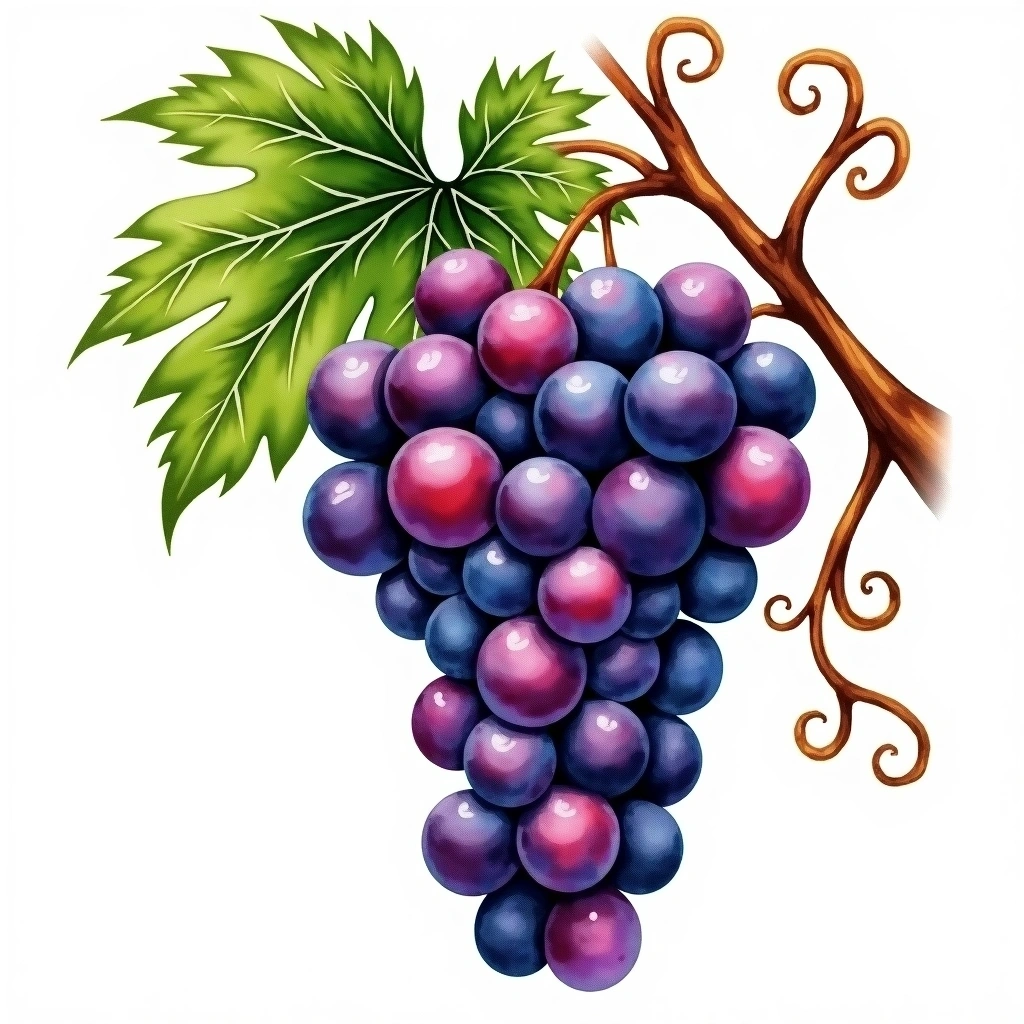 Cabernet Sauvignon
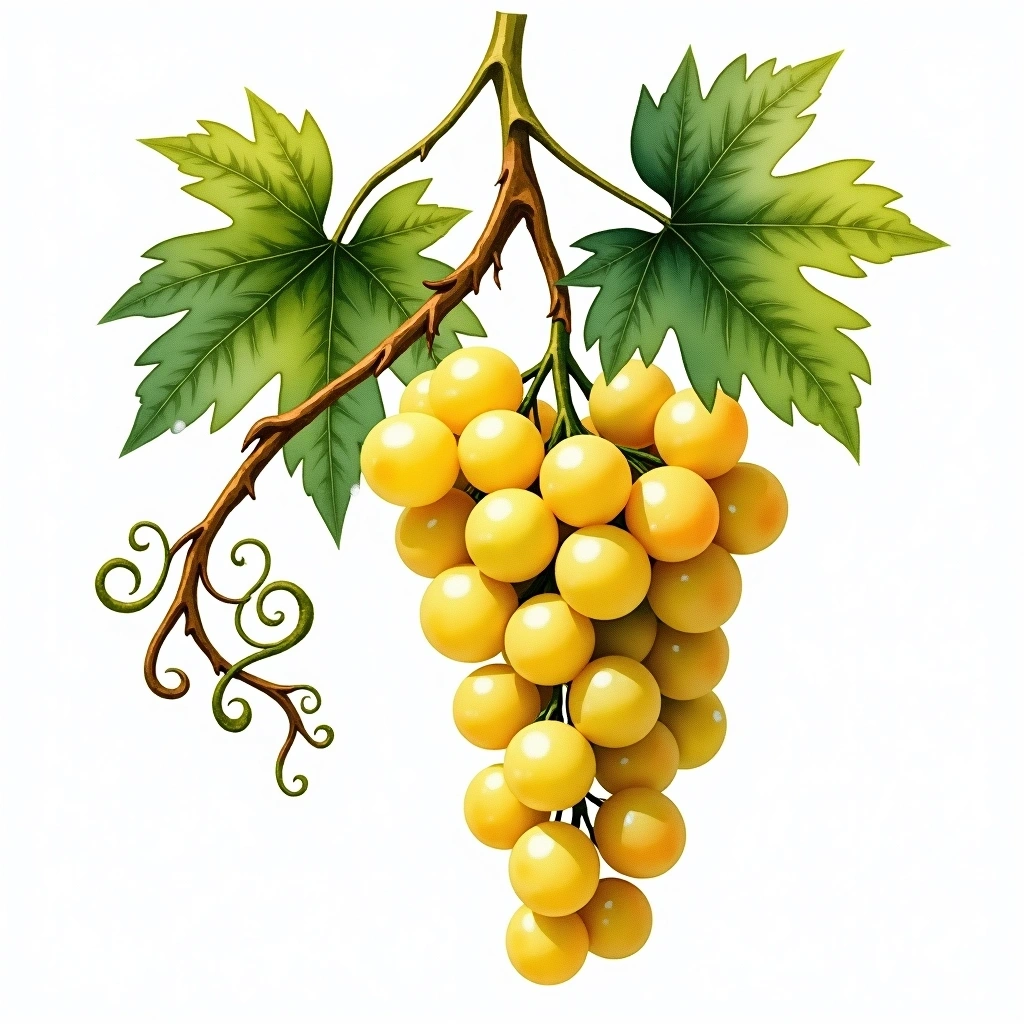 Chardonnay
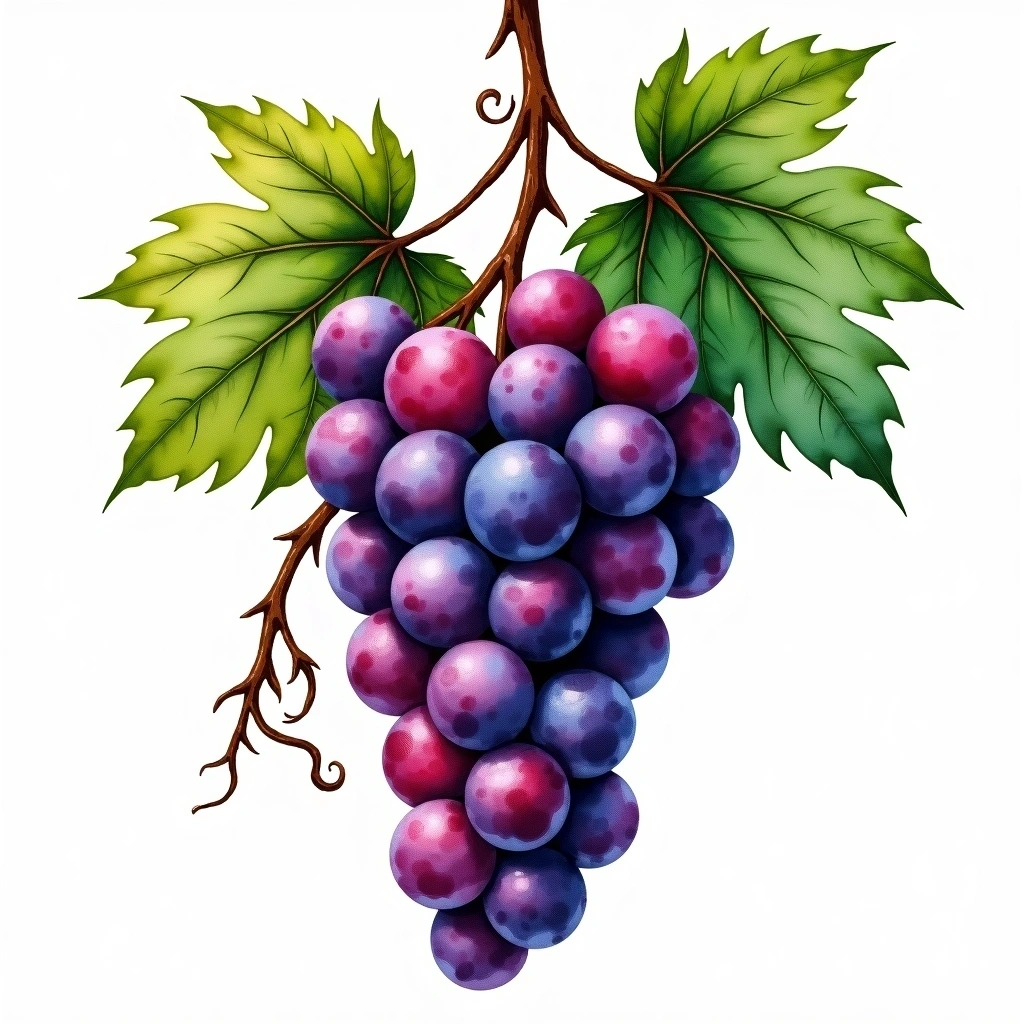 Malbec
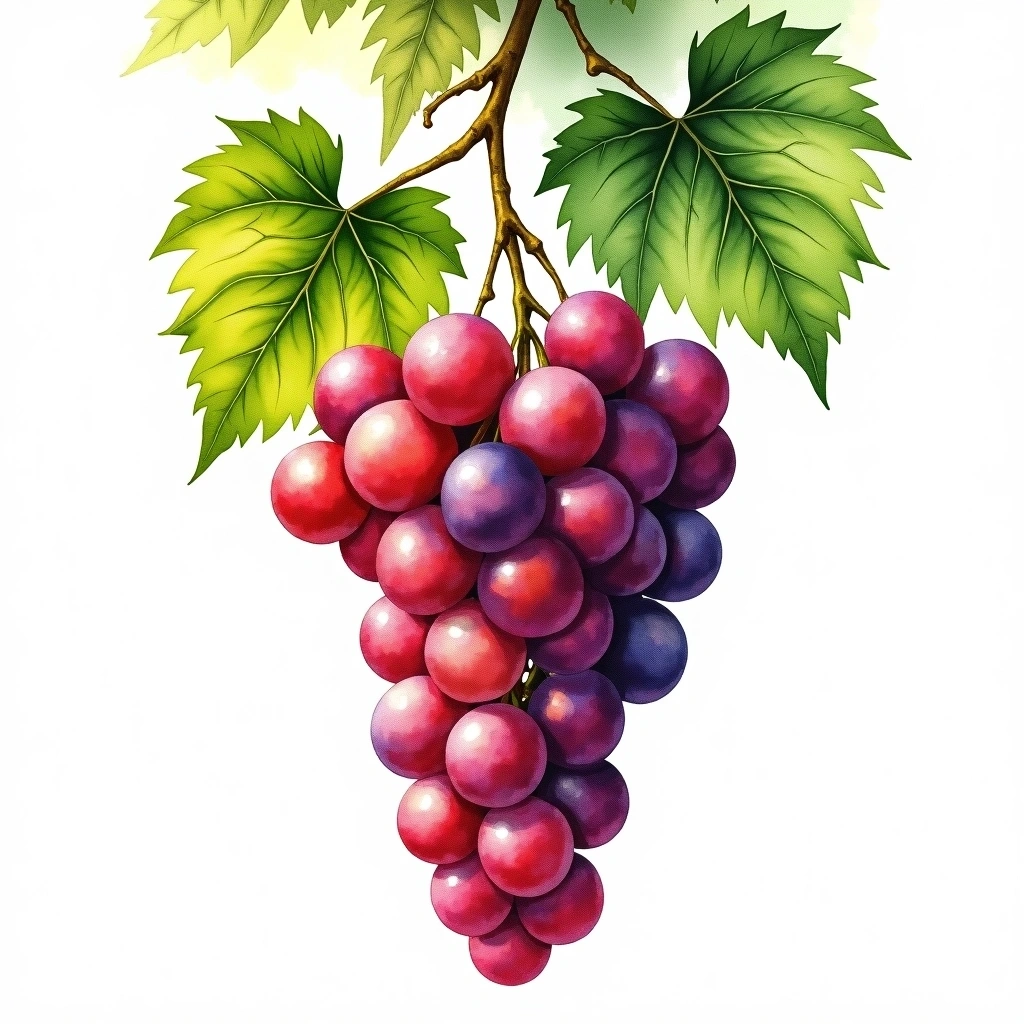 Nebbiolo
 Pinot Noir
 Riesling
 Sauvignon Blanc
 Tempranillo
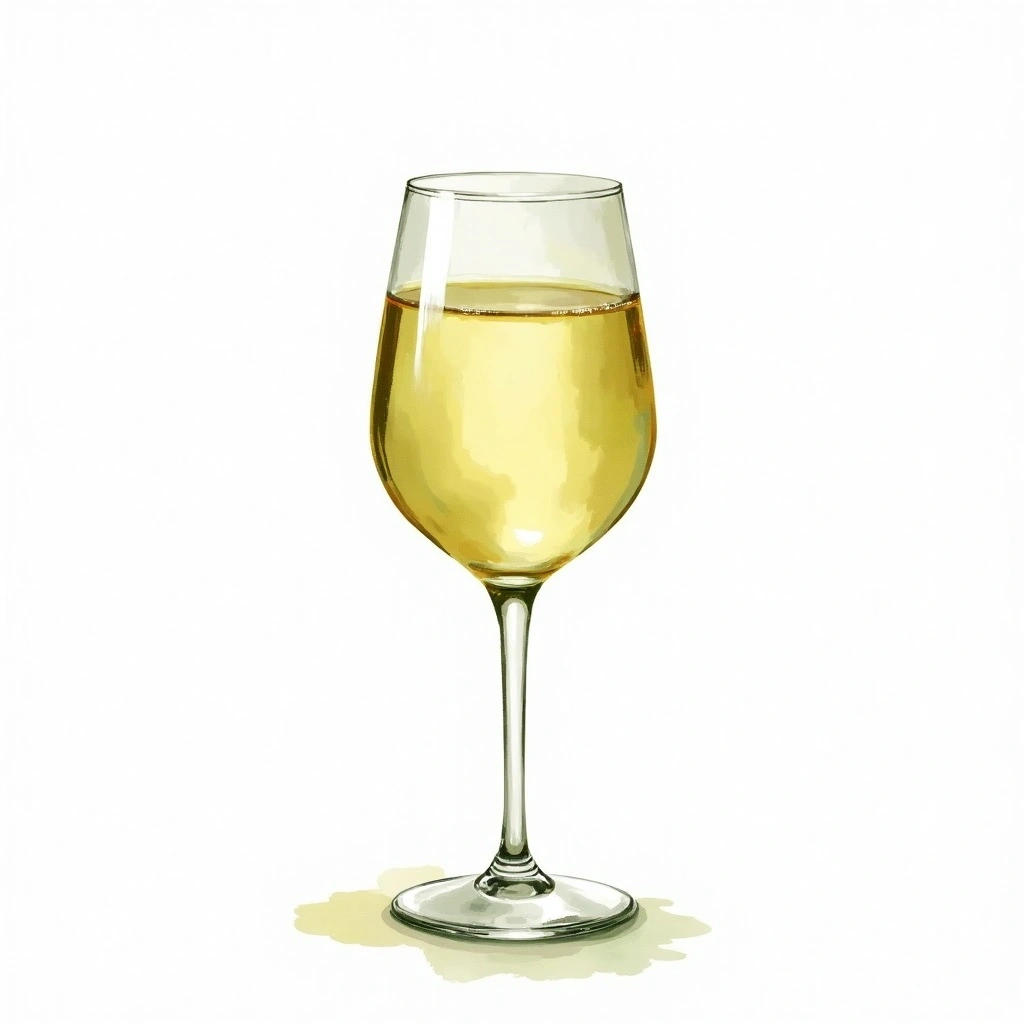 Aromatic White
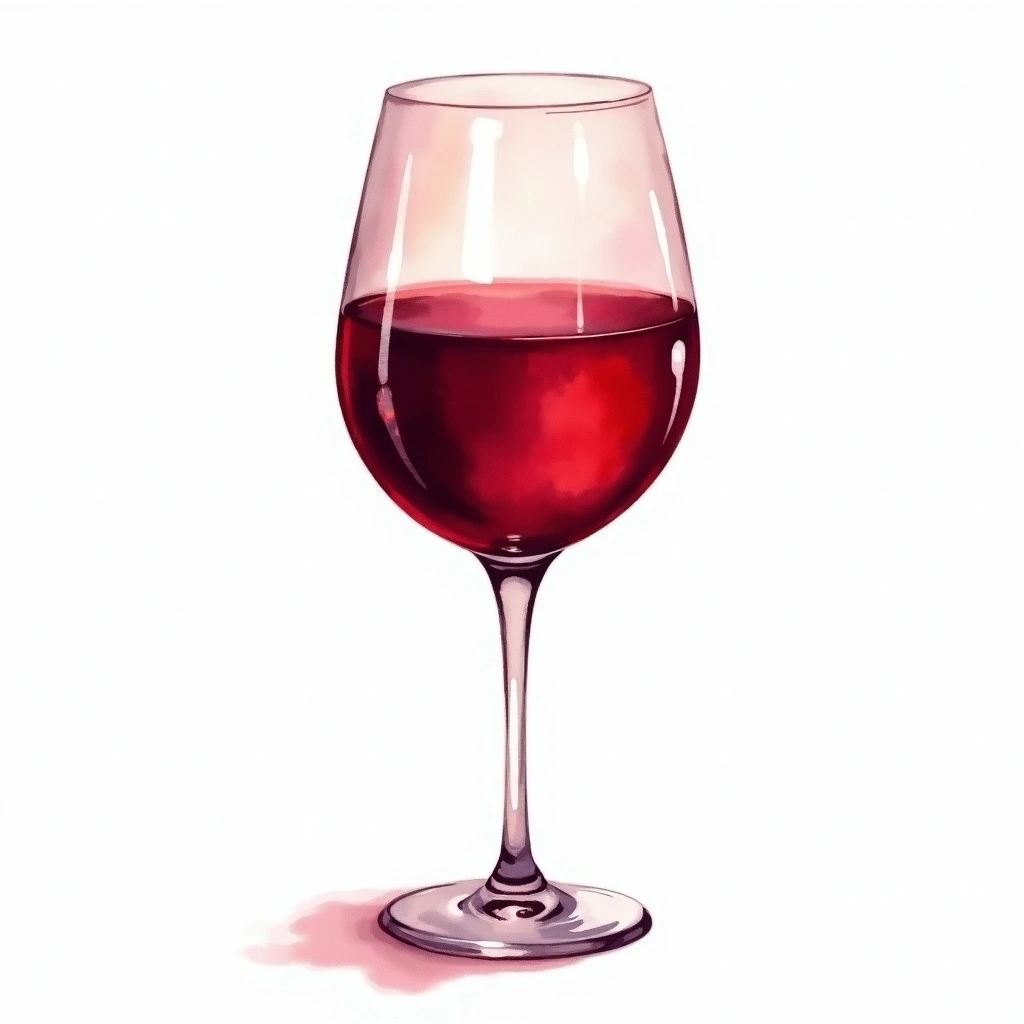 Bold Red
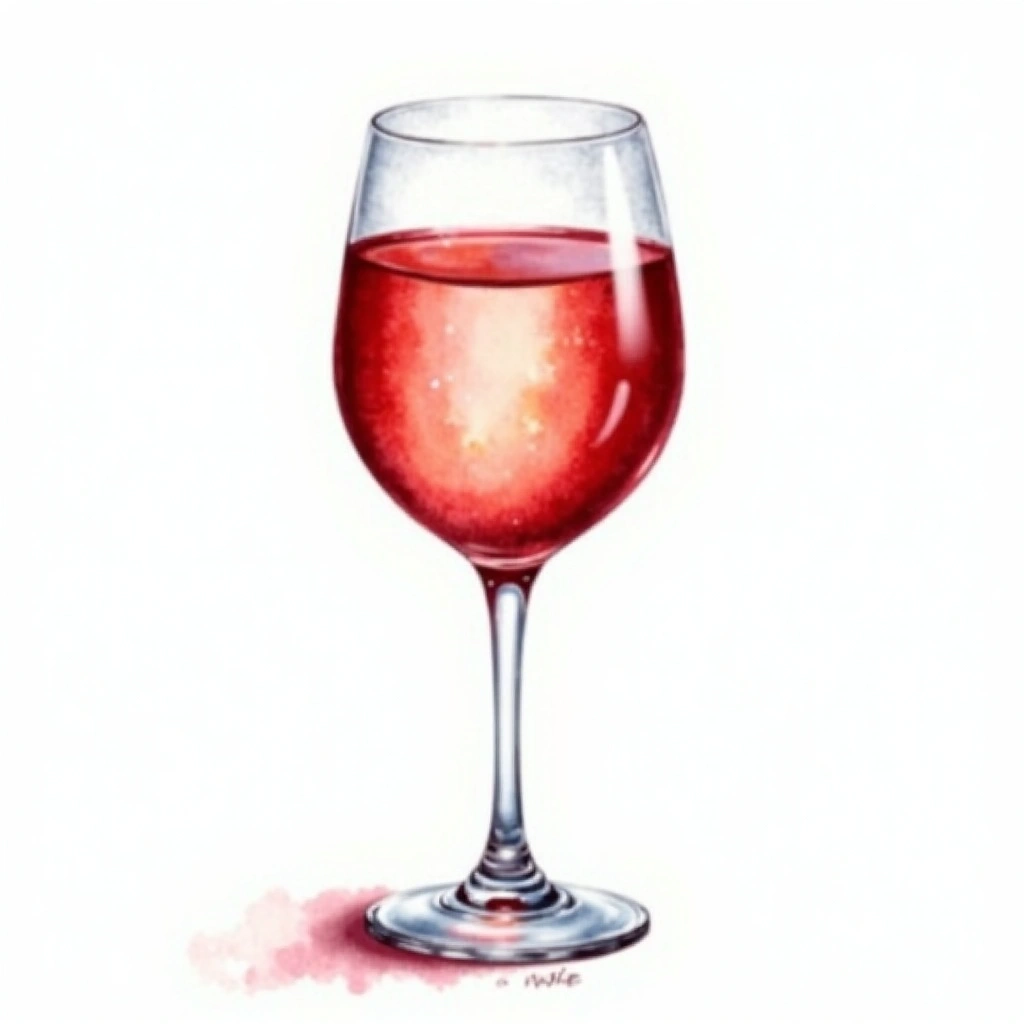 Crisp White
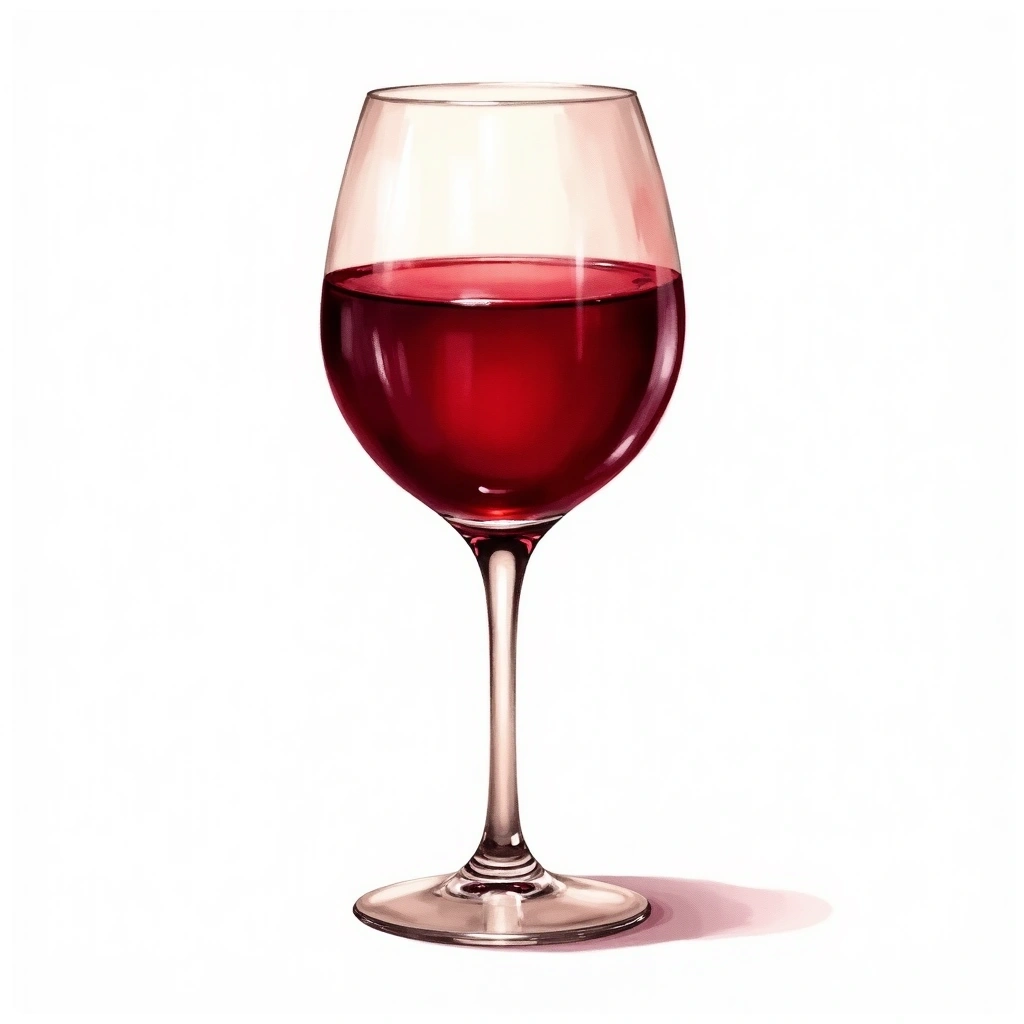 Elegant Red
 Light Red
 Medium Red