The History of Champagne: From Still to Sparkling
Champagne's evolution from a troublesome still wine into the world's most celebrated sparkling beverage spans three centuries of innovation, commercial genius, and royal patronage — a story as effervescent as the wine itself.
The Paradox of Champagne's Origin
Champagne — the most festive, the most celebratory, the most luxury-coded wine in the world — was, for most of its history, an embarrassment. The northerly Champagne region produced wines that, by the standards of seventeenth-century France, were second-rate: too pale, too light, too acidic to compete with the great red wines of Burgundy. Worse, they had an infuriating tendency to re-ferment in the bottle during spring, generating gas that burst the corks, shattered the bottles, and occasionally maimed the cellar workers who had the misfortune to be nearby.
The transformation of this problematic pale wine into the world's most coveted luxury beverage is one of the most remarkable commercial and technical stories in wine history. It required the contributions of monastic scientists, English glass manufacturers, aristocratic patrons, ambitious merchant houses, and eventually the royal courts of Europe. The story spans three centuries and involves far more complexity — and controversy — than the legend of Dom Pérignon and his famous cry of "Come quickly, I am drinking stars" (a phrase that, incidentally, he almost certainly never said).
The Problem with Champagne Wine
To understand what made Champagne's transformation remarkable, we must first understand what Champagne was before it became Champagne. The region's vineyards, centered around the city of Reims and the valley of the Marne, had been producing wine since at least the Roman period, and the wines of Champagne were well regarded through the medieval period — particularly the light reds produced around Reims, which had the advantage of proximity to the great cathedral where French kings were crowned. Royal patronage brought prestige, and Champagne wines were served at coronations for centuries.
But quality was inconsistent and the wines faced a structural problem. The cool northerly climate meant that harvests were frequently late and Fermentation was often incomplete when cold weather halted the yeast. Wines sealed in barrels through the winter would re-start fermentation when spring arrived and temperatures rose. In barrels, the CO₂ produced simply escaped harmlessly. But when winemakers began putting wine into bottles in the late seventeenth century — particularly for shipping to the English market, which preferred bottled wine — the CO₂ was trapped. Pressure built. Bottles exploded.
The explosion rate in early Champagne cellars was sometimes 20%, 30%, or even higher. The economics were disastrous and the physical dangers were real: thick leather masks and iron cages to protect the face were standard cellar equipment in eighteenth-century Champagne. Ironically, this "problem" wine was precisely what would make Champagne's fortune.
The English Connection
The English were among the first to regard the bubbles in Champagne not as a defect but as a feature. English taste in the late seventeenth century ran to wines that were lively, refreshing, and distinctive. The English also had access to coal-fired furnaces that could produce glass of a strength and thickness unavailable in France, where wood-fired glass-making produced more fragile bottles. English glass could contain the pressure of re-fermented wine; French glass could not as reliably.
Christopher Merret, a British scientist, described the deliberate production of sparkling wine in a paper presented to the Royal Society in 1662 — predating Dom Pérignon's work at Hautvillers by several years. Merret noted that English wine merchants were adding sugar to wines just before bottling them to stimulate a secondary fermentation, producing bubbles in the bottle. This practice — the fundamental principle of what we now call Méthode Traditionnelle — appears to have been developed in England, not France.
This English connection matters because it complicates the French narrative of Champagne's invention. What the French contributed — and it was an enormous contribution — was the refinement of the process, the development of specific techniques for managing the secondary fermentation, removing the spent yeast (riddling and disgorging), and creating wines of sufficient quality and consistency to support a luxury market. But the initial conceptual leap — that a secondary fermentation in a strong bottle could be controlled and commercialized rather than merely endured — may have an English origin.
Dom Pérignon: Legend and Reality
Pierre Pérignon entered the Benedictine Abbey of Hautvillers as cellar master in 1668 and served in that role until his death in 1715. He was, by all contemporary accounts, a winemaker of exceptional skill, and his contributions to Champagne's development were real and substantial. But they were different from the legend that nineteenth-century marketing created around him.
What Dom Pérignon actually did, according to historical evidence, was twofold. First, he was a master of assemblage — the art of blending wines from different vineyards and sometimes different grape varieties to achieve a consistent, balanced house style that transcended the variability of any single site. This art of blending, which he elevated to a systematic practice at Hautvillers, remains the defining skill of the great Champagne houses.
Second, Dom Pérignon worked to produce Champagne as a pale, refined wine of quality, selecting Pinot Noir carefully for its ability to produce light-colored juice, pressing gently to extract as little pigment as possible, and managing Fermentation to produce clean, precise flavors. He was not, as legend has it, trying to create sparkling wine — he was largely trying to prevent it, regarding the secondary fermentation as a defect that wasted wine. What he bequeathed to Champagne was not the bubbles but the quality of the base wine that the bubbles would eventually celebrate.
The Rise of the Grandes Maisons
The commercial genius that transformed Champagne into an international luxury brand was not monastic — it was mercantile. The great Champagne houses — the négociant-manipulants who purchase grapes from hundreds of individual growers, blend them into consistent house styles, and market the results globally — emerged in the eighteenth century and have dominated Champagne's identity ever since.
Ruinart, founded in 1729, is generally recognized as the first great Champagne house. Moët, founded in 1743, grew into what is today Moët & Chandon, part of the LVMH luxury group. Veuve Clicquot, whose widow Nicole-Barbe Clicquot-Ponsardin took over the house in 1805 and transformed it into one of the greatest Champagne brands in the world, is associated with the invention of riddling (remuage) — the process of gradually tilting bottles and rotating them daily over several weeks to concentrate the spent yeast into the neck of the bottle so that it could be removed cleanly. This innovation made the production of clear, brilliant Champagne practicable on a commercial scale.
The riddling rack (pupitre), traditionally operated by skilled riddlers who could turn 40,000 bottles a day, has been replaced in most large houses by the gyropalette — a mechanical cage that rotates bottles automatically. But the principle Clicquot's cellar master developed in the early nineteenth century remains unchanged.
Royal Patronage and International Markets
Champagne's rise to status as the world's premier luxury wine was inseparable from royal and aristocratic patronage. The French court under Louis XIV was an early enthusiast, and the coronation tradition that associated Champagne wine with Reims extended naturally to an association between Champagne wine and royal celebration. By the eighteenth century, Champagne had become the wine of celebration across the European aristocracy, its effervescence a symbol of joy, luxury, and the special occasion.
The Russian market was particularly important in the nineteenth century. Tsar Alexander II's fondness for a very sweet Champagne style led Veuve Clicquot to develop wines of extreme richness and dosage for the Russian court. The house of Louis Roederer produced Cristal — still one of the most prestigious cuvées in Champagne — originally as a custom wine for Tsar Alexander II, served in a clear crystal bottle (rather than the standard dark glass) so that the Tsar's security detail could verify that no poison had been added.
The British aristocracy and the expanding commercial bourgeoisie of the nineteenth century were equally important markets. British taste, generally preferring drier styles than the Russian court, drove Champagne houses to develop the Brut style — wines with minimal residual sugar — that is now the dominant Champagne style worldwide. The first commercially released Brut Champagne is generally attributed to Perrier-Jouët in 1846.
The Appellation System and Modern Champagne
The twentieth century brought two transformative developments for Champagne: the creation of a formal Appellation system that legally defined the region and its production methods, and the democratization of Champagne access that moved it from a purely aristocratic drink to an aspirational consumer product.
The AOC system established for Champagne in 1936 (with subsequent revisions) codified what had previously been governed by custom and commerce: the precise boundaries of the Champagne region, the permitted grape varieties (Chardonnay, Pinot Noir, and Pinot Meunier as the primary three), minimum aging requirements, maximum yields, and the Méthode Traditionnelle as the mandated production method. This legal framework protected Champagne's geographic identity and established enforceable quality standards.
The Cru classification system — dividing villages into Premier Cru and Grand Cru categories based on historical price structures — created a hierarchy of quality within the region that parallels, at least loosely, Burgundy's own classification system. Grand Cru villages, including Aÿ, Cramant, and Le Mesnil-sur-Oger, command premium prices for their grapes and are the source of the finest Prestige Cuvées.
The Non-Vintage Blend: Champagne's Greatest Achievement
The creation of a consistent, recognizable house style year after year — the non-vintage (NV) Champagne — is perhaps the most demanding and most underappreciated achievement in winemaking. While single-variety, single-vintage wines express the character of a specific year and place, the NV blend must transcend both: it must taste like Krug, or Bollinger, or Laurent-Perrier, regardless of whether the base vintage was warm or cool, regardless of the proportion of reserve wines required to achieve balance, and regardless of the inevitably varying character of grapes from the hundreds of grower relationships that supply the major houses.
The technical demands of this consistency are immense. Chef de cave — the head winemaker of a Champagne house — typically tastes hundreds of individual vins clairs (base wines from different vineyards, grape varieties, and vintages) before assembling the final blend. Reserve wines aged in magnums or tanks for multiple years add complexity and consistency. The art of assemblage at this level is a form of olfactory and gustatory memory that takes decades to develop and is the accumulated expertise of generations of winemakers within each house.
This blending tradition — and the house styles it expresses — is a form of cultural heritage as significant as any single vineyard's Terroir. The specific taste of Pol Roger non-vintage, the particular signature of Billecart-Salmon rosé, the austere mineral tension of Salon — these are not natural givens but human creations, maintained across the generations and subject to constant calibration and renewal.
Champagne Today: Tradition and Innovation
Contemporary Champagne is navigating a fascinating tension between its tradition of blended, Négociant-dominated production and a growing movement of small grower-producers (Récoltant-Manipulants or RMs) who champion terroir-expressive, single-village or single-vineyard wines. This grower Champagne movement — sometimes called the "Burgundization" of Champagne — challenges the hegemony of the great houses by arguing that the specific character of individual sites, soils, and growers deserves expression rather than being dissolved into a house blend.
The grower movement has created a new layer of Champagne culture, attracting wine lovers who seek the specificity and artisanal scale of grower production: wines like Anselme Selosse's oxidative, terroir-driven Champagnes from Avize, or the single-parcel expressions from houses like Jacques Selosse, Ulysse Collin, and Roses de Jeanne. These wines — often more expensive than all but the finest grande marque prestige cuvées — represent the avant-garde of Champagne production and have had a disproportionate influence on how the wine trade and enthusiasts think about the region's identity.
Climate change is simultaneously transforming Champagne's viticultural landscape. Warmer summers are producing riper, higher-alcohol base wines, shifting the character of non-vintage Champagne away from the green, austere profile that was historically typical. Some producers welcome this change; others are alarmed that it risks undermining the distinctive freshness that has always been Champagne's most prized quality. The houses are responding by adjusting their reserve wine programs, exploring earlier picking, and revisiting the role of Meunier — a variety that retains freshness better than Chardonnay or Pinot Noir in warm vintages.
What is certain is that Champagne — the wine that began as an accident, was shaped by monks and merchants, celebrated kings and victories, and became the global symbol of celebration — retains its unique position in the wine world. No other wine carries the same symbolic freight, no other Appellation commands the same premium, and no other wine is as immediately associated with the moments of greatest joy in human life.
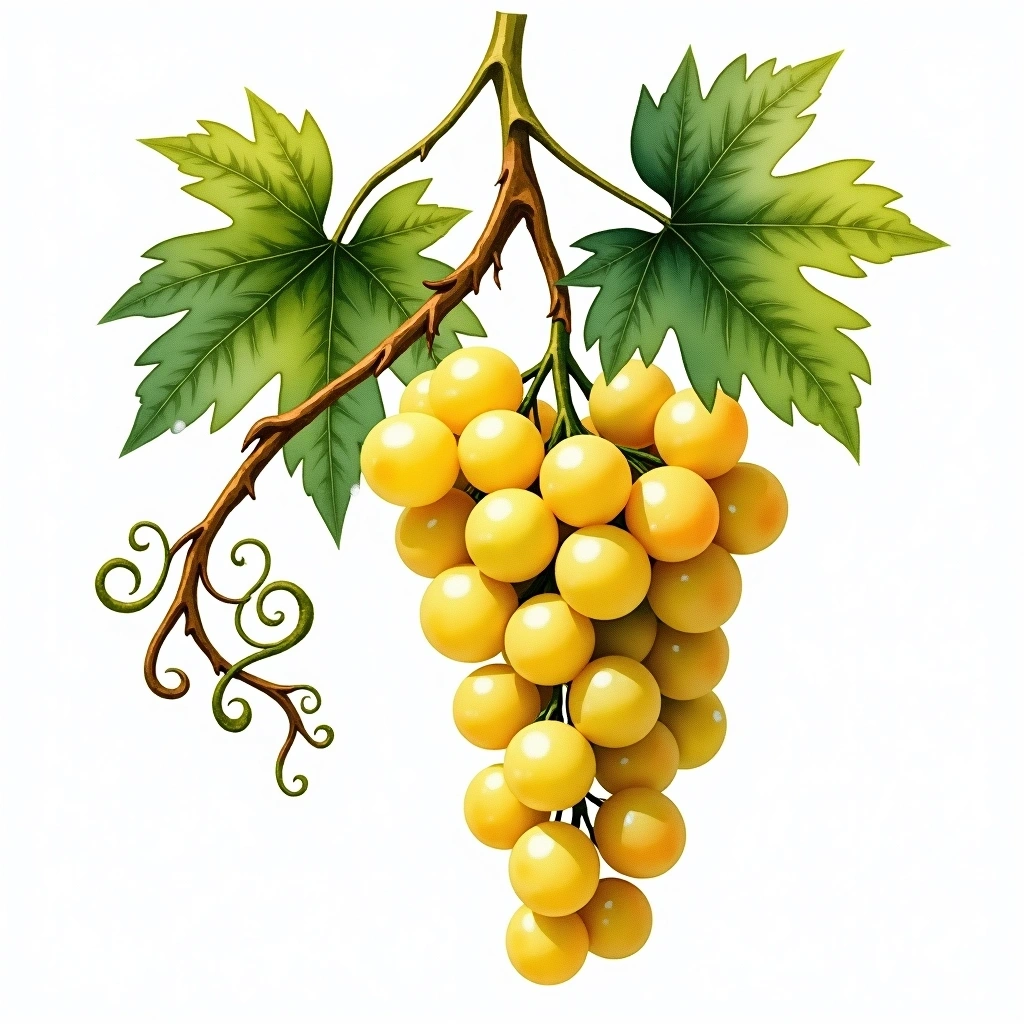 Chardonnay
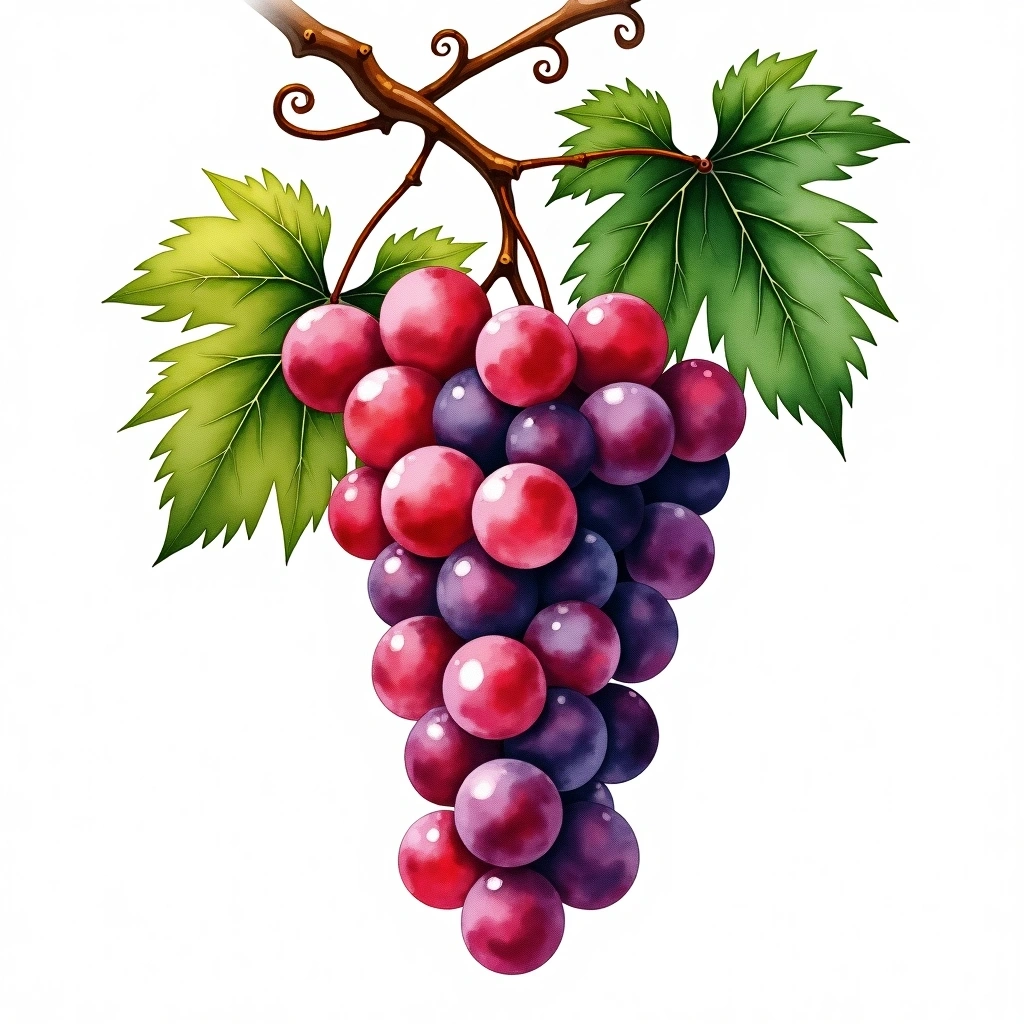 Pinot Noir
 Rich White
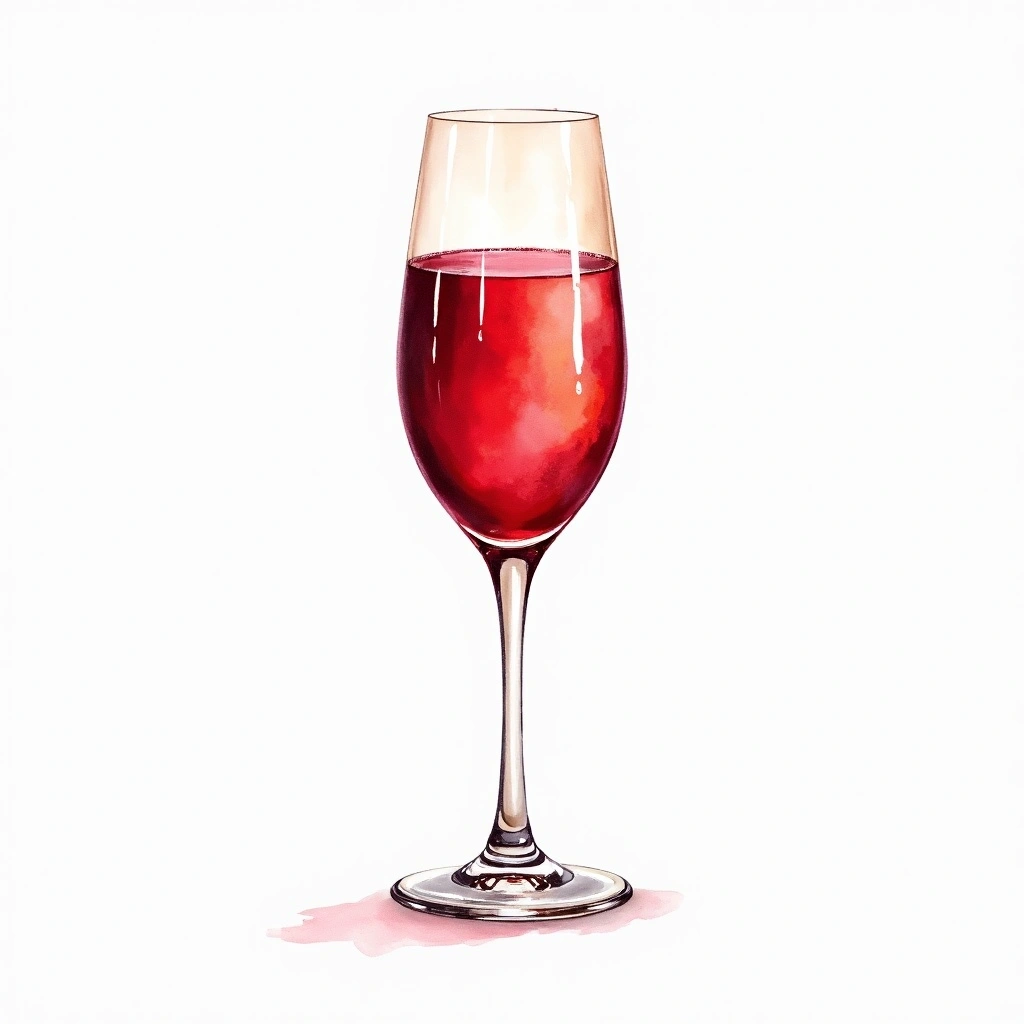 Traditional Method Sparkling