What Is Wine? A Complete Introduction
A comprehensive introduction to wine covering what it is, how it is made, and why it has been central to human culture for thousands of years.
What Exactly Is Wine?
At its simplest, wine is fermented grape juice. Yeast consumes the natural sugars in ripe grapes and converts them into alcohol and carbon dioxide through a process called Fermentation. That single biochemical reaction is the foundation of every bottle you will ever open, from a $10 weeknight pour to a $5,000 collector's trophy.
But calling wine "fermented grape juice" is a bit like calling a painting "pigment on canvas." The raw description is accurate yet entirely misses the point. Wine is shaped by grape variety, climate, soil, the winemaker's decisions, and time itself. These factors combine to produce an almost infinite range of flavors, aromas, textures, and colors.
Grapes, Not Grain
Wine differs from beer and spirits in one critical way: the raw material. Beer starts with grain (barley, wheat), spirits start with various fermentable sources, but wine begins with fresh grapes — specifically, varieties of Vitis vinifera, the European wine grape species that has been cultivated for roughly 8,000 years. Thousands of grape varieties exist, though a few dozen dominate global production. You have almost certainly tasted wines made from Cabernet Sauvignon, Chardonnay, or Pinot Noir, even if you did not know it at the time.
How Wine Is Made: The Short Version
Winemaking is both straightforward and endlessly complex. Here is the process in five steps.
1. Growing and Harvesting
Grapes grow on vines throughout a season that starts with bud break in spring and ends with harvest in late summer or autumn. The specific plot of land where grapes grow — its soil, altitude, drainage, and microclimate — is called Terroir, a concept that French winemakers consider the soul of any wine. When the winemaker decides the grapes have reached the right balance of sugar, Acidity, and flavor development, the harvest begins.
2. Crushing and Pressing
Harvested grapes are crushed to release their juice. For white wines, the juice is quickly separated from the skins. For red wines, the juice stays in contact with the skins during Fermentation — this is where red wine gets its color, Tannin, and much of its flavor. The skin-contact process is known as Maceration.
3. Fermentation
Yeast (either wild strains already present on the grape skins or commercially cultured strains added by the winemaker) converts grape sugars into alcohol. This can take anywhere from a few days to several weeks. Temperature control during fermentation influences whether the wine retains fresh fruit character or develops richer, more complex flavors.
4. Aging
After fermentation, wine may be aged in stainless steel tanks (preserving freshness), oak barrels (adding vanilla, spice, and texture), or concrete vessels. Aging can last from a few months to several years. Not every wine benefits from extended aging — most wines in the world are designed to be enjoyed within a year or two of release.
5. Bottling
The finished wine is filtered (or left unfiltered, depending on the winemaker's philosophy), bottled, and sealed with a cork or screw cap. Some wines continue to evolve in the bottle for decades.
The Major Types of Wine
Wine is traditionally divided into five broad categories.
Still Wines
These are non-sparkling wines and account for the vast majority of global production.
- Red wine — Made from dark-skinned grapes with extended skin contact. Ranges from Light Red styles like Beaujolais to Bold Red wines like Napa Cabernet Sauvignon.
- White wine — Made from green- or yellow-skinned grapes (or from dark-skinned grapes with minimal skin contact). Spans from Crisp White Sauvignon Blanc to Rich White oaked Chardonnay.
- Rosé wine — Made from dark-skinned grapes with limited skin contact, producing a pink hue. Rosé can be bone-dry (Dry Rosé) or slightly sweet.
Sparkling Wines
Wines with significant carbonation. Champagne from the Champagne region is the most famous example, made using the Traditional Method Sparkling process. Other sparkling wines include Prosecco (Charmat Method Sparkling), Cava, and Pet Nat.
Fortified Wines
Wines to which a distilled spirit (usually grape brandy) has been added, raising the alcohol level to 15–22%. Port from the Douro valley and Sherry from southern Spain are classic examples.
Dessert Wines
Sweet wines served with or as dessert. Sweetness can come from late-harvested grapes, dried grapes, or grapes affected by "noble rot." German Riesling late-harvest wines and Hungarian Tokaji are renowned dessert wines.
Why Do Wines Taste Different?
Three broad factors determine how a wine tastes.
1. Grape Variety
Each grape has a genetic fingerprint that predisposes it toward certain flavors. Cabernet Sauvignon tends toward blackcurrant and cedar. Pinot Noir leans toward cherry and earth. Chardonnay can range from green apple to tropical fruit depending on where it is grown. A wine labeled by grape — such as "Merlot" or "Riesling" — is called a Varietal wine.
2. Climate and Geography
The same grape grown in two different places produces noticeably different wines. Pinot Noir from cool-climate Burgundy tastes markedly different from Pinot Noir grown in warmer parts of California. Temperature, sunlight hours, rainfall, and altitude all leave their mark.
3. Winemaking Decisions
The winemaker controls fermentation temperature, yeast selection, aging vessel, aging duration, blending, and dozens of other variables. Two winemakers given identical grapes from the same vineyard will make different wines. This human element is part of what makes wine endlessly interesting.
A Brief History
Archaeological evidence places the earliest known winemaking in the South Caucasus (modern Georgia) around 6000 BCE. From there, wine culture spread to Mesopotamia, Egypt, Greece, and Rome. The Romans planted vineyards across their empire — many of today's famous European wine regions, including Bordeaux and the Mosel, trace their origins to Roman plantings.
Monasteries preserved winemaking knowledge through the Middle Ages. The 17th and 18th centuries brought the glass bottle and cork, making it possible to age and transport wine reliably. The 19th century nearly destroyed European viticulture when the phylloxera pest devastated vineyards across the continent, but the crisis was overcome by grafting European vines onto resistant American rootstock.
The 20th century saw the rise of New World wine regions — Napa Valley, Barossa Valley, Mendoza, Marlborough — that challenged European dominance and introduced wine to millions of new drinkers.
Wine by the Numbers
A few statistics help put wine in perspective:
- Producing countries: Over 60 countries produce wine commercially, from traditional powerhouses like France, Italy, and Spain to newer producers like China, India, and Brazil.
- Grape varieties: Scientists have cataloged more than 10,000 grape varieties of Vitis vinifera, though fewer than 100 account for the overwhelming majority of plantings.
- Global production: The world produces roughly 250-280 million hectoliters of wine annually — enough to fill over 35 billion bottles.
- Consumption: The average French person drinks approximately 40 liters of wine per year. The average American drinks about 12 liters. Both numbers have been relatively stable for the past decade.
Despite its ancient origins, wine remains a vibrant, evolving industry. New regions are emerging (England is now producing world-class sparkling wine), old varieties are being rediscovered, and winemaking techniques continue to advance.
Common Wine Myths
Before you go further, it is worth clearing up a few persistent myths.
"Expensive wine is always better." Not true. Price reflects many factors — land costs, production volume, marketing, brand prestige — that have little to do with what is in the glass. Excellent wines exist at every price point, and some of the most overpriced bottles in the world are mediocre.
"Older wine is better." The vast majority of wine is designed to be consumed within one to three years of release. Only a small fraction — perhaps 5-10% of all wine produced — improves meaningfully with extended aging.
"Screw caps mean cheap wine." Screw caps are increasingly used on premium wines, especially in Australia and New Zealand, because they eliminate cork taint and provide a more reliable seal. The closure says nothing about quality.
"Red wine must be served at room temperature." This guideline predates central heating. "Room temperature" originally meant 15-17 C in an unheated European stone building. At a modern 22 C, most reds taste better with a few minutes in the refrigerator.
"You need to understand wine to enjoy it." You do not. Wine can be appreciated at any level of knowledge. But learning about wine tends to increase the pleasure you get from each glass, which is why you are reading this guide.
Getting Started
If you are new to wine, the best advice is straightforward: drink widely, take notes, and pay attention to what you like. You do not need to memorize maps or master pronunciation guides before you can appreciate a good glass of wine. Start with a few benchmark grapes — Cabernet Sauvignon for bold reds, Pinot Noir for lighter reds, Chardonnay for full whites, Sauvignon Blanc for crisp whites, and Riesling for aromatic whites — and branch out from there.
Wine is one of the few products in the world that can teach you geography, history, agriculture, chemistry, and culture all at once. Every bottle has a story. Learning to read that story is what wine education is all about.
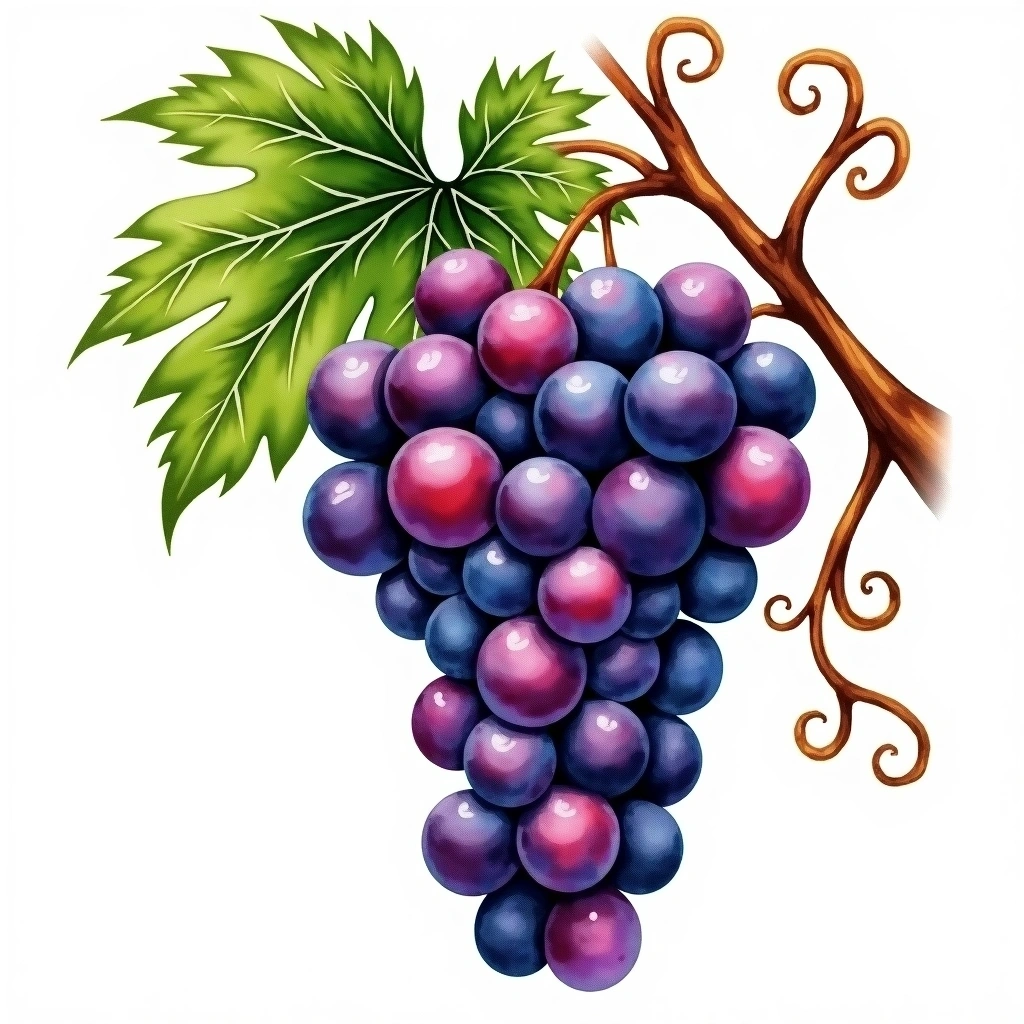 Cabernet Sauvignon
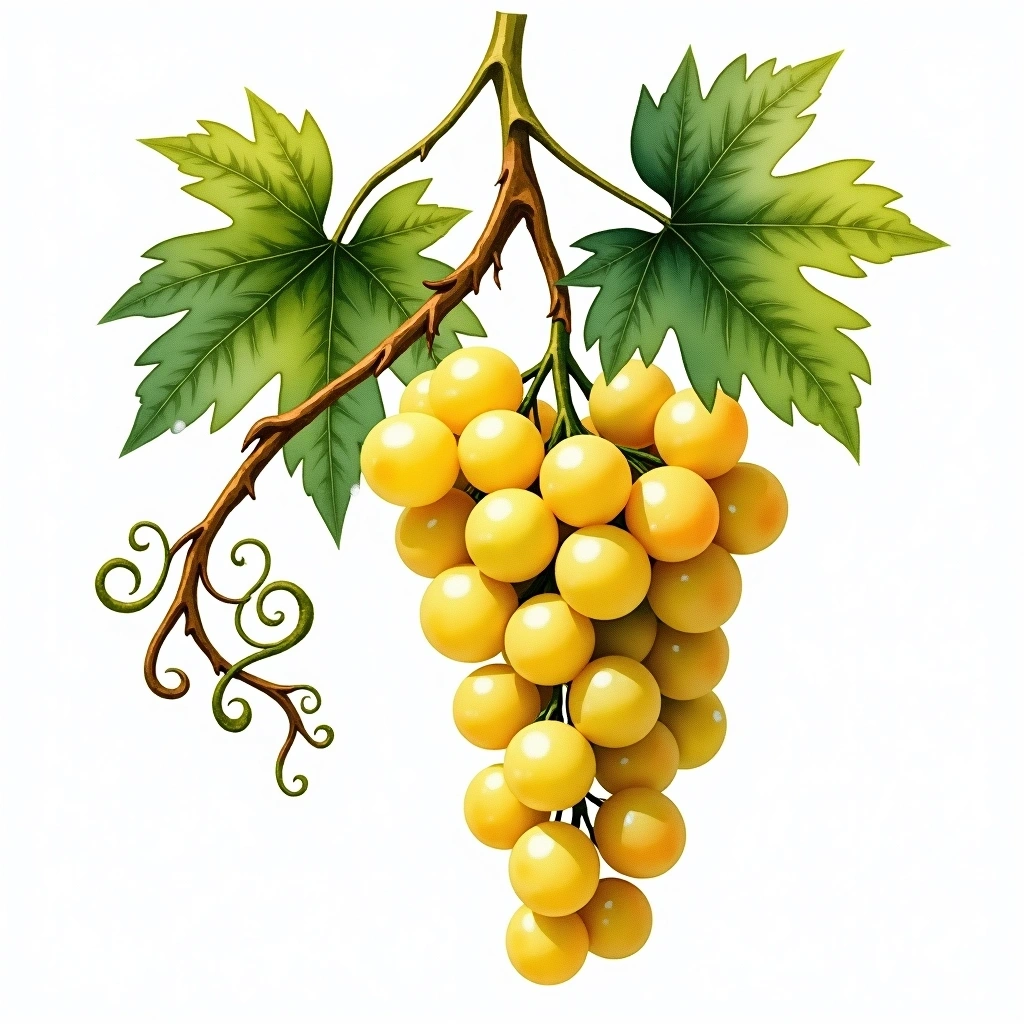 Chardonnay
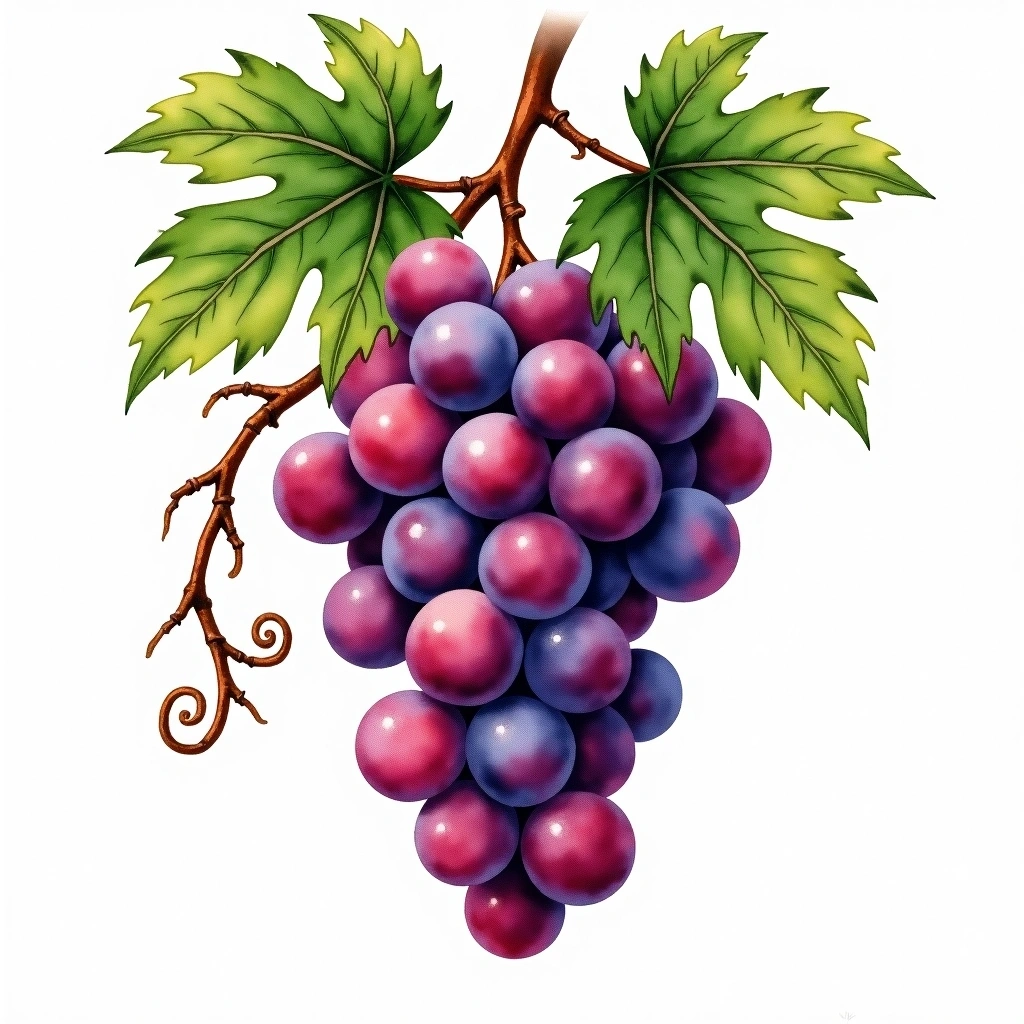 Merlot
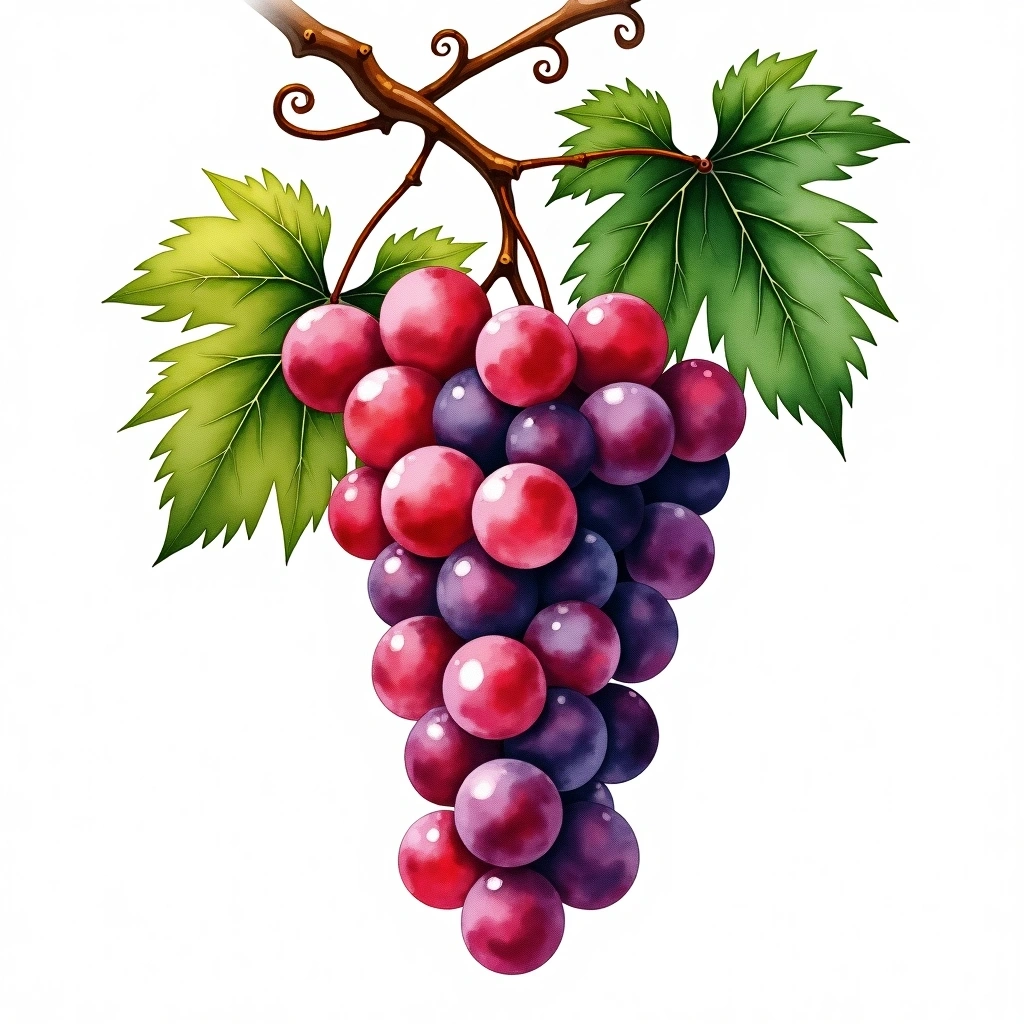 Pinot Noir
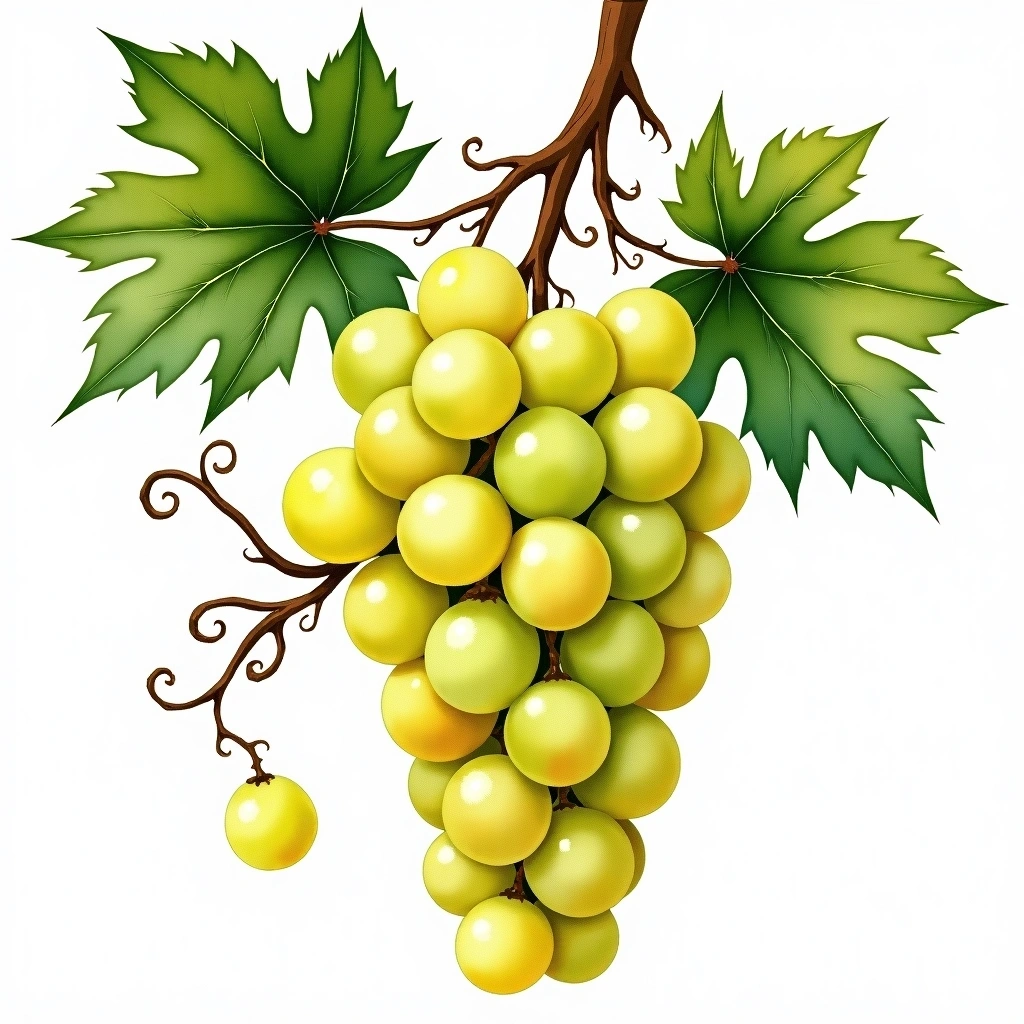 Riesling
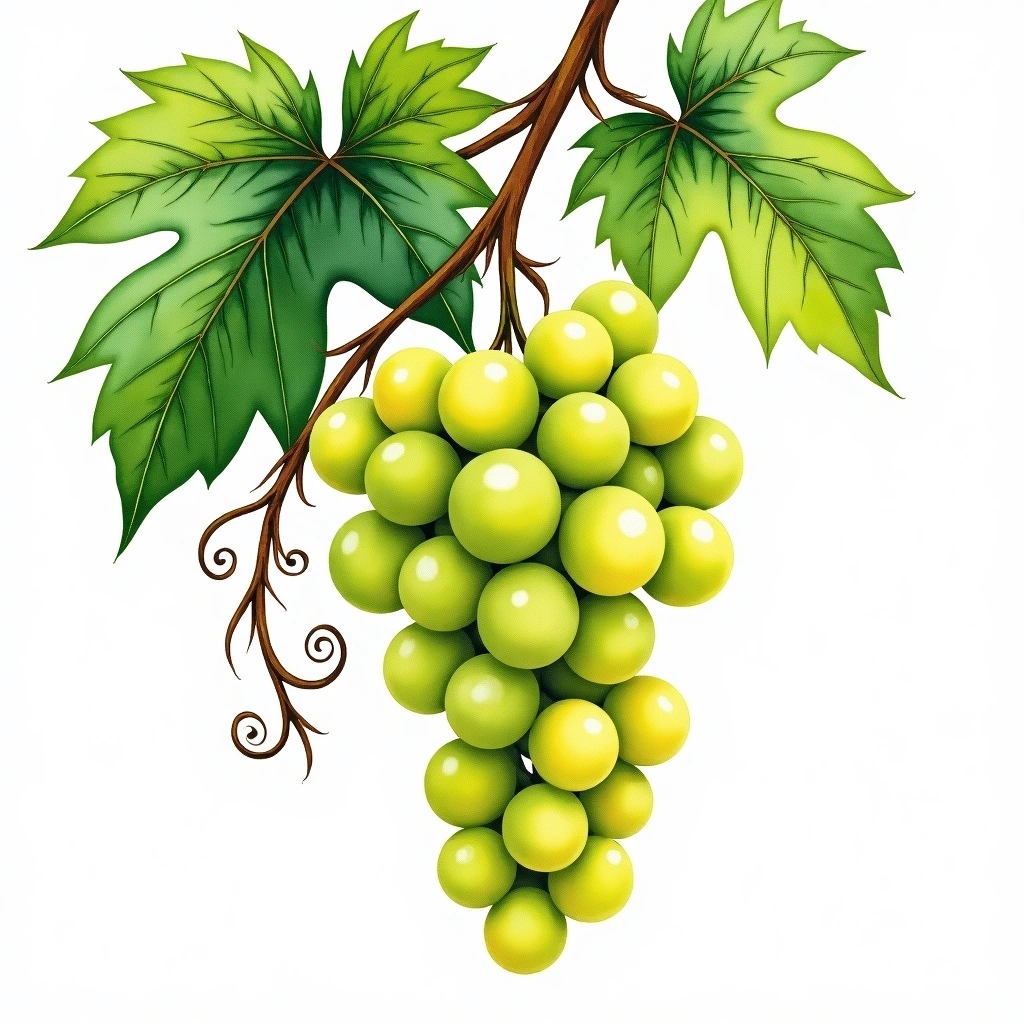 Sauvignon Blanc
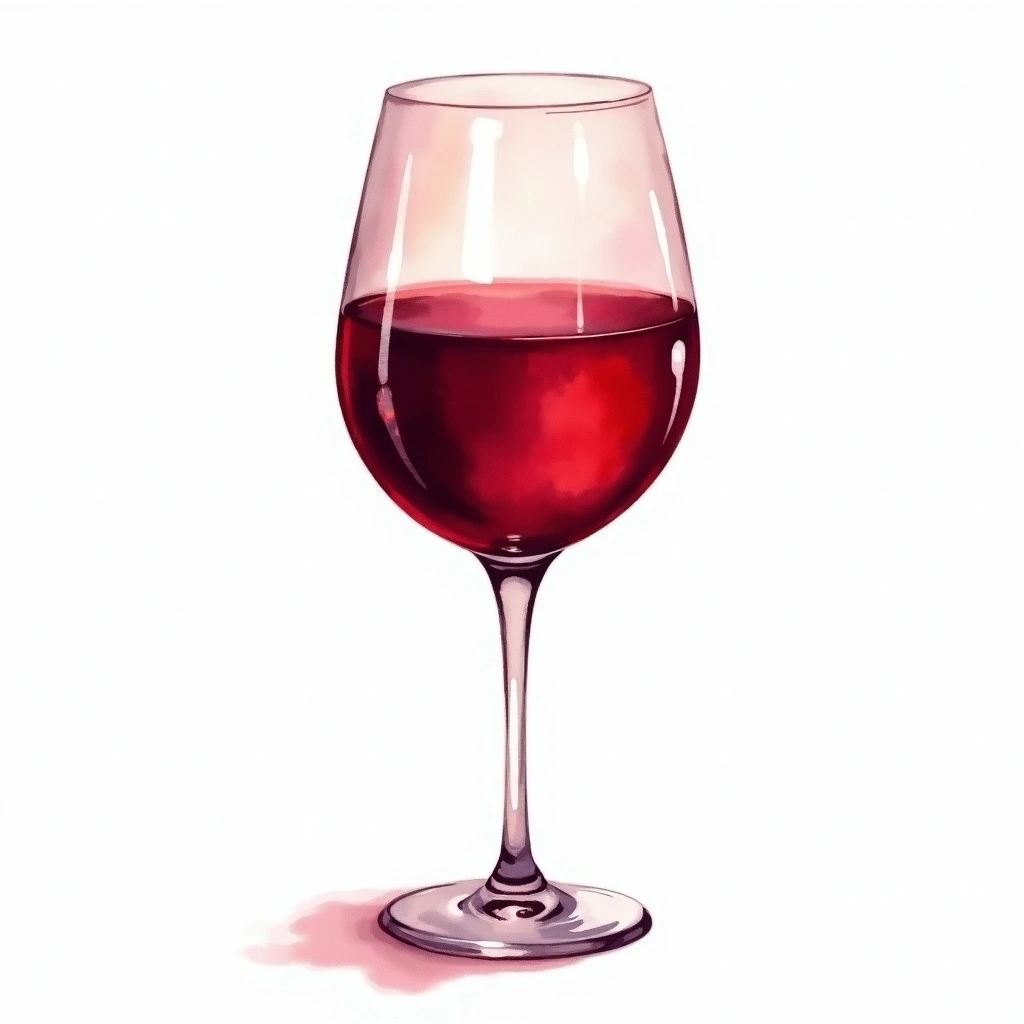 Bold Red
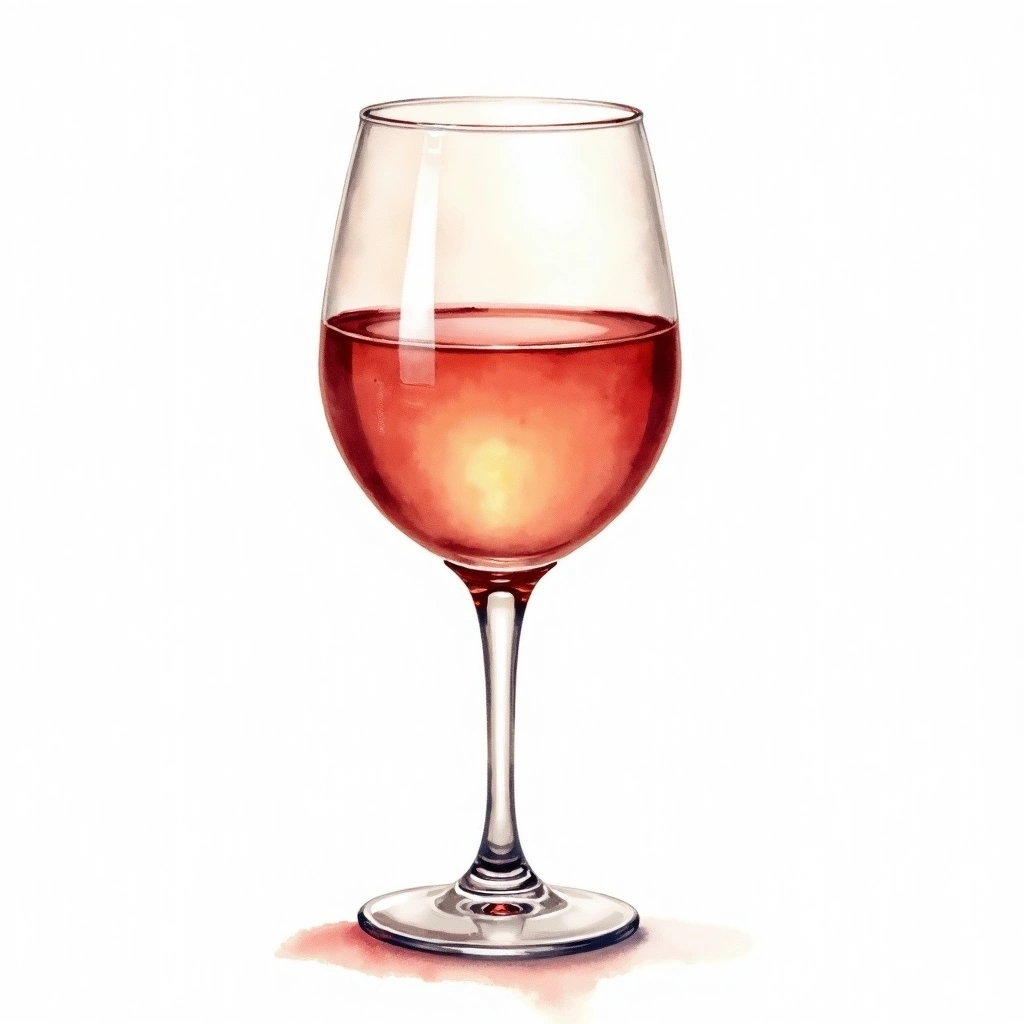 Light White
 Traditional Method Sparkling