Wine and Pasta: Italian Pairing Rules
An Italian-focused guide to pairing wine with pasta, organized by sauce type: tomato, cream, pesto, olive oil, meat ragù, and seafood.
The Italian Principle: Pair the Sauce, Not the Pasta
In Italy, nobody asks "what wine goes with pasta?" They ask "what wine goes with the sauce?" The pasta itself — whether spaghetti, penne, rigatoni, or pappardelle — is a delivery vehicle. Its shape affects how sauce clings to it, but the flavor and weight of the sauce determine the wine.
This makes pasta one of the easiest foods to pair with wine, because sauces fall into clearly defined categories. Master the sauce pairings, and you can walk into any Italian restaurant and order confidently.
Tomato-Based Sauces
Marinara and Pomodoro
The simplest tomato sauces — crushed tomatoes, garlic, olive oil, basil — are the backbone of Italian cooking. Their key characteristic for pairing is Acidity. Tomatoes are highly acidic, and the wine must match or exceed that acidity. A low-acid wine served with tomato sauce tastes flat, flabby, and washed out.
Best choices: - Sangiovese — this is the definitive tomato sauce grape. Sangiovese from Tuscany (Chianti, Chianti Classico, Rosso di Montalcino) has naturally high acidity, cherry fruit, and herbal savory notes that were essentially designed for tomato sauce. The regional pairing — Tuscan wine with Tuscan food — is no accident - Barbera d'Asti — even higher acidity than Sangiovese, with juicy dark fruit - Montepulciano d'Abruzzo — soft tannins, bright acidity, easygoing character
Arrabbiata (Spicy Tomato)
The addition of chili flakes to tomato sauce adds heat. Wines with high alcohol or heavy tannin will amplify the burn.
- Young Sangiovese (basic Chianti) — acidity matches tomato, low tannin does not fight the chili
- Barbera — fruity, acidic, low tannin
- Nero d'Avola — a Sicilian red with dark fruit and moderate tannin that handles spice well
Puttanesca
Tomatoes, olives, capers, anchovies, garlic — intensely savory, salty, and pungent. This sauce needs a wine with backbone.
- Sangiovese with some age (Chianti Classico Riserva) — structure to match the sauce's intensity
- Medium Red Aglianico — southern Italian grape with robust acidity and structure
- Dry rosé from southern France or Italy — handles the salt and anchovy funk
Cream and Butter Sauces
Alfredo and Carbonara
Rich, fatty, indulgent. These sauces coat the Palate and need wines with acidity to cut through the richness. Despite the heaviness, white wines often outperform reds here because tannin has nothing to grip — there is no protein in cream sauce.
Best choices: - Oaked Chardonnay — the butter-on-butter complement. A white Burgundy with fettuccine Alfredo is simple and perfect - Pinot Grigio from Friuli — surprisingly effective. Its Acidity slices through cream, and its neutrality lets the sauce speak - Soave (Garganega) — a Veneto white with almond and citrus character that works beautifully with egg-based carbonara
For carbonara specifically: The egg yolk, guanciale (cured pork cheek), and pecorino create a sauce that bridges white and light red territory. A chilled Frappato from Sicily or a Light White Verdicchio both work.
Cacio e Pepe
Pecorino Romano, black pepper, pasta water — stripped to essentials. The dish is salty, sharp, and peppery.
- Verdicchio — nutty, saline character mirrors the pecorino
- Sauvignon Blanc — Acidity cuts the fat, herbal notes complement the pepper
- Crisp White Greco di Tufo — structured enough for pecorino's intensity
Pesto
Genovese Pesto (Basil, Pine Nuts, Garlic, Parmigiano, Olive Oil)
Pesto is herbal, nutty, garlicky, and rich from olive oil and cheese. It pairs poorly with most red wines — the garlic and basil clash with tannin.
Best choices: - Vermentino from Liguria — the regional pairing. Vermentino's herbal, slightly bitter character echoes the basil. This is the definitive pesto wine - Sauvignon Blanc — herbaceous varieties (Loire, Marlborough) complement the basil and garlic - Pinot Grigio — its neutral character lets pesto's flavors dominate - Pigato — another Ligurian white, fuller-bodied than Vermentino, excellent with pesto on trofie
Red Pesto (Sun-Dried Tomato)
More substantial than green pesto. The tomato and oil base can handle light reds.
- Young Sangiovese — light, fruity, acidic
- Cerasuolo d'Abruzzo (deep rosé from Montepulciano) — rosé with enough body for the sun-dried tomato intensity
Olive Oil-Based Sauces (Aglio e Olio, Primavera)
Aglio e Olio
Garlic, olive oil, chili flakes, parsley. Simple, clean, bright.
- Falanghina — a Campanian white with citrus and floral character
- Sauvignon Blanc — acidity matches the lemon often squeezed over the dish
- Light White Verdicchio or Fiano — Southern Italian whites built for this style of cooking
Pasta Primavera
Seasonal vegetables in olive oil or light broth. The vegetables drive the pairing.
- Sauvignon Blanc — herbal, vegetal character mirrors spring vegetables
- Pinot Grigio — clean canvas that highlights the vegetables
- Dry rosé — handles the variety of flavors in a vegetable-heavy dish
Meat Ragù and Bolognese
Classic Bolognese (Ragù alla Bolognese)
Slow-cooked beef and pork with tomato, soffritto, milk, and wine. This is a rich, deeply savory, medium-weight sauce that rewards wines with structure and complexity.
Best choices: - Sangiovese from Tuscany (Brunello di Montalcino, Vino Nobile di Montepulciano) — the elevated, structured expressions of Sangiovese match Bolognese's depth - Lambrusco — the traditional Emilia-Romagna pairing. A dry, sparkling Lambrusco Grasparossa di Castelvetro is the authentic partner. The bubbles and Acidity cut through the meat fat - Nebbiolo from Piedmont (Langhe Nebbiolo or Barbaresco) — Elegant Red wines with firm structure and aromatic complexity
Short Rib or Oxtail Ragù
Richer and fattier than standard Bolognese. These heavier ragùs can handle Bold Red wines.
- Barolo — its massive tannin structure is softened by the fat in the meat
- Aglianico del Vulture — southern power with structure
- Syrah from the Northern Rhône — smoky, meaty, structured
Lamb Ragù
Lamb adds a gamy dimension that responds well to earthy, herbal wines.
- Sangiovese (Chianti Classico) — herbaceous Sangiovese echoes rosemary-lamb flavors
- Tempranillo from Rioja — earthy, savory, moderate tannin
- Grenache from the Southern Rhône — warm, fruity, spice-driven
Seafood Pasta
Spaghetti alle Vongole (Clams)
White wine, garlic, parsley, clams. This is white wine territory exclusively.
- Vermentino — the default Italian choice
- Falanghina — citrusy, mineral, light
- Crisp White Greco di Tufo — structured enough for clam intensity
Lobster or Crab Pasta
Rich shellfish in butter, tomato, or cream.
- Oaked Chardonnay from Burgundy — rich enough for lobster, acidic enough for pasta
- Vintage Champagne — weight and bubbles
- Verdicchio dei Castelli di Jesi Riserva — a structured Italian white with nutty complexity
Frutti di Mare
Mixed seafood in tomato or white wine broth.
- Dry rosé — handles the variety of shellfish
- Vermentino — light, herbal, sea-salt character
- Sauvignon Blanc — all-purpose seafood white
The Italian Pasta-Wine Cheat Sheet
| Sauce Type | Italian Wine | International Alternative |
|---|---|---|
| Tomato (marinara) | Chianti Classico | Côtes du Rhône |
| Spicy tomato | Barbera | Grenache rosé |
| Cream/butter | Soave | Oaked Chardonnay |
| Carbonara | Verdicchio | Pinot Grigio |
| Basil pesto | Vermentino | Sauvignon Blanc |
| Bolognese ragù | Brunello / Lambrusco | Rioja Reserva |
| Seafood | Vermentino / Falanghina | Muscadet |
The most important lesson from Italian pasta pairing: buy Italian wine for Italian food. The regional logic is powerful, time-tested, and almost always produces excellent results. A Sangiovese-based wine from Tuscany with a tomato-sauced pasta is not just tradition — it is the product of centuries of co-evolution between wine and cuisine.
 Chardonnay
 Grenache
 Merlot
 Nebbiolo
 Pinot Grigio
 Sangiovese
 Sauvignon Blanc
 Tempranillo
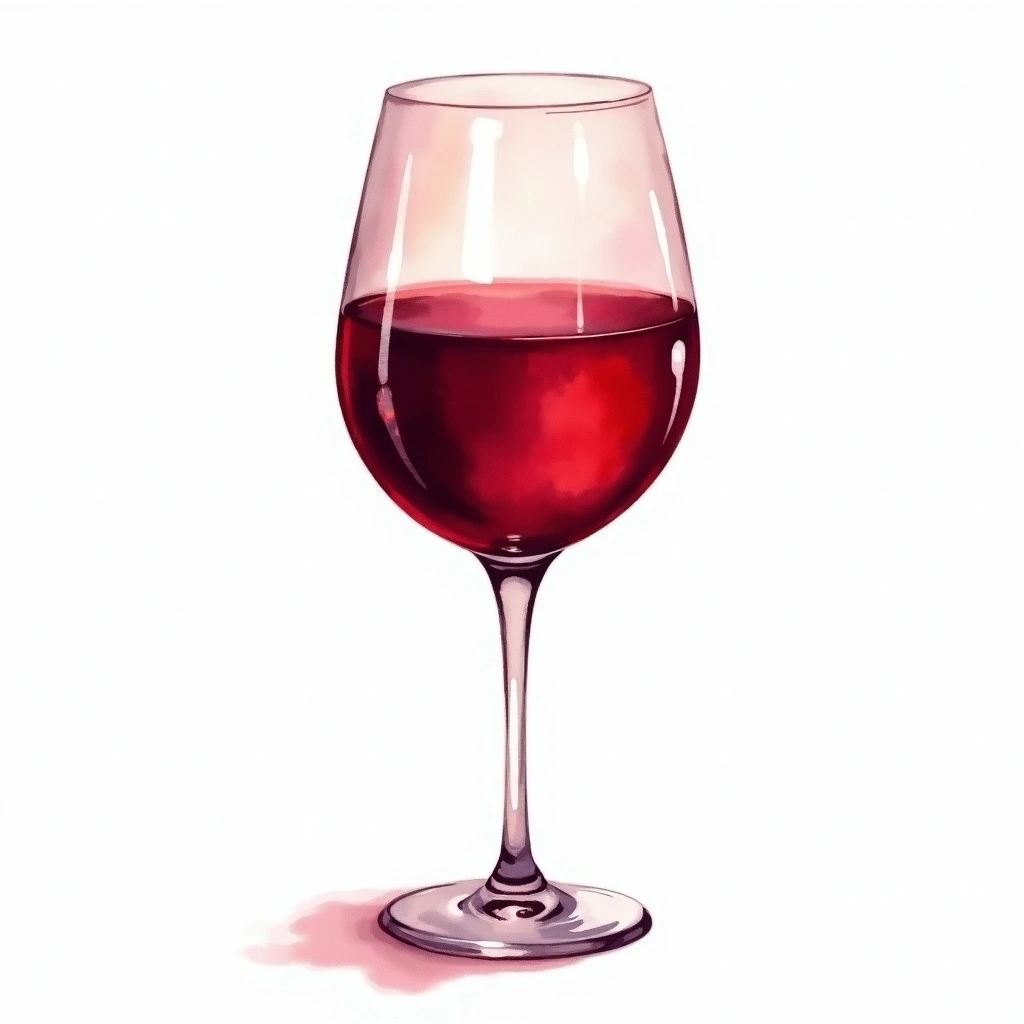 Bold Red
 Crisp White
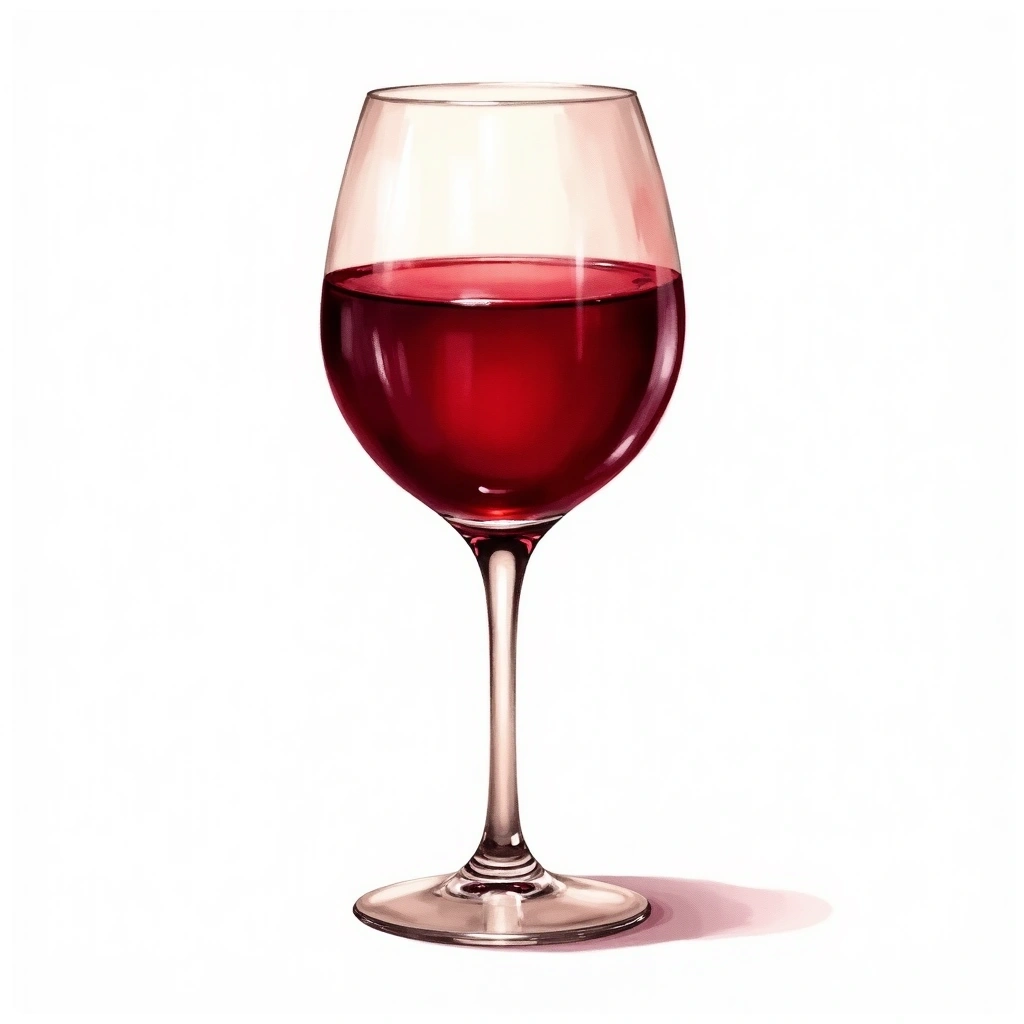 Elegant Red
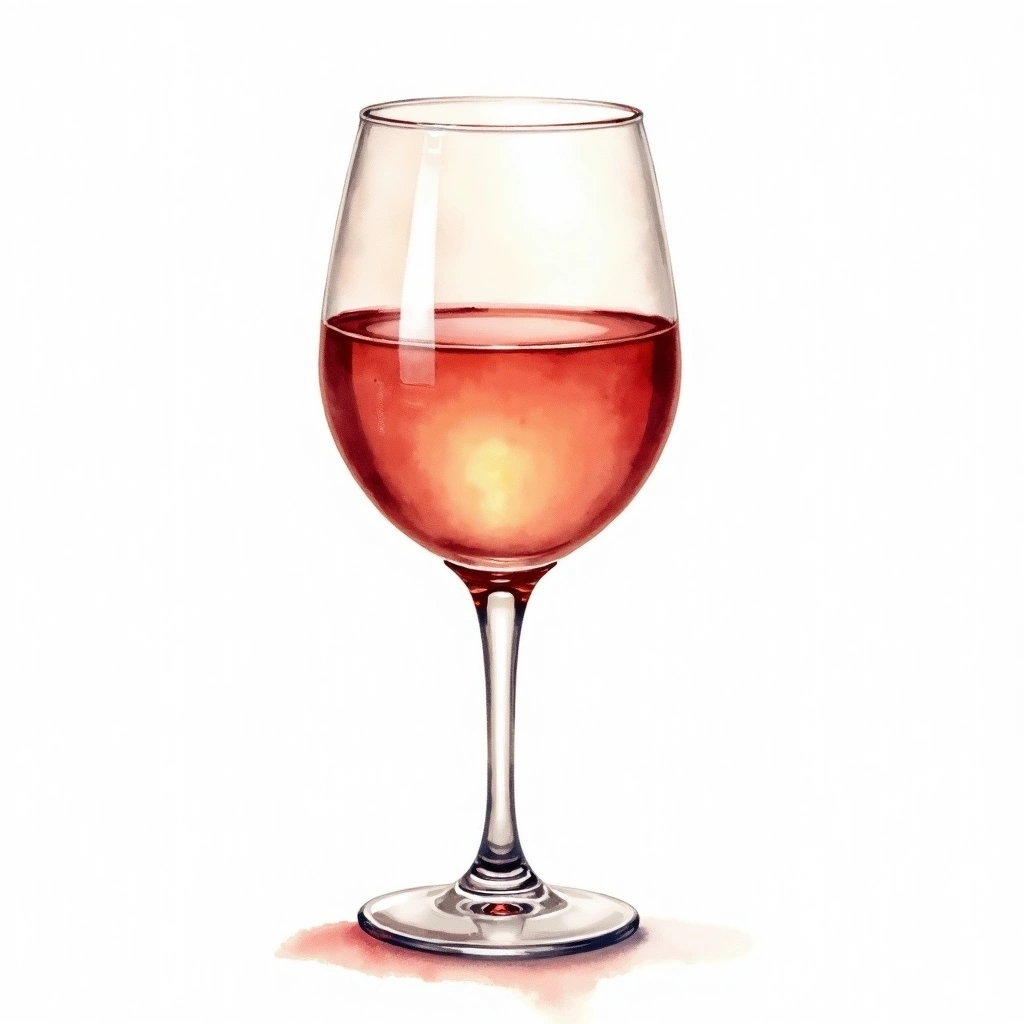 Light White
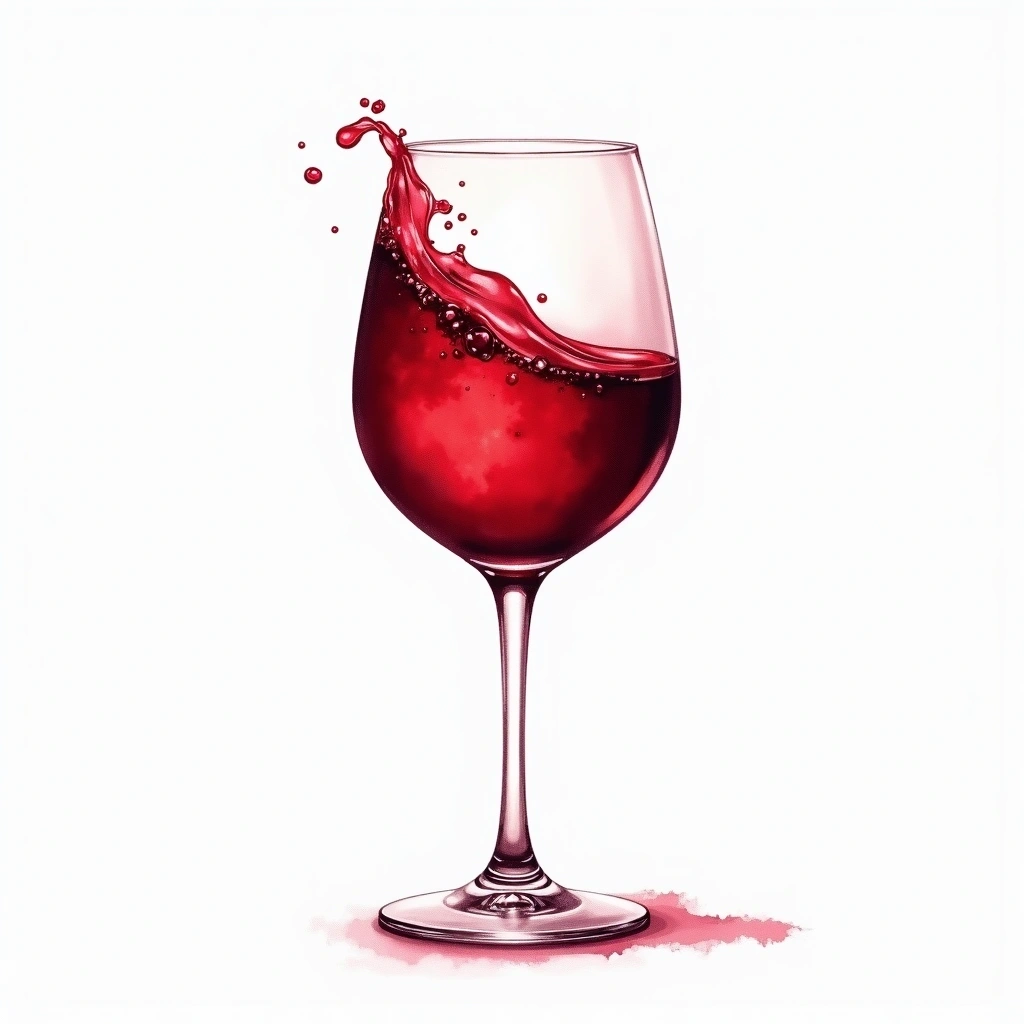 Medium Red