African Cuisine and Wine: From Cape to Cairo
Discover how the bold stews, grilled meats, fragrant spices, and fermented flavors of African cuisines find harmony with wines from South Africa and around the world.
African Cuisine and Wine: From Cape to Cairo
Africa is a continent of staggering culinary diversity. From the injera-wrapped stews of Ethiopia to the braai culture of South Africa, from the jollof rice debates of West Africa to the tagine traditions of the Maghreb, the continent's food reflects thousands of years of agricultural innovation, trade, and cultural exchange. Pairing wine with African cuisine rewards curiosity and an open mind. South Africa — the continent's undisputed wine powerhouse, with a winemaking history stretching back to 1659 — provides the natural starting point, but the conversation extends far beyond the Cape.
South African Cuisine and Its Own Wines
South Africa's food culture is a remarkable fusion. Cape Malay cuisine introduced fragrant curries, bobotie, and atchar. Dutch and British traditions contributed hearty stews and roasts. Indigenous African cooking added braised greens, pap (maize porridge), and the braai — open-flame barbecue that functions as the nation's unofficial social institution.
Chenin Blanc is South Africa's signature white grape and astonishingly versatile at the table. A fresh, unoaked Chenin from Swartland pairs beautifully with Cape Malay fish curry — tropical fruit and honeyed quality complement coconut milk and turmeric while Acidity slices through richness. A barrel-fermented, lees-aged Chenin from Stellenbosch has weight for bobotie, the spiced meat custard topped with egg. The grape's chameleon range from crisp and mineral to rich and honeyed makes it the single most useful wine for South African cooking.
For the braai, Pinotage — a crossing of Pinot Noir and Cinsault unique to the country — remains traditional. Modern Pinotage from Kanonkop and Beyerskloof delivers structured, fruit-driven wines with smoky undertones mirroring charcoal-grilled boerewors sausage and sosaties. The moderate Tannin and dark-fruit profile make it food-friendly, especially with sweet-spiced marinades.
South African Syrah produces some of the country's finest reds. Cool-climate Syrah from Elgin or Hemel-en-Aarde, with peppery elegance, is extraordinary with lamb chops over vine cuttings. The Swartland movement offers wines of depth and Terroir expression matching the boldest braai preparations. Biltong — air-dried spiced meat far more refined than jerky — pairs with aged Stellenbosch Cabernet whose concentrated dark fruit and cedar create remarkable intensity.
Ethiopian and Eritrean Cuisine
Ethiopian food is built around injera, the spongy fermented teff flatbread serving as both plate and utensil. Its distinctive sour tang is the baseline flavor against which all else plays — rich, slow-cooked wots spiced with berbere (a complex blend of twenty or more ingredients) or milder alicha seasoning.
The fermented sourness creates an unusual pairing challenge distinguishing Ethiopian food from nearly every other cuisine. Wines with high Acidity find a natural partner in the bread's tang — both reinforce each other and keep the palate fresh. Meanwhile, rich stews demand Body and aromatic complexity. Low-acid fruit-bomb wines taste flat and disconnected against injera's persistent sourness.
Doro wot — chicken stewed with berbere, hard-boiled eggs, and onions caramelized for hours — calls for medium-bodied red with spice notes and soft tannin. Grenache-based Cotes du Rhone provides fruit sweetness countering berbere's heat while offering structure for the rich sauce. The wine's red-fruit character offers welcome contrast to the dish's deep, dark spice.
For milder alicha wots — turmeric-spiced lentils or cabbage — Viognier with stone-fruit richness and floral lift is gorgeous. Textural weight matches lentil earthiness while Aromatic quality enhances turmeric and ginger. Kitfo, Ethiopian steak tartare with mitmita and spiced clarified butter, demands off-dry Riesling — residual sugar tames chili while acidity refreshes against butter.
Tibs — sauteed meat with rosemary and jalapeno — takes a broader range: dry rose from the Rhone provides structure for meat and freshness for herb. The fermented sourness of accompanying injera means high-acid wines are always the non-negotiable baseline for Ethiopian food pairing.
West African Cuisine
West African cooking features bold, concentrated flavors from palm oil, fermented locust beans, chili peppers, and smoked fish. Jollof rice — tomato-based, smoky, deeply savory — pairs with Syrah from the Rhone Valley, particularly Cornas or Saint-Joseph, whose peppery spice and dark-fruit concentration match the boldness.
Suya — spiced grilled meat in yaji (peanut-chili mix) — pairs with Malbec from Mendoza. Plush dark fruit and chocolate complement peanut coating while moderate tannins handle grilled fat. Egusi soup's intensity needs high-acid wines; unoaked Chenin Blanc from the Loire Valley handles the density.
Groundnut stew — chicken or lamb with peanut-tomato base — pairs with dry Viognier whose stone-fruit and almond notes echo the nuttiness. Kelewele (spiced fried plantain) and grilled tilapia call for crisp Albariño with citrus freshness.
North African Cuisine
Moroccan lamb tagine with apricots is one of the great pairing dishes. Grenache-dominant blends from Chateauneuf-du-Pape with ripe fruit, warm spice, and garrigue notes are transcendent. Merguez sausage wants rustic southern French blends from Minervois or Corbieres built on Syrah, Grenache, and Mourvedre. Couscous royale needs a structured Medium Bodied Red with bright acidity to refresh between diverse elements.
East African Flavors
East African cooking, from Kenya to Tanzania to Mozambique, reflects indigenous traditions alongside the centuries-old influence of Arab, Indian, and Portuguese traders. Coconut-based curries, grilled seafood, nyama choma (roast meat), and pilau rice characterize the coastal regions, while inland the cooking tends to be simpler and starch-focused.
Mozambican peri-peri chicken — marinated in chili, garlic, lemon, and oil, then grilled or roasted until the skin blisters and crisps — is one of the great chicken preparations in world cuisine. South African Chenin Blanc is a brilliant partner: the wine's richness handles the chili oil, its Acidity matches the lemon marinade, and its tropical notes complement the garlic. The pairing works because both the dish and the wine originated in nearby regions with shared climatic and cultural influences. A well-made Swartland Chenin with some textural weight from lees contact is ideal — crisp enough for the citrus, rich enough for the fat.
Kenyan nyama choma — simply seasoned goat or beef grilled over coals in open-air restaurants called nyama choma joints — is a social ritual as much as a meal. The beauty of the dish lies in its simplicity: good meat, live fire, salt. A young Pinotage or a Gamay from Beaujolais provides enough fruit and freshness without overcomplicating a dish whose soul is uncomplicated honesty.
Zanzibar-style coconut fish curry, influenced by centuries of Indian Ocean trade, layers coconut milk, turmeric, ginger, and tamarind over white fish. An Aromatic White with tropical notes — Viognier or a rich, barrel-aged South African Chenin — provides the weight for coconut milk and the aromatic complexity for the spice. Lighter wines get lost against the curry's richness.
Tanzania's ugali (stiff maize porridge) and sukuma wiki (braised collard greens) form the foundation of everyday eating. These starchy, earthy dishes are best served alongside medium-bodied reds with bright fruit and moderate tannin — nothing heavy or complex, but wines with enough character to provide interest against the mildness of the starch.
The Rise of Wine Across Africa
Beyond South Africa, wine production is emerging across the continent in surprising places. Kenya's Rift Valley has experimental vineyards at high altitude. Ethiopia's Castel and Awash wineries produce table wines. Tanzania and Namibia both have nascent wine industries. While these wines are not yet widely available internationally, they represent a fascinating frontier, and the prospect of genuinely indigenous African food-and-wine pairings — made from grapes grown in African soil to accompany African dishes — is an exciting evolution in the continent's culinary story.
Practical Strategies for African Wine Pairing
Embrace South African wines as your starting point. The country's winemakers produce world-class bottles across every style, and their proximity to African culinary traditions gives them a natural affinity that imported wines must work harder to achieve. Chenin Blanc and Pinotage are the anchors, but the country's Syrah, Cabernet blends, sparkling wines, and even dessert wines deserve exploration.
Use Aromatic White wines for complex spice blends. African cuisines frequently deploy intricate spice combinations — berbere, yaji, ras el hanout, dukkah — that reward aromatic wine partners. Viognier, Gewurztraminer, and off-dry Riesling all handle multi-spice dishes with grace.
Match intensity with intensity. West African and Ethiopian dishes are bold and concentrated. Lightweight, delicate wines will be overwhelmed and taste thin. Choose wines with Body, ripe fruit, and their own aromatic complexity.
Consider the starch. Injera, fufu, pap, ugali, and couscous are more than sides — they are the flavor foundation of the meal. The sour tang of injera and the neutral softness of fufu create very different contexts for the same stew, and your wine choice should account for this foundational difference.
Do not overlook Rose. African food's bold flavors and communal dining style make rose an incredibly versatile choice, particularly for tables laden with multiple dishes spanning different flavor profiles and heat levels.
Manage chili heat wisely. Avoid heavily oaked, very tannic reds with chili-dominated dishes — Tannin amplifies the burn sensation rather than cooling it. Light-bodied wines with lower tannin and some residual sweetness handle heat much better.
Africa's culinary heritage is among the world's oldest and most diverse. As the continent's wine industry grows — not just in South Africa but in emerging regions across the continent — the conversation between African food and wine will only deepen and reward those curious enough to explore.
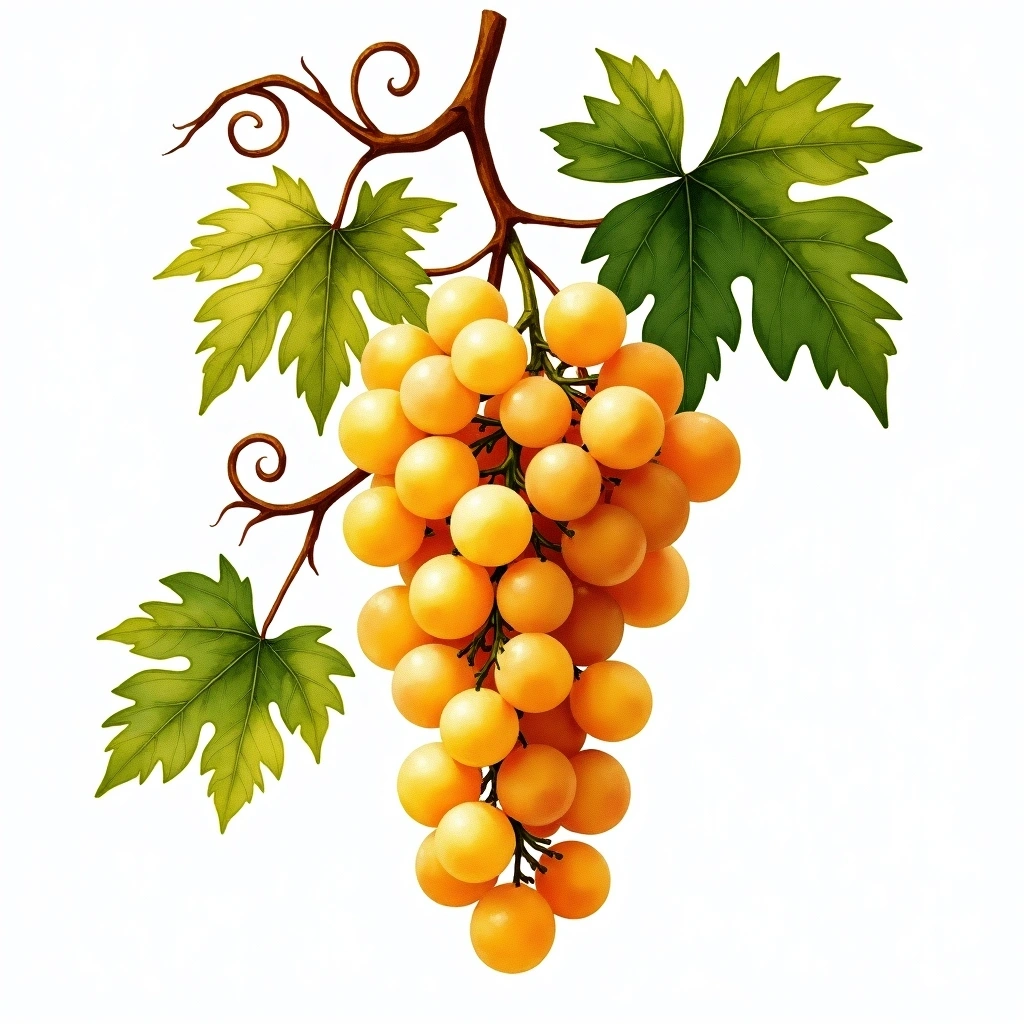 Chenin Blanc
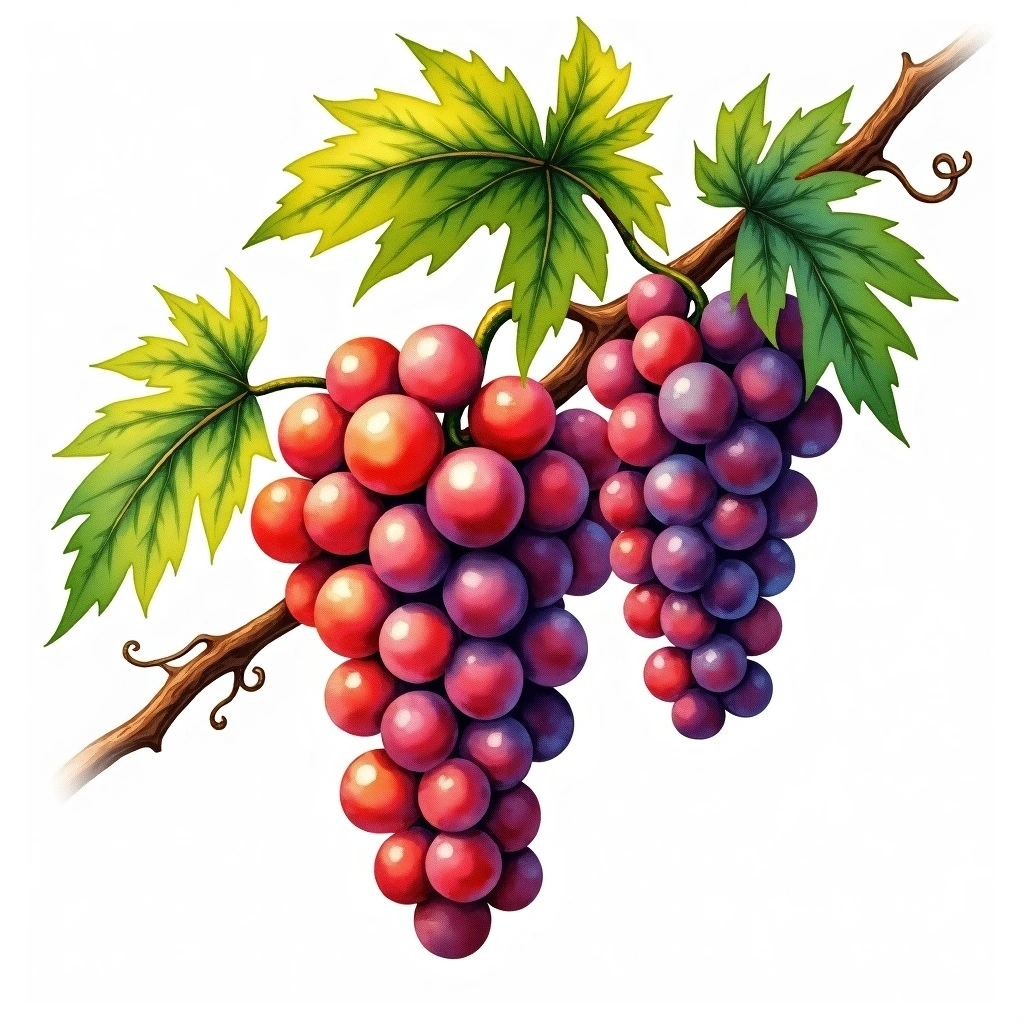 Grenache
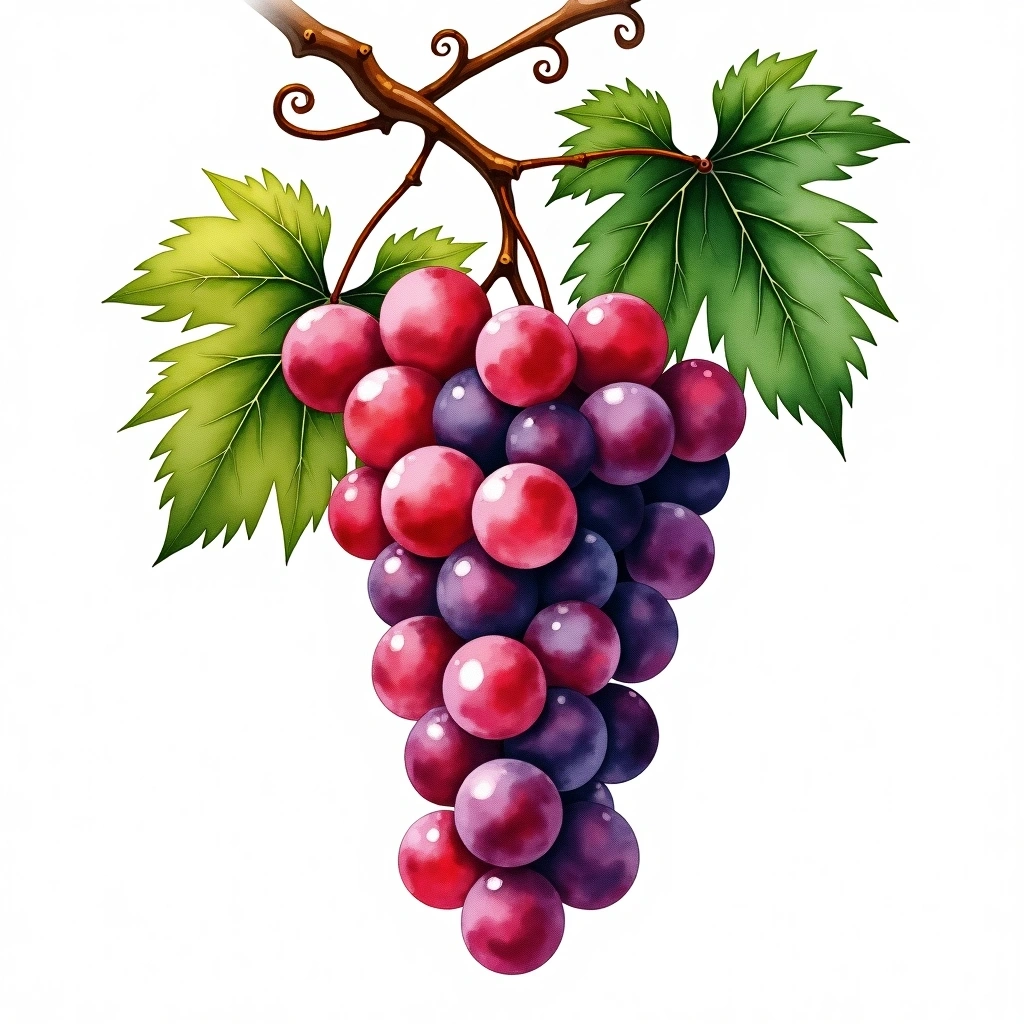 Pinot Noir
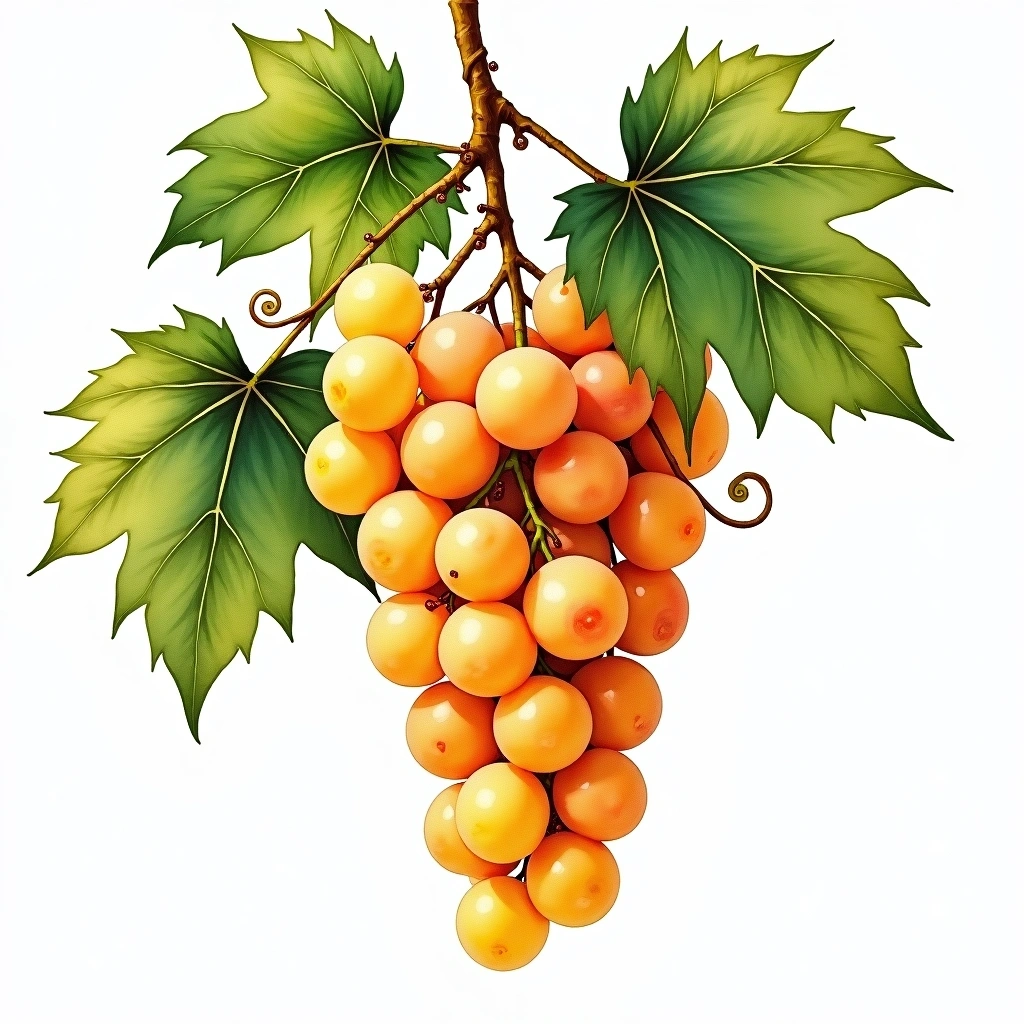 Viognier
 Aromatic White