Cabernet Sauvignon: The King of Red Grapes
A comprehensive guide to Cabernet Sauvignon, the world's most widely planted red grape. Explore its bold flavors, legendary growing regions, and why it remains the benchmark for premium red wine worldwide.
The Grape That Conquered the World
Few wines command the respect, the price premium, and the global shelf space that Cabernet Sauvignon does. It is planted on every wine-producing continent, translates faithfully from Bordeaux to Napa to Maipo, and forms the backbone of some of the most celebrated bottles ever made. Understanding Cabernet Sauvignon is not merely one step in your wine education — it is the foundation of understanding red wine itself.
Yet for all its fame, Cabernet Sauvignon is a relatively young grape. DNA profiling confirmed in 1997 that it is a natural cross of Cabernet Franc and Sauvignon Blanc, likely occurring in seventeenth-century southwestern France. From that accidental union, an aristocrat was born.
Origin and History
The Bordeaux region of southwestern France is where Cabernet Sauvignon first rose to prominence. The grape thrived in the well-drained, gravelly soils of the Médoc peninsula, where it became the dominant variety in legendary châteaux such as Lafite Rothschild, Latour, and Mouton Rothschild. By the nineteenth century, Bordeaux had become the world's most prestigious wine region, and Cabernet Sauvignon was its most important ambassador.
The variety's spread beyond France accelerated in the mid-twentieth century. California winemakers began planting it in the Napa Valley during the 1960s and 1970s, and the legendary 1976 Paris Tasting — where California wines blind-tasted beat French ones — established Napa Cabernet as a world-class alternative to Bordeaux. Australia, Chile, South Africa, and Argentina soon followed, each finding that Cabernet Sauvignon adapted remarkably well to diverse climates.
The Phylloxera Connection
Like almost every Vitis vinifera variety, Cabernet Sauvignon was devastated by Phylloxera, the root louse that swept through European vineyards in the late nineteenth century. Modern vines are grafted onto American Rootstock resistant to the pest — a practice that saved the wine industry but required replanting virtually every vineyard in the world.
Flavor Profile
Cabernet Sauvignon is unmistakable once you know what to look for. Its hallmark characteristics are:
- Black currant (cassis) — the signature fruit note, dense and precise
- Cedar and cigar box — from aging in oak Barrique
- Green bell pepper — from pyrazines, more pronounced in cooler climates or less-ripe grapes
- Graphite and mineral — particularly in fine Bordeaux and Napa examples
- Dark chocolate and espresso — common in warm-climate, ripe expressions
- Mint and eucalyptus — a regional signature in parts of Napa and Coonawarra, Australia
The Tannin structure is what defines Cabernet above all else. No mainstream grape produces higher tannin levels, which gives young Cabernet its firm, gripping texture and also gives it the ability to age for decades. Those tannins soften over time into velvety Mouthfeel, and the fruit evolves from primary blackcurrant into complex dried fruit, leather, and truffle.
Acidity in Cabernet is moderate but reliable, providing the freshness that keeps the wine lively even at full Body. This combination of tannin, acid, and concentrated fruit is why Cabernet Sauvignon ages so magnificently.
Growing Regions
Bordeaux, France
The ancestral home. In Bordeaux, Cabernet Sauvignon dominates the Left Bank (Médoc and Graves appellations), where it is typically blended with Merlot, Cabernet Franc, and small amounts of Petit Verdot. The maritime climate modulates extremes, but Vintage variation is significant — warm, dry years like 2000, 2005, 2010, and 2016 produce benchmark wines, while cooler years require skill and patience from the winemaker.
Left Bank wines from villages such as Pauillac, Saint-Estèphe, Saint-Julien, and Margaux are considered the global reference point for aged Cabernet Sauvignon blends.
Napa Valley, California
Napa Valley is the New World capital of Cabernet Sauvignon. The warm days and cool Pacific-influenced nights of this narrow valley concentrate flavor while preserving Acidity. Napa Cabernet is typically richer, riper, and more immediately approachable than Bordeaux, with lush blackberry and plum fruit replacing the restrained currant notes of France.
Sub-appellations within Napa tell distinct stories: Rutherford adds dusty minerality, Oakville gives pure Cabernet intensity, and elevated areas like Howell Mountain and Diamond Mountain produce powerful, structured wines that reward long cellaring.
Maipo Valley, Chile
Maipo Valley, just south of Santiago, produces some of South America's finest Cabernet Sauvignon. The Andes provide altitude-driven Terroir with cold nights that preserve freshness, while the long growing season builds concentration. Chilean Cabernet often shows exceptional value — refined structure and clarity at prices far below comparable Napa or Bordeaux bottles.
Stellenbosch, South Africa
Stellenbosch has emerged as the Southern Hemisphere's most consistent Cabernet Sauvignon region outside Napa and Chile. Granitic and decomposed granite soils give wines a distinctive minerality, while the cooling influence of the Atlantic Ocean brings freshness. South African Cabernet often bridges Old and New World styles elegantly.
Other Notable Regions
- Coonawarra, Australia — Famous for its distinctive terra rossa soil over limestone, producing elegant, mint-tinged Cabernets
- Tuscany, Italy — Used in Super Tuscans, blended with Sangiovese or Merlot
- Maipo and Colchagua, Chile — Consistently excellent value
- Priorat, Spain — Blended with native varieties for powerful, complex reds
Winemaking Approaches
The winemaker's hand is clearly visible in Cabernet Sauvignon, because the grape's thick skins and high Phenolics content give considerable raw material to work with.
Oak Aging
Almost all serious Cabernet spends time in French or American oak barrels. French oak (particularly from the Allier and Nevers forests) imparts subtle cedar, spice, and vanilla, while integrating with the wine's natural tannins. American oak is more forward, adding coconut and vanilla flavors. The percentage of new oak and the length of aging (typically 12–24 months) shape the wine's profile significantly.
Blending
Cabernet Sauvignon's high tannin can be moderated by blending with softer varieties. Merlot rounds out texture, Cabernet Franc adds floral aromatics and mid-palate freshness, and Petit Verdot contributes color depth and spice. Bordeaux blends are the classic model, though Napa increasingly makes powerful single-varietal bottlings.
Maceration and Extraction
Extended Maceration — leaving the juice in contact with skins after fermentation — extracts additional Tannin, color, and flavor compounds. Top producers manage extraction carefully during Fermentation through techniques like pump-overs and punch-downs, building structure without harsh astringency.
Food Pairings
Cabernet Sauvignon's bold Tannin and full Body make it a natural partner for protein-rich, fatty foods.
- Red meat — Ribeye steak is the classic pairing; the protein and fat soften the tannins while the wine cuts through richness
- Lamb — Particularly successful with Bordeaux-style blends; rosemary and herb sauces echo the wine's herbal notes
- Hard aged cheeses — Aged cheddar, manchego, and Parmigiano-Reggiano work beautifully
- Mushrooms and earthy dishes — Truffle, porcini, and hearty stews align with Cabernet's terroir-driven complexity
- Dark chocolate — A classic indulgence; choose 70%+ cacao to avoid sweetness clash
Avoid pairing Cabernet Sauvignon with delicate fish, light salads, or very spicy dishes — the tannins will clash badly with these foods.
Notable Wine Styles and Labels
Prestigious Single-Vineyard Cabernets
The finest expressions come from specific, named plots where Terroir is maximally expressed. Château Pétrus (though primarily Merlot), Opus One, Screaming Eagle, and Harlan Estate are household names among collectors. These wines can age for 30 to 50 years in ideal cellaring conditions.
Accessible Everyday Cabernets
The variety's adaptability means excellent examples are available at every price point. Maipo Valley producers, along with California's Central Valley and parts of Stellenbosch, consistently deliver structured, flavorful Cabernet at $15–$30 — among the best value in all of wine.
Serving and Cellaring
Aeration matters enormously with young Cabernet Sauvignon. Decanting for 30–60 minutes opens up tight, tannic wines and allows aromas to unfold. Serve at 17–19°C (63–66°F) — too warm and the alcohol becomes hot; too cold and the tannins close up.
For cellaring, premium Cabernet from good Vintage years rewards patience. Napa Cabernet from top producers peaks at 10–20 years; fine Bordeaux can evolve beautifully for 30–50 years. Everyday Cabernet is best enjoyed within 3–7 years of release.
Why Cabernet Sauvignon Remains Supreme
In a world of thousands of grape varieties, Cabernet Sauvignon's dominance is not an accident. Its thick skins deliver natural disease resistance in the vineyard, its high tannin provides the scaffolding for long aging, and its expressive flavors communicate clearly regardless of Terroir. No other variety combines all three qualities so reliably.
Whether you are exploring a Pauillac Premier Cru from a great Vintage or enjoying a well-priced Chilean Cabernet on a Tuesday evening, you are engaging with the world's most accomplished red grape — the undisputed king of the cellar.
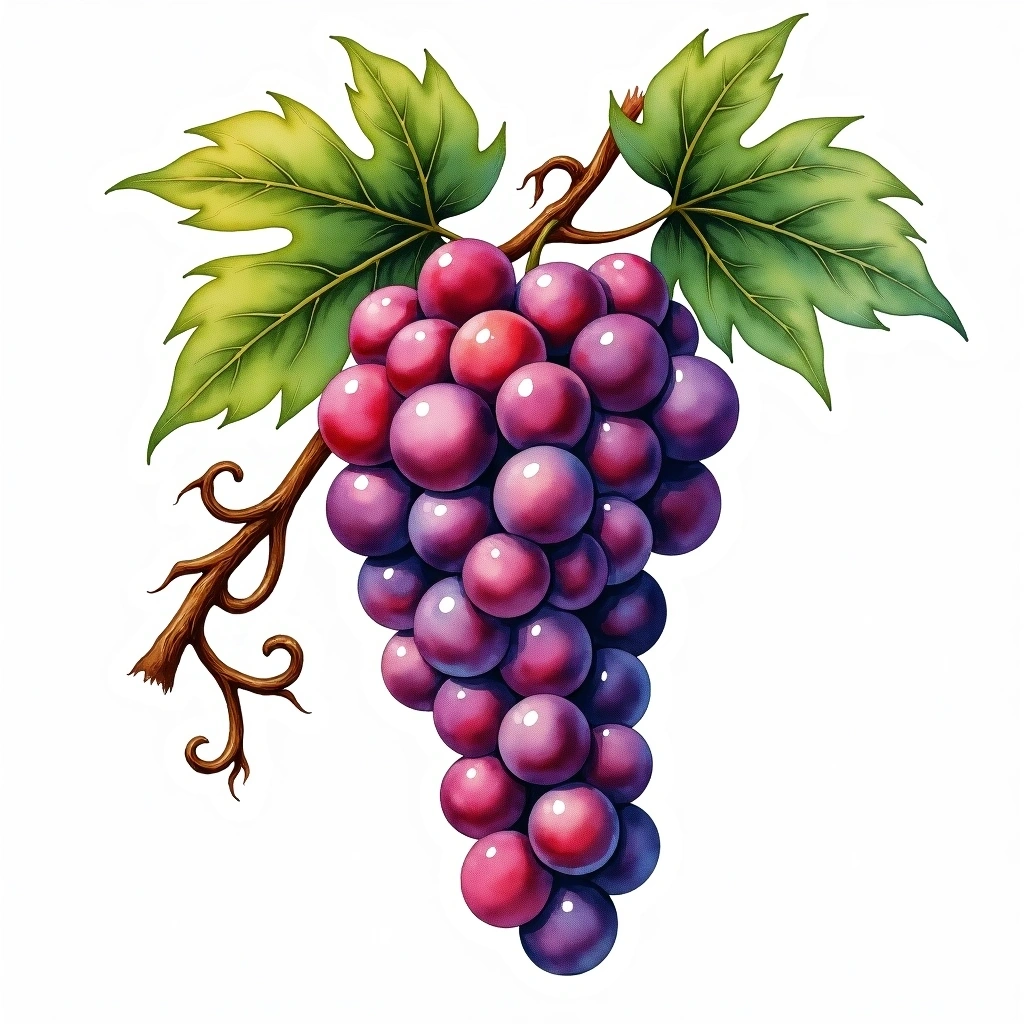 Cabernet Franc
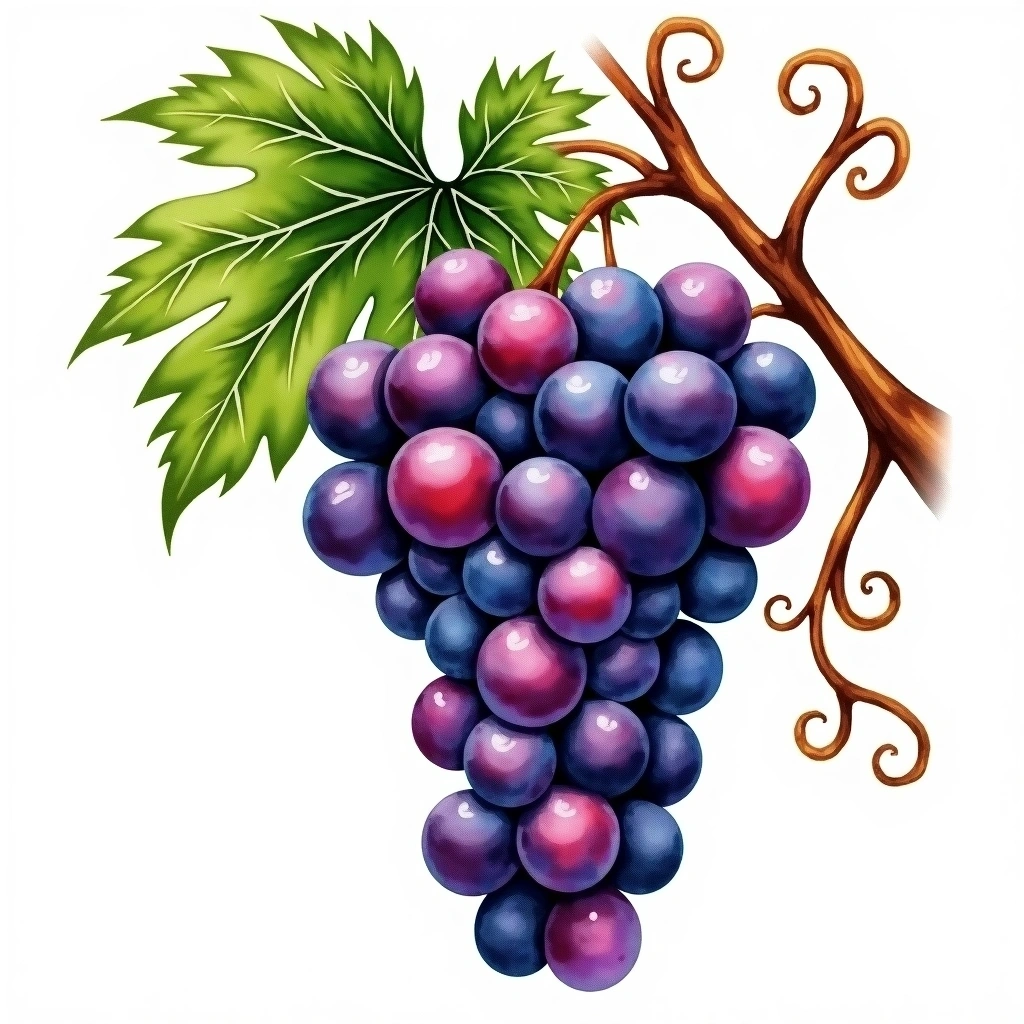 Cabernet Sauvignon
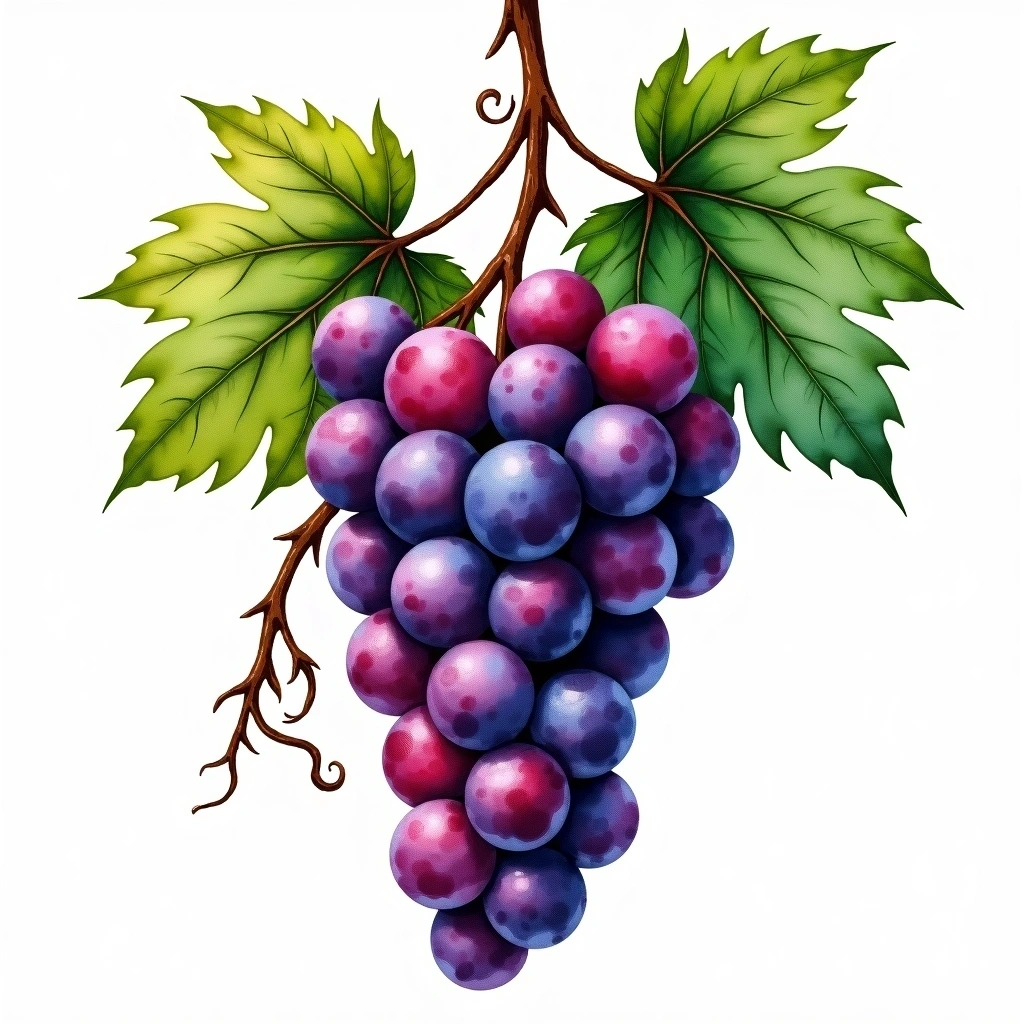 Malbec
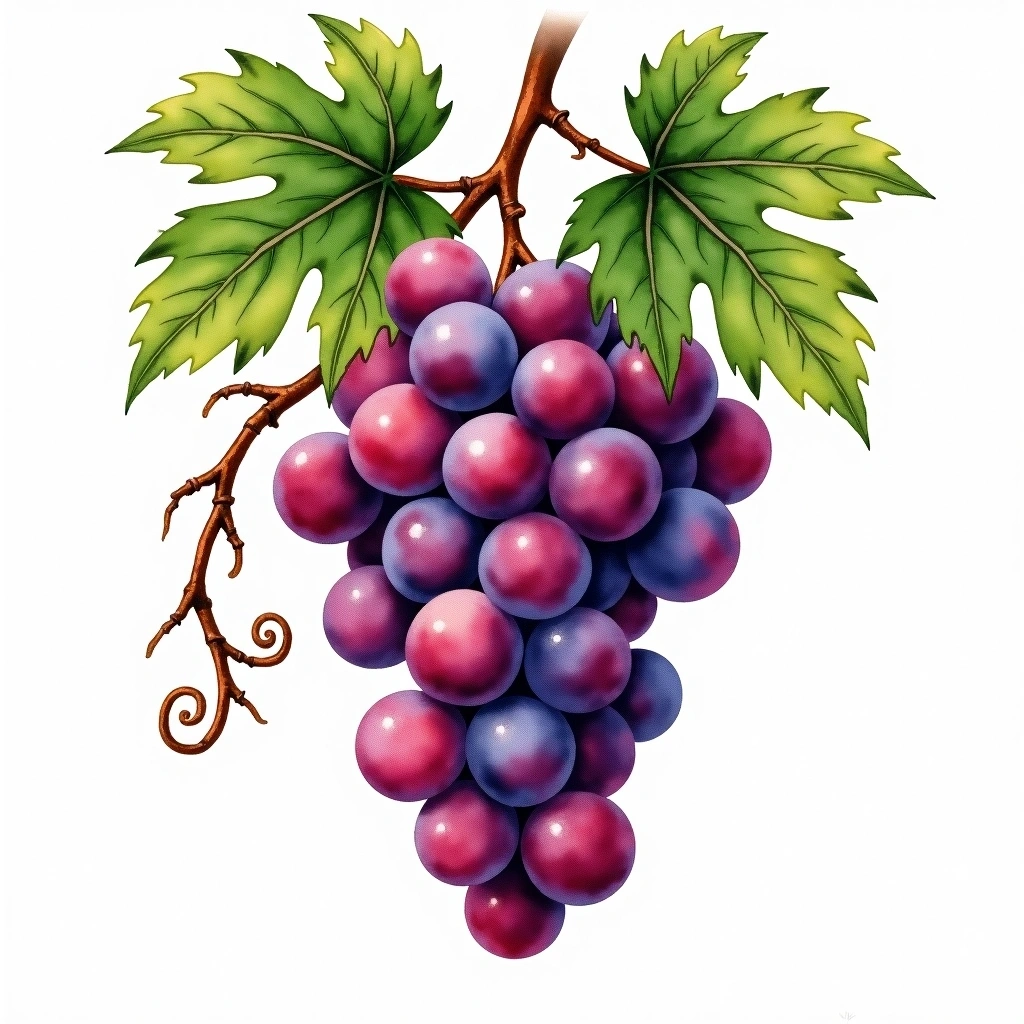 Merlot
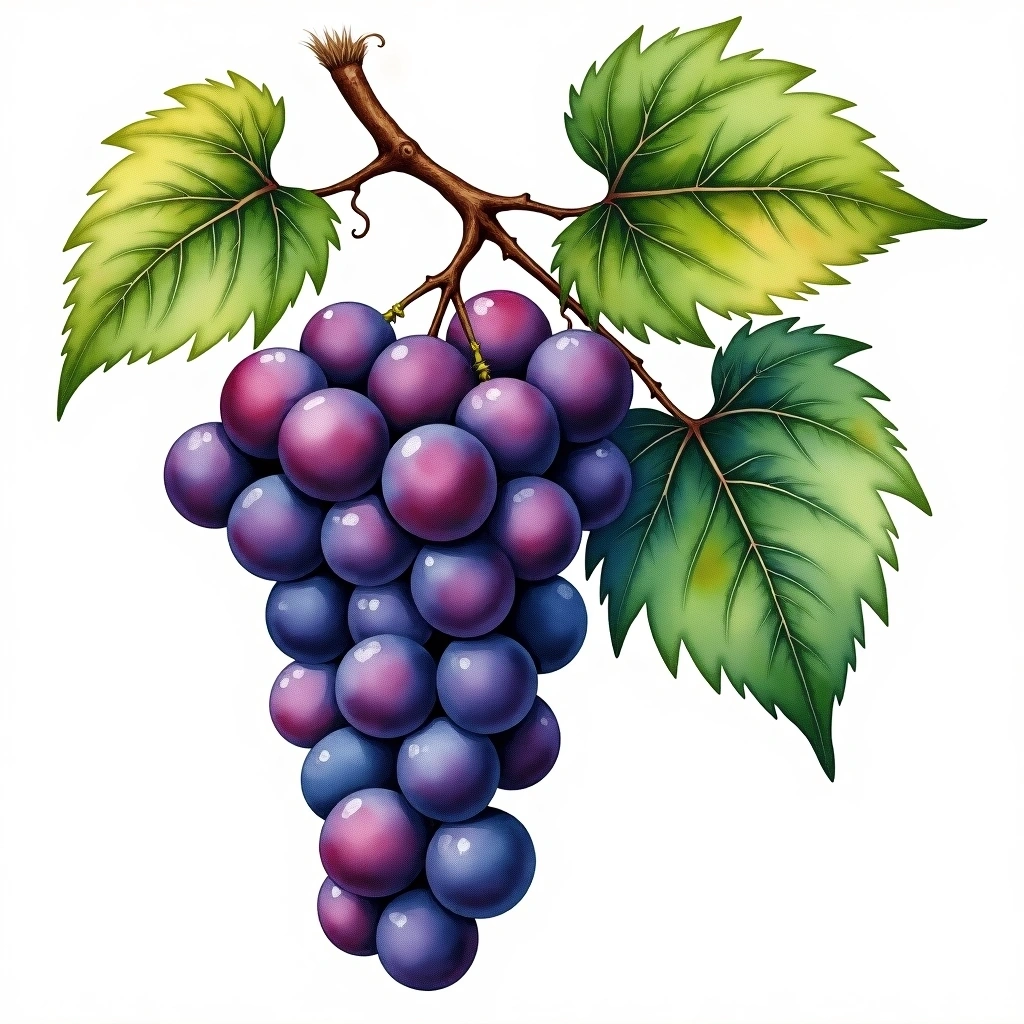 Petit Verdot
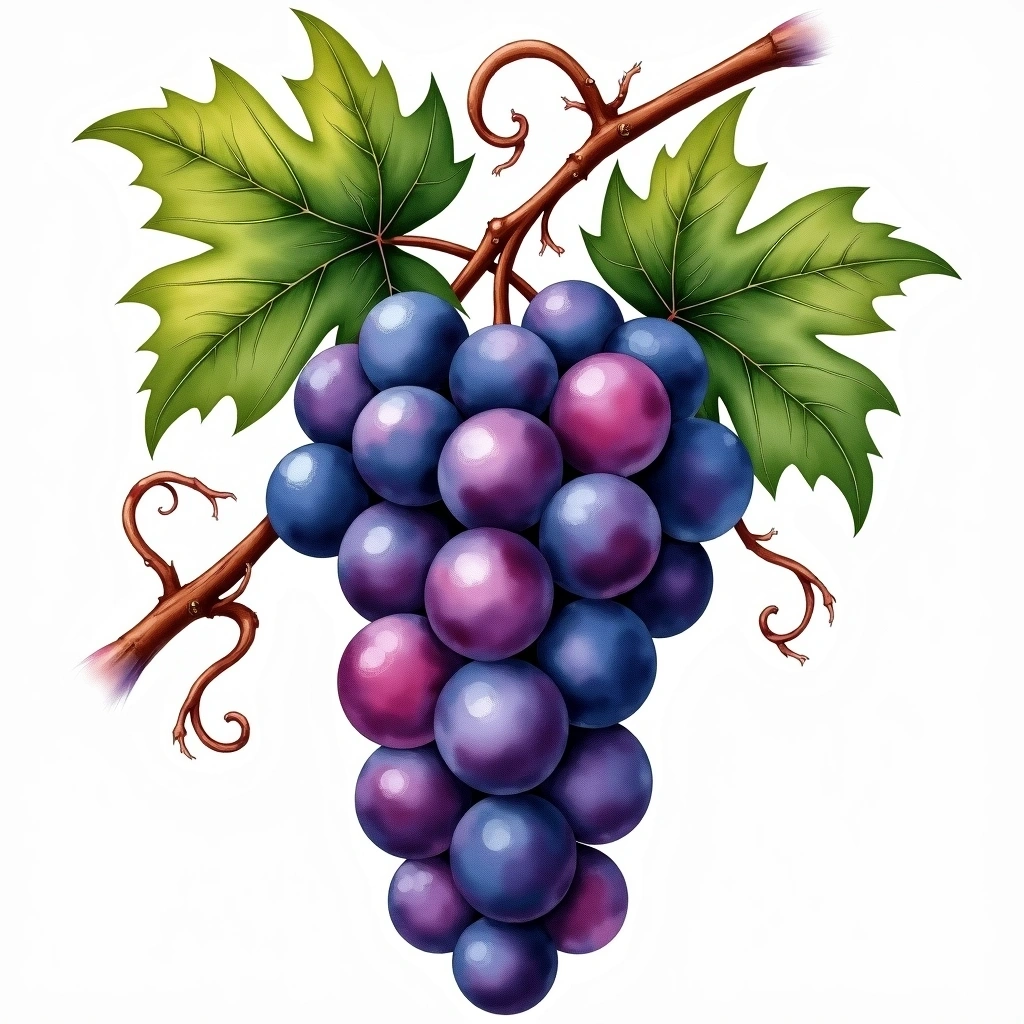 Syrah/Shiraz
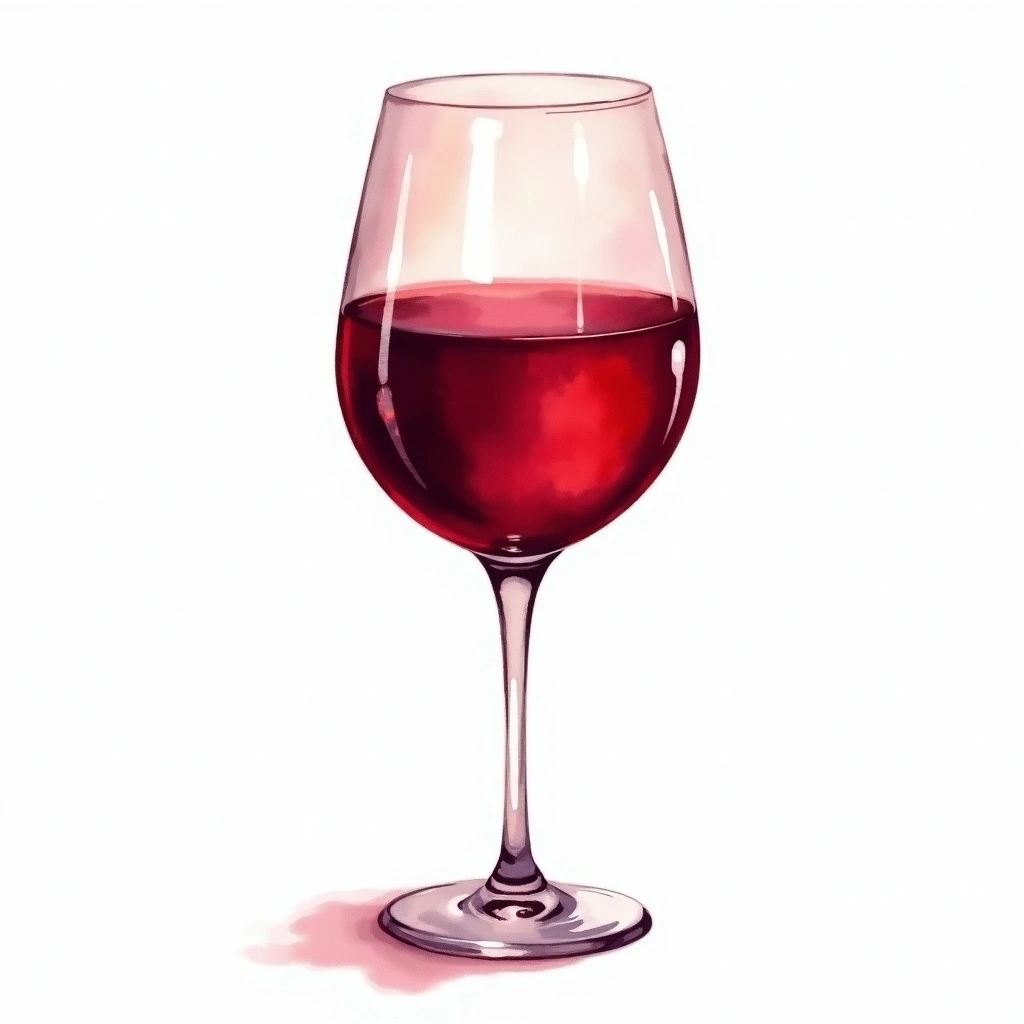 Bold Red
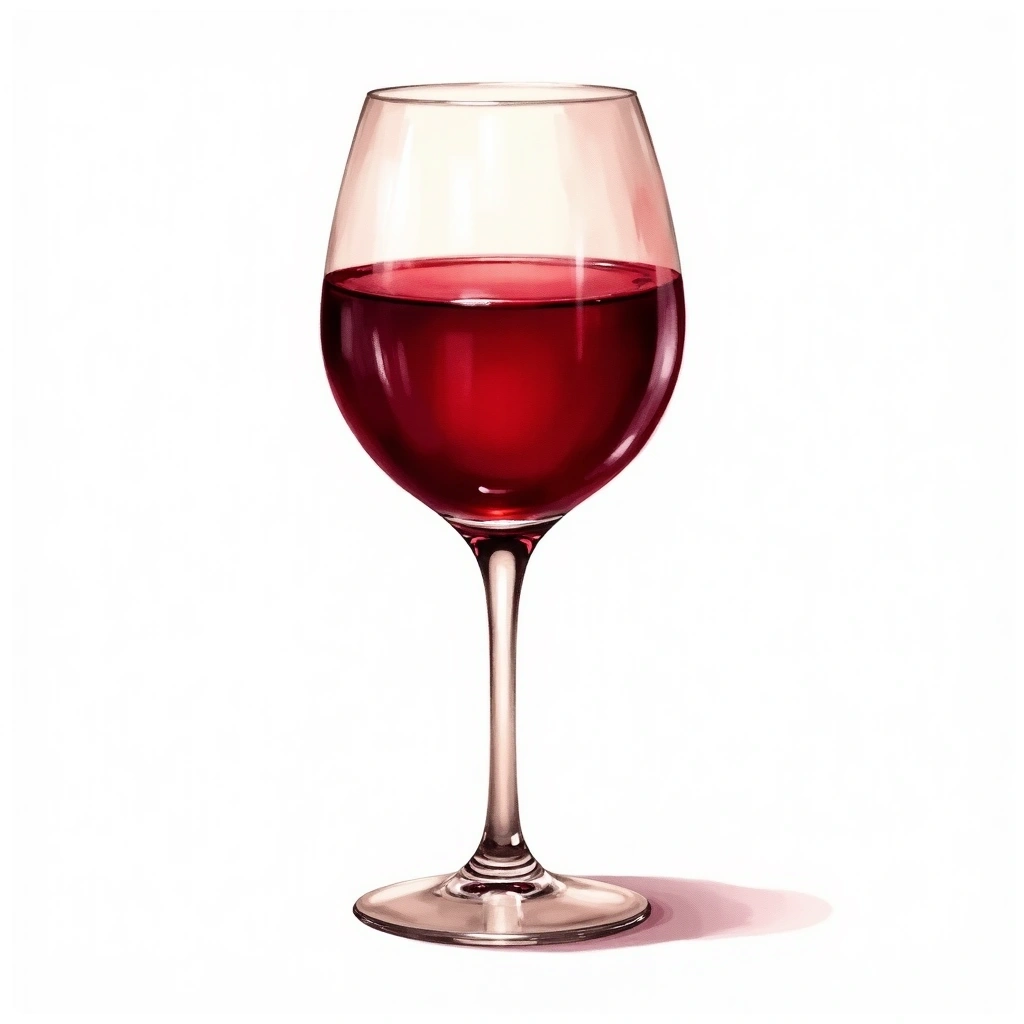 Elegant Red
 Medium Red