Grenache: The Mediterranean Master of Warmth and Generosity
Meet Grenache, the world's most widely planted red grape, tracing its journey from Spanish origins across the Mediterranean to the Rhône, Australia, and beyond, producing everything from powerful reds to ethereal rosés.
Grenache: The Mediterranean Master of Warmth and Generosity
Grenache is the great unsung hero of the wine world. It is arguably the most widely planted red grape variety on earth, the backbone of some of the world's most celebrated wines, and the source of the Mediterranean's finest rosés. Yet it remains perpetually in the shadow of more heavily marketed varieties — a supporting player in public perception despite being the lead in the glass.
From the sun-scorched vineyards of Châteauneuf-du-Pape to the windswept old-vine bushes of the Barossa Valley, from the elegant Garnachas of Aragón to the pale pink rosés of Provence, Grenache's versatility and generosity are unmatched among red grapes.
History and Origins
Grenache is almost certainly of Spanish origin, though the precise birthplace remains debated. The Aragón region in northeastern Spain is the most commonly cited source, where the grape was known as Garnacha Tinta and cultivated since at least the Middle Ages. From Aragón, the grape spread along the Mediterranean littoral with the expansion of the Crown of Aragón, reaching Sardinia (where it became Cannonau), southern France, and eventually the wider Mediterranean world.
The Kingdom of Aragón's political influence over Sardinia (1323-1720), Sicily, and Provence facilitated Grenache's dispersal. By the eighteenth century, it was firmly established in the southern Rhone Valley, where it became the dominant variety of Châteauneuf-du-Pape and the broader Côtes du Rhône. The grape's adaptability to hot, dry conditions and its willingness to produce generously made it the natural choice for Mediterranean viticulture, and by the twentieth century, Grenache had become one of the most widely planted grape varieties on earth — with global plantings estimated at over 160,000 hectares across France, Spain, Italy, Australia, and the Americas.
Grenache arrived in Australia with European settlers in the nineteenth century and found a particularly welcoming home in the Barossa Valley, where some of the world's oldest surviving Grenache vines were planted in the 1850s. These centenarian bushvines now produce wines of extraordinary concentration and complexity. In Sardinia, where the grape is known as Cannonau, recent archaeological claims — disputed by many scholars — have suggested that the variety may have originated on the island rather than in mainland Spain, potentially making it one of the oldest cultivated wine grapes in the Mediterranean. Regardless of the direction of travel, Cannonau has been a pillar of Sardinian viticulture for centuries, producing some of the island's most distinctive and age-worthy reds.
Key Growing Regions
Southern Rhône, France
The southern Rhône is Grenache's most celebrated home. In Châteauneuf-du-Pape, it typically constitutes 70-80% of the blend (alongside Syrah, Mourvedre, and up to ten other permitted varieties), producing the appellation's signature wines of warmth, generosity, and spice.
The famous galets roulés — large, rounded river stones that cover many Châteauneuf vineyards — absorb daytime heat and radiate it back to the vines at night, promoting thorough ripening. Sandy soils in certain sectors produce more elegant, perfumed Grenache, while clay-limestone sites yield more structured, age-worthy wines.
Gigondas, Vacqueyras, Rasteau, and Côtes du Rhône-Villages also rely heavily on Grenache, each producing distinct expressions shaped by altitude, soil, and microclimate. In Tavel and Lirac, Grenache produces France's most renowned dry rosés — wines of surprising depth and structure.
Spain
As Garnacha, the grape is experiencing a dramatic quality revival in Spain. The high-altitude vineyards of Campo de Borja, Calatayud, and Cariñena in Aragón produce concentrated, mineral-driven reds from old-vine bushvines growing at 600-900 meters. These wines offer exceptional quality at often remarkable prices.
In Priorat and Montsant (Catalonia), Garnacha blended with Cariñena produces some of Spain's most powerful and complex reds. Priorat's distinctive licorella (slate) soils add a mineral, almost metallic intensity that is unique among Grenache expressions.
In Rioja, Garnacha has traditionally played a supporting role to Tempranillo, but a growing number of producers are bottling varietal Garnacha from high-altitude sites, revealing unexpected elegance and perfume.
Australia
The Barossa Valley is home to some of the world's most extraordinary old-vine Grenache. Bushvines planted in the 1850s through the early 1900s — spared from the vine-pull schemes that devastated other regions — produce astonishingly concentrated wines from naturally low yields. Producers like Torbreck, Clarendon Hills, and Yangarra have elevated Barossa Grenache to cult status.
McLaren Vale, adjacent to the Barossa, produces Grenache of slightly richer, more chocolate-inflected character, while South Australia's broader region is the source of excellent value expressions.
Viticulture Characteristics
Grenache is superbly adapted to hot, dry Mediterranean climates. Its late budding provides protection against spring frosts, and its thick-skinned berries resist dehydration in extreme heat. The vine is naturally vigorous and high-yielding — characteristics that produce dilute, anonymous wine at excessive crop levels but concentrated, powerful wine when yields are restricted. In traditional Mediterranean Viticulture, Grenache is often grown as free-standing bushvines (gobelet training), which naturally limit yields and allow air circulation that reduces disease pressure in warm climates.
The grape thrives on poor, well-drained soils — sandy loam, galets, schist, and granite. Rich soils encourage excessive vigor and dilution. Wind tolerance is another strength: Grenache performs well in the mistral-battered vineyards of the southern Rhône and the cierzo-swept plains of Aragón. In fact, the mistral — the powerful cold wind that funnels down the Rhône Valley — plays a critical role in Grenache viticulture, drying grapes after rain, reducing disease pressure, and concentrating flavors through mild water stress. Vineyards without mistral exposure often struggle with the fungal diseases that warm, humid conditions promote.
Old-vine Grenache (vieilles vignes) is particularly prized. As vines age, they naturally reduce yields and deepen root systems, producing fruit of greater concentration and complexity. Grenache responds especially well to extreme vine age — centenarian plantings produce some of the grape's most extraordinary wines.
The main viticultural challenges are Oxidation susceptibility (Grenache juice oxidizes easily, requiring careful handling) and coulure (poor fruit set in cool, wet springs). The grape also tends to accumulate sugar rapidly, often reaching 15-16% alcohol potential, which requires careful harvest timing.
Winemaking Approaches
Grenache winemaking has evolved significantly in recent decades. Traditional approaches in the southern Rhône involved long, hot fermentations with extended Maceration, producing deeply extracted, tannic wines intended for long aging. While this style persists, a gentler, more elegant approach has become increasingly prevalent.
Modern Grenache winemaking often employs shorter maceration periods, cooler fermentation temperatures, and minimal Cap Management intervention — allowing the grape's natural perfume and silky tannins to express themselves without excessive extraction. Whole-cluster fermentation, borrowed from Burgundian practice, adds structural complexity and a spicy, stemmy character that complements Grenache's fruit.
Large, neutral oak casks (foudres and demi-muids) are the traditional aging vessels, imparting subtle oxidative complexity without overwhelming the grape's delicate aromatics. New small barriques are used judiciously — Grenache's naturally soft tannins and tendency toward early Oxidation make it less suited to aggressive oak treatment than varieties like Cabernet Sauvignon or Syrah.
Grenache is the primary grape for rosé production in Provence and the southern Rhône. Direct pressing or short maceration (2-8 hours) extracts minimal color and tannin, producing pale, delicate rosés of remarkable finesse.
For fortified wines, Grenache is essential — it is the basis of Banyuls and Maury in Roussillon and contributes to Port blends in the Douro Valley.
Flavor Profile
Grenache's aromatic profile is distinctly Mediterranean. Red and black raspberry, strawberry, cherry, and pomegranate form the fruit core, complemented by dried herbs (garrigue — thyme, lavender, rosemary), white pepper, and warm spice. The grape's naturally thin skins produce wines of moderate color — typically translucent ruby rather than opaque black — which belies their concentration and power. This pale color has historically led some consumers to underestimate Grenache's intensity, but experienced tasters know that color is a poor predictor of depth and complexity — some of the wine world's most profound reds, including aged Burgundy and great Grenache, are among its palest.
On the palate, Grenache is full-bodied with moderate Tannin, warm alcohol, and a generous, rounded texture. The Finish is typically long and warm, with lingering spice and dried-herb notes. Unlike the structured grip of Cabernet or the savory intensity of Syrah, Grenache seduces through textural warmth and aromatic generosity. Alcohol levels can be high — 14.5 to 16 percent is not uncommon — but in well-made examples, the alcohol integrates seamlessly into the wine's generous fruit and textural weight.
Aged Grenache develops leather, dried roses, tobacco, caramel, and the distinctive sweet-spice quality of mature Châteauneuf-du-Pape. Old-vine examples add an earthy, truffle-like complexity that is among red wine's most compelling aromatic signatures. The greatest aged Grenache wines — from producers like Rayas and Henri Bonneau — achieve an ethereal, almost Burgundian transparency despite their considerable power, revealing site-specific character that only decades of bottle age can unlock. This paradox of power and delicacy is what makes mature Grenache one of wine's most profound experiences.
Food Pairings
Grenache's warmth, moderate tannin, and herbal character make it an ideal partner for Mediterranean cuisine. Grilled lamb with herbs de Provence is the canonical pairing — the wine's garrigue notes echo the herb-scented meat perfectly. Ratatouille, bouillabaisse, and tapenade-crusted fish all complement the grape's Mediterranean personality.
Spanish pairings are equally natural and deeply rooted in centuries of shared culinary and viticultural tradition: paella, chorizo, roasted peppers, and jamón ibérico all sing alongside Garnacha. Moroccan tagines with dried fruits and warm spices find exceptional harmony with Grenache's fruit and spice profile.
For cheese, Grenache gravitates toward southern European varieties: aged Manchego, Ossau-Iraty, Banon, and mature goat cheeses from Provence. The wine's warmth and gentle tannins accommodate rich, flavorful cheeses without clashing.
Rosé Grenache is spectacularly versatile — salade niçoise, grilled sardines, pizza margherita, and charcuterie plates are all classic warm-weather pairings.
Notable Producers and Bottles
In Châteauneuf-du-Pape, Château Rayas produces arguably the world's finest varietal Grenache — a wine of paradoxical power and elegance from a single vineyard of sandy soils. Château de Beaucastel, Clos des Papes, Vieux Télégraphe, and Domaine du Pegau set the standard for blended expressions. Henri Bonneau's Réserve des Célestins, from some of the oldest vines in the appellation, is among the most sought-after wines in the world.
In Spain, Comando G (Madrid), Bodegas Alto Moncayo (Campo de Borja), and Álvaro Palacios (Priorat, with L'Ermita) have demonstrated Garnacha's capacity for greatness. Frontonio in Valdejalón and Bodegas Breca in Calatayud produce exceptional old-vine Garnacha at remarkably accessible prices, offering some of the wine world's best value. In Australia, Torbreck (RunRig, The Steading), Clarendon Hills, and Yangarra produce old-vine wines of extraordinary depth. Turkey Flat in the Barossa has maintained heritage Grenache plantings since 1847.
Grenache Blanc and the White Side
While red Grenache dominates the conversation, Grenache Blanc deserves mention as an important component of white Châteauneuf-du-Pape and Côtes du Rhône Blanc blends. This white mutation of Grenache produces full-bodied, round wines with stone-fruit, herbal, and anise flavors. In Roussillon, Grenache Blanc is a key component of vin doux naturel production. Grenache Gris, the pink-skinned mutation, contributes to some of the Mediterranean's most interesting rosé wines and is increasingly bottled as a varietal in Roussillon and Sardinia. Understanding the Grenache family — Noir, Blanc, and Gris — provides a fuller picture of this remarkably versatile grape's contributions to Mediterranean wine culture.
Comparison with Similar Grapes
Syrah, Grenache's most frequent blending partner, provides an instructive contrast. Syrah offers darker fruit, more savory-meaty character, firmer tannins, and deeper color. The two grapes are complementary: Grenache contributes warmth, generosity, and alcohol; Syrah adds structure, color, and aromatic complexity.
Mourvedre, the third component of the classic GSM (Grenache-Syrah-Mourvèdre) blend, contributes tannic backbone, dark fruit, and leathery, gamey complexity. Together, the three grapes create a whole greater than the sum of their parts.
Tempranillo shares Grenache's Spanish heritage but produces darker, more structured wines with different aromatic profiles — leather, tobacco, and red plum rather than raspberry, garrigue, and spice.
Grenache's unique contribution to the wine world lies in its generous, warm-hearted character — a grape that prioritizes pleasure and generosity in a way that few other varieties can match.
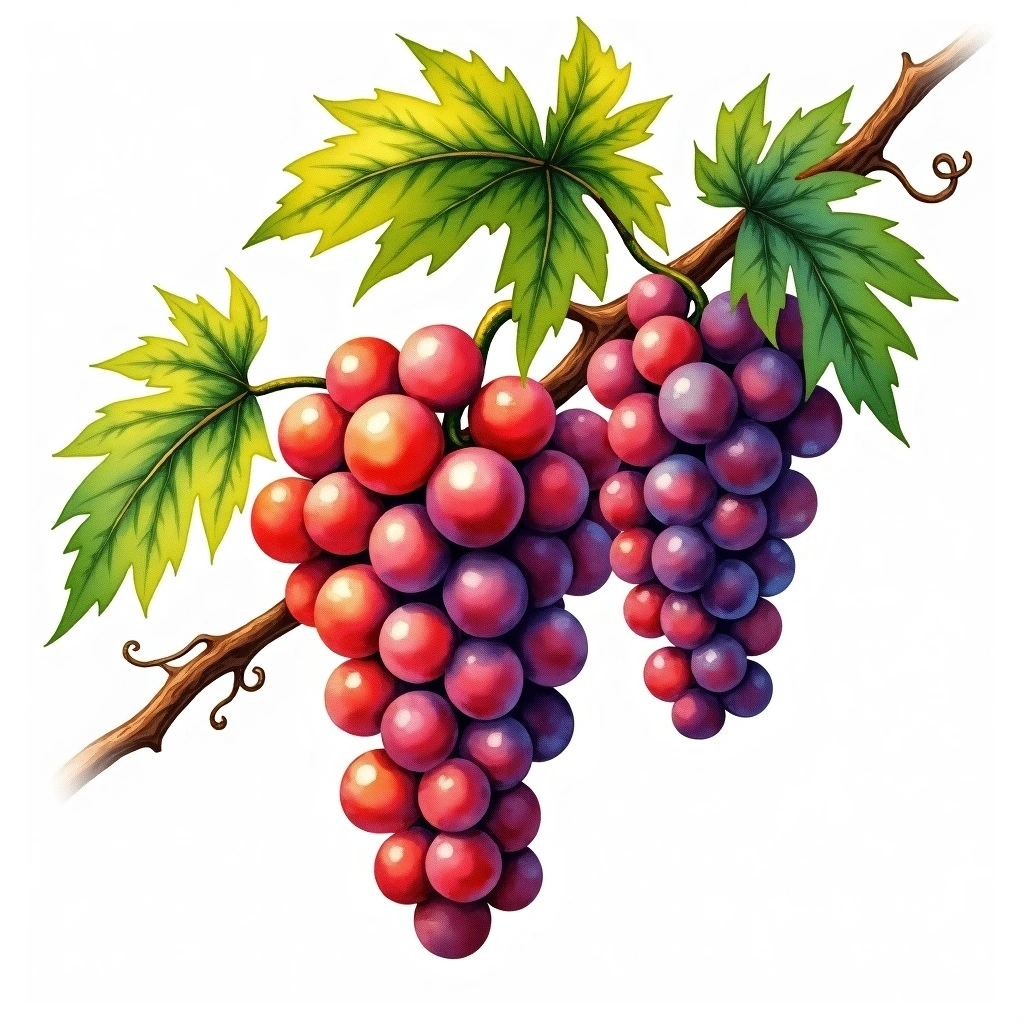 Grenache
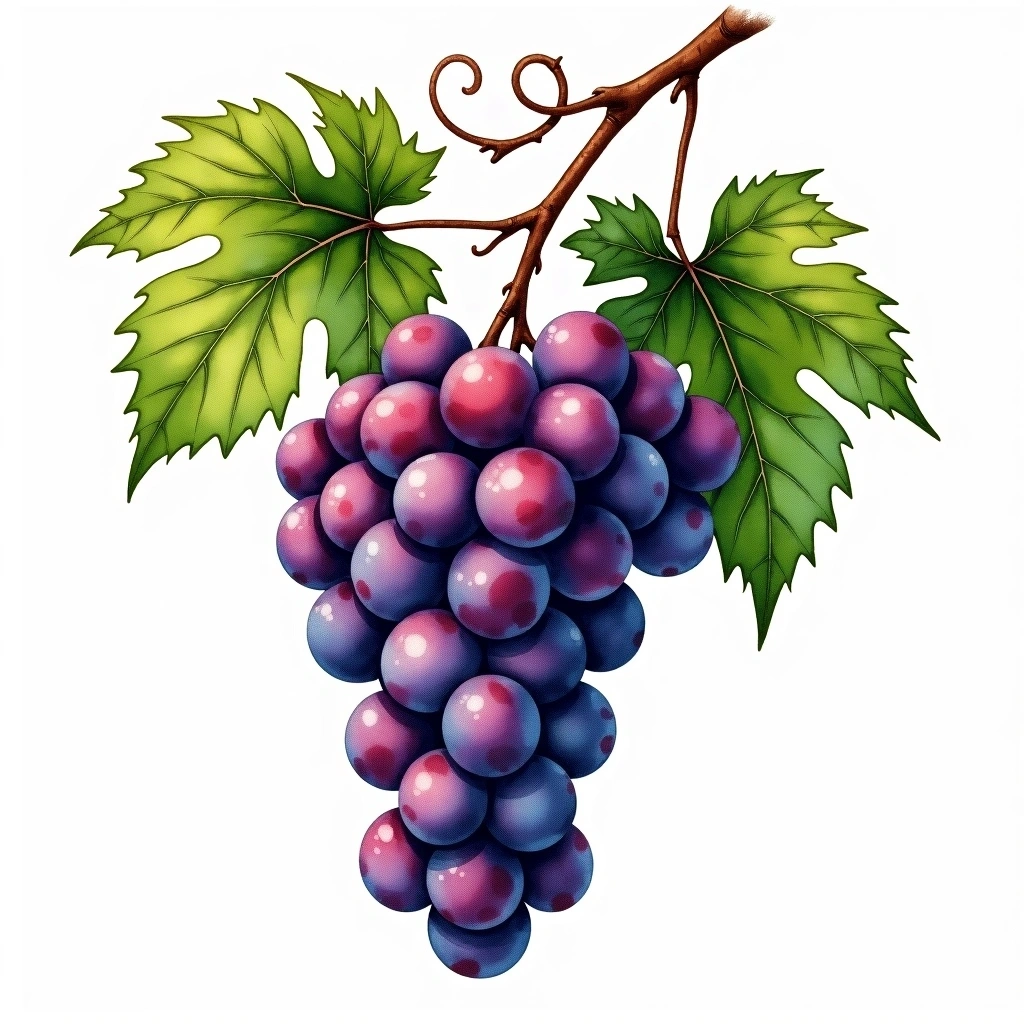 Mourvedre
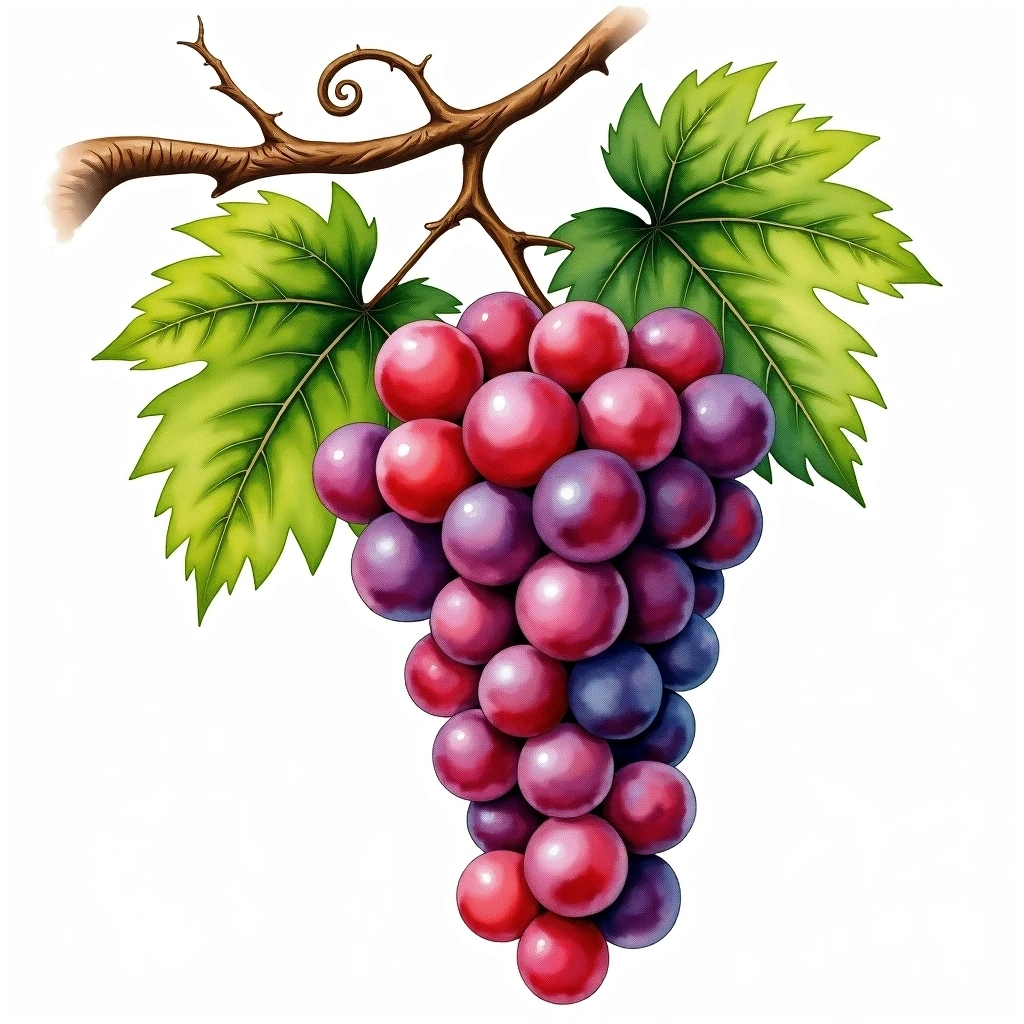 Tempranillo