Moscato d'Asti: Piedmont's Sweet Sparkling Gem
Moscato d'Asti is one of Italy's most enchanting wines — gently sparkling, intensely perfumed, low in alcohol, and sweet without being cloying — a perfect dessert wine or standalone pleasure from the hills of Piedmont.
The Lightest Sparkle from Italy's Greatest Wine Region
Piedmont is famous for its monumental reds — the Nebbiolo-based Barolo and Barbaresco that command the world's attention and the highest prices in Italy's wine canon. But the hills around Canelli, Calosso, and Santo Stefano Belbo in the southern Piedmont, in the Langhe and Monferrato zones, produce something entirely different: one of Italy's most beloved and technically fascinating wines, the delicately sweet and gently fizzy Moscato d'Asti.
Moscato d'Asti DOCG occupies a peculiar and precious position in the wine world. It is sweet but not heavy. It is sparkling but not fully pressurised — it is technically a frizzante (semi-sparkling) wine, with less than half the pressure of a conventional sparkling wine. It is low in alcohol — typically 5 to 6.5% ABV — making it one of the most accessible wines on earth for those who seek pleasure without intensity. And it is made from one of the world's most aromatic grape varieties, Muscat Blanc à Petits Grains, which produces a wine so perfumed and floral that even experienced drinkers sometimes struggle to believe it is not fortified with added aromatics.
It is not. Everything in Moscato d'Asti comes from the grape, the Terroir, and a production method as technically elegant as anything in the sparkling wine world.
The Muscat Grape
Muscat Blanc à Petits Grains — also known as Moscato Bianco in Italian — is the progenitor of the Muscat family and arguably the most aromatic wine grape in existence. Its name refers to the small, tightly clustered berries that distinguish it from the larger-berried Muscat of Alexandria. Where Muscat of Alexandria produces wines that smell of simple grape juice, Muscat Blanc offers a complex bouquet of rose petal, orange blossom, apricot, peach, lychee, and fresh herbs — a perfume of extraordinary intensity and delicacy that is instantly recognisable.
The grape is widely planted across southern Europe: in the Rhône Valley, it produces the sweet, still Beaumes-de-Venise; in Alsace, it produces dry wines of remarkable floral intensity; in Greece, it creates the fortified Muscat of Samos and Muscat of Lemnos; in Portugal, it appears under the name Moscatel. But its greatest sweet sparkling expression is universally agreed to be Moscato d'Asti.
The Asti DOCG Zone
The Asti DOCG covers a hilly zone in the provinces of Asti, Cuneo, and Alessandria in southeastern Piedmont. Within this broader zone, there are two distinct products:
- Moscato d'Asti DOCG — The frizzante (lightly sparkling) version with residual sugar of 80-100 g/L and maximum pressure of 2.5 bar
- Asti Spumante DOCG — The fully sparkling version with higher pressure and slightly different sugar levels, produced in larger volumes for broader commercial markets
The distinction matters enormously. Asti Spumante — despite sharing the DOCG designation — is produced at scale using industrial fermentation techniques and tends toward a simpler, more uniform character. Moscato d'Asti, by contrast, is almost universally produced by small to medium estates from specific vineyard sites, often with careful attention to the particular character of individual subzones. The best Moscato d'Asti is a genuinely artisanal product with clear site expression.
The most celebrated subzones within the Moscato d'Asti area include Santo Stefano Belbo (which has its own recently granted single-village DOCG), Canelli, Castiglione Tinella, and Calosso. Each has a slightly different character — Canelli wines tend toward more mineral intensity, Santo Stefano Belbo toward more peach and apricot richness, Calosso toward more saline freshness.
The Asti Method: Arrested Fermentation
The production of Moscato d'Asti uses a technique unique in the sparkling wine world. Grape must is fermented under pressure in a sealed tank — but Fermentation is arrested before completion by chilling the tank and filtering out the yeast. This process captures residual grape sugars in the wine (producing the sweetness) and retains the carbon dioxide produced during Fermentation (producing the light fizz), all within a single fermentation cycle.
There is no secondary Fermentation in Moscato d'Asti — no dosage, no disgorgement, no riddling. The wine is not a traditional-method sparkling wine at all. It is a product of arrested primary Fermentation: a wine that has been stopped before it would otherwise become dry and lose its natural sweetness and effervescence.
This method requires extraordinary technical precision. The moment of arrest must be judged perfectly: too early and the wine lacks complexity; too late and too much sugar has been consumed by the yeast. The winemaker must also manage pressure carefully — too much CO₂ and the wine becomes aggressively fizzy; too little and it seems flat and lifeless. In the best producers' hands, the result is a wine of perfect balance: sweet but fresh, fizzy but gentle, intensely aromatic but not cloying.
Flavour Profile and Aging
Moscato d'Asti is defined by its aromatics above all else. A young, well-made example from a top producer offers an almost overwhelming rush of rose petals, fresh peaches, white apricot, orange blossom, honey, and fresh herbs. The palate delivers on the promise of the nose: sweet, round, and generous, with enough natural Acidity (essential in a wine with this sugar level) to maintain freshness and prevent the sweetness from becoming heavy.
The alcohol — typically around 5.5% — is genuinely low: lower than most beer, lower than cider, genuinely lighter than almost any other wine on the market. This makes Moscato d'Asti a wine of remarkable accessibility. It can be drunk by those who struggle with conventional wine's alcohol levels, and it remains refreshing even in quantity — the sort of wine that a table can share freely without concern.
Moscato d'Asti does not age. It is designed to be drunk young — within one year of the vintage, ideally within six months. The wine's primary appeal is its freshness and vibrancy; these qualities fade rapidly, replaced by a flat, oxidised character that is deeply disappointing. Always buy the most recent vintage available, and drink it promptly.
Key Producers
Paolo Saracco — One of the most reliable and widely distributed Moscato d'Asti producers. Saracco's wines consistently demonstrate the precision and aromatic clarity that the best examples achieve.
Vietti — Although primarily known for its magnificent Barolo wines, Vietti produces an exceptional Moscato d'Asti from the Cascinetta vineyard in Castiglione Tinella that demonstrates the heights the wine can reach.
G.D. Vajra — Another Barolo estate that produces a beautiful, refined Moscato d'Asti alongside its powerful reds — a reminder that the same commitment to terroir expression works across wine styles.
La Spinetta — One of Piedmont's most celebrated estates, with a substantial history in Moscato d'Asti from its Bricco Quaglia and Biancospino vineyards. La Spinetta's Moscato wines are among the most sought-after in the category.
Ceretto — The respected Barolo and Barbaresco producer makes a Moscato d'Asti from Santo Stefano Belbo that expresses the subzone's characteristic peachy richness and mineral depth.
Food Pairings
Moscato d'Asti's sweetness, lightness, and aromatics create a specific set of pairing possibilities. The wine is almost never appropriate with savoury courses — its sweetness would clash catastrophically with meat, fish, or vegetables. It is a dessert wine or a standalone pleasure, full stop.
Fresh fruit and fruit tarts — The wine's peach and apricot character resonates beautifully with fresh stone fruit, berry tarts, and light fruit-based desserts. A peach tart alongside Moscato d'Asti is one of those rare combinations that seems almost too obvious — until you try it.
Delicate pastries — Almond biscotti, light sponge cake, choux pastry, and similar delicate preparations suit the wine's gentle sweetness perfectly.
Fresh cheeses — Ricotta, mascarpone, and fresh goat's cheese bridge the gap between sweet and savoury in a way that works beautifully with Moscato d'Asti's aromatic intensity.
On its own — Many of the wine's most devoted admirers drink it without food at all, as an afternoon pleasure or a gentle aperitivo that requires no accompaniment beyond a comfortable chair and good company.
Buying Guide
Moscato d'Asti is widely available in most markets at prices that reflect its origins (Piedmont, Italy's most prestigious wine region) and its DOCG status without reaching the luxury prices of Barolo. Mid-priced examples from the producers listed above are typically the best value; cheap Moscato d'Asti tends toward a watery, one-dimensional character that does no justice to the category.
Always check the vintage date and buy the youngest available. Avoid bottles that have been sitting on retail shelves for more than a year from the stated vintage. The wine is perfectly packaged in a standard 750ml bottle, though 375ml half-bottles are also common and ideal for single-serving situations.
For those who enjoy Moscato d'Asti and wish to explore related wines, the nearby Canelli DOCG (a still, barrel-aged Moscato) and the Asti Spumante DOCG offer different expressions of the same grape variety. Further afield, the Muscat de Beaumes-de-Venise from the Rhône Valley and the Muscat d'Alsace from Alsace offer dry to sweet expressions of the same aromatic variety in completely different stylistic registers.
 Gewürztraminer
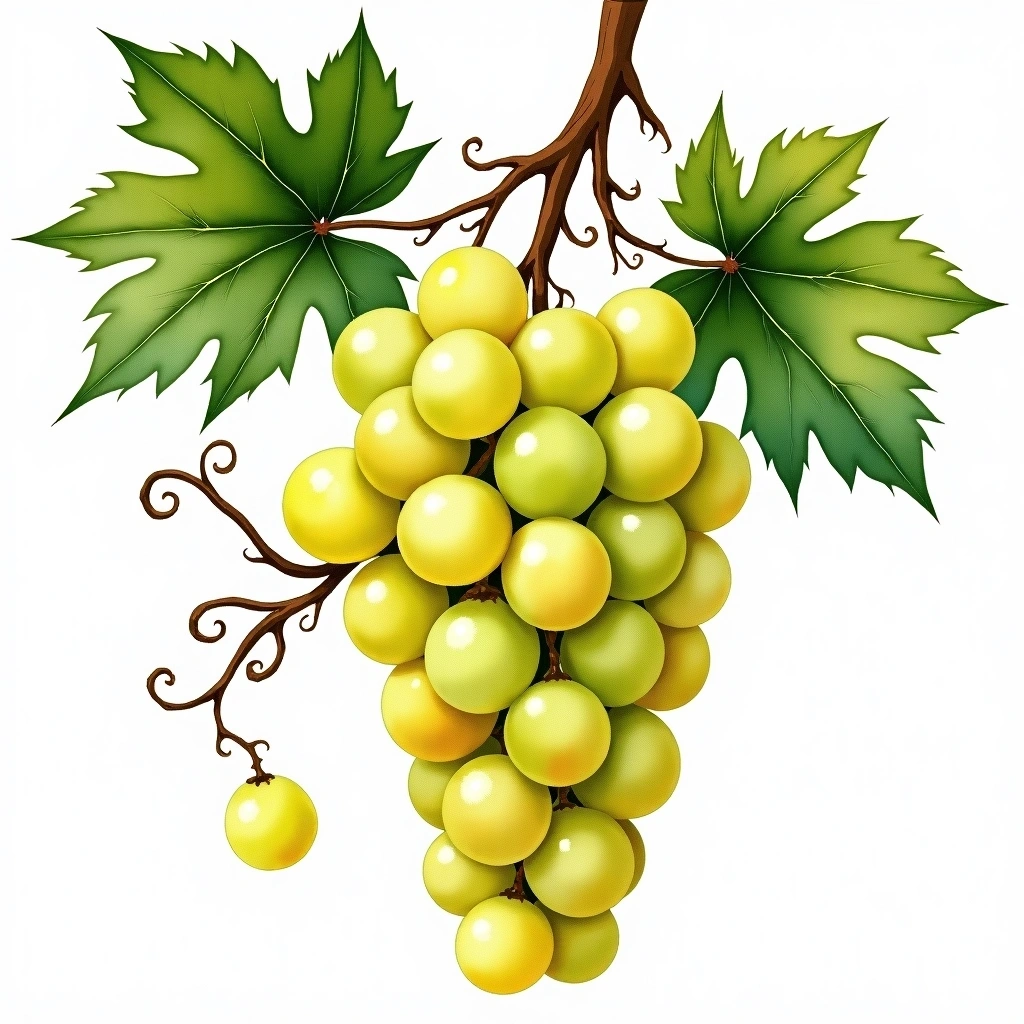 Riesling
 Aromatic White
 Charmat Method Sparkling
 Late Harvest