Mourvèdre: The Dark, Brooding Heart of Mediterranean Reds
Discover Mourvèdre, the powerful, tannic grape that forms the backbone of Bandol and anchors GSM blends worldwide, prized for its dark fruit, meaty complexity, and extraordinary aging potential.
Mourvèdre: The Dark, Brooding Heart of Mediterranean Reds
If Grenache is the Mediterranean's warm-hearted extrovert, then Mourvedre is its intense, brooding counterpart. This powerful, thick-skinned grape produces wines of almost forbidding darkness and tannic structure — wines that demand patience but reward it with extraordinary complexity. Mourvèdre is the anchor of Bandol, France's most age-worthy Mediterranean red, and the structural backbone of GSM (Grenache-Syrah-Mourvèdre) blends across the wine world.
Known as Monastrell in Spain (where it is far more widely planted than in France), Mataro in Australia, and by various local names across the Mediterranean basin, Mourvèdre is one of those grapes that wine professionals revere but casual drinkers may never encounter by name — it works its magic quietly, often from behind the scenes.
History and Origins
Mourvèdre's name is believed to derive from Murviedro, the old name for the Spanish city of Sagunto near Valencia, suggesting Iberian origins. The grape has been documented in Spain since at least the fifteenth century and was one of the most widely planted varieties in the country before the phylloxera epidemic of the late nineteenth century devastated European vineyards.
The grape crossed into France centuries ago, establishing itself along the Provençal coast and in the southern Rhône. Its most illustrious home became the fishing port of Bandol, where it found a near-perfect match of terroir and climate that allows it to achieve a level of complexity unmatched anywhere else.
In Australia, Mourvèdre (known locally as Mataro) arrived with early European settlers and was widely planted throughout South Australia in the nineteenth century. Like many old-vine plantings, it survived the vine-pull schemes of the 1980s in limited pockets, and these ancient bushvines now produce some of the grape's most compelling New World expressions.
Key Growing Regions
Bandol, France
Bandol is Mourvèdre's indisputable spiritual homeland. This small appellation on the Mediterranean coast east of Marseille requires a minimum of 50% Mourvèdre in its red wines (most top producers use 80-95%), and the results are extraordinary: deeply colored, intensely tannic wines with flavors of blackberry, leather, game, and garrigue that develop for decades in bottle.
Bandol's unique Terroir combines limestone and clay soils, south-facing amphitheater-shaped vineyards that maximize sun exposure, and the moderating influence of the Mediterranean Sea. The combination of heat, light, and maritime cooling allows Mourvèdre to achieve full physiological maturity while retaining structural acidity — a balance that is extraordinarily difficult to achieve elsewhere.
The best Bandol reds (from Domaine Tempier, Château Pibarnon, Château Pradeaux, and Domaine de Terrebrune) require at least a decade of cellaring to reveal their full potential, and the finest vintages can evolve for thirty to forty years.
Spain (Monastrell)
Spain plants far more Mourvèdre — under its Monastrell identity — than France. The major growing areas are Jumilla, Yecla, Alicante, and Bullas in southeastern Spain, where hot, arid conditions produce ripe, concentrated wines. Spanish Monastrell tends toward rounder, fruitier expressions than Bandol, with softer tannins and more immediate accessibility.
The quality revolution in Spanish Monastrell began in the early 2000s, when producers like Juan Gil, Casa Castillo, and El Nido demonstrated that careful viticulture and modern winemaking could transform this historically undervalued grape into wines of genuine distinction.
Southern Rhône, France
In the broader southern Rhône, Mourvèdre plays a crucial supporting role in the blends of Châteauneuf-du-Pape, Gigondas, and Côtes du Rhône. It contributes Tannin structure, dark color, and gamey, leathery complexity that complements Grenache's warmth and Syrah's savory intensity.
Australia and California
In the Barossa Valley and McLaren Vale, old-vine Mataro (Mourvèdre) produces wines of remarkable depth, often blended into Grenache-dominant wines (the Australian "GSM" style). Producers like Torbreck, Turkey Flat, and Hewitson work with century-old vines.
In California, Tablas Creek (whose Mourvèdre cuttings were sourced from Château de Beaucastel in Châteauneuf-du-Pape) and Bonny Doon have championed the grape, producing varietal and blended wines that demonstrate its adaptability to warm California conditions.
Viticulture Characteristics
Mourvèdre is one of the latest-ripening red grapes, requiring long, warm growing seasons and significant heat accumulation to reach full maturity. This late ripening is both its defining viticultural feature and its greatest limitation — in cool or short-season climates, the grape simply cannot ripen properly, producing green, aggressively tannic wines.
The grape demands proximity to the sea or other significant heat sources. In Bandol, the Mediterranean provides both warmth and the reflected light that drives ripening. The traditional viticultural wisdom is that Mourvèdre needs to "see the sea" — a poetic expression of its requirement for warm, maritime-influenced sites.
Mourvèdre is a vigorous vine with upright growth and thick-skinned, small berries. The thick skins contribute deep color and substantial Phenolic content — the source of both its formidable tannins and its extraordinary aging potential. Disease resistance is moderate; the grape is susceptible to powdery mildew and esca (a trunk disease) but generally tolerates drought well thanks to its deep root systems.
Yields must be kept low for quality production. At high yields, Mourvèdre produces coarse, rustic wine with green, vegetal flavors. At restricted yields (typically 30-40 hectoliters per hectare), it produces wine of remarkable concentration, complexity, and longevity.
Winemaking Approaches
Mourvèdre winemaking must navigate the tension between the grape's enormous tannic potential and the need for approachability. Extended Maceration — sometimes four to six weeks — extracts color, tannin, and flavor from the thick skins. However, excessive extraction can produce wines so tannic that they remain impenetrable for decades.
Traditional Bandol producers age their wines in large, old oak casks (foudres) for eighteen months to three years, allowing gradual oxidative evolution that softens tannins and develops complexity. The use of new small barriques is controversial in Bandol — some argue that new oak overwhelms the grape's distinctive character, while others believe it enhances structure and aromatic complexity.
Reduction is a persistent challenge with Mourvèdre. The grape's naturally high phenolic content can produce reductive aromas (struck match, sulfide) during aging, requiring careful cellar management and sometimes extended aeration. Decanting is often essential for young Mourvèdre, and many producers recommend opening bottles several hours before serving.
In GSM blends, Mourvèdre's role is structural. It provides the tannic framework, dark color, and savory complexity that anchor the blend, while Grenache contributes fruit and warmth and Syrah adds aromatic definition. The balance of these three components is one of the great arts of southern French winemaking.
Flavor Profile
Young Mourvèdre is dense, dark, and often unapproachable. The primary fruit character centers on blackberry, black plum, and black cherry — dark, brooding fruits with little of Grenache's red-fruited brightness. Overlaying the fruit are notes of black pepper, leather, cured meat, and the distinctive gamey, almost animal quality that French tasters call "sauvage."
Herbal notes are prominent — thyme, rosemary, bay leaf, and the broader garrigue character of the Mediterranean scrubland. Some tasters detect violets and lavender, though these floral notes are typically subtler than in Syrah.
The Tannin structure is formidable — dense, fine-grained, and unyielding in youth. The Body is full, the alcohol moderate to high, and the Finish long and structured, often with a distinctive bitter-chocolate or espresso character.
Aged Mourvèdre undergoes a remarkable transformation. The tannins soften and integrate, the fruit evolves from fresh to dried (fig, date, prune), and complex tertiary aromas emerge: truffle, tobacco, leather, smoked meat, dark earth, and a haunting, almost floral quality that recalls dried roses. Great aged Bandol is one of the wine world's most profound experiences.
Food Pairings
Mourvèdre's tannic power and savory intensity demand equally robust food. Braised and slow-cooked meats are the primary partners: daube provençale (beef braised with olives and herbs), lamb shoulder with rosemary, and wild boar stew are all exceptional pairings.
The grape's gamey, meaty character harmonizes with game birds (partridge, quail, pigeon), venison, and duck confit. Provençal dishes featuring olives, capers, anchovies, and sun-dried tomatoes complement the wine's herbal complexity.
Hard, aged cheeses — Comté, aged Pecorino, Beaufort — provide the structural weight to match Mourvèdre's tannins. Grilled or roasted mushrooms, particularly porcini and black trumpet, echo the wine's earthy, umami character.
Charcuterie — particularly cured sausages, bresaola, and pâté — is another excellent pairing category. The wine's tannic structure cuts through fat, while its savory, meaty notes create flavor harmony.
Notable Producers and Bottles
Domaine Tempier is the reference point for Bandol Mourvèdre, producing multiple vineyard-designated bottlings (Cabassaou, La Tourtine, La Migoua) that demonstrate the grape's extraordinary site-sensitivity. Château Pibarnon, perched on stunning limestone terraces overlooking the sea, produces Bandol of remarkable elegance and longevity. Château Pradeaux makes proudly traditional, long-aged wines that require decades to unfold.
In Spain, Bodegas El Nido, Casa Castillo, and Juan Gil produce excellent Monastrell from Jumilla at remarkably accessible prices. In Australia, Turkey Flat's Butcher's Block and Torbreck's The Steading showcase old-vine Mataro.
In California, Tablas Creek's Mourvèdre is the benchmark, while Cline Cellars and Bonny Doon offer excellent value expressions. Ridge Vineyards occasionally produces a varietal Mataro from old California plantings that demonstrates the grape's potential in the state's warmer inland valleys.
Bandol Rosé: Mourvèdre's Other Face
While Bandol's reputation rests primarily on its reds, the appellation's rosé wines — also Mourvèdre-dominant — deserve serious attention. Unlike the pale, delicate rosés of Provence, Bandol rosé is structured, deep-colored, and intensely flavored, capable of aging for three to five years. The wine's distinctive salmon-to-copper hue and flavors of blood orange, dried herbs, and spice make it one of the most gastronomic rosés produced anywhere. Domaine Tempier's rosé, in particular, is considered one of the world's benchmark pink wines, demonstrating that Mourvèdre can produce rosé of genuine complexity and age-worthiness.
Aging Mourvèdre: A Guide for Patience
Mourvèdre is one of the wine world's most age-worthy red grapes, but it demands more patience than almost any other variety. Young Bandol can be forbiddingly tannic, even aggressive, with aromas dominated by reduction and raw, unresolved fruit. The transformation that occurs over ten to twenty years of proper cellaring is nothing short of dramatic: the tannins evolve from harsh to silky, the fruit deepens from fresh to dried, and a symphony of tertiary aromas emerges that includes truffle, cured meat, cedar, and old leather. Collectors should cellar top Bandol reds at consistent temperatures between 12 and 14 degrees Celsius and plan on a minimum of eight to ten years before opening. The finest vintages from producers like Tempier, Pibarnon, and Pradeaux can develop magnificently for thirty to forty years, placing Mourvèdre among a select group of wines — alongside Barolo, Hermitage, and classified Bordeaux — capable of multi-decade evolution.
Comparison with Similar Grapes
Syrah is Mourvèdre's most frequent comparison and blending partner. Both produce dark, tannic wines with savory, meaty complexity. Syrah tends toward more aromatic expression (violet, black pepper, olive), more refined tannin structure, and greater cool-climate adaptability. Mourvèdre is darker, more tannic, more gamey, and more demanding of heat. In the cellar, Syrah tends to develop more quickly, reaching its peak at ten to fifteen years, while top Mourvèdre may require twenty or more years to achieve full expression.
Grenache provides the stylistic opposite within the GSM framework: where Mourvèdre is dark, tannic, and brooding, Grenache is bright, warm, and generous. The complementarity of these two grapes is one of wine's most successful partnerships. In a well-crafted GSM blend, Grenache provides the immediate pleasure, Syrah adds aromatic complexity, and Mourvèdre provides the structural foundation that allows the wine to age gracefully.
Tempranillo shares Mourvèdre's Spanish heritage and produces structured, age-worthy reds, but with lighter color, more prominent acidity, and a different aromatic profile (leather, tobacco, red plum rather than game, blackberry, and garrigue). Tannat, from southwestern France and Uruguay, shares Mourvèdre's formidable tannic structure but tends toward darker, more astringent expressions with less aromatic complexity.
Mourvèdre's unique contribution is its combination of power, longevity, and savory complexity. It is not a grape that seduces immediately — it demands patience, contemplation, and suitable food. But for those willing to invest the time, Mourvèdre rewards with wines of extraordinary depth and character that are among the most intellectually stimulating in the world.
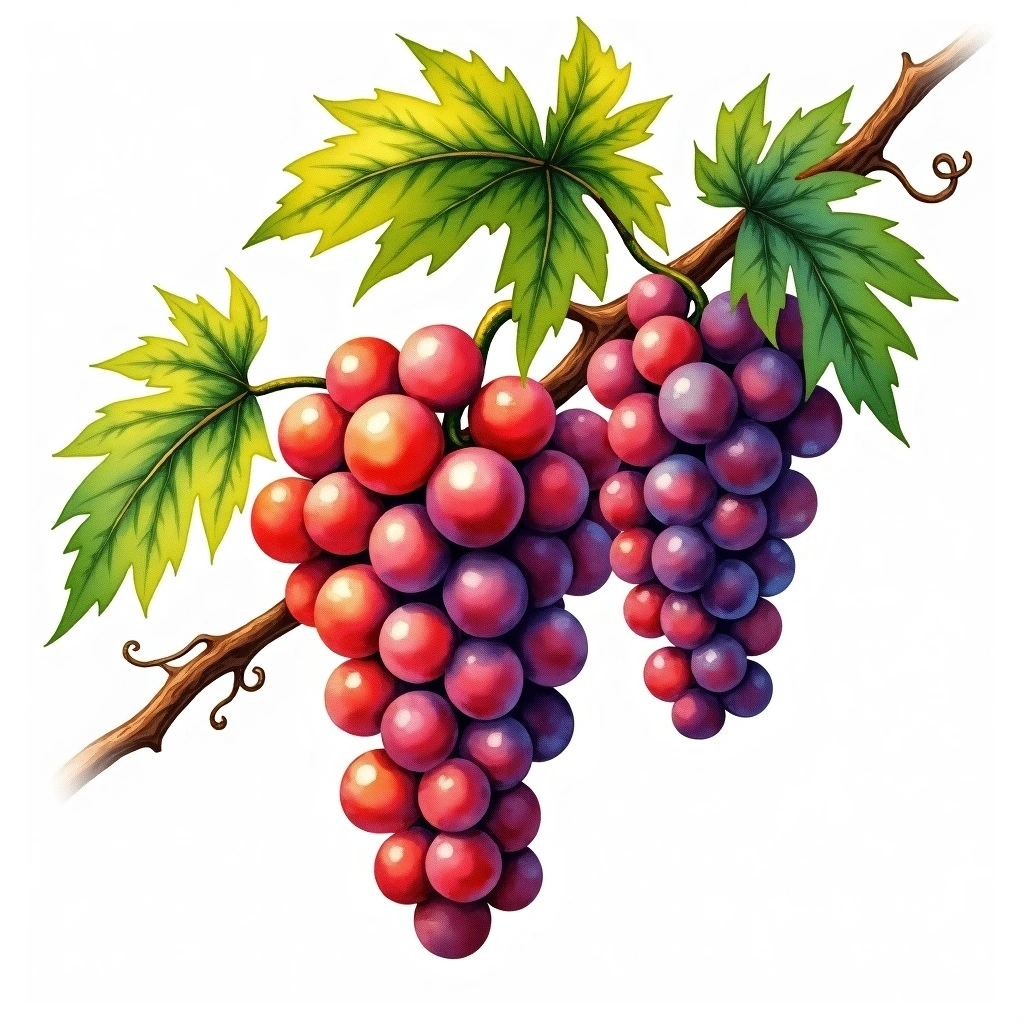 Grenache
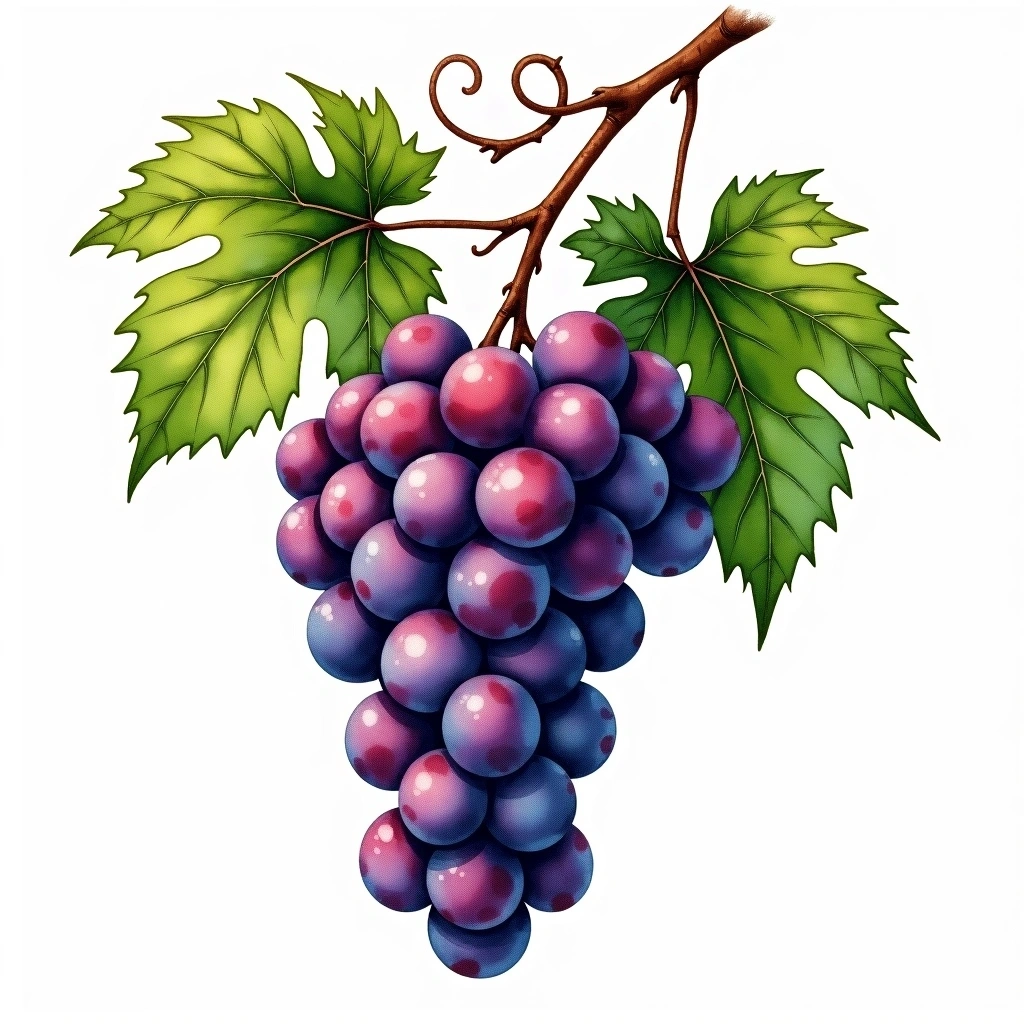 Mourvedre
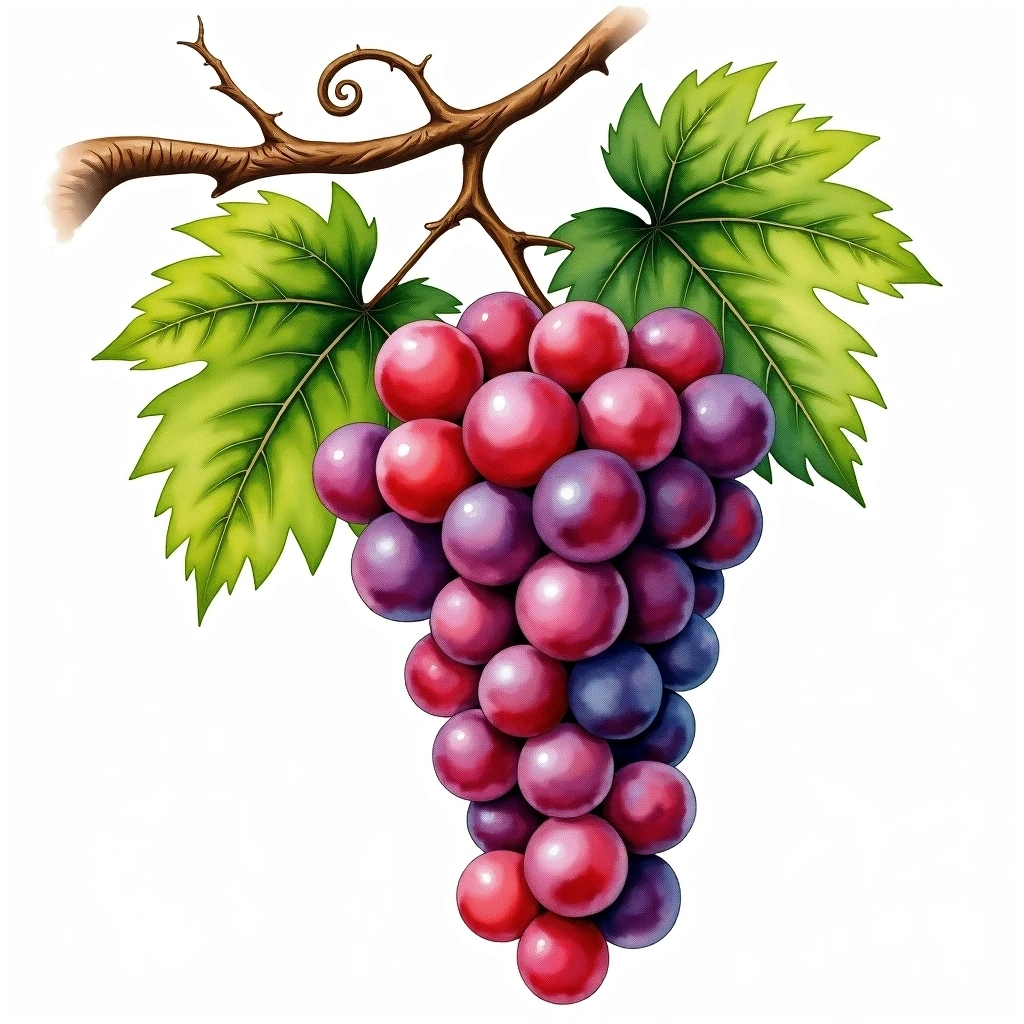 Tempranillo