Antioxidants in Wine: Beyond Resveratrol
Resveratrol gets the headlines, but wine contains hundreds of antioxidant compounds. This guide explores the full spectrum of wine antioxidants, their sources, and what science says about their biological activity.
Antioxidants in Wine: Beyond Resveratrol
If you follow wine and health news, you have almost certainly encountered resveratrol — the polyphenol found in grape skins that became a media sensation after researchers demonstrated its anti-aging properties in laboratory animals. Resveratrol has launched supplement empires, inspired countless headlines, and become virtually synonymous with wine's health narrative.
But resveratrol is just one compound among hundreds of antioxidants present in wine. In fact, by concentration, resveratrol is a relatively minor player. The broader family of wine antioxidants — including flavonoids, phenolic acids, tannins, and anthocyanins — may collectively matter far more than any single compound. This guide explores the full antioxidant profile of wine, examining what each class of compounds does, where they come from, and what the science genuinely supports.
What Are Antioxidants?
Antioxidants are molecules that neutralize free radicals — highly reactive molecules with unpaired electrons that can damage cellular structures including DNA, proteins, and lipid membranes. This damage, known as oxidative stress, is implicated in aging, cardiovascular disease, cancer, neurodegenerative disorders, and chronic inflammation.
The human body produces its own antioxidant enzymes (superoxide dismutase, catalase, glutathione peroxidase), but dietary antioxidants from food and beverages supplement these internal defenses. Fruits, vegetables, tea, coffee, dark chocolate, and wine are among the most concentrated dietary sources.
Wine's antioxidant profile is shaped by grape variety, winemaking technique, and aging conditions. Understanding these variables reveals why not all wines are equal in antioxidant content.
The Major Classes of Wine Antioxidants
Flavonoids
Flavonoids are the largest and most diverse group of antioxidants in wine, accounting for the majority of total Phenolic content in red wines. Key subcategories include:
Flavonols (Quercetin, Myricetin, Kaempferol): Found primarily in grape skins, flavonols are among the most potent antioxidants in wine. Quercetin, in particular, has demonstrated anti-inflammatory and cardioprotective effects in laboratory and animal studies. Grapes exposed to more sunlight produce higher flavonol concentrations — a factor that connects Viticulture practices directly to wine chemistry.
Flavan-3-ols (Catechins, Epicatechins): These are the building blocks of Tannin and are found in both grape skins and seeds. Catechins are also the primary antioxidants in green tea, where they have been extensively studied. In wine, they contribute both to the antioxidant profile and to the astringent mouthfeel.
Anthocyanins: The pigments responsible for red wine's color are themselves powerful antioxidants. Malvidin-3-glucoside is the dominant anthocyanin in most red wines. These compounds are extremely sensitive to pH, oxygen, and time — which is why red wines lose color intensity as they age, as anthocyanins polymerize with tannins and eventually precipitate as sediment.
Tannins (Proanthocyanidins)
Tannin — specifically condensed tannins or proanthocyanidins — are polymers of flavan-3-ol units. They represent the most abundant class of polyphenols in many red wines and are responsible for the characteristic drying, gripping sensation on the palate.
From an antioxidant perspective, tannins are remarkably effective free radical scavengers. Their large molecular size gives them multiple sites for neutralizing reactive oxygen species. Research published in Nature has suggested that procyanidins from grape seeds are among the most potent dietary antioxidants measured by the ORAC (Oxygen Radical Absorbance Capacity) assay.
Grape varieties with thick skins and small berries tend to produce wines with the highest tannin content. Cabernet Sauvignon, Nebbiolo, and Syrah are among the most tannic-structured varieties. Winemaking techniques like extended Maceration and Cold Soak further increase tannin extraction.
Non-Flavonoid Phenolics
Stilbenes (Resveratrol and Pterostilbene): Stilbenes are produced by grapevines in response to fungal infection and UV stress. Resveratrol exists in two forms: trans-resveratrol (biologically active) and cis-resveratrol (less active). Concentrations in wine are typically 0.2-5.8 mg/L in reds and much lower in whites. Pterostilbene, a methylated derivative, has better bioavailability and may be more biologically relevant, though it is present in even smaller quantities.
Phenolic Acids (Gallic Acid, Caffeic Acid, Coumaric Acid): These simpler phenolic compounds are found throughout the grape and in wine at moderate concentrations. Gallic acid, in particular, is a powerful antioxidant and is released from hydrolyzable tannins during aging.
Ellagic Acid: Present in wines aged in oak barrels, ellagic acid migrates from the wood into the wine. It has demonstrated anti-carcinogenic properties in laboratory models, adding another dimension to the antioxidant profile of barrel-aged wines.
How Winemaking Affects Antioxidant Content
The winemaking process profoundly influences the final antioxidant profile of a wine:
Skin Contact Duration: The most critical variable. Extended maceration — sometimes lasting 30 days or more for high-end Bordeaux or Piedmont reds — extracts dramatically more phenolics than short maceration. White wines, which are typically pressed off skins quickly, contain roughly one-tenth the total phenolics of reds.
Temperature: Warmer fermentation temperatures accelerate extraction of phenolics from skins and seeds. Cold Soak before fermentation extracts anthocyanins preferentially over tannins, producing color-rich wines that may be less phenolically complex.
Oak Aging: Barrel aging introduces oak-derived ellagitannins, vanillin, and other phenolic compounds. French oak tends to contribute more ellagitannin than American oak. Longer aging periods increase the extraction.
Fining and Filtration: Many traditional fining agents (egg white, gelatin, casein) work by binding to and removing tannins and other phenolics. Aggressive fining can reduce a wine's antioxidant content significantly. Unfiltered wines retain more phenolic material.
Sulfite Addition: Sulfur dioxide, added as a preservative, is itself an antioxidant — it reacts with oxygen and free radicals to protect wine from Oxidation. While not a dietary antioxidant in the same sense as polyphenols, its role in preserving the existing antioxidant compounds in wine is important.
Which Wines Have the Most Antioxidants?
Not all wines are created equal in antioxidant content. Research has identified several patterns:
- Red wines contain 5-10 times more total phenolics than white wines. The extended skin contact during red wine fermentation is the primary driver.
- Thick-skinned, small-berried varieties lead the way. Cabernet Sauvignon, Nebbiolo, and Malbec consistently rank among the highest in total phenolics.
- High-altitude vineyards produce more antioxidant-rich grapes. Increased UV exposure at elevation stimulates greater flavonol production. Wines from Mendoza (high-altitude Malbec) and certain high-altitude European sites benefit from this effect.
- Tannic Structured wines deliver more proanthocyanidins. Young, robust reds from Bordeaux, northern Rhone Valley, and Piedmont tend to have the highest tannin concentrations.
- Aged Wine may have lower anthocyanin but higher polymerized phenolics. As wines age, anthocyanins combine with tannins to form larger, more stable molecules. Whether these polymerized forms retain antioxidant activity is still being studied.
The Bioavailability Problem
Perhaps the most important caveat in the wine antioxidant story is bioavailability — the degree to which a consumed compound is actually absorbed and becomes biologically active in the body.
Most wine polyphenols have poor bioavailability. They are rapidly metabolized in the liver, conjugated with glucuronic acid or sulfate, and excreted. Resveratrol, for example, has a plasma half-life of only about 8-14 minutes in its free form. The vast majority of ingested resveratrol never reaches tissues in its active form.
However, as discussed in current microbiome research, the unabsorbed polyphenols that reach the colon serve as substrates for bacterial metabolism, producing smaller metabolites that may be more readily absorbed and biologically active than the parent compounds. This "colonic metabolism" pathway may be the primary mechanism through which wine polyphenols exert their effects.
What the Science Supports — and What It Does Not
Supported by evidence: Wine contains a diverse and concentrated array of antioxidant compounds. In laboratory and animal models, these compounds demonstrate anti-inflammatory, cardioprotective, and neuroprotective properties. Diets rich in polyphenols from multiple sources are consistently associated with better health outcomes.
Not yet supported: That drinking wine is a reliable strategy for increasing antioxidant status in the body. The bioavailability limitations, the confounding effects of alcohol, and the difficulty of isolating wine's contribution from overall diet make definitive claims premature.
Important context: You can obtain similar or greater antioxidant intake from fruits (especially berries), vegetables, tea, coffee, dark chocolate, and spices — without the alcohol. Wine should be enjoyed for its cultural, social, and gustatory pleasures, with any antioxidant benefits viewed as a welcome bonus rather than a medical justification.
A Responsible Perspective
The antioxidant story in wine is genuinely fascinating and scientifically rich. Wine is one of the most chemically complex beverages humans consume, and the interplay between hundreds of phenolic compounds creates a matrix of potential biological activity that researchers are only beginning to understand.
But complexity demands humility. The science does not yet support specific health recommendations based on wine's antioxidant content. What it does support is the broader principle that a diverse, plant-rich diet — of which moderate wine consumption can be one element — provides the body with a wide spectrum of protective compounds. Enjoy your wine with that knowledge, and with the understanding that the most important health decisions are best made in consultation with your healthcare provider.
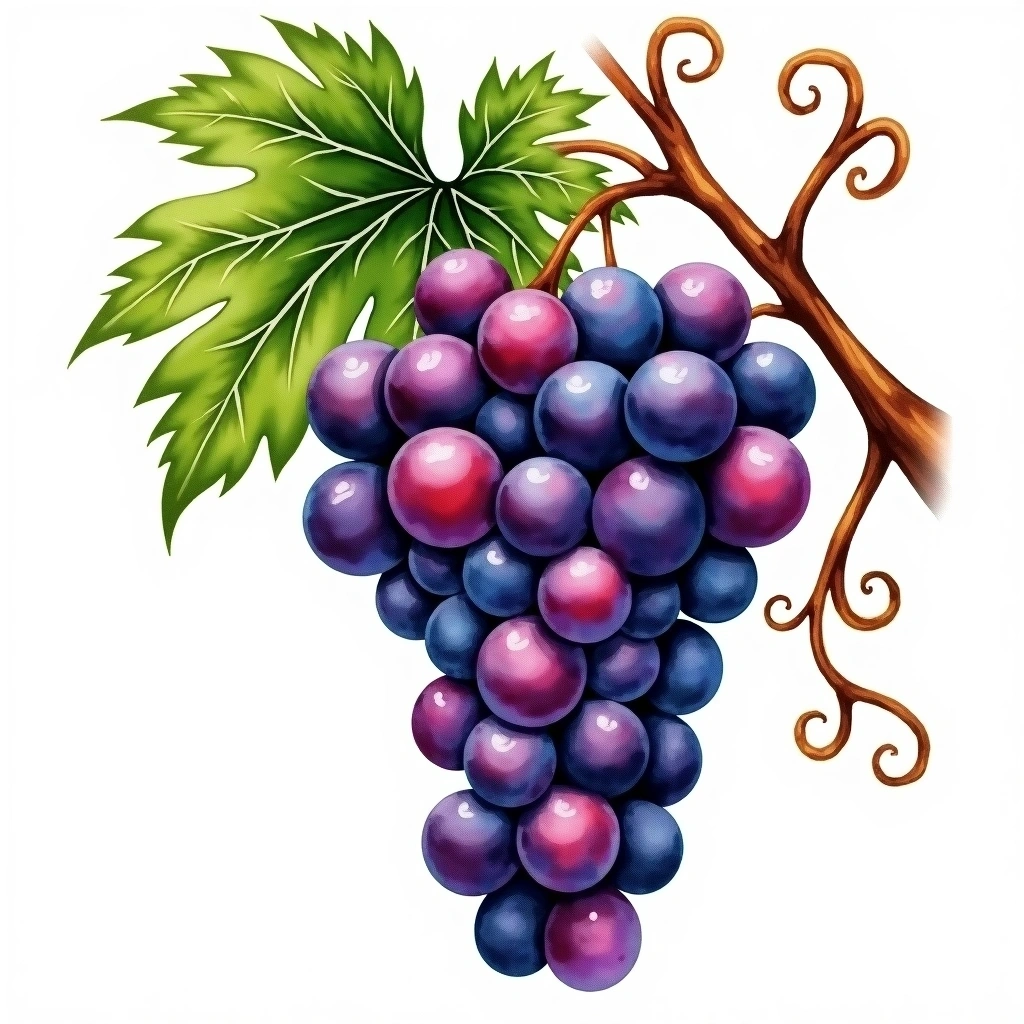 Cabernet Sauvignon
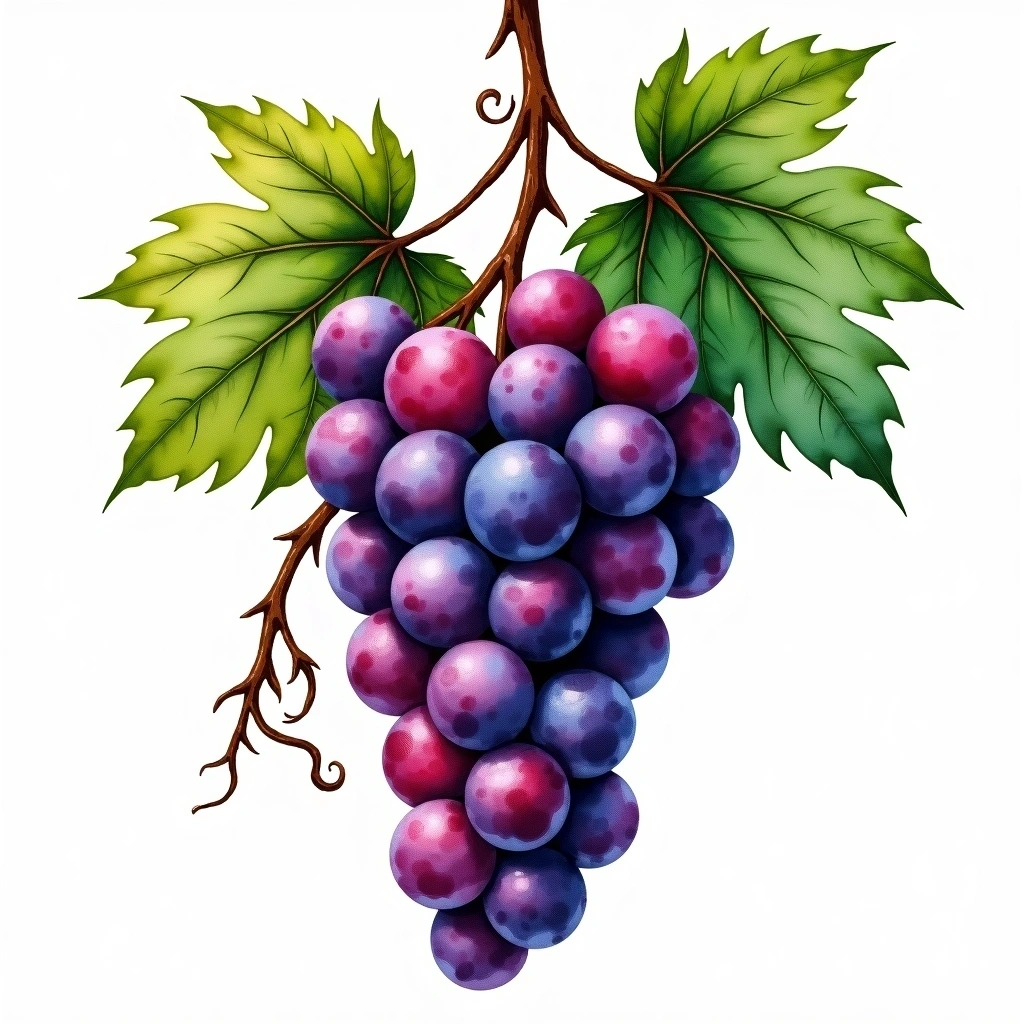 Malbec
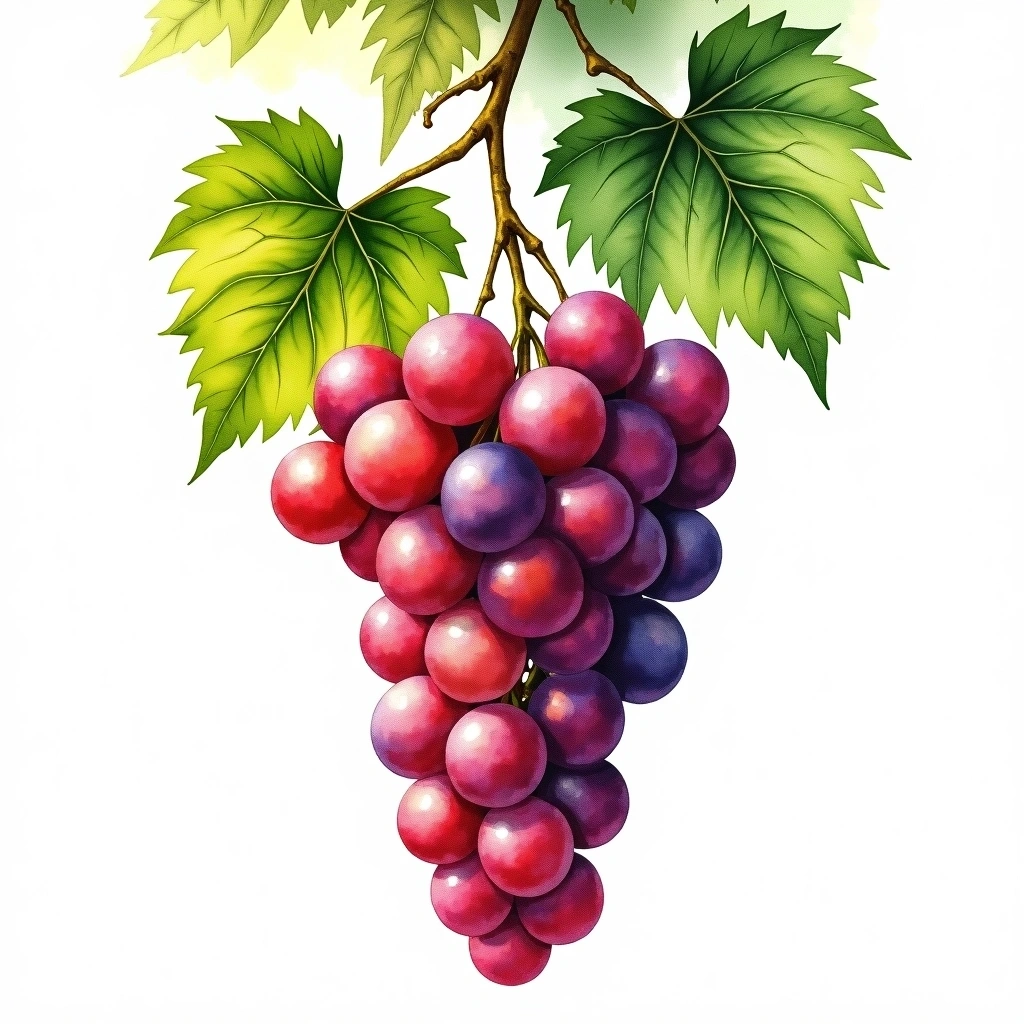 Nebbiolo
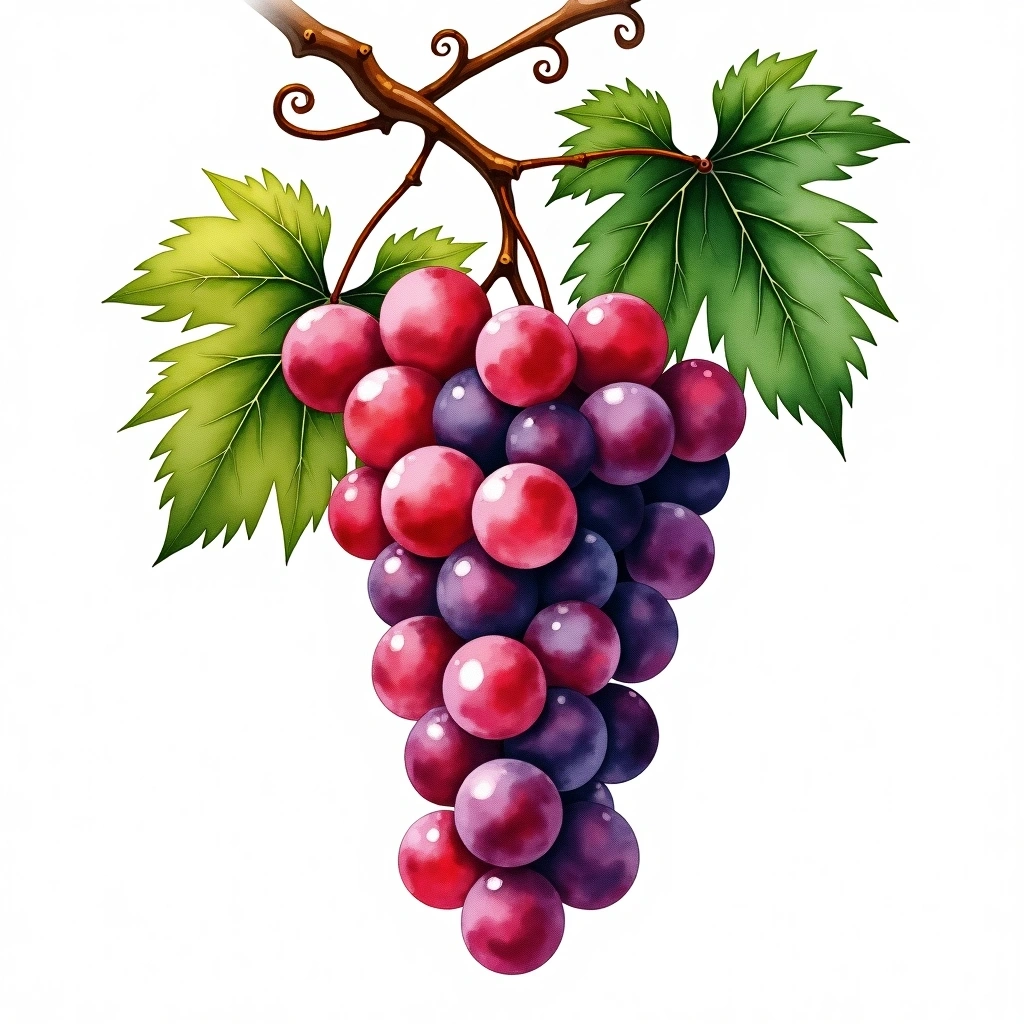 Pinot Noir