Chardonnay: The World's Most Versatile White
From lean Chablis to buttery Napa, Chardonnay is the chameleon of the white wine world. This guide explores how one grape produces dramatically different styles across the globe and how to find the style you love.
The Blank Canvas of White Wine
Ask ten winemakers about Chardonnay and you will get ten very different answers. Some will describe a lean, almost austere wine with electric Acidity and a flinty, mineral edge. Others will paint a picture of rich, creamy, tropical luxury dripping with vanilla and toasted oak. Both are Chardonnay. That extraordinary range is the grape's greatest strength and, for casual wine drinkers, its greatest source of confusion.
Chardonnay is the world's most widely planted white wine grape, grown across every wine region on earth. Its neutral character — it has less intrinsic aromatics than Riesling or Sauvignon Blanc — makes it a faithful mirror of Terroir and winemaking technique, which is exactly why it produces such wildly different wines from place to place.
Origin and History
Chardonnay originates from the Burgundy region of eastern France, where it has been cultivated for centuries. DNA analysis confirms that it is a natural cross of Pinot Noir and a now-rare variety called Gouais Blanc, which means it is technically a sibling of Gamay and several other Burgundian varieties. The grape's name likely derives from a village in the Mâconnais sub-region of Bourgogne.
For centuries, Chardonnay was the undisputed queen of white Burgundy, producing legendary wines like Montrachet, Meursault, and Corton-Charlemagne. The 1976 Paris Tasting, in which a Napa Valley Chardonnay bested white Burgundy in a blind tasting, signaled the grape's global ambitions. By the 1980s and 1990s, a "Chardonnay craze" drove plantings worldwide, and the grape became synonymous with premium white wine.
The ABC Backlash
Success bred a backlash. The acronym ABC — "Anything But Chardonnay" — emerged in the 1990s as wine enthusiasts rebelled against over-oaked, over-worked expressions that dominated supermarket shelves. Today the pendulum has swung back toward balance; modern winemakers produce a stunning diversity of styles, and the best Chardonnays are as celebrated as ever.
Flavor Profile
Chardonnay's flavors shift dramatically based on climate and winemaking:
Cool Climate (Burgundy, Chablis, Champagne)
- Green apple, lemon, grapefruit
- Chalk and flint minerality
- Crisp, mouthwatering Acidity
- Restrained oak or none at all
Moderate Climate (Burgundy's Côte d'Or, Sonoma)
- Ripe apple, pear, nectarine
- Hazelnut, brioche, cream
- Balanced acidity and Body
- Judicious oak integration
Warm Climate (Napa, Barossa, Margaret River)
- Pineapple, mango, peach
- Vanilla, butterscotch, caramel
- Lower acidity, full Body
- More pronounced oak character
The winemaker's choice of whether to use Malolactic Fermentation (MLF) is perhaps the single greatest determinant of Chardonnay style. MLF converts sharp malic acid into softer lactic acid, giving the creamy, buttery texture associated with rich California Chardonnay. Producers who skip MLF — common in Chablis and cooler regions — preserve the wine's natural brightness and tension.
Growing Regions
Burgundy, France
Bourgogne is Chardonnay's spiritual home and the global benchmark. The Côte de Beaune sub-region produces the most revered dry white wines in the world: Meursault with its hazelnut richness, Puligny-Montrachet with aristocratic precision, and the Grand Cru vineyards of Le Montrachet, which can command prices exceeding $1,000 per bottle.
Chablis, Burgundy's northernmost appellation, deserves special mention. At this latitude, Chardonnay barely ripens, producing wines of extraordinary tension and mineral precision. The best Chablis Premier and Grand Crus express the region's Kimmeridgian limestone soils through a chalky, oyster-shell minerality that is truly unlike anything else.
Champagne, France
In Champagne, Chardonnay is one of three permitted varieties, contributing elegance, acidity, and aging potential to blended Champagne. Blanc de Blancs — Champagne made from 100% Chardonnay — is the variety's purest sparkling expression: creamy, biscuity, and intensely mineral. The Côte des Blancs sub-region is almost exclusively planted with Chardonnay and produces some of Champagne's finest cuvées.
Napa Valley and Sonoma, California
California defines the rich, Oaky Chardonnay style. Napa Valley Chardonnay is full-bodied, tropical, and heavily influenced by new French oak and complete Malolactic Fermentation. Sonoma County, particularly the Russian River Valley, produces cooler-climate expressions with more restrained oak and better acidity — considered by many critics to be California's finest Chardonnay appellation.
Marlborough, New Zealand
Marlborough is best known for Sauvignon Blanc, but its Chardonnays are well worth seeking. The region's cool, bright, high-UV climate concentrates flavor while maintaining the Acidity that prevents richness from becoming cloying.
Other Key Regions
- Maconnais, Burgundy — Accessible, fresh Chardonnay at honest prices (Pouilly-Fuissé, Saint-Véran)
- Barossa Valley, Australia — Rich, ripe expressions from warm-climate Barossa Valley
- Northern Italy — Crisp, mineral Chardonnays from Alto Adige and Trentino
- Chile and Argentina — Improving quality at competitive price points
Winemaking Approaches
The range of Chardonnay styles is largely a function of winemaking decisions:
Oak Fermentation and Aging
Fermenting and aging Chardonnay in French oak Barrique adds vanilla, spice, and texture, and promotes gentle oxidation that rounds out the wine. The percentage of new oak and time spent in barrel (typically 6–12 months) are key variables. Unoaked Chardonnay — stainless steel fermented and aged — emphasizes pure fruit and mineral character.
Sur-Lie Aging
Leaving the wine on its fermentation Lees (spent yeast cells) and stirring them regularly (bâtonnage) adds creaminess, complexity, and a distinctive bread-dough character. This technique is standard practice in fine Burgundy and is increasingly used in premium New World Chardonnays. See Sur Lie for more detail.
Malolactic Fermentation
As noted, the decision to allow or prevent Malolactic Fermentation is critical. Full MLF produces butter and cream; partial or no MLF preserves green apple and citrus freshness. Skilled winemakers blend lots with varying MLF completion to achieve a desired Balance.
Food Pairings
Chardonnay's stylistic breadth means it pairs well with an unusually wide range of foods:
- Butter-poached lobster or crab — The classic match for rich, oaky California Chardonnay
- Roast chicken — Works across the entire style spectrum
- Creamy pasta — Carbonara and Alfredo are natural partners for rich Chardonnay
- Sushi and raw fish — Crisp, unoaked Chablis or cool-climate Chardonnay
- Soft cheeses — Brie, Camembert, and fresh chèvre pair beautifully
- Grilled salmon — One of wine's great matches, particularly with Sonoma Chardonnay
Avoid pairing rich, oaky Chardonnay with delicate steamed vegetables or light salads, where the wine will overwhelm the food.
Cellaring and Serving
Most Chardonnay is best consumed within 3–5 years of the Vintage, while fruit is fresh and oak is integrated. However, the finest Burgundian Chardonnays — Premier Cru and Grand Cru Meursault, Puligny-Montrachet, and Chablis — can evolve magnificently for 10–20 years, developing extraordinary complexity and a distinctive aged character.
Serve Chardonnay at 10–12°C (50–54°F). Too cold suppresses aromas; too warm makes the wine feel flat and flabby. Unoaked styles can be served slightly colder than oaked ones.
Finding Your Chardonnay
The key to loving Chardonnay is finding your spot on the style spectrum:
- Love freshness and minerality? Chablis, Macon, unoaked Burgundy
- Want balance and complexity? Côte de Beaune, Russian River Valley, Mornington Peninsula
- Prefer richness and roundness? Napa Chardonnay, Barossa, Languedoc
No single wine demonstrates better than Chardonnay how Terroir and winemaking transform the same grape into dozens of distinct personalities. It is the ideal grape for wine education — and for lifelong discovery.
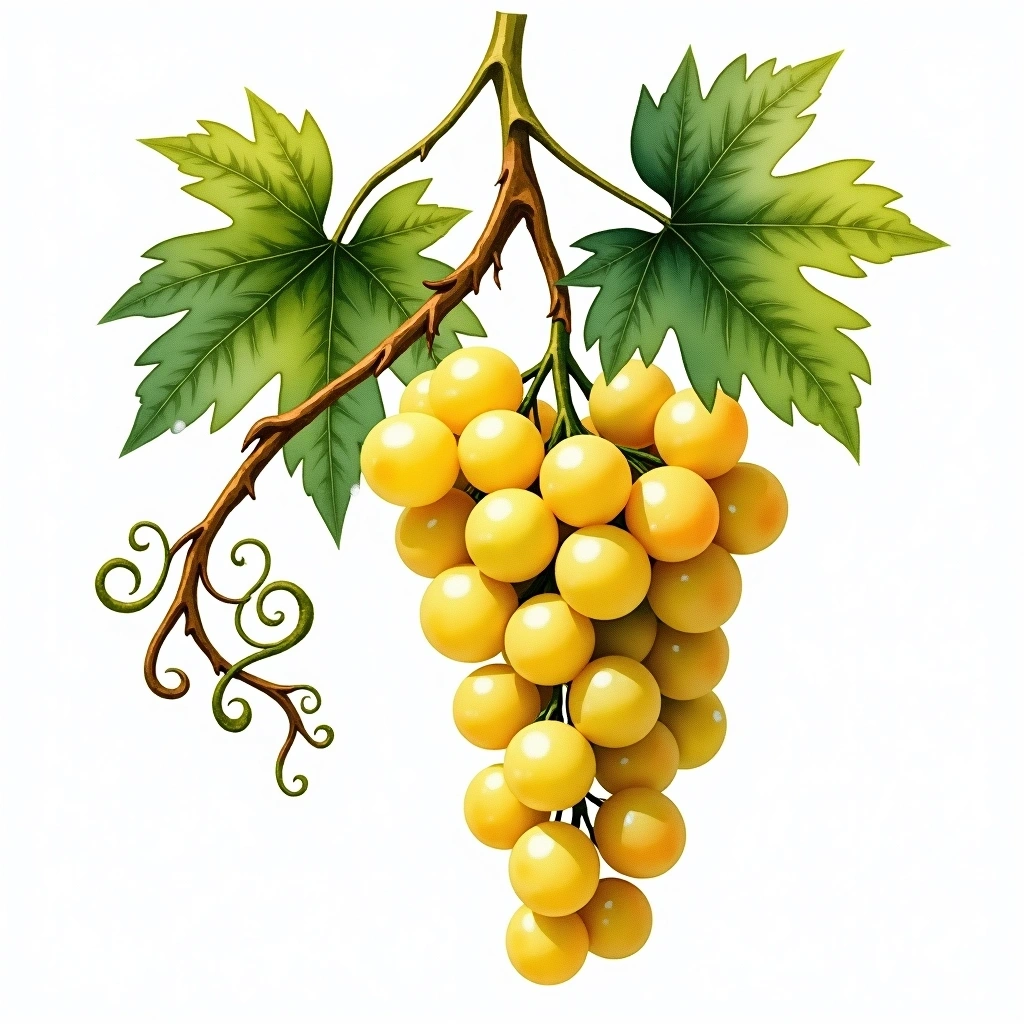 Chardonnay
 Pinot Blanc
 Pinot Gris
 Sauvignon Blanc
 Sémillon
 Viognier
 Crisp White
 Light White
 Rich White
 Traditional Method Sparkling