Dessert Wines and Sweet Pairings
A guide to pairing dessert wines with sweet courses, covering late harvest, botrytized, fortified, and ice wines matched with chocolate, fruit, pastry, and cheese.
The Cardinal Rule of Dessert Pairing
There is one unbreakable rule in dessert wine pairing: the wine must be sweeter than the food. When a wine is less sweet than the dish it accompanies, the wine tastes thin, sour, and bitter by comparison. The sugar in the food overwhelms the wine's fruit and structure, leaving nothing but harsh acidity and alcohol.
This principle explains why dry wines with dessert almost never work. It also explains why dessert wines exist as a category — they are specifically designed to match the sweetness of the final course.
The corollary is equally important: dessert wines do not need to accompany dessert. Some of the greatest dessert wine pairings involve savory foods — foie gras with Sauternes, blue cheese with Port, spicy Asian food with late-harvest Riesling. The sweetness in the wine acts as a counterpoint to salt, fat, and heat.
How Dessert Wines Get Their Sweetness
Understanding how sweetness is achieved helps you match wines to desserts, because different production methods create different flavor profiles.
Late Harvest (Vendange Tardive, Spätlese, Auslese)
Grapes are left on the vine past normal harvest, concentrating sugars through dehydration. The wines retain fresh fruit character and bright Acidity.
Key grapes: Riesling from the Mosel and Alsace, Gewürztraminer, Chenin Blanc from the Loire
Flavor profile: Honeyed fruit, apricot, peach, citrus peel. Lighter and more refreshing than botrytized wines.
Noble Rot (Botrytis cinerea)
The fungus Botrytis cinerea attacks ripe grapes under specific humidity conditions, perforating the skins and causing water to evaporate. The remaining juice is intensely concentrated, with unique flavors (honey, saffron, beeswax, dried apricot) that cannot be achieved any other way.
Key wines: Sauternes (Sauvignon Blanc and Sémillon from Bordeaux), Tokaji Aszú (Furmint from Hungary), Beerenauslese and Trockenbeerenauslese (Riesling from Germany), Quarts de Chaume (Chenin Blanc from the Loire)
Flavor profile: Intensely honeyed, marmalade, saffron, mushroom, extraordinary complexity. These are among the longest-lived wines in the world.
Dried Grape Wines (Passito, Vin de Paille)
Grapes are dried on mats or hung in ventilated rooms after harvest, concentrating sugars through controlled dehydration. Italian Vin Santo, Passito di Pantelleria (Muscat), and French Vin de Paille use this technique.
Flavor profile: Dried fig, raisin, honey, caramel, nuts. Often richer and less acidic than botrytized wines.
Fortified Sweet Wines
A distilled spirit (brandy) is added to fermenting wine, killing the yeast and leaving residual sugar. Port from the Douro and Porto regions is the most famous example.
Types of Port: - Ruby Port: Young, fruity, vibrant. Easy match for chocolate - Tawny Port: Aged in barrel, developing caramel, nut, and toffee flavors. Extraordinary with caramel and nut desserts - Vintage (Vintage or Late Bottled Vintage): More complex, needs Decanting
Other fortified dessert wines: Muscat de Beaumes-de-Venise, Banyuls, Pedro Ximénez Sherry, Madeira (Malmsey/Bual)
Ice Wine (Eiswein)
Grapes freeze naturally on the vine and are pressed while frozen, separating concentrated sweet juice from ice crystals. Produced in Germany, Austria, and Canada.
Flavor profile: Intensely sweet with razor-sharp Acidity. Apricot, mango, tropical fruit, honey. Very expensive due to tiny yields.
Pairing by Dessert Type
Chocolate
Chocolate is the most frequently asked-about dessert pairing, and the trickiest. Chocolate's bitterness, fat content, and sweetness interact with wine in complex ways.
Dark chocolate (70%+ cacao): The bitterness needs a wine with enough sweetness to overpower it. - Vintage or Late Bottled Vintage Port — the classic. The wine's sweetness, dark fruit, and tannin structure match dark chocolate's intensity - Banyuls (fortified Grenache from southern France) — often described as "liquid chocolate" - Pedro Ximénez Sherry — syrupy, raisined, powerfully sweet
Milk chocolate: Less bitter, sweeter, creamier. Needs less intensity from the wine. - Tawny Port (10-year or 20-year) — caramel and nut notes complement milk chocolate - Muscat de Beaumes-de-Venise — lighter, floral, grapey - Muscat (Moscato d'Asti) — low alcohol, gentle fizz, peach and apricot flavors
White chocolate: Technically not chocolate (no cacao solids). Very sweet and creamy. - Late-harvest Riesling — acidity cuts the richness - Moscato d'Asti — the lightness and fizz prevent the pairing from becoming cloying
Fruit-Based Desserts
Fruit desserts — tarts, crumbles, cobblers, poached fruit — pair naturally with wines that share their fruit character.
Berry desserts (strawberry tart, raspberry sorbet, blueberry crumble): - Muscat-based wines — Moscato d'Asti, Muscat de Beaumes-de-Venise - Brachetto d'Acqui — a lightly sparkling, sweet red wine from Piedmont with strawberry and rose petal character - Demi-sec Champagne — bubbles and sweetness with berry fruit
Stone fruit desserts (peach cobbler, apricot tart): - Late-harvest Riesling — the apricot and peach notes in the wine mirror the dessert - Sauternes — its botrytized apricot character is a natural match - Tokaji Aszú — intense dried apricot and honey
Apple and pear desserts (tarte Tatin, poached pears): - Chenin Blanc from the Loire (Coteaux du Layon, Bonnezeaux) — apple and pear character with honey - Vin Santo — its nutty, caramel character complements baked apple - Calvados (apple brandy, not wine) — the ultimate apple dessert partner
Pastry, Cake, and Custard
Crème brûlée: - Sauternes — the honeyed richness and caramel-like botrytis character harmonize with caramelized custard. This is the textbook pairing - Tokaji Aszú 5 Puttonyos — equivalent intensity and complexity
Tiramisu: - Vin Santo — the traditional Tuscan match. Coffee, mascarpone, and cocoa with nutty, oxidative wine - Marsala — another Tuscan-region choice, with caramel and dried fruit
Panna cotta: - Moscato d'Asti — light, fruity, refreshing against the cream - Late-harvest Riesling — particularly with fruit-topped panna cotta
Mille-feuille and croissant-based pastries: - Demi-sec Champagne — the butter in the pastry and the bubbles in the wine are exquisite - Chenin Blanc moelleux — Vouvray Moelleux has the weight for rich pastry
Savory-Sweet Crossover Pairings
The most sophisticated dessert wine pairings often involve savory elements.
Foie gras with Sauternes: Perhaps the most celebrated sweet wine pairing in French gastronomy. The wine's sweetness, acidity, and botrytis complexity cut through the liver's overwhelming richness. Sauternes' Acidity prevents the combination from becoming heavy. Served as a first course, not dessert.
Blue cheese with Port: Roquefort with Sauternes or Stilton with Vintage Port — the salt in the cheese, the sweetness in the wine, and the acidity that holds everything together.
Spicy food with late harvest wine: Off-dry and sweet wines counter chili heat. A Spätlese Riesling with spicy Thai food demonstrates how dessert-level sweetness can transform a savory meal.
Serving Dessert Wines
Temperature
Dessert wines should be served chilled but not ice-cold: 8-12 C (46-54 F). Too warm, and the sweetness becomes cloying. Too cold, and the aromas and complexity are suppressed.
Port is an exception. Ruby and Vintage Port can be served at 14-16 C. Tawny Port benefits from slight chilling (12-14 C).
Portion Size
Dessert wines are intense and high in residual sugar. A 60-90 ml pour (about half a standard wine glass) is appropriate. These wines are meant to be savored in small quantities.
Glassware
Use smaller glasses than for table wine. The concentrated aromas of dessert wine fill a small glass more effectively. Dedicated dessert wine glasses with narrow bowls are ideal.
Building a Dessert Wine Collection
A small collection of three to four bottles covers most dessert situations:
- Sauternes or Tokaji — for fruit desserts, foie gras, and blue cheese
- Tawny Port (10 or 20 year) — for chocolate, caramel, and nut-based desserts
- Moscato d'Asti — for lighter fruit desserts and as a low-alcohol refreshment
- Late-harvest Riesling — the versatile option for everything from spicy food to custard
Dessert wines are among the most underappreciated categories in the wine world. Their complexity, longevity, and capacity for pairing make them disproportionately valuable for the price. A bottle of well-made Sauternes delivers more pleasure per glass than almost any table wine at the same price point — and lasts longer, since you are pouring smaller servings. It is the best-kept secret in wine.
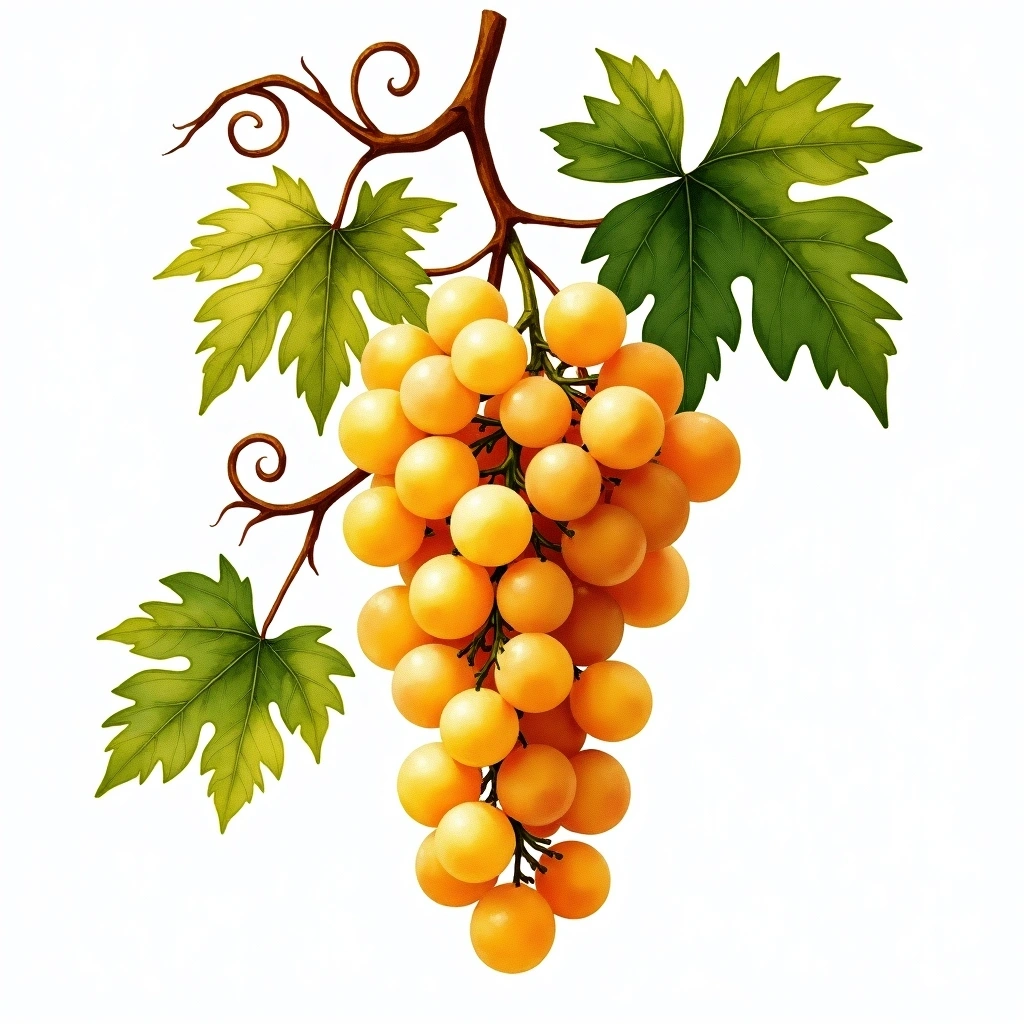 Chenin Blanc
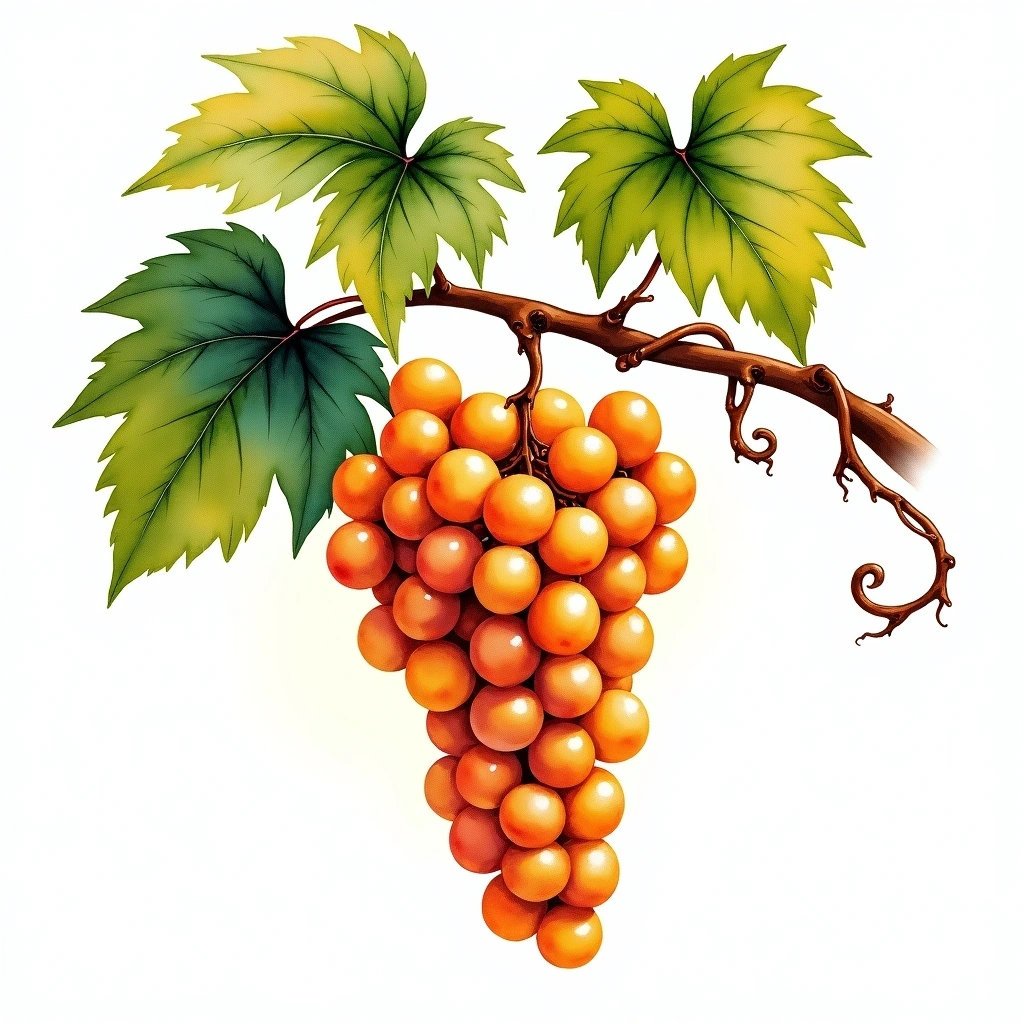 Gewürztraminer
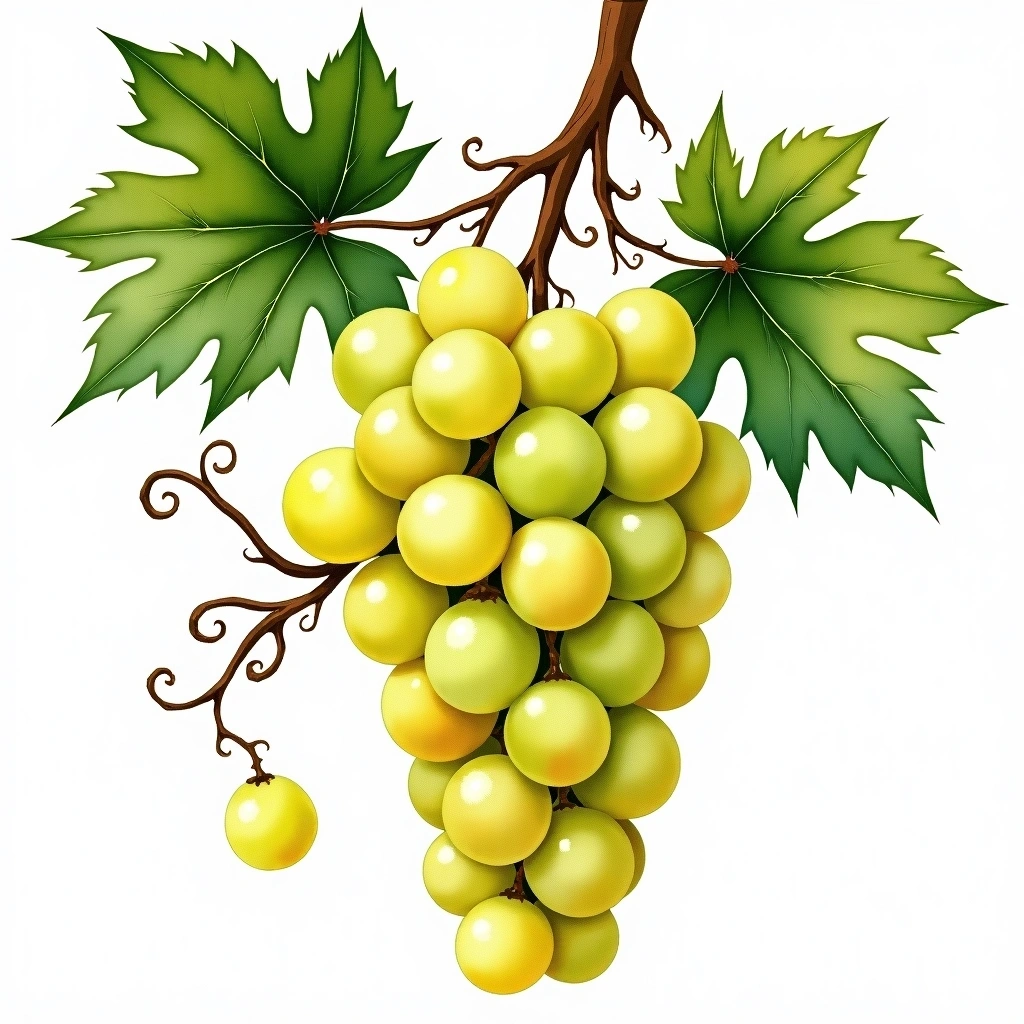 Riesling
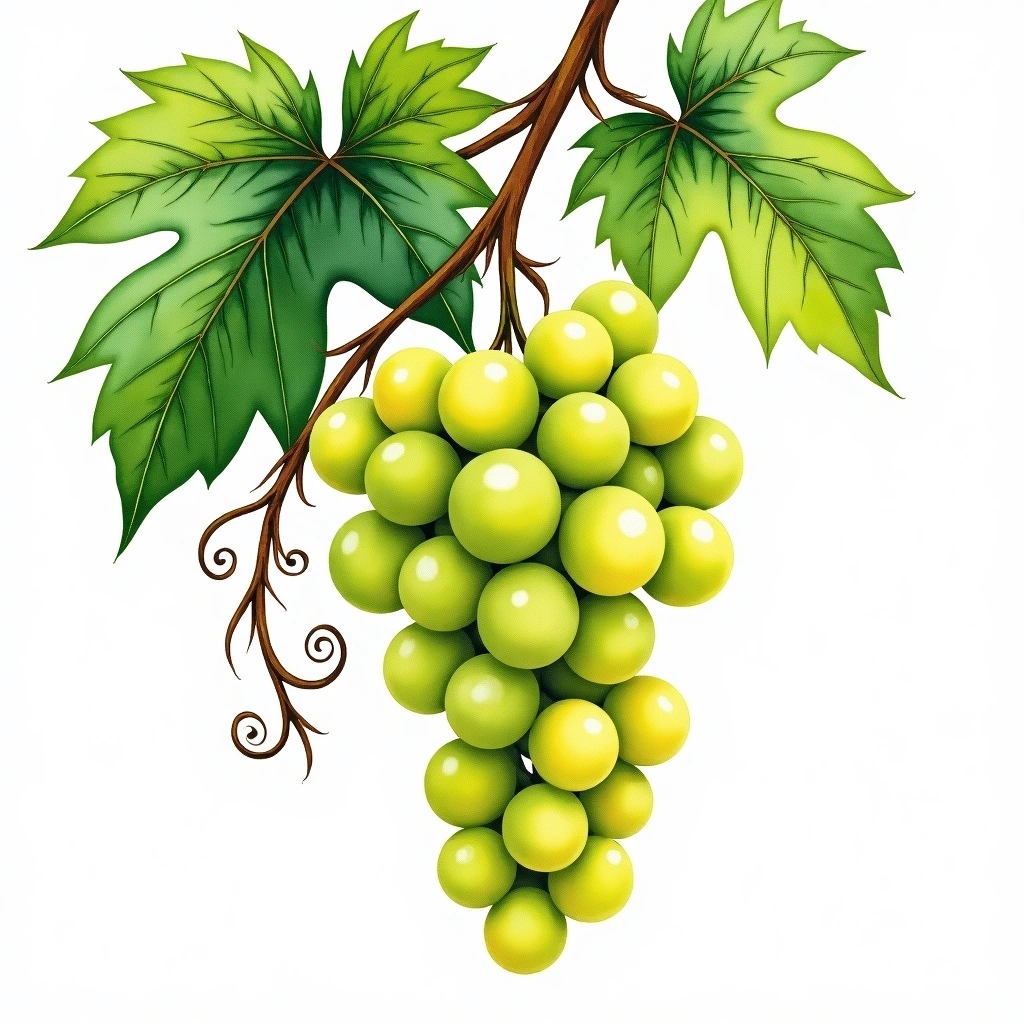 Sauvignon Blanc
 Aromatic White
 Rich White