Port Wine: A Complete Guide
Everything you need to know about Port wine — the grape varieties, production method, major styles from Ruby to Vintage, how to serve and store it, and the best producers in the Douro Valley.
What Is Port?
Port (or Porto) is a Fortified Wine produced exclusively in the Douro Valley of northern Portugal — a spectacular, terraced landscape of schist and granite carved by the Douro River that has produced wine since Roman times. Port derives its name from the city of Porto (Oporto), where the wine was historically lodged in the wine shippers' warehouses (lodges) across the river at Vila Nova de Gaia before export.
Fortification is the defining step: partway through fermentation, a neutral grape spirit (aguardente) with approximately 77% alcohol is added to the fermenting must. The addition kills the yeast, stops fermentation, and preserves roughly half the grape's natural sugar as Residual Sugar in the finished wine. The result is a wine of 19-22% alcohol that is simultaneously sweet, powerful, and extraordinarily complex.
Port is not one wine but a family of wines ranging from fresh, fruit-forward Ruby Port ready to drink on release to Vintage Port capable of aging for 50 or more years.
The Douro Valley and Its Terroir
The Douro is divided into three subzones:
Baixo Corgo — The western, wettest zone. Higher-volume, lighter-style Port production. Most wine here goes into basic Ruby and Tawny blends.
Cima Corgo — The heart of fine Port. Centered on Pinhao, this schist-dominated zone contains the great quintas (estates) that produce the finest Tawny and Vintage Port. Heat can be extreme — summer temperatures routinely exceed 40°C.
Douro Superior — The easternmost and driest zone, increasingly important for high-altitude quintas with more moderate temperatures. Growing in prestige.
The schist bedrock is central to Port's character. Schist fractures vertically, allowing vine roots to penetrate deeply in search of water during the scorching summers. This root depth is what allows vines to survive without irrigation while concentrating flavor in small, thick-skinned berries.
The A to F Vineyard Classification
The Port Wine Institute (IVDP) classifies every Douro vineyard on a scale from A (best) to F (lowest), based on altitude, yield, soil, vine age, and training method. The classification directly determines how much Port a quinta is permitted to produce each year — a complex regulatory system designed to maintain quality.
The Grape Varieties
Port is traditionally produced from over 80 permitted varieties, though five dominate premium production.
Touriga Nacional — Considered the greatest Port variety. Small-clustered, deeply colored, with extraordinary concentration of tannin, anthocyanins, and the distinctive floral violet/rose character that marks the finest Vintage Ports. Low-yielding but exceptional quality.
Touriga Franca — More productive than Touriga Nacional and consistently reliable. Brings floral character and fine tannin, essential in most premium blends.
Tinta Roriz (Tempranillo) — The dominant variety of the Douro Superior, contributing spice, structure, and firm tannin. Increasingly important in single-quinta expressions.
Tinta Barroca — Heat-tolerant, early-ripening, contributing body and sweetness.
Tinta Cao — A difficult, low-yielding variety that adds elegance and finesse when present.
Blending across varieties from multiple parcels and vintages is the norm for most styles, though single-variety Port is increasingly produced as an educational exercise.
The Production Process
Harvesting
Harvest in the Douro occurs in September and October, often in intense heat. Grapes are hand-harvested (mechanical harvesting is impractical on steep terraces) and rapidly transported to the winery.
Fermentation and Foot Treading
Traditional Port fermentation occurs in shallow open granite troughs called lagares. Foot treading (the famous "foot stomping") was historically used to extract color and tannin from the skins in the short time available before fortification. Today, most wineries use mechanical pistons (robotic lagares) that replicate the gentle yet thorough extraction of foot treading more consistently. Only a few premium houses maintain traditional foot treading.
Fermentation lasts just 2-4 days — far shorter than for dry wine. The winemaker monitors sugar levels continuously, deciding exactly when to add the aguardente to stop fermentation at the target sweetness level.
Fortification
Neutral grape spirit (aguardente) at 77% alcohol is added at a ratio of roughly 1 part spirit to 4 parts must. The alcohol inhibits yeast activity immediately, halting fermentation. The remaining grape sugar — which in a dry wine would have been converted to alcohol — stays in the wine as sweetness.
Aging
The newly fortified wine is transported (historically by rabelo boat, now by tanker truck) to the shipper's lodges in Vila Nova de Gaia, where it ages in various vessel types depending on the intended style.
The Major Styles
Ruby Port
The simplest and most commercial Port style, Ruby is aged 2-3 years in large oak vats or stainless steel, preserving its vivid ruby color and primary fruit character. Fresh, fruit-forward, with blackberry, cherry, and chocolate notes. Serve at 14-16°C with chocolate desserts or cheese.
Reserve Ruby / Premium Reserve
Superior Ruby blends selected for richer fruit and more complexity. Often the step up that converts casual consumers into serious Port drinkers.
Tawny Port
Tawny undergoes extended aging in small 550-liter pipes (barrels), deliberately exposing the wine to gradual oxidation over years or decades. This oxidative process transforms the color from ruby to tawny-amber and replaces primary fruit with complex dried fruit (fig, date, orange peel), nutty notes (walnut, almond, hazelnut), and spice (cinnamon, clove).
Tawny is sold in age-indication categories: - 10-Year Tawny: A blend averaging 10 years of aging. Accessible entry into the style. - 20-Year Tawny: More complex, with pronounced dried fruit and nut character. The sweet spot of the category. - 30-Year Tawny: Extraordinary complexity; some bottles approach a dry finish despite containing residual sugar. - 40-Year Tawny: Rare, very expensive, profoundly complex — an acquired taste.
Serve Tawny lightly chilled at 14-16°C, which makes it one of the few fortified wines that benefits from cooler service. It is superb with crème brulee, tarte tatin, walnuts, or blue cheese.
Colheita (Single Harvest Tawny)
A single vintage Tawny aged a minimum of 7 years (though most are aged far longer). The bottle carries the harvest year and the year of bottling. Extraordinary value and traceability — a 1994 Colheita bottled in 2020 tells a very specific story of 26 years of barrel aging.
Late Bottled Vintage (LBV)
LBV is Port from a single vintage, aged 4-6 years before bottling. It bridges the accessibility of Ruby with the vintage character of Vintage Port.
Filtered/traditional LBV — Ready to drink immediately, no sediment. Unfiltered LBV — Requires Decanting but shows much greater complexity. Often approaches the quality of declared Vintage Port from less celebrated years at a fraction of the price.
Vintage Port
The pinnacle of the category. Vintage Port is declared only in exceptional years — perhaps 3-4 times per decade — when the port houses assess that the quality of the harvest justifies it. Declared wines are aged just 2 years in wood before bottling and then age for decades in bottle.
Great Vintage Ports develop for 20-50 years, evolving from powerful, tannic, dark-fruited wines into multilayered compositions of dried fruit, leather, tobacco, and an astonishing spectrum of secondary aromas. They always require Decanting because bottle age produces significant sediment.
Classic decades: 2017, 2016, 2011, 2007, 2003, 2000, 1994, 1977, 1970, 1963.
Single Quinta Vintage Port
Rather than a house blend, single quinta Ports come from a single estate. Produced in years when major houses do not declare a universal vintage, these wines offer vintage-level quality and estate-level expression. Taylor's Quinta de Vargellas and Graham's Quinta dos Malvedos are among the most famous.
White Port
Made from white varieties, White Port ranges from bone-dry to medium-sweet. Dry White Port mixed with tonic water, ice, and lemon is a popular aperitif in Portugal — a crisp, low-key way to explore the category.
Serving and Storing Port
Ruby/Reserve Ruby: Serve at 16-18°C. Open and pour — no decanting needed.
LBV (filtered): Serve at 16-18°C. No decanting needed.
LBV (unfiltered) and Vintage: Decant at least 2 hours before serving. Stand bottles upright for 24-48 hours first to let sediment settle. Pour slowly through a fine mesh or muslin strainer into a decanter.
Tawny: Serve at 14-16°C. A light chill brings out the freshness and prevents the sweetness from feeling cloying.
Storage: Once opened, Port holds much better than table wine due to its elevated alcohol and residual sugar. Ruby Port is stable for 4-8 weeks with a stopper in the refrigerator. A 20-Year Tawny will remain excellent for 2-3 months. Vintage Port, once decanted, should ideally be consumed within 24-48 hours.
Unopened, fine Vintage Port should be stored on its side at 12-15°C in darkness, away from vibration.
Food Pairings
Port's sweetness and elevated alcohol make it the ideal accompaniment to salty and bitter flavor combinations that would overwhelm dry wine.
- Vintage and LBV: Stilton blue cheese (the classic English pairing), dark chocolate, walnuts.
- Tawny 20-Year: Crème brulee, flan, pecan pie, almond cake, aged Gouda.
- White Port: Salted almonds, olives, charcuterie, shrimp.
- Ruby Port: Chocolate lava cake, chocolate fondant.
The Major Houses
A handful of British-founded "Shippers" have shaped Port's global identity since the 18th century. The great historic names — Graham's, Taylor Fladgate, Fonseca, Quinta do Noval, Ramos Pinto, Niepoort, and Quinta do Crasto — each maintain a distinctive house style. Niepoort is notable for producing some of the most terroir-expressive single-quinta wines as well as fine dry Douro table wines. Quinta do Noval's legendary Nacional vineyard (ungrafted vines predating phylloxera) produces perhaps the most sought-after and expensive Vintage Port of any estate. Exploring different houses is one of Port's great pleasures — the category rewards loyalty to individual producers whose style suits your palate.
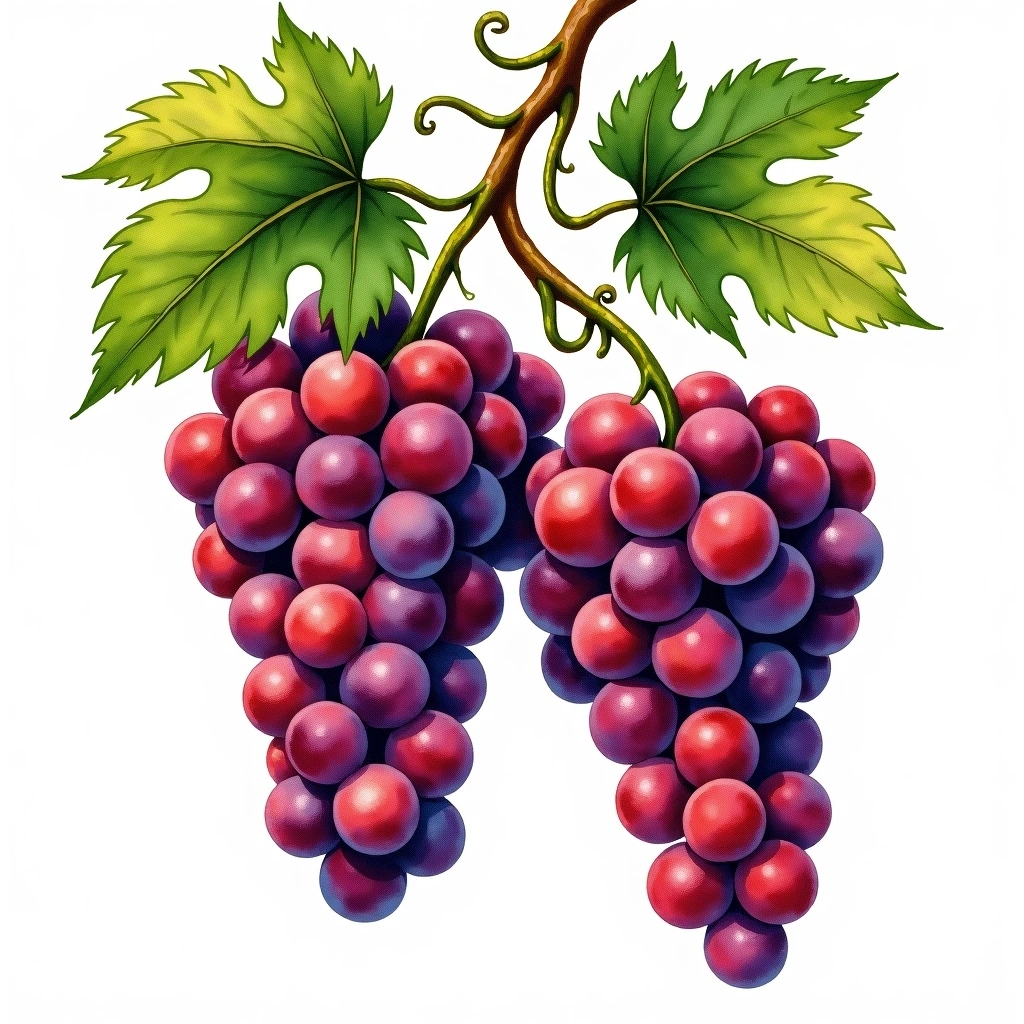 Tinta Roriz
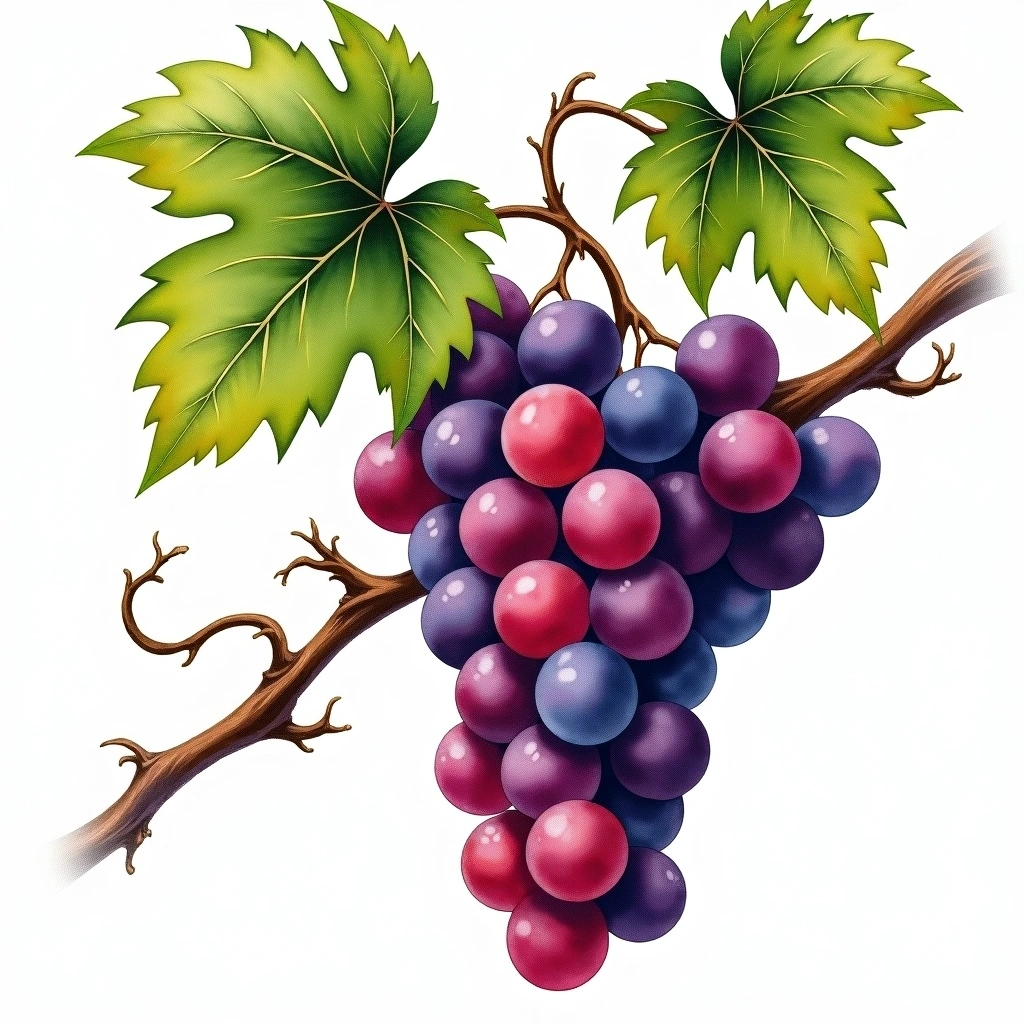 Touriga Franca
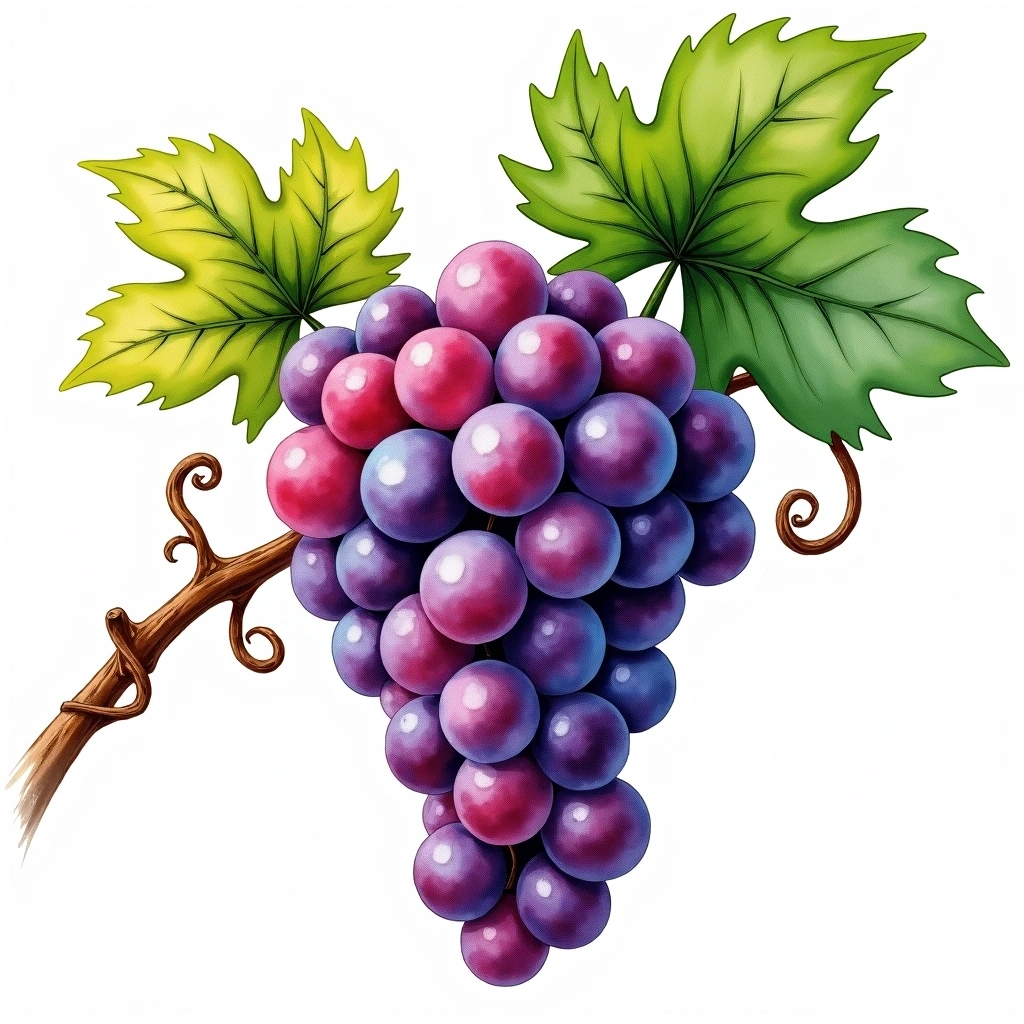 Touriga Nacional
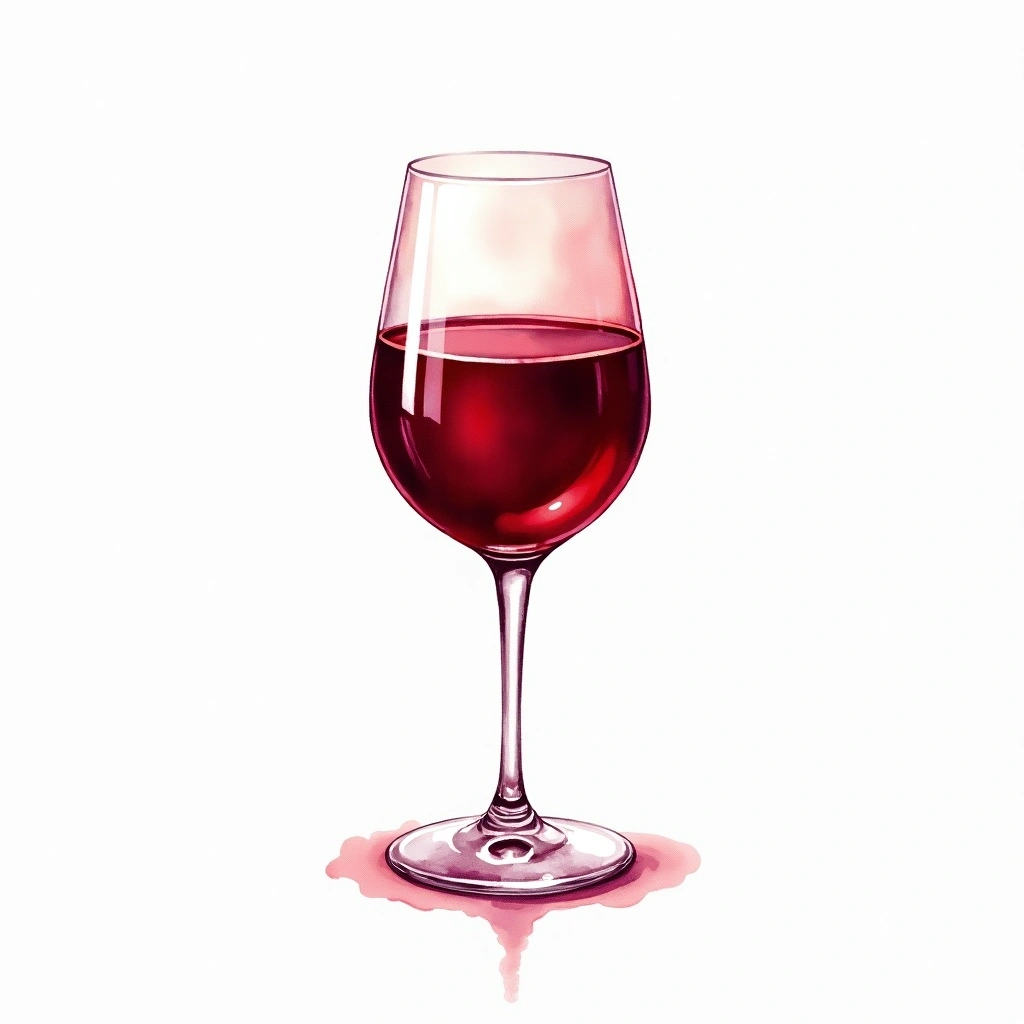 Port Style