Blind Tasting: Techniques and Tips
A practical guide to blind tasting wine — the systematic process professionals use to identify grape variety, region, vintage, and quality level without seeing the label.
What Is Blind Tasting?
Blind Tasting means assessing a wine without knowing its identity — grape variety, producer, region, or vintage are concealed. The wine might be literally hidden in a brown paper bag, poured from a decanter, or simply presented in an unlabeled glass.
Blind tasting strips away preconceptions. When you know you are drinking a famous, expensive wine, your brain fills in gaps and biases your perception toward positive evaluation — this is well-documented in psychological research. Blind tasting forces genuine engagement with what is actually in the glass.
Professionals use it for two purposes: quality assessment (to eliminate label bias in wine competitions and critic reviews) and as a training tool (to sharpen analytical skills and build a mental library of grape and regional profiles).
This guide teaches the deductive method — the systematic framework used by sommeliers and Masters of Wine in certification examinations.
The Deductive Framework
The deductive approach works through a fixed sequence: Appearance → Nose → Palate → Conclusion. Each stage generates clues; the conclusion synthesizes them into a best guess at identity.
Stage 1: Appearance
Color and hue are your first clues.
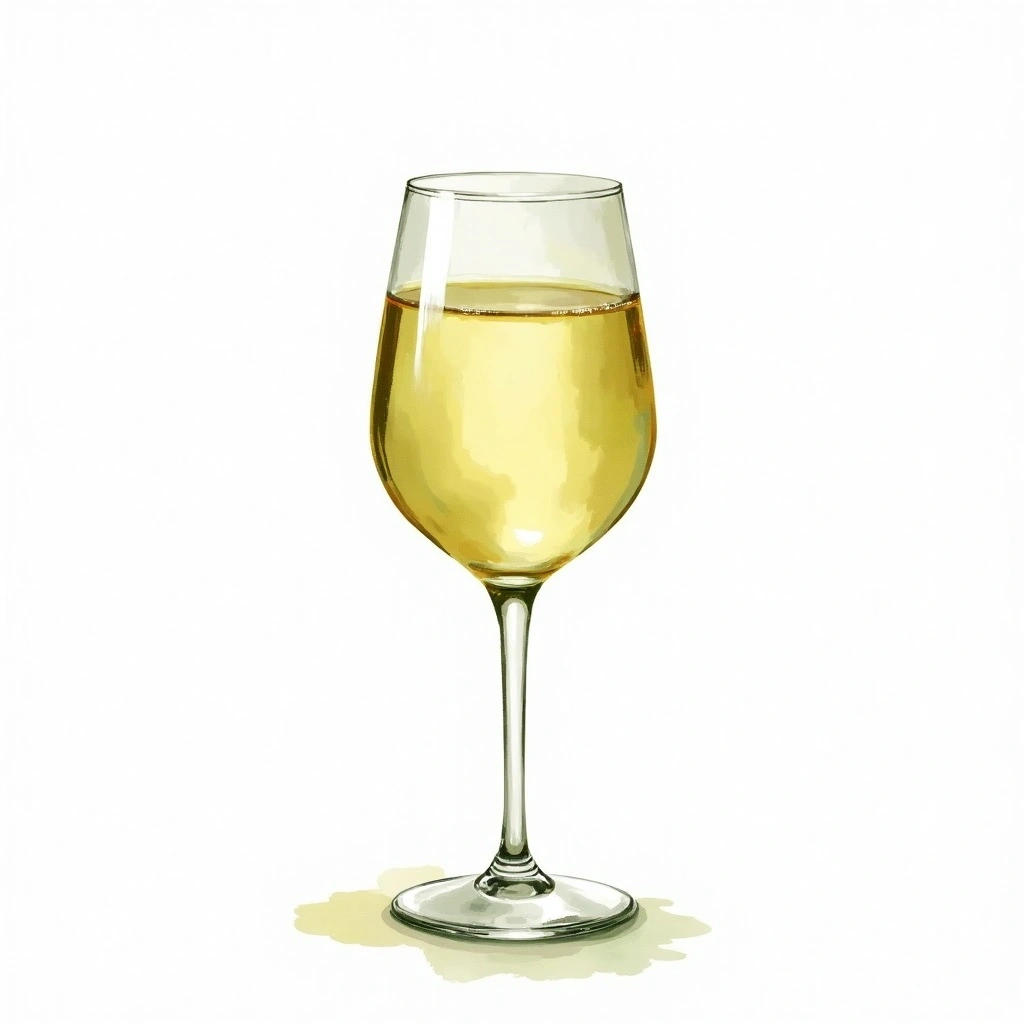
For white wines: Pale green-gold suggests a young, high-acid white — probably Sauvignon Blanc, Riesling, or Pinot Gris in a cool climate. Deep golden color suggests either age, oak influence, or a rich variety like Viognier or oaked Chardonnay. Amber or tawny hues indicate extreme age or oxidative winemaking.
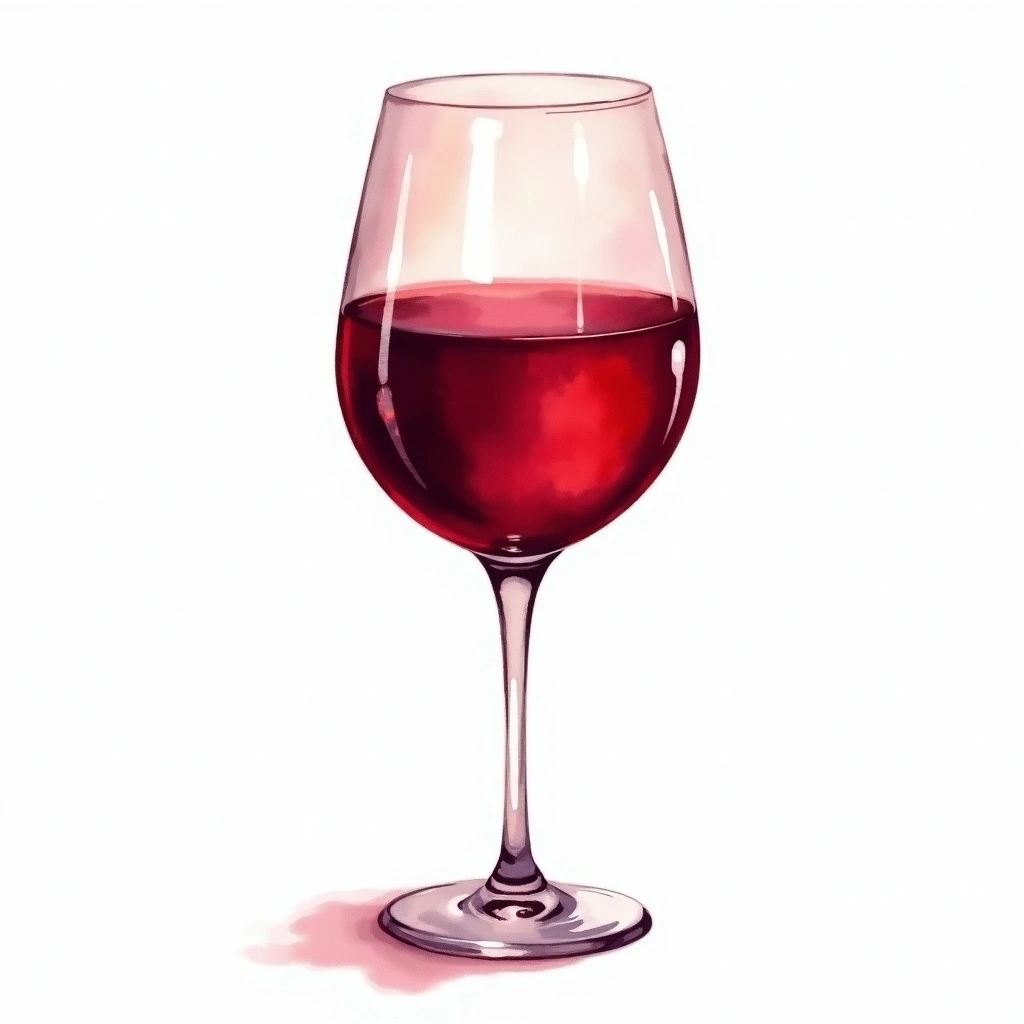
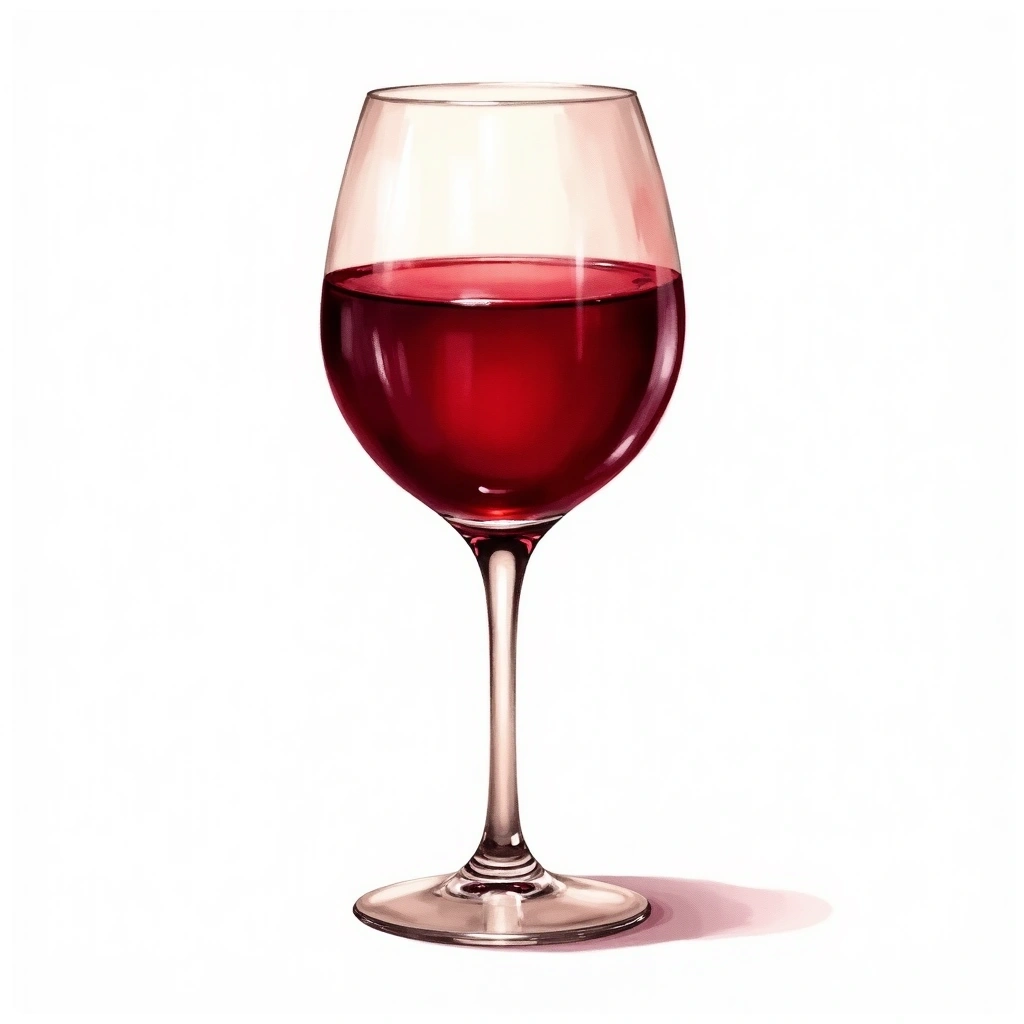
For red wines: Purple-black in the center with a bright purple rim suggests a young, dark-skinned variety — Cabernet Sauvignon, Syrah/Shiraz, or Malbec. Translucent ruby suggests a lighter variety like Pinot Noir or Grenache. Garnet-brick edges with some orange at the rim indicate age. A fully bricked, tawny color suggests significant aging (10+ years for most wines).
Color intensity: Pale and translucent (Pinot Noir, Grenache) vs. deep and opaque (Cabernet Sauvignon, Nebbiolo) is one of your most reliable early clues.
Viscosity: Very oily, slow-dripping legs suggest high alcohol or residual sugar. This helps distinguish a big, warm-climate Bold Red from a leaner, cool-climate style.
Stage 2: Nose
Smell the wine twice: a brief first sniff for overall impression, then a deeper analysis.
First impression: Is this wine primarily fruity, floral, earthy, oaky, mineral, or funky? This broad-stroke assessment points you toward the right area of the world and the right grape family.
Fruit character: What color and type of fruit? - Red fruit (cherry, raspberry, strawberry) → cooler climate or lighter varieties (Pinot Noir, Grenache, Gamay Noir) - Black fruit (blackberry, plum, cassis) → warmer climate or darker varieties (Cabernet Sauvignon, Merlot, Syrah/Shiraz) - Fresh fruit → young wine; dried or cooked fruit → warm climate, age, or concentration
Key variety identifiers on the nose: - Petrol/kerosene: Almost certainly aged Riesling - Lychee and rose: Gewürztraminer from Alsace - Black pepper: Syrah/Shiraz (especially Northern Rhône or cool Australian) - Cassis, pencil shavings, cedar: Cabernet Sauvignon - Beeswax, quince, lanolin: Chenin Blanc - Grapefruit, cut grass, nettles: Sauvignon Blanc - Violets, tar, dried roses: Nebbiolo from Piemonte
Oak presence: Strong vanilla and toast → significant new oak, points toward premium regions that use barrique (small barrels): Bordeaux, Napa Valley, Rioja Reserva. No oak or very subtle oak suggests either a white grape style (Riesling is almost never oaked) or a winemaker who prefers neutral vessels.
Tertiary / age markers on the nose: Leather, tobacco, dried mushroom, earth, dried fruit → the wine has age. How much depends on the grape and region: a Pinot Noir from Bourgogne shows these characters after 8–12 years; a Cabernet Sauvignon from Bordeaux might need 15–20 years to reach the same stage.
Stage 3: Palate
The palate confirms or challenges your nose conclusions.
Acidity: Mouth-watering and persistent? Points to high-acid varieties and/or cool climates. Low and soft? Warmer climate or malolactic fermentation. High acidity in a white strongly suggests Riesling, Sauvignon Blanc, or Chenin Blanc from a cool region.
Tannin (red wines): Amount and quality are key identifiers. - High, grippy, Astringent tannin: Cabernet Sauvignon, Nebbiolo, Sangiovese - Medium, Silky tannin: Merlot, Pinot Noir, Syrah/Shiraz (Northern Rhône style) - Low tannin: Grenache, Gamay Noir, Pinot Noir (lighter expressions)
Body: Full body with high alcohol points toward warm climates (Barossa Valley, Napa Valley, Rioja in ripe years). Light body points toward cool climates or lighter varieties.
Flavor concentration and complexity: Great wines have multiple layers of flavor that evolve as you hold them in your mouth. Simple wines have one dimension. Complexity is itself a quality indicator.
Finish: Long and persistent? Points toward quality and/or age. Bitter finish? Possibly Nebbiolo or young Cabernet Sauvignon. Mineral, saline finish? Suggests cool-climate white in a stony terroir.
Stage 4: Conclusion
Now synthesize. Ask yourself these questions in sequence:
-
Old World or New World? Oak integration, fruit ripeness, earthiness, and acid profile usually answer this. Old World wines tend to have more earthy, mineral, and savory character; New World wines tend toward riper fruit, higher alcohol, and more overt oak.
-
Grape variety? Use your variety-specific markers. Can you identify a signature compound (black pepper for Syrah, petrol for aged Riesling)?
-
Region? Within your identified variety, climate clues (body, acidity, ripeness) point to broad regions.
-
Vintage? Youth vs. age markers: color, tertiary aromas, tannin integration. Compare to your knowledge of recent vintages. A very ripe, soft, Round red from Bordeaux might be from the excellent 2015 or 2016 vintage; a lean, structured one might be 2013.
-
Quality level? Complexity, Balance, Finish length, and overall coherence indicate quality.
Your final conclusion is a statement, not a certainty. Even Masters of Wine get it wrong. The goal is a defensible, evidence-based guess.
Building Your Blind Tasting Skills
Set Up Comparative Tastings
The most efficient way to learn: buy two or three bottles of the same grape from different regions and taste them simultaneously. Chardonnay from Bourgogne alongside Chardonnay from California teaches you more in one session than weeks of solo tasting.
Create Your Variety Flash Cards
For each benchmark variety, note on an index card: color intensity and hue, key aroma identifiers, acidity level, tannin level (for reds), body, classic regions. Review regularly. The goal is to build an instinctive mental library.
Use the "Grid" Format
The WSET Systematic Approach to Tasting and the Court of Master Sommeliers Deductive Tasting Method both use structured grids. Fill out each section in sequence, even when you are confident — the discipline prevents you from jumping to conclusions based on a single strong signal.
Taste in Flights of Six
Six wines in a flight is the standard for certification exams. The variety creates fatigue but also sharpens relative comparison — you notice differences between wines more acutely when tasted side-by-side.
Commit to a Guess
Many novice blind tasters hedge constantly: "It could be this, or maybe that..." This is intellectually dishonest and pedagogically useless. Commit to a specific guess. You will be wrong sometimes, but you will learn from the mistakes in a way that hedging never allows.
Keep a Tasting Journal
Record every blind tasting: your analysis at each stage, your conclusion, and — critically — the reveal. Compare what you thought with what it actually was. Patterns of consistent error (always guessing too warm a climate, always underestimating age) are the most valuable learning feedback.
Blind tasting is the highest-difficulty form of wine engagement. It is also the most rewarding. A correct identification, built from evidence alone, produces a satisfaction unlike anything else in wine education.
Common Blind Tasting Mistakes
Over-weighting a Single Signal
A single strong aroma or structural element can lead you astray. If a wine shows pronounced black pepper and dark fruit, your first instinct might be Syrah/Shiraz — but Grenache blends, some Malbec, and even certain Tempranillo expressions can show similar characters. Build a case from multiple clues before committing to a conclusion.
Defaulting to Famous Names
Novice blind tasters systematically over-guess famous wines. Asked to blind taste a red wine, many will gravitate toward Cabernet Sauvignon from Bordeaux or Napa Valley — the wines they know best. The actual distribution of wine production means that a mystery red is statistically more likely to be from Rioja, Toscana, or the Rhône than from Napa. Expand your reference library to improve blind tasting accuracy.
Ignoring the Finish
Novice tasters assess primarily from the nose and initial palate impression, then form their conclusion before evaluating the Finish. Great wines very often reveal their identity on the finish — a persistent, complex finish with specific character (tar and dried roses pointing toward Nebbiolo; mineral saline quality pointing toward cool-climate white) is valuable deductive evidence that appears only after swallowing.
Confusing Winemaking Style with Origin
A wine's winemaking style can mimic the signals of a different origin. A heavily oaked Chardonnay from South America may read as California on first impression. A wine made with minimal Sulfites and wild fermentation may show reductive or funky notes that mislead you toward the wrong variety. Always consider winemaking style as a variable alongside origin when synthesizing your conclusion.
Building a Reference Library
Blind tasting accuracy correlates directly with breadth of tasting experience. Each wine you taste and record becomes a reference point. After tasting 100 different Pinot Noir wines from different producers, regions, and vintages, you develop an intuitive sense of what the grape can and cannot produce — information that no amount of reading can replicate.
Prioritize breadth early: taste as many different varieties, regions, and styles as you can before going deep. Once you have a broad framework, deepen your knowledge in areas of greatest interest. The systematic taster who has tasted widely and documented carefully will consistently outperform the intuitive drinker who has consumed much but recorded nothing.
 Cabernet Sauvignon
 Chardonnay
 Gewürztraminer
 Grenache
 Nebbiolo
 Pinot Gris
 Pinot Noir
 Riesling
 Aromatic White
 Bold Red
 Crisp White
 Elegant Red
 Rich White