Rhône Valley: From Hermitage to Châteauneuf
The Rhône Valley stretches from the granite hills of the Northern Rhône, home to some of France's greatest Syrah, to the sun-scorched garrigue of the Southern Rhône, where Grenache-based blends from Châteauneuf-du-Pape have defined Mediterranean red wine for centuries.
Rhône Valley: From Hermitage to Châteauneuf
The Rhône River descends from the Swiss Alps through Lyon before carving a dramatic path southward toward the Mediterranean. Along this corridor, extending from Vienne in the north to Avignon in the south, lies the Rhone Valley — a wine region of extraordinary diversity that encompasses both some of France's most aristocratic single-varietal wines and its most complex, sun-drenched blends. The contrast between the vertical granite slopes of the Northern Rhône and the flat, heat-absorbing galets roulés (rounded river pebbles) of the Southern Rhône is more than geological: it represents two fundamentally different philosophies of winemaking and two very different answers to the question of what great wine can be.
The Northern Rhône: Granite, Syrah, and Verticality
The Northern Rhône is one of the world's great arguments for the relationship between geology and wine quality. The steep granite terraces that rise above the river between Ampuis and Valence were shaped by ancient volcanic activity and sculpted by centuries of human labor into the narrow terraced vineyards that dominate the landscape. These terraces — supported by dry-stone walls maintained through backbreaking effort — are among the most dramatic viticultural landscapes in France.
Côte-Rôtie ("roasted slope") opens the Northern Rhône's great appellations. The two principal vineyard areas — the Côte Brune and the Côte Blonde — are named, according to local legend, after the two daughters of a medieval nobleman who bequeathed each her namesake slope. More practically, the Côte Brune is characterized by heavier iron-rich clay soils that produce structured, slower-developing wines, while the Côte Blonde's lighter, sandy soils yield wines of greater aromatic elegance and earlier accessibility. Syrah/Shiraz reigns supreme here; Côte-Rôtie is one of the few appellations in France where Viognier (up to 20% permitted) may be co-fermented with the dominant red variety, adding floral lift and aromatic complexity to the wine without diluting its color as one might expect.
Hermitage is the Northern Rhône's most celebrated name and one of the canonical benchmarks of great French wine. The singular hill of Hermitage rises behind the town of Tain-l'Hermitage, its south-facing granite face absorbing the maximum available solar radiation. Syrah/Shiraz from Hermitage produces wines of extraordinary depth and longevity: dense, purple-black in youth with notes of smoked meat, dark berry, violets, and olive tapenade, evolving over decades into something of ineffable complexity. The great negociant houses — Jaboulet, Chapoutier, and Guigal — have defined Hermitage's international reputation, while estates like Jean-Louis Chave represent the summit of artisanal quality. White Hermitage, made from Marsanne and Roussanne, is one of France's most underrated treasures: rich, waxy, and honeyed when young, it develops nutty, lanolin-inflected complexity with age that surprises those who know only the red.
Crozes-Hermitage surrounds the Hermitage hill and produces wines from similar grape varieties but more varied soils and expositions. Quality ranges widely, but the best producers — Combier, Colombo, Graillot — show that terroir matters even when the appellation name is less famous. At a fraction of Hermitage's price, Crozes-Hermitage represents some of the Northern Rhône's best value.
Cornas, the most southerly Northern Rhône Appellation, is arguably the region's most exciting wine for value-conscious collectors. Made exclusively from Syrah/Shiraz grown on granite and gneiss slopes, Cornas wines are famously dark, tannic, and rustic in youth, demanding years of cellaring before revealing their true character. The estates of Clape and Voge have long led the appellation; younger producers like Vincent Paris have brought additional critical attention.
Saint-Joseph covers an extensive 59-kilometer strip of the Northern Rhône's western bank, producing Syrah-based reds and Marsanne/Roussanne whites that range from the genuinely excellent (from the historic terraced sites around Mauves and Tournon) to the merely competent (from the expanded flatland plantings approved in 1969). Understanding Saint-Joseph requires knowing the producer as much as the appellation.
Condrieu and Château-Grillet are devoted entirely to Viognier, and together they constitute the world's reference point for this seductively perfumed white grape. Condrieu wines are broad, viscous, and explosively aromatic — peach, apricot, honeysuckle, and white pepper cascade from the glass. Château-Grillet, a single-estate AOC of just 3.8 hectares (one of France's smallest), produces a more restrained, structured version designed for aging.
The Southern Rhône: Heat, Blends, and Garrigue
The transition from Northern to Southern Rhône is marked by a widening of the valley and a dramatic shift in character. The Mistral wind — a cold, dry northerly that blows down the corridor with sometimes violent force — serves as the great moderator of what would otherwise be an oppressively hot growing environment. The Mistral desiccates the air, preventing fungal disease and concentrating sugars in the grapes; it is also responsible for the famous galets roulés, the large rounded river pebbles that blanket the vineyards of Châteauneuf-du-Pape, absorbing heat during the day and radiating it back at night to ensure complete ripening.
Châteauneuf-du-Pape (Appellation) is the Southern Rhône's commanding presence. Named for the new papal palace constructed here in the fourteenth century when the Avignon papacy transferred the seat of Christendom from Rome to Provence, this appellation permits blending from up to eighteen different grape varieties (in thirteen color variants), though Grenache typically dominates, often comprising 60-80% of a blend completed with Syrah/Shiraz, Mourvedre, Cinsault, and others. The diversity of soils — from the galet-covered plateau to sandy areas to clay-limestone — produces wines of wildly varying character, from the sumptuous, hedonistic Grenache-dominant styles to the darker, more structured wines where Mourvedre and Syrah play larger roles.
The estates of Château Rayas (whose 100% Grenache is perhaps the world's most eccentric and magnificent expression of the variety), Château Beaucastel (known for its unusually high Mourvèdre content and extraordinary longevity), and Domaine du Vieux Télégraphe (exemplary traditional style) anchor the appellation's reputation for greatness.
Gigondas and Vacqueyras are the Southern Rhône's most serious satellites, producing Grenache-dominant reds that recall Châteauneuf at somewhat lower prices. Gigondas, clustered at the base of the Dentelles de Montmirail limestone outcroppings, produces wines of notable structure and finesse. Vacqueyras tends toward riper, more hedonistic styles.
Rasteau and Vinsobres are newer Southern Rhône village appellations producing characterful, value-oriented wines from similar GSM (Grenache-Syrah-Mourvèdre) blends. Rasteau is also notable for its fortified Vin Doux Naturel tradition.
Muscat de Beaumes-de-Venise deserves special mention as one of France's finest sweet wines: a fortified Muscat Blanc à Petits Grains (Muscat) with gorgeous orange blossom, apricot, and honey aromatics, best drunk young and cold as an aperitif or with light fruit desserts.
The Mistral and Viticulture
The Mistral that defines Southern Rhône viticulture necessitates distinctive growing practices. Vines are traditionally trained in the gobelet (bush vine) method — low, unsupported, self-balancing — that offers natural wind resistance and shades the soil from evaporation. Many of these bush vines are extremely old, with Old Vine parcels of Grenache reaching 80, 100, or even 120 years of age. Old vine Grenache concentrates minerals and complex secondary flavors in ways that younger vines cannot replicate, and top estates prize these parcels accordingly.
Yield management is critical throughout the Rhône. The Northern Rhône's steep terraces limit mechanization entirely; all farming and harvesting must be done by hand. The Appellation rules for Châteauneuf-du-Pape include unusually stringent sorting requirements: a mandatory triage must discard at least 5% of the harvest (the rapé) before processing. This requirement — unique in French wine law — ensures a minimum concentration standard and demonstrates the appellation's historical commitment to quality.
Winemaking Traditions
Northern Rhône Syrah is typically fermented in open-topped vats with extended Maceration to extract color, tannin, and the distinctive varietal character. Whole-cluster fermentation — including stems in the fermentation vessel — is practiced by many top producers and contributes a spicy, herbal complexity. Aging in large oak casks (foudres) rather than new barriques is traditional for the most celebrated wines, preserving the fruit and terroir expression rather than overlaying oak flavor.
In the Southern Rhône, the multi-variety blend demands more complex winemaking decisions. Varieties are often vinified separately before blending, allowing the winemaker to assemble the final wine from components that have shown their individual potential. Grenache's thin skin makes it vulnerable to oxidation during fermentation, requiring careful temperature management. The variety is increasingly vinified in whole-cluster style at some estates, with gentler extraction to preserve freshness.
Visiting the Rhône Valley
The Northern Rhône's wine villages — Ampuis, Tain-l'Hermitage, Tournon — are compact, authentic, and relatively uncrowded compared to more famous French wine destinations. The terraced vineyards above Ampuis offer some of France's most spectacular viticultural landscapes, and the viewpoint above the Côte-Rôtie rewards the steep climb. In the Southern Rhône, the papal town of Avignon provides an excellent touring base, with Châteauneuf-du-Pape village — dominated by the ruins of the original papal château — just thirty minutes north.
The Terroir diversity of the Rhône Valley — from the cool granite of Côte-Rôtie to the scorched limestone of Châteauneuf — makes it one of the wine world's most rewarding regions to explore in depth.
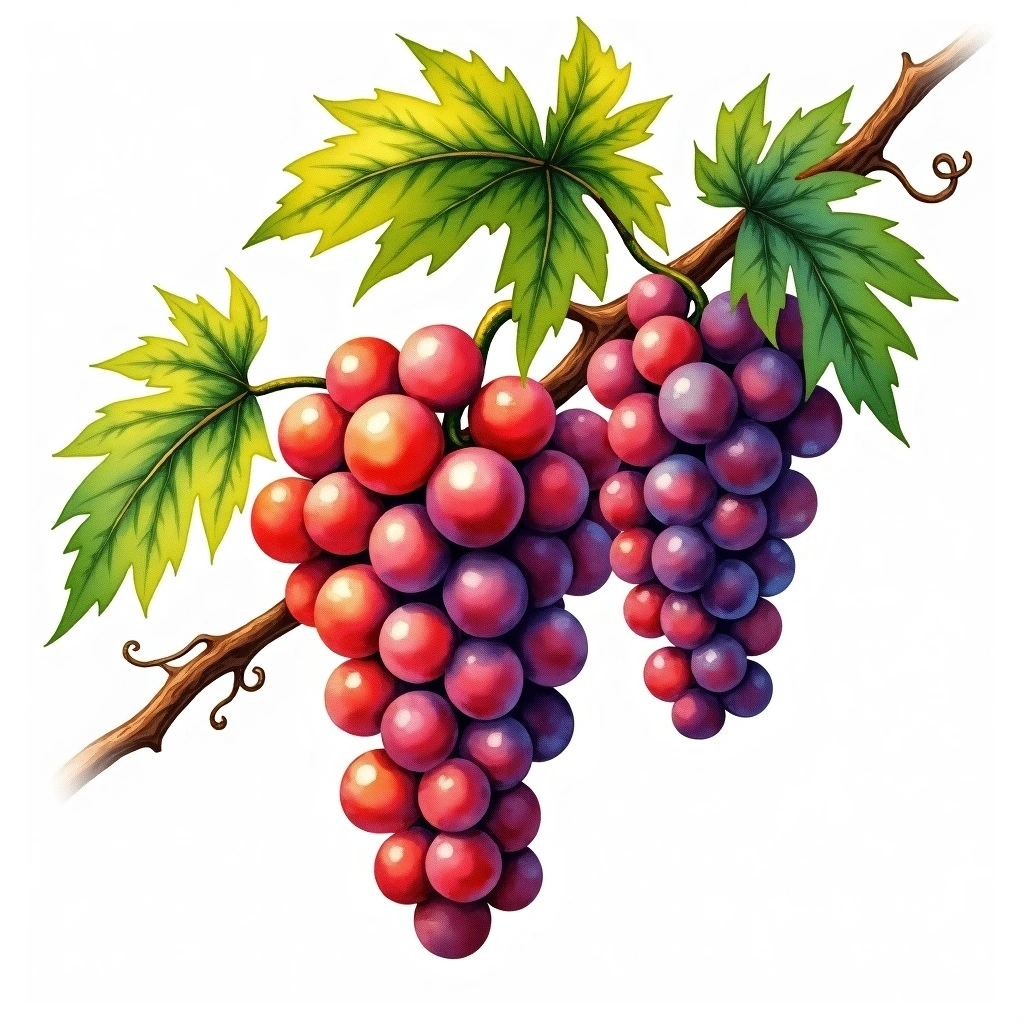 Grenache
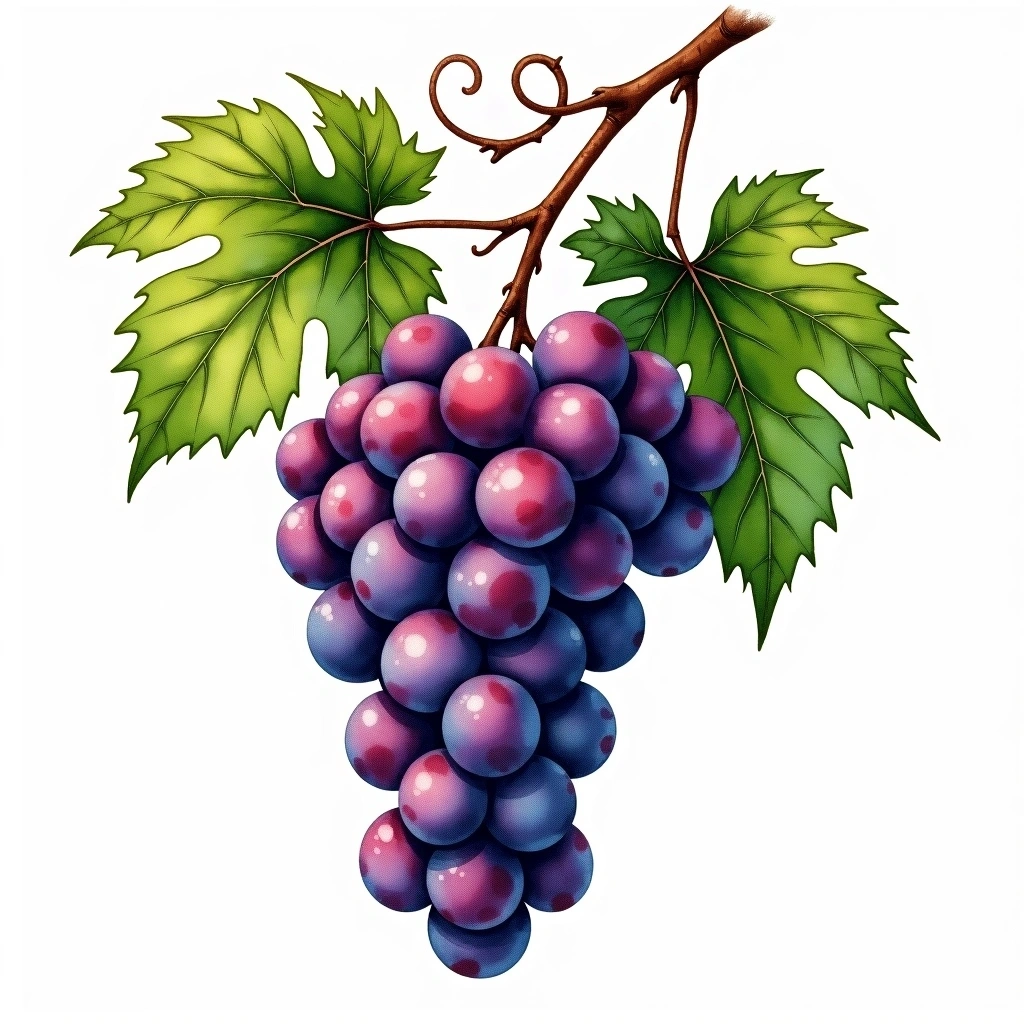 Mourvedre
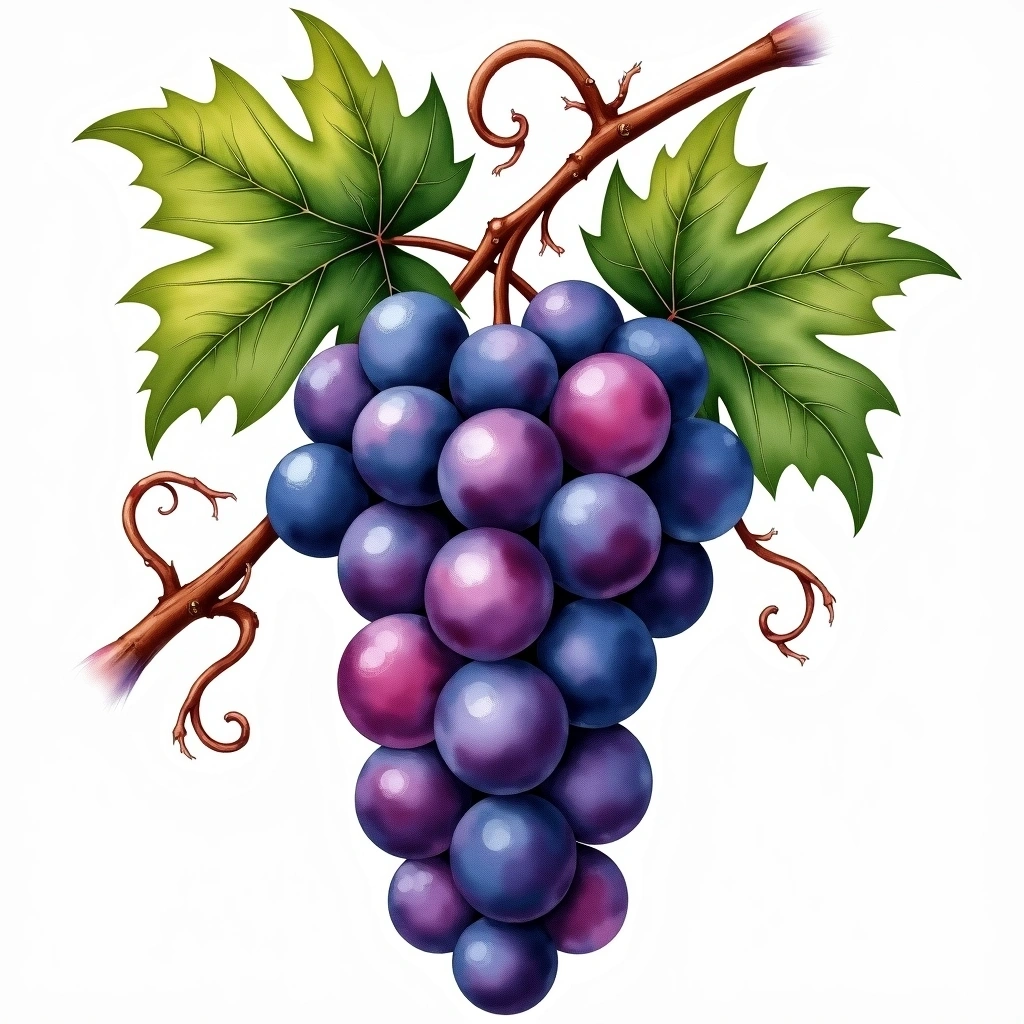 Syrah/Shiraz
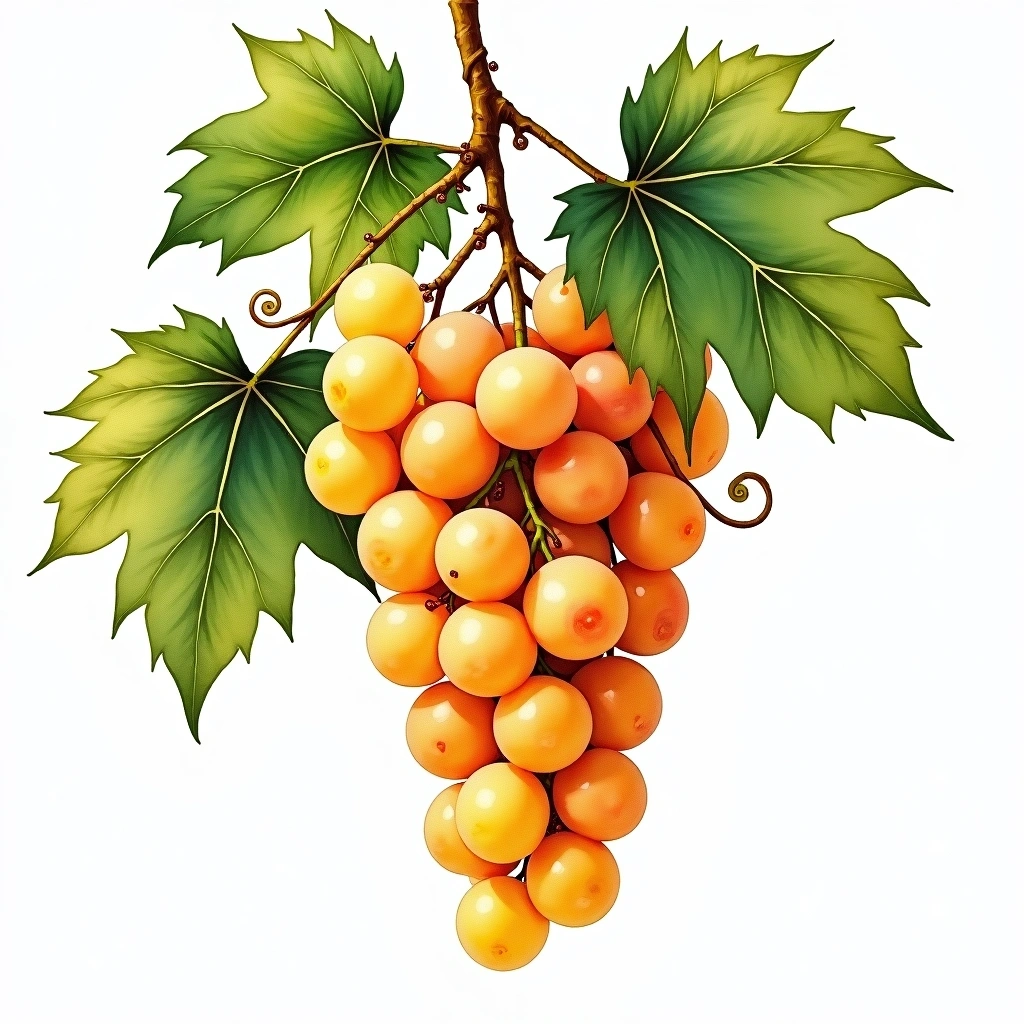 Viognier
 Aromatic White
 Bold Red
 Elegant Red
 Rich White