Mendoza: Malbec Capital of the World
How Argentina's high-altitude Mendoza transformed Malbec from a Bordeaux blending grape into the world's most exciting red wine story — with coverage of Lujan de Cuyo, the Uco Valley, key producers, and vintages.
The Malbec Miracle
Mendoza has achieved something remarkable in the history of wine: it took a grape that was declining in its European homeland and turned it into one of the world's most beloved and commercially successful wines. Malbec, once used primarily as a blending component in Bordeaux and in the Cahors appellation of southwest France, found in Mendoza's high-altitude desert conditions an environment where it could express qualities that no European growing region had ever revealed.
The story is part of a broader New World wine revolution. Argentina began exporting seriously in the 1990s. By the 2000s, Mendoza Malbec had become a global phenomenon — recognised for its deep violet colour, plush plum and blackberry fruit, velvety tannins, and accessible generosity. Today, Mendoza is South America's most important wine region and among the world's great growing areas for premium red wine.
Geography: High Desert and Andes Shadows
Mendoza sits on the eastern slopes of the Andes at latitudes between 32 and 35 degrees south. The city of Mendoza lies at approximately 750 metres above sea level, but the most important wine zones climb considerably higher:
- Lujan de Cuyo: 700-1,200 metres; the historical heartland of Mendoza's premium winemaking; home to the oldest Malbec vines; clay and alluvial soils mixed with gravel and sand
- Maipu: 700-900 metres; historically important; still produces excellent wines
- Uco Valley (Valle de Uco): 900-1,500+ metres; the high-altitude frontier; subzones include Tupungato, Tunuyan, and San Carlos; limestone, sandy, and volcanic soils; newest and most exciting zone for premium production
The climate is radically different from European wine regions. Mendoza is effectively a desert: annual rainfall averages 200mm, almost all falling in summer thunderstorms. Viticulture is possible only because the Andes provide glacial meltwater for irrigation through an elaborate network of traditional acequia (canal) systems.
The high altitude brings several critical advantages for wine quality:
Intense UV radiation: At altitude, ultraviolet light triggers the production of anthocyanins (colour pigments) and Phenolics in grape skins — contributing to Malbec's signature deep purple colour and robust polyphenol content.
Large diurnal temperature range: Summer days in Mendoza's vineyards reach 35-38 degrees Celsius, but nights drop to 10-15 degrees due to cold Andean air descending the mountain slopes. This dramatic swing — sometimes 20+ degrees within 24 hours — preserves the Acidity and aromatic freshness that would otherwise be destroyed by relentless heat.
Low humidity and abundant sunshine: The dry air minimises fungal disease pressure, allowing organic and biodynamic farming with minimal intervention.
Malbec: Finding Its True Home
In Bordeaux, Malbec was used to add colour and body to blends dominated by Cabernet Sauvignon and Merlot. It was prone to disease, produced erratically, and was largely abandoned after the devastating 1956 frost killed many French vines.
In Mendoza, freed from a humid, disease-prone climate, Malbec flourished. The dry air eliminated the fungal problems that plagued it in France. The altitude and radiation intensified its already thick-skinned character, producing wines of deeper colour, more robust Tannin structure, and more concentrated fruit than anything France had produced.
Mendoza Malbec at its finest offers: - Deep, opaque violet-purple colour (among the darkest of any red wine variety) - Aromatic profile of blackberry, plum, black cherry, violet, dark chocolate, leather, and spice - Velvety, generous tannins — firmer and more structured at high altitude, smoother and rounder at lower elevations - Good natural acidity (higher than Merlot, lower than Cabernet Sauvignon) - Remarkable approachability in youth, with genuine aging potential at the top tier
Old Vine Malbec
Some of Mendoza's oldest vineyards date to the late 19th century, planted by Italian, Spanish, and French immigrants. These massale-selected Old Vine parcels — ungrafted (grown on their own roots in the dry, sandy soils where phylloxera struggled to spread) — produce wines of extraordinary concentration and complexity. The Yield from these vines is tiny, but the concentration and intensity of that fruit is extraordinary.
The Uco Valley Revolution
The Uco Valley, roughly 100 kilometres south of Mendoza city, was a late developer. Its extreme altitude (up to 1,500 metres in the highest Gualtallary sector of Tupungato) means a shorter, more intense growing season, with significant spring frost risk. The soils include limestone, alluvial deposits, volcanic material, and sandy layers.
The wines produced in the Uco Valley have a markedly different character from classic Lujan de Cuyo Malbec: leaner, more structured, higher in Acidity, with cooler-climate red fruit character (red plum, raspberry, red cherry) rather than the black fruit opulence of warmer zones. These wines need more time to open and have demonstrated superior aging potential.
Sub-zones within the Uco Valley gaining recognition: - Gualtallary (Tupungato): The highest, coldest, most prestigious sector; limestone-rich; now produces some of Argentina's most sought-after wines - La Consulta (San Carlos): More traditional Malbec zone within the Uco; good value - Eugenio Bustos: Increasingly recognised for elegant, structured reds
Notable Producers
- Achaval Ferrer: Lujan de Cuyo; their single-vineyard Malbecs set the standard for Argentina's premium tier
- Zuccardi Valle de Uco: The Uco Valley's most prestigious producer; their Finca Piedra Infinita and Jose Zuccardi are among Argentina's greatest wines; biodynamic
- Catena Zapata: The most internationally famous producer; established Mendoza's global reputation; the Adrianna Vineyard (Gualtallary) is legendary
- Clos de los Siete: Michel Rolland's Uco Valley project; seven estates sharing infrastructure; reliable, internationally styled wines
- Vina Cobos: Paul Hobbs's collaboration; Marchiori vineyard Malbec is a benchmark
- O. Fournier: Uco Valley; excellent value; wines of genuine elegance
- Luca: Laura Catena's estate; showcases old vine and high-altitude expressions
Vintages
Mendoza's dry climate produces relatively consistent harvests, but hail during the growing season and frost in the Uco Valley create vintage variation.
| Vintage | Character |
|---|---|
| 2013 | Outstanding; exceptional balance and concentration |
| 2016 | Outstanding; one of the finest of the decade |
| 2019 | Excellent; fresh, precise; excellent Uco Valley wines |
| 2021 | Outstanding; widely regarded as a historic vintage |
| 2022 | Very Good; concentrated; some frost impact in Uco |
Beyond Malbec: Other Mendoza Wines
While Malbec is the star, Mendoza produces excellent wines from other varieties:
- Cabernet Sauvignon: Deep, structured; the Lujan de Cuyo Cabernets can be outstanding
- Cabernet Franc: Increasingly impressive in cooler zones; aromatic, elegant
- Chardonnay: Particularly successful at high altitude in the Uco Valley; crisp and mineral with good aging potential
Food Pairings
Mendoza wine was born to go with Argentine beef, but the pairings extend further:
- Malbec (classic Lujan de Cuyo style): Asado (Argentine mixed grill), ribeye steak, lamb chops, empanadas de carne, hard Argentine cheeses
- High-altitude Uco Valley Malbec: Leaner red meats, lamb with herbs, duck confit, aged Manchego-style cheese, mushroom dishes
- Cabernet Sauvignon: Prime cuts of beef, venison, roasted red meats
- Chardonnay: Grilled sea bass, pastas with cream, mild cheeses
The Argentine asado — a social institution as much as a cooking method, where cuts of meat and offal are slowly cooked over wood or charcoal — is the perfect context for Mendoza Malbec. The wine's plush texture and black fruit complement the charred crust and iron-rich flavour of well-cooked beef in a pairing of elemental simplicity and power.
 Cabernet Franc
 Cabernet Sauvignon
 Chardonnay
 Malbec
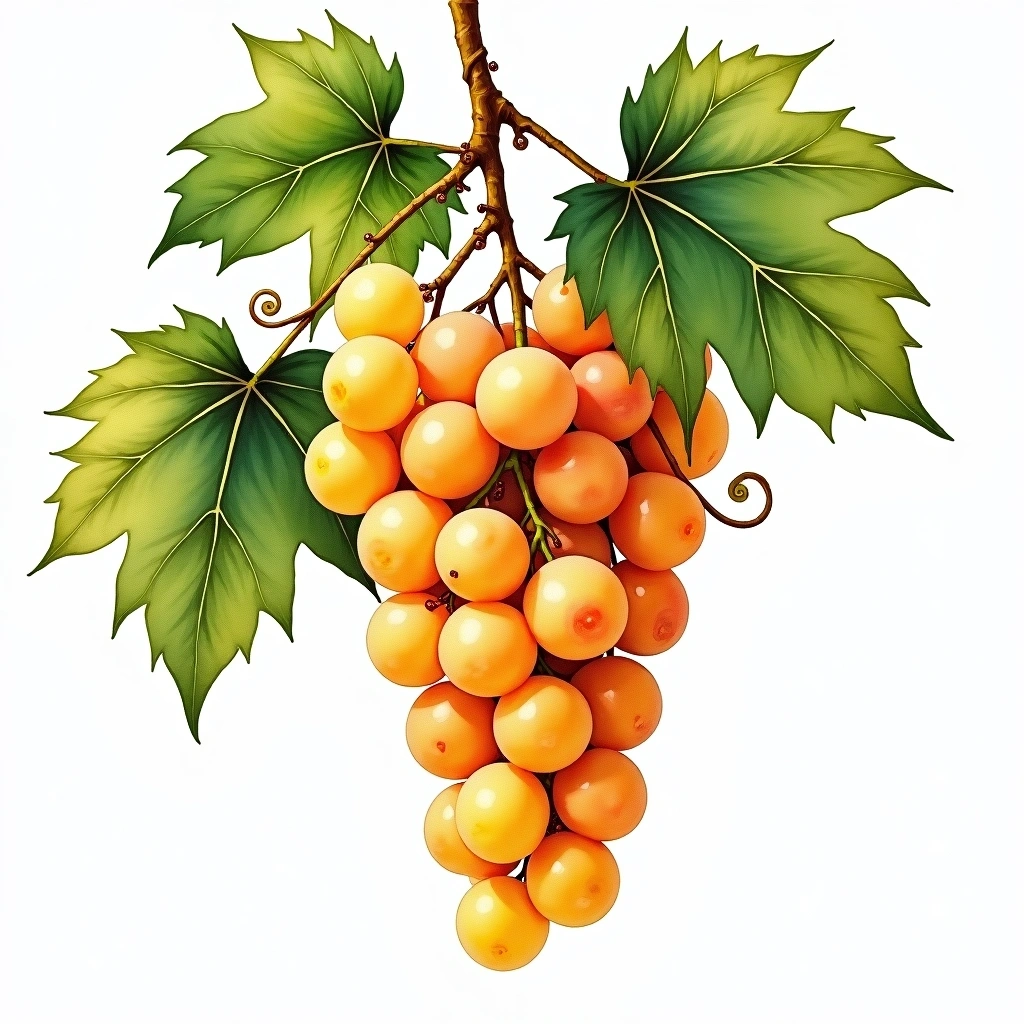 Viognier
 Bold Red
 Elegant Red
 Medium Red
 Rich White