Rootstock Selection: The Foundation of Every Vineyard
Rootstocks are the unseen foundation of nearly every commercial vineyard, yet their influence on vine vigor, soil adaptation, and wine quality is profound and often underappreciated.
Rootstock Selection: The Foundation of Every Vineyard
Walk through almost any commercial vineyard in the world — in Bordeaux or Napa Valley, Burgundy or Tuscany — and you are walking past vines that are, technically, two organisms in one. Just below the soil surface, the visible grapevine you recognize by its leaves and fruit is attached to the root system of a different species entirely. This junction, the graft union, is the result of one of the most consequential events in agricultural history: the invasion of European vineyards by the aphid-like insect Dactylasphaera vitifoliae, known as Phylloxera.
The Phylloxera Crisis and Its Solution
In the 1860s, phylloxera arrived in Europe from North America, almost certainly transported on vine cuttings brought back by botanical collectors. The insect attacks the roots of Vitis vinifera — the European species responsible for the world's great wine grapes — feeding on them and causing root lesions that allow fungal pathogens to enter. European vines, having never evolved alongside phylloxera, had no resistance. Within decades, the pest had devastated vineyards across France, Spain, Germany, and most of the winemaking world.
The solution, ultimately, came from America itself. Several North American Vitis species — V. rupestris, V. riparia, and V. berlandieri — had co-evolved with phylloxera and developed resistance to its root-feeding behavior. By grafting European V. vinifera varieties onto roots of these resistant American species or their hybrids, viticulturists discovered they could grow their beloved Cabernet Sauvignon or Chardonnay while keeping the insect from destroying the root system.
Grafting joins the scion (the above-ground fruiting part, always a V. vinifera variety) to the rootstock (the below-ground root system, always of American species origin or hybrid). The graft union heals through the activity of cambial tissue on both plant partners, and the resulting plant grows as a single organism, though genetically it remains two.
How Rootstocks Are Chosen
Rootstock selection is not arbitrary. Viticulturists match rootstock to site conditions using a complex matrix of factors, each influencing vine performance, grape composition, and ultimately wine quality.
Phylloxera resistance is the baseline requirement. All commercial rootstocks provide good to excellent resistance, though the degree varies. In some soils — particularly sandy soils where the insect cannot establish as easily — certain own-rooted V. vinifera vines still exist (as in parts of Chile, portions of Australia's old vineyards, and the Colares region of Portugal). These are exceptional cases.
Soil type and chemistry are the primary differentiators among rootstocks. V. berlandieri parentage is critical for limestone soils: this species is native to limestone regions of Texas and has natural tolerance for high-calcium, high-pH conditions that would induce chlorosis (iron deficiency) in more sensitive rootstocks. The famous 41B rootstock (a V. vinifera × V. berlandieri cross, sometimes called Millardet et de Grasset 41B) is particularly valued in the chalk soils of Champagne for this reason. In the steep slate slopes of Mosel, rootstocks must tolerate extremely acidic soils and shallow water retention.
Vigor induction is one of the most commercially significant rootstock properties. Some rootstocks, like SO4 (a V. riparia × V. berlandieri hybrid), are known to induce high vigor — accelerating vegetative growth, producing large canopies, and driving up Yield at the potential expense of fruit concentration. Others, like 101-14 Mgt (V. riparia × V. rupestris), are relatively low-vigor, encouraging the vine to invest more energy in fruit rather than vegetative mass. In premium wine regions where yields are deliberately restricted to concentrate flavor, low-vigor rootstocks can be important allies.
The relationship between rootstock, vigor, and wine quality is mediated through competition between the vine's vegetative and reproductive goals. High-vigor vines may produce dilute fruit simply because so much water and photosynthate is being directed into shoot and leaf growth. Canopy Management practices like shoot thinning and leaf removal can compensate, but selecting a rootstock matched to the site's inherent fertility is a more fundamental solution.
Drought tolerance has become increasingly important as climate change reduces water availability in many wine regions. Rootstocks derived from V. berlandieri tend to have deep, extensive root systems well suited to dry-land farming. V. rupestris-based rootstocks are often cited for their deep-rooting capacity, while V. riparia-based rootstocks develop shallower, more fibrous root systems well adapted to moist, cool conditions.
Key Rootstock Varieties in Use
The world's vineyard rootstocks number in the dozens, but a smaller group dominates commercial planting.
3309 Couderc (V. riparia × V. rupestris): Low to medium vigor, excellent phylloxera resistance, well adapted to moderately fertile soils. Widely planted in Burgundy for Pinot Noir and Chardonnay in cooler, heavier soils. Promotes earliness of ripening.
110 Richter (V. berlandieri × V. rupestris): High drought resistance, deep-rooting, tolerates high limestone. Used in Tuscany and warm Mediterranean climates. Induces moderate vigor.
101-14 Mgt (V. riparia × V. rupestris): Low vigor, early ripening, excellent for moist fertile soils. Popular in California's coastal regions for varieties like Merlot and Cabernet Sauvignon where canopy control is desired.
SO4 (V. riparia × V. berlandieri): High vigor, easy to propagate, widely available. Its tendency to produce large canopies makes it less popular in premium vineyards but common in commercial plantings.
1103 Paulsen (V. berlandieri × V. rupestris): High vigor, deep roots, very drought tolerant. Popular in hot, dry regions.
Freedom and Harmony: American rootstocks developed with nematode resistance in addition to phylloxera resistance — important in soils where nematodes are also a threat, as in parts of California.
Rootstocks and Wine Character: Does It Matter?
This is the question that divides researchers and practitioners. The conventional view holds that rootstock primarily influences vine agronomics — growth rate, yield, ripening date — and only indirectly affects wine composition through these physiological pathways. The rootstock itself, this view holds, does not contribute flavor compounds to the wine because grafting creates a unified vascular system but the scion wood (the varietal grapevine) determines what compounds are synthesized in the leaves and berries.
More nuanced research suggests the picture is complicated. Studies comparing the same V. vinifera variety grafted to different rootstocks have found differences not only in yield and vigor but in berry composition: sugar accumulation rates, Malic Acid and Tartaric Acid concentrations, Anthocyanin levels in red varieties, and aromatic compound concentrations. These differences propagate into wine.
One mechanism is root architecture: different rootstocks explore different soil depths and volumes, and through this exploration they influence the mineral uptake and water relations of the whole vine. This is one dimension of what winemakers mean when they invoke Terroir — the rootstock is part of the soil-plant interface that mediates how a given site expresses itself in a given variety.
Another mechanism involves hormonal signaling. The root system synthesizes cytokinins, abscisic acid, and other hormones that travel upward and influence shoot and berry development. Different rootstocks produce these signaling molecules in different quantities and proportions, potentially affecting everything from shoot elongation to the timing of Véraison (the onset of berry ripening).
Own-Rooted Vines: The Exception
A small proportion of the world's vineyards — particularly old vines and certain geographically isolated sites — are grown on their own roots without grafting. Chile is the most famous case: the country's geographical isolation (Pacific Ocean to the west, Andes to the east, Atacama Desert to the north, Patagonia to the south) prevented phylloxera from establishing, and most Chilean vineyards remain own-rooted today. Parts of Australia, particularly old Bold Red Shiraz vines in the Barossa Valley, survived on their own roots in sandy soils inhospitable to phylloxera.
Own-rooted V. vinifera vines can develop root systems of extraordinary depth and complexity over decades, with some old vine root systems documented to reach many meters below the surface. Whether this confers a genuine quality advantage is debated, but the wines produced from these ancient vines — sometimes over a century old — are often among the most revered and sought-after.
Replanting and Rootstock Decisions: A Long-Term Commitment
When a grower replants a vineyard, rootstock selection is one of the first and most consequential decisions they will make. Given that grapevines are typically in production for 25 to 50 years or more, and that removing and replanting a vineyard is extremely costly and results in years of lost production, the consequences of a poor rootstock choice can persist for decades.
Modern replanting decisions must now incorporate climate projections. Rootstocks that performed well in a specific region's historical climate may be suboptimal as temperatures rise, precipitation patterns shift, and drought stress becomes more frequent or severe. Research stations in California, France, Spain, and Australia are actively evaluating rootstock performance under simulated future climate conditions, seeking combinations of variety and rootstock that will thrive in the vineyards of 2050.
The invisible foundation of every vineyard is, in this sense, a lens through which we can see the entire history and future of viticulture — from the catastrophe of phylloxera to the challenges of climate change, with each graft union representing both a scar and an adaptation.
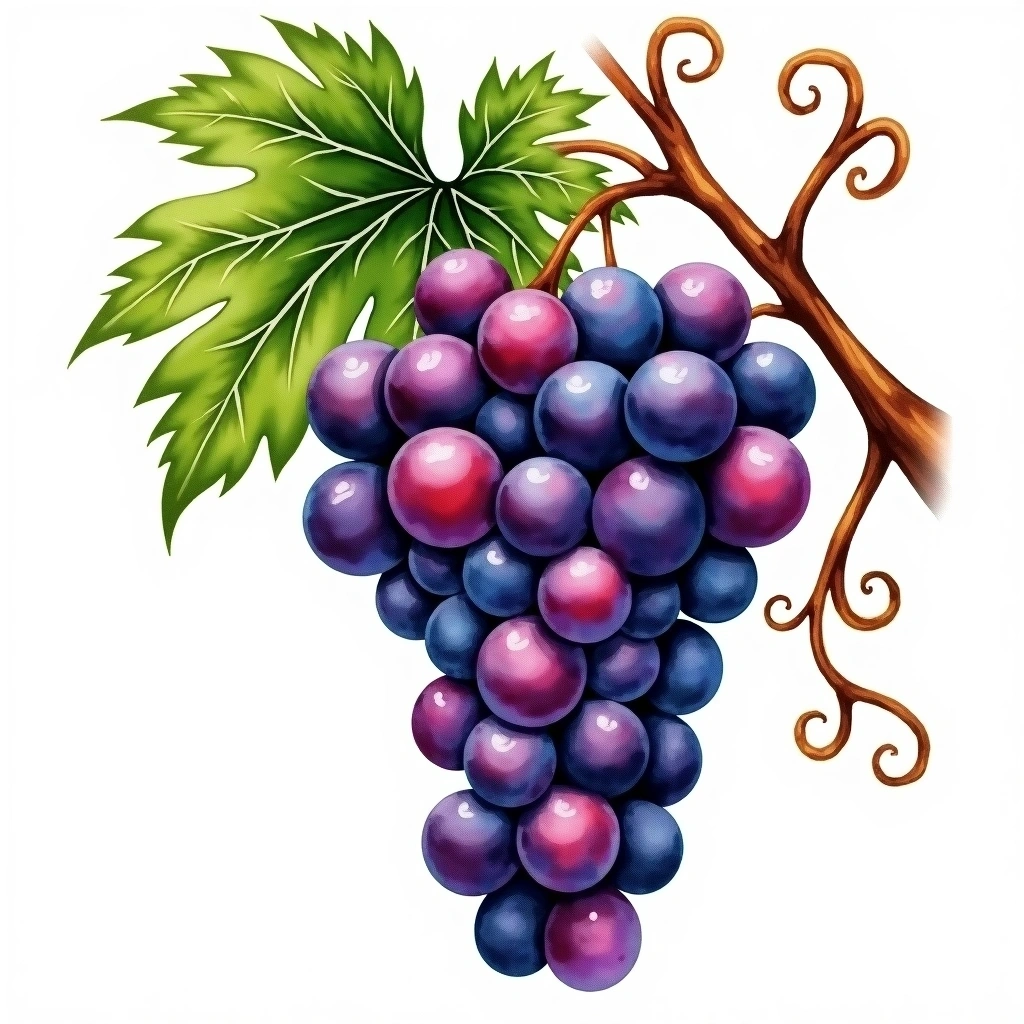 Cabernet Sauvignon
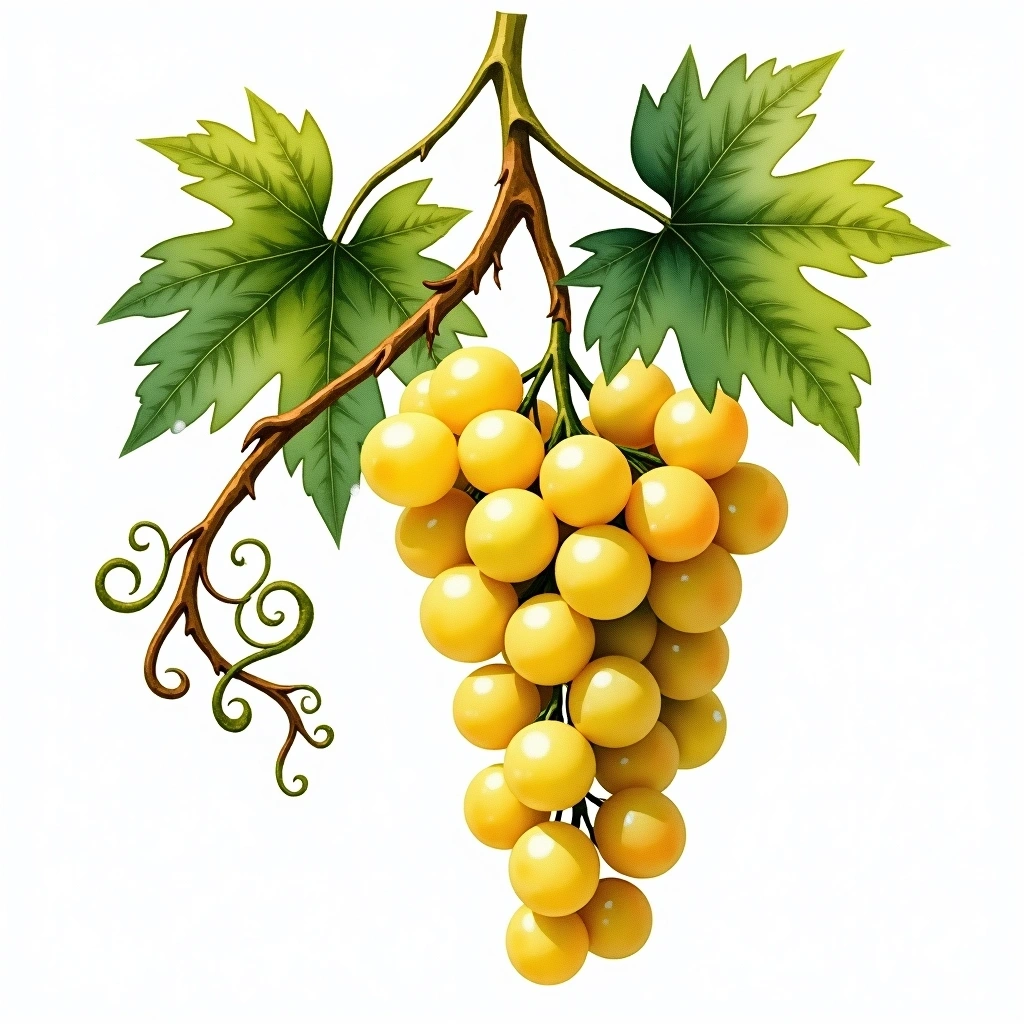 Chardonnay
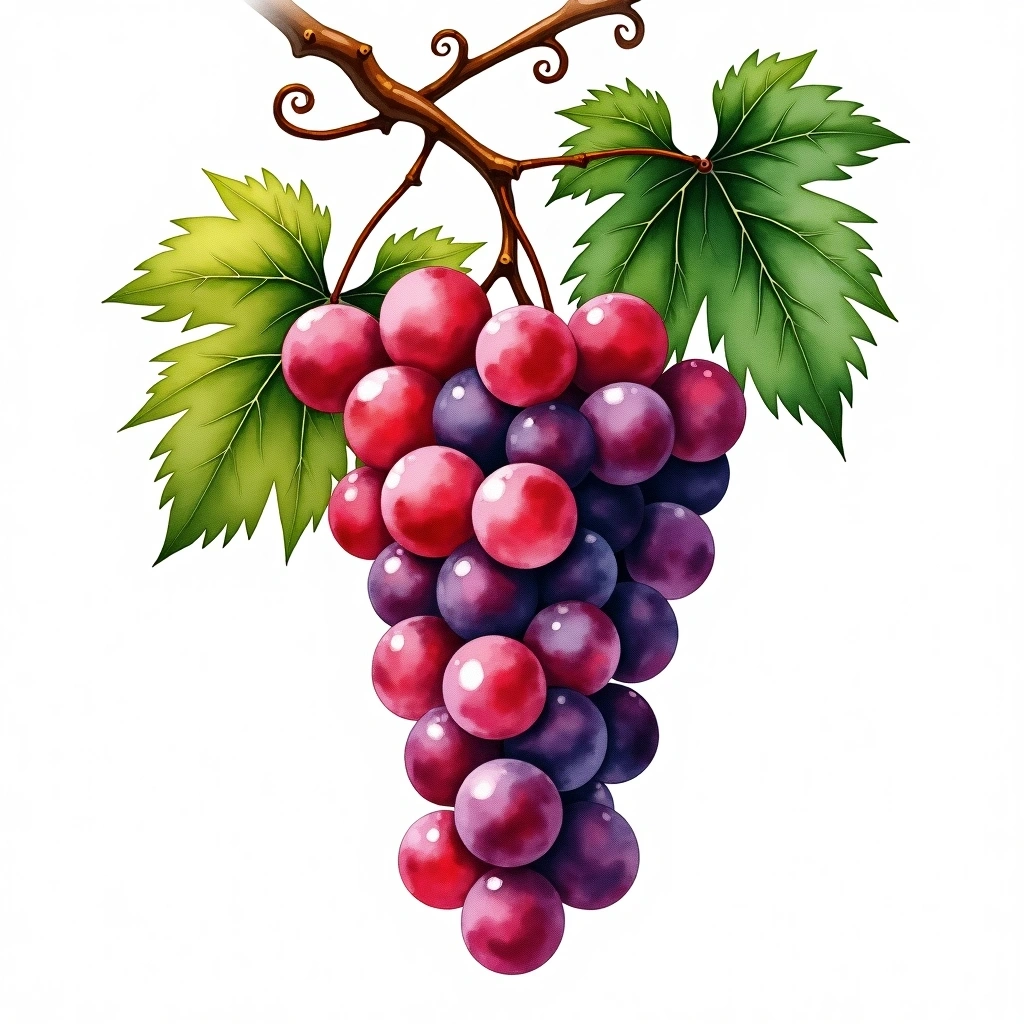 Pinot Noir
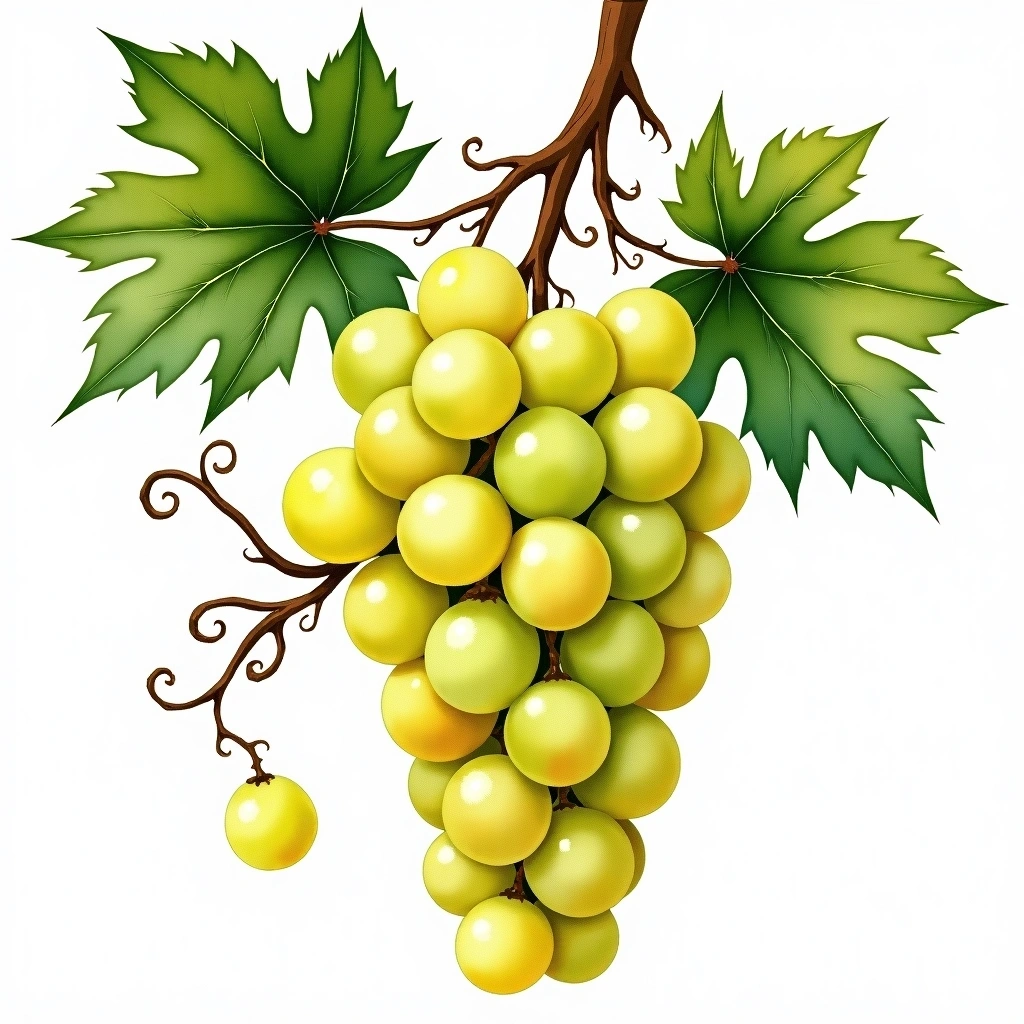 Riesling
 Sangiovese
 Bold Red
 Elegant Red
 Light Red
 Rich White