Understanding Wine Labels: A Beginner's Guide
How to decode wine labels from around the world, including Old World vs New World labeling conventions, quality classifications, and what really matters on the label.
Why Wine Labels Are Confusing
Walk into any wine shop and you will face hundreds of labels, each with different information presented in different ways. A bottle from California might say "Cabernet Sauvignon" in large letters. A bottle from France might not mention the grape at all. A German label might include long words you have never seen before. A Spanish label might say "Reserva" and "Denominacion de Origen Calificada." None of this is standardized internationally.
The confusion stems from two fundamentally different labeling philosophies that have been developing for centuries.
Old World vs New World Labeling
New World: Label by Grape
Countries like the United States, Australia, Chile, Argentina, New Zealand, and South Africa typically label wines by grape variety. Pick up a bottle of Napa Valley Cabernet Sauvignon and the label tells you exactly what grape (Cabernet Sauvignon) and what region (Napa Valley) produced the wine. This system is intuitive for consumers: if you know you like Chardonnay, you look for "Chardonnay" on the label.
In the US, a wine labeled with a single grape variety must contain at least 75% of that grape. In Australia and the EU, the minimum is 85%.
Old World: Label by Place
Traditional European wine countries — France, Italy, Spain, Germany, Portugal — often label wines by their geographic origin rather than the grape. A bottle labeled "Bordeaux" does not mention Cabernet Sauvignon or Merlot even though the wine is made from those grapes. A bottle labeled "Chianti" does not say Sangiovese. A "Barolo" does not say Nebbiolo.
The logic behind this system is that place matters more than grape variety. European winemakers argue that a Pinot Noir from Burgundy tastes fundamentally different from one grown in Oregon, so the regional name communicates more useful information than the grape name.
This means that to decode Old World labels, you need to learn which grapes are permitted in which regions — or at least the major ones.
Key Label Elements
Regardless of origin, most wine labels contain the same core information.
1. Producer / Winery Name
The name of the company or individual who made the wine. In Burgundy, this is often a specific domaine or negociant. In Napa Valley, it might be a family name or brand name.
2. Appellation (Geographic Origin)
The official geographic designation of where the grapes were grown. More specific appellations generally indicate higher quality (or at least stricter regulations).
3. Vintage (Year)
The year the grapes were harvested. Vintage matters because weather varies year to year, especially in marginal climates. A 2015 Bordeaux tastes different from a 2013 Bordeaux because the growing seasons were different. Non-vintage wines (common in Champagne and some entry-level wines) blend multiple years for consistency.
4. Grape Variety (New World) or Implied by Region (Old World)
Either stated explicitly or implied by the appellation rules.
5. Alcohol by Volume (ABV)
Required by law in most countries. Usually ranges from 11% to 15% for table wines.
6. Volume
Standard bottles are 750ml. Half-bottles (375ml) and magnums (1.5L) are also common.
Quality Classification Systems
Most European countries have tiered quality systems that indicate how strictly a wine is regulated.
France: AOC (Appellation d'Origine Controlee)
The French system is the model that most other European countries adapted.
| Level | Meaning |
|---|---|
| AOP (formerly AOC) | Strictest rules: permitted grapes, yields, alcohol levels, winemaking methods. Geographic origin guaranteed. |
| IGP (Indication Geographique Protegee) | Regional wine with fewer restrictions. More grape variety freedom. |
| Vin de France | Table wine from anywhere in France. Maximum flexibility for the winemaker. |
A wine labeled "Pauillac AOP" (a sub-appellation within Bordeaux) is more specific and more strictly regulated than one labeled simply "Bordeaux AOP."
Italy: DOC (Denominazione di Origine Controllata)
| Level | Meaning |
|---|---|
| DOCG | Highest tier. Guaranteed quality, government-tested. Barolo, Brunello di Montalcino, Chianti Classico. |
| DOC | Controlled origin, specific production rules. Thousands of DOC zones across Italy. |
| IGT | Indicazione Geografica Tipica. Regional wine with more flexibility. "Super Tuscans" often use IGT. |
| Vino d'Italia | Basic table wine. |
Spain: Denominacion de Origen (DO)
| Level | Meaning |
|---|---|
| DOCa / DOQ | Highest quality. Only Rioja and Priorat hold this status. |
| DO | Controlled origin. The majority of quality Spanish wines. |
| Vino de Pago | Single-estate designation (rare). |
| Vino de la Tierra | Country wine (similar to IGP). |
Spain also uses aging terms: Joven (young, little or no oak), Crianza (aged minimum 2 years, at least 6 months in oak), Reservea (aged minimum 3 years, at least 1 year in oak), Gran Reserva (aged minimum 5 years, at least 18 months in oak).
United States: AVA (American Viticultural Area)
The US system is simpler. AVAs define geographic boundaries but do not regulate grape varieties, yields, or winemaking methods. Napa Valley is an AVA; Rutherford and Oakville are sub-AVAs within Napa. A wine labeled with an AVA must have at least 85% of its grapes from that area.
Decoding Common Label Terms
Cuvée
French term meaning "blend" or "batch." Used differently by different producers. In Champagne, it may refer to the house's specific blend. Elsewhere, it can simply mean a particular wine within a producer's lineup.
Reserve
This term has legal meaning in Spain (Reserva, Gran Reserva) and Italy (Riserva) but is largely unregulated in the US and many other countries. An American winery can slap "Reserve" on any bottle without meeting aging or quality requirements. In regulated countries, Riserva and Reserva indicate longer aging.
Estate Bottled / Mis en Bouteille au Domaine
Means the winery grew the grapes and made the wine on their own property. Generally a positive sign — it indicates vertical control from vineyard to bottle.
Old Vines / Vieilles Vignes
Older vines typically produce fewer but more concentrated grapes, potentially leading to more intense wines. However, there is no legal definition of "old vines" in most countries. In general, vines over 35–50 years qualify.
Region-to-Grape Cheat Sheet
Memorizing this short list will let you decode the majority of Old World labels you encounter:
| Label Says | Grape(s) Inside |
|---|---|
| Bordeaux (red) | Cabernet Sauvignon, Merlot, Cabernet Franc |
| Burgundy / Bourgogne (red) | Pinot Noir |
| Burgundy / Bourgogne (white) | Chardonnay |
| Chablis | Chardonnay |
| Champagne | Chardonnay, Pinot Noir, Pinot Meunier |
| Chianti | Sangiovese |
| Barolo / Barbaresco | Nebbiolo |
| Rioja | Tempranillo |
| Cotes du Rhone (red) | Grenache, Syrah, Mourvedre |
| Sancerre | Sauvignon Blanc |
| Alsace Riesling | Riesling |
| Vinho Verde | Alvarinho, Loureiro |
| Douro (red) | Touriga Nacional, Tinta Roriz |
This single table covers a large percentage of European wines you will find in any shop.
Practical Tips for Buying
- Learn three to five key regions and their grapes. Knowing that Burgundy means Pinot Noir (red) or Chardonnay (white) instantly unlocks thousands of labels.
- Pay attention to the specific appellation. A wine from "Nuits-Saint-Georges" (a village in Burgundy) will generally be higher quality than one labeled simply "Bourgogne." More specificity on the label generally means stricter regulations and higher baseline quality.
- Look at the producer, not just the region. A good producer in a lesser region often outperforms a mediocre producer in a famous one. The winemaker's skill and philosophy matter at least as much as geography.
- Vintage matters most in marginal climates. In Bordeaux and Burgundy, vintage variation is significant. In consistently warm regions like Barossa Valley, year-to-year differences are smaller.
- Back labels can be useful. Many producers include tasting notes, food pairing suggestions, and grape variety information on the back label even when the front follows Old World conventions. Some importers add informative strip labels with grape variety and style descriptions.
- Beware unregulated terms. Words like "Grand Vin," "Premium," and "Special Selection" may look impressive but have no legal definition in most countries. "Reserve" is meaningful in Spain and Italy but unregulated in the US.
- Do not overthink it. Labels contain useful information, but they cannot tell you whether you will enjoy the wine. A trusted retailer's recommendation or an online rating from a reviewer whose palate aligns with yours is often more practical than decoding every detail on the label.
German Wine Labels: A Special Case
German labels deserve separate mention because they look particularly intimidating to English speakers. Here is what you need to know:
- Grape variety is usually stated on the label (Riesling, Gewürztraminer, Silvaner).
- Region is stated (Mosel, Rheingau, Pfalz, Alsace is French but linguistically similar).
- Pradikat (quality level) indicates ripeness at harvest: Kabinett (lightest), Spatlese (late harvest), Auslese (select harvest), Beerenauslese (BA, selected berries), Trockenbeerenauslese (TBA, dried selected berries), Eiswein (ice wine). Higher Pradikat levels are sweeter and more concentrated.
- Trocken means dry. Halbtrocken means off-dry. Without either designation, the wine may range from off-dry to sweet.
- VDP classification: Germany's top producer association uses a Burgundy-inspired vineyard hierarchy: Gutswein (regional), Ortswein (village), Erste Lage (Premier Cru equivalent), Grosse Lage (Grand Cru equivalent). Look for the eagle logo on the capsule.
Once you decode one German label, the pattern repeats across most German wines, making subsequent bottles much easier to understand.
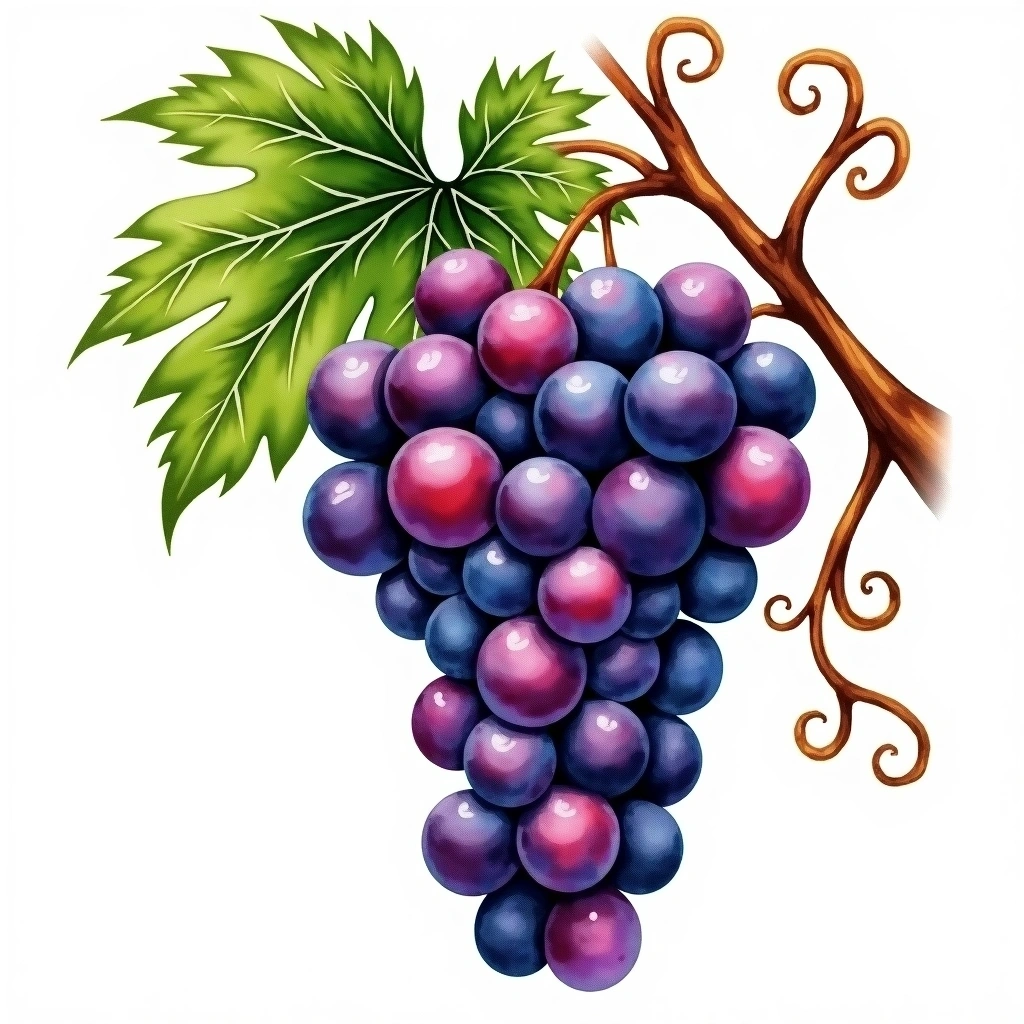 Cabernet Sauvignon
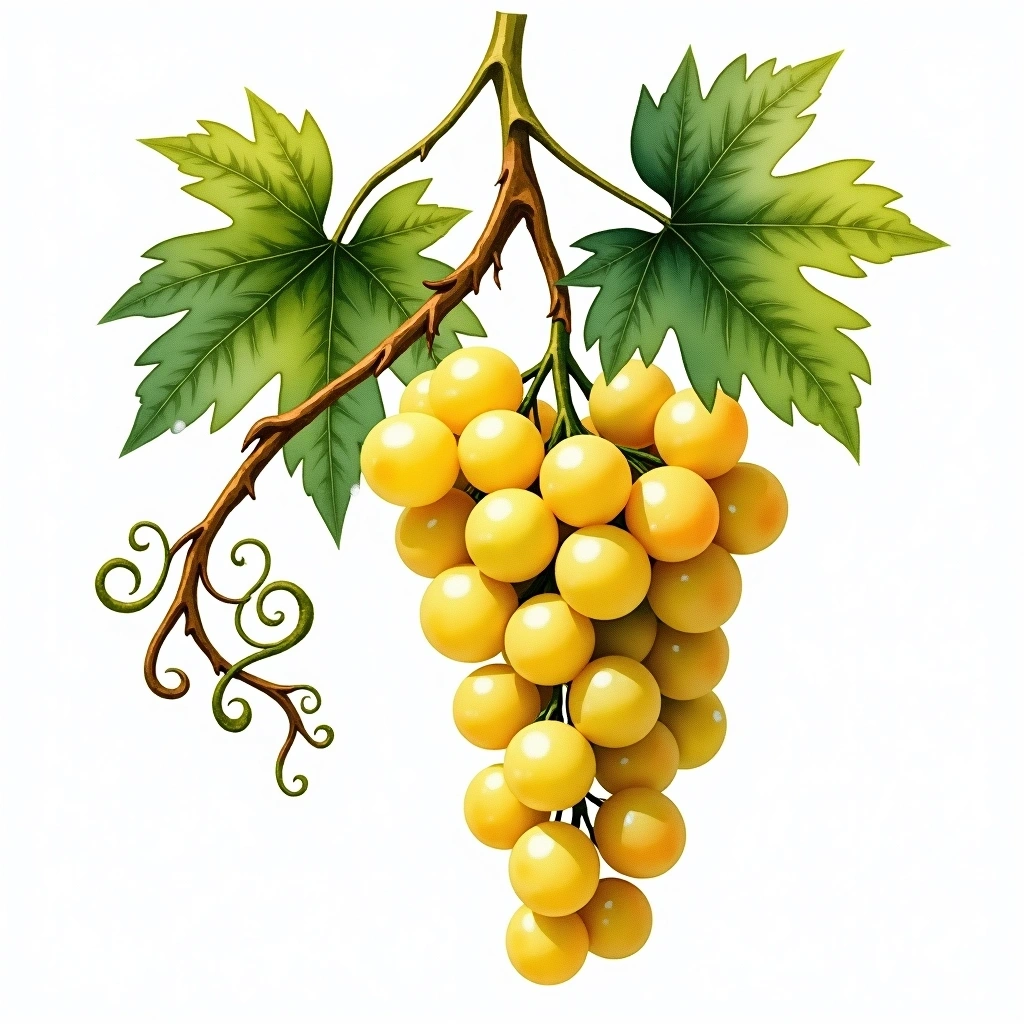 Chardonnay
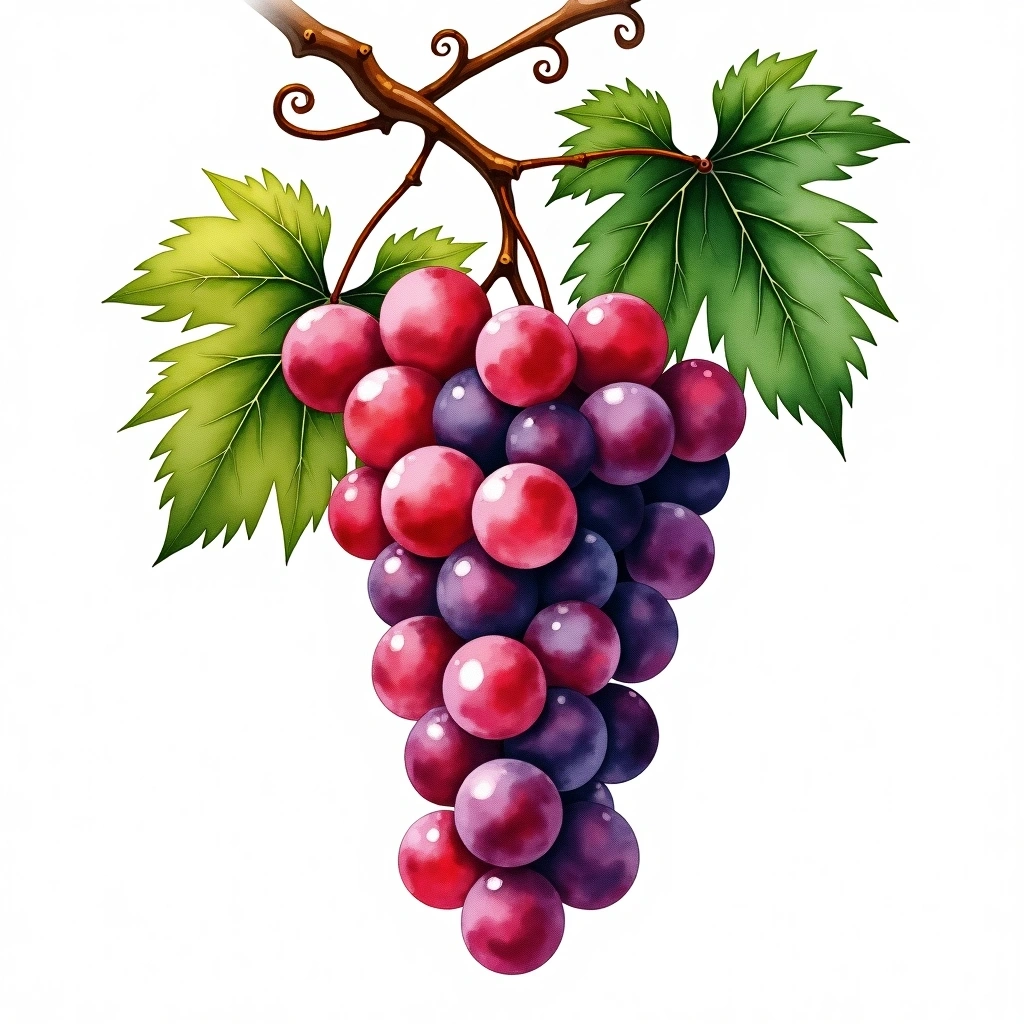 Pinot Noir
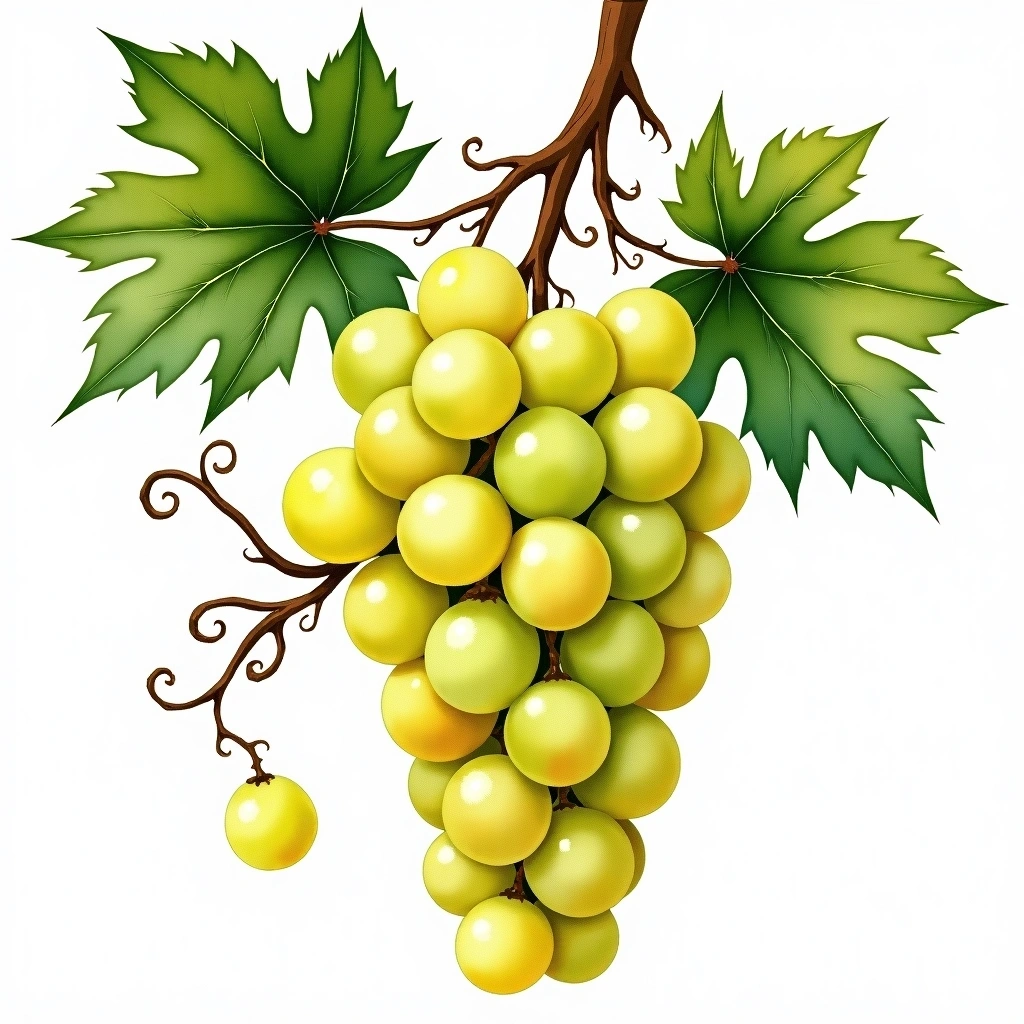 Riesling
 Sangiovese
 Tempranillo
 Bold Red
 Crisp White
 Elegant Red