Best Wines for Steak and Red Meat
A guide to matching wine with steak and red meat, covering cuts, cooking methods, sauces, and the best grape varieties for beef, lamb, and game.
Why Red Wine and Red Meat Work
The pairing of red wine with red meat is one of the few universal truths in the wine world. The science behind it is straightforward: the proteins and fats in red meat bind with Tannin molecules in red wine, softening the wine's astringency and revealing the fruit character underneath. At the same time, the wine's Acidity cuts through the richness of the meat, cleansing your palate between bites.
This biochemical interaction is not metaphorical. Researchers have demonstrated that salivary proteins freed by tannin are rapidly replenished when you eat protein-rich food, creating a cycle of astringency and relief that the brain finds deeply satisfying. It is why a young, aggressive Cabernet Sauvignon that seems uncomfortably tannic on its own suddenly tastes velvety and balanced alongside a medium-rare ribeye.
Matching Wine to the Cut
Not all red meat is created equal, and not all red wine should be treated identically. The cut of meat — its fat content, tenderness, and flavor intensity — should guide your wine selection.
Lean Cuts (Tenderloin, Filet Mignon, Eye of Round)
Lean cuts have less fat to soften tannin, so they pair best with wines that have moderate tannin and a refined texture. Think Elegant Red wines.
Best choices: - Pinot Noir from Burgundy or Sonoma — silky tannins, bright fruit, earthy undertones - Merlot from the Right Bank of Bordeaux (Saint-Émilion, Pomerol) — plush, rounded, soft-structured - Nebbiolo from Piedmont (Barbaresco rather than Barolo) — aromatic and complex with fine-grained tannins
Filet mignon in particular benefits from wines that emphasize elegance over power. A massive Napa Cabernet will overwhelm a filet's delicate texture.
Fatty Cuts (Ribeye, New York Strip, T-Bone)
Well-marbled cuts with abundant intramuscular fat can handle — and actively benefit from — big, tannic wines. The fat softens even the most aggressive tannins.
Best choices: - Cabernet Sauvignon from Napa Valley or Bordeaux — the classic pairing for ribeye - Malbec from Mendoza — plush, dark-fruited, with enough structure to match marbling - Syrah from the Northern Rhône or Barossa Valley — peppery, smoky, meaty wines that echo the charred exterior of a grilled steak
A well-aged Bordeaux with a perfectly cooked ribeye is one of gastronomy's peak experiences. The wine's decades of evolution meet the meat's rich simplicity.
Braised and Slow-Cooked Meats (Short Ribs, Osso Buco, Pot Roast)
Braised meats develop deep, savory, umami-rich flavors. The long cooking process breaks down connective tissue into gelatin, creating a rich, silky texture. These dishes need wines with weight and complexity.
Best choices: - Syrah or Syrah-based blends — smoky, savory wines mirror braised flavors - Mourvedre — rustic, earthy, and built for slow-cooked meats - Grenache-Syrah-Mourvèdre blends from the Southern Rhône — warm, generous, spice-driven - Zinfandel from Sonoma — ripe, peppery, and rich enough to handle braised dishes without being as tannic as Cabernet
Consider Decanting younger red wines for 30 to 60 minutes before serving with braised meats. The Aeration rounds out rough edges and allows the wine to open up.
Matching Wine to Cooking Method
The cooking method often matters as much as the cut itself.
Grilled and Charred
The Maillard reaction — the browning and caramelization that occurs on a hot grill — creates complex, smoky, slightly bitter flavors. Wines with smoky, charred, or toasted oak notes complement these beautifully.
- Cabernet Sauvignon with grill marks from toasted oak barrels
- Malbec — its natural smokiness mirrors charcoal
- Syrah from Barossa Valley — often aged in heavily charred barrels
Roasted
Oven-roasted meats (prime rib, leg of lamb, rack of lamb) develop caramelized, nutty flavors without the aggressive char of grilling. Medium-bodied wines with savory complexity work best.
- Tempranillo from Rioja (Reserva or Gran Reserva) — roasted lamb with aged Rioja is a Spanish institution
- Sangiovese from Tuscany — Chianti Classico with roasted beef or veal
- Nebbiolo from Piedmont — Barolo with roasted lamb is an iconic pairing
Pan-Seared with Sauce
When a steak is pan-seared and finished with a sauce, the sauce becomes the dominant pairing element.
| Sauce | Best Wine |
|---|---|
| Red wine reduction | Match the wine used in the sauce (or a better version of it) |
| Peppercorn (au poivre) | Syrah — its natural pepper character creates synergy |
| Béarnaise | Medium Red Merlot or Grenache — the richness needs moderate tannin |
| Chimichurri | Malbec from Mendoza — the herbal, garlicky sauce meets its regional partner |
| Blue cheese butter | A ripe, fruit-forward Zinfandel — sweetness counters the pungent cheese |
| Mushroom cream | Burgundy Pinot Noir — earth meets earth |
Beyond Beef: Lamb, Game, and Other Red Meats
Lamb
Lamb has a distinctive, slightly gamy flavor that pairs exceptionally with wines that have herbal or savory notes. The regional pairings are particularly strong here.
- Roasted leg of lamb: Cabernet Sauvignon (classic Pauillac) or aged Tempranillo
- Lamb chops: Syrah (Northern Rhône) or Nebbiolo
- Braised lamb shank: Mourvedre or Châteauneuf-du-Pape blends
- Lamb tagine (with dried fruits and spices): Grenache or off-dry Riesling for contrast
Venison and Game
Venison, elk, wild boar, and other game meats are leaner than beef but more intensely flavored. They pair best with wines that have earthy, wild, "forest floor" character.
- Pinot Noir from Burgundy — its earthy complexity is a natural match
- Syrah from cooler climates (Northern Rhône, Washington State)
- Nebbiolo — tar, roses, and truffle notes harmonize with game
Veal
Veal is milder than beef, with a more delicate flavor. It often bridges the gap between white and red wine territory.
- Vitello tonnato (cold veal with tuna sauce): Crisp White or dry rosé
- Osso buco: Nebbiolo (specifically Nebbiolo d'Alba for lighter tannin)
- Wiener Schnitzel: Austrian Grüner Veltliner or dry Riesling
Practical Guidelines
Temperature Matters
Serve red wines for meat at cellar temperature (15-18 C), not room temperature. An overheated red wine tastes flabby, alcoholic, and out of balance. If your wine has been sitting in a warm room, 15 minutes in the refrigerator will improve it noticeably.
When to Decant
Young, tannic wines (under 5 years old) benefit from Decanting for 30 to 60 minutes before serving with meat. Pour the wine into a Decanting vessel and let it breathe. The exposure to air softens tannins and opens up aromas.
Older wines (15+ years) need gentle handling. Decant them carefully to separate the wine from any sediment, but do not leave them exposed to air for long — old wines can fade quickly once opened.
The Quick-Reference Pairing Chart
| Meat | Cut/Preparation | Top Wine Pick |
|---|---|---|
| Beef | Ribeye, grilled | Cabernet Sauvignon (Napa or Bordeaux) |
| Beef | Filet mignon | Pinot Noir or Merlot |
| Beef | Short ribs, braised | Syrah or GSM blend |
| Beef | Burger | Zinfandel or Malbec |
| Lamb | Rack, roasted | Cabernet Sauvignon or Tempranillo |
| Lamb | Shank, braised | Mourvedre or Grenache blend |
| Venison | Loin, pan-seared | Pinot Noir (Burgundy) |
| Veal | Osso buco | Nebbiolo |
Steak and red wine is a pairing that rewards attention but forgives imperfection. Nearly any full-bodied red will be enjoyable alongside a well-prepared piece of red meat. The suggestions above will take you from enjoyable to exceptional.
 Cabernet Sauvignon
 Grenache
 Malbec
 Merlot
 Mourvedre
 Nebbiolo
 Tempranillo
 Zinfandel
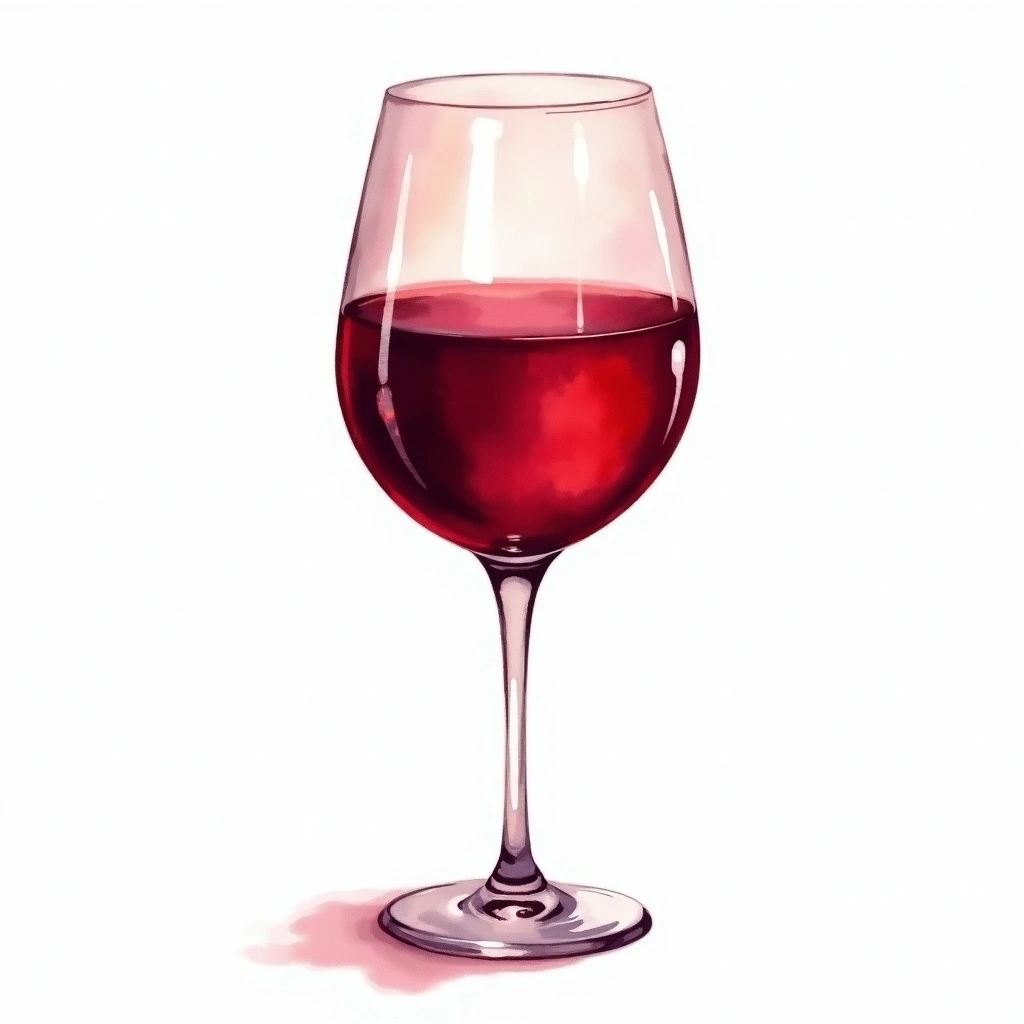 Bold Red
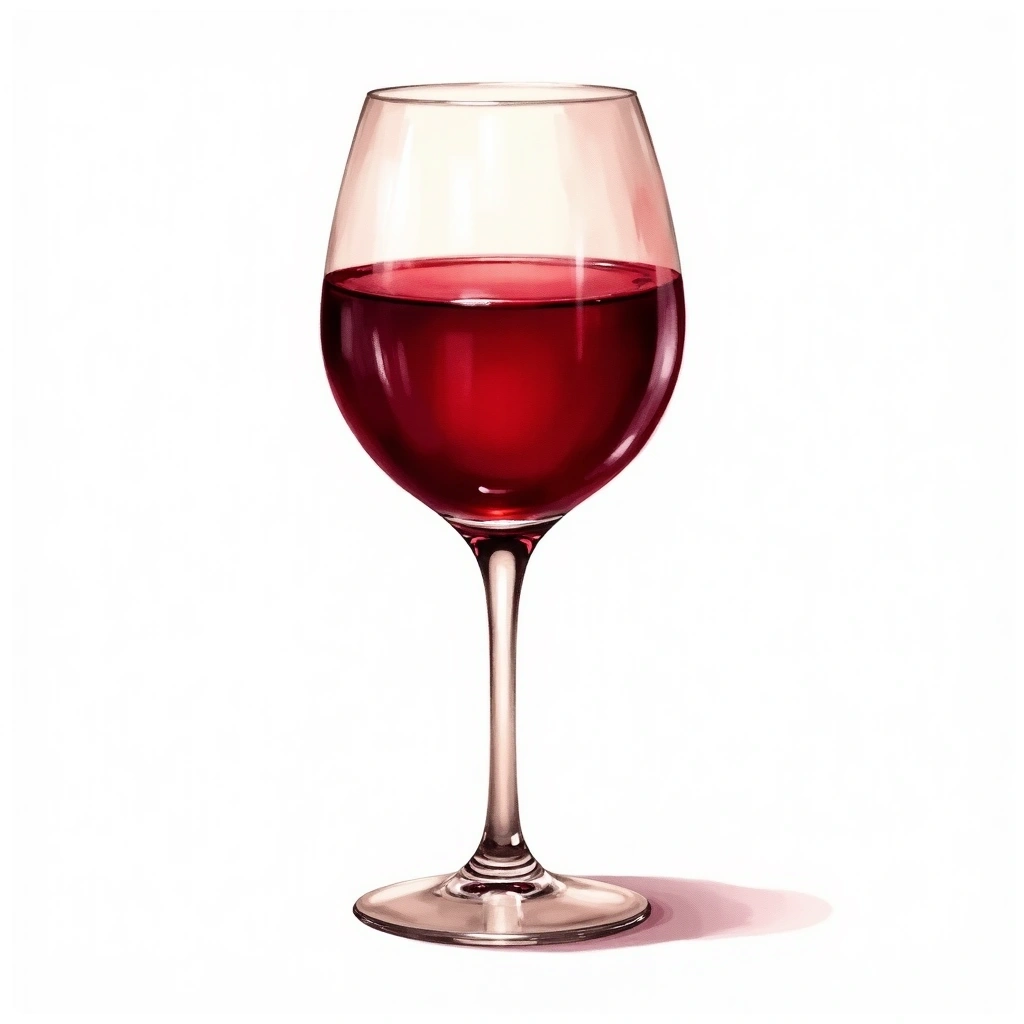 Elegant Red
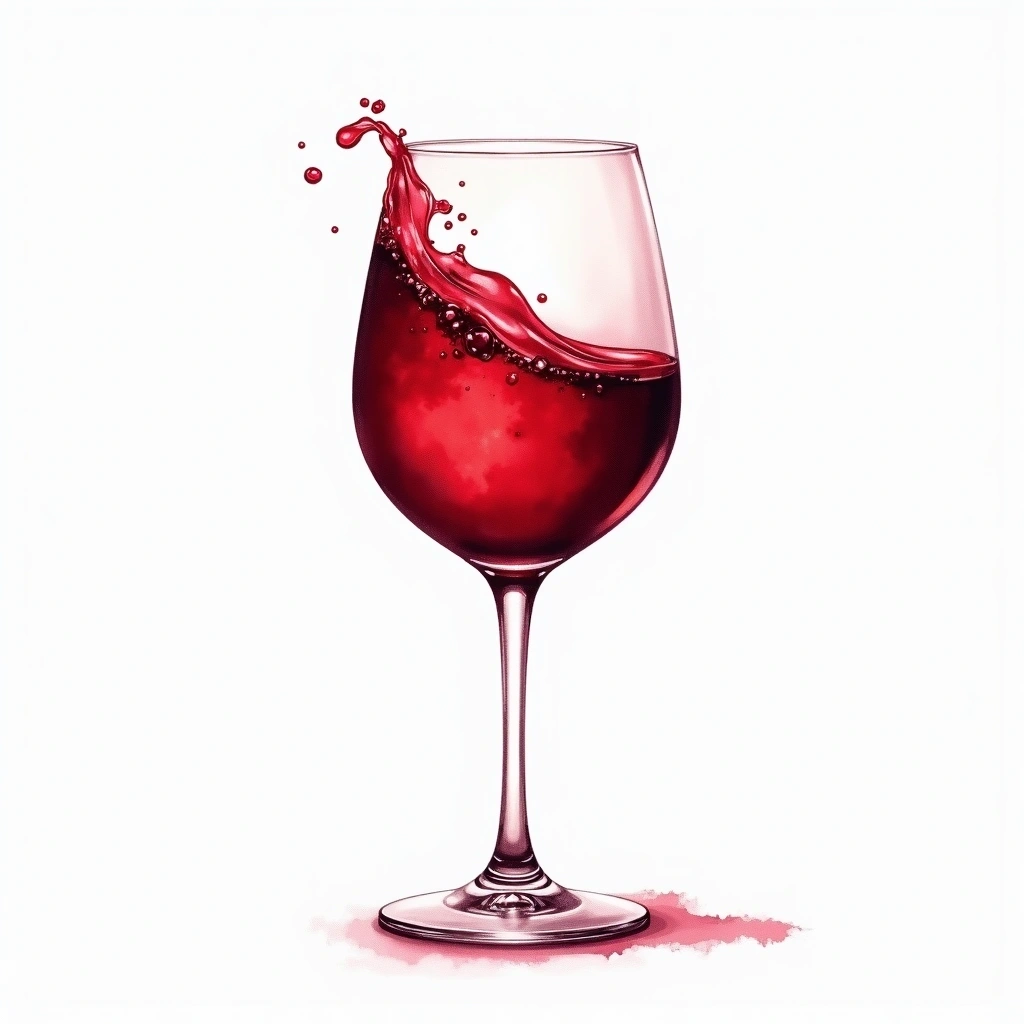 Medium Red