Understanding Wine pH and Acidity
Acidity is the backbone of every great wine, and pH is the precise scientific measure underlying it. This guide explains the difference between total acidity and pH, the main wine acids and their roles, and how acidity shapes balance, aging potential, microbial stability, and overall wine quality.
Acidity: The Backbone of Wine
Ask any winemaker to name the single most important parameter in determining a wine's quality, balance, and longevity, and many will say Acidity. Acidity is what makes wine refreshing rather than flat, what allows it to pair with food, what protects it from microbial spoilage, and what gives it the structural framework to age for decades.
Yet "acidity" is often confused with "sourness" in a negative sense. These are not the same thing. At the right level, well-integrated acidity is not harsh or sharp — it is the quality that makes your mouth water, that lifts a wine's aromatics, and that provides the backbone against which all other flavor elements are balanced. Understanding the science of wine acidity transforms how you taste and how you talk about wine.
pH vs. Titratable Acidity: Two Different Measurements
When scientists and winemakers discuss acidity, they use two distinct measurements that often confuse beginners.
pH
pH measures the concentration of free hydrogen ions (H⁺) in a solution on a logarithmic scale from 0 (most acidic) to 14 (most basic). Wine typically falls in the range of pH 2.8 to 4.0, though most quality table wines sit between 3.0 and 3.6.
Because the scale is logarithmic, a wine at pH 3.0 has ten times more free hydrogen ions than a wine at pH 4.0. This has enormous implications: - pH 3.0–3.3: Perceived as very tart; high microbial resistance; optimal Sulfites activity. - pH 3.3–3.6: The sweet spot for most quality wines; balance of freshness, stability, and flavor complexity. - pH 3.6–4.0: Lower perceived acidity; reduced microbial stability; requires more SO₂ for protection.
Titratable Acidity (TA)
Titratable acidity (also called total acidity or TA) measures the total concentration of all acidic compounds in the wine, expressed in grams per liter (typically as tartaric acid equivalents). This includes all the buffering capacity of the wine's acid system, not just the free H⁺ measured by pH.
A wine can have the same TA as another wine but a different pH — and the pH difference matters more for microbial stability and flavor impact, because it measures the actual bite of the acid as perceived on the palate and as experienced by any bacteria trying to survive in the wine.
The Main Acids in Wine
Wine contains several acids, each with its own character and role.
Tartaric Acid (Tartaric Acid)
The most abundant acid in ripe grapes and the acid largely responsible for wine's characteristic tart taste. Tartaric acid is chemically stable — bacteria cannot metabolize it easily, and it maintains its concentration throughout fermentation and most of a wine's life (though it can precipitate as tartrate crystals in cold storage, forming harmless sediment sometimes confused with broken glass). Because of its stability, tartaric acid is the primary adjustment tool: winemakers add tartaric acid to acidify must or juice, and deacidification is rarely done by targeting tartaric.
Malic Acid (Malic Acid)
The second major grape acid, malic acid has a sharper, greener, more aggressive character than tartaric — the acid responsible for the mouth-puckering sharpness of unripe apples. Malic acid concentration is higher in cooler climates and earlier harvest dates. Crucially, malic acid is metabolized by lactic acid bacteria during Malolactic Fermentation (MLF), converting it to the softer lactic acid. This is why MLF has such a dramatic effect on wine texture and why blocking MLF preserves the wine's fresh, sharp, green-fruited quality.
Lactic Acid
Present at low concentrations in fresh grape juice but significantly elevated after MLF. Lactic acid has lower acidity (higher pKa) than either tartaric or malic acid — it contributes a softer, creamier acidity associated with yogurt and cultured dairy. Wines that have completed full MLF have replaced their sharper malic acid profile with this softer lactic character.
Citric Acid
Present in small quantities in grapes, citric acid contributes fresh, citrusy notes. It is also used as an acidulant in winemaking in some regions where tartaric acid is unavailable or restricted. Important caveat: citric acid can be metabolized by lactic acid bacteria to produce diacetyl and Acetic Acid, so wines undergoing or at risk of unwanted bacterial activity should not be heavily acidified with citric acid.
Acetic Acid (Acetic Acid)
The acid in vinegar, and in wine it represents Volatile Acidity (VA). At concentrations below about 0.6–0.7 g/L, acetic acid is imperceptible. Above 0.8–1.0 g/L, it becomes noticeable as a vinegary edge. Above 1.2–1.5 g/L, it is a genuine fault. Low levels are produced naturally during fermentation; higher levels indicate bacterial contamination, typically by Acetobacter species that thrive when wine is exposed to oxygen.
How Acidity Shapes the Palate Experience
Acidity influences wine perception in several ways simultaneously:
Salivation: Acids stimulate saliva production through the parotid glands. This is the biological basis for the "mouth-watering" quality of high-acid wines — and it is directly relevant to food pairing, as salivation prepares the mouth to digest rich foods.
Freshness perception: Acidity is perceived as freshness, energy, and liveliness. Low-acid wines feel flat, flabby, or heavy by comparison, no matter how ripe or concentrated their fruit.
Balance: In the context of residual sugar, acidity is the counterbalance that prevents sweetness from feeling cloying. A Riesling Auslese from the Mosel with 60–80 g/L Residual Sugar does not taste confectionery-sweet because its acidity (often below pH 3.0) precisely counterbalances the sugar. The same sugar in a low-acid wine would be undrinkably sweet.
Flavor longevity: Acidity "carries" flavors across the palate and into the finish. High-acid wines tend to have longer, more persistent finishes than equivalent low-acid wines.
Acidity and Aging Potential
High natural acidity is one of the most reliable predictors of long aging potential. The reasons are partly chemical and partly microbiological:
Microbial stability: Low pH environments are hostile to most spoilage organisms. A wine at pH 3.1 can be protected with far less SO₂ than one at pH 3.8, and the lower-pH wine has an inherently higher natural resistance to bacterial growth.
Oxidative stability: The antioxidant cascade in wine — including the activity of SO₂ and the rate of browning reactions — is faster at higher pH. Low-pH (high-acid) wines naturally resist oxidation more effectively.
Structural evolution: In red wines, acidity interacts with Tannin over time in complex ways. High-acid, high-tannin wines from Piemonte (Nebbiolo) or Champagne's still reds (Pinot Noir) often reward decades of cellaring. Low-acid, soft reds — while immediately approachable — rarely improve meaningfully with extended bottle age.
Climate Change and the Acid Challenge
Global warming is creating an increasingly urgent challenge for wine regions accustomed to natural high acidity. As growing seasons get warmer and longer, grapes ripen faster, accumulating sugar while simultaneously losing acid — particularly malic acid, which degrades enzymatically at high temperatures.
The result in many warm-vintage years is wines with very high potential alcohol (from elevated sugar) and uncomfortably low acidity (from acid degradation). This forces winemakers toward acidification (adding tartaric acid to the must or wine), earlier harvest (sacrificing phenolic ripeness), and new site selection at higher altitudes or cooler exposures.
The loss of natural acidity is one of the less-discussed but most consequential impacts of climate change on wine style and identity — and understanding wine's acid chemistry is essential for appreciating the full scope of that challenge.
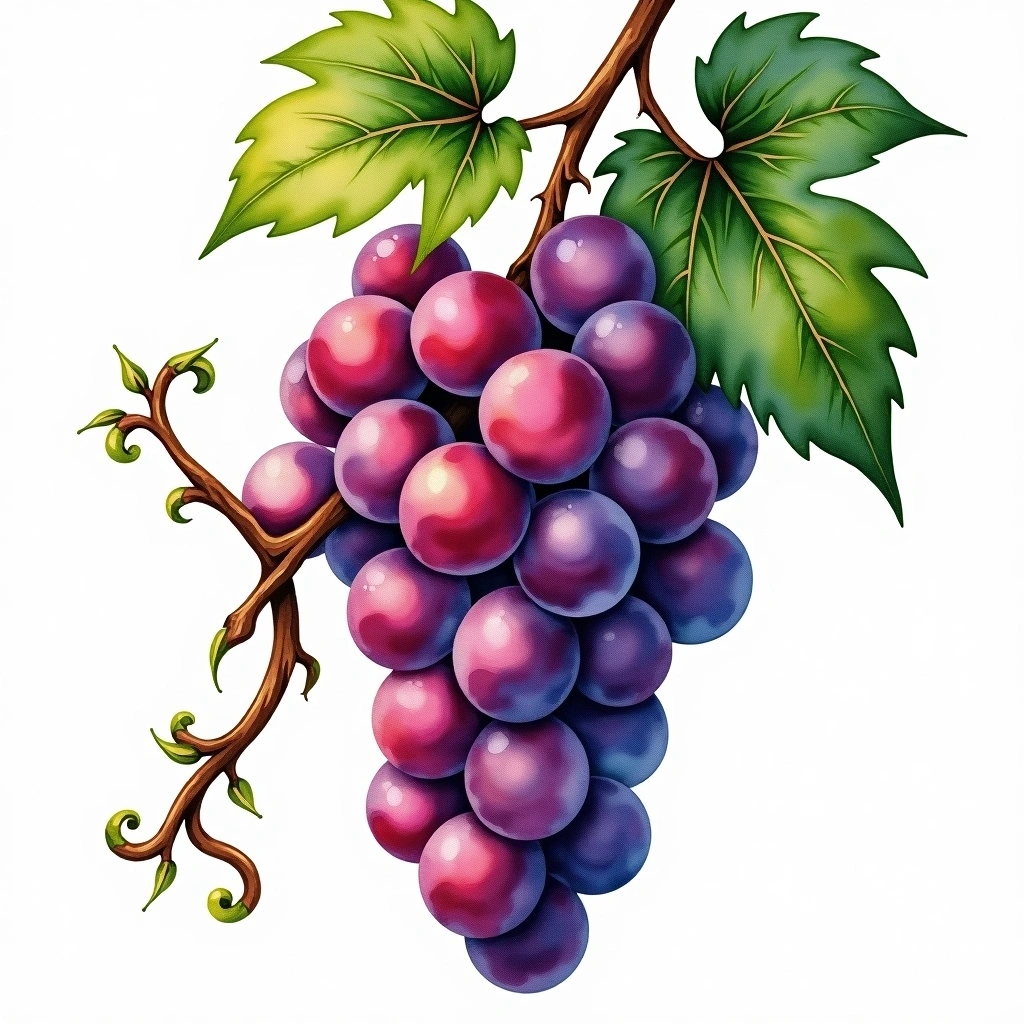 Barbera
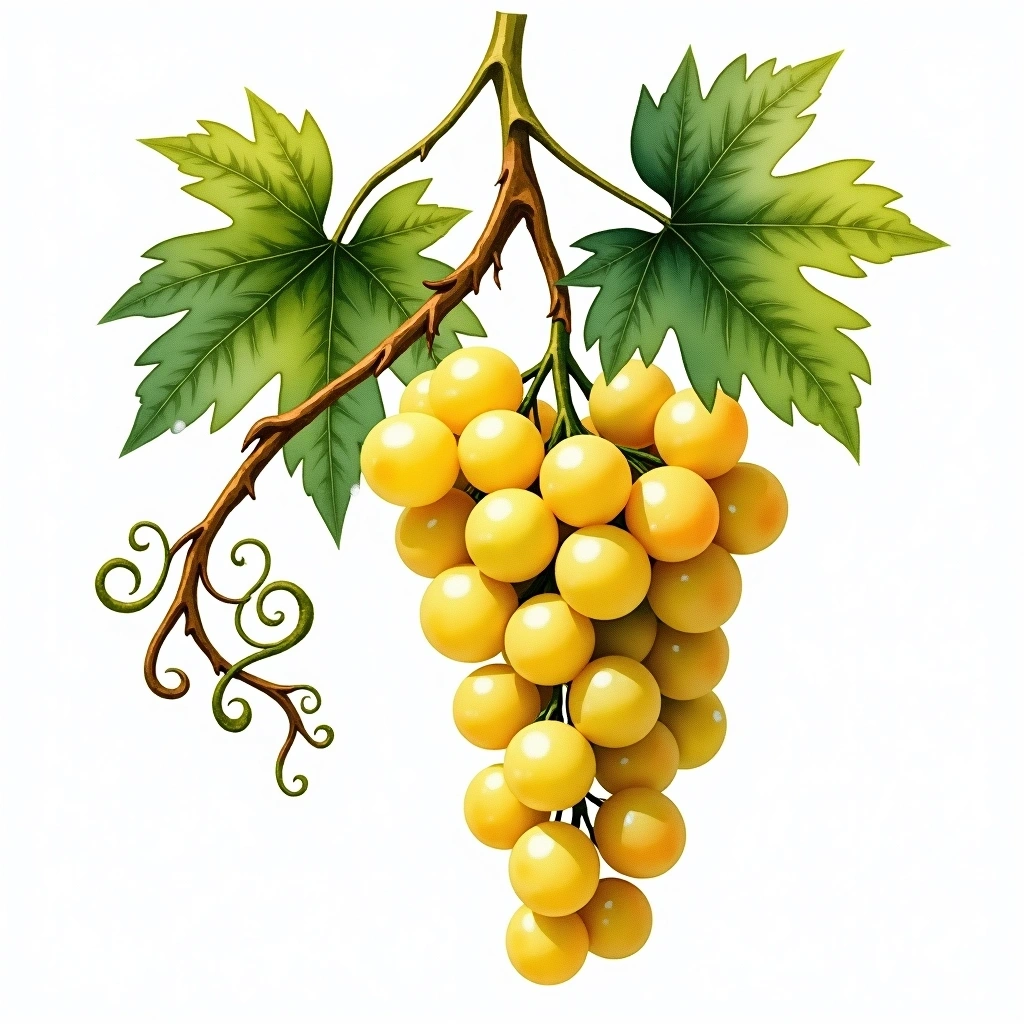 Chardonnay
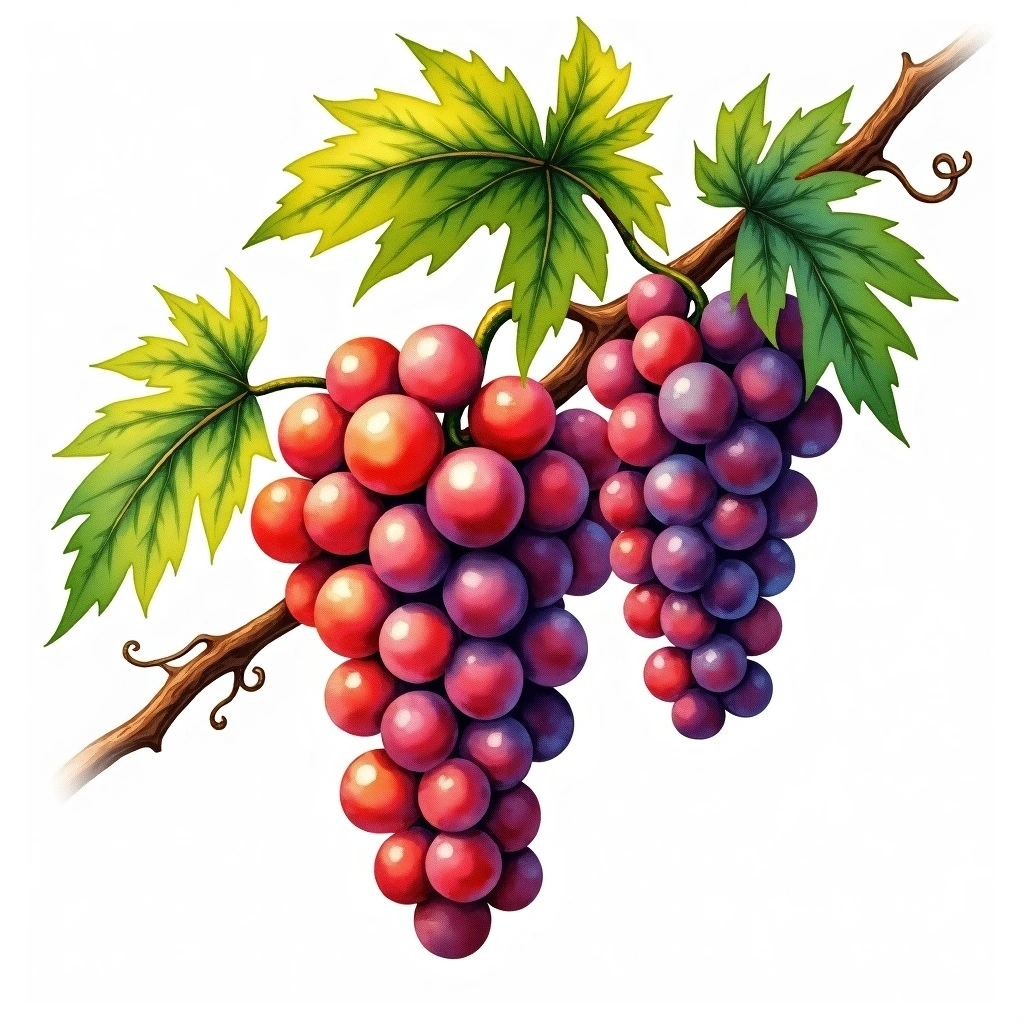 Grenache
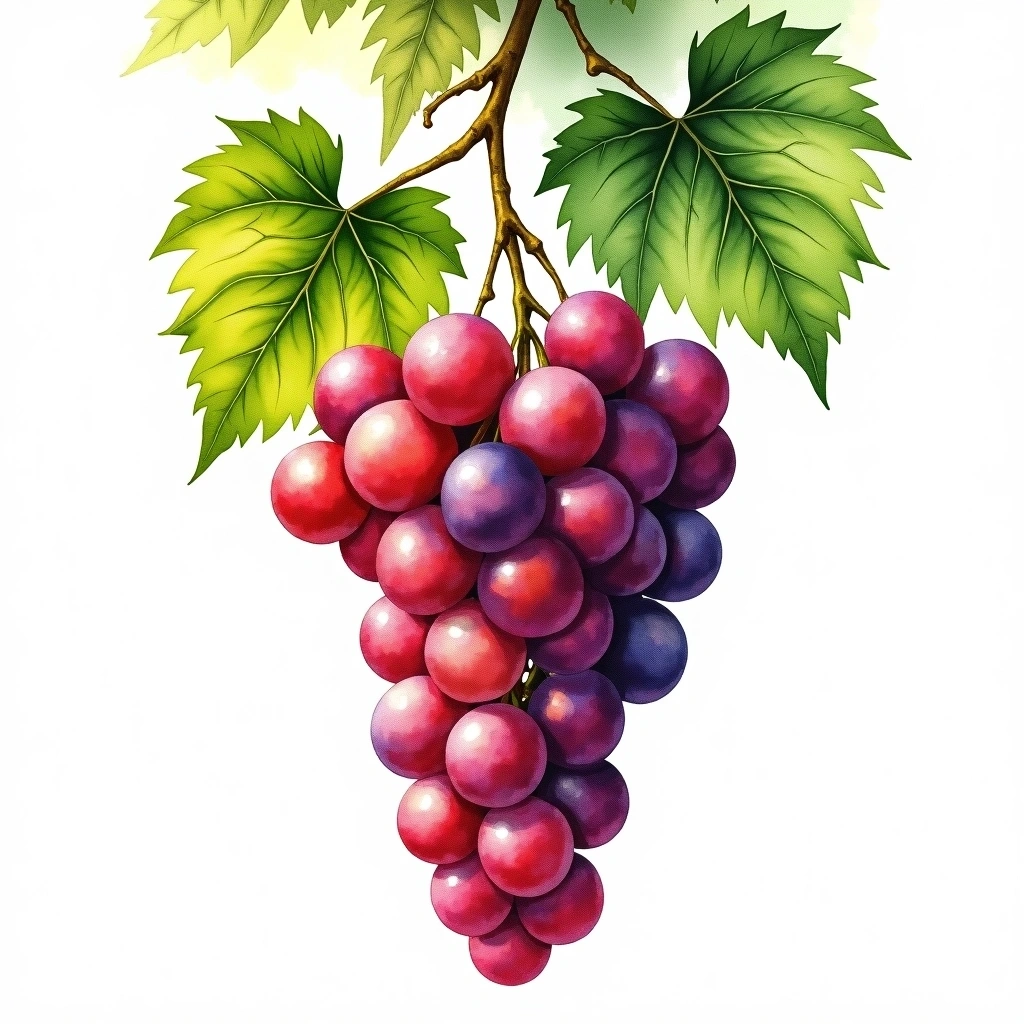 Nebbiolo
 Pinot Noir
 Riesling
 Sauvignon Blanc
 Aromatic White
 Crisp White
 Elegant Red
 Light Red
 Traditional Method Sparkling