Champagne: The Home of Sparkling Wine
From the chalk soils of the Marne to the riddling racks of the grande marques, this guide covers how Champagne is made, the key grape varieties, the house versus grower debate, and the styles worth knowing.
More Than Celebration
Champagne is the world's most famous wine region and the only one that has successfully trademarked its own name as a global synonym for celebration and luxury. But Champagne is far more than a party wine. It is one of the world's great wine regions, defined by extraordinary chalk soils, a uniquely cool climate at the northern edge of viable viticulture, and a winemaking process of remarkable complexity and skill.
The best Champagnes rank among the finest wines on earth — not despite their bubbles, but because of the way those bubbles integrate with the wine's texture, acidity, and flavour to create an experience that no other wine category can replicate. Understanding how Champagne is made, and why the region's conditions produce its unique character, transforms appreciation from passive pleasure to active understanding.
Geography and the Chalk
The Champagne region sits about 150 kilometres east of Paris, in a landscape of gentle rolling hills and river valleys. The climate is one of the coolest in France's wine production zone — average temperatures hover around 10-11 degrees Celsius annually — which means grapes struggle to ripen fully as still wine. This marginal ripeness, which would be a problem for a red or white table wine, is an asset for sparkling wine production: grapes with high natural Acidity and moderate alcohol make the ideal base for the Champagne method.
The key geological factor is chalk. Beneath the thin topsoil lies a vast subterranean mass of Cretaceous chalk. Chalk drains freely but retains water in its porous structure, feeding the vines slowly during dry spells. It also reflects heat upward into the vine canopy and imparts a characteristic mineral salinity to the wines grown above it. The deep chalk galleries carved beneath Reims and Epernay maintain a perfect 10-12 degrees Celsius year-round, ideal for the slow secondary fermentation.
The Three Grapes
Champagne is built on three grape varieties, and the interplay between them is the foundation of every wine's style.
Pinot Noir contributes body, structure, red fruit character (red apple, strawberry, cherry), and the backbone for aging. Despite being a red grape, it is vinified as white wine in Champagne — the juice is pressed off the skins immediately to minimise colour extraction. Pinot Noir dominates the Montagne de Reims and the Cote des Bar subregions.
Chardonnay brings elegance, freshness, citrus and green apple aromas, and the distinctive chalky mineral character that defines blanc de blancs Champagne. It flourishes on the Cote des Blancs south of Epernay, where the chalk soils are thickest and most pure.
Pinot Meunier (a mutation of Pinot Noir) was historically the workhorse grape — productive, frost-resistant, ripening early in the Marne Valley. It provides roundness, approachability in youth, and apple fruit character. Long underestimated, it is now gaining recognition as a variety of genuine quality, particularly in the hands of grower producers who highlight it as a single-variety wine.
How Champagne Is Made: The Traditional Method
The Traditional Method Sparkling (methode traditionnelle) is the key to Champagne's complexity. It involves two fermentations — the first to produce a base wine, the second (in the bottle itself) to create the bubbles.
Step 1: The Base Wine
Harvested grapes are pressed very gently and fermented into a relatively lean, high-acid still wine. Malolactic Fermentation is commonly used to convert sharp malic acid to softer lactic acid — though some houses (particularly those seeking freshness) block it entirely.
Step 2: Assemblage
The master blender creates the assemblage — blending wines from different grapes, different villages, and (for non-vintage Champagne) different years. The goal is to maintain the house style while optimising for balance and complexity. A large house may blend 30-50 base wines; some use reserve wines aged for years or even decades to add depth and complexity to non-vintage blends.
Step 3: Secondary Fermentation
A small amount of sugar and yeast (the liqueur de tirage) is added to the base wine, and the bottles are sealed. The yeast consumes the sugar, producing alcohol and carbon dioxide — which, trapped in the bottle, dissolves into the wine as fine bubbles. This process takes 6-12 weeks.
Step 4: Aging on Lees
After the secondary fermentation, the yeast cells die and decompose, releasing fatty acids and amino acids into the wine. This Sur Lie aging creates the distinctive brioche, toast, and biscuit notes characteristic of quality Champagne. Non-vintage Champagne must age a minimum of 15 months on the Lees; vintage Champagne at least 36 months. Prestige cuvees often spend 5-10 years or more.
Step 5: Riddling and Disgorgement
The dead yeast must be removed without losing the bubbles. Traditionally, bottles were placed in A-frame racks (pupitres) and turned a quarter-turn daily over 6-8 weeks, gradually tilting from horizontal to neck-down so the sediment collects in the neck. This riddling is now mostly automated by gyropalettes. Disgorgement freezes the neck and expels the yeast plug, after which the dosage — a small amount of wine and sugar — is added before final corking.
Dosage and Sweetness Levels
The dosage determines the wine's sweetness category. The driest styles have become increasingly popular:
- Brut Nature / Zero Dosage: 0-3 g/L residual sugar; bone-dry
- Extra Brut: 0-6 g/L; very dry
- Brut: 0-12 g/L; the standard style; a touch of sweetness that is imperceptible in a well-balanced wine
- Extra Dry: 12-17 g/L; counterintuitively, slightly sweeter than Brut
- Demi-Sec: 32-50 g/L; noticeably sweet; ideal with desserts
The Key Subregions
The Champagne region is divided into five main production zones:
- Montagne de Reims: North of Epernay; chalk and sand; Pinot Noir specialist; grand crus include Ay, Bouzy, Verzenay, Mailly, Ambonnay
- Cote des Blancs: South of Epernay; pure chalk; Chardonnay country; grand crus include Cramant, Avize, Oger, Le Mesnil-sur-Oger
- Vallee de la Marne: Along the Marne River; clay soils; Pinot Meunier dominant
- Cote de Sezanne: South of Cote des Blancs; similar chalk soils; Chardonnay-focused; less famous but excellent value
- Cote des Bar (Aube): 100 km south; Kimmeridgian limestone; Pinot Noir specialist; base for many grower Champagnes
Grande Marque vs. Grower Champagne
The Champagne trade is dominated by the grandes marques — the large Champagne houses (Louis Roederer, Moet et Chandon, Veuve Clicquot, Krug, Bollinger, Pol Roger) that blend grapes from many growers across the region and market global brands. House Champagnes offer consistency across releases and considerable quality at the prestige level.
The past 20 years have seen a revolution: the rise of the grower-producer who grows their own grapes and makes small-batch wines that express a specific village, vineyard, or grape variety. Grower Champagnes offer a different, often more terroir-expressive style. Key names include Jacques Selosse (the godfather of the movement), Egly-Ouriet, Bereche et Fils, Pierre Peters, and Vouette et Sorbee.
Vintage Champagne
Most Champagne is non-vintage (NV), blended from multiple years to maintain consistency. Vintage Champagne is made only in exceptional years, using 100% grapes from that harvest.
Exceptional recent vintage years: 2008 (cool, precise, age-worthy), 2012 (rich, concentrated), 2013 (elegant and fresh), 2015 (ripe, generous), 2018 (outstanding balance).
Vintage Champagne requires patience: most need at least 10 years from the harvest to fully express themselves.
Food Pairings
Champagne's high acidity and fine bubbles make it one of the most food-versatile wines in the world:
- Non-vintage Brut: Oysters, caviar, smoked salmon, fried chicken, tempura, fresh goat cheese
- Blanc de Blancs: Langoustines, crab, grilled scallops, sushi, delicate white fish
- Blanc de Noirs: Roast chicken, charcuterie, grilled mushrooms, mild cheeses
- Vintage Champagne: Lobster thermidor, foie gras, veal, aged comté
- Demi-Sec: Fresh fruit tarts, macarons, peach desserts
The conventional wisdom that Champagne is only for aperitif or toasting dramatically undersells the wine's capacity to complement a full meal. In Champagne itself, it is served throughout dinner as a matter of course.
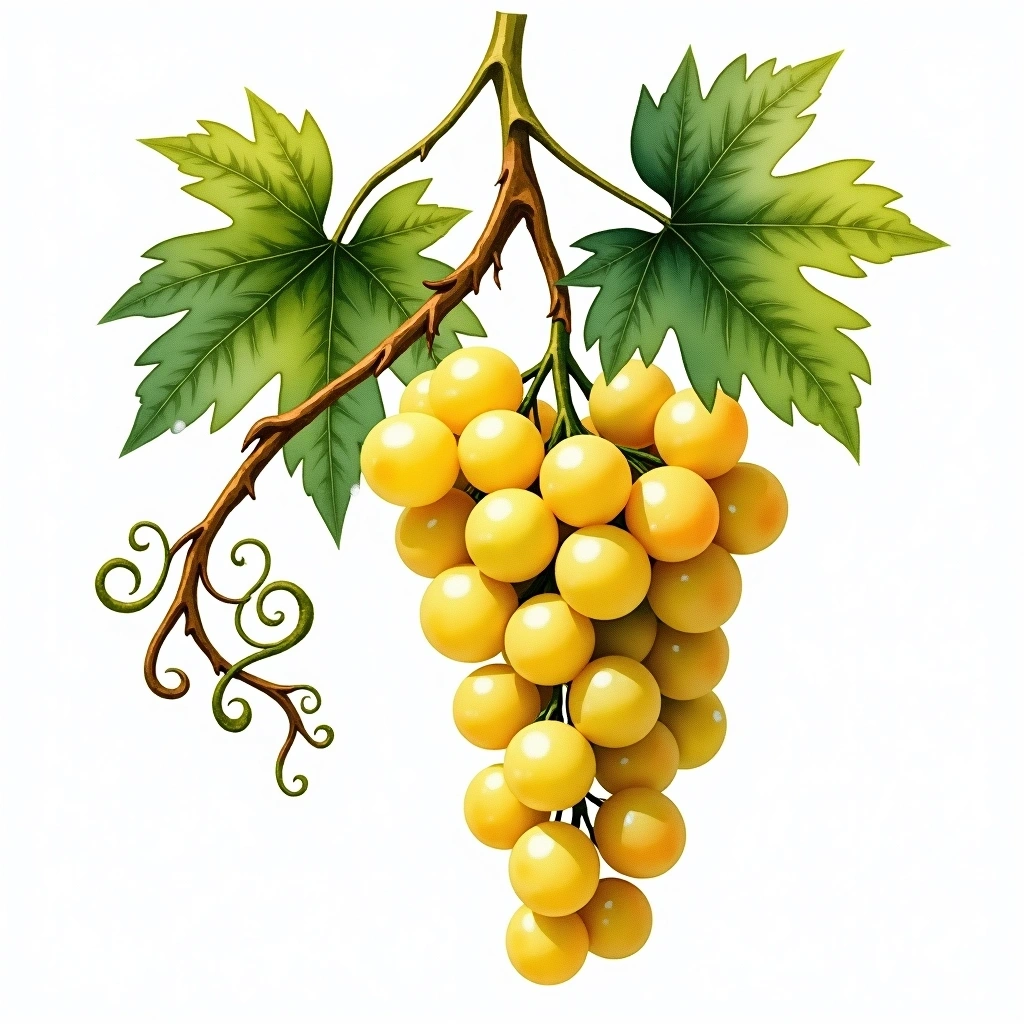 Chardonnay
 Pinot Blanc
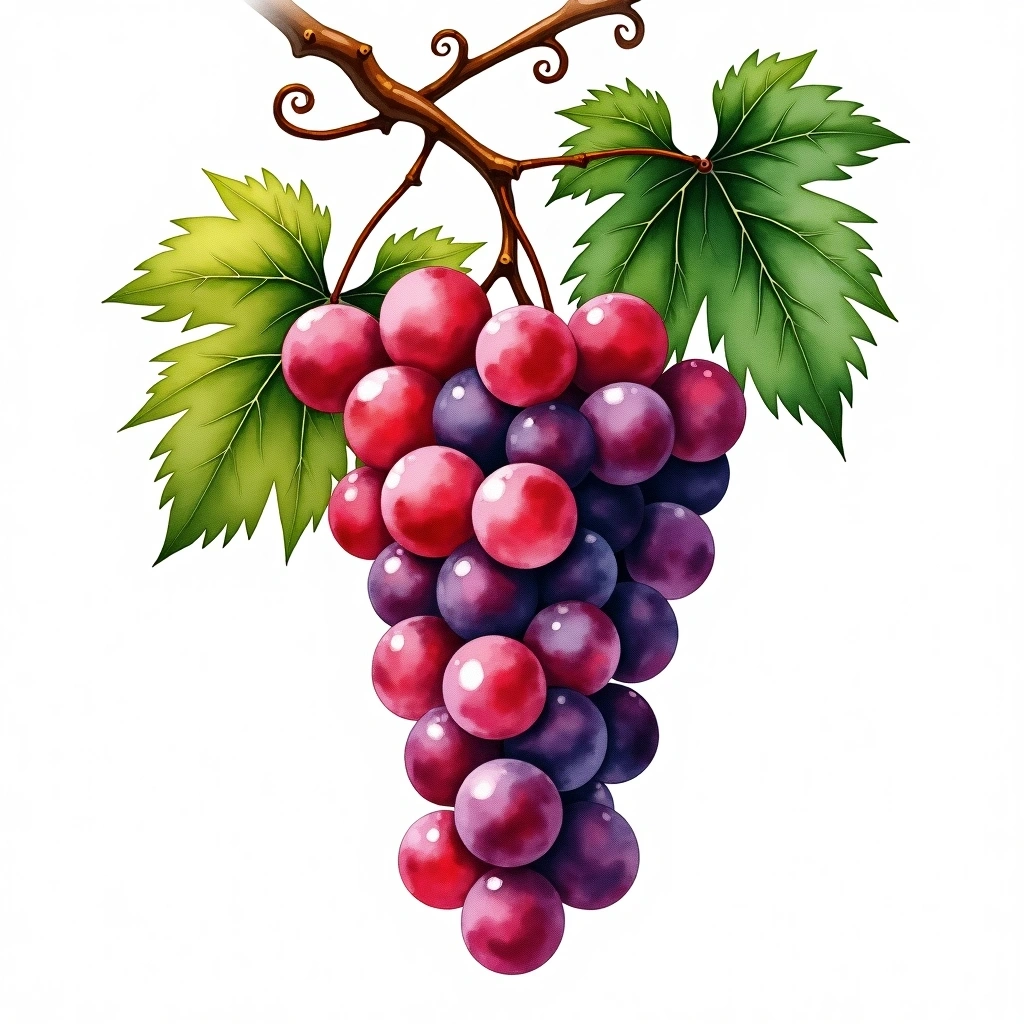 Pinot Noir
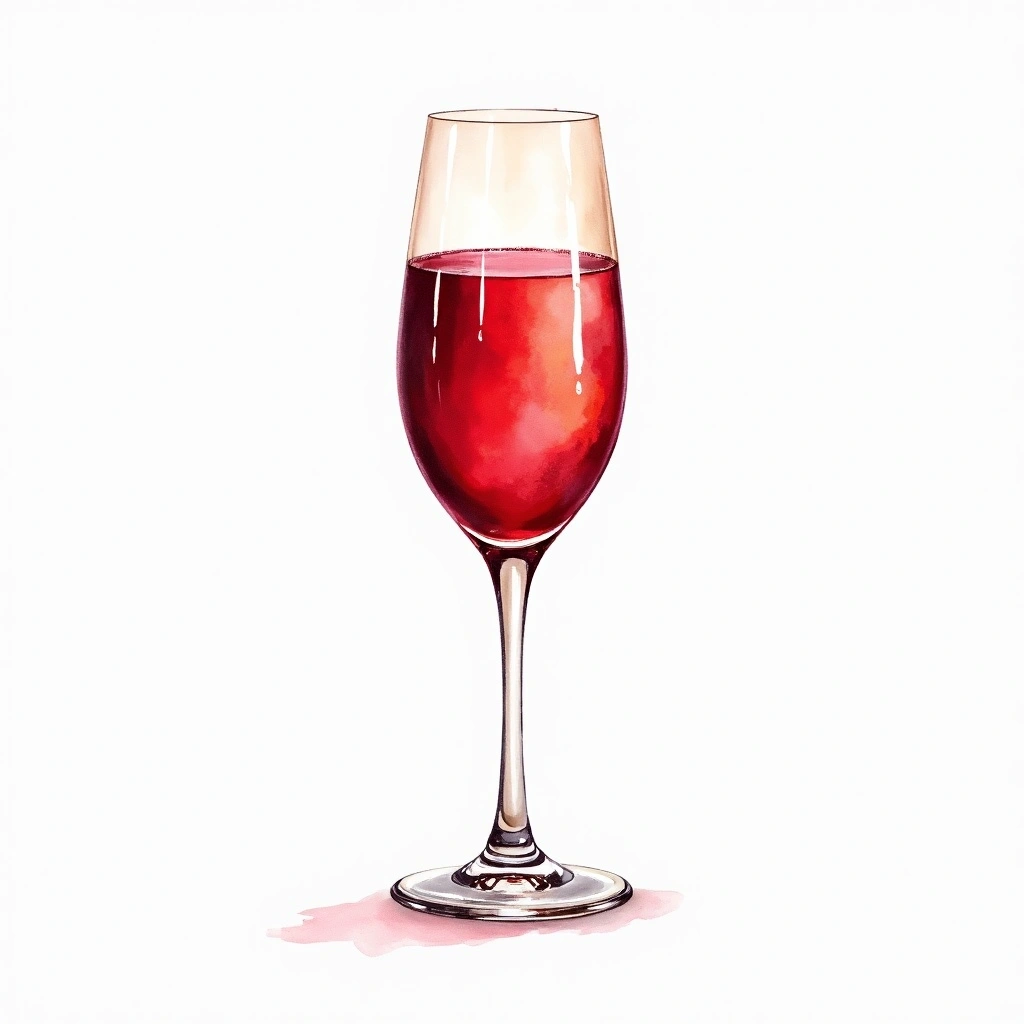 Traditional Method Sparkling