Cooking with Wine: Techniques, Rules, and Common Mistakes
Learn how to use wine as a cooking ingredient — from deglazing and braising to marinating and finishing — and understand which wines work best in the kitchen.
Cooking with Wine: Techniques, Rules, and Common Mistakes
Wine has been a kitchen staple for as long as it has been a table beverage. Roman cooks braised meats in wine. Medieval European kitchens used it in sauces, stews, and preserves. French haute cuisine codified its use in stocks, reductions, and classic preparations that remain foundational. Cooking with wine is about leveraging a complex liquid ingredient to add depth, Acidity, sweetness, and aromatic complexity in ways no other single ingredient replicates.
Yet the practice is surrounded by myths. "Use any wine lying around." "Grocery-store cooking wine is fine." "The alcohol all burns off." Each is wrong, and understanding the truth produces dramatically better results in the kitchen.
What Wine Does in Cooking
Wine contributes several distinct elements. Understanding each lets you use wine with intention rather than guesswork.
Acidity (pH 3.0-3.8) is wine's most important cooking contribution. Acid brightens flavors, balances richness, and tenderizes protein. A splash in cream sauce prevents heaviness. Wine in a braise breaks down connective tissue over hours. This is why lemon juice and vinegar are sometimes interchangeable with wine — they share the fundamental function.
Alcohol is a solvent extracting flavor compounds, particularly fat-soluble aromatics that water cannot access. When you deglaze with wine, alcohol dissolves the caramelized fond, releasing concentrated flavor. Contrary to popular belief, alcohol does not fully evaporate: after 15 minutes of simmering about 40% remains; after two hours about 5%. Some alcohol is desirable for its flavor-extracting properties.
Sugar — even dry wines contain traces — contributes to caramelization and Maillard browning. This is why wine-based pan sauces develop rich, glossy quality that water-based sauces cannot achieve.
Tannin in red wine adds subtle astringent structure — textural complexity giving Body to sauces and stews. But excessive tannin makes sauces bitter, requiring careful handling of tannic wines.
Aroma — fruity esters, floral terpenes, spicy phenols — contributes fragrance most prominent when wine is added late (finishing) rather than early (where long cooking drives aromatics off).
The Cardinal Rule
Never cook with wine you would not drink. Cooking concentrates both virtues and faults. Harsh tannins make bitter sauces. Oxidized or corked wine transfers defects. "Cooking wine" sold in stores — salty, poor-quality — should never enter your kitchen. A solid $10-15 Sauvignon Blanc or Merlot is perfectly appropriate. The principle is quality, not price.
Deglazing: Wine's Greatest Kitchen Trick
Deglazing is the foundation of pan sauces and one of the simplest ways to elevate everyday cooking. After searing meat, remove the protein and pour off excess fat, leaving a tablespoon. Heat on medium-high, add half a cup of wine. It sizzles and steams, dissolving the fond (the caramelized bits on the pan). Stir, scraping the bottom, and let wine reduce by half. The result is intensely flavored liquid becoming your sauce base.
For red meat: medium-bodied dry red — Pinot Noir from Burgundy or Cotes du Rhone. Avoid heavily oaked or very tannic wines — Reduction concentrates tannin and oak aggressively. For chicken and pork: dry Chardonnay (unoaked or lightly oaked) or Sauvignon Blanc. Finish with cold butter (mount the sauce) for velvety texture. For fish: very dry, light white — Muscadet, Picpoul de Pinet, Vermentino — providing acidity without overwhelming delicate flavors.
Braising: Wine as Slow-Cooking Medium
Braising is where wine's power is most dramatic. Boeuf bourguignon, coq au vin, and osso buco all depend on wine as the primary braising liquid. Acidity breaks down collagen into gelatin over hours, creating silky texture. Alcohol extracts fat-soluble flavor from aromatics. Sugars create rich, glossy sauce.
Boeuf bourguignon traditionally uses an entire bottle of Burgundy Pinot Noir. In practice, any medium-bodied, fruity red works. The wine marinates the beef, then becomes cooking liquid alongside stock. After three hours, what remains is deeply flavored, velvety sauce embodying French cooking at its best.
Coq au vin uses red (Pinot Noir, dark and rich) or white (Chardonnay or Loire Valley white, lighter and more elegant). Osso buco uses dry Italian white — Soave, Verdicchio, Gavi — adding brightness to rich, gelatinous veal-shank sauce.
Marinades
Wine-based marinades tenderize through acid and infuse flavor through alcohol extraction. Red wine with olive oil, garlic, rosemary, pepper for lamb. Two to four hours optimal; shorter is superficial; overnight makes texture mushy. Fish: never more than 30 minutes. Never use raw marinade from raw meat as finishing sauce without full boiling first.
Finishing with Wine
Adding wine at the end preserves fresh, aromatic character. Marsala in mushroom risotto: nutty, caramel depth. Madeira brings Oxidation-driven toffee to cream sauces. Port reduces spectacularly for steak and duck — Ruby Port with stock, reduced by two-thirds, finished with cold butter. Sherry (Fino or Manzanilla) is the secret ingredient of great soups: a tablespoon in mushroom or onion soup before serving adds salty, yeasty depth impossible otherwise.
Which Wines Where
Deglazing red meat: Pinot Noir, Merlot, Cotes du Rhone. White meat/fish: Sauvignon Blanc, Muscadet. Braising red: Cabernet Sauvignon blend, Syrah, Sangiovese. Braising white: Chardonnay, Chenin Blanc. Marinades: fruity red or crisp white per protein. Finishing: Fortified (Port, Sherry, Marsala, Madeira). Risotto: Pinot Grigio, Soave. Baking: sweet wines (Marsala, Muscat, Sauternes).
Common Mistakes
Too late in a quick saute: without reduction time, raw alcohol dominates. Let wine simmer at least 2-3 minutes. Too tannic: reduction concentrates tannin — Cabernet Sauvignon from Napa Valley often makes poor cooking wine despite drinking well. Merlot or Pinot Noir produce better results. Ignoring the drinking wine: if serving Burgundy Pinot Noir alongside boeuf bourguignon, braise with Burgundy. Shared Varietal character creates seamless connection between dish and glass. Boiling instead of simmering: rapid boiling drives off volatile aromatics. Gentle simmering preserves complexity. Opened too long: wine open more than a week has likely oxidized. Freeze in ice-cube trays — cubes are perfect for deglazing and keep for months.
A Practical Kitchen Setup
Keep three wines on hand: (1) dry white (unoaked Chardonnay, Sauvignon Blanc, or Pinot Grigio) for fish sauces, white braises, risotto; (2) medium-bodied red (Cotes du Rhone, Merlot, or everyday Pinot Noir) for meat braises and red sauces; (3) dry Sherry (Fino or Manzanilla) for seafood, consomme, and finishing — stays fresh in the refrigerator for weeks. Cooking with wine is not luxury but foundational technique connecting kitchen to cellar. Wine's unique properties — acidity, alcohol as solvent, aromatics — make it irreplaceable.
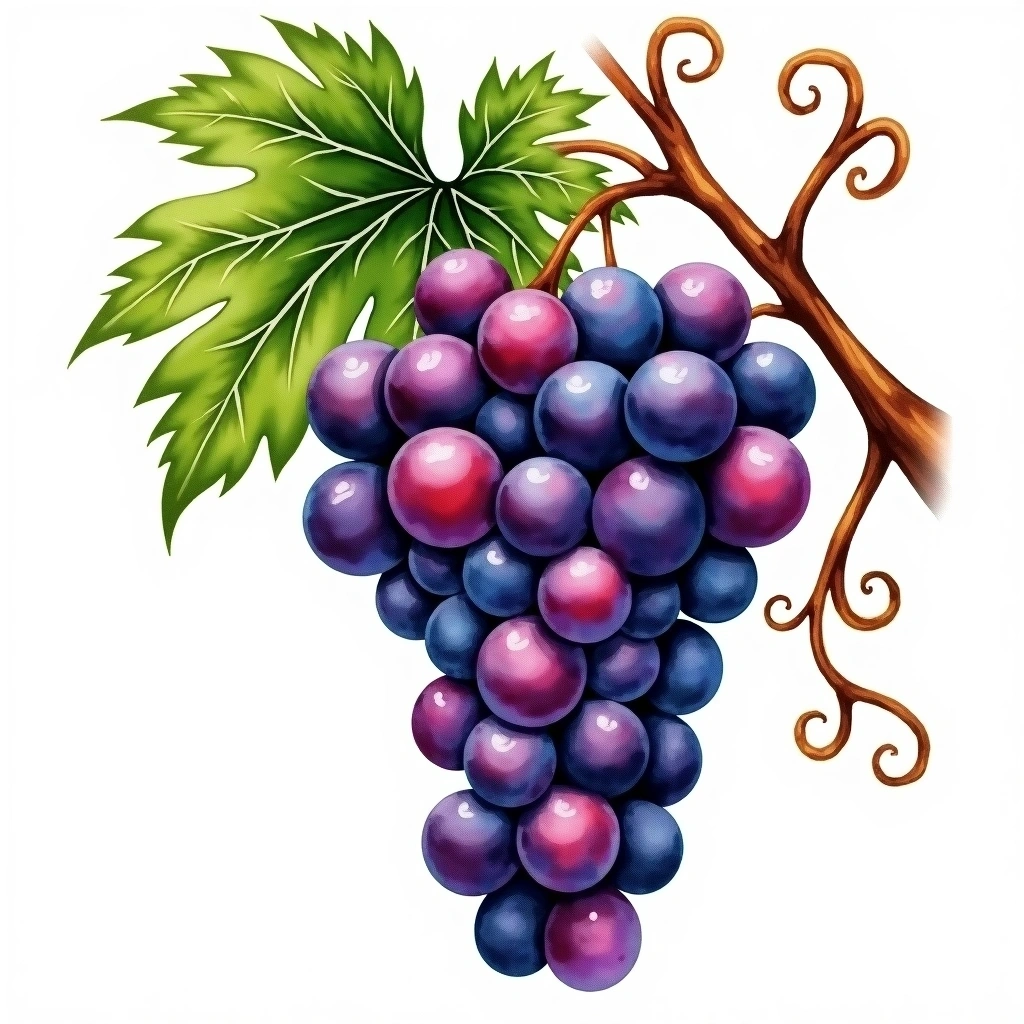 Cabernet Sauvignon
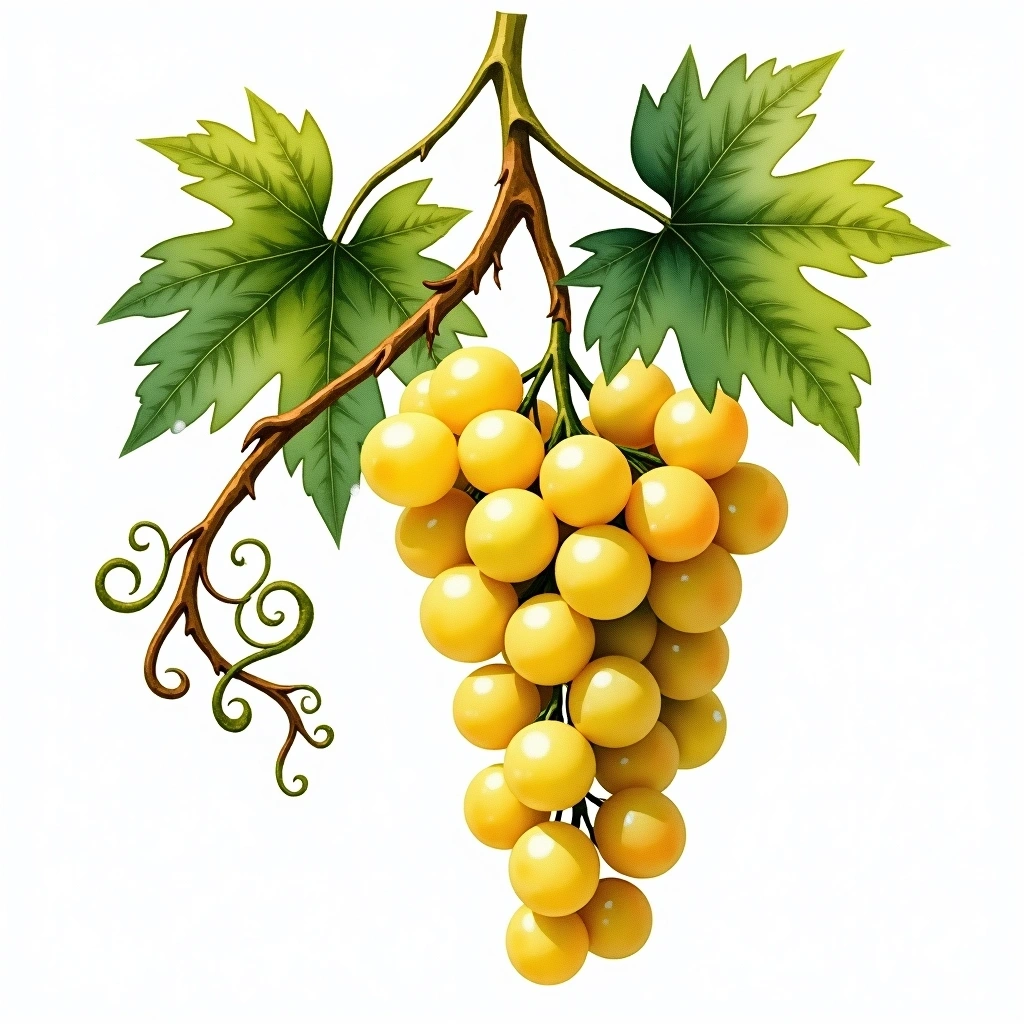 Chardonnay
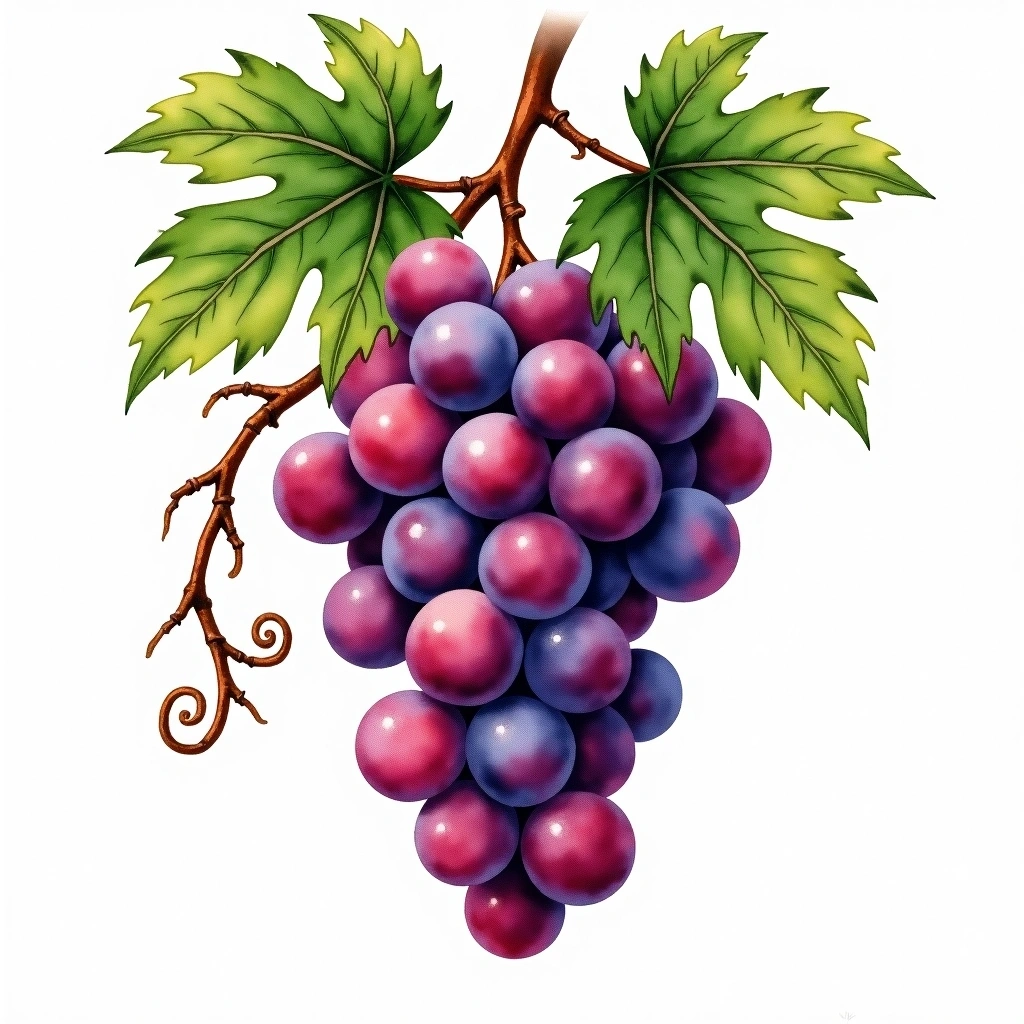 Merlot
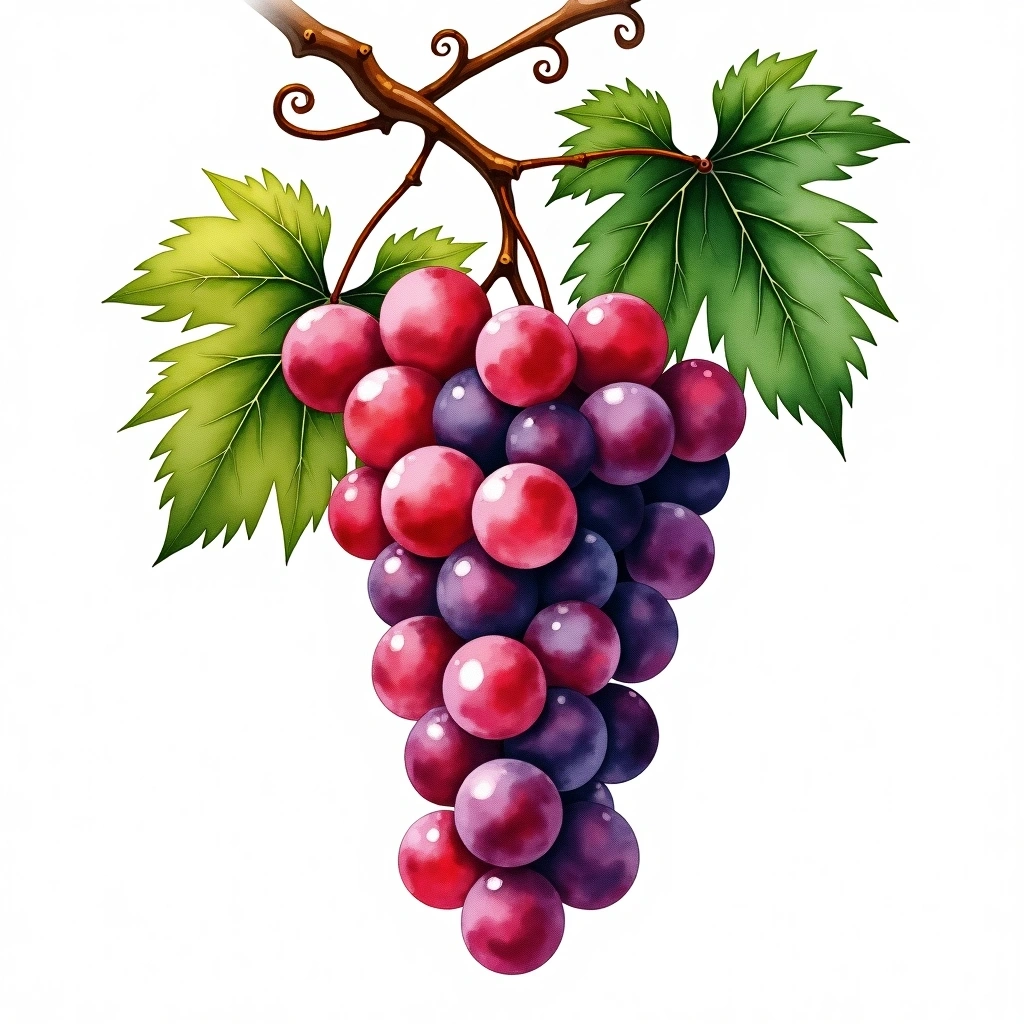 Pinot Noir
 Sauvignon Blanc