Low-Alcohol Wines: Options and Trends
A guide to the growing world of low-alcohol wines — from natural low-ABV styles to technically dealcoholized products — covering production methods, best styles, and how to navigate the market.
The Low-Alcohol Revolution
Global wine ABV has trended upward for decades. Average alcohol levels in many major wine regions have risen by 1-2 percentage points since the 1980s, driven by warmer growing seasons, selected yeast strains, and consumer preference for riper, fuller-flavored wines.
Now the pendulum is swinging. Consumer interest in lower-alcohol options has accelerated across the beverage industry, and wine has responded. Today's low-alcohol wine market spans everything from classic naturally light European styles — which have existed for centuries — to high-tech dealcoholized products engineered to deliver the wine experience at a fraction of the ABV.
This guide covers the full spectrum.
Defining "Low-Alcohol"
There is no universal legal definition, but several threshold levels matter:
| Category | ABV Range | Notes |
|---|---|---|
| Low-alcohol | 0.5-5.5% | Defined limit in EU and UK |
| Reduced-alcohol | 5.5-9% | Informal but widely used |
| Naturally light | 8-10.5% | Traditional styles |
| Standard wine | 11.5-14.5% | Most commercial wine |
| High-alcohol | 14.5%+ | Many New World reds |
Most discussion of "low-alcohol wine" covers the 0.5-10.5% range, encompassing genuinely different products: naturally light wines, wines where fermentation was stopped early, and technically dealcoholized products.
Naturally Light Wine Styles
Some of the world's most celebrated wines have always been naturally low in alcohol — not because of technological intervention, but because of climate, grape variety, and traditional winemaking philosophy.
German Riesling (Mosel)
The Mosel valley produces what many wine lovers consider the world's most compelling argument for low-alcohol wine. Slate soils, steep slopes, and a cool continental climate mean Riesling struggles to fully ripen — and this struggle creates wines of extraordinary tension and longevity.
Mosel Riesling Kabinett (the entry level in the German Pradikat system) typically comes in at 7.5-9% ABV. The secret to why these wines work at such low alcohol is their structure: the low Acidity is actually very high, providing backbone and energy that alcohol normally delivers. Sweetness from moderate Residual Sugar balances the piercing Acidity, creating a perfectly self-contained equilibrium.
These are not compromise wines. They are benchmark wines that happen to be low in alcohol. Many wine critics rate Mosel Kabinetts among the most age-worthy white wines in the world.
Alsace and German Spatlese
Alsace, the French region bordering Germany, produces aromatic whites from Riesling, Gewurztraminer, and other varieties at 11-12.5% ABV — meaningfully lower than most New World whites. German Spatlese (the level above Kabinett) runs 9-11%, offering more body and fruit intensity than Kabinett while remaining lighter than most international whites.
Austrian Gruner Veltliner
Grüner Veltliner from Austria's cooler regions comes in at 11-12.5% ABV in its lighter expressions — a genuinely food-friendly, food-centric style that has found enormous favor with sommeliers for its versatility.
Italian Light Whites
Verdicchio, Soave, and light Pinot Grigio from northern Italy routinely come in at 11-12.5% ABV with Acidity that keeps them fresh and food-compatible.
Beaujolais and Light Gamay
Gamay Noir — the grape of Beaujolais — can be made in a very light, fresh style at 11-12% ABV, particularly in the regional Beaujolais Nouveau and Beaujolais Villages categories. These are some of the most food-friendly, low-headache-risk reds available.
Vinho Verde (Portugal)
Portugal's Vinho Verde ("green wine") is made for youthful freshness. It typically comes in at 8.5-11% ABV with slight petillance (natural bubbles) and brisk Acidity, making it one of the world's most refreshing warm-weather wines.
Low-Alcohol Sparkling Wines
Sparkling wines are naturally amenable to lower alcohol. The fermentation required to produce the bubbles uses sugar — either residual grape sugar or added dosage — and some traditional sparkling styles remain at 11-12% naturally.
Moscato d'Asti: Italy's beloved dessert-adjacent sparkler sits at just 5-5.5% ABV. Made from Muscat grapes in Piedmont, it is gently sweet, delicately fizzy, and genuinely low in alcohol by any definition. Perfect for brunch or as an aperitivo.
German Sekt: Lower-alcohol sparkling wines from Germany based on Riesling can come in at 11-11.5% ABV.
English sparkling wine: England's cool climate produces naturally lower-sugar grapes, and base wines for sparkling production come in at 10-11% before secondary fermentation.
Technical Methods for Reducing ABV
For wines that are not naturally light, several winemaking techniques reduce alcohol.
Arresting Fermentation Early
If Fermentation is stopped before all sugar has been converted to alcohol, the resulting wine has both lower ABV and higher Residual Sugar. This is the traditional method for Mosel Kabinett and many German/Alsatian off-dry wines. It requires careful temperature control and sulfite management to prevent refermentation in bottle.
Blending With Grape Juice
Adding unfermented grape juice (Sussreserve, in German practice) after fermentation dilutes alcohol slightly while adding freshness and sweetness. A traditional technique, not a technological intervention.
Partial Dealcoholization
Reverse osmosis and spinning cone column technology (described in our alcohol-free wine guide) can remove a portion of alcohol from a finished wine — reducing, say, 14.5% to 12.5% or 11% — while retaining more character than full dealcoholization. This is increasingly common in warmer regions where alcohol runs high.
Cold Fermentation and Nutrient Management
Selecting yeast strains and managing fermentation nutrients to prioritize alcohol production at lower levels than the theoretical maximum. Lower fermentation temperatures can result in slightly lower conversion efficiency.
Consumer Trends Driving the Market
Several overlapping trends have converged to grow the low-alcohol wine market:
Sober Curious: The movement toward mindful drinking without complete abstinence has created a large audience for lower-ABV options.
Health consciousness: As consumers track calories, hydration, and alcohol units, wines that offer the experience at lower ABV have inherent appeal.
Wellness culture: The wellness industry has integrated lower-alcohol and alcohol-free beverages as lifestyle products, normalizing moderation in a way that previous generations of marketing did not.
"Drink less, drink better": A shift in how many wine enthusiasts frame their consumption — moving from volume to quality — often naturally leads to lower ABV, higher-quality wines.
Regulatory support: Several countries are considering labeling requirements that make alcohol content more prominent, and public health campaigns have raised awareness of alcohol unit guidelines.
How to Find Good Low-Alcohol Wines
Start with naturally light styles: Mosel Riesling, Vinho Verde, Beaujolais, and Moscato d'Asti are not compromises — they are serious wines in their own traditions. Start here rather than with technically dealcoholized versions for the best quality-to-price ratio.
Check ABV on the label: In most countries, ABV is mandatory on wine labels. Filtering by this number — looking for 12% or below as a starting threshold — quickly narrows the field.
Look for cool-climate regions: Cool growing regions generally produce lower-alcohol wines. Mosel, Alsace, Champagne, Marlborough (for Sauvignon Blanc), northern Italy, and Austria are reliable starting points.
Ask your wine merchant: Many retailers now have curated low-alcohol sections or can make recommendations. The category has grown to the point where most good wine shops have multiple options.
Try dealcoholized versions thoughtfully: If you are specifically seeking health benefits from alcohol reduction, the technically dealcoholized category has improved enormously. Sparkling and rosé versions are generally best.
The case for low-alcohol wine does not rest on compromise. Some of the world's most celebrated, most age-worthy, most food-friendly wines happen to be naturally low in alcohol. The fact that they also align with health-conscious consumption is a bonus, not the primary reason to seek them out.
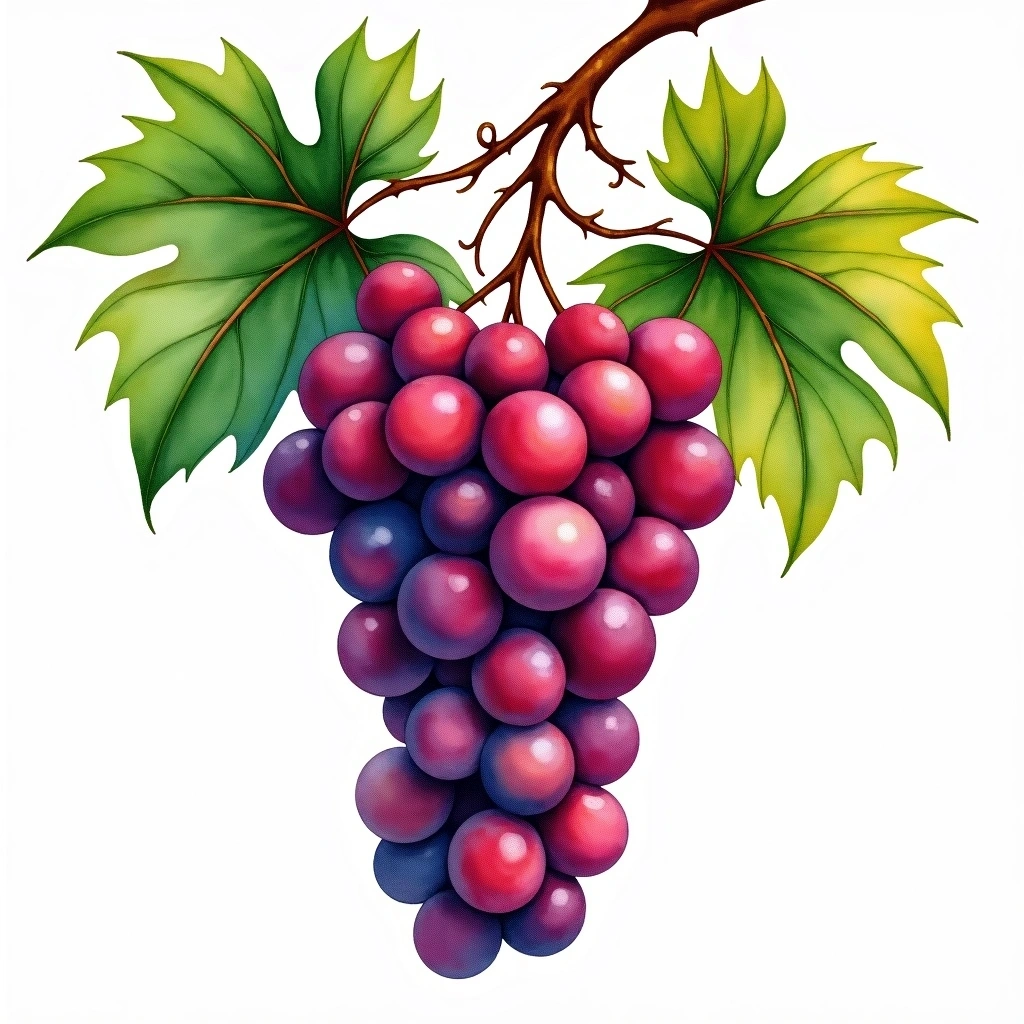 Gamay Noir
 Grenache
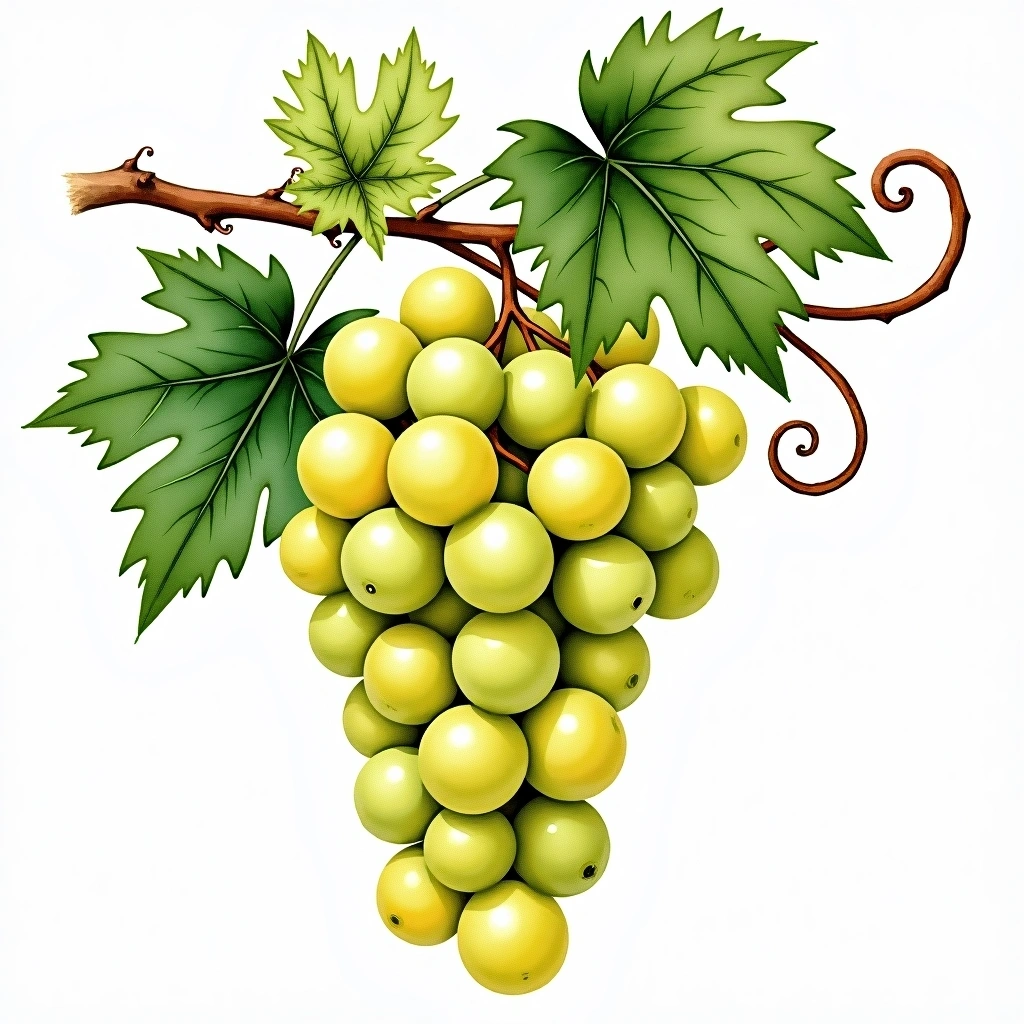 Grüner Veltliner
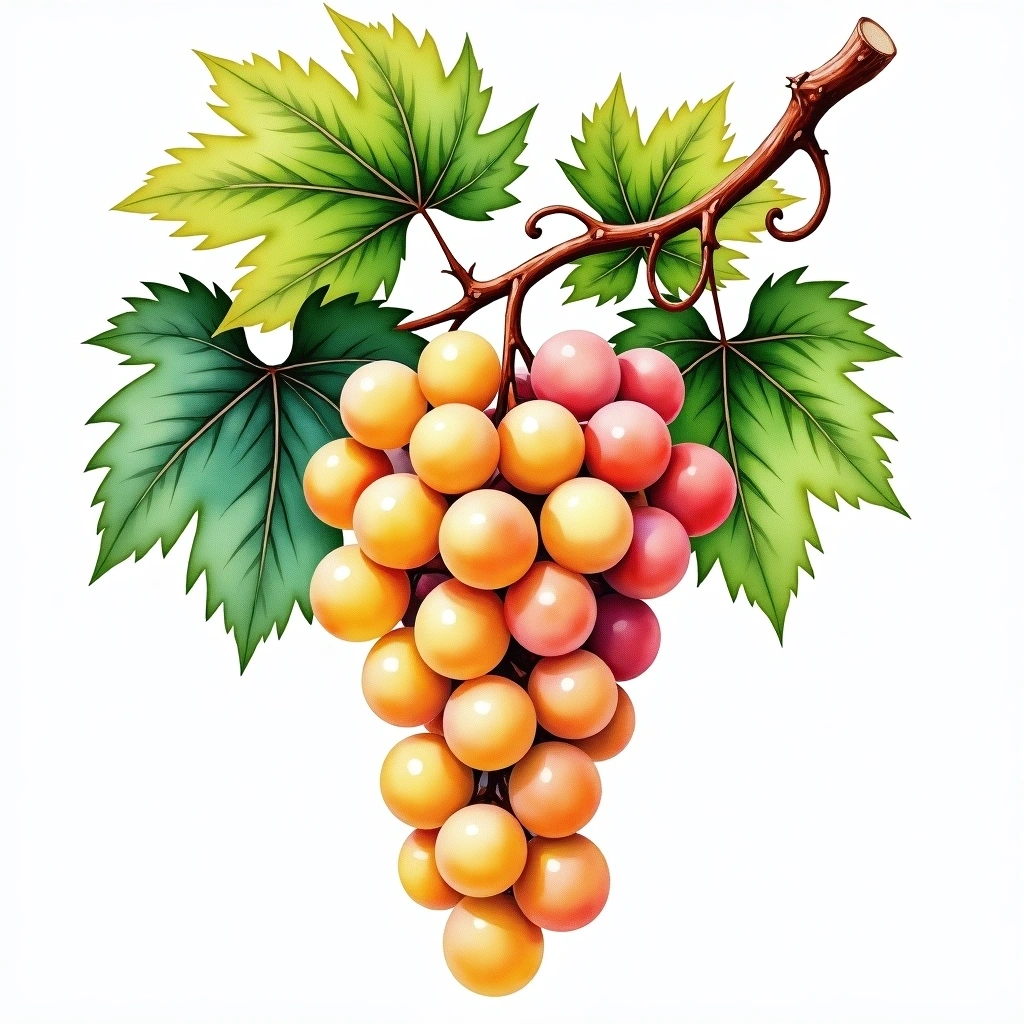 Pinot Grigio
 Riesling
 Sauvignon Blanc
 Aromatic White
 Crisp White
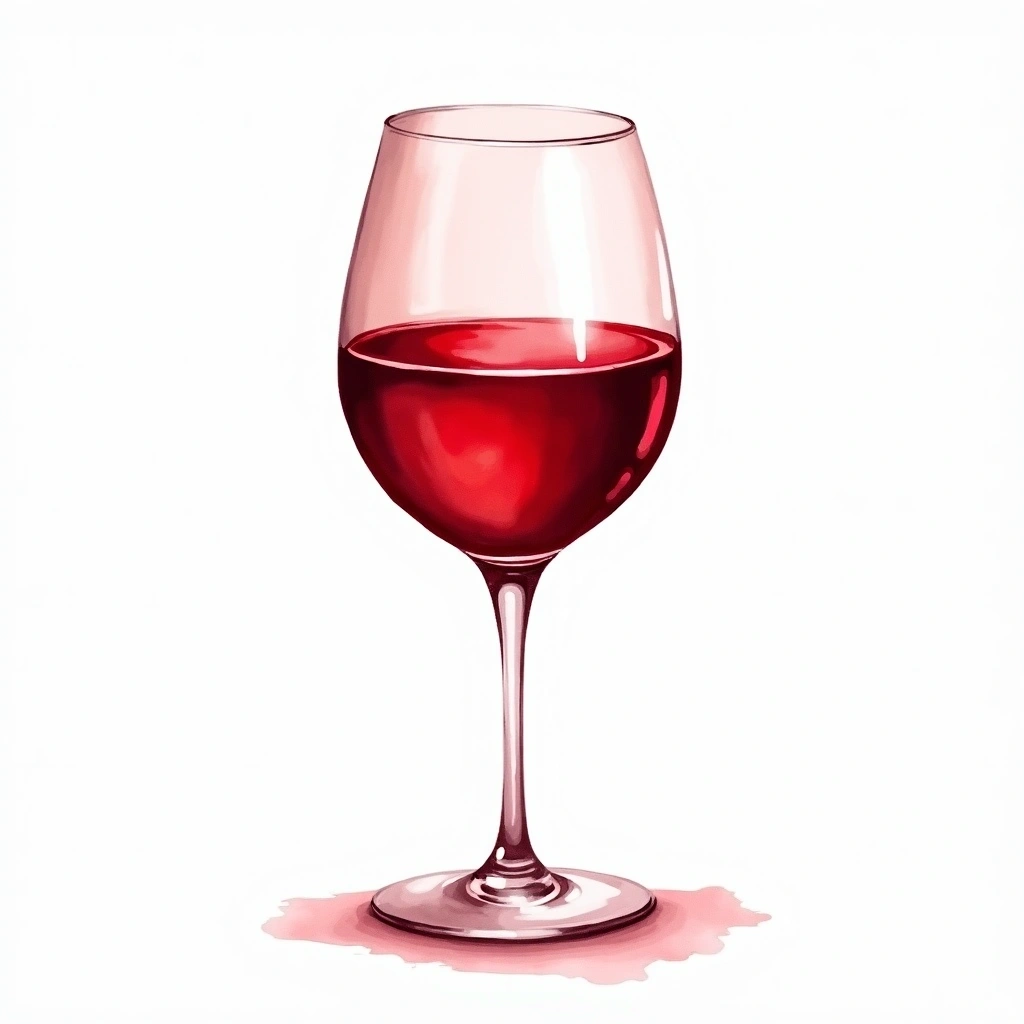 Light Red
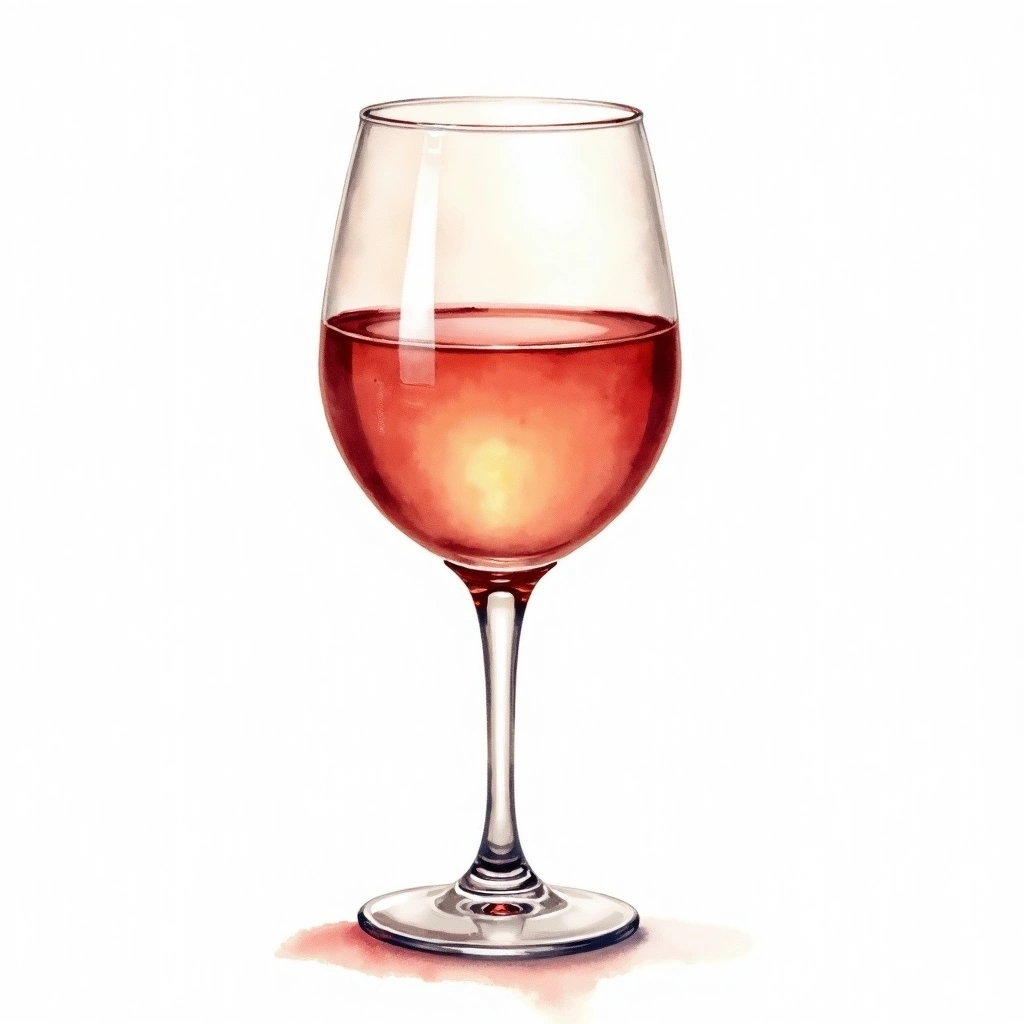 Light White
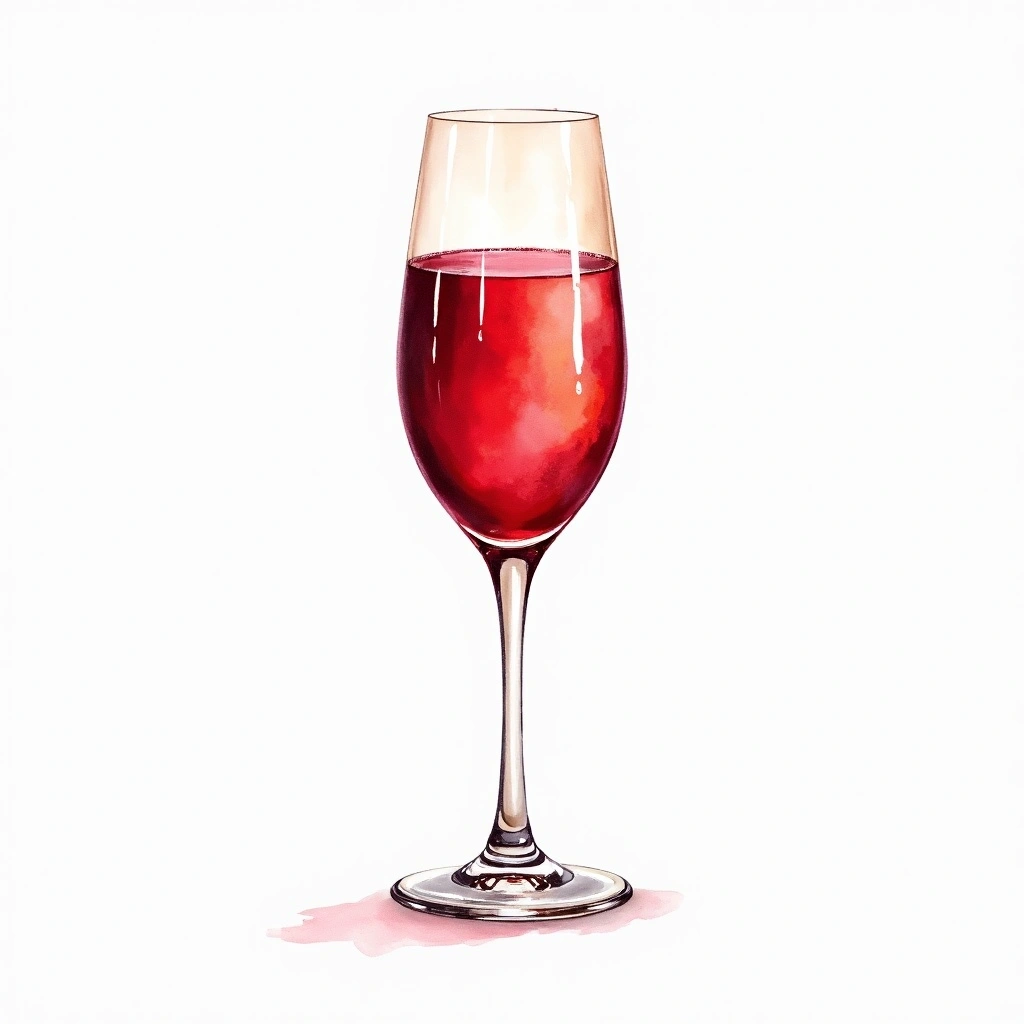 Traditional Method Sparkling