Sensory Training: Sharpening Your Wine Senses
Wine perception is a trainable skill. This guide covers the science of smell, taste, and touch in wine evaluation, with practical daily exercises for building a sharper, more reliable sensory toolkit.
The Science Behind Wine Perception
Wine tasting involves at least three distinct sensory systems working simultaneously — and understanding how they work is the first step toward deliberately improving them.
Olfaction (smell) is the dominant sense in wine perception. The human nose can theoretically distinguish over one trillion different odor combinations, but our ability to name what we smell is strikingly poor. Research by Asifa Majid and others shows that speakers of some Southeast Asian languages have extensive smell vocabulary and significantly outperform English speakers in odor identification tasks — demonstrating that the limitation is linguistic and cultural, not neurological. You can learn to smell wine better. The method is training.
Gustation (taste) detects only five fundamental qualities via taste receptor cells on the tongue: sweet, salty, sour, bitter, and umami. In wine, you are primarily detecting sweetness (residual sugar), sourness (Acidity), and bitterness (Tannin). What most people call wine's "flavor" is actually retronasal olfaction — aromatic molecules traveling from the back of the throat up to the olfactory epithelium as you swallow.
Somatosensation (touch and chemical irritation) contributes the physical sensations wine produces: the astringency of Tannin on your gums, the warmth of alcohol, the tingle of carbonation, the weight of Body, the viscosity of a sweet wine. These tactile perceptions are grouped under Mouthfeel and are as important to a wine's character as its aromas.
Training all three systems in parallel is the approach that produces the fastest improvement.
Training Your Nose
Build an Aroma Reference Library
The single most effective way to improve wine aroma identification is to deliberately encounter aromas outside of wine and consciously link them to a word. When you pick up a lemon, smell it before you eat it and say the word "lemon." When you walk through a forest, stop and consciously identify the specific smells: wet earth, pine resin, mushroom, decaying leaves. At the market, smell each piece of fruit before buying it.
This practice builds what researchers call "olfactory autobiographical memory" — the deep sensory memories that allow you to recognize an aroma later and attach a name to it quickly.
Target aroma categories for wine training:
Fruits: red berries (strawberry, raspberry, cherry), black fruits (blackcurrant, blackberry, plum), tropical fruits (mango, passionfruit, lychee), citrus (lemon, grapefruit, orange zest), stone fruits (peach, apricot, nectarine), dried fruits (raisin, fig, prune).
Floral: rose, violet, jasmine, elderflower, orange blossom.
Herbal and vegetable: Herbaceous notes like grass, green pepper, tomato leaf, thyme, rosemary.
Earth and mineral: wet stone, chalk, clay, forest floor, mushroom, truffle.
Winemaking-derived: vanilla, toast, cedar, coconut (from oak); butter, cream, yeast (from lees and malolactic fermentation).
Aged wine: leather, tobacco, dried flowers, dried herbs, game, gasoline (particularly in aged Riesling).
The Le Nez du Vin System
The standard professional training tool is a reference kit like Le Nez du Vin, which provides 54 aroma vials representing the key wine reference aromas in pure, concentrated form. Working through these systematically — smelling, naming, and memorizing — accelerates recognition dramatically. The professional version is expensive; several affordable alternatives exist, or you can create your own by extracting key aromas from grocery store items into small vials.
The Blind Smell Exercise
Cut small pieces of fresh food (herbs, fruits, spices), place them in covered opaque cups, and practice identifying them by smell alone without visual cues. Start with distinctive, clearly different aromas (lemon vs. rosemary vs. blackberry). As your accuracy improves, move to subtler comparisons (raspberry vs. strawberry, dried apricot vs. fresh apricot).
Combat Olfactory Fatigue
The nose fatigues quickly — after three to four intense sniffs of the same aroma, sensitivity drops sharply. This is called olfactory adaptation. Techniques to reset: sniff the inside of your wrist or elbow, move away from the glass briefly, take a few slow breaths of fresh air. Some tasters carry a small vial of coffee beans for this purpose, though the evidence for coffee being specifically more resetting than neutral air is mixed.
Taste in fresh conditions: avoid strong perfume, scented hand cream, or recent coffee or food that would crowd your olfactory baseline.
Training Your Palate
Acid-Sugar-Tannin Isolation Exercises
Understanding how Acidity, sweetness, and Tannin feel separately — and how they interact — is foundational to wine assessment.
Acidity exercise: Make lemonade from scratch, incrementally increasing the lemon juice while keeping sugar constant. Taste at each stage. You are feeling how Acidity changes mouthfeel: more saliva production, a "brightness" sensation, the way it cuts through richness. Now make lemonade with the same tartness but increasing sugar — feel how sugar rounds and softens the acid impression. In wine, this relationship between Acidity and residual sugar explains why an off-dry Riesling from Mosel can taste balanced despite high acidity: the sugar moderates the perception.
Tannin exercise: Make very strong black tea and let it steep for eight to ten minutes. Taste it. That dry, mouth-coating, puckering sensation on your gums is tannin. Now add a splash of milk (dairy proteins bind tannin molecules, softening astringency — the same mechanism that explains why cheese and red wine pair so effectively). Add a squeeze of lemon to a separate cup — note how acidity accentuates tannic grip.
Bitterness vs. astringency: Bitterness is a taste sensation (taste receptor cells); astringency is a physical sensation (tannin proteins cross-linking salivary proteins, causing dryness). Espresso is bitter; over-steeped green tea is astringent. In wine, these can occur separately or together.
The Salt Experiment
Dissolve small amounts of salt (sodium chloride) in water at increasing concentrations: 0.05%, 0.1%, 0.3%, 0.5%, 1.0%. Taste each sequentially and notice how salt at low concentrations actually enhances sweetness and suppresses bitterness — a key reason why wine can pair effectively with salty foods.
Training Your Touch (Mouthfeel)
Mouthfeel encompasses everything physical about wine: weight (Body), texture (silky, velvety, rough), temperature perception (alcohol creates warmth), carbonation (tingle, creaminess), and astringency.
Body exercise: Compare whole milk (full Body), 2% milk (medium), and skim milk (light). The weight and coating sensation in your mouth — independent of flavor — is roughly analogous to what we mean by body in wine. A full-bodied Bold Red feels like whole milk in weight; a light-bodied Light Red feels closer to skim.
Texture practice: Pay deliberate attention to texture when you eat, not just flavor. Does a peach feel fuzzy on your lips? Does a ripe avocado have a buttery mouthcoating sensation? Developing sensitivity to food texture primes your perception of the same qualities in wine.
Daily Practice Habits
The tasters who improve fastest are not those who drink the most wine — it is those who taste most deliberately.
The one-minute rule: Before every sip of any wine, take sixty seconds to smell and assess before tasting. This disciplines the habit of separating olfactory and gustatory assessment.
Keep a tasting journal: Write something specific about every wine you taste — even a three-word phrase. The act of translating sensory experience into language reinforces memory formation.
Taste in pairs: Even at dinner, poured two glasses simultaneously (two different wines or the same wine in different glasses, one opened earlier). Comparison is the fastest teacher.
Expand beyond wine: Great tasters typically cook seriously or eat adventurously. The more aromas and textures you have experienced and named in other food contexts, the richer your reference library becomes. Gewürztraminer from Alsace smells of lychee — but you can only recognize that connection if you have eaten and consciously smelled lychee.
Taste at optimal conditions: Your nose is sharpest mid-morning, before fatigue, before eating, and in neutral odor environments. Serious professional tasting happens in the morning for good reason. For informal training, avoid tasting immediately after strong coffee, spicy food, or heavy perfume application.
Sensory training is cumulative and patient. The taster who dedicates fifteen minutes per day to deliberate olfactory practice for six months will end the period with a genuinely different sensory toolkit than the one who does not — and the wines they drink will be proportionally more interesting for it.
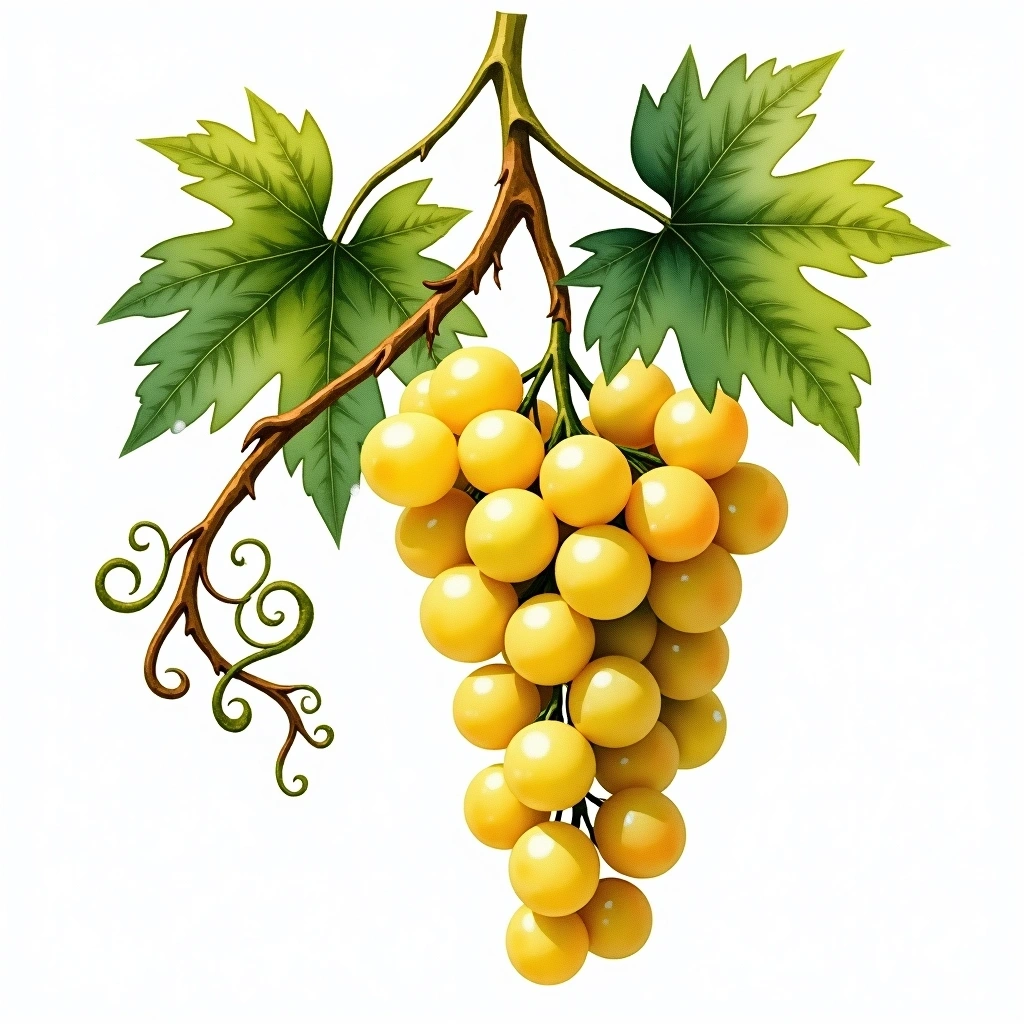 Chardonnay
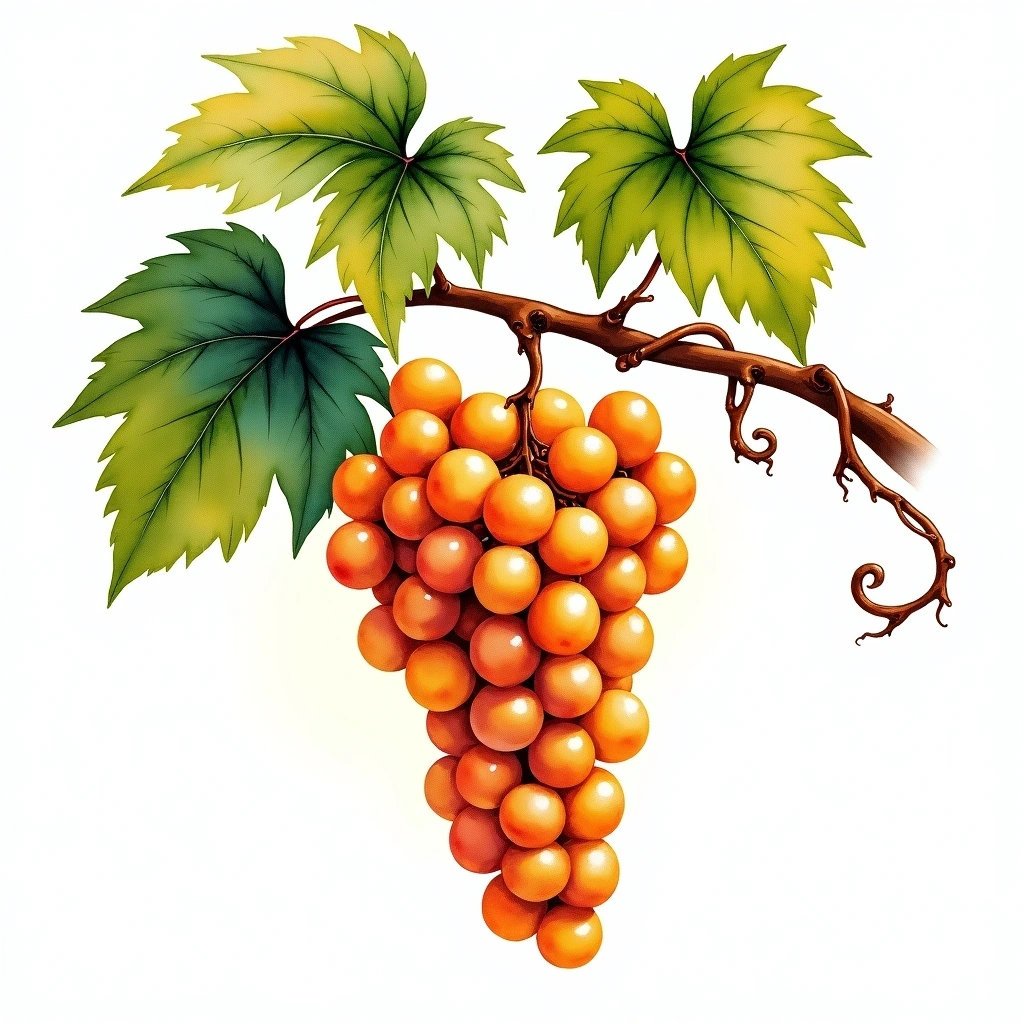 Gewürztraminer
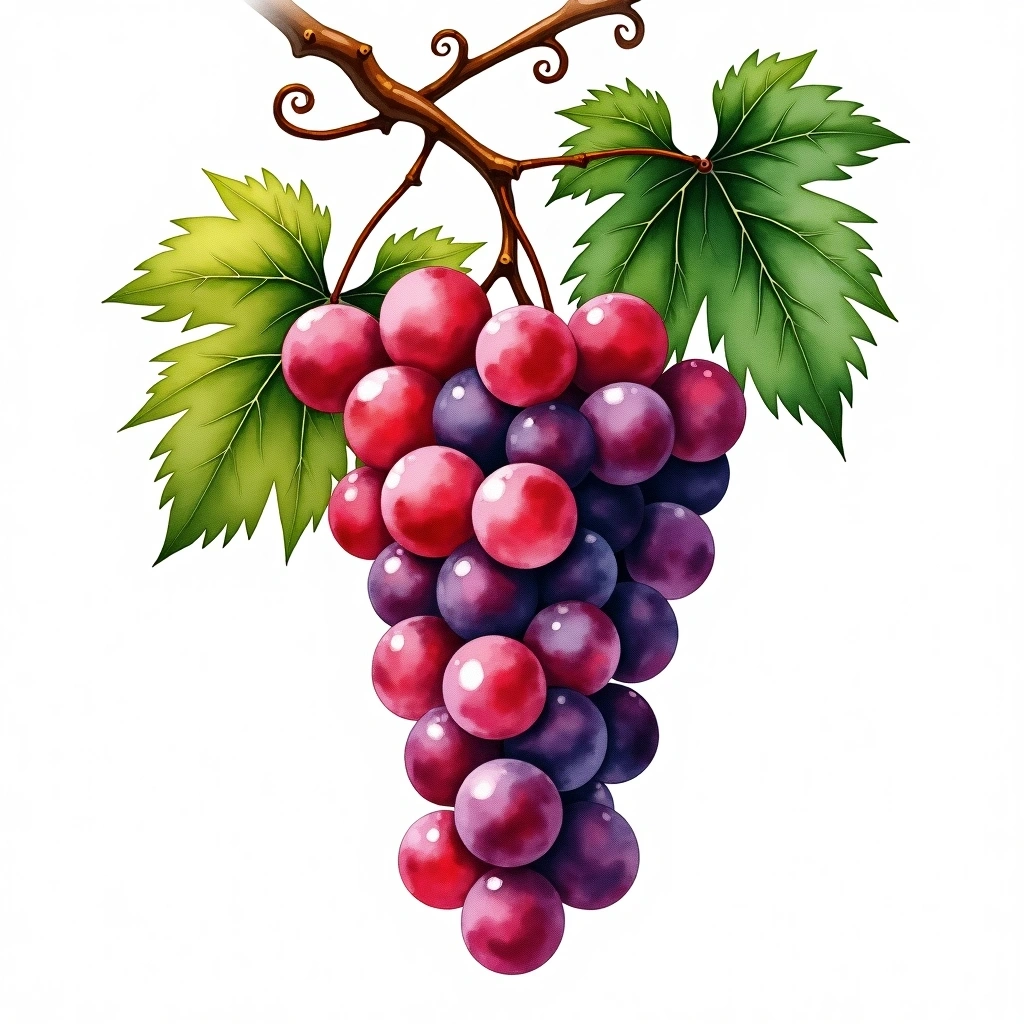 Pinot Noir
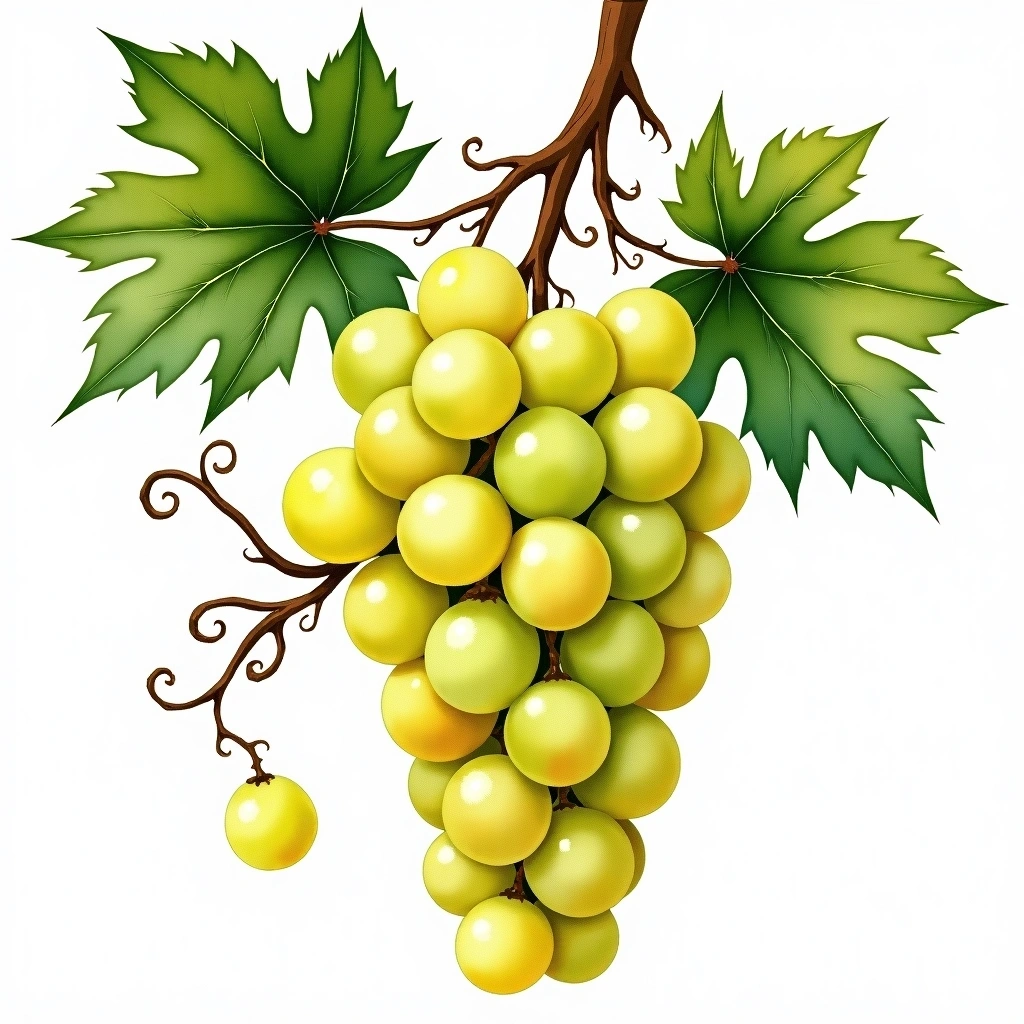 Riesling
 Sauvignon Blanc
 Aromatic White
 Crisp White
 Elegant Red
 Light White