Vineyard Tourism: Planning Your First Wine Trip
Everything you need to plan a memorable wine travel experience, from choosing a region and booking tastings to etiquette, logistics, and how to ship wine home.
Vineyard Tourism: Planning Your First Wine Trip
There is no better way to understand wine than visiting the place where it is made. Standing in a vineyard, feeling the soil underfoot, talking with the winemaker who crafted the bottle you admire — these experiences connect wine to place and person in ways that no book, class, or restaurant tasting can replicate. Wine tourism has grown dramatically over the past two decades, and the infrastructure for first-time visitors is better than ever.
This guide covers everything you need to plan a successful first wine trip: how to choose a region, logistics, booking tastings, etiquette at the cellar door, and getting your discoveries home.
Choosing Your Region
The first major decision is selecting a destination, and this choice should reflect your existing interests and preferred wine styles alongside practical travel considerations.
Napa Valley, California: The world's most visited wine region has developed tourism infrastructure to match. Hundreds of tasting rooms, Michelin-starred restaurants, organized tours, and well-mapped driving routes make Napa accessible and comfortable for first-time visitors. The focus is primarily Cabernet Sauvignon and Chardonnay. The challenges are expense — Napa runs significantly higher than other regions for accommodation and tastings — and crowds, particularly on summer and fall weekends. Reserve tastings well in advance; most prestigious wineries are strictly appointment-only and book out weeks ahead.
Sonoma, California: Often compared favorably to Napa for its more relaxed atmosphere and greater stylistic variety. Pinot Noir, Zinfandel, and Chardonnay are primary strengths, alongside interesting Rhône varieties and increasingly exciting Italian varieties. Sonoma is better suited to spontaneous exploration than Napa, with more walk-in tasting options, lower prices, and a generally less formal atmosphere.
Burgundy, France: For wine enthusiasts with experience and genuine appreciation for subtlety, Burgundy is a pilgrimage. The small villages of the Côte d'Or — Gevrey-Chambertin, Chambolle-Musigny, Puligny-Montrachet, Chassagne-Montrachet — produce wines of legendary complexity from Pinot Noir and Chardonnay planted in soils mapped to extraordinary specificity. Small domaines may require advance contact months ahead and are often visited by appointment only. The region is physically compact and beautifully navigable by bicycle along the Route des Grands Crus.
Mosel, Germany: The Mosel River valley produces some of the world's most exquisite Riesling from dramatically steep vineyard terraces of blue and red slate. Tourism infrastructure is less developed than in France or California, which paradoxically has appeal for those seeking authenticity and personal producer contact over polished hospitality. The village of Bernkastel-Kues makes an excellent base for exploring the middle Mosel. English language skills are common among younger winemakers.
Rioja, Spain: Spain's most famous wine region is accessible, historically rich, and increasingly architecturally dramatic — modern "wine architecture" showpiece buildings from Frank Gehry and other renowned architects sit alongside centuries-old traditional bodegas. Tempranillo in various styles from young fruity Joven to aged Gran Reserva defines the region. The nearby Basque Country adds exceptional food culture to an already compelling travel package.
Douro Valley, Portugal: One of the world's most spectacular wine landscapes — dramatically terraced vineyards descending in steps to the Douro River — combined with some of Europe's most striking scenery. Port wine production is the region's historic identity, but dry table wines have risen to international prominence. Port wine lodges in Vila Nova de Gaia near Porto offer accessible and educational tours.
Barossa Valley, Australia: Australia's most celebrated wine region is warm, producer-friendly, and deeply hospitable. Famous for ancient old-vine Shiraz (some vines over 100 years old) and Grenache, the Barossa blends the cellar door culture pioneered in the New World with genuine historical depth. The regional capital Tanunda is a comfortable base. The Barossa Vintage Festival, held biennially, is one of the world's great wine celebrations.
Timing Your Visit
Harvest season (September–October in the Northern Hemisphere, February–March in Australia and New Zealand) offers the excitement of watching grapes being picked, receiving and sorting bins, tanks beginning to ferment, and the smell of Fermentation throughout the winery. Many producers host harvest dinners and special events. But wineries are extremely busy during harvest, staff attention is necessarily divided, and appointment availability may be limited.
Spring and late autumn offer quieter visits with more intimate interactions, unhurried conversations with winemakers and cellar staff, and often the opportunity to taste wines that are still in barrel. These shoulder seasons are frequently the best time to experience wine regions at a more personal level.
Summer brings ideal weather and maximum tourist activity simultaneously. Accommodation is expensive and sometimes scarce; the most popular tastings require planning months ahead. If summer is your only option, book everything well in advance.
Planning the Practical Logistics
Duration: A focused wine trip to a single sub-region typically requires three to five days to explore meaningfully. Allow more time if you plan to cover multiple appellations, combine wine tourism with cultural sightseeing, or visit both established names and smaller producers. A week allows genuine depth; ten days to two weeks allows comprehensive coverage of a region like Burgundy or Rioja.
Transportation: Most wine regions require a car for practical exploration beyond a single village or cluster of estates. Designate a non-drinking driver if possible, or organize a tour through a specialist operator. Many regions offer organized tour buses, bicycle routes, and shuttle services specifically designed for visitors who plan to taste rather than drive. In some regions — Burgundy, the Mosel — cycling between estates on well-marked wine routes is a genuine pleasure and makes the geography tangible.
Accommodation: Staying within the wine region rather than in a nearby city dramatically enhances the experience. Many wine estates offer lodging in converted farmhouses, historic manor houses, or purpose-built guest facilities. Waking in a vineyard, walking the rows before breakfast, watching the morning light change the color of the leaves — these experiences are available only by staying close to the vines.
Restaurant reservations: Wine regions attract excellent restaurants, and the best ones book out quickly, particularly in high season. Reserve key restaurant evenings well in advance, ideally when you book accommodation.
Booking Winery Tastings
Major wine regions have moved substantially toward reservation-required systems, particularly in the decade since the pandemic reorganized tasting room management. Benefits for visitors include guaranteed staff attention, smaller and more focused groups, and often access to wines not available in walk-in public tastings.
When booking:
Plan two to four weeks ahead for popular producers, and several months ahead for the most sought-after estates in Napa, Burgundy, and similar high-demand regions.
Specify your experience level and interests in your booking request. If you are an experienced enthusiast interested in older Vintage comparisons, a Vertical Tasting of multiple vintages, or a specific style, say so explicitly. Many wineries offer enhanced experiences for knowledgeable visitors that are not publicly advertised.
Confirm cancellation policies before booking. Some wineries charge significant fees for late-notice cancellations, particularly for premium experiences with limited space.
Limit yourself to three or four tastings per day. Palate fatigue is genuine — your ability to assess and remember wines diminishes significantly after the fourth or fifth tasting. Cramming in eight appointments leaves you unable to appreciate what you are drinking meaningfully.
Cellar Door Etiquette
Tasting room etiquette makes the experience better for everyone — visitors, staff, and other guests.
Arrive without strong fragrance. Perfume, cologne, and strongly scented hand cream interfere with your own tasting experience and other guests' ability to smell the wines. Many wineries explicitly request arriving fragrance-free. It is simply courteous.
Spit when appropriate. Professional tasters spit throughout tastings to maintain palate clarity and avoid intoxication across many appointments. Spittoons are provided for this purpose and using them signals seriousness about the tasting rather than social drinking. There is no embarrassment in spitting — among wine professionals, the converse applies.
Ask questions. Winery hosts typically love engaged, curious visitors. Questions about Terroir, vintage variation, winemaking philosophy, and food pairing are all genuinely welcome. Good conversations often lead to bottles being opened that were not originally on the tasting agenda.
Purchase with genuine appreciation. Wineries invest significant staff time, sample wine, and hospitality resources in visitor tastings. While there is no obligation to purchase, buying one or two bottles when you have genuinely enjoyed the experience is an appropriate courtesy, particularly at small family estates where your visit represents real time away from production work.
Do not bring outside food unless the winery specifically offers food pairing experiences and has invited you to participate.
Getting Wine Home
Discovering wonderful bottles during a wine trip raises the practical challenge of transportation.
Checked luggage: Wine is heavy and fragile. Dedicated wine-carrying bags with inflatable cushioning protect bottles from impact. Wrapping each bottle in clothing provides additional insulation. Airlines have weight limits; 12 bottles of wine represent roughly 18 pounds before the bag itself. Declare quantities accurately at customs — most countries allow personal use imports within duty-free limits.
Winery shipping: Many wineries will ship directly to home addresses in jurisdictions that permit direct-to-consumer shipping. This is the safest option for larger quantities and for fragile older bottles. Confirm shipping capability and restrictions for your destination before purchasing with the intention of shipping.
Specialist shipping services: Wine tourism regions support specialist pack-and-ship businesses that understand wine packaging requirements and handle customs documentation for international shipments. A little research before your trip identifies the reliable operators in each region.
Climate considerations: Never transport wine in car trunks during summer heat, particularly on multi-day road trips where the car sits in parking lots in full sun. A trunk in high summer can reach temperatures that permanently damage wine within hours. Keep purchased bottles in the air-conditioned cabin or hotel room.
Wine travel is transformative in a way that other wine education is not. The wines you carry home taste different because you understand their origin. The Terroir makes sense because you walked it. And the knowledge, friendships, and memories from time in the vineyard are permanent enrichments to every glass you pour for the rest of your life.
Wine Tourism Beyond the Winery
The best wine trips integrate the region's complete culture alongside the cellars. Food, architecture, landscape, and history all contribute to understanding wine in its proper context.
Great wine regions are almost always great food regions. The cuisine of Burgundy — boeuf bourguignon, coq au vin, escargot — evolved in direct relationship with the wines produced there. Spanish wine culture cannot be separated from tapas culture. The food of the Douro Valley — salt cod preparations, cured meats, cheeses — is designed for the structured tannin and fruit of Douro reds. Eating well in a wine region is not a distraction from wine study; it is an essential dimension of it.
Wine museums and visitor centers provide context that individual winery visits cannot. The Cité du Vin in Bordeaux, the Museo de la Cultura del Vino at Vivanco in Rioja, and various domaine museums in classic regions explain historical and technical dimensions of winemaking in ways that are accessible and genuinely illuminating.
Walking vineyard trails between estates — particularly well-developed routes like Burgundy's Route des Grands Crus or the Rhine Valley's Rheinsteig — connects the theory of site classification to direct sensory experience. When you can walk from a Grand Cru vineyard to a Villages vineyard in ten minutes, observing the soil changes and aspect differences, the concept of site hierarchy becomes viscerally understandable rather than abstract.
Planning Wine Travel for Groups
Wine trips with mixed groups — some enthusiasts, some casual drinkers — require thoughtful planning to satisfy everyone. Not every participant wants to taste 15 wines in an afternoon; not every itinerary needs to be relentlessly wine-focused.
Alternate wine appointments with non-wine activities: cycling between villages, visiting a notable restaurant, exploring a medieval town center, or touring a historic castle. This pacing prevents palate fatigue and ensures that less wine-focused companions remain engaged and enthusiastic rather than politely tolerating the program.
Budget for comfort. Accommodation, transportation, and restaurants in premium wine regions can be expensive, but attempting to do wine tourism on a minimal budget — driving long distances between free tastings and eating at service stations — produces a frustrating experience. Wine travel rewards appropriate investment in the experience itself.
Consider booking a private guide for at least one day of your trip. A specialist wine guide knows which appointments to book in advance, has personal relationships with producers who are not normally accessible to the public, and can interpret the landscape and explain the wines in ways that dramatically accelerate your understanding. The cost is typically modest relative to the value added.
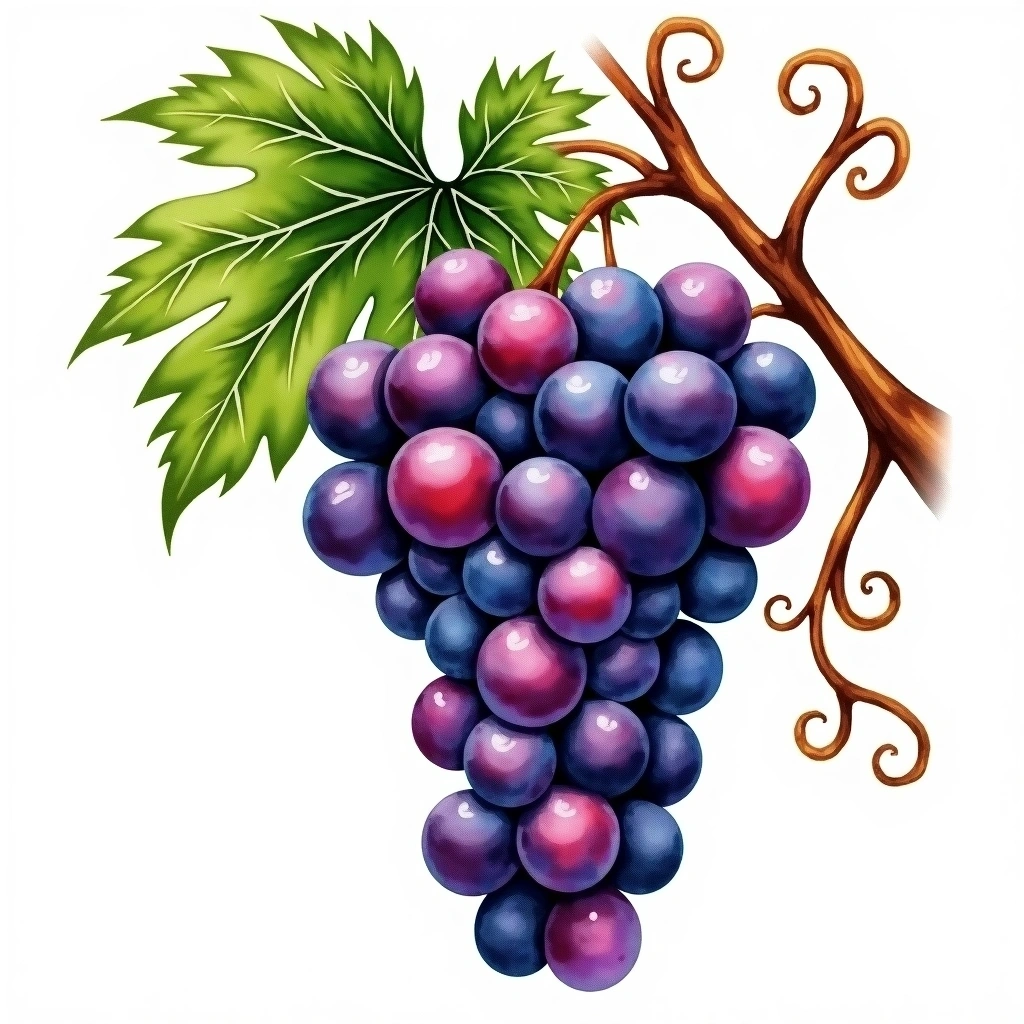 Cabernet Sauvignon
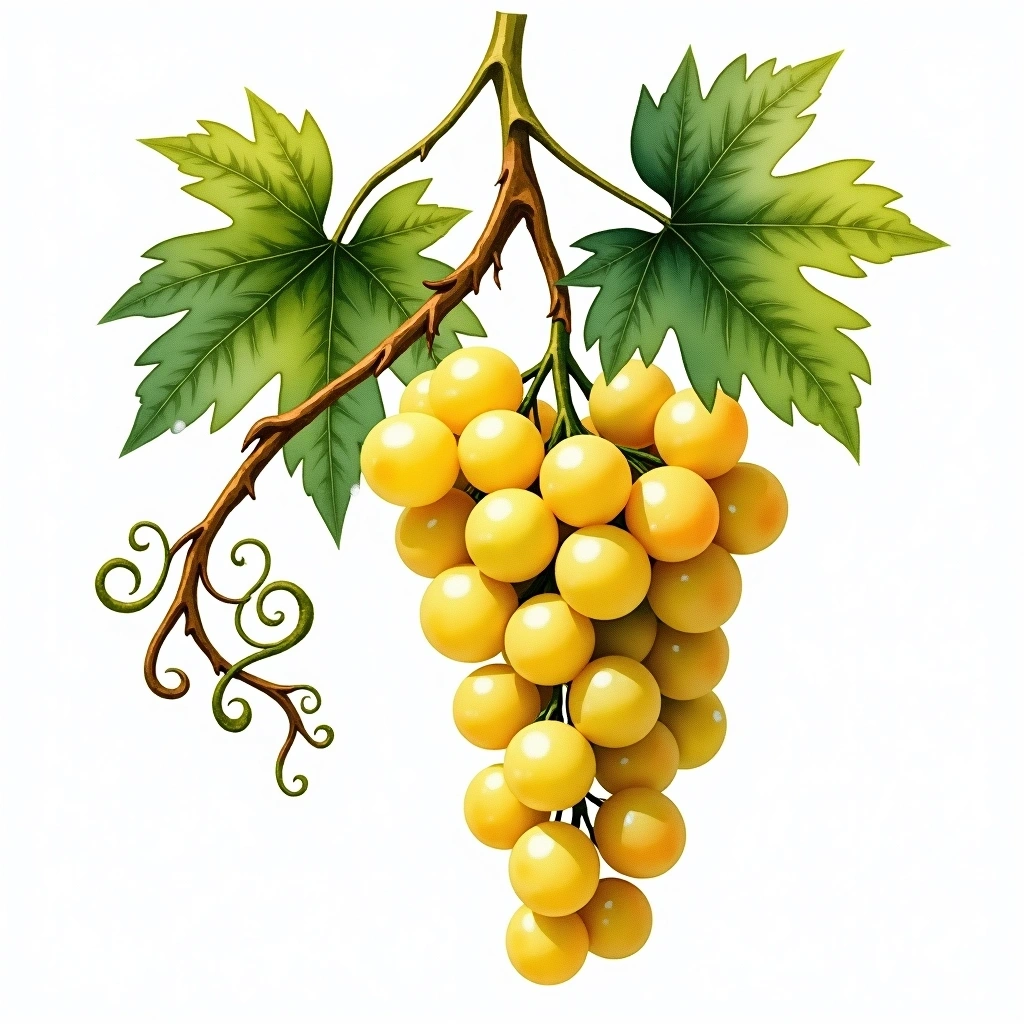 Chardonnay
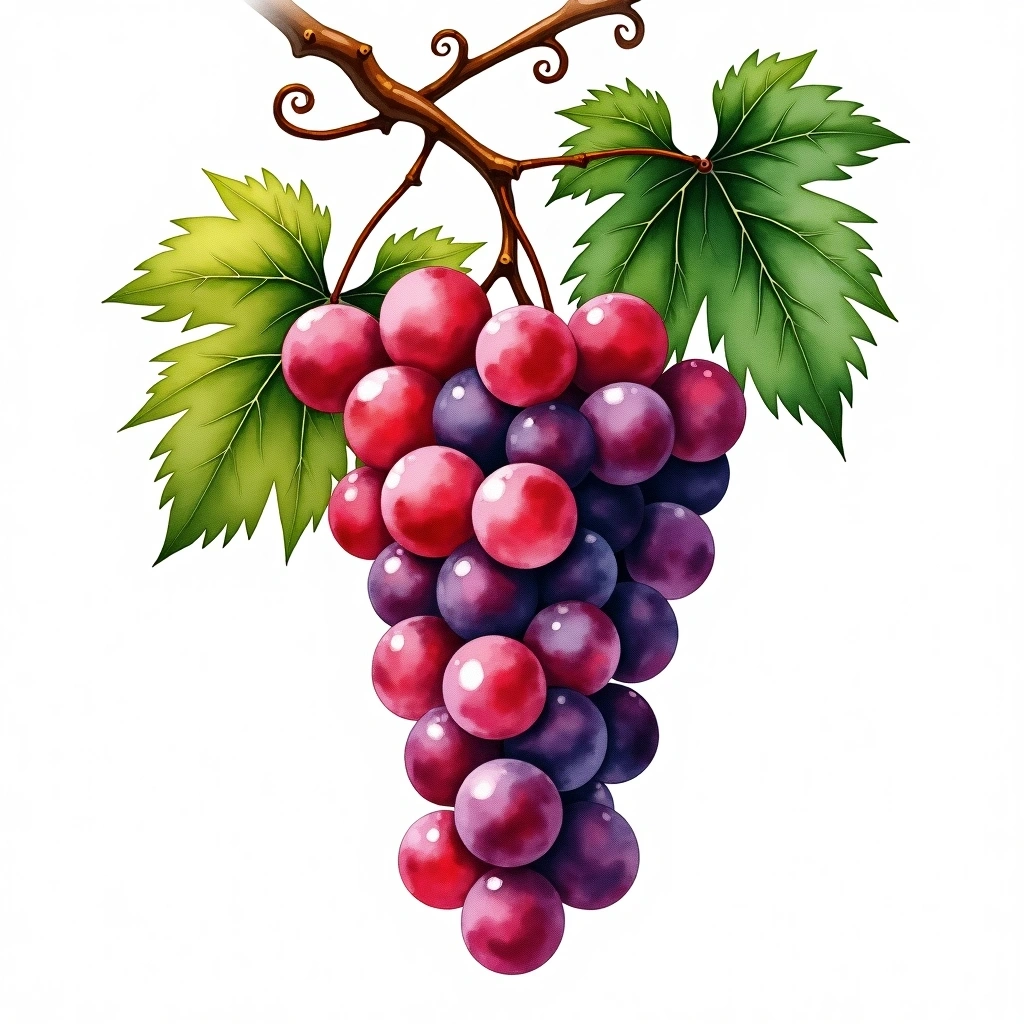 Pinot Noir
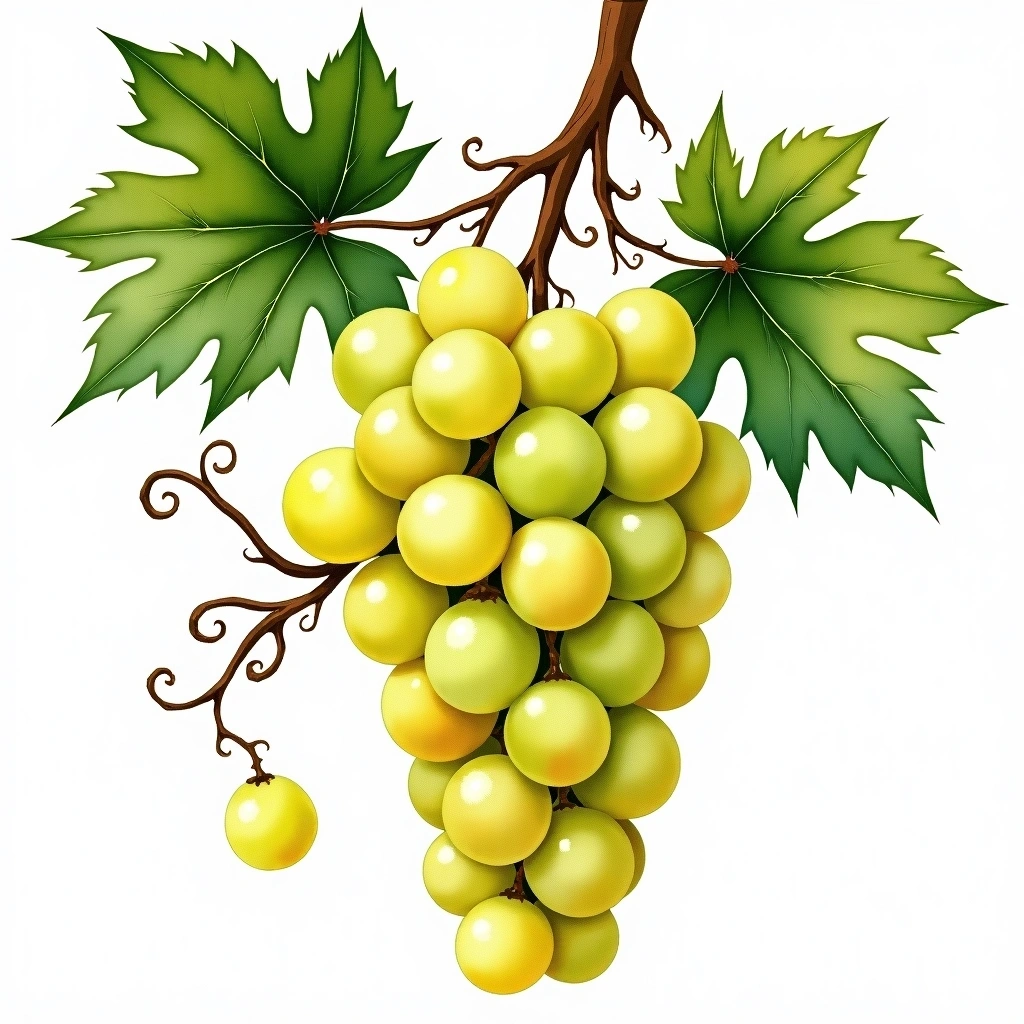 Riesling
 Tempranillo
 Bold Red
 Crisp White
 Elegant Red
 Rich White