Wine Bars: How to Navigate the List, the Pour, and the Experience
Decode the wine bar experience — from understanding by-the-glass lists and flight options to communicating with sommeliers and discovering wines outside your comfort zone.
Wine Bars: How to Navigate the List, the Pour, and the Experience
Wine bars have undergone a revolution. What was once a rarified space — hushed, dimly lit, populated by initiates speaking about Terroir and Vintage — has evolved into something far more democratic and exciting. Modern wine bars range from casual spots pouring Natural Wine alongside tinned fish to elegant establishments offering flights of Grand Cru Burgundy with omakase-style plates. Knowing how to navigate a wine bar unlocks one of the most rewarding ways to explore wine, whether you are a curious beginner or a seasoned collector.
Understanding Wine Bar Formats
By-the-glass bars are most common, offering curated lists in individual pours (typically 5-6 ounces). The best programs rotate frequently, giving access to wines you might never buy a full bottle of. Quality depends on turnover and preservation systems. Bars using Coravin or inert-gas systems pour without removing the cork, keeping wines fresh for weeks. If you spot a Coravin tower behind the bar, the by-the-glass program is likely excellent.
Flight-focused bars offer curated sets of three to five wines around a theme — region, grape, Vintage comparison, or concept. Flights are the single best educational format in wine. Tasting wines side by side reveals differences that sequential drinking over days never could. If a bar offers flights, start there — you will learn more in one flight than in a week of random by-the-glass orders.
Bottle-focused bars maintain extensive lists encouraging groups to share. Ideal for special occasions or when you know what you want. Natural Wine bars specialize in minimal-intervention wines: organic or biodynamic farming, native yeasts, little added sulfites. Expect funky labels, unfamiliar grapes, wines that taste nothing like supermarket offerings. Approach with curiosity.
Reading the Wine List
A wine bar's list is its creative statement. Learning to read it efficiently signals engagement to the staff and helps you make better decisions faster.
Organization varies: by region, grape, style, or mood. A list by style ("light and crisp," "bold and rich") is beginner-friendly; one by Appellation assumes more knowledge. The structure itself tells you about the bar's philosophy.
Price tiers follow a pattern. The least expensive wines are crowd-pleasers. The middle tier often hides the best value — wines the buyer is personally excited about, priced to encourage exploration. The top tier is prestige bottles for serious enthusiasts.
Vintages and appellations on better lists signal seriousness. "2019 Cote-Rotie, Domaine Jamet" versus "Syrah, Rhone" tells you the staff knows its wines. Descriptions like "bright acidity, notes of lemon and flint" bridge the name-to-taste gap and indicate beginner-friendliness.
Talking to the Staff
The person behind the bar is your most valuable resource. Good wine bar staff genuinely want to help you find something you will love.
The magic question: Describe your mood using sensory language. "Something red, easy to drink, not too heavy." "White, crisp, refreshing, not buttery." "Earthy rather than fruity." These descriptions give a skilled Sommelier everything needed to make a recommendation.
State your budget. Point to a price and say "around this range." No good wine professional judges budgets. Pointing without saying the number is universally understood and completely appropriate.
Be honest about experience. "I usually drink Sauvignon Blanc but want to try something different" is a perfect opening. It establishes baseline and signals willingness to explore. Ask what excites the staff — "What are you into right now?" often leads to the night's most interesting pour.
Flight Strategy
Horizontal flights — same vintage, different producers — reveal how Terroir shapes a grape. Three Nebbiolo wines from different Piedmont communes teach more in thirty minutes than reading for a month.
Vertical flights — same wine, different vintages — show aging's transformation. A 2018, 2015, and 2010 demonstrate evolution from youthful fruit to mature complexity. Rarer and more expensive but immensely educational.
Thematic flights — "three Orange Wines" or "sparkling beyond Champagne" — introduce styles you might never try alone. Taste in arranged order (lightest to most intense), take notes, revisit the first after the last — perception changes dramatically in context.
Discovering Beyond Your Comfort Zone
Wine bars exist to push boundaries. Use the one-glass rule: start familiar, then ask for something new with every subsequent pour. A Jura Savagnin. A Sicilian Nerello Mascalese. A Grüner Veltliner from Wachau. A Bierzo Mencia. Each one expands your reference library in ways that staying safe never can.
Embrace the unexpected at natural-wine bars. A skin-contact Orange Wine from Ribolla Gialla might smell like dried apricot and taste like tea. A Trousseau might show initial reduction resolving into beautiful cherry fruit after ten minutes. Give unfamiliar wines time before judging.
Try indigenous grapes: Assyrtiko from Santorini, Agiorgitiko from Nemea, Txakoli from Basque Country, Blaufrankisch from Burgenland. Each tells a story about place that no international Varietal can replicate.
Wine and Food at the Wine Bar
Modern bars offer food designed for their programs. Charcuterie and cheese: hard aged cheeses (Comte, Manchego) pair with structured reds; soft cheeses (chevre, burrata) with whites and roses. Cured meats love medium-bodied reds with bright acidity: Barbera, Sangiovese, Loire Valley Cab Franc.
Tinned fish — sardines, anchovies, mussels — has become a staple. Oily richness and briny saltiness pair with crisp whites (Muscadet, Albariño) and dry roses.
Small plates at ambitious bars showcase specific pairings. Trust the staff's suggestions — they have tested every combination.
Etiquette and Practicalities
Pace yourself — three to four glasses over two hours maintains palate sensitivity. Take notes: photograph labels, jot descriptions. Ask about retail — many bars sell bottles to take home. Glassware matters: good bars use appropriate stems. Solo visits are welcome — the bar seat gives proximity to staff and easy conversation. Some of the best discoveries happen on quiet weeknight evenings. Wine bars at their best are classrooms disguised as social spaces, and every visit is an opportunity to expand your palate.
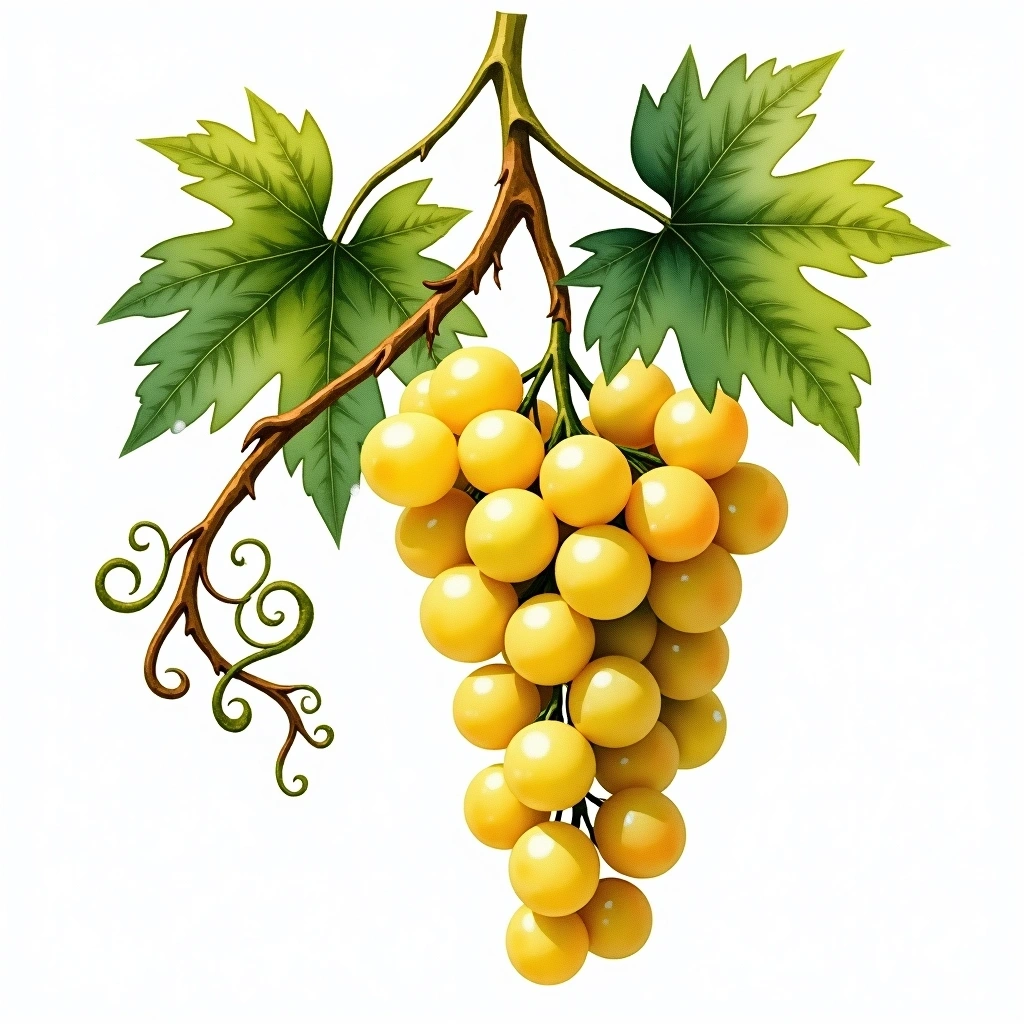 Chardonnay
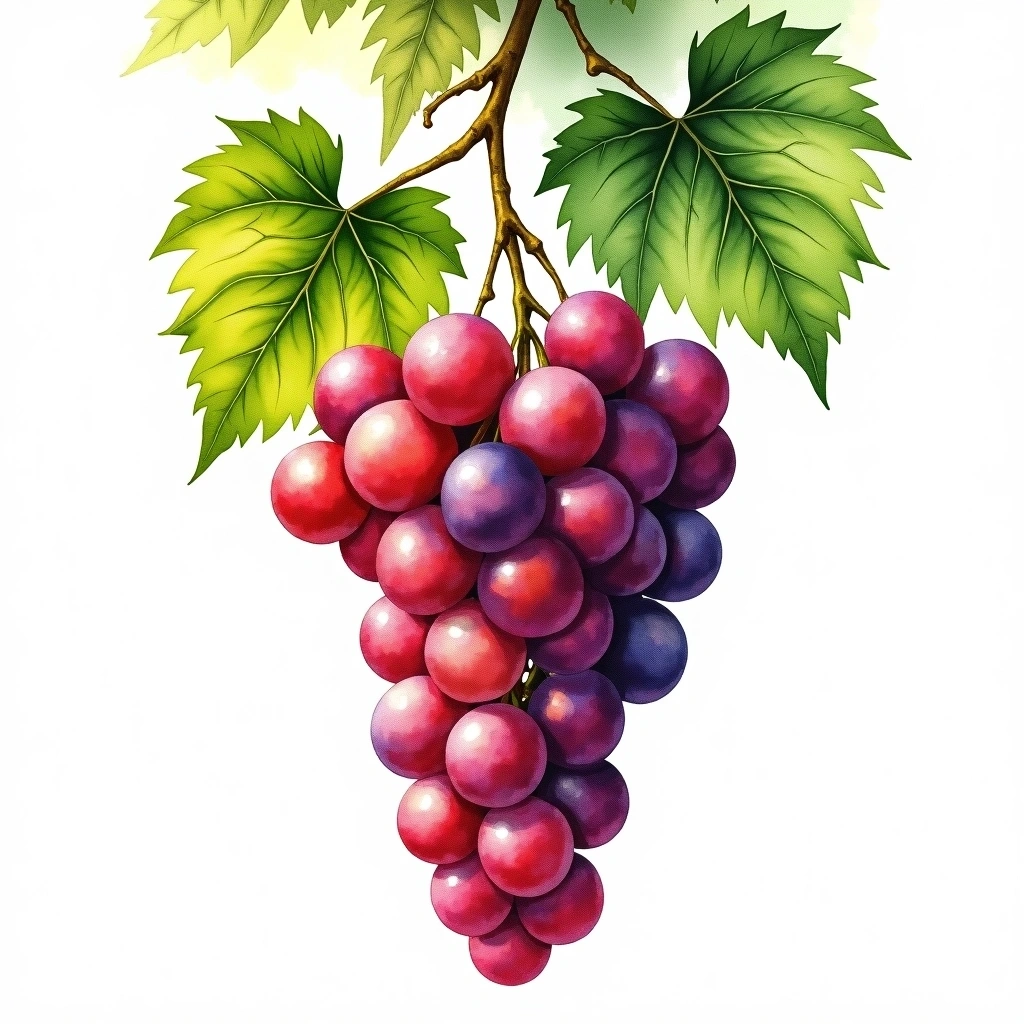 Nebbiolo
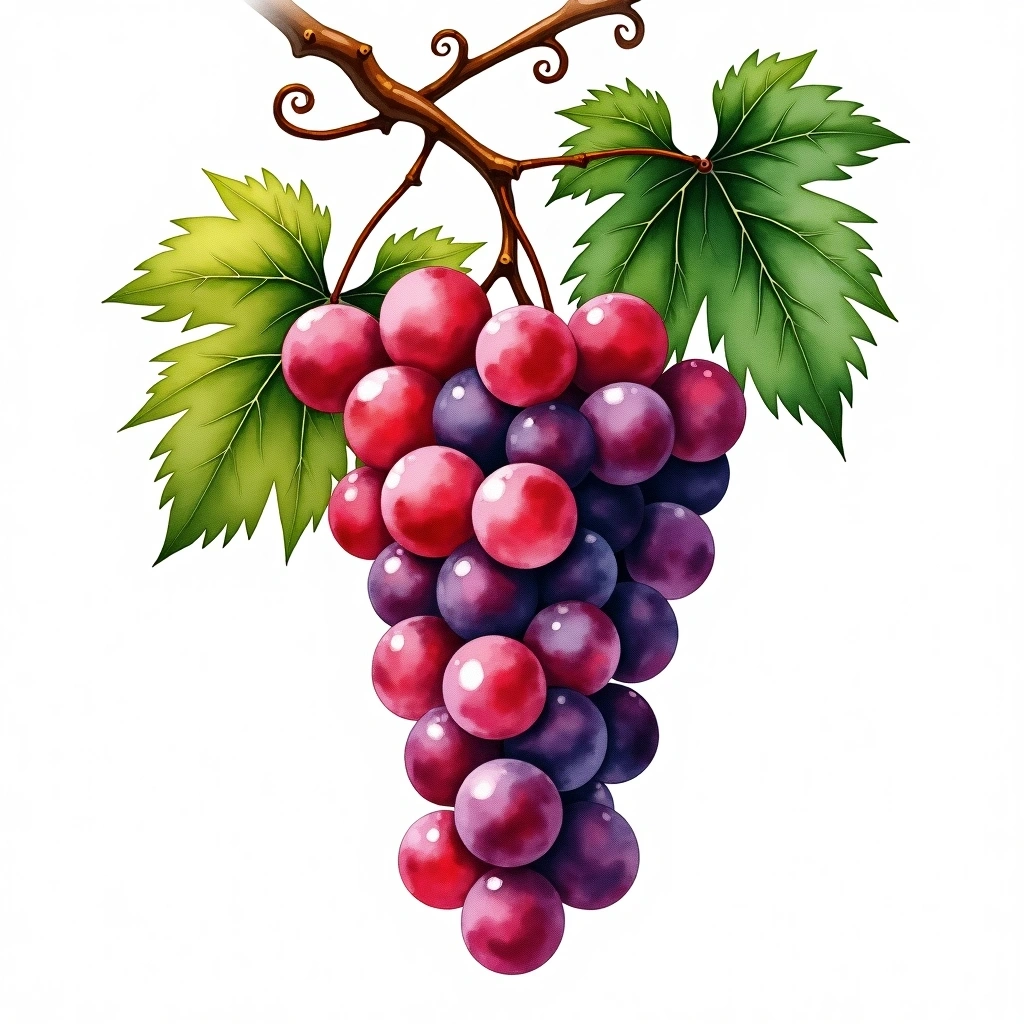 Pinot Noir
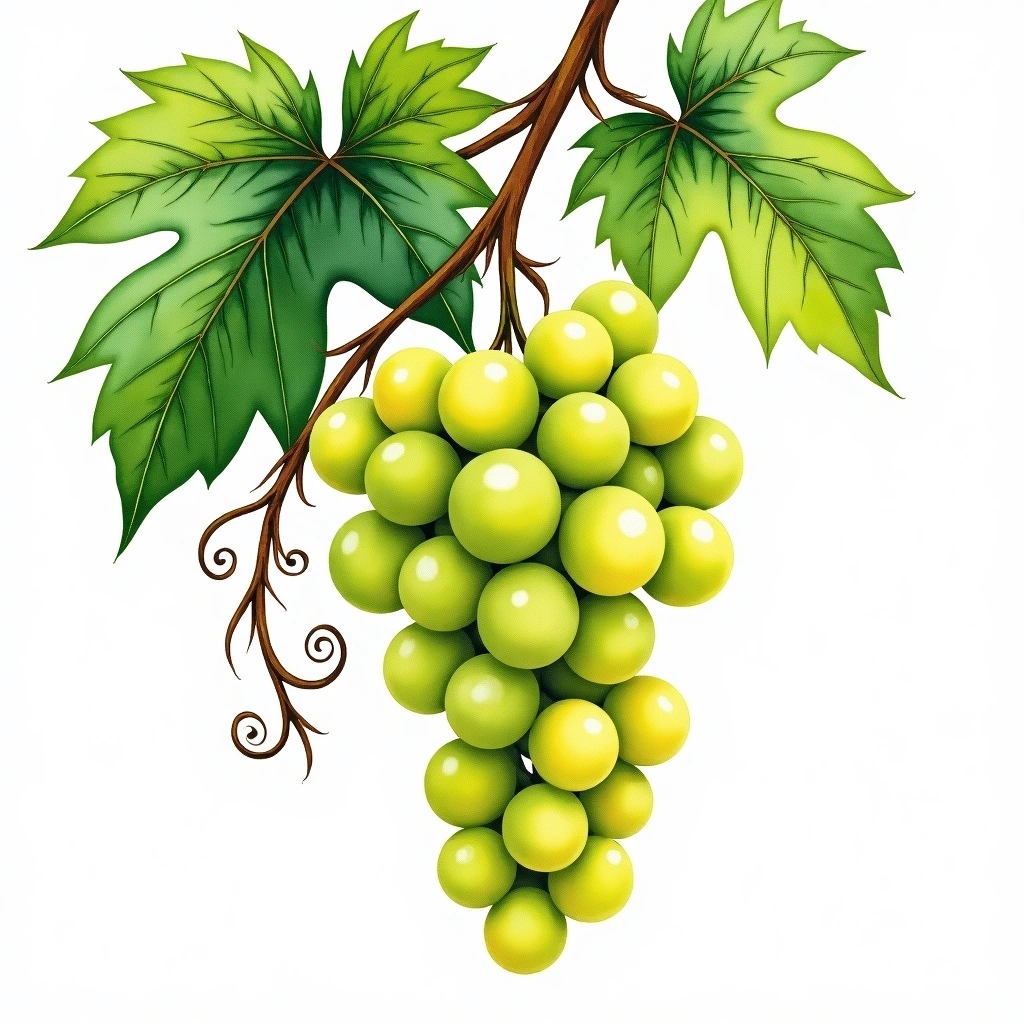 Sauvignon Blanc