Champagne: The Definitive Guide
A comprehensive guide to Champagne covering its geography, grape varieties, production process, major houses, styles, and how to choose and serve the world's most iconic sparkling wine.
Why Champagne Stands Apart
Of all the sparkling wines produced around the world, Champagne remains the standard by which every other fizz is measured. Located roughly 150 kilometres east of Paris in northeastern France, the Champagne Appellation occupies one of the most northerly wine regions on earth, where cool temperatures, chalky soils, and centuries of accumulated knowledge combine to produce wines of extraordinary complexity and longevity.
Champagne is not simply a style of sparkling wine — it is a legally protected designation. True Champagne must come exclusively from the delimited Champagne AOC zone, produced from a handful of permitted grape varieties using the Méthode Traditionnelle (traditional method), and meet strict regulations governing yields, aging requirements, and labeling. Everything else — however good — is merely sparkling wine.
The region covers approximately 34,000 hectares of vineyards spread across five main districts: the Montagne de Reims, Vallee de la Marne, Cote des Blancs, Cote de Sezanne, and the Aube. Each district has a distinct character shaped by its soils, slopes, and the grape varieties best suited to its microclimate.
The Three Core Grapes
Champagne is built on three grape varieties, each contributing something essential to the final blend.
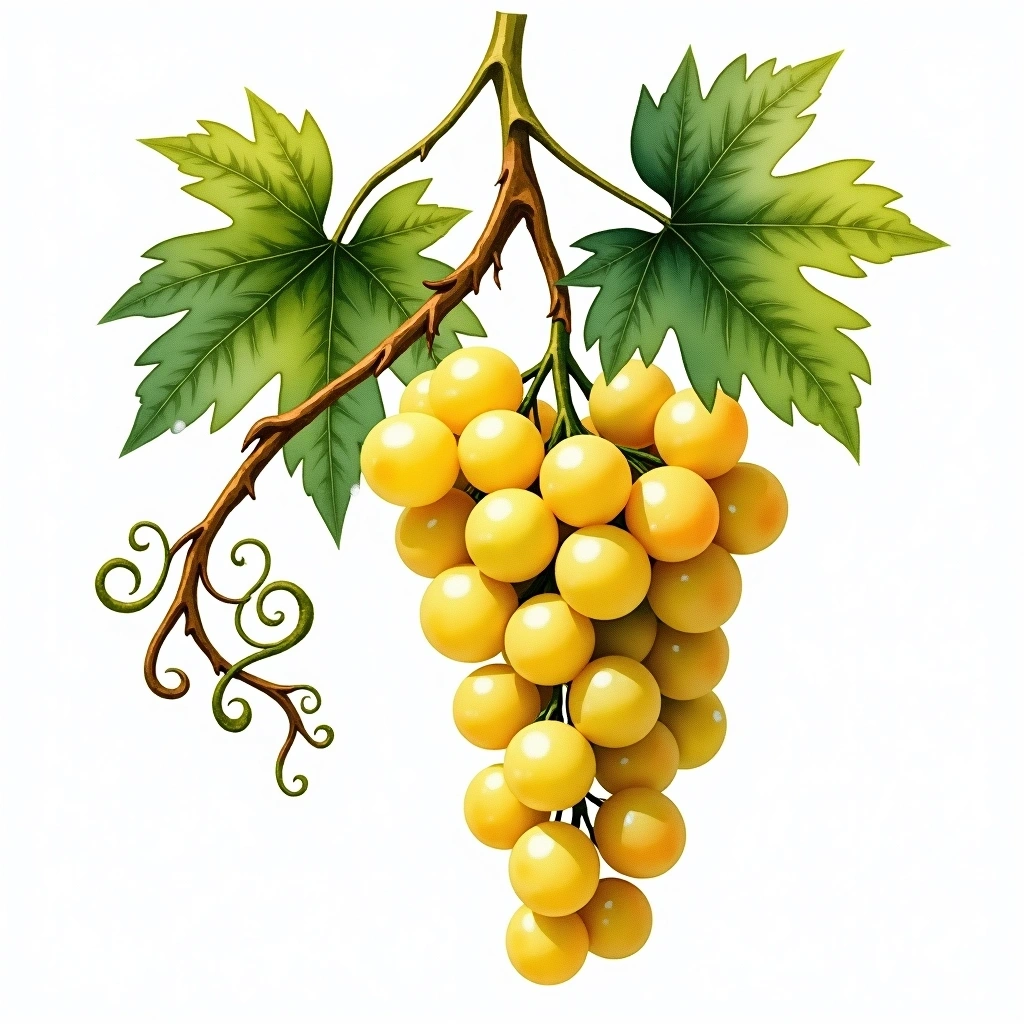
Chardonnay
Chardonnay is the region's sole white variety and the backbone of the Cote des Blancs, a ridge of pure chalk running south of Epernay. Chardonnay brings elegance, precision, bright citrus acidity, and the extraordinary aging potential that chalk soils uniquely support. Wines made entirely from Chardonnay carry the designation Blanc de Blancs — some of the most refined and long-lived Champagnes in existence.
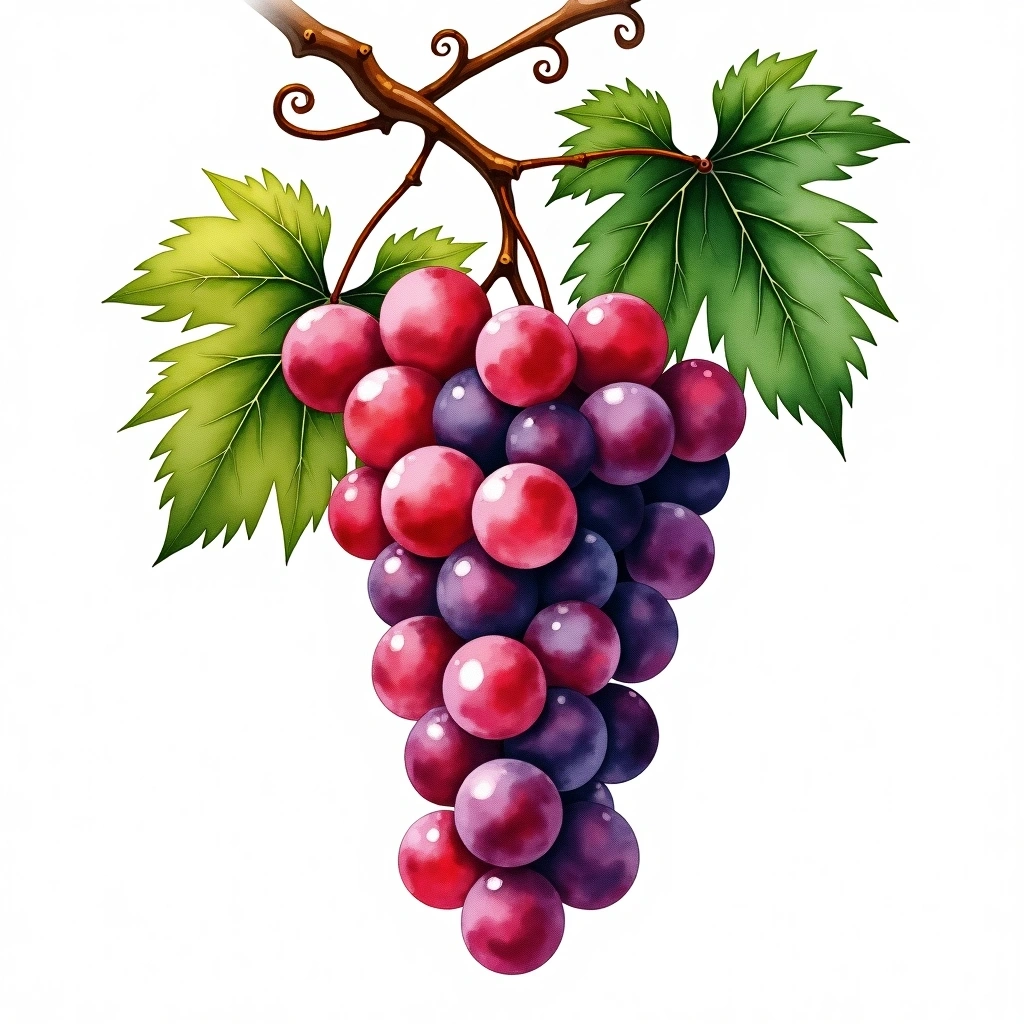
Pinot Noir
Pinot Noir is grown primarily on the Montagne de Reims and in the Aube. Despite being a red grape, it is typically vinified without skin contact to produce clear juice that contributes body, red fruit character, and structure. Pinot Noir gives Champagne its backbone and its ability to age. In the hands of smaller growers, it can produce wines of striking depth and vinosity.
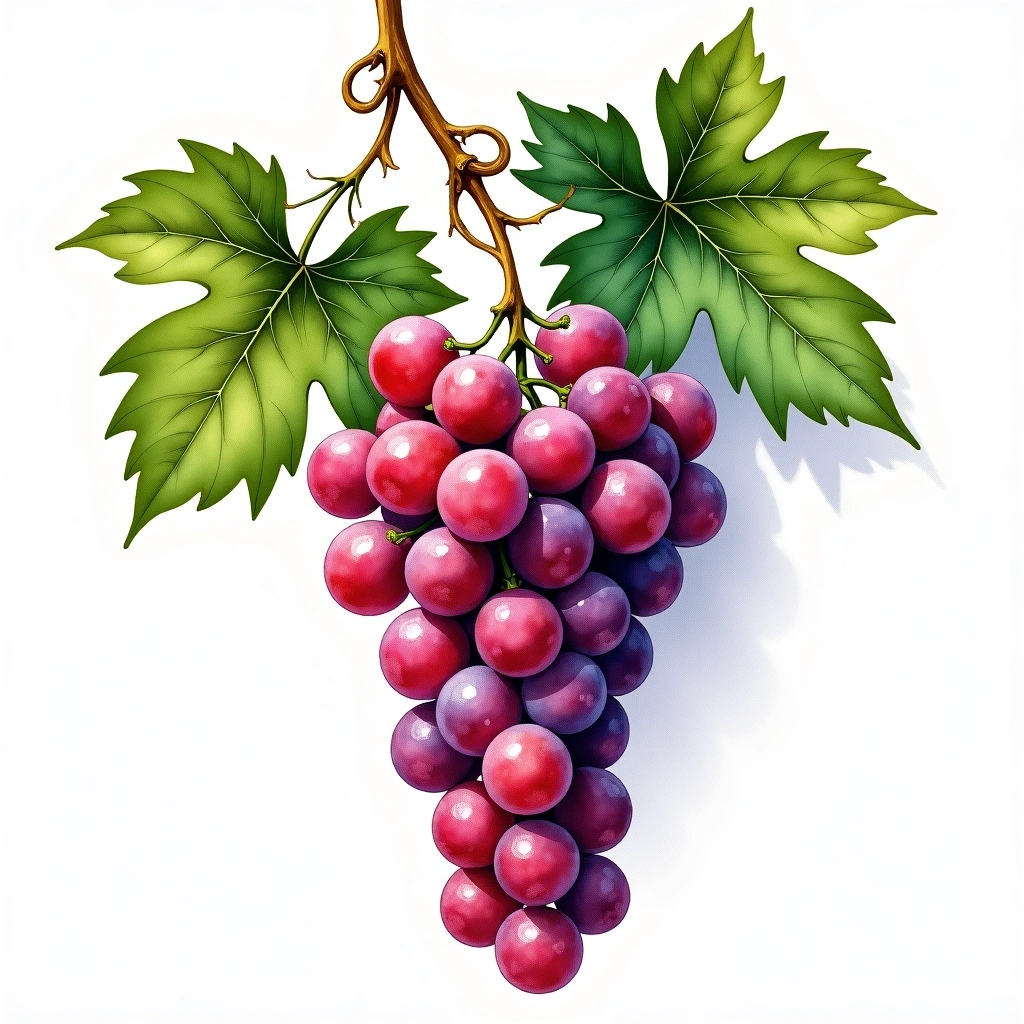
Pinot Meunier
Pinot Meunier is the least glamorous of the three but arguably the most important to the commercial Champagne industry. Earlier ripening and more frost-tolerant than its companions, Meunier thrives in the Vallee de la Marne. It brings roundness, early-drinking appeal, and consistent fruit — qualities that make it invaluable in the major houses' non-vintage blends.
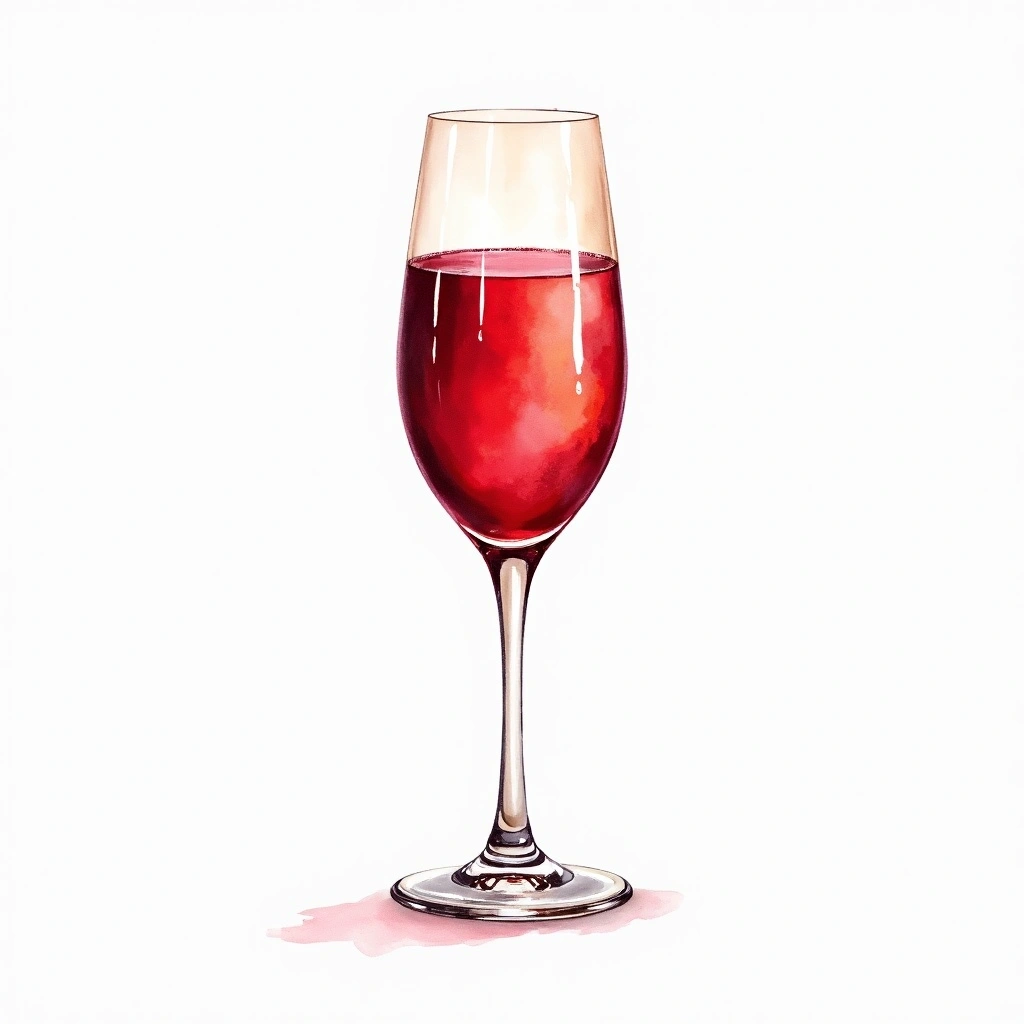
Production: The Traditional Method
The hallmark of all genuine Champagne is secondary fermentation in the bottle — a process that creates the wine's characteristic bubbles and layered complexity. This technique is called Méthode Traditionnelle.
Step 1: The Base Wine
Grapes are harvested, pressed very gently (Champagne rules dictate strict pressing ratios to avoid extracting harsh phenolics from the skins), and fermented into a still base wine. This base wine is deliberately high in acid and relatively low in alcohol — not pleasant to drink on its own, but the ideal platform for transformation.
Step 2: Assemblage
This is where the Champagne chef de cave (cellar master) exercises their greatest skill. Base wines from dozens of different vineyards, villages, grape varieties, and — crucially — previous years are blended into a Cuvée that expresses the house style. The reserve wines from prior vintages are the secret weapon that allows major houses to maintain consistency year after year.
Step 3: Second Fermentation
A small amount of sugar and yeast (the liqueur de tirage) is added to the blend, which is then bottled and sealed. Fermentation resumes inside the sealed bottle, producing carbon dioxide that cannot escape and dissolves into the wine under pressure — this is the source of Champagne's fine, persistent bubbles.
Step 4: Aging on Lees
Dead yeast cells (lees) from the secondary fermentation remain in contact with the wine for a minimum of 15 months for non-vintage Champagne and 36 months for vintage. This autolytic aging is responsible for the distinctive brioche, toast, and biscuit notes that characterize mature Champagne. Premium cuvees age for years — sometimes decades — on their lees.
Step 5: Riddling
Traditionally done by hand (remuage), Riddling involves gradually tilting and rotating the bottle until the spent yeast collects as a plug in the neck. Today most houses use mechanized gyropalettes that accomplish in days what previously took weeks.
Step 6: Disgorgement and Dosage
The bottle neck is frozen, the cap removed, and the plug of frozen yeast shoots out under pressure. The small volume lost is replaced by the liqueur d'expedition — a mixture of Champagne and dissolved sugar called the Dosage. The amount of dosage determines the sweetness level of the final wine.
Sweetness Levels
| Style | Residual Sugar | Character |
|---|---|---|
| Brut Nature | 0-3 g/L | Bone-dry, no added sugar |
| Extra Brut | 0-6 g/L | Very dry, austere |
| Brut | 0-12 g/L | The standard style — dry |
| Extra Sec | 12-17 g/L | Off-dry |
| Sec | 17-32 g/L | Noticeably sweet |
| Demi-Sec | 32-50 g/L | Medium sweet, ideal with dessert |
| Doux | 50+ g/L | Very sweet, rarely made |
The vast majority of Champagne sold worldwide is Brut. Extra Brut and Brut Nature have grown in popularity as consumers seek drier, more mineral styles, while Demi-Sec has largely faded from fashion except as a dessert pairing.
Styles and Categories
Non-Vintage (NV)
The workhorse of every major house, NV Champagne blends wines from multiple years to achieve a consistent house style. NV is typically ready to drink on release and represents excellent value. Look for "Brut" without a year on the label.
Vintage Champagne
In exceptional years, houses declare a vintage and produce wine from grapes harvested entirely in that single year. Vintage Champagne must age on lees for at least 36 months and is usually released with several years' additional bottle age. These wines are built to age further — great vintages can develop magnificently over 20-30 years.
Blanc de Blancs
Made exclusively from Chardonnay, Blanc de Blancs Champagnes are typically paler in color, with high acidity and flavors of green apple, citrus, chalk, and — with age — honey and brioche. They are among the most age-worthy styles.
Blanc de Noirs
The inverse: Blanc de Noirs Champagnes are made from dark-skinned grapes (Pinot Noir and/or Pinot Meunier) vinified without skin contact. They tend toward fuller body, richer red fruit character, and greater vinosity. Boutique grower-producers have elevated this style in recent years.
Prestige Cuvees
Every major house produces a flagship wine — Moet's Dom Perignon, Laurent-Perrier's Grand Siecle, Krug's Grande Cuvee, Bollinger's RD — that represents the pinnacle of the house's art. These are typically vintage or multi-vintage wines aged for exceptional periods.
Grower Champagne (Recoltant-Manipulant)
A growing movement of small-scale producers who grow, make, and sell their own wine rather than selling grapes to the large houses. Grower Champagnes offer terroir-driven character and single-vineyard expression that the blended house styles do not attempt. They are now widely available and represent some of the most exciting wines in the region.
How to Serve Champagne
Temperature: Serve at 8-10 C. Too cold and the aromas are muted; too warm and the bubbles dissipate quickly and the wine tastes flat.
Glasses: While the narrow Flute concentrates aromas and retains bubbles longer, many connoisseurs now prefer a slightly wider tulip glass or even a white wine glass, which allows the wine to breathe and the full aromatic range to develop. The vintage coupe (the wide, shallow glass) is purely decorative — it kills bubbles and aroma within minutes.
Opening: Remove the foil and cage, cover the cork with a cloth, and twist the bottle (not the cork) slowly and steadily while tilting at 45 degrees. The cork should exit with a gentle sigh, not a celebratory pop. The pop is wasteful theater — it releases pressure that should stay in the wine.
Pouring: Pour slowly, tilting the glass to reduce foam. Fill glasses halfway to allow room for aromas to collect.
Buying Guide
Non-vintage Brut from a reputable house — Billecart-Salmon, Bollinger, Pol Roger, Taittinger, Louis Roederer — is a reliable starting point at the $40-60 range. For a similar price point, a grower Champagne from a recognized producer will offer a more distinctive, terroir-driven experience.
For special occasions, vintage Champagne aged 10-15 years from release shows the style at its most complex. Great vintages to seek: 2012, 2008, 2002, 1996, 1990.
Champagne and Food
Champagne's high acidity, fine effervescence, and relatively modest alcohol make it one of the most versatile food wines in existence. The bubbles act as a palate cleanser, cutting through fat and refreshing the mouth between bites.
Classic pairings by style:
- Non-vintage Brut: Fried foods are a revelatory match — the wine's acidity and CO₂ cut through oil with precision. Champagne and fried chicken, or Champagne with fish and chips, are unexpectedly brilliant combinations. Oysters, caviar, smoked salmon, and light canapés are the traditional choices.
- Blanc de Blancs: The high acidity of Chardonnay-dominant wines makes them exceptional with shellfish — particularly lobster, scallops, and crab.
- Blanc de Noirs: The fuller body and red fruit character of Pinot-dominant wines pairs well with charcuterie, light poultry, and subtly flavored mushroom dishes.
- Vintage Champagne: A properly aged vintage can accompany an entire fine dining meal, from amuse-bouche to main course. Roasted chicken, turbot, and risotto are natural partners.
- Demi-Sec: Designed for the dessert course. Fruit tarts, meringue, peach desserts, and mild cheesecake all benefit from the wine's gentle sweetness.
The most important rule: avoid matching Champagne with anything very sweet or very aggressively spiced. Both overwhelm the wine's delicacy.
Storing Champagne
Non-vintage Champagne is released ready to drink and does not improve with additional aging in most cases. It is designed for consumption within 3-5 years of purchase.
Vintage Champagne and prestige cuvees, however, can develop magnificently with extended cellaring. The key conditions: - Temperature: 10-13°C, constant. Fluctuations are more damaging than a consistently moderate temperature. - Humidity: 60-80% to keep corks supple and prevent excessive evaporation. - Darkness: UV light degrades wine rapidly. Store away from natural light. - Position: On its side, to keep the cork moist. - Vibration: Away from appliances or foot traffic.
 Chardonnay
 Pinot Meunier
 Pinot Noir
 Traditional Method Sparkling