Wine Glass Guide: Choosing the Right Glass
A practical guide to wine glasses covering why shape matters, the main glass types, and honest advice about how many glasses you actually need.
Does the Glass Really Matter?
Yes — but probably less than glassware companies want you to believe, and more than skeptics assume.
The shape of a wine glass affects two things: how aromas reach your Nose, and where the wine lands on your Palate. A wider bowl increases the wine's surface area, allowing more aromatic compounds to evaporate. A narrower rim concentrates those aromas and directs them toward your nose. The shape of the rim affects where wine flows onto your tongue, which can subtly influence how you perceive Acidity, sweetness, and Tannin.
Do these differences transform a mediocre wine into a great one? No. But a well-shaped glass does let a good wine show its best. And it makes the experience more enjoyable, which is ultimately the point.
Anatomy of a Wine Glass
Every wine glass has four parts:
- Base (foot): Provides stability. Not much to discuss here.
- Stem: Allows you to hold the glass without warming the wine with your hand. Also keeps fingerprints off the bowl so you can observe the wine's color and clarity.
- Bowl: Where the wine lives. The most important variable in glass design. Bowl shape, size, and width determine how aromas develop and how the wine flows.
- Rim: The lip of the glass. Thinner rims deliver wine more smoothly to your palate. Thick, rolled rims (common in cheap glassware) create a "speed bump" that disrupts the flow.
The Major Glass Types
Bordeaux Glass
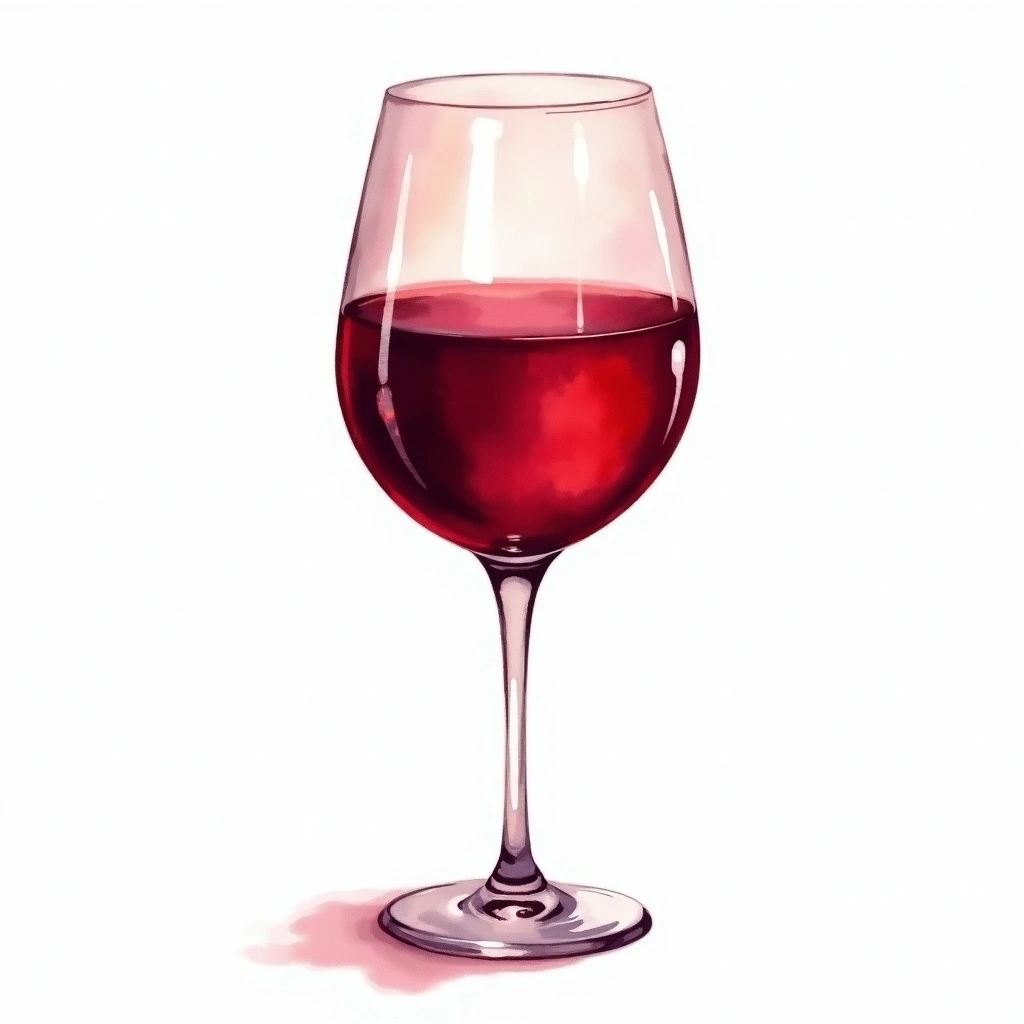
Best for: Bold Red wines — Cabernet Sauvignon, Merlot, Syrah, Malbec, Nebbiolo
The Bordeaux glass has a tall, broad bowl with a relatively wide opening. The large bowl provides ample room for Aeration, which helps soften Tannin and release the complex aromas of full-bodied reds. The wide opening directs wine toward the back of the mouth, emphasizing fruit and minimizing the perception of tannin astringency.
If you could only own one red wine glass, this would be a solid choice because it works well with most red wines.
Burgundy Glass
Best for: Light Red and Elegant Red wines — Pinot Noir, lighter Grenache, aged Nebbiolo
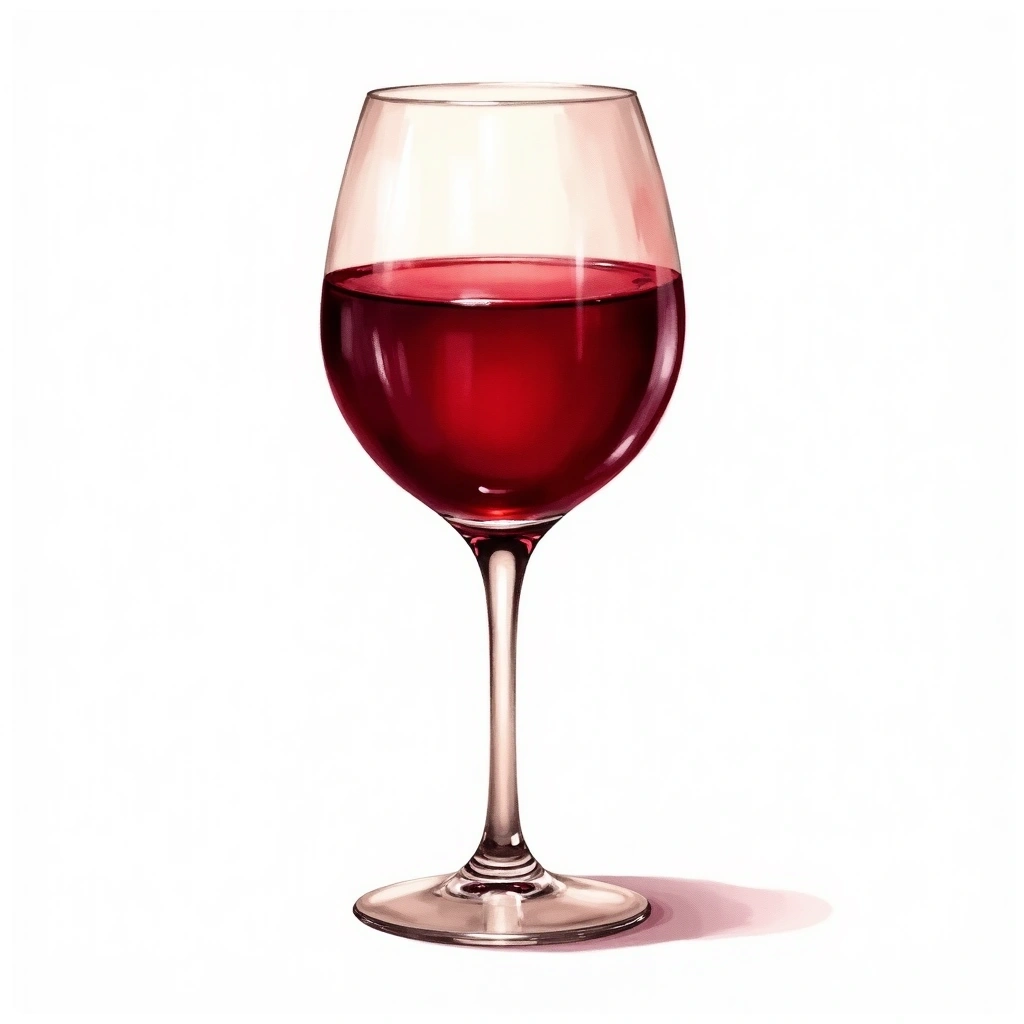
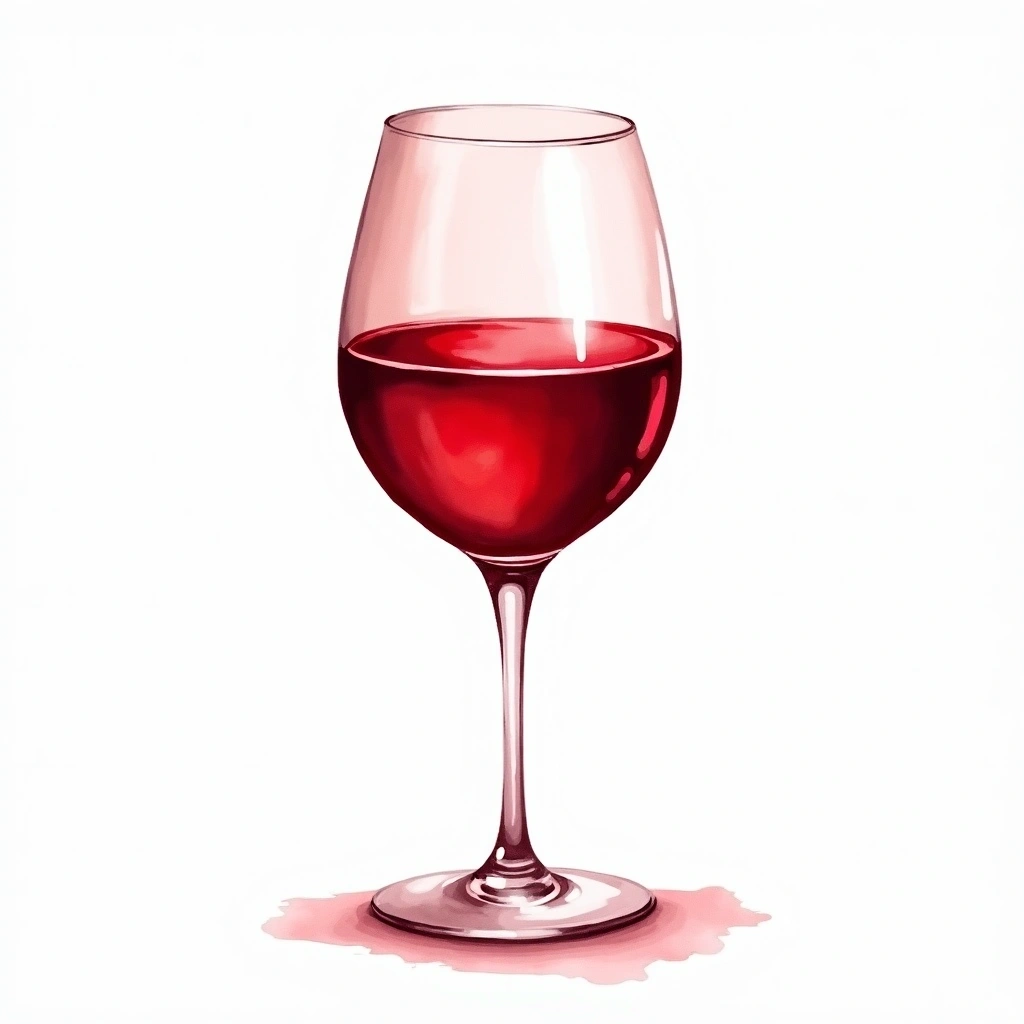
The Burgundy glass has a wider, rounder bowl than the Bordeaux glass but a narrower rim. This balloon shape captures and concentrates the delicate aromas of lighter, more aromatic reds. The narrow rim channels the wine toward the tip of the tongue, where you perceive sweetness and fruit first, before acidity and tannin register.
Pinot Noir from Burgundy in a proper Burgundy glass is noticeably more expressive than the same wine in a standard tumbler. This is where glassware makes the most visible difference.
White Wine Glass (Standard)
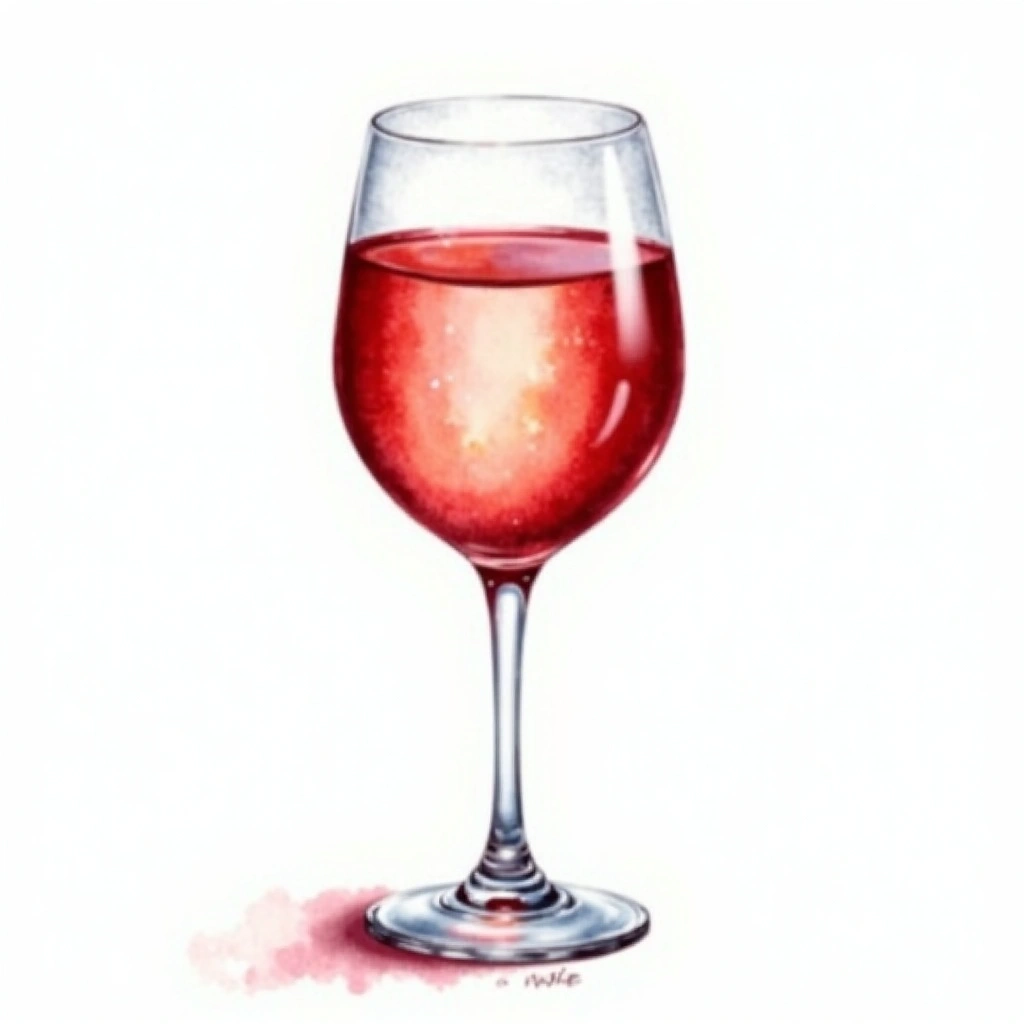
Best for: Crisp White wines — Sauvignon Blanc, Pinot Grigio, unoaked Chardonnay, Riesling
A smaller bowl than red wine glasses, with a U-shaped or slightly tapered profile. The reduced volume keeps the wine cooler (less surface area exposed to warm air) and the narrower opening preserves fresh, delicate aromas. High-Acidity whites are expressive in this shape.
Chardonnay / Full-Body White Glass
Best for: Rich White wines — oaked Chardonnay, Viognier, Chenin Blanc, white Burgundy
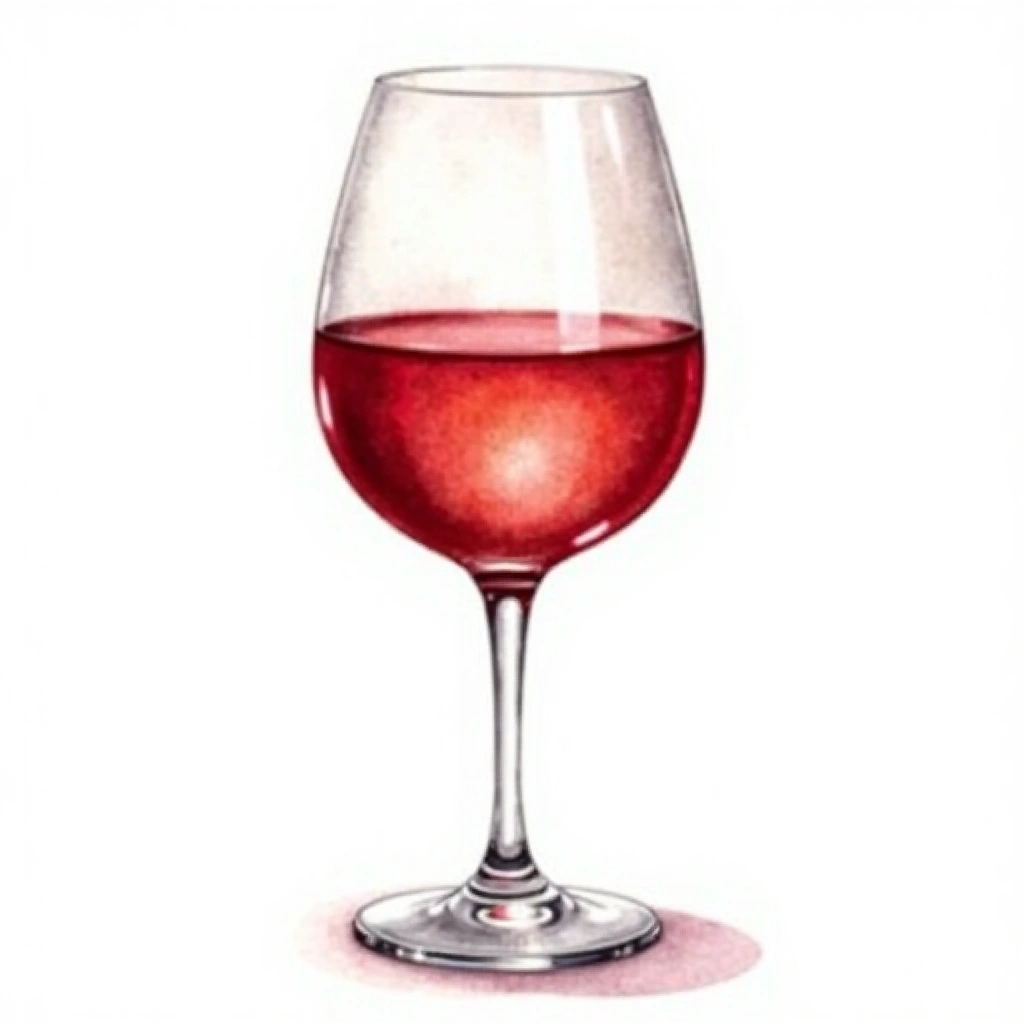
A wider bowl than the standard white glass, closer in shape to a red wine glass. The added surface area allows the richer, more complex aromas of oak-aged whites to develop. If you drink a lot of full-bodied whites, this glass is worth having; otherwise, a standard white wine glass works fine.
Champagne Flute
Best for: Traditional Method Sparkling wines — Champagne, Cava, Cremant, Charmat Method Sparkling (Prosecco)
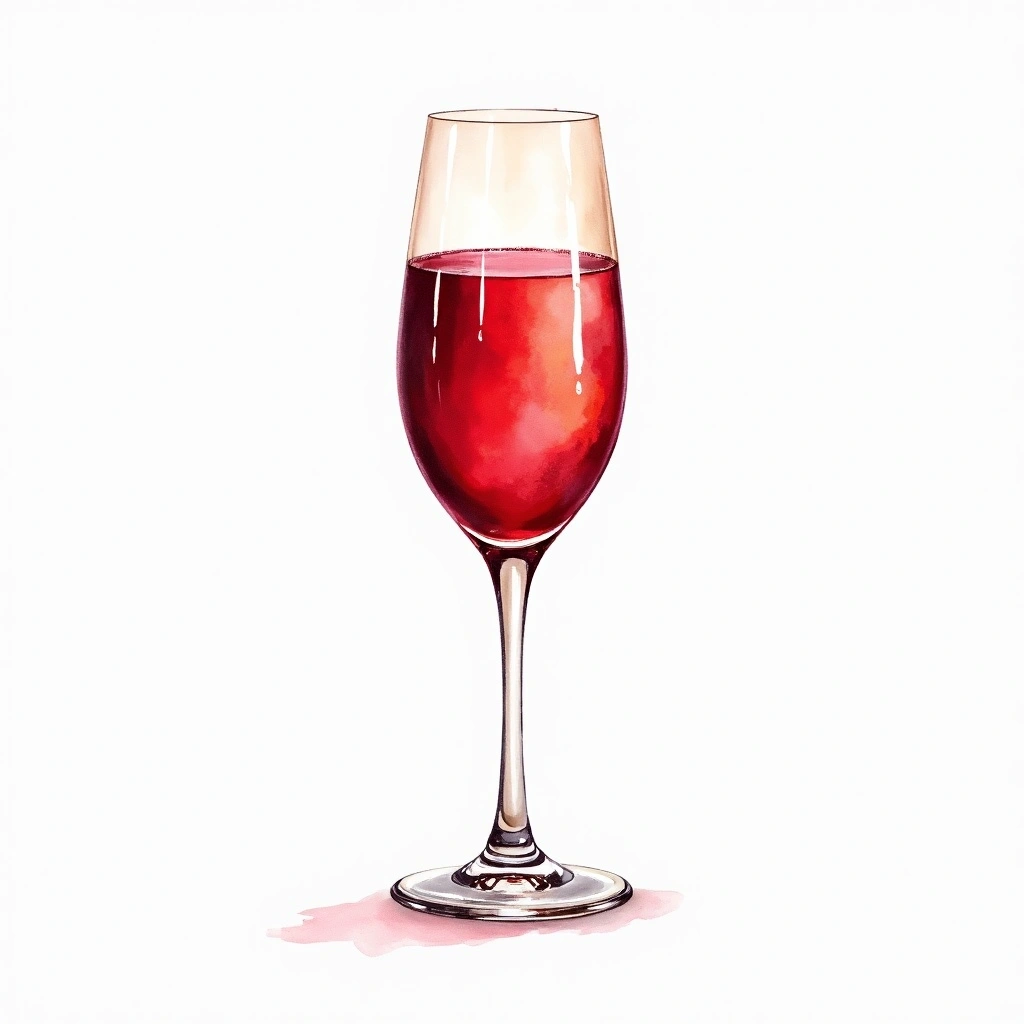
The tall, narrow shape preserves carbonation by minimizing the wine's surface area. Bubbles rise in elegant streams, which is visually appealing and maintains mousse (the frothy texture that good sparkling wine has). The narrow opening concentrates aromas upward.
However, some Champagne lovers now prefer wider "tulip" glasses or even regular white wine glasses for aged or prestige Champagne, arguing that the narrow flute restricts aromatic expression in complex wines. For young, fresh sparkling wines, the flute remains ideal.
Coupe (Saucer)
The shallow, wide coupe was supposedly modeled after Marie Antoinette's anatomy (a myth, but a persistent one). It looks glamorous but performs poorly — the wide surface area causes bubbles to dissipate quickly and aromas to scatter. Fine for cocktails; not recommended for serious sparkling wine.
Universal Glass
Best for: Everything, reasonably well
A universal glass splits the difference between Bordeaux and Burgundy shapes, with a medium-sized bowl, gentle taper, and thin rim. It will not be the absolute best glass for any specific wine, but it handles reds, whites, and even sparkling wine competently.
For most people, a set of good universal glasses is the most practical investment.
How Many Glasses Do You Actually Need?
Glass manufacturers sell sets of 10+ specialized shapes. Here is a more realistic approach.
Minimalist (1 Shape)
Buy a quality universal glass with a thin rim and crystal-clear bowl. Companies like Zalto, Gabriel-Glas, and Schott Zwiesel make excellent universals. You can drink any wine in this glass without embarrassment.
Practical (2-3 Shapes)
- One set of large-bowled red glasses (Bordeaux shape)
- One set of smaller white wine glasses
- Optional: Champagne flutes if you drink sparkling regularly
This covers 95% of drinking situations.
Enthusiast (4-5 Shapes)
- Bordeaux red
- Burgundy red
- Standard white
- Champagne flute
- Dessert / fortified (smaller tulip)
Beyond five shapes, you are in collector territory. Nothing wrong with that, but it is not necessary for enjoying wine at a high level.
Crystal vs Glass
Crystal (leaded or lead-free) is thinner, lighter, and can be spun to create a thinner rim than regular soda-lime glass. It also has a slightly rough surface at the microscopic level, which encourages bubbles in sparkling wine and subtly aerates still wine. Crystal is the preferred material for serious wine glasses.
Lead-free crystal has largely replaced traditional leaded crystal due to health concerns (though the amount of lead that leaches into wine during a normal serving is negligible) and because lead-free crystal can be made equally thin and clear.
Regular glass is cheaper and more durable but thicker. Fine for everyday use; not ideal for tastings or special bottles.
Care and Maintenance
- Hand wash or dishwasher? Many high-quality crystal glasses are now dishwasher-safe. Check the manufacturer's guidance. If hand-washing, use warm water and a small amount of unscented soap. Rinse thoroughly.
- Drying: Air-dry upside down on a rack, or polish with a lint-free microfiber cloth. Paper towels leave fibers.
- Storage: Store glasses upright, not inverted. Resting on the rim can trap stale odors inside the bowl. If you must store them inverted (in a cabinet with limited headroom), give them a quick swirl and sniff before pouring — trapped odors are a real issue.
- Odor check: Before pouring wine, put your nose in the glass. If it smells like cardboard, dust, or cabinet, rinse with a splash of wine (the "seasoning" pour) or rinse with water and dry.
Stemless Glasses: Convenience vs Performance
Stemless wine glasses have become popular for casual drinking. They are stable (less likely to tip over), dishwasher-friendly, and look modern. The trade-off is that your hand directly contacts the bowl, warming the wine faster than a stemmed glass. For everyday drinking, this is a minor issue — just drink at a reasonable pace. For serious tastings or temperature-sensitive wines (chilled whites, sparkling), stemmed glasses are preferable.
How Much to Pour
A standard wine pour is about 150ml (5 oz), which fills a typical wine glass roughly one-third full. This looks stingy but serves a purpose: the empty space above the wine in the bowl is where aromas collect. A glass filled to the brim offers no room for swirling and traps aromas less effectively.
For sparkling wine, pour in two stages — fill halfway, let the mousse settle, then top up to about two-thirds. This prevents overflow and preserves carbonation.
For tastings where you are sampling many wines, a 75ml (2.5 oz) pour is standard. This gives you enough to assess the wine across multiple sips without excessive consumption.
Recommended Brands by Budget
| Budget | Brands | Notes |
|---|---|---|
| Entry ($5-12/glass) | IKEA 365+, Libbey, Bormioli Rocco | Functional, durable, dishwasher-safe. Fine for everyday use. |
| Mid-range ($12-25/glass) | Schott Zwiesel, Riedel Vinum, Spiegelau | Crystal, thin rims, good shapes. Excellent value for most drinkers. |
| Premium ($25-50/glass) | Riedel Veritas, Zalto Denk'Art, Gabriel-Glas | Extremely thin, handmade or machine-blown crystal. Noticeable improvement. |
| Ultra-premium ($50+/glass) | Zalto, Lobmeyr, Riedel Sommeliers | Handblown, featherweight. For serious collectors and enthusiasts. |
The biggest jump in quality is from entry-level to mid-range. Moving from a thick-rimmed everyday glass to a thin-rimmed crystal glass is immediately noticeable. The jump from mid-range to premium is real but subtler. Ultra-premium glasses are a luxury — beautiful to hold and use, but not necessary for enjoying wine at a high level.
The right glass improves your wine, but the wrong glass does not ruin it. If you are at a picnic with plastic cups, pour with confidence. Wine's fundamental pleasures survive any vessel.
 Cabernet Sauvignon
 Chardonnay
 Nebbiolo
 Pinot Noir
 Riesling
 Sauvignon Blanc
 Bold Red
 Crisp White
 Elegant Red
 Light Red
 Rich White
 Traditional Method Sparkling