वाइन बनाने की विधियाँ
किण्वन से लेकर परिपक्वता और उससे आगे तक, वाइन बनाने की तकनीकों और प्रक्रियाओं की खोज करें।
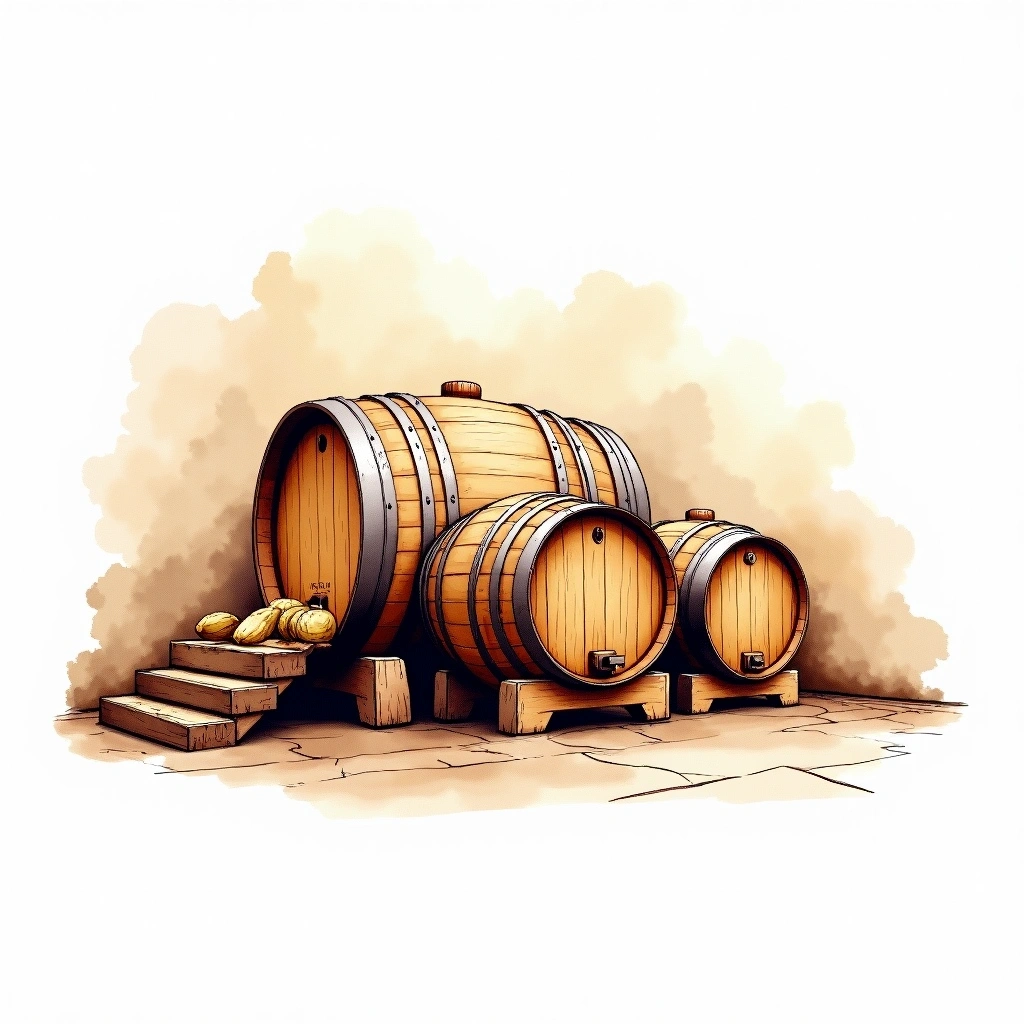
American Oak Barrel Aging
American oak (Quercus alba) delivers more pronounced flavors than French oak — coconut, dill, vanilla, and sweet spice. Its wider …
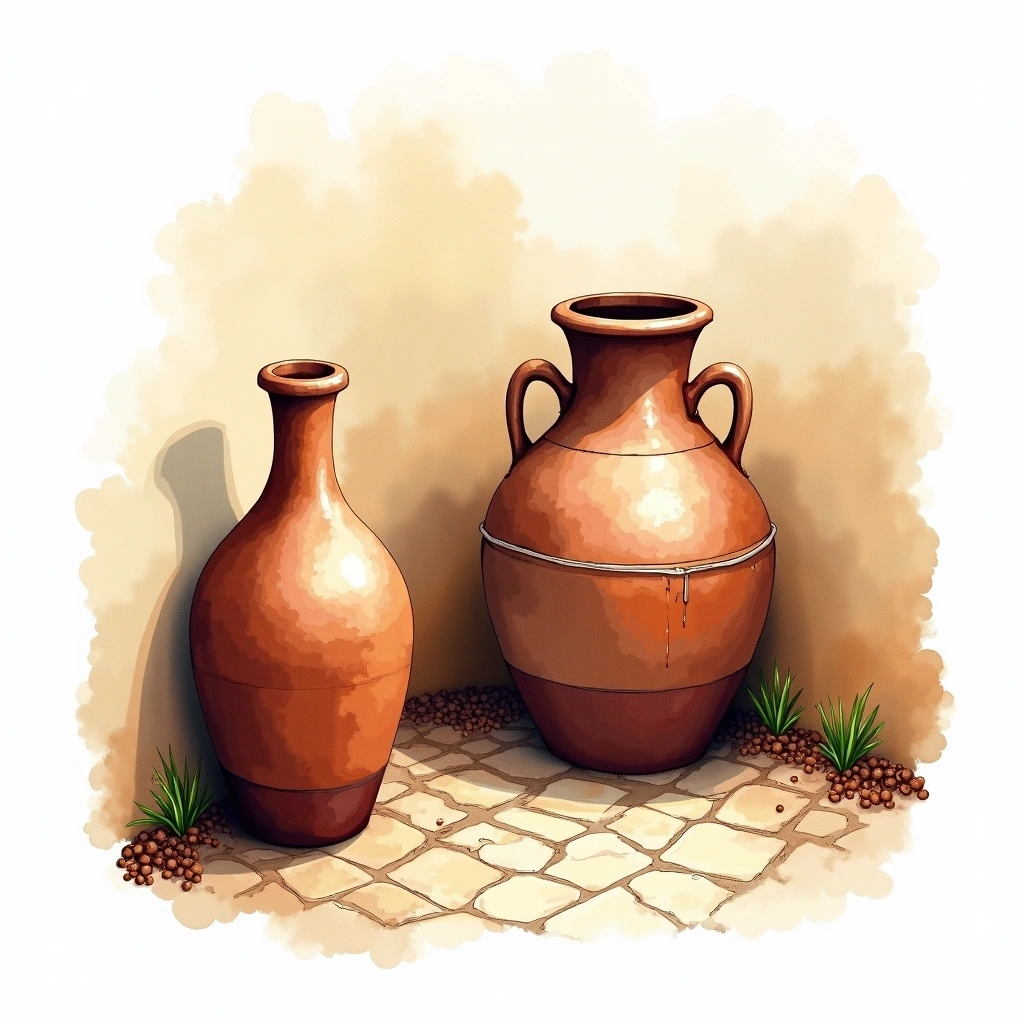
Amphora (Qvevri) Aging
The oldest winemaking vessel, dating to 6000 BC in Georgia. Clay amphora (called qvevri in Georgia) are buried underground for …
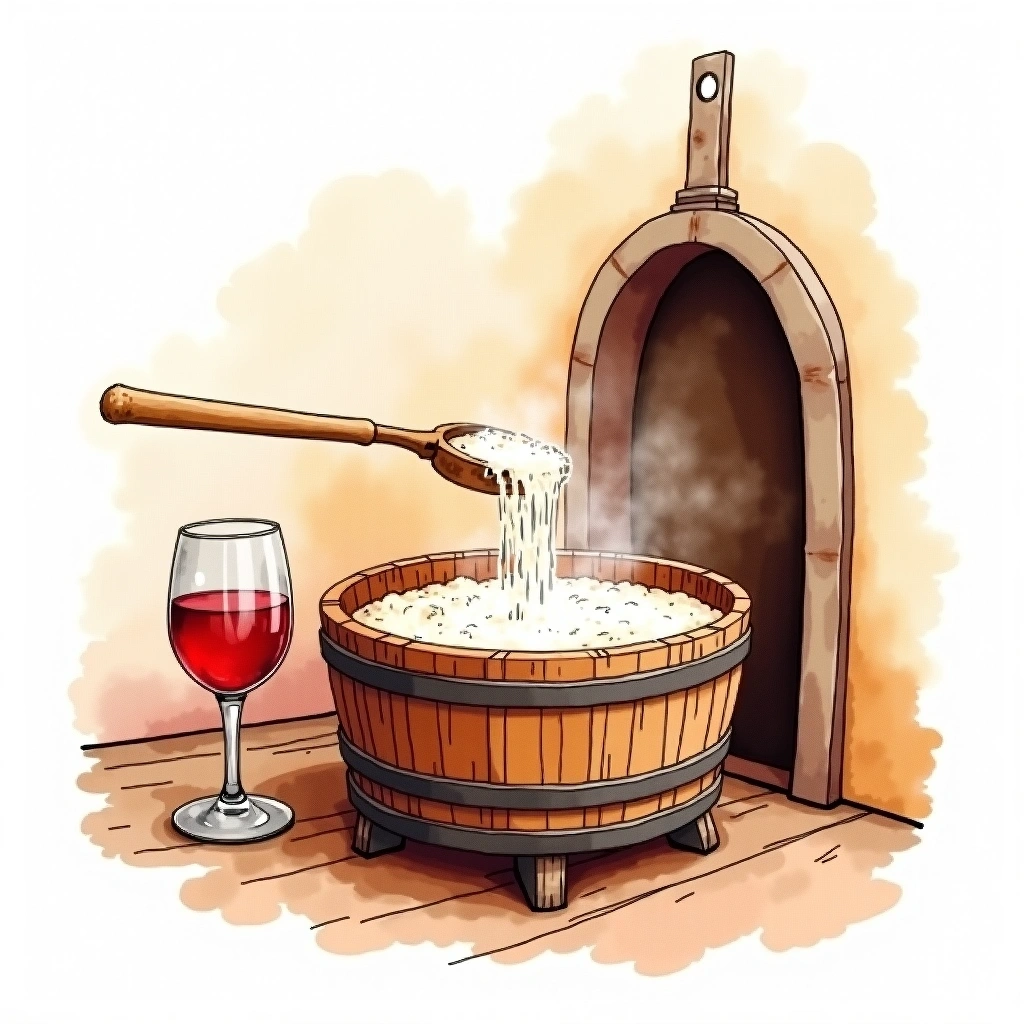
Bâtonnage (Lees Stirring)
Regularly stirring lees in barrel or tank to maximize yeast-wine contact. This increases body, roundness, and creamy texture. Frequency varies …
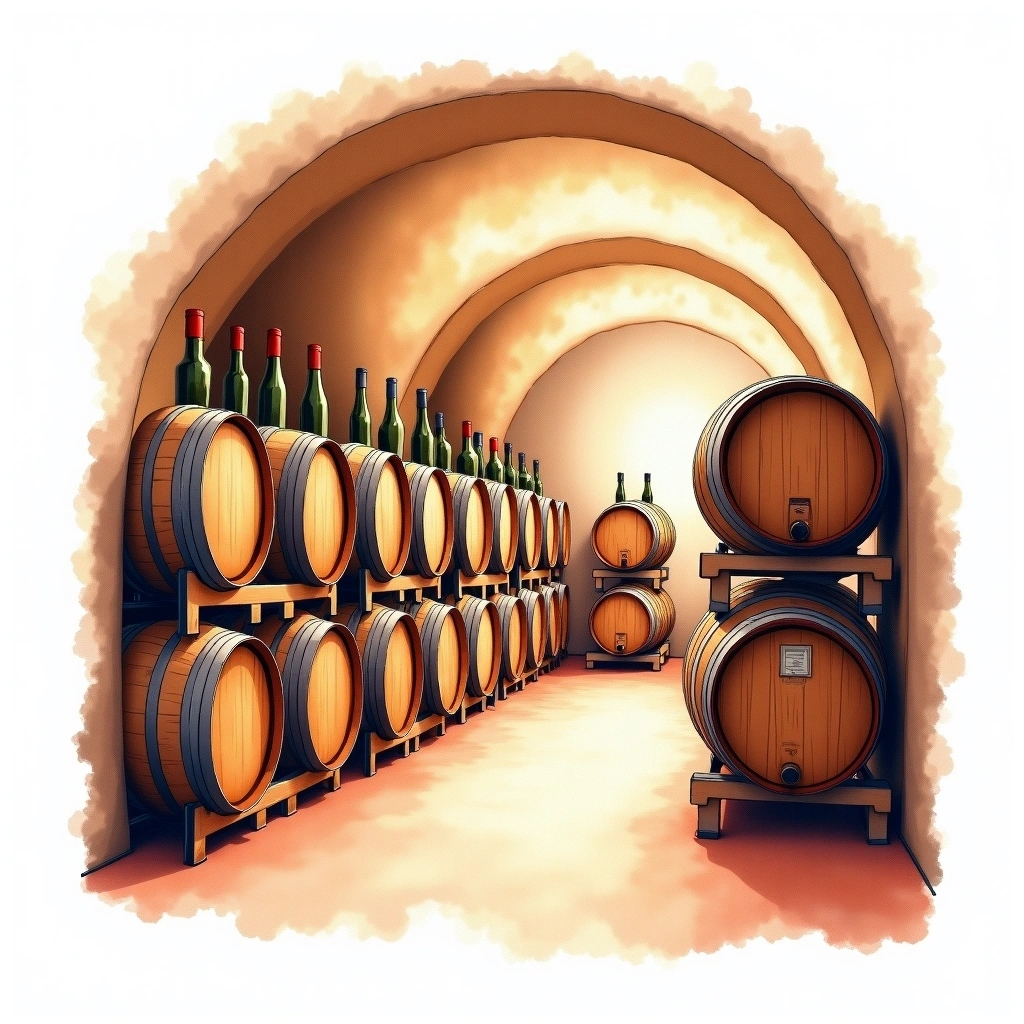
Bottle Aging
Continued maturation after bottling in a reductive (low-oxygen) environment. Over years, primary fruit evolves into secondary (fermentation-derived) and tertiary (bottle-age) …
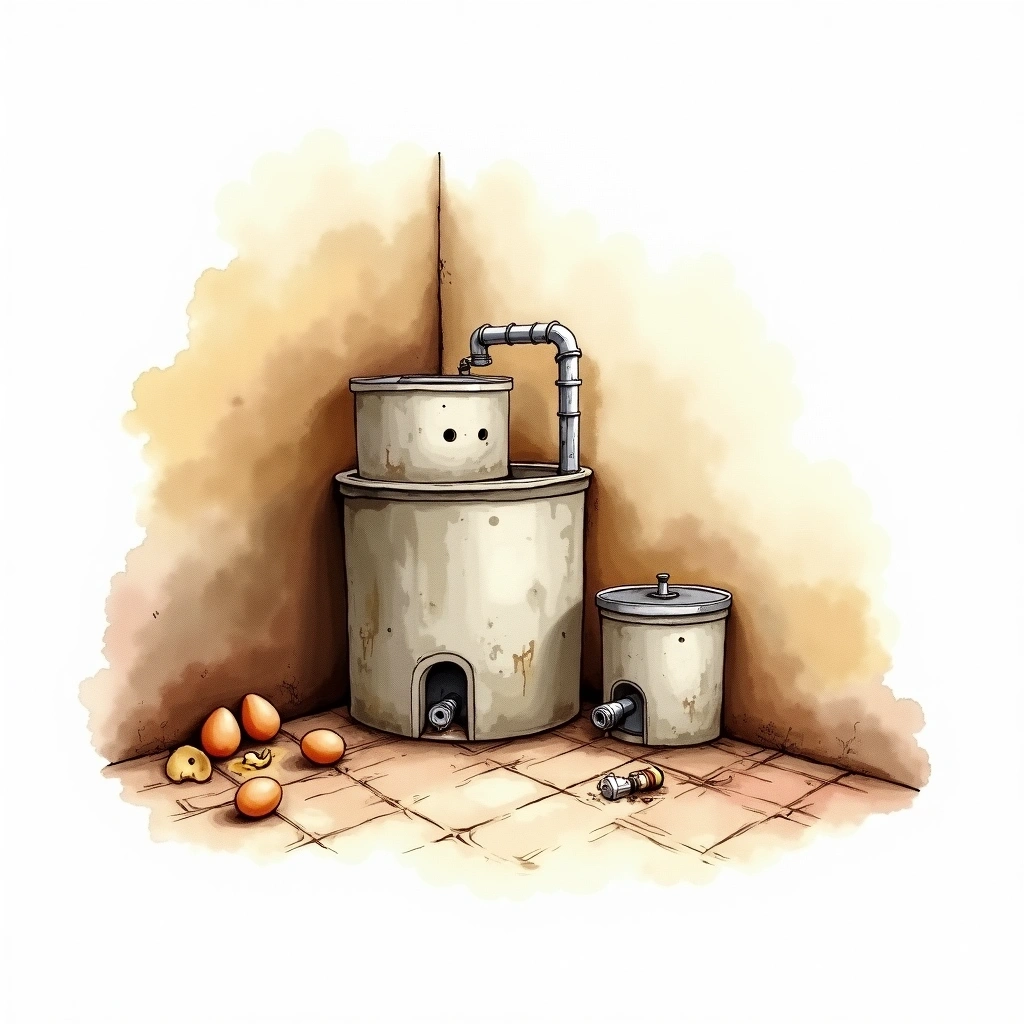
Concrete Egg Aging
Egg-shaped concrete vessels that promote gentle, continuous circulation of lees without stirring. The porous concrete allows micro-oxygenation similar to oak …
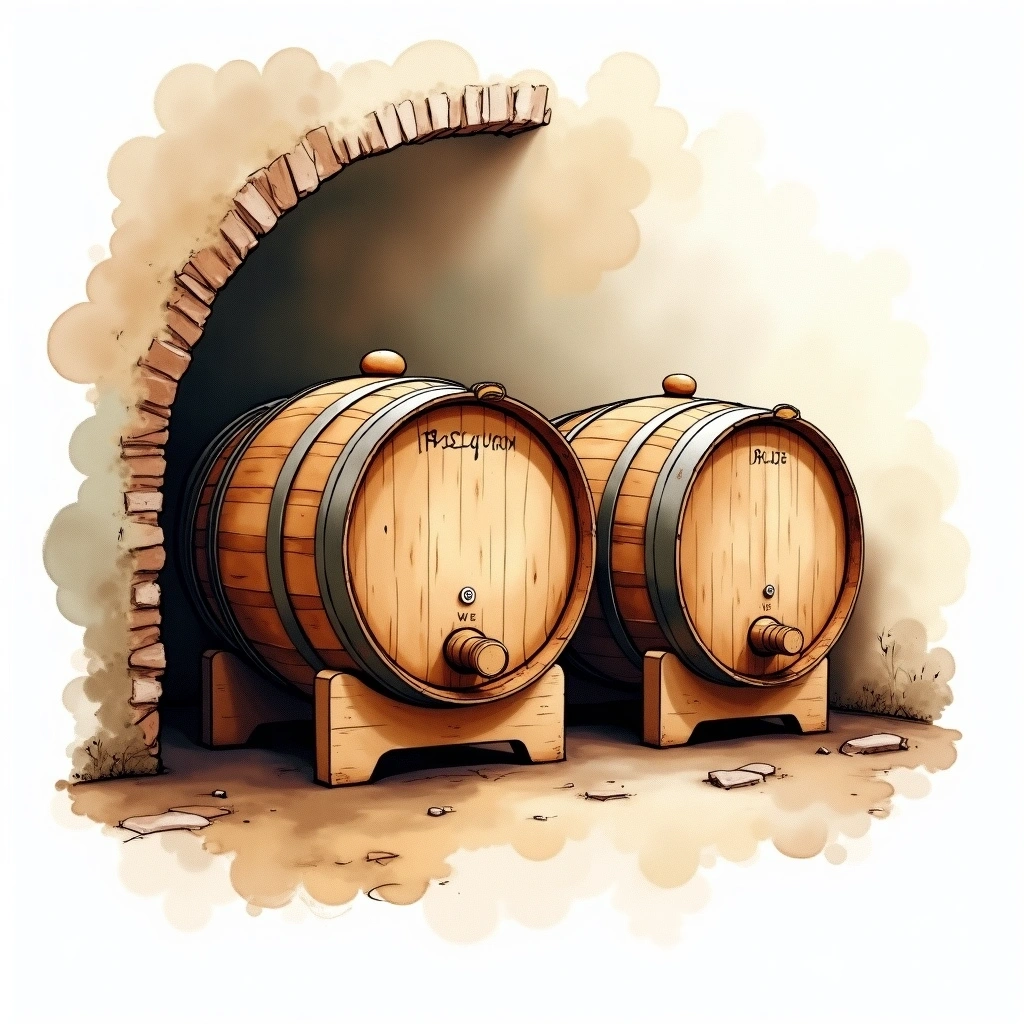
French Oak Barrel Aging
Aging wine in barrels made from French oak forests (Allier, Tronçais, Nevers, Vosges). French oak imparts subtle, integrated flavors of …
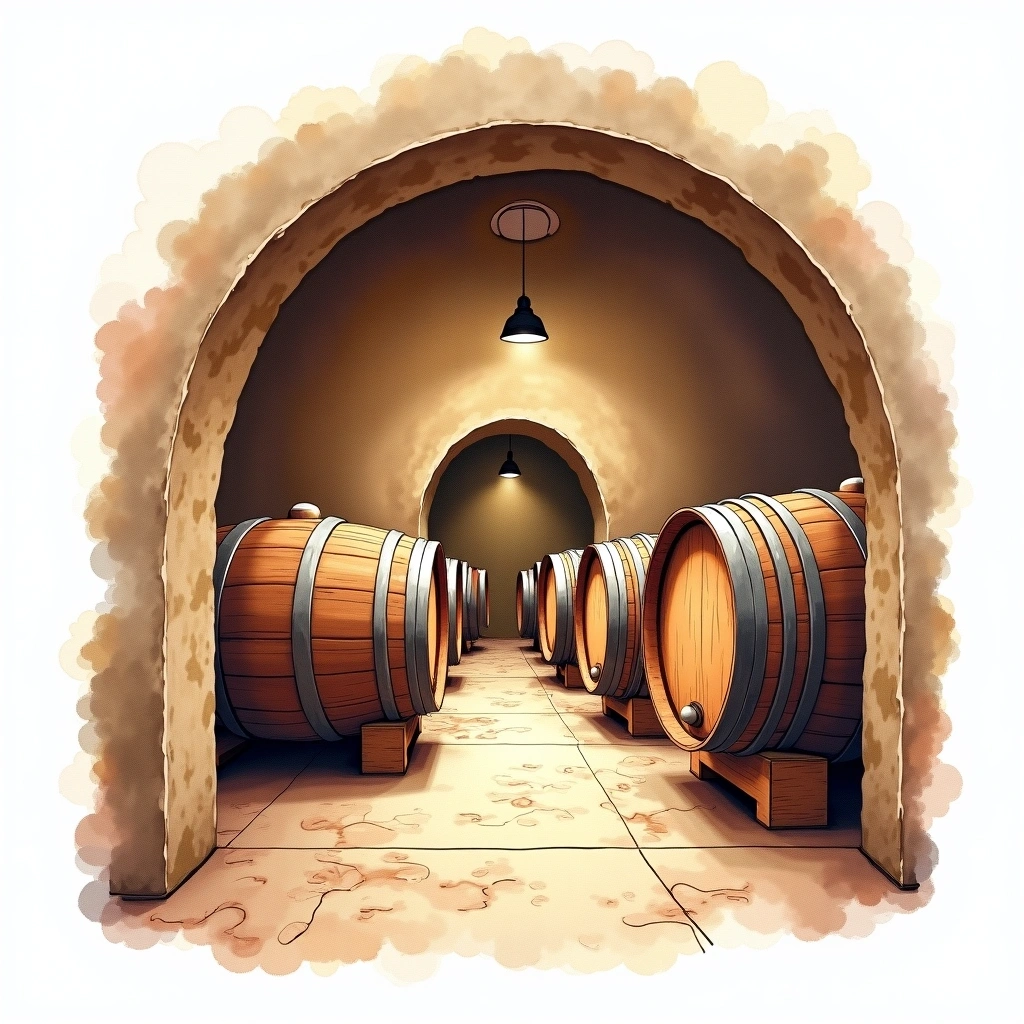
Hungarian Oak Barrel Aging
Hungarian oak (Quercus petraea from Zemplén forests) offers a middle ground between French and American oak — more pronounced than …
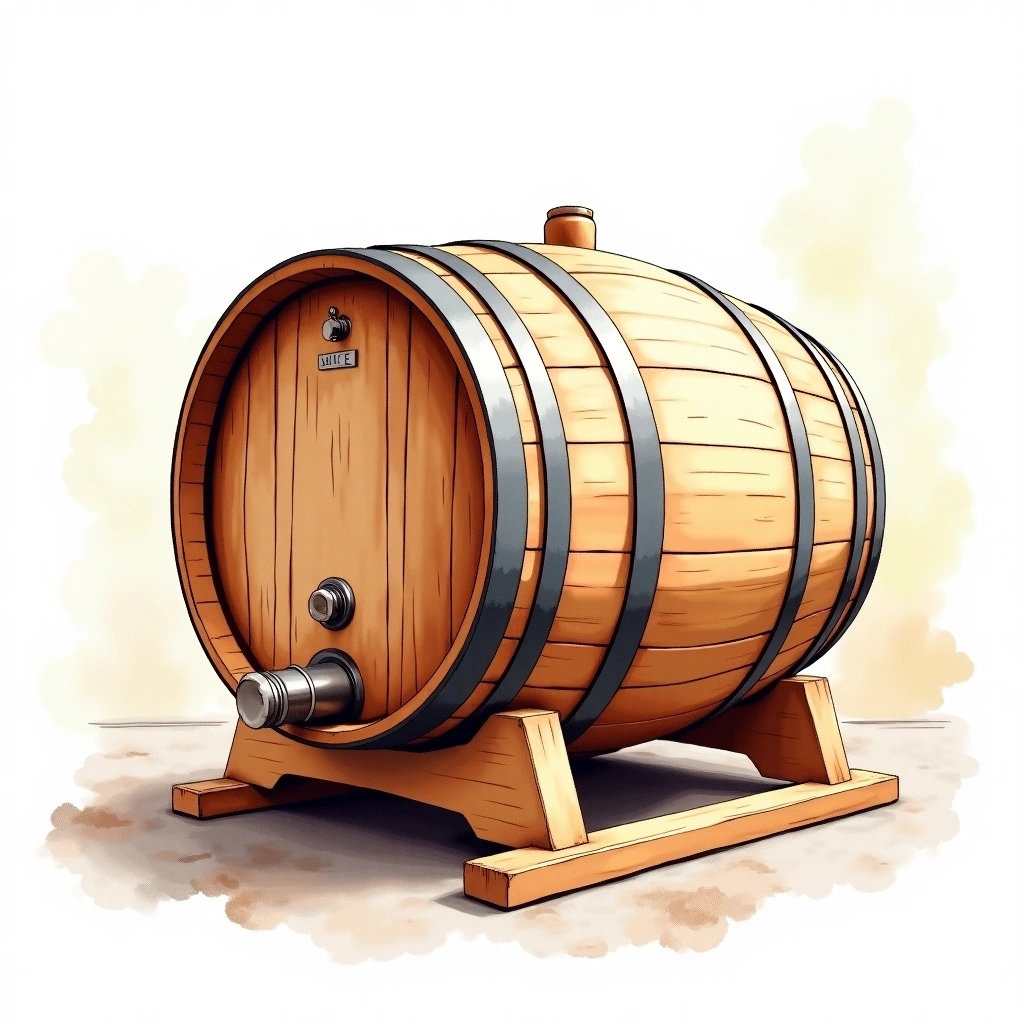
Large Format Barrel (Foudre/Botti)
Aging in large oak vessels (500L-10,000L+). Unlike small barriques, large barrels impart minimal oak flavor while allowing gentle oxygenation. Traditional …
Micro-Oxygenation
Controlled introduction of tiny oxygen bubbles through a porous ceramic into tank-aged wine. Mimics the slow oxygen exchange of barrel …
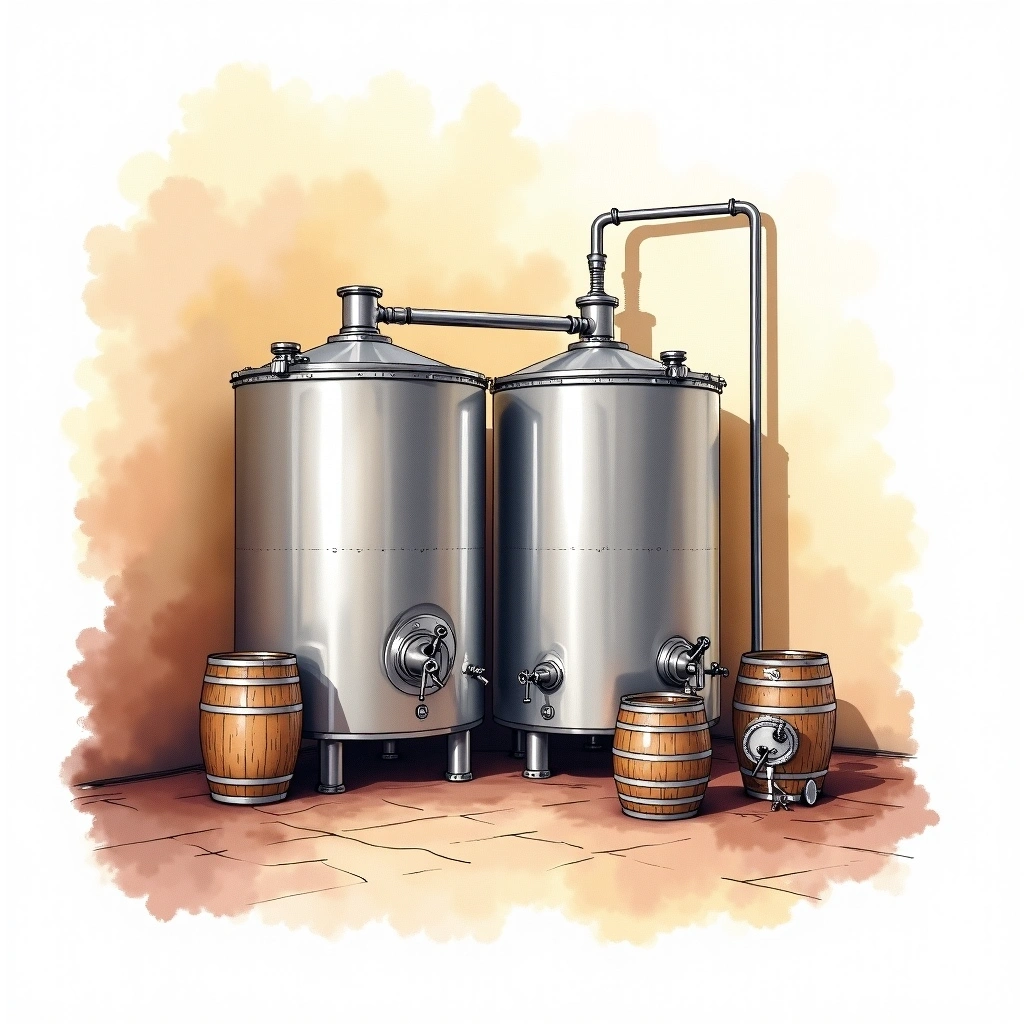
Stainless Steel Tank Aging
Inert vessels that preserve primary fruit character without adding flavor. Temperature-controlled stainless steel is ideal for aromatic whites (Riesling, Sauvignon …
Sur Lie Aging (Lees Contact)
Aging wine on its spent yeast cells (lees). As yeast cells break down (autolysis), they release mannoproteins and amino acids …
Centrifugation
High-speed spinning separates wine from solids based on density differences. Faster than settling or filtration, it processes large volumes quickly. …
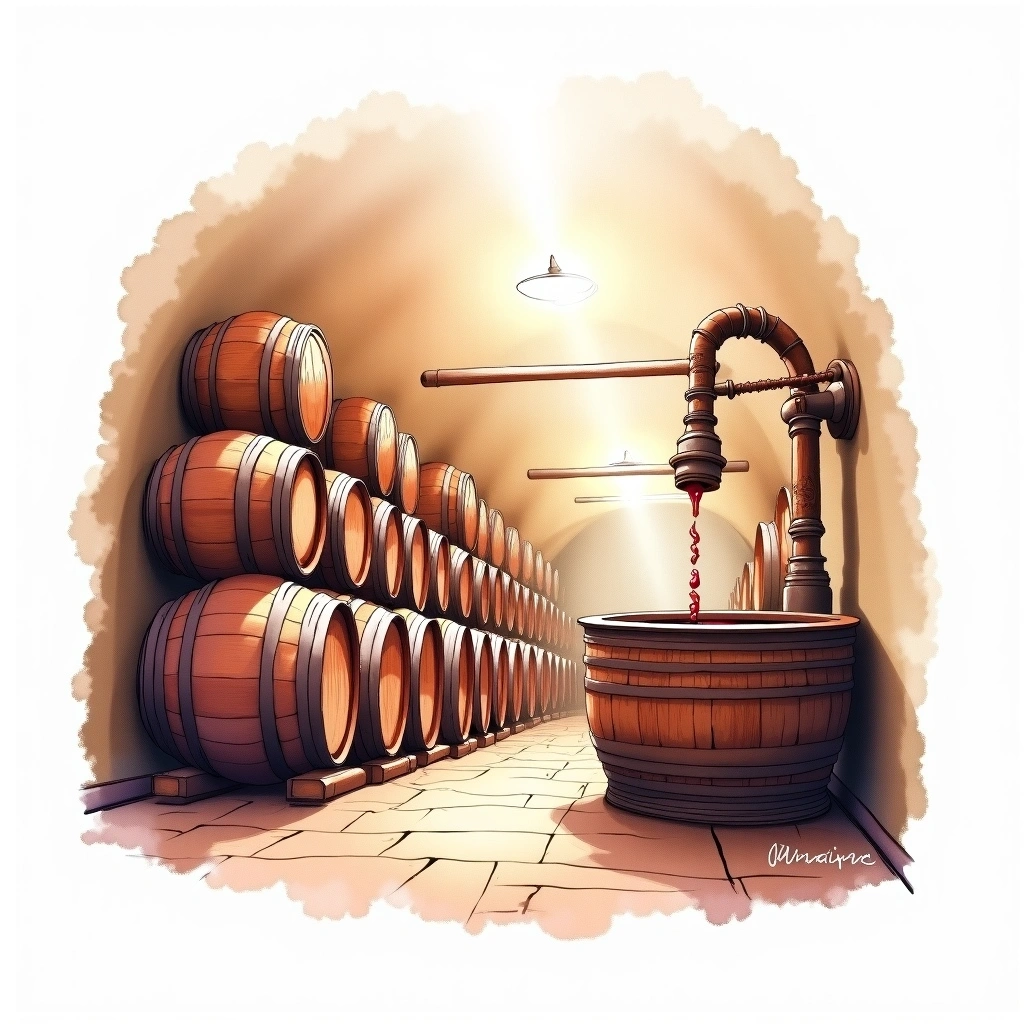
Cold Stabilization
Chilling wine to near-freezing (-4°C) for 1-2 weeks to precipitate tartrate crystals. Without this, harmless but alarming-looking crystals can form …
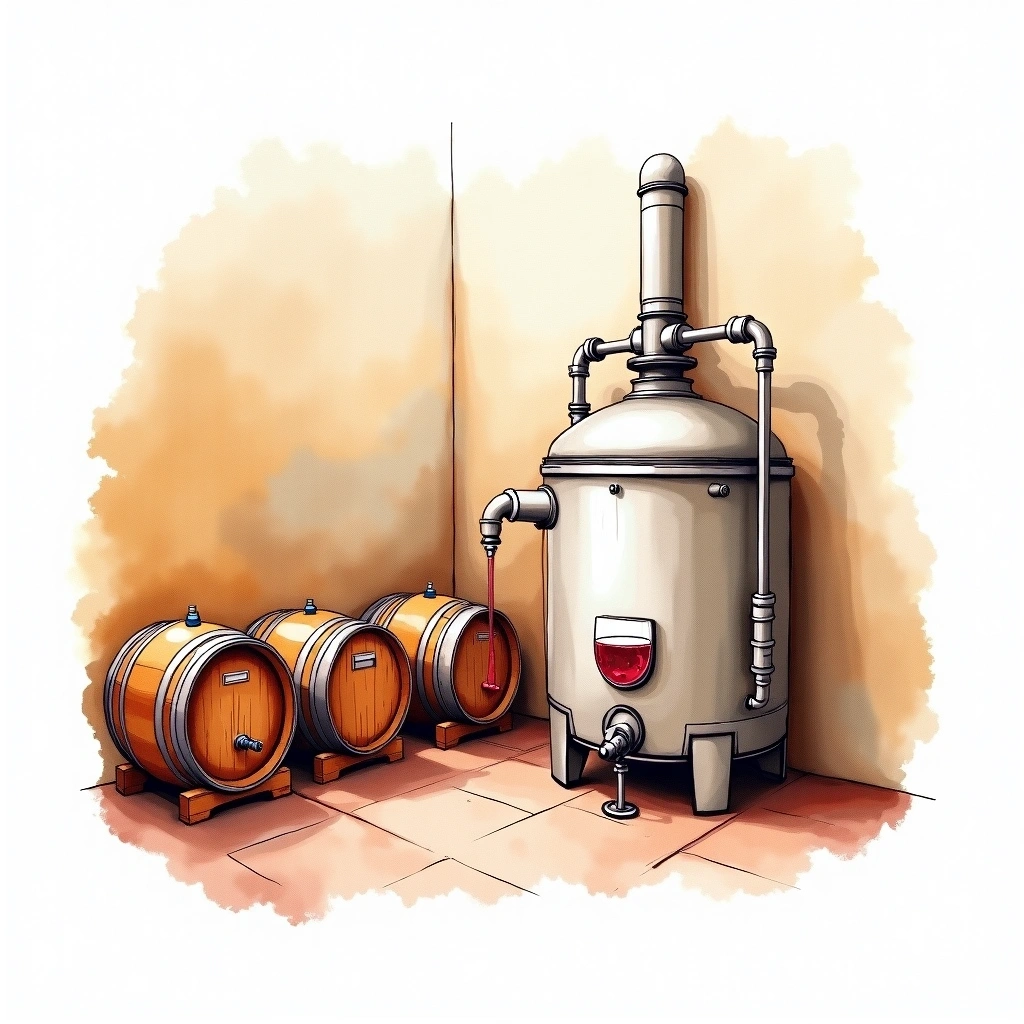
Cross-Flow Filtration
Wine flows parallel to the filter membrane rather than through it, reducing clogging and preserving more wine character than conventional …
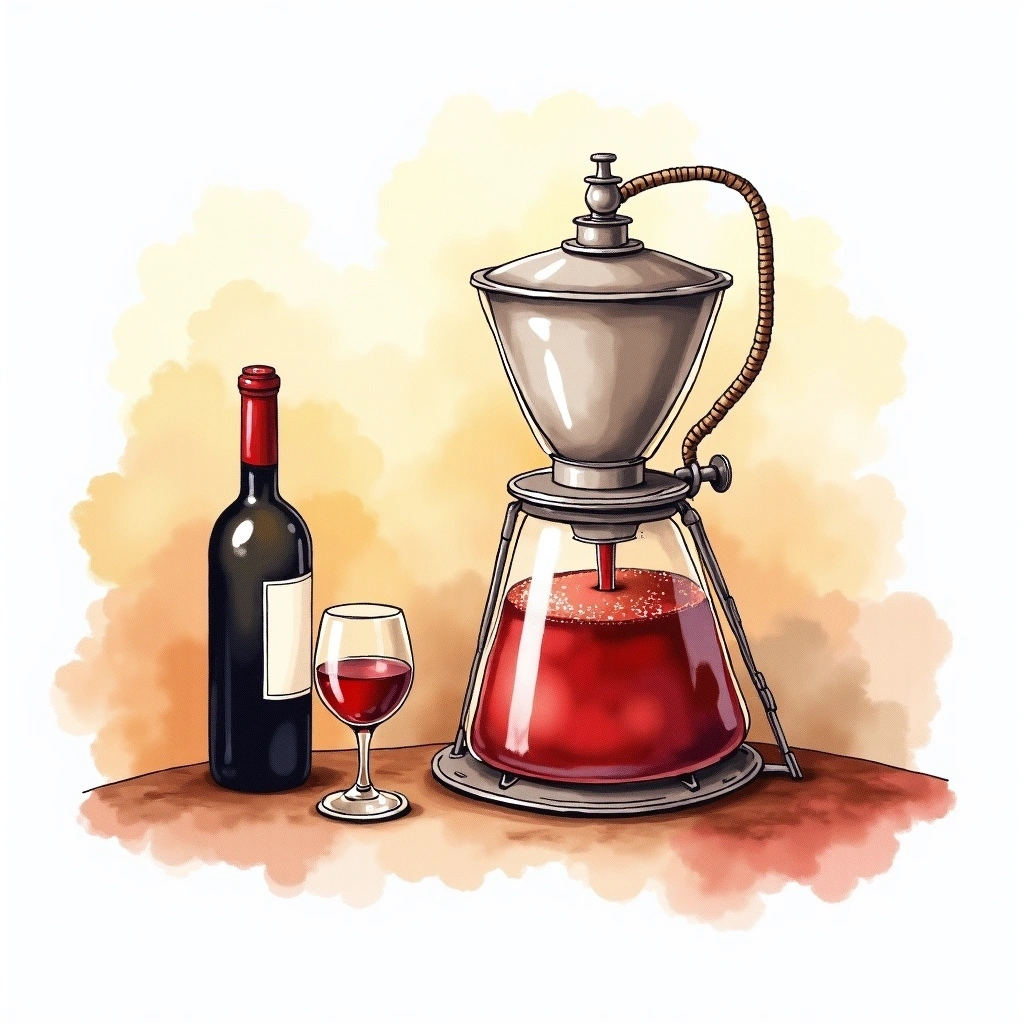
Filtration
Physical removal of particles by passing wine through a filter. Ranges from coarse pad filtration to tight sterile filtration (0.45 …
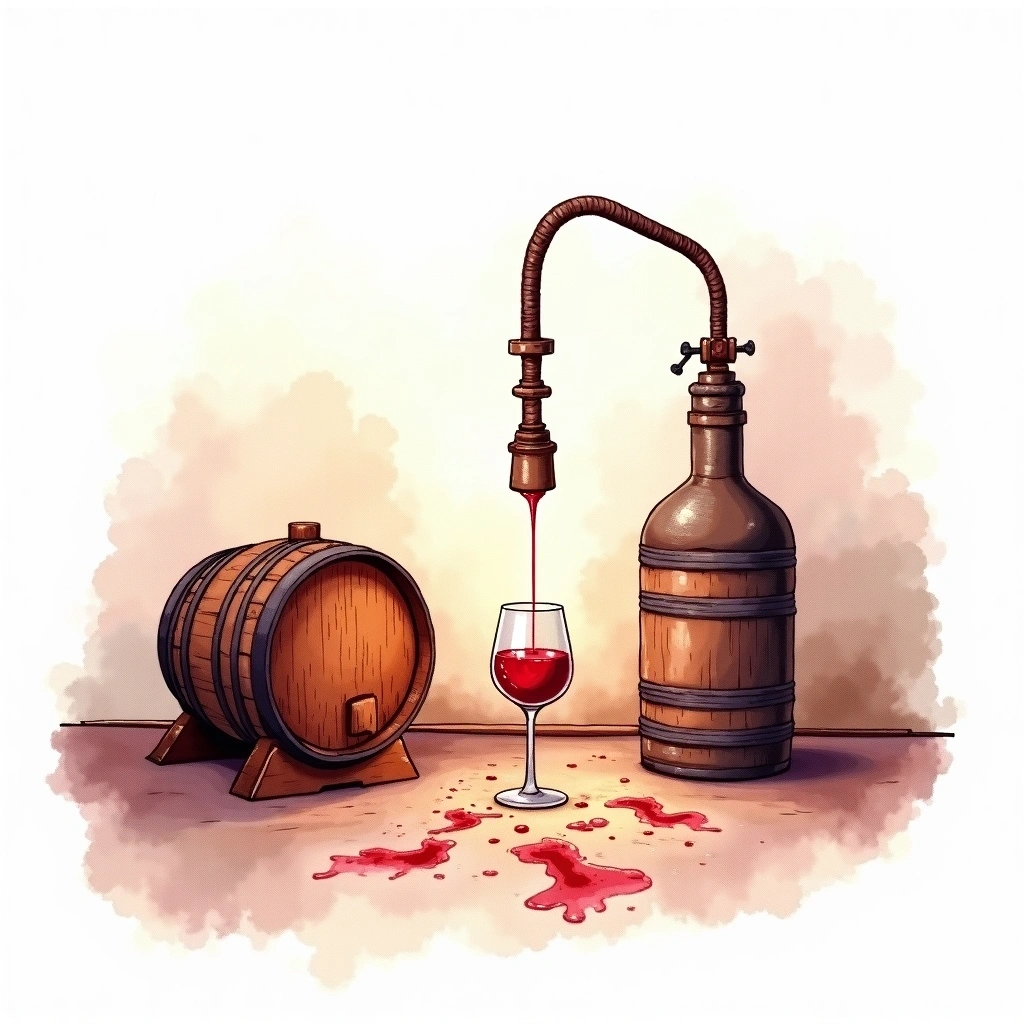
Fining
Adding a substance that bonds with unwanted particles (proteins, tannins, color compounds) and settles out. Traditional agents include egg white …
Racking
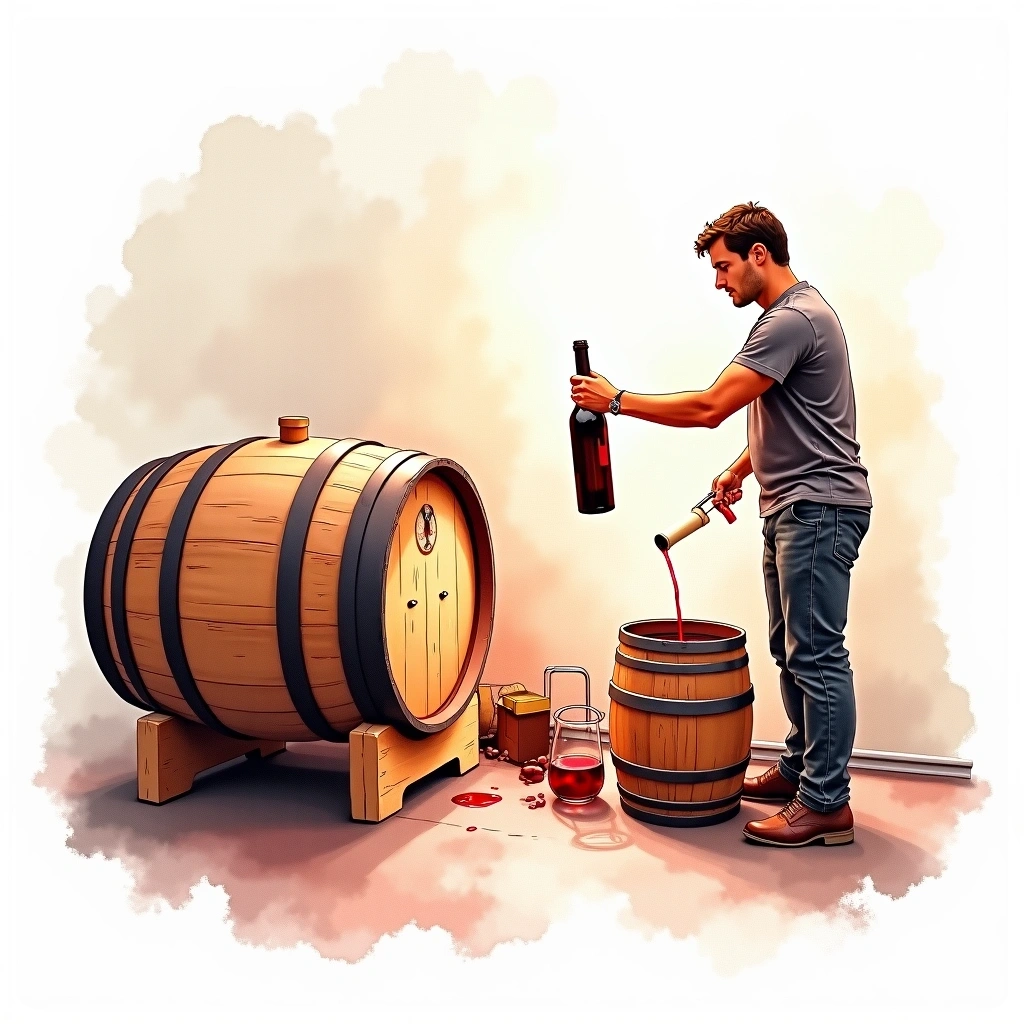
Transferring wine from one vessel to another, leaving sediment (lees) behind. The simplest and oldest clarification method. Each racking aerates …
Settling (Débourbage)
Allowing freshly pressed juice to sit for 12-48 hours so solids settle by gravity before fermentation begins. Critical for white …
Alcoholic Fermentation
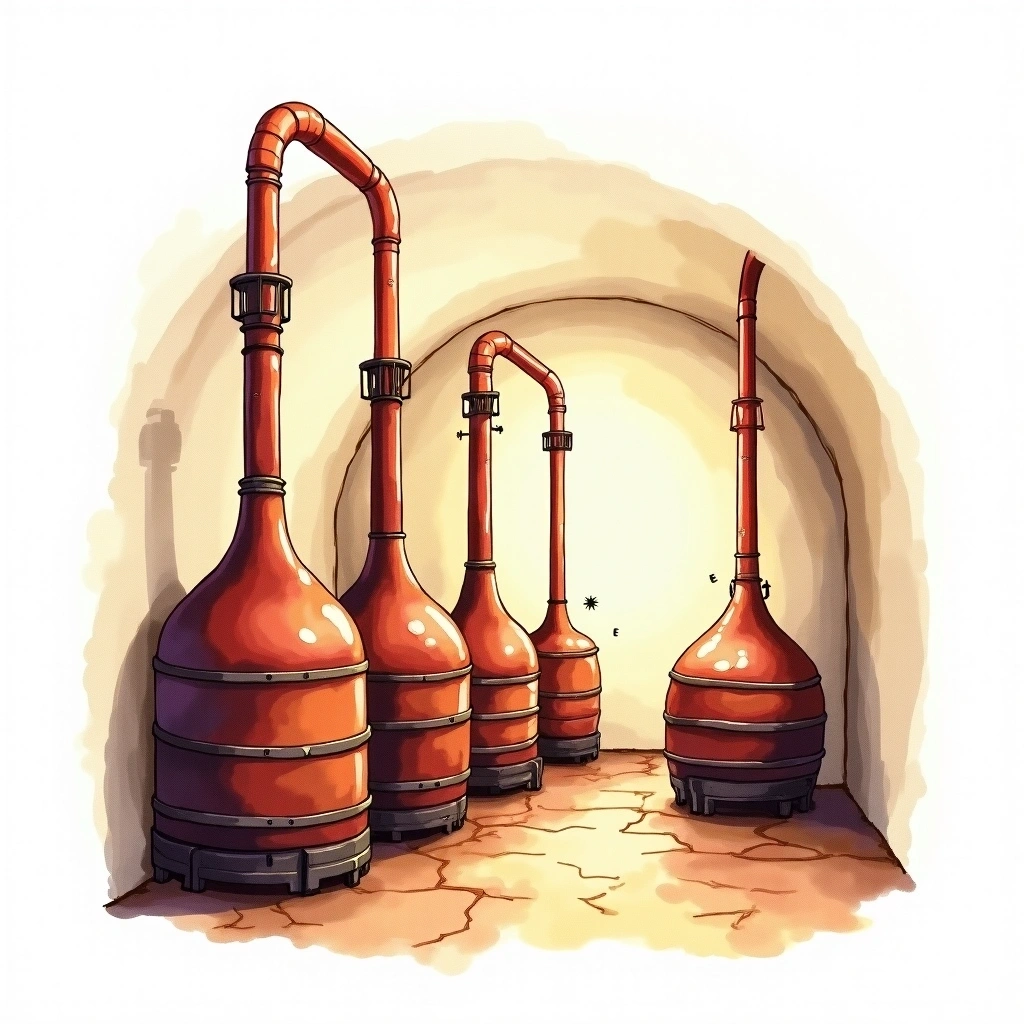
The fundamental process of winemaking: yeast converts grape sugars (glucose and fructose) into ethanol and carbon dioxide. Temperature control is …
Carbonic Maceration
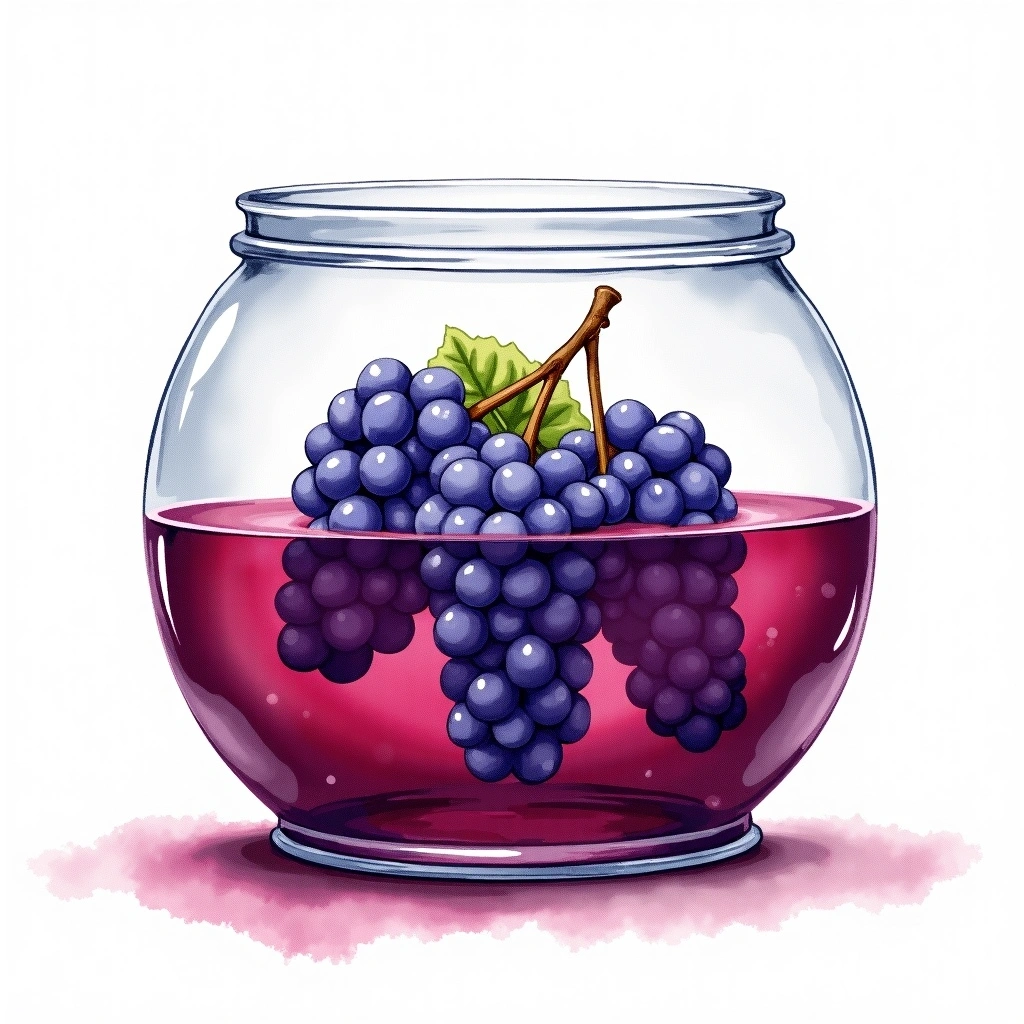
Whole, uncrushed grape clusters are placed in a sealed tank filled with CO2. Intracellular fermentation occurs inside each berry without …
Chapitalization
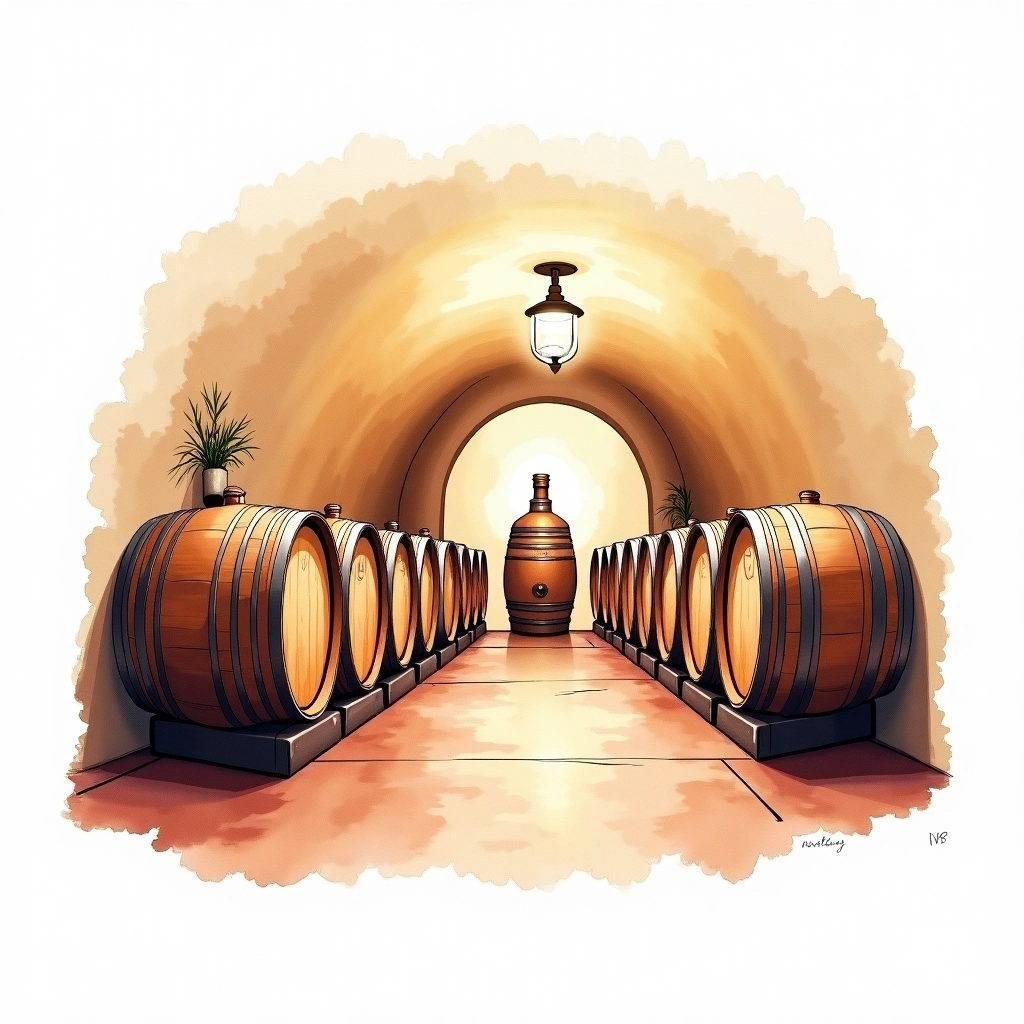
Adding sugar to grape must before fermentation to increase potential alcohol. Legal in cooler regions (Burgundy, Champagne, Germany) where grapes …
Co-Fermentation
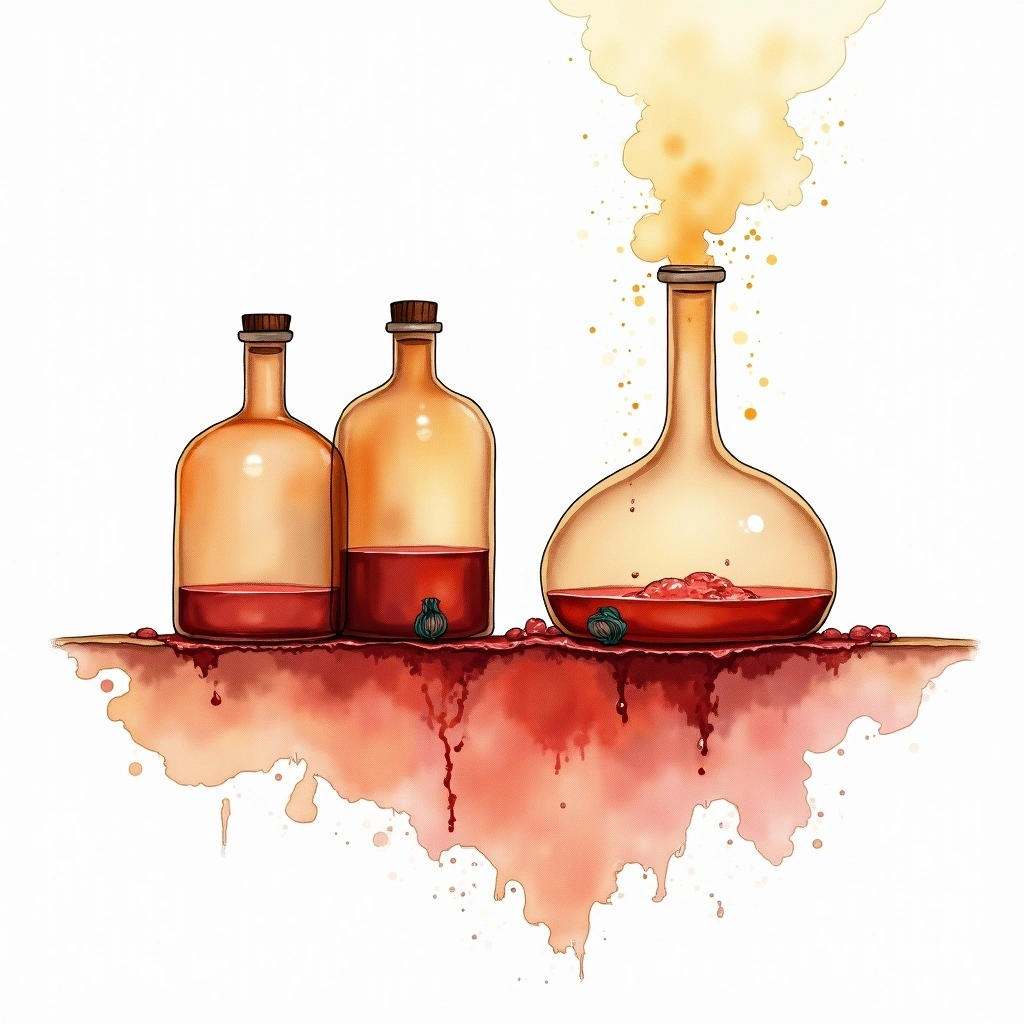
Fermenting two or more grape varieties together in the same vessel. Different from blending after fermentation, co-fermentation integrates flavors more …
Cold Soak (Pre-Fermentation Maceration)
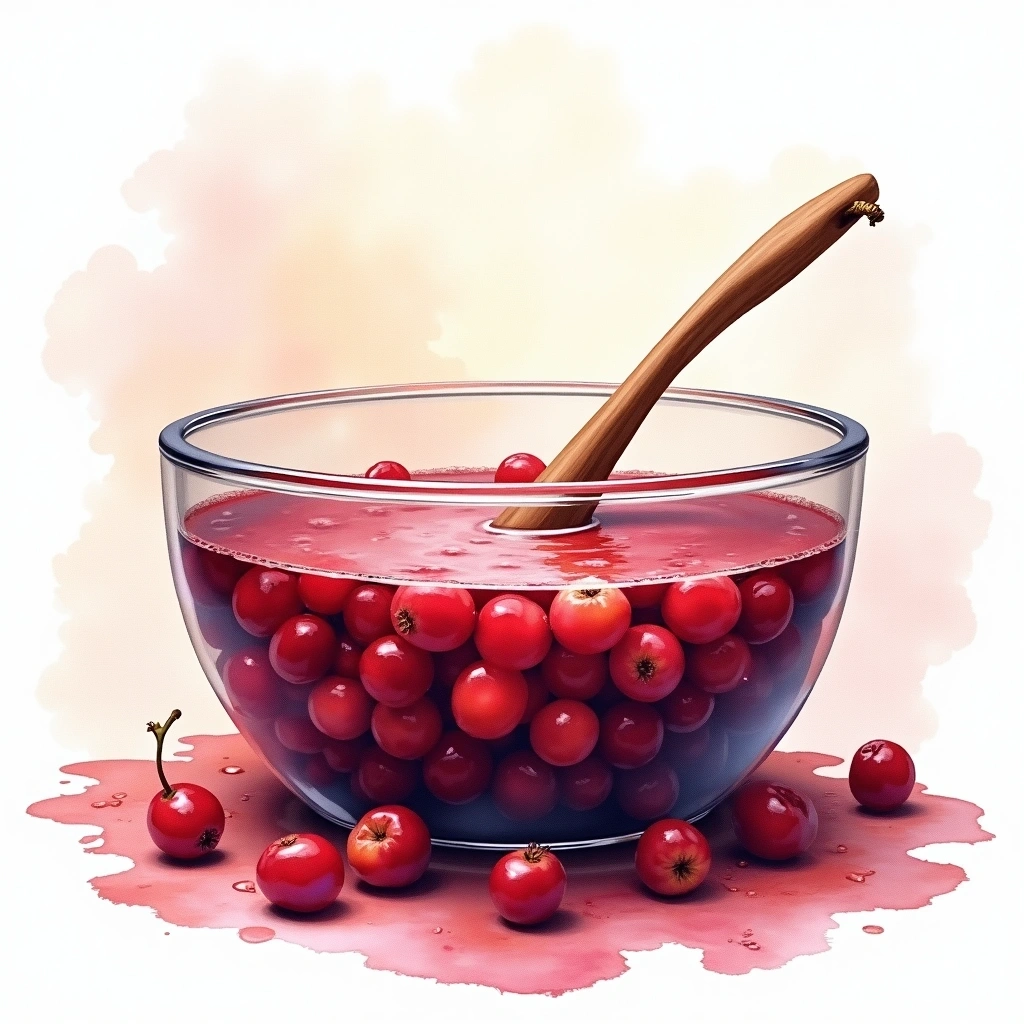
Crushed grapes are held at low temperature (5-10°C) for 2-5 days before fermentation begins. This extracts color, fruit flavors, and …
Extended Maceration
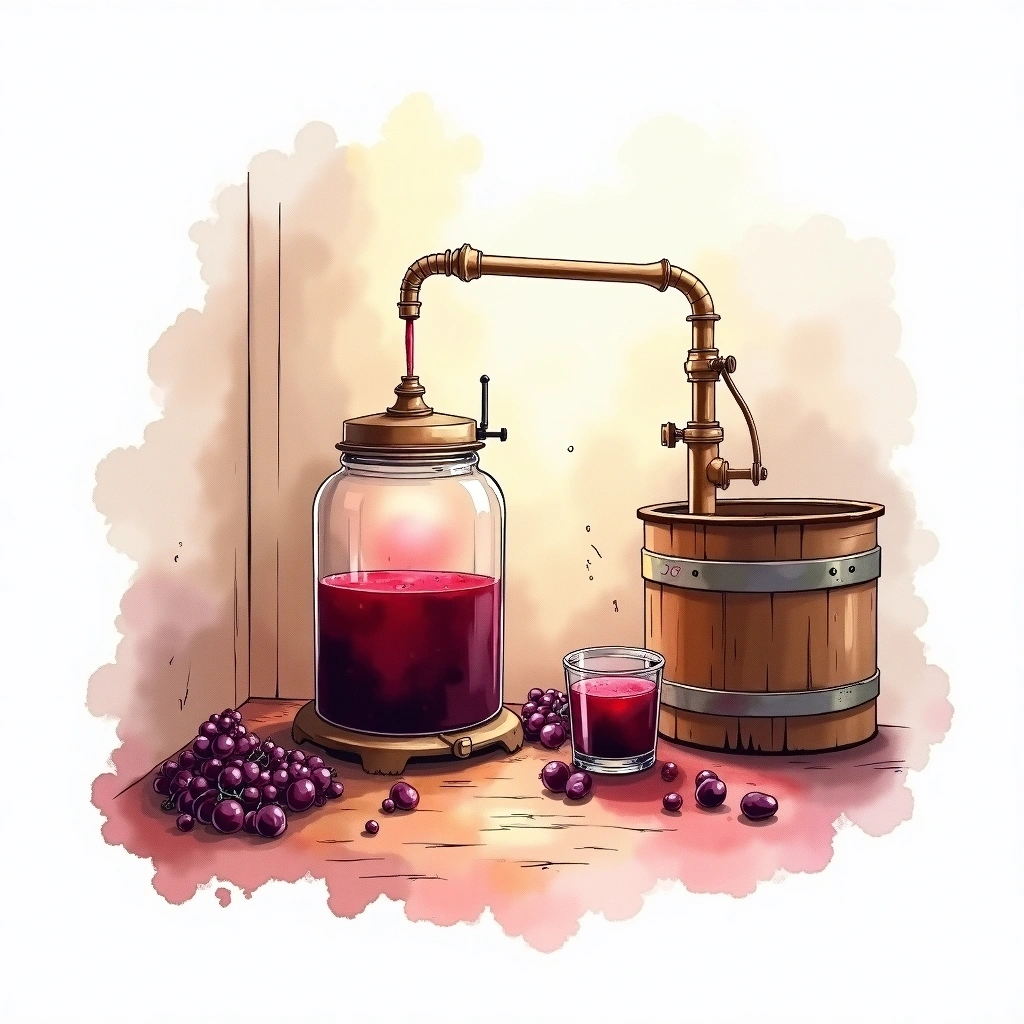
Leaving wine in contact with skins and seeds for weeks or months after fermentation completes. This extracts additional tannin, color, …
Malolactic Fermentation
A secondary bacterial conversion (not true fermentation) where Oenococcus oeni bacteria convert sharp malic acid into softer lactic acid. This …
Pied de Cuve
A small starter batch of fermenting juice used to inoculate larger volumes. An alternative to commercial yeast, it cultivates wild …
Semi-Carbonic Maceration
A hybrid approach where grapes at the bottom of the tank are crushed by the weight above, beginning conventional fermentation, …
Skin-Contact White (Orange Wine)
White grapes fermented with their skins, like red wine. This ancient technique (originating in Georgia's qvevri) produces amber-colored wines with …
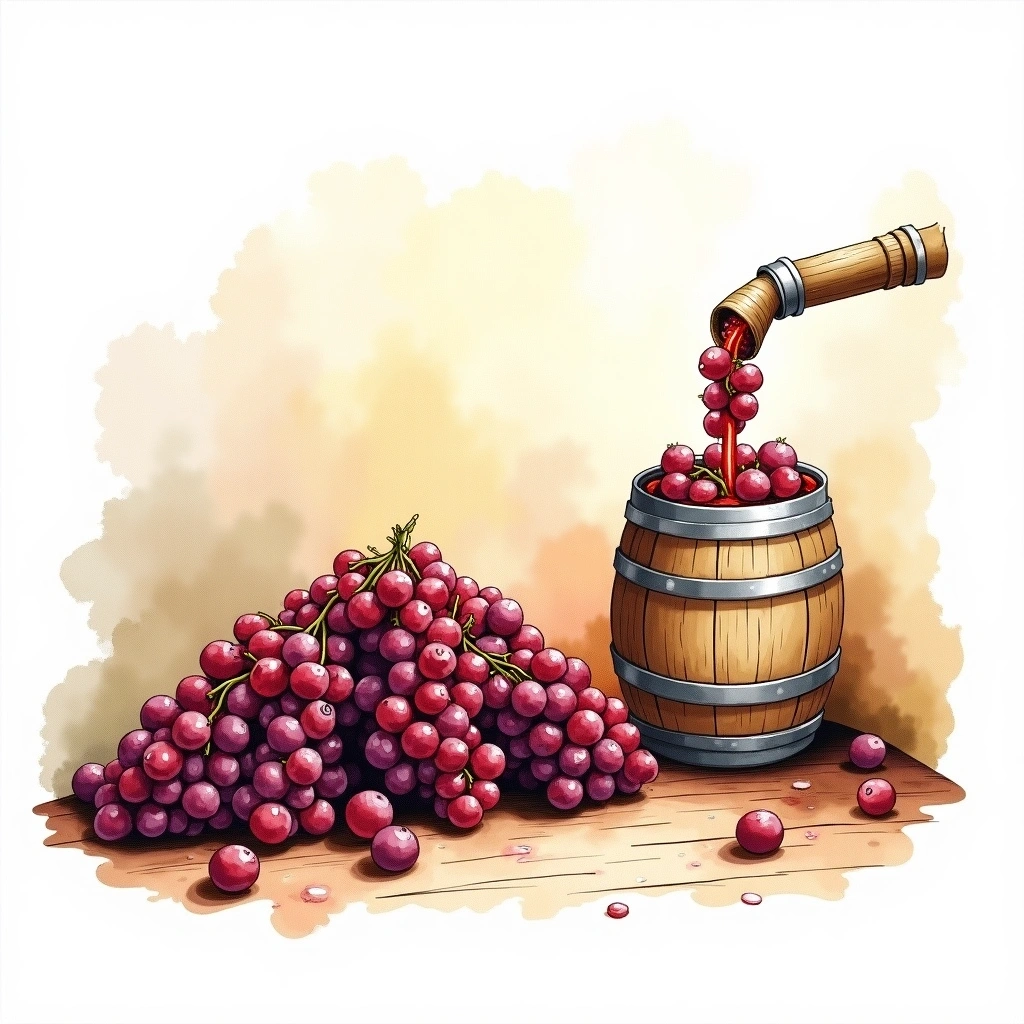
Whole Cluster Fermentation
Including grape stems (rachis) during fermentation adds herbal, spicy character and structural tannins. Popularized by Burgundy producers like Domaine de …
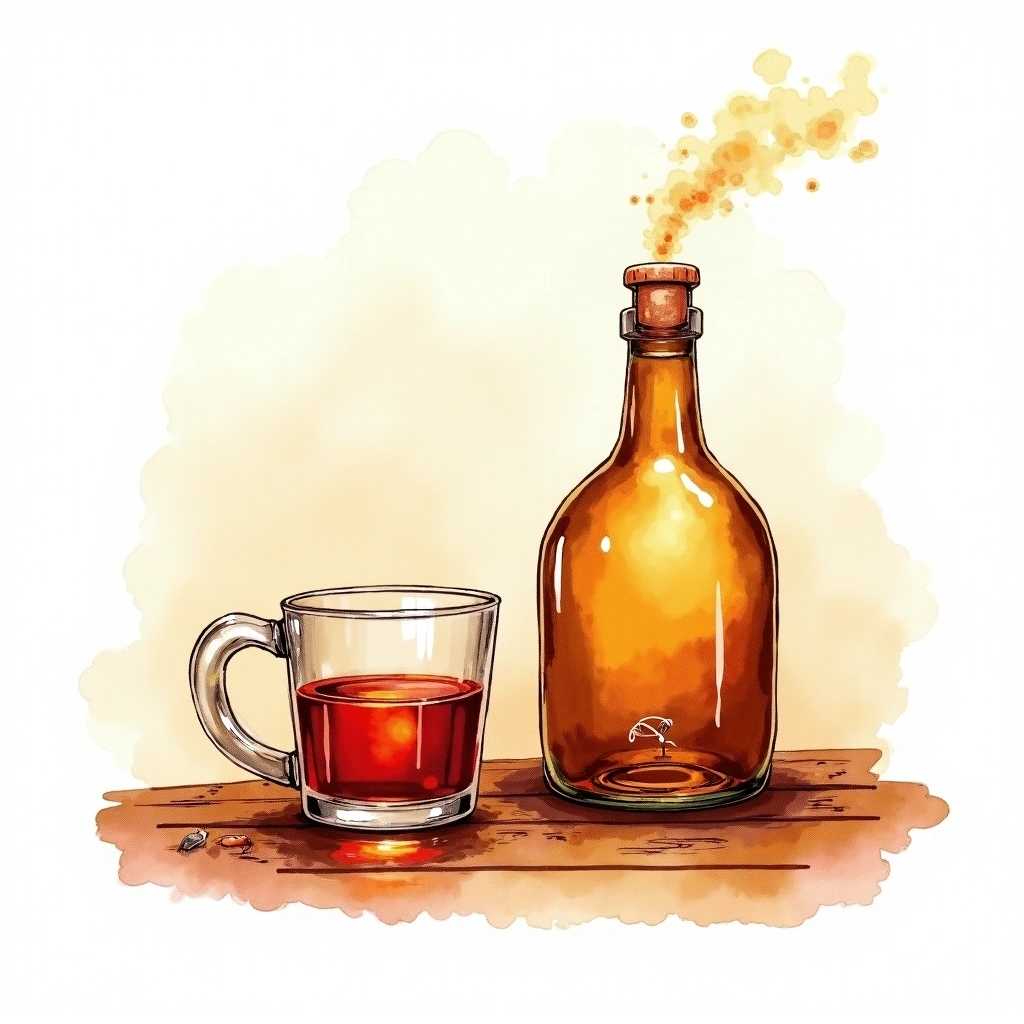
Wild Yeast Fermentation
Also called native, indigenous, or spontaneous fermentation. Uses naturally occurring yeasts from the vineyard and winery rather than commercial strains. …
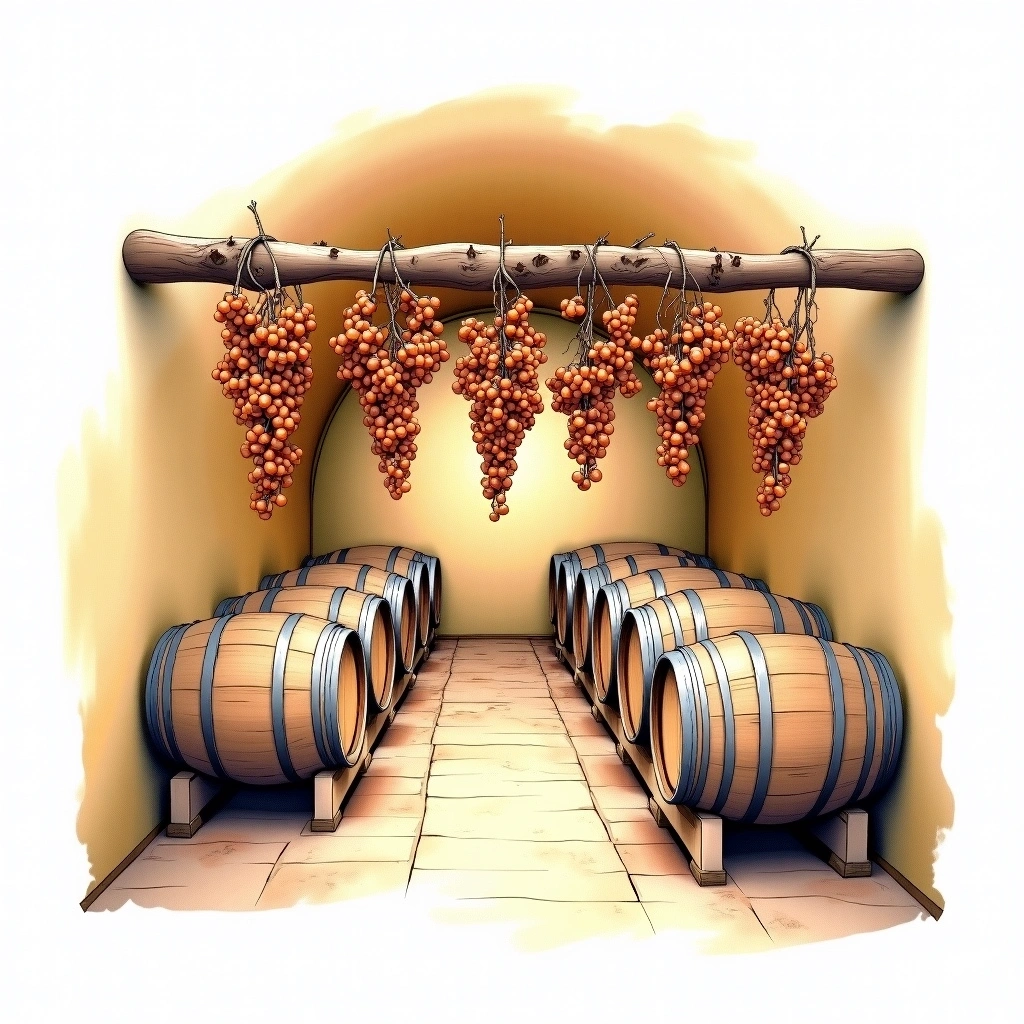
Appassimento (Grape Drying)
Drying harvested grapes on straw mats or in drying lofts for weeks to months, concentrating sugars, acids, and flavors. The …
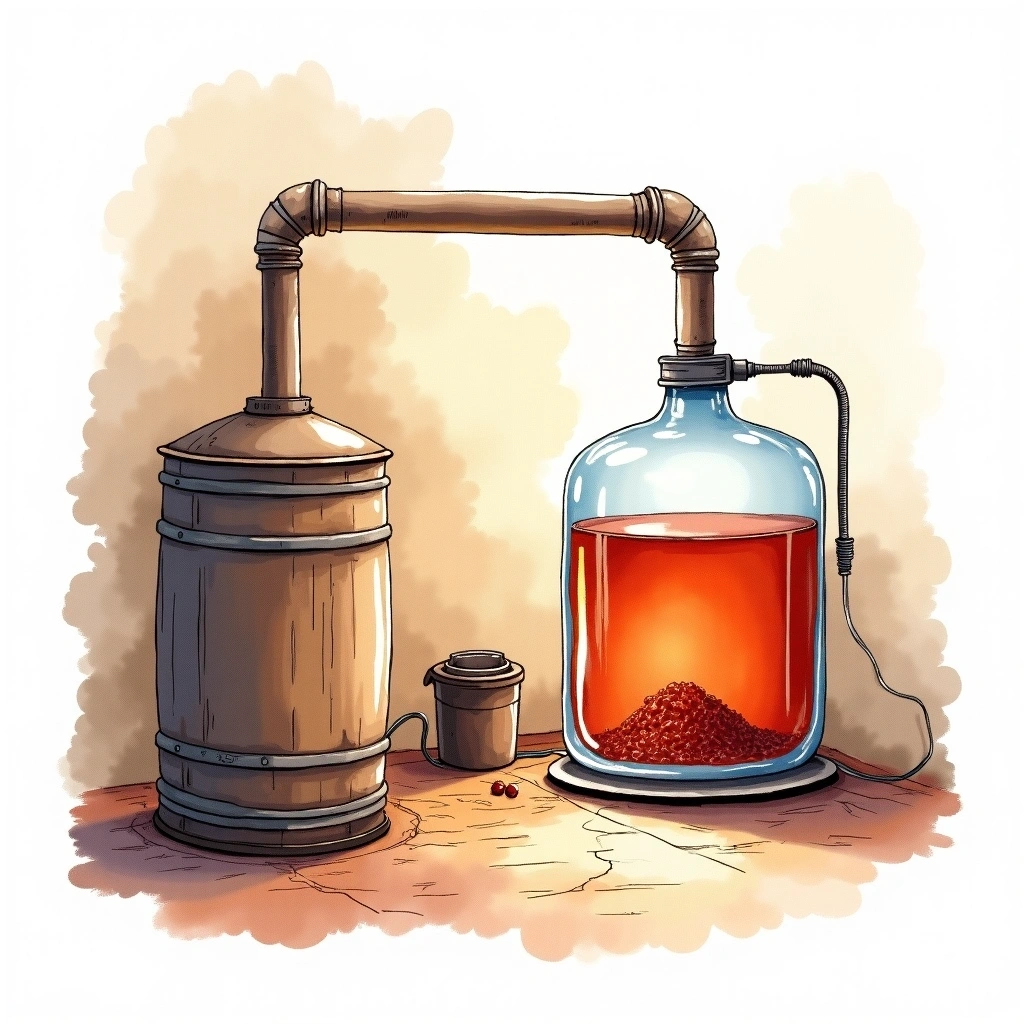
Cryoextraction
Artificially freezing grapes in a cold room to simulate ice wine conditions when natural freezing doesn't occur. Frozen grapes are …
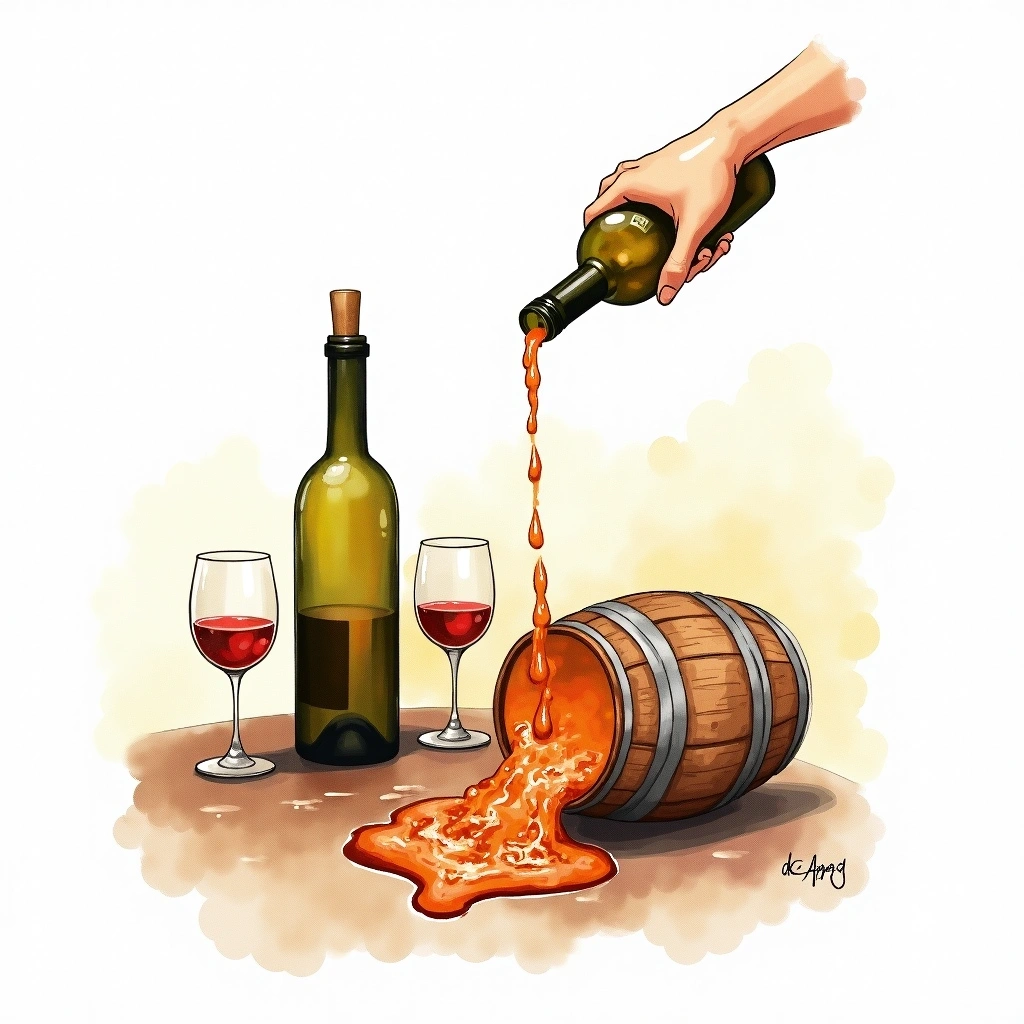
Disgorgement (Dégorgement)
Removing collected yeast sediment from sparkling wine after riddling. The neck is frozen in brine, the cap is removed, and …
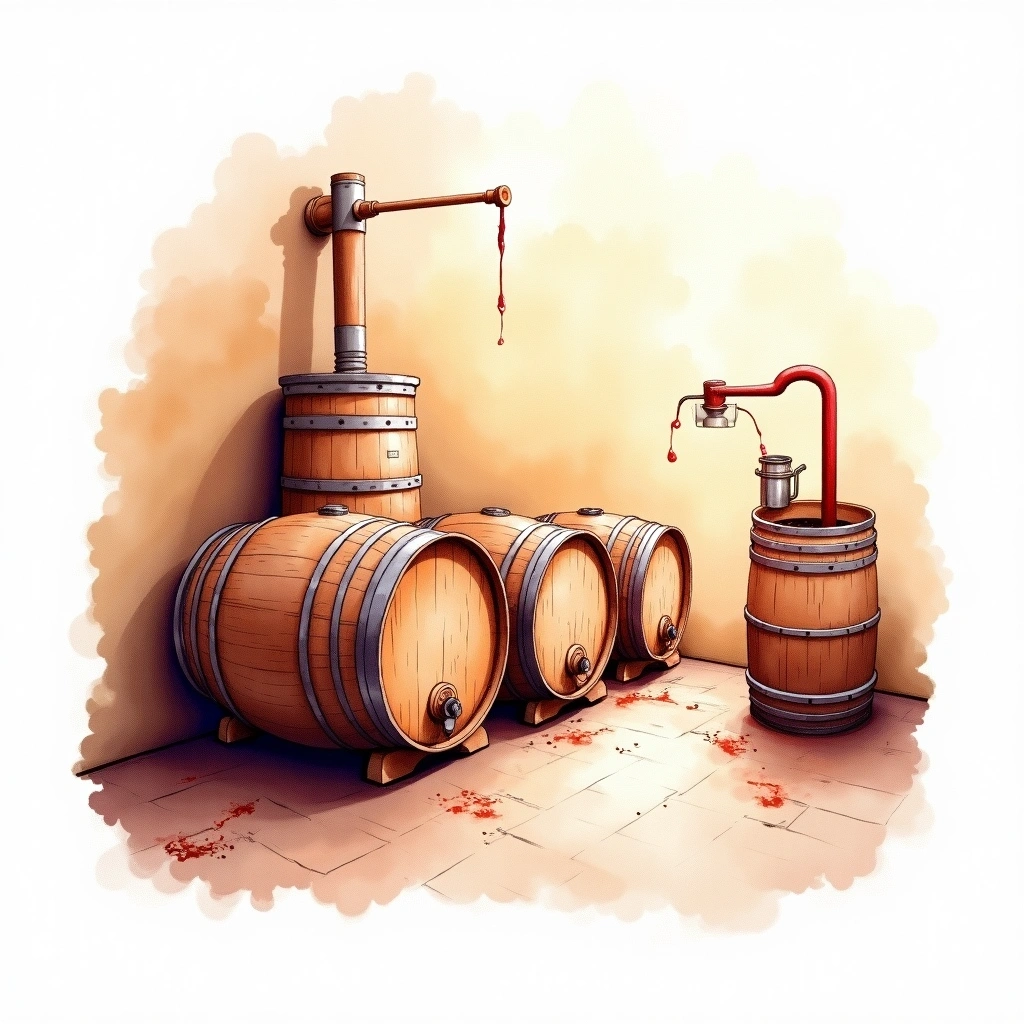
Dosage
Adding a mixture of wine and sugar (liqueur d'expédition) after disgorgement to determine the final sweetness of sparkling wine. Brut …
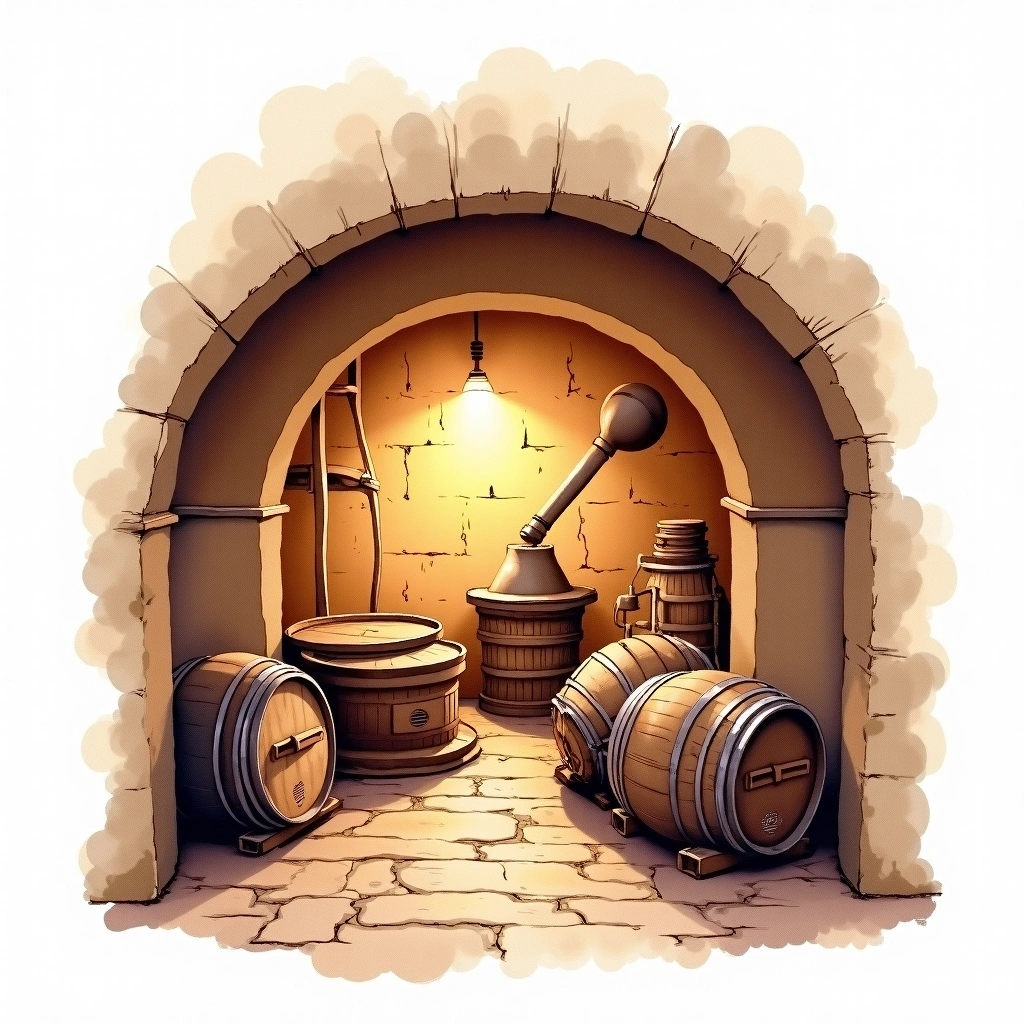
Estufagem (Madeira Heating)
Deliberately heating Madeira wine in large tanks (estufas) at 45-50°C for 3+ months, or naturally in warm attics (canteiro) for …
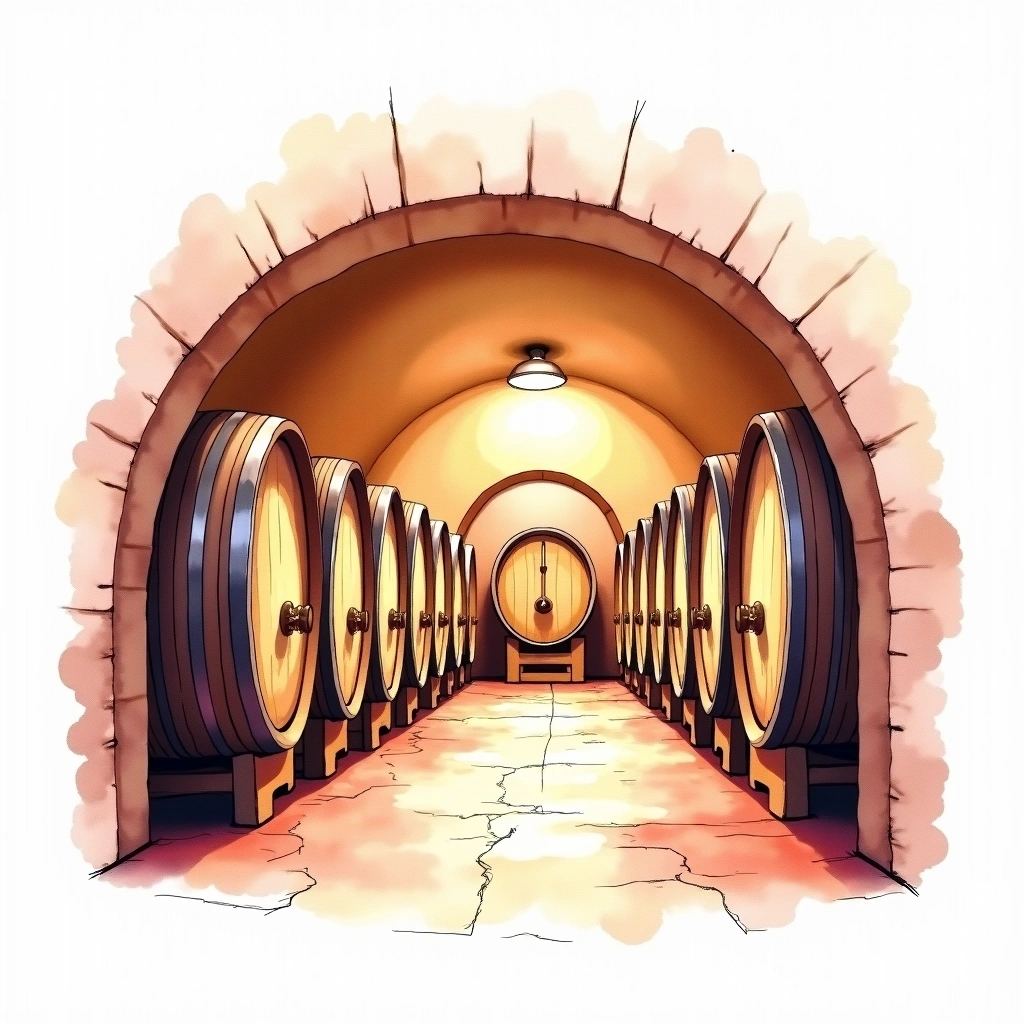
Flor Aging
Biological aging under a film of Saccharomyces yeast (flor) that forms on the surface of Fino and Manzanilla Sherry. The …
Mutage (Fortification)
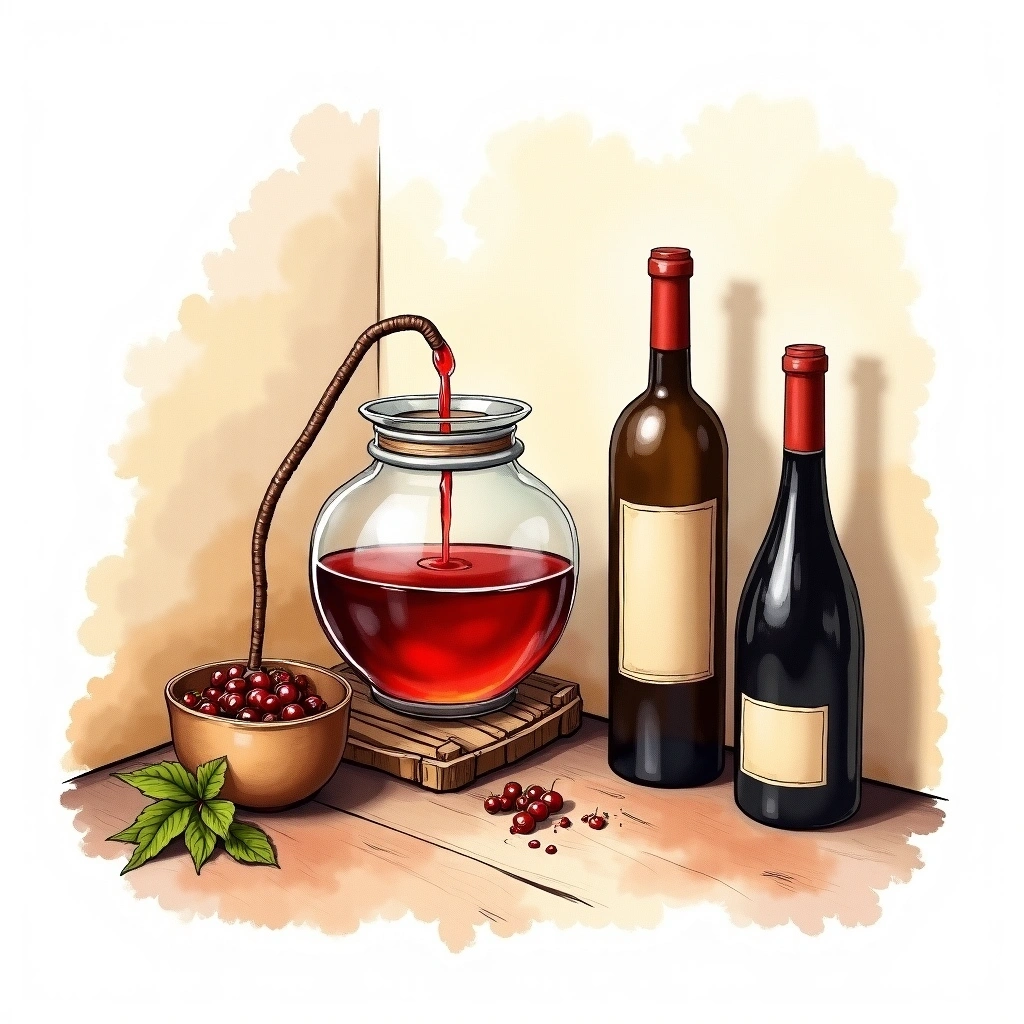
Adding grape spirit to fermenting wine to stop fermentation and preserve residual sugar. The timing determines sweetness — early addition …
Riddling (Remuage)
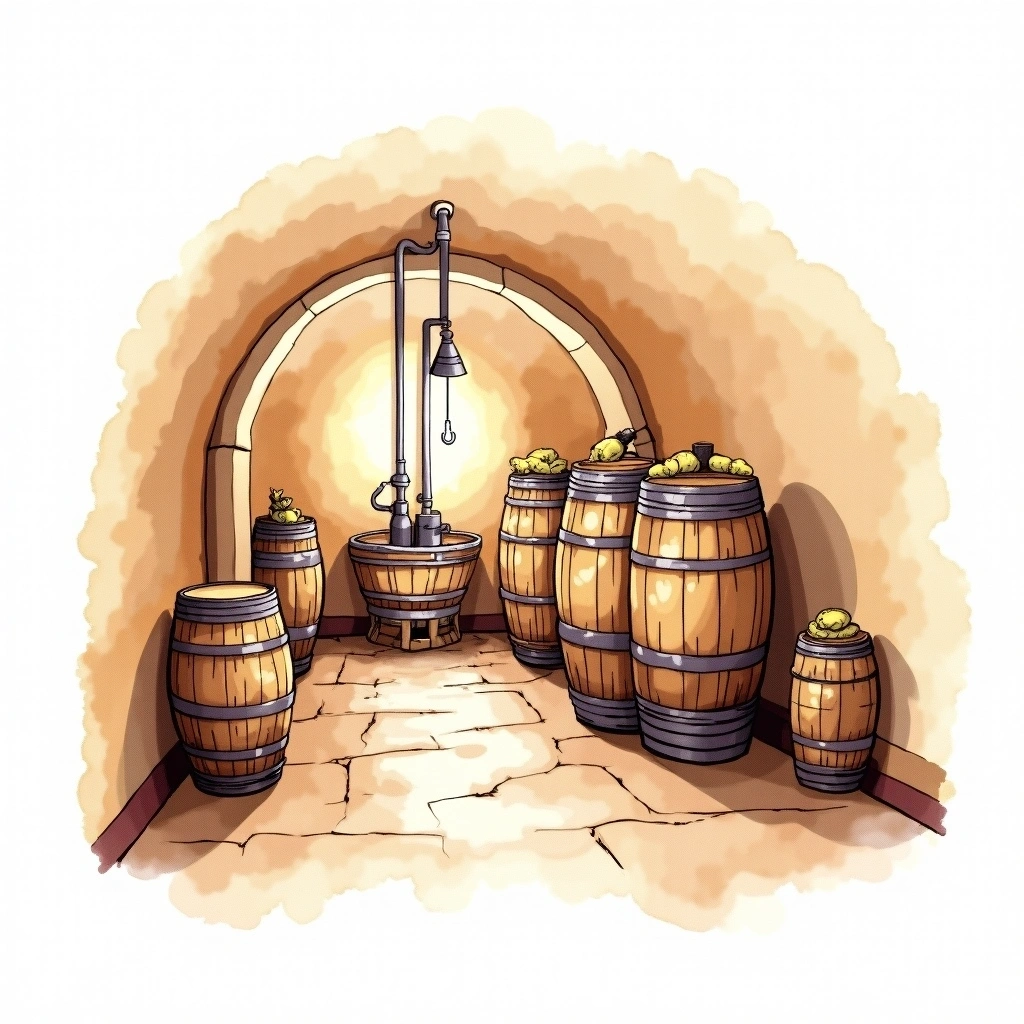
Gradually rotating and tilting sparkling wine bottles to collect yeast sediment in the neck for removal (disgorgement). Traditionally done by …
Saignée (Bleeding)
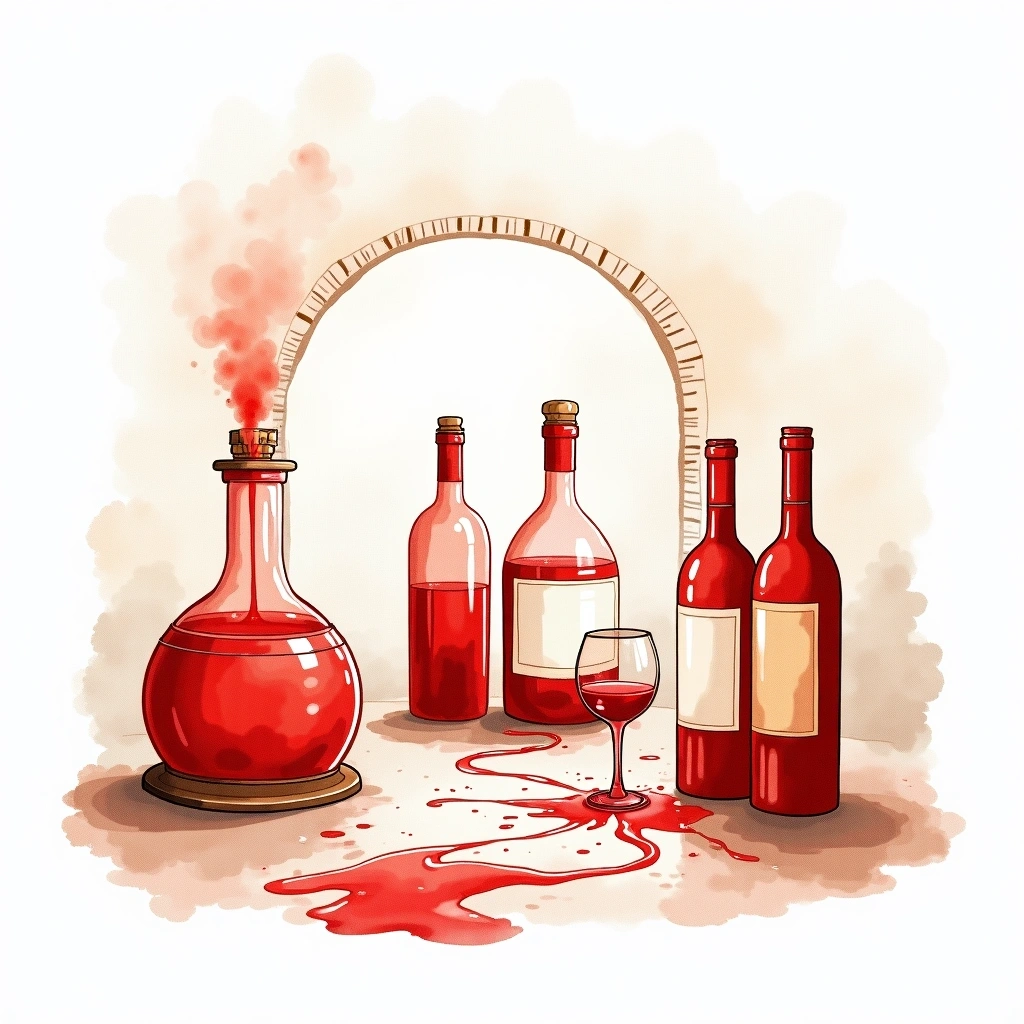
Drawing off a portion of juice from red grape must early in maceration to produce rosé, while concentrating the remaining …
Solera System
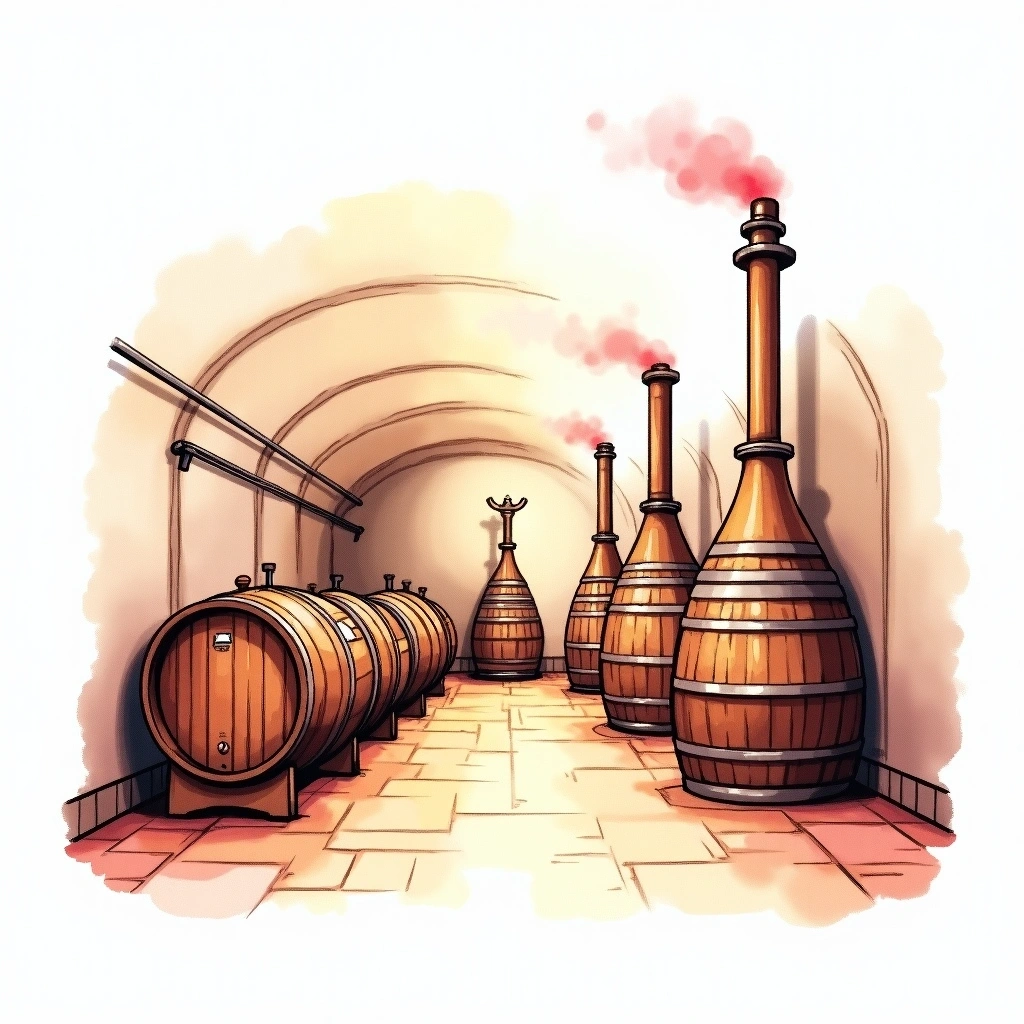
Fractional blending system used for Sherry, where wine is aged through a series of barrels (criaderas) of increasing age. Wine …