Alsace: France's Germanic Wine Frontier
Alsace occupies a unique cultural and viticultural crossroads in northeastern France, producing some of the world's most distinctive aromatic white wines from Germanic grape varieties under unmistakably French appellations.
Alsace: France's Germanic Wine Frontier
Tucked between the Vosges mountains to the west and the Rhine River to the east, Alsace occupies one of the most historically contested strips of land in Europe. This narrow corridor of northeastern France has passed between French and German sovereignty multiple times since the seventeenth century, and nowhere is that dual heritage more evident than in the wine glass. Alsace produces white wines in a style that is uniquely its own — Riesling, Gewürztraminer, and Muscat grown under French Appellation law but fermented and bottled with an attention to varietal purity more often associated with the Rhine and Mosel valleys across the border.
Geography and the Gift of the Vosges
The Vosges mountains are Alsace's greatest viticultural asset. The rounded summits of this ancient granite massif intercept the moisture-laden Atlantic weather systems that sweep across France, creating a pronounced rain shadow along the eastern foothills. Colmar, the unofficial wine capital of Alsace, is one of the driest cities in all of France, receiving less rainfall annually than cities further south in Provence. This shelter produces long, warm, dry growing seasons with dramatic Diurnal Range — hot summer afternoons that build ripeness and sugar accumulation, followed by cool nights that preserve the vivid aromatic complexity the region is famous for.
The vineyards themselves climb the Vosges foothills in a continuous ribbon stretching roughly 170 kilometers from Marlenheim in the north to Thann in the south. Elevation plays a crucial role: the best sites sit between 200 and 400 meters above sea level, high enough to benefit from cool air drainage and extended hang time, yet sheltered enough from the worst autumn frosts.
The Terroir of Alsace is staggeringly diverse for such a small region. The underlying geology encompasses at least thirteen distinct soil types, from granite and sandstone in the southern Haut-Rhin to limestone, clay, and volcanic soils in the northern Bas-Rhin. This geological patchwork explains why Alsatian Riesling from a granite Grand Cru like Rangen tastes profoundly different from one grown on the limestone of Brand or the volcanic soils of Schlossberg.
The Appellation Structure
Alsace operates under three main AOC tiers. The broad regional Appellation covers wines made from approved varieties grown across the entire production zone. Above this sits Alsace Grand Cru, a designation covering fifty-one classified vineyard sites that have received official recognition for their exceptional quality. These Grand Cru sites may produce only single-variety wines from four noble grapes: Riesling, Gewürztraminer, Muscat, and Pinot Gris (Pinot Grigio in its Alsatian incarnation, though locals rarely use that term). At the apex sits Crémant d'Alsace, the region's excellent traditional-method sparkling wine.
The Grand Cru system has been both celebrated and criticized. Proponents argue it correctly identifies the finest vineyard sites and rewards growers who manage lower Yield for greater concentration and complexity. Critics note that the boundaries were drawn partly through political negotiation rather than purely on geological merit, and that some Grands Crus are far more consistent than others.
Beyond the official classification, many producers use the concept of Lieu-dit — named single plots below Grand Cru status — to communicate vineyard identity on labels. This reflects the Burgundian influence on Alsatian winemaking thinking, even if the grapes and styles are entirely different.
The Noble Grapes
Riesling is the grape Alsace's finest producers consider their ultimate benchmark. Alsatian Riesling differs from its German counterpart in one crucial way: it is almost always fermented completely dry. Where German Fermentation often stops before all sugars are consumed, Alsatian Riesling typically goes to full dryness, allowing the grape's mineral core and citrus-driven acidity to shine without residual sweetness as a counterbalance. Great examples from Grands Crus like Schlossberg, Geisberg, or Osterberg age magnificently for decades, developing complex notes of petrol, white flowers, orchard fruit, and saline minerality.
Gewürztraminer is the variety most visitors associate with Alsace, and for good reason. This intensely aromatic grape — the name means "spice Traminer" — delivers wines of extraordinary perfume, layering lychee, rose petal, ginger, and exotic spice over a full-bodied, often off-dry palate. The best Gewurztraminer Grands Crus, from sites like Hengst or Altenberg de Bergheim, achieve a remarkable balance between lush exuberance and structural seriousness. The grape's naturally low acidity means winemakers must work carefully during Fermentation to preserve freshness.
Muscat in Alsace is principally Muscat Blanc à Petits Grains and Muscat Ottonel. Unlike the sweet Muscat wines found throughout the Mediterranean, Alsatian Muscat is typically made dry, with wines that smell extravagantly of fresh grapes and orange blossom but finish clean and food-friendly. It is perhaps Alsace's most immediately appealing variety for newcomers.
Pinot Gris (Pinot Grigio) occupies a middle ground between the aromatic exuberance of Gewurztraminer and the mineral precision of Riesling. In Alsace it produces wines of considerable weight and richness, often with a smoky, honeyed character quite unlike the lean, neutral styles made in northeastern Italy under the Pinot Grigio label.
Sylvaner and Auxerrois complete the white grape palette, producing more restrained, everyday-drinking wines that form the backbone of the regional appellation. Pinot Noir — the only permitted red variety — has grown significantly in importance as warming temperatures make it easier to achieve full phenolic ripeness.
Sweet Wine Categories
Alsace has two official designations for late-harvested wines. Vendange Tardive ("late harvest") wines must be made from the four noble grapes at elevated sugar levels, though they may be fermented to varying degrees of residual sweetness. Some are surprisingly dry and powerful; others are unctuous and sweet. Sélection de Grains Nobles represents the pinnacle of sweet Alsatian production — wines made from individually selected botrytis-affected grapes (Botrytized) at sugar levels comparable to German Trockenbeerenauslese. These are rare, expensive, and can age for fifty years or more.
Winemaking Traditions
Most quality Alsatian producers rely on large oval casks — the traditional Alsatian fuder or foudre — to ferment and age their wines. These old wood vessels impart minimal flavor of their own but allow gentle micro-oxygenation that softens and integrates the wines without dominating their varietal character. Many producers are moving away from new oak entirely, preferring stainless steel or concrete for fermentation to preserve freshness.
The question of residual sugar is Alsace's most contentious winemaking debate. Unlike most French appellations, Alsace has no legal definition of "dry" on the label. Many wines labeled simply with a grape variety name may contain significant residual sugar — a source of confusion for consumers expecting bone-dry wines. The Conseil Interprofessionnel des Vins d'Alsace has introduced voluntary labeling designations (from Extra Brut to Doux) to address this, but adoption remains inconsistent.
Organic Wine and Biodynamic viticulture have a long and distinguished history in Alsace. Domaine Zind-Humbrecht, one of the region's most celebrated estates, converted to biodynamic farming in the 1990s and has been a vocal advocate for the approach. The Alsatian climate — dry summers with good disease pressure protection — suits organic viticulture well.
Notable Producers
The roster of great Alsatian producers is long and distinguished. Domaine Weinbach produces benchmark Gewurztraminer and Riesling from their estate at the base of Schlossberg. Trimbach is the region's ambassador for austere, age-worthy Riesling, with their single-vineyard Clos Sainte Hune achieving near-mythological status among wine collectors. Zind-Humbrecht offers perhaps the region's widest range of terroir-specific expressions, with Grand Cru wines that showcase the diversity of Alsatian geology. Hugel & Fils, Alsace's best-known export house, has championed the Vendange Tardive and Sélection de Grains Nobles categories since the 1970s. Among younger producers, Julien Meyer and Pierre Frick represent the vanguard of natural and biodynamic winemaking.
Food Culture and Local Gastronomy
Alsatian cuisine is as hybridized as its wine culture. The region's most famous dish — choucroute garnie, a mountain of fermented cabbage braised with various pork preparations — pairs perfectly with the region's dry Rieslings, whose acidity cuts through richness while the mineral notes complement the fermented character of the cabbage. Flammekueche (tarte flambée), a thin-crust flatbread topped with crème fraîche, lardons, and onions, is the quintessential local bistro dish, best accompanied by a glass of Sylvaner or Pinot Blanc.
Gewurztraminer's role at the Alsatian table is more complex. The wine's aromatic intensity and low acidity make it challenging with delicate dishes but magnificent with Munster cheese — the region's funky, washed-rind specialty — and with Asian-inspired cuisine where fragrant spices echo the wine's exuberant aromatics.
The Alsace Wine Route
The Route des Vins d'Alsace is one of the world's great wine tourism corridors. The D35 road winds through a succession of medieval villages — Obernai, Ribeauvillé, Riquewihr, Kaysersberg, Eguisheim — each more postcard-perfect than the last, their half-timbered houses and flower-bedecked windowsills seemingly unchanged since the sixteenth century. The timing of a visit matters enormously: harvest (mid-September to October) is the most exciting period, when the roads through the vineyards hum with activity. The Christmas market season in late November and December transforms these villages into something magical, with mulled wine (vin chaud) replacing the drier styles in every cup.
Climate Change and Alsace's Future
Warming temperatures are reshaping Alsace as they are reshaping all of Europe's wine regions. Harvests that once occurred in mid-October now frequently begin in late August or September. The extra ripeness benefits Pinot Noir most obviously, enabling the production of genuinely serious red wines in a region once considered too cool. For the white varieties, managing alcohol and preserving the vivid aromatics that define Alsatian wine has become the central winemaking challenge. Some producers are exploring higher-elevation sites in the Vosges foothills to maintain freshness. Others are managing Canopy Management more intensively to shade grapes from increasingly intense summer heat.
The Terroir of Alsace remains one of wine's most compelling stories — a landscape where Franco-German history, exceptional geology, and aromatic grape varieties intersect to produce wines of breathtaking originality.
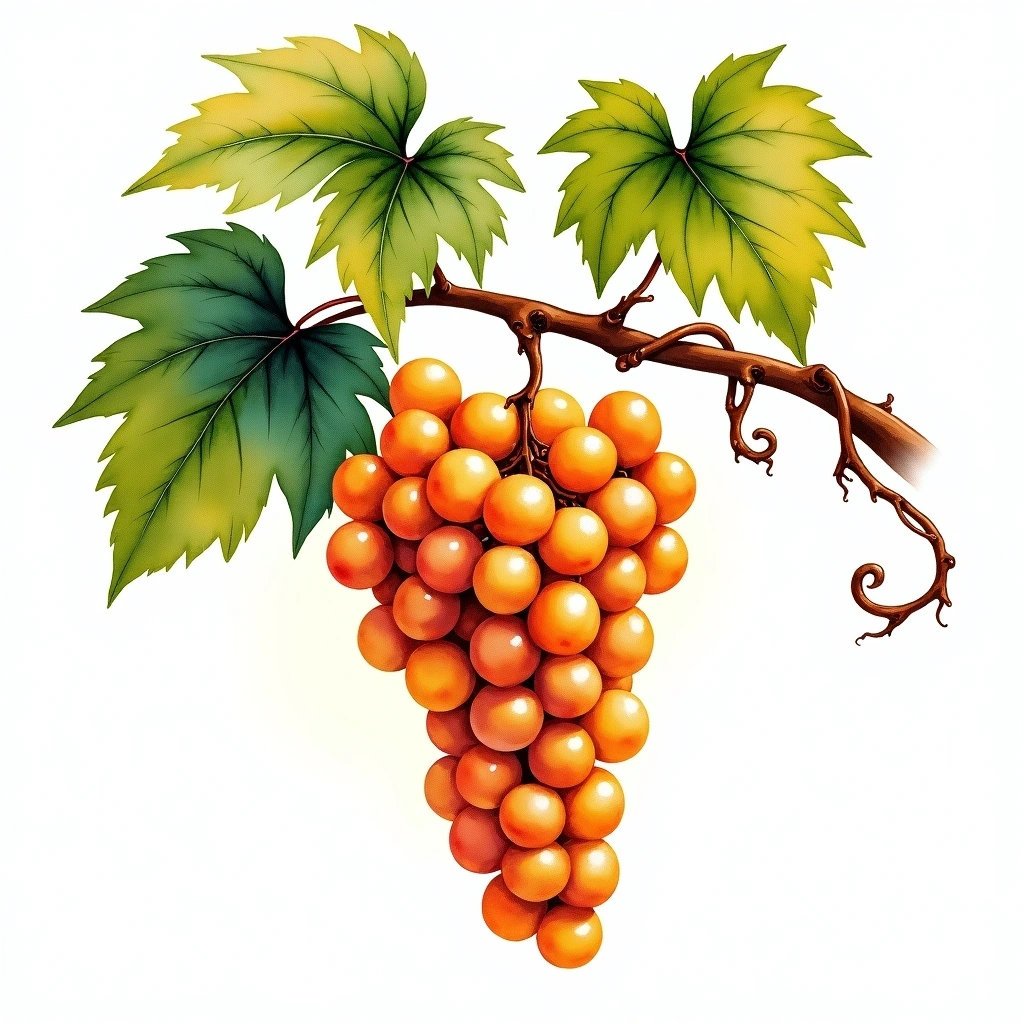 Gewürztraminer
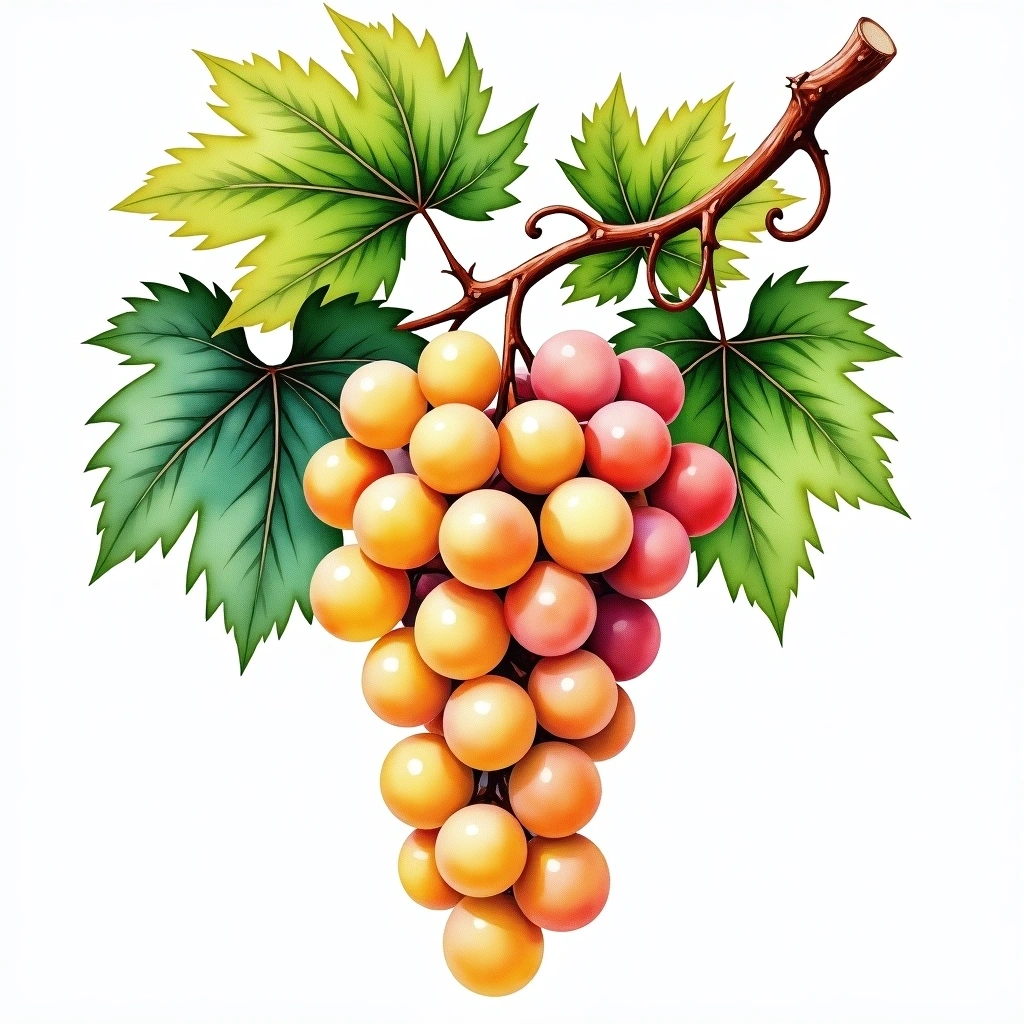 Pinot Grigio
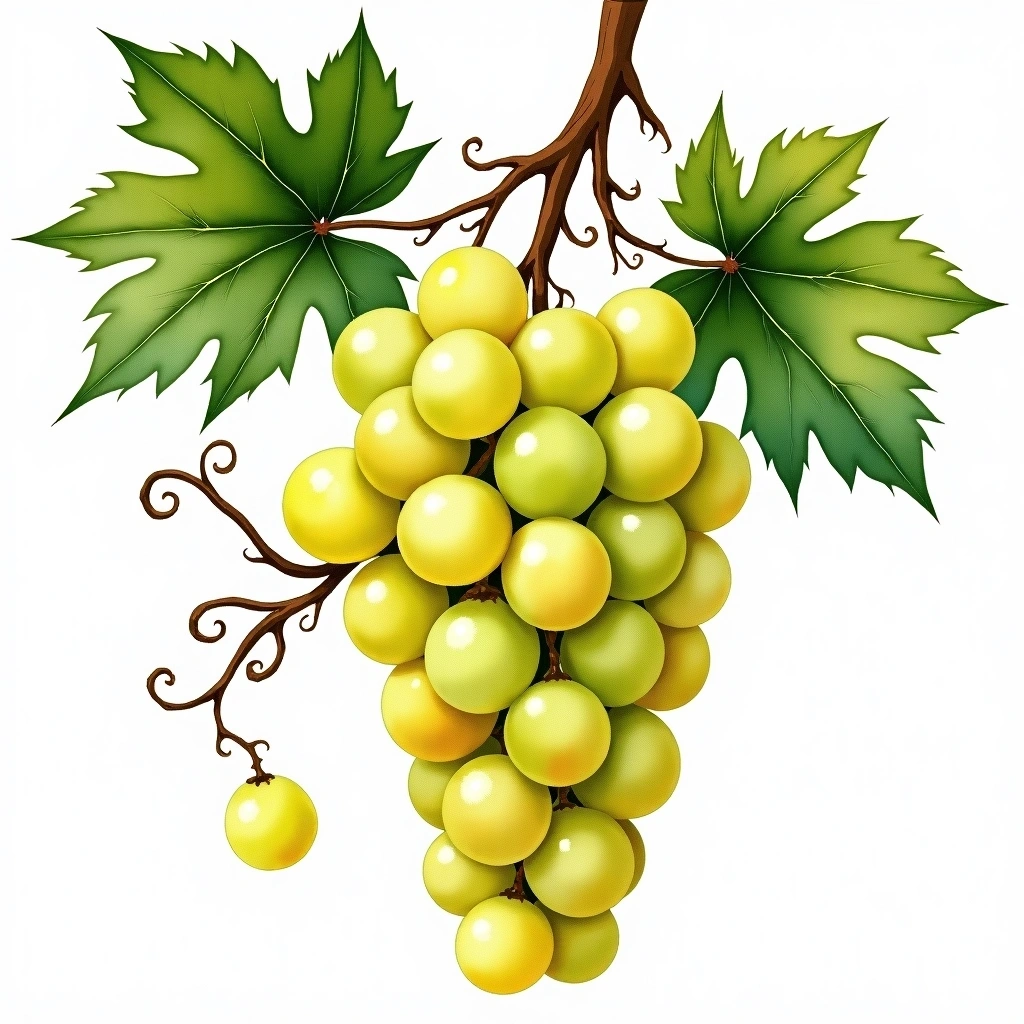 Riesling
 Aromatic White
 Botrytized
 Late Harvest
 Rich White