Bordeaux: The World's Most Famous Wine Region
A thorough guide to Bordeaux covering the Left Bank, Right Bank, classification systems, key grape varieties, and what makes this French region the benchmark for fine wine worldwide.
Why Bordeaux Matters
No wine region on Earth carries the weight of history, prestige, and sheer commercial influence that Bordeaux does. Situated in southwestern France along the Gironde estuary and its two tributary rivers — the Garonne and the Dordogne — Bordeaux has been producing wine since at least the first century CE, when Roman colonists planted the earliest vineyards on its gravelly soils.
Today, Bordeaux encompasses roughly 111,000 hectares of vines, making it one of the largest fine-wine regions in the world. Its annual output hovers around 700 million bottles, spanning everything from everyday table wine to the most expensive and sought-after bottles on the planet. The region is home to approximately 6,000 chateaux (wine estates), and its classification systems have shaped how the entire world talks about wine quality.
Understanding Bordeaux is not optional for any serious wine student. The vocabulary, the blending philosophy, the concept of Terroir applied at a granular level — Bordeaux established the template that countless other regions have adopted or reacted against.
Geography: Left Bank vs. Right Bank
The Gironde estuary and its rivers divide Bordeaux into two fundamentally different winemaking zones, each with distinct soil types, grape preferences, and stylistic identities.
The Left Bank
The Left Bank sits west and south of the Garonne and Gironde. Its defining feature is deep gravel — alluvial deposits left by ancient rivers that drain superbly and force vine roots deep underground. This warm, well-drained terroir is ideal for Cabernet Sauvignon, a late-ripening variety that needs every advantage to reach full maturity in Bordeaux's maritime climate.
Major Left Bank Appellations include:
- Medoc and Haut-Medoc — The northern stretch along the Gironde, home to broad, structured reds built on Cabernet Sauvignon.
- Margaux — Produces some of Bordeaux's most perfumed, elegant wines. Chateau Margaux is its most famous estate.
- Saint-Julien — Small but remarkably consistent. Known for balanced, classical Bordeaux reds.
- Pauillac — The epicenter of prestige. Three of the five First Growths (Lafite Rothschild, Latour, Mouton Rothschild) are here. Wines are powerful, tannic, and long-lived.
- Saint-Estephe — Slightly cooler with more clay in the soil. Wines tend toward firm Tannin and earthy depth.
- Pessac-Leognan (Graves) — South of the city of Bordeaux. Produces both outstanding reds and the region's finest dry whites from Sauvignon Blanc and Semillon.
The Right Bank
East of the Dordogne, the Right Bank features clay and limestone soils that favor Merlot, an earlier-ripening grape that thrives in cooler, moisture-retentive ground. Right Bank wines tend to be softer, rounder, and more approachable in youth than their Left Bank counterparts.
Key Right Bank appellations:
- Saint-Emilion — A medieval hilltop town surrounded by vineyards classified under its own system. The limestone plateau and clay slopes produce rich, generous reds. Chateau Cheval Blanc and Chateau Ausone sit at the apex.
- Pomerol — Tiny and unclassified, yet home to some of the world's most expensive wines. Chateau Petrus, planted almost entirely to Merlot on a unique buttonhole of blue clay, is the benchmark.
- Fronsac and Canon-Fronsac — Overlooked neighbors of Pomerol offering excellent value.
The Bordeaux Blend
Bordeaux is a blending region. Single-varietal wines are extremely rare. The classic red Bordeaux blend draws from up to six permitted grapes, though in practice most wines rely on two or three.
On the Left Bank, a typical blend might be 65-75% Cabernet Sauvignon, 20-25% Merlot, and small amounts of Cabernet Franc, Petit Verdot, or Malbec. Cabernet provides structure, Tannin, and aging potential. Merlot adds flesh and roundness.
On the Right Bank, the proportions reverse: 70-90% Merlot with Cabernet Franc playing the supporting role, contributing aromatic lift and freshness. Cabernet Sauvignon appears less frequently here.
This blending philosophy has been exported worldwide. When you see "Meritage" on a Napa label or encounter a "Bordeaux-style blend" from South Africa or Australia, the template is identical: a structured, age-worthy red built from complementary varieties.
The 1855 Classification
In 1855, Napoleon III ordered Bordeaux wine brokers to rank the region's top estates for the Paris Exposition. The brokers classified 61 red wines into five tiers (Premiers Crus through Cinquiemes Crus) based on decades of market prices — a remarkably pragmatic approach. Twenty-seven sweet wines from Sauternes and Barsac received a separate ranking.
The five First Growths (Premiers Crus) are: Lafite Rothschild, Latour, Margaux, Haut-Brion, and Mouton Rothschild (the last promoted from Second Growth in 1973 — the only change in over 160 years).
Crucially, the 1855 classification only covers the Medoc (plus Haut-Brion from Graves). Saint-Emilion has its own classification, revised roughly every decade. Pomerol has never been classified at all.
The system has obvious flaws — estates that have declined still carry their rank, while unclassified properties like some "super seconds" regularly outperform higher-ranked peers. Yet the 1855 classification endures because it established the principle that wine quality can be ranked, debated, and priced accordingly.
Climate and Vintage Variation
Bordeaux has a maritime climate moderated by the Atlantic Ocean and the vast pine forest of Les Landes to the west. Summers are warm but not scorching, and rainfall is a constant concern — particularly in September, when harvest-time rain can dilute grapes and promote rot.
This climatic uncertainty makes Vintage variation a central feature of Bordeaux wine. Great vintages (2005, 2009, 2010, 2015, 2016, 2018, 2019, 2020) produce concentrated, structured wines that can age for decades. Difficult years test winemakers' skill in the vineyard and cellar. Climate change is shifting this calculus: Bordeaux is getting warmer, harvests are earlier, and Merlot is ripening more easily — a mixed blessing that is gradually altering the balance of the classic blend.
White Bordeaux and Sweet Wines
Bordeaux is not exclusively red. The region produces excellent dry whites — primarily from Sauvignon Blanc and Semillon — in Pessac-Leognan, Entre-Deux-Mers, and elsewhere. These wines offer citrus, stone fruit, and a mineral edge that rewards short-term aging.
Sauternes and Barsac produce some of the world's greatest sweet wines. Here, autumn fog rising from the Ciron River encourages Botrytis cinerea (noble rot), which concentrates grape sugars and flavors to extraordinary levels. Chateau d'Yquem is the pinnacle — a wine of honeyed richness and almost supernatural longevity.
Buying and Drinking Bordeaux
The En Primeur System
Bordeaux's top wines are sold "en primeur" (as futures) — purchased in barrel, roughly 18 months before bottling and delivery. This system, unique in its scale, allows buyers to secure sought-after wines at release prices but involves risk: you pay upfront for wine you will not receive for two years, and not every vintage justifies the investment.
When to Drink
Classified-growth Bordeaux typically needs 10-20 years of cellaring to reach its peak. The tannins soften, the fruit deepens, and secondary aromas — leather, tobacco, cedar, earth — emerge. Decanting is essential for young Bordeaux; even a few hours of Aeration can transform a tight, closed wine.
Everyday Bordeaux (Bordeaux Superieur, Cotes de Bordeaux) is designed for earlier drinking — within three to seven years of the vintage.
Value Picks
The region's stratospheric top end gets all the press, but Bordeaux offers remarkable value at the lower tiers. Look for wines from Lalande-de-Pomerol, Cotes de Bourg, Blaye Cotes de Bordeaux, and Haut-Medoc Cru Bourgeois. These estates often produce Medium Red wines of genuine complexity for a fraction of classified-growth prices.
Food and Bordeaux
Bordeaux reds are among the most food-compatible wines in the world — a quality that explains their endurance on restaurant wine lists across the globe. The combination of structured Tannin, moderate fruit, and Acidity makes these wines natural partners for rich food rather than solo sipping.
Classic pairings that have stood the test of centuries:
- Left Bank Cabernet blends: Roast lamb (the traditional Pauillac pairing), grilled ribeye, duck confit, aged hard cheeses like Comte or Cantal. The tannin cuts through fat and protein, while the wine's herbal notes complement rosemary and thyme.
- Right Bank Merlot blends: Braised beef, mushroom dishes, pork tenderloin, truffle risotto. The softer tannins and rounder fruit work with medium-weight dishes that would be overwhelmed by Left Bank structure.
- Dry white Bordeaux: Oysters (a legendary Bordeaux-Arcachon tradition), grilled sea bass, goat cheese salads, lobster with herb butter.
- Sauternes: Foie gras (the canonical pairing), Roquefort cheese, fruit tarts, creme brulee. The sweetness of Sauternes balanced against rich, salty, or fatty foods creates a harmony that few other wine-food combinations can match.
The reason Bordeaux and food go together so well is structural. Unlike fruit-bomb New World wines that can overwhelm a plate, Bordeaux's moderate alcohol, firm acidity, and drying tannins are designed to interact with food, not compete with it. A great Bordeaux red tastes better with dinner than without it.
Understanding Bordeaux Labels
Bordeaux labels can intimidate newcomers, but a few principles unlock the system:
- Chateau does not necessarily mean a grand castle. Many chateaux are modest farmhouses. The term simply denotes a wine estate.
- Appellation d'Origine Controlee (AOC) appears on every label and tells you exactly where the grapes were grown. More specific appellations (Pauillac, Saint-Emilion) generally indicate higher quality than broader ones (Bordeaux, Bordeaux Superieur).
- Vintage year indicates the harvest year. Bordeaux vintage variation matters more than in most New World regions — check vintage charts before buying expensive bottles.
- Mis en bouteille au chateau means estate-bottled, indicating the wine was made and bottled at the property rather than sold to a negociant.
- Grand Vin typically refers to the estate's primary wine, as opposed to a second wine (often labeled with a different name).
Bordeaux has spent centuries building its reputation, and that reputation is well earned. Whether you start with a $15 Cotes de Bordeaux or save for a First Growth, you are drinking history.
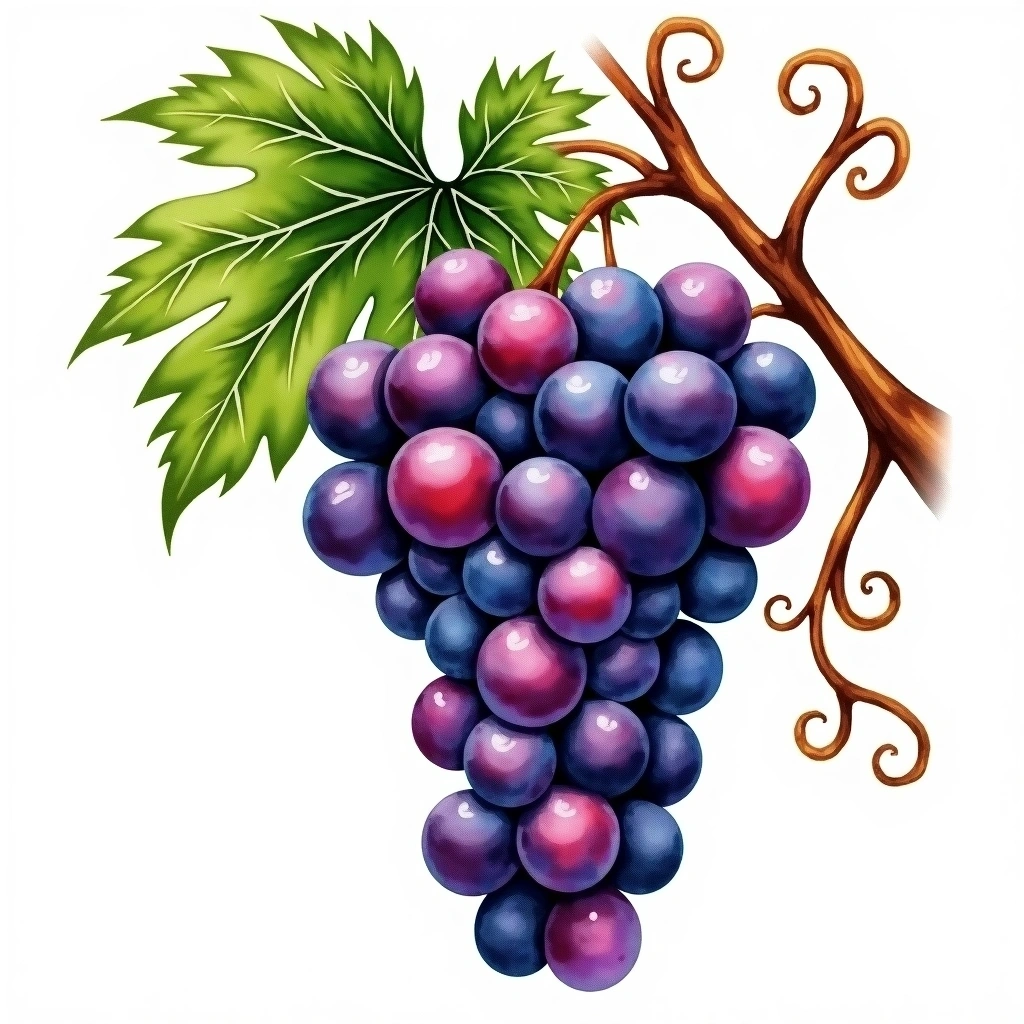 Cabernet Sauvignon
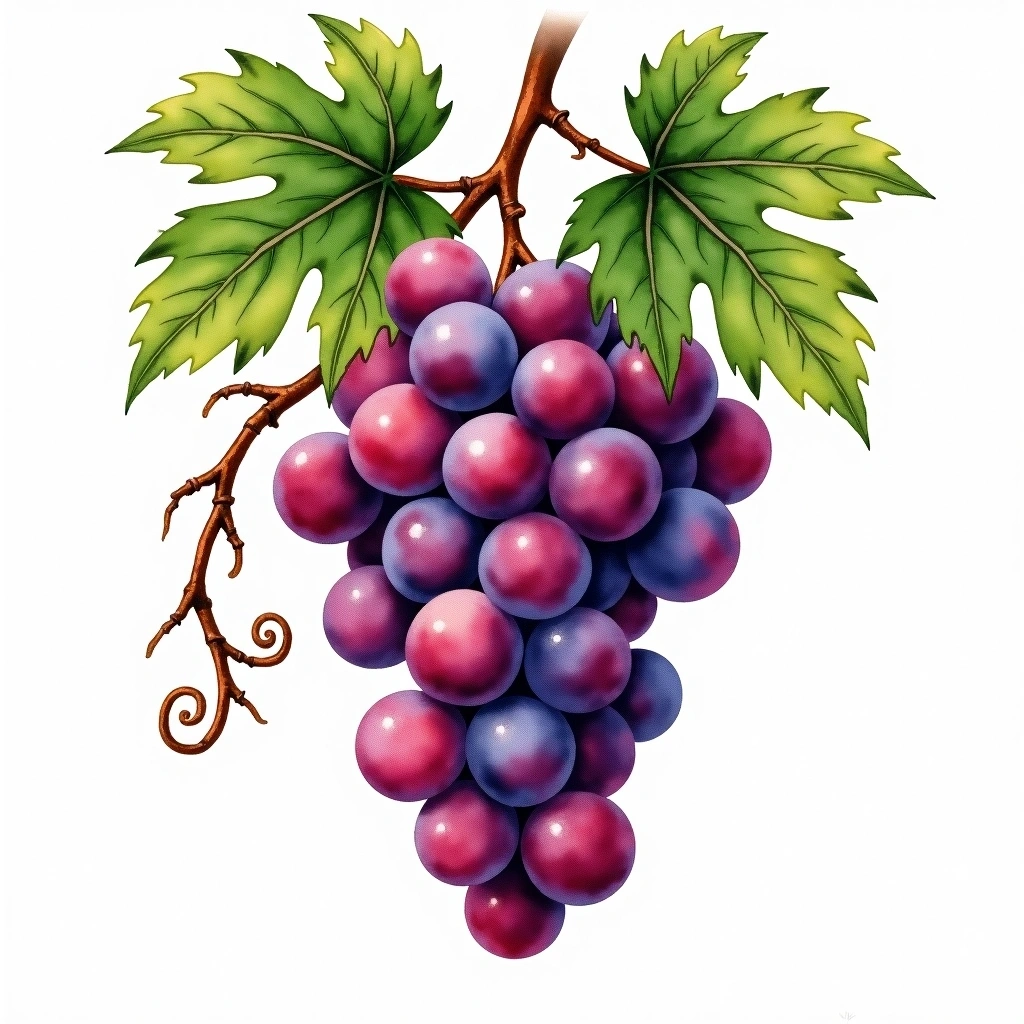 Merlot
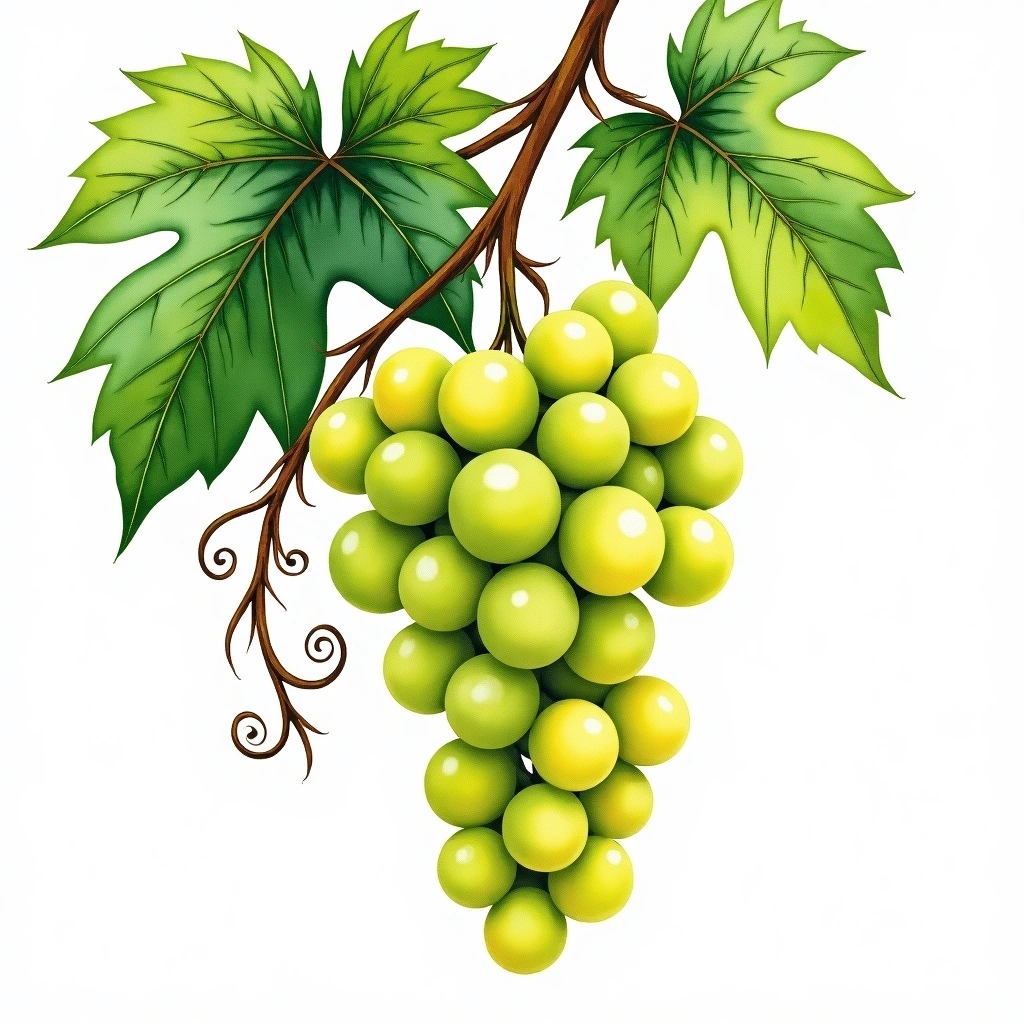 Sauvignon Blanc
 Bold Red
 Crisp White
 Medium Red