Douro Valley: Port and Beyond
The Douro Valley carved through Portugal's mountains produces both the world's greatest fortified wine and increasingly celebrated table wines. A guide to Port styles, the Touriga Nacional grape, and dry Douro reds.
The World's Most Dramatic Wine Landscape
The Douro Valley in northern Portugal is one of wine's most spectacular landscapes. The Douro River has cut a series of dramatic gorges through the schist and granite mountains of the Tras-os-Montes plateau, creating steep terraced hillsides that have been cultivated for over 2,000 years. The combination of extreme terrain, continental climate (hot summers, cold winters, very low rainfall in the upper valley), and the ancient, phylloxera-resistant local grape varieties creates wines of extraordinary concentration and power.
The valley is famous above all for Port — the great fortified wine of Portugal — but it has undergone a revolution in the past three decades. The same old-vine, schist-grown grapes and extreme terroir that produce outstanding Port also produce magnificent dry table wines that are now among the most exciting reds in the world.
Geography and Sub-Regions
The Douro DOC covers roughly 250,000 hectares along the Douro River and its tributaries, divided into three sub-regions with distinct characters:
Baixo Corgo (Lower Douro): The westernmost and coolest zone, nearest the Atlantic. More rainfall, more fertile soils, higher yields. Source of much of the everyday Port production.
Cima Corgo (Upper Middle Douro): The heart of the premium Douro. The great quintas (wine estates) cluster here: Quinta do Crasto, Quinta de la Rosa, Ramos Pinto. The town of Pinhao is the hub. The valley floor sits at 75-200 metres, with vineyard terraces climbing to 400+ metres.
Douro Superior (the most upstream zone): The driest and hottest sub-region, with an extreme continental climate. Rainfall can be as low as 400mm per year. The most recently developed zone; increasingly important for concentrated, powerful dry reds.
Schist: The Defining Soil
The dominant soil of the Douro is schist — a metamorphic rock that fractures vertically into thin plates. Unlike the granite found on the borders of the region, schist does not retain water. Vines must send their roots deep — sometimes 10-15 metres — to access water and nutrients. This extreme root depth results in naturally low Yields of intensely concentrated fruit.
Schist also absorbs solar radiation intensely during the day and releases it at night, creating very high temperatures in the vineyard microclimate. Combined with the "sun-trap" configuration of the river gorges (which block cooling breezes), the Douro is one of the hottest wine regions in Europe. Grapes accumulate very high sugar levels and Phenolics ripeness, which is why Port must be fortified with grape spirit to arrest fermentation at the desired sweetness level.
Port: The Fortified Wine
Port is made by adding neutral grape spirit (aguardente) to fermenting red or white wine when the fermentation has consumed roughly half the grape sugar. The spirit kills the yeast, locking in sweetness, boosting alcohol to 19-22%, and preserving the vibrant fruit character of the grapes.
The major Port styles:
Ruby Port: The simplest and most widely produced style. Aged for two to three years in large tanks or barrels before bottling. Young, fruity, and vibrant; accessible and affordable.
Reserve Ruby / Reserve: A step up in quality; aged longer and from better vineyards. Fuller and more complex than basic Ruby.
LBV (Late Bottled Vintage): Wine from a single vintage, aged four to six years in wood before bottling. The traditional LBV is unfiltered, requiring decanting; the filtered version is ready to drink immediately.
Tawny Port: Aged in small oak barrels (pipes) for many years, exposed to controlled oxidation. As the wine ages, it loses its red pigment and takes on a tawny, amber-brown colour, with flavours of dried fruits (fig, apricot, walnut), nuts, caramel, and spice. Sold in age categories: 10-year, 20-year, 30-year, 40-year (these are averages, not specific vintages). Chilled slightly, Tawny is one of the world's great dessert wines.
Colheita: A Tawny from a single vintage, aged in wood for at least seven years. Combines vintage specificity with the oxidative complexity of a Tawny.
Vintage Port: The pinnacle. Declared only in exceptional years (typically two or three times per decade) and aged in wood for just two years before bottling. The wine then continues to develop in bottle for decades — the finest Vintage Ports from great years (1963, 1970, 1977, 1994, 2011, 2017) age for 40-60 years and beyond. Requires extended decanting (1-3 hours) and develops a thick sediment.
Single Quinta Vintage Port: Vintage Port from a single estate rather than the traditional multi-quinta blend; declared in years not officially declared by the major houses.
The Grapes of the Douro
Uniquely among the world's great wine regions, the Douro Valley's vineyards traditionally contain dozens of different grape varieties grown together — the old "field blend" approach where grapes are harvested and fermented together. This practice, still preserved in the oldest vineyards, produces wines of incredible complexity.
Among the many indigenous varieties, a few stand out:
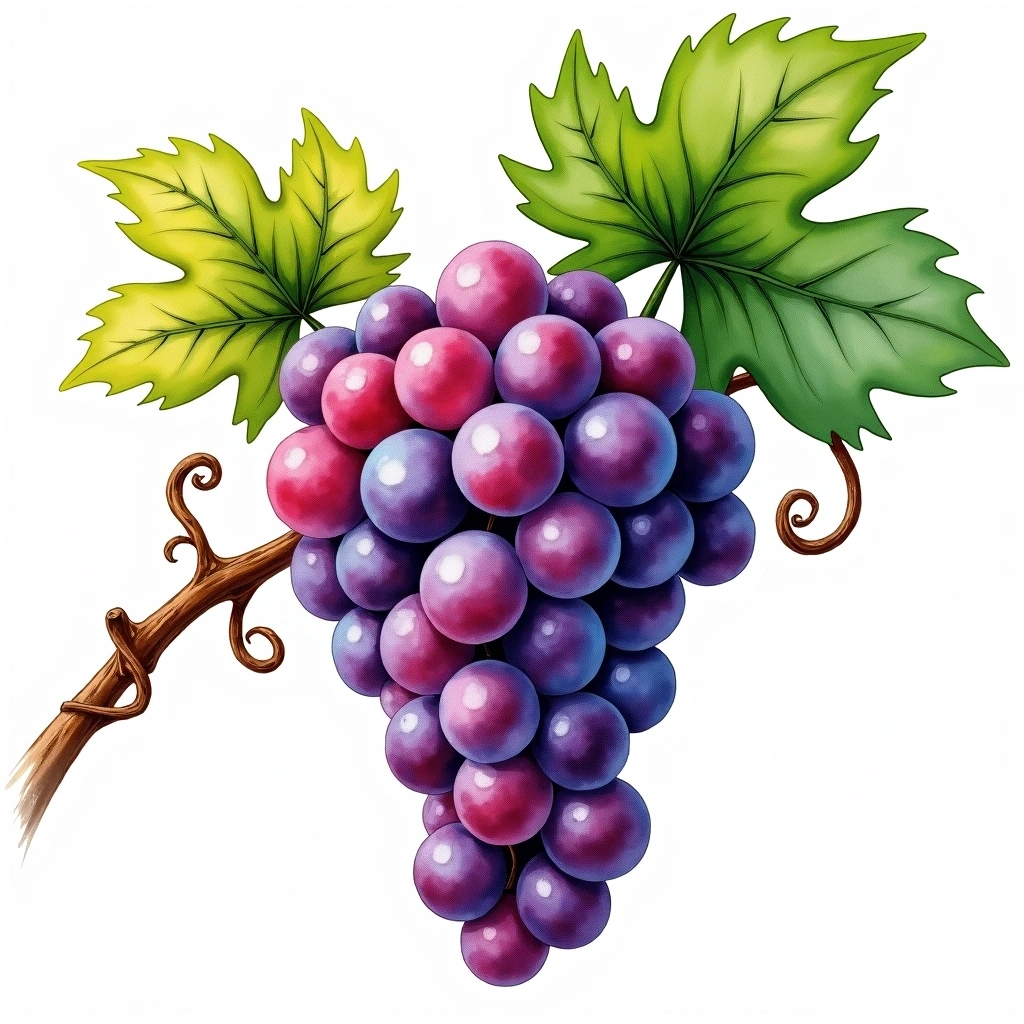
Touriga Nacional: Portugal's greatest red grape. Small-berried, with thick skins, exceptionally high Tannin, deep colour, and an extraordinary aromatic profile of violets, blackberry, and dark chocolate. It provides the backbone and structure for the finest Ports and dry Douro reds.
Touriga Franca: The most widely planted red variety in the Douro. Less concentrated than Touriga Nacional but highly aromatic (red fruit, floral), with good colour and structure. An essential blending component.
Tinta Roriz (Tempranillo): The same grape as Tempranillo in Spain. In the Douro's extreme climate, it produces wines of great power and concentration, adding spice, body, and dark fruit.
Tinto Cao: One of the oldest indigenous varieties; slow to ripen and low-yielding; produces wines of great finesse and aromatic complexity.
Dry Douro Table Wines: The New Revolution
Since the early 1990s, a handful of ambitious producers began making dry red table wines from the same old vines and schist vineyards that had always produced Port. The results astonished the wine world: deeply coloured, powerfully structured, complex wines that could age for decades, combining the concentration of Napa Cabernet with the earthy complexity of the Rhone.
Key estates and wines that led the dry Douro revolution:
- Barca Velha (Ferreira): First made in 1952; the Douro's first internationally recognised dry red; produced only in exceptional years; Portugal's most historic table wine
- Quinta do Vale Meao: The estate that produced Barca Velha's grapes until 1998; now independently producing outstanding wines
- Quinta do Crasto: Among the most consistent producers across both Port and table wine; the Reserva Velhas Vinhas (old vines) is a reference
- Chryseia (Prats and Symington): A joint venture bringing Bordeaux expertise to the Douro; consistently impressive
Notable Port Houses
The Port trade is dominated by shippers (negociants) based in Vila Nova de Gaia, across the river from Porto. The most important include:
- Symington Family Estates (Graham's, Dow's, Warre's, Cockburn's): The largest family-owned Port group; exceptional quality across their portfolio
- Fladgate Partnership (Taylor's, Fonseca, Croft): Another great family group; Taylor's Vintage Port is a benchmark
- Ramos Pinto: Historic shipper; outstanding Tawny aged wines
- Quinta do Noval: Famous for Nacional — Vintage Port from pre-phylloxera ungrafted vines; extraordinarily rare and expensive
Vintage Port: When to Drink
| Declared Vintage | Current Status |
|---|---|
| 1994 | Drinking beautifully now; peak 2025-2040 |
| 2000 | Excellent; still needs time; peak 2020-2050 |
| 2007 | Complex, structured; peak 2025-2045 |
| 2011 | Outstanding; a great year; peak 2025-2050 |
| 2016 | Exceptional; profound; hold through 2060+ |
| 2017 | Excellent; early-accessible for the style |
Food Pairings
- Vintage Port: Stilton and other blue cheeses (the classic match); dark chocolate; walnuts; dried figs
- Tawny Port: Pecan pie, creme caramel, almond tart, mild blue cheese, chocolate truffles (serve slightly chilled)
- Dry Douro Red: Grilled lamb, roast duck, game birds, aged hard cheeses, mushroom-based stews
White Port — often overlooked — served chilled with tonic water and a slice of lemon is one of Portugal's great aperitifs, and a revelation if you have never encountered it.
 Cabernet Sauvignon
 Grenache
 Mourvedre
 Tempranillo
 Touriga Nacional
 Bold Red
 Late Harvest
 Medium Red
 Port Style